The best walks and hikes around Rumst
4.4
(292)
1,630
hikers
109
hikes
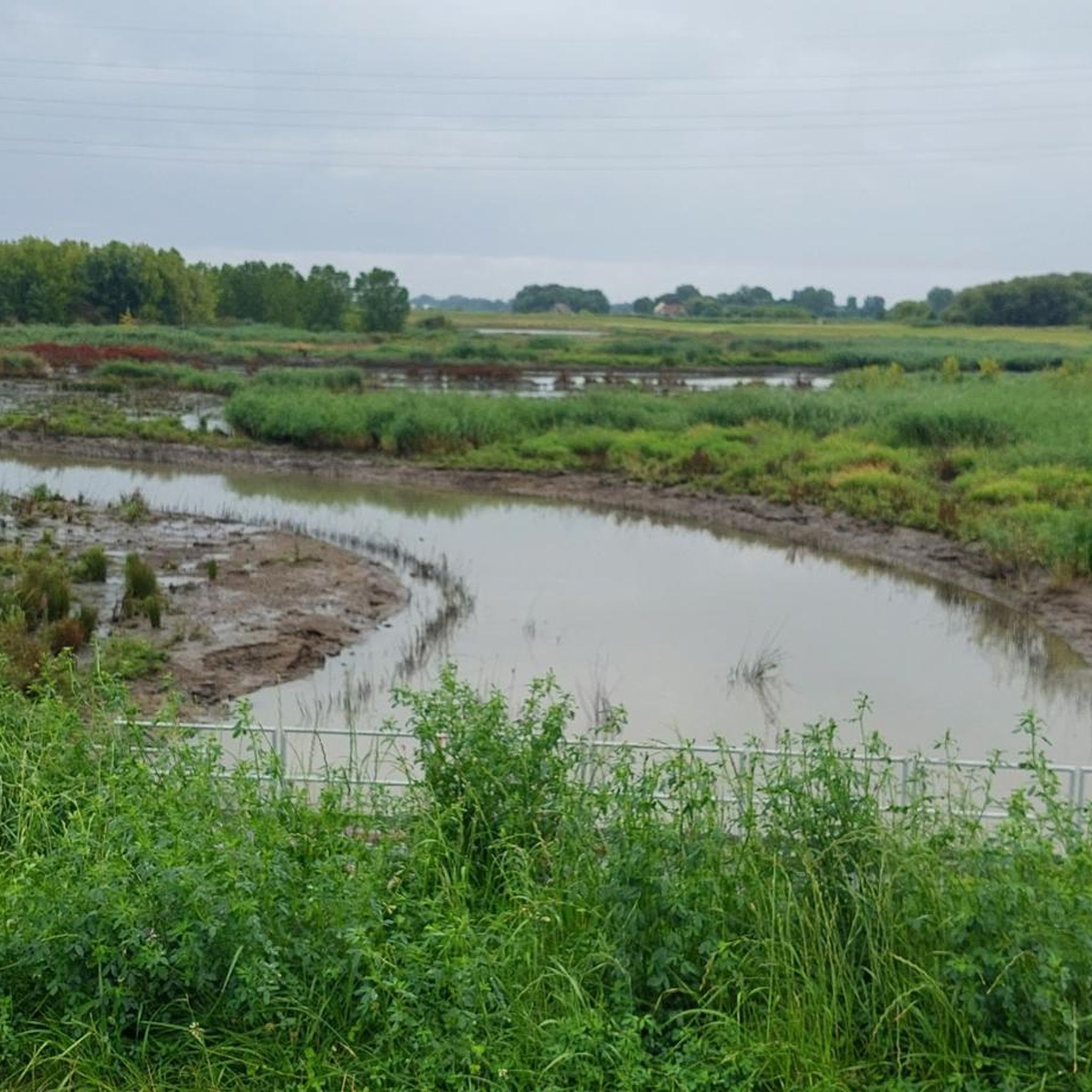
Hiking around Rumst offers diverse landscapes shaped by its riverine environment and historical clay extraction. The region is characterized by the confluence of the Nete, Dijle, and Rupel rivers, creating picturesque waterside trails. Former clay pits contribute to unique panoramic views and distinctive terrain, while provincial parks like De Schorre and Rivierenhof provide extensive green spaces and varied hiking opportunities.
Best hiking trails around Rumst
- The most popular hiking route is Troll Forest at De Schorre – Provincial Park De…
Last updated: October 5, 2026
4.8
(32)
132
hikers
Moderate hike. Good fitness required. Easily-accessible paths. Suitable for all skill levels.
3.5
(10)
59
hikers
Moderate hike. Good fitness required. Easily-accessible paths. Suitable for all skill levels.

4.2
(11)
46
hikers
5.15km
01:18
10m
10m
Easy hike. Great for any fitness level. Easily-accessible paths. Suitable for all skill levels.
4.5
(12)
75
hikers
Moderate hike. Good fitness required. Easily-accessible paths. Suitable for all skill levels.
3.9
(8)
28
hikers
Easy hike. Great for any fitness level. Easily-accessible paths. Suitable for all skill levels.
Get access to more routes and recommendations from other explorers.
Already have an account?
Our route recommendations are based on thousands of hikes, rides, and runs completed by other people on komoot.
Start today with a free account
Your next adventure awaits.
Tips from the Community

Bridges connect one side to the other...
2
0
Bridges connect one side to the other side...
3
0

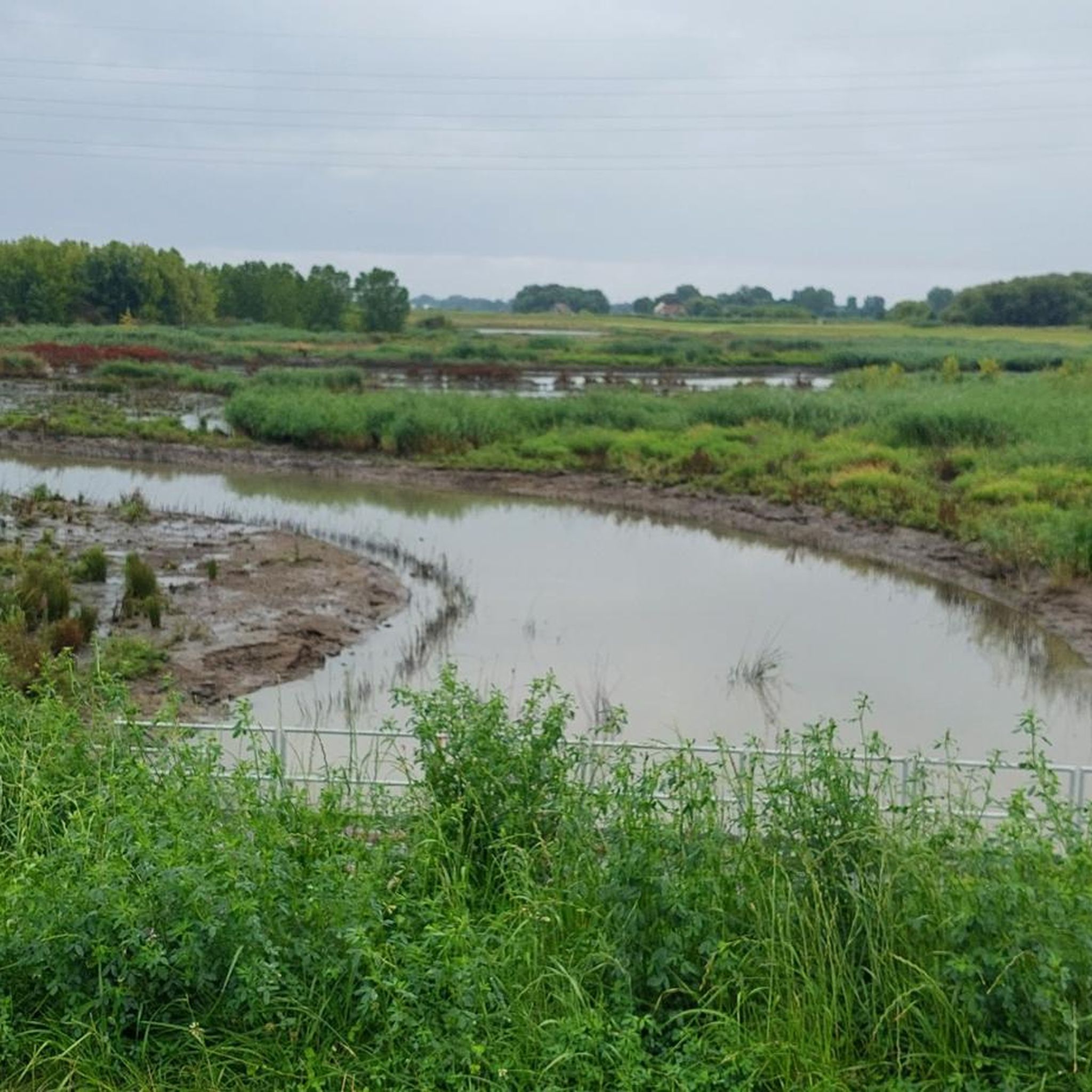
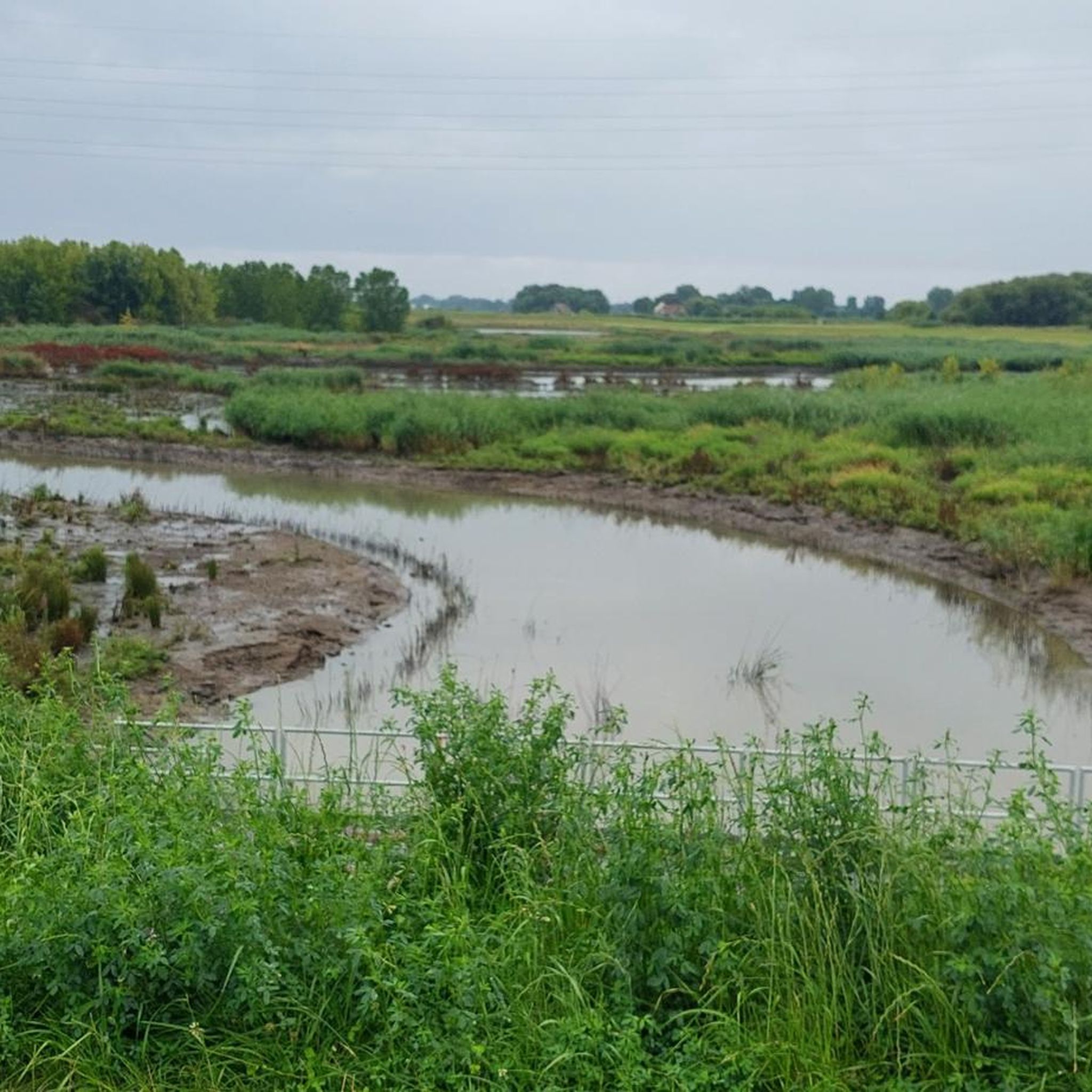
Hoop op beet! Is the fishing club of Rumst and has this large pond (about 150 m by 60 m) with a small island in the middle.
8
0
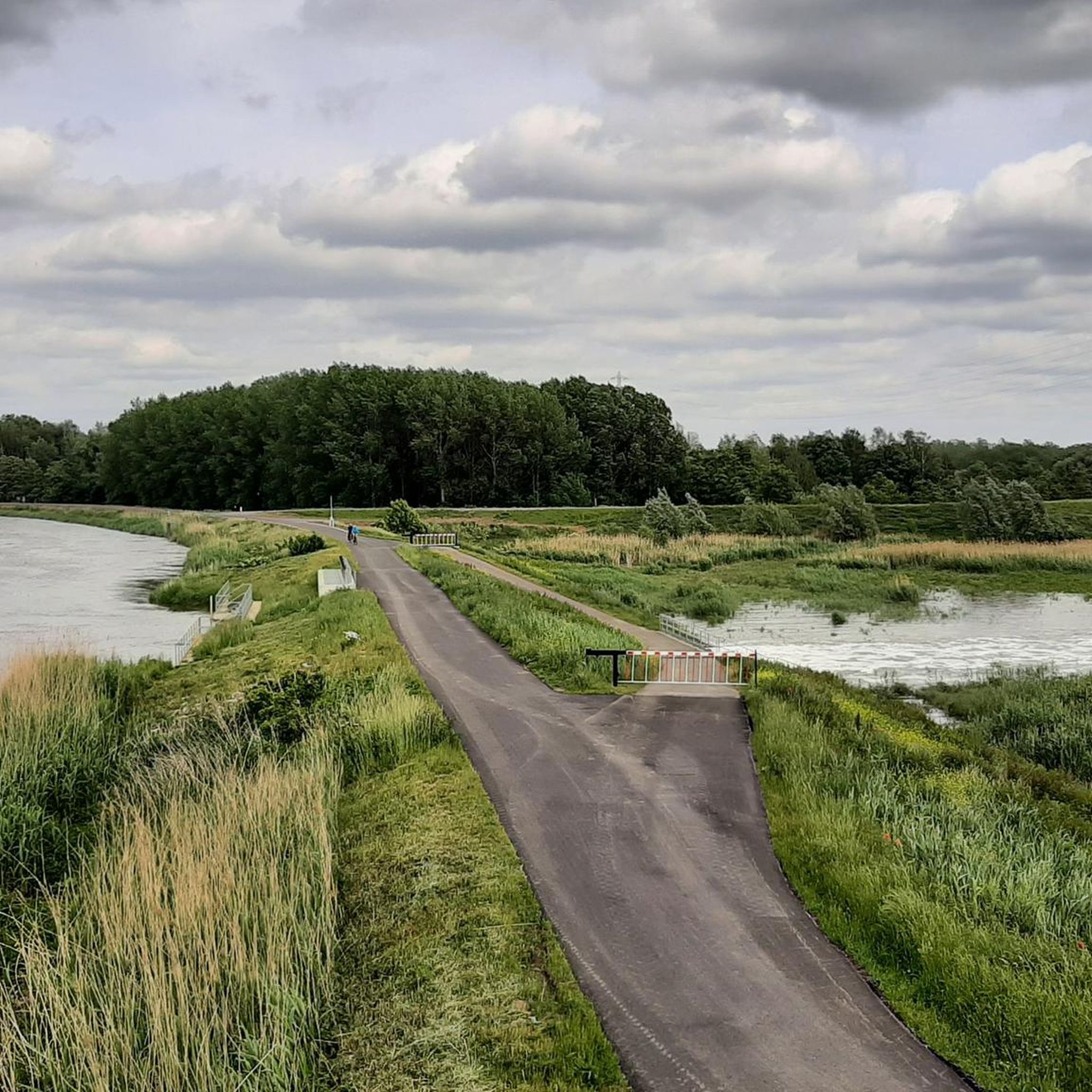
Several cycle and hiking routes pass by the blue bridges. The bridges are located at junctions 90 (W) or 51 (F), Nete side, and 89 (W) or 52 (F), Dijle side. Among others, the Duvelroute, the cycle route ‘Oeverhoppen’, and Rondje Mechelen-Boom pass by the blue bridges. On foot, you can follow the InstaRumst route.
9
0
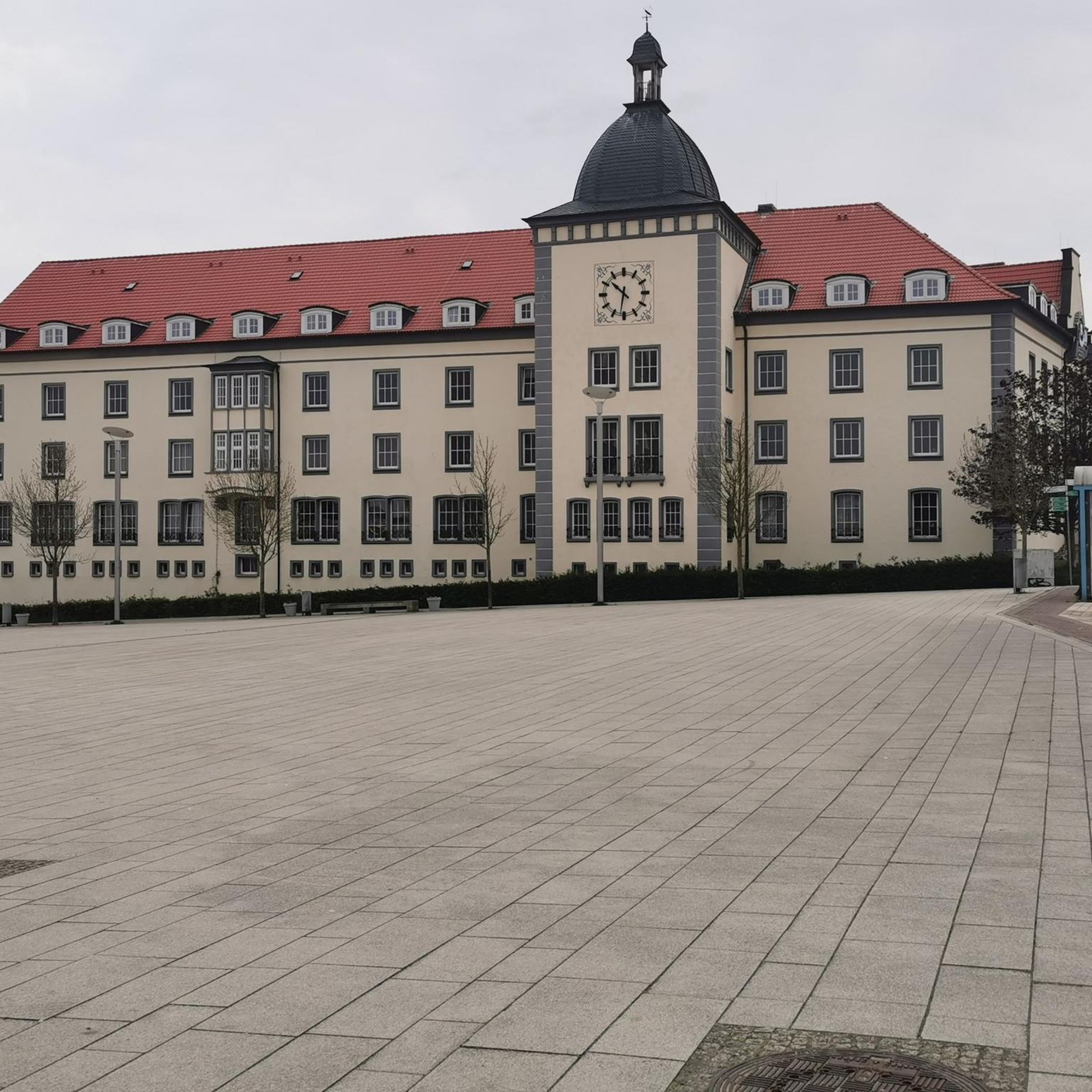
A neo-traditional parsonage, rebuilt in 1918 after its destruction in the First World War to a design by E. Careels. A detached double house of five, each with one lower bay on the left and right, and two stories under a slate saddleback roof (the ridge runs parallel to the street). Brick construction with natural stone. A cornice façade with a higher, stepped and central door bay, and side stepped gables. Cross and cloister windows; round-arched door beneath a similar niche. A walled front garden with a small gatehouse on the street, featuring a round-arched gate, stepped gables, and a round-arched niche with a statue of Our Lady. (Inventory of Immovable Heritage)
10
0
The church contains several old statues. Ecce Homo, made of polychrome wood from around 1700, and statues of Saint John the Baptist (18th century) and Saint Cornelius (first half of the 19th century) made of the same material. The facade, with stained-glass windows, dates from 1929. (Inventory of Immovable Heritage)
11
0

Beautiful views and handy for shortening or extending your rides
1
0

The St. John the Baptist and St. Amandus Church is the parish church of the small parish of Heindonk, located on the Dorpsplein (village square). History: Heindonk belonged to the parish of Zemst and, from 1603, to the parish of Heffen. In 1803, Heindonk became an independent parish. Initially, the chapel of the Vallis Pacis monastery, abandoned in the 17th century, was used as a church until 1856, and then as a town hall and community center. A permanent church was built in 1854-1856, designed by Ferdinand Berckmans.
6
0
Frequently Asked Questions
How many hiking trails are available around Rumst?
Rumst offers a wide variety of hiking trails, with over 100 routes available. These range from easy strolls to more challenging excursions, ensuring options for all fitness levels.
What types of landscapes can I expect to see while hiking in Rumst?
Hiking in Rumst provides a diverse experience, characterized by its riverine environment with the Nete, Dijle, and Rupel rivers, and unique landscapes shaped by historical clay extraction. You'll find picturesque waterside paths, former clay pits offering panoramic views, and lush greenery within provincial parks like De Schorre and Rivierenhof.
Are there any easy, family-friendly hiking routes in Rumst?
Yes, Rumst has many easy routes suitable for families. For instance, the Old clay extraction area – De Kleiputten Terhagen loop from Rumst is an easy 5.2 km path that explores distinctive landscapes and offers panoramic views, perfect for a leisurely family outing.
Can I find circular hiking routes in Rumst?
Many of the trails in Rumst are circular, allowing you to start and end at the same point. An example is the Troll Forest at De Schorre – Provincial Park De Schorre loop from Reet, a moderate 14.1 km route winding through the unique Troll Forest.
Are there any historical landmarks or interesting sights along the trails?
Rumst's history of clay extraction for brickmaking has left a unique mark on the landscape. You can explore former clay pits and remnants of old brick factories. Additionally, you might encounter historical sites such as Fort Steendorp or Wissekerke Castle, which are part of the region's rich heritage.
What do other hikers say about the trails in Rumst?
The hiking trails in Rumst are highly regarded by the komoot community, with an average rating of 4.5 stars from over 230 reviews. Hikers often praise the diverse scenery, from tranquil river paths to unique clay pit landscapes, and the well-maintained routes.
Are there any trails that offer elevated viewpoints?
Yes, the historical clay extraction has created elevated viewpoints in the region. The Highest point of Rivierenland – Old clay extraction area loop from Reet is an easy 5.2 km trail that takes you through one of these areas, providing expansive vistas of the surrounding landscapes.
Are there dog-friendly hiking options in Rumst?
Many trails in Rumst are suitable for hiking with dogs, especially those through the extensive green spaces and along the rivers. Always ensure your dog is under control and check local regulations for specific nature reserves or provincial parks you plan to visit.
How can I reach the hiking trails in Rumst using public transport?
Rumst is accessible by public transport, with bus connections to various parts of the region. Many trailheads are located within or near the town centers, making them reachable by bus. It's advisable to check local bus schedules for specific starting points.
Are there any longer, more challenging hikes in the area?
For those seeking longer, more moderate challenges, Rumst offers several options. The Klein Willebroek Little Bridge – Broek De Naeyer Nature Reserve loop from Rumst is a moderate 16.4 km trail that leads through riverine environments and nature reserves, typically taking around 4 hours to complete.
Where can I find birdwatching opportunities along the trails?
Rumst's riverine environment and nature reserves are excellent for birdwatching. Areas like the Molenbeekse Plassen floodplain and the Broek De Naeyer Nature Reserve offer tranquil routes where you can observe native birds. You might also find dedicated bird hides, such as the Broek De Naeyer Bird Hide.
Are there any trails that pass by water features or lakes?
Given Rumst's location at the confluence of three rivers, many trails feature water. The Old park pond Hof Ten Eiken – Ice Cellar Hof Ten Eiken loop from Oude Netearm is a moderate 13.4 km route that includes an old park pond, offering serene waterside views.
Most popular attractions around Rumst

Get inspired with the komoot mobile app


Explore more
Browse the best Hikes in other regions.
