The best road cycling routes around Hélécine
4.3
(218)
13,273
riders
843
rides
Road cycling around Hélécine offers a blend of open fields, wooded paths, and gentle topography, making it suitable for various levels of road cyclists. The region features accessible natural areas and historical landmarks, including the Provincial Domain of Hélécine and the Grote Gete river. Routes often incorporate small climbs that provide panoramic views across the countryside. This area provides scenic road bike routes near Hélécine, characterized by its varied terrain and historical context.
Best road cycling routes around Hélécine
- The…
Last updated: July 18, 2026
5.0
(1)
91
riders
86.5km
03:48
500m
500m
Moderate road ride. Good fitness required. Mostly well-paved surfaces and easy to ride.
4.5
(2)
103
riders
81.5km
03:49
460m
460m
Moderate road ride. Good fitness required. Mostly well-paved surfaces and easy to ride.

Sign up for free
91
riders
93.9km
04:26
360m
360m
Moderate road ride. Good fitness required. Mostly well-paved surfaces and easy to ride.
58
riders
126km
05:48
1,040m
1,040m
Hard road ride. Very good fitness required. Some segments of this route may be unpaved and difficult to ride.
51
riders
98.5km
04:24
680m
680m
Moderate road ride. Good fitness required. Mostly well-paved surfaces and easy to ride.
Get access to more routes and recommendations from other explorers.
Sign up for free
Already have an account?
Our route recommendations are based on thousands of hikes, rides, and runs completed by other people on komoot.
Start today with a free account
Your next adventure awaits.
Login or Signup

Tips from the Community

At the end of 2025, the urban planning permit for the renovation of the castle and its outbuildings was granted. It will be a large-scale restoration project – the complete renovation of the main castle and the improvement of the facades and roofs – aiming to breathe new life into this 17th-century gem, classified as exceptional heritage of Wallonia. The project includes the operation of the castle as a large guest house, combining historical preservation with public access. During my visit in July 2026, it was clearly visible that the works had started: there were construction containers along the driveway, where there was quite a bit of activity. source: haltinne.be
1
0
The domain of the Haltinne castle covers 279.98 ha of agricultural land, forests and meadows. The 'Struviaux' stream and several springs supply water to four ponds and the castle's moat. From an architectural point of view, the Haltinne castle is an exceptional heritage. Its appearance today is the same as when it was built in the mid-1600s. The imposing towers, loopholes and moat are reminiscent of a military function, but this is indeed a castle farm. Not only the facades, roofs and moat, but also the castle's monumental staircase are protected as exceptional heritage of Wallonia. This stone staircase has steps two meters wide, with a wide handrail also in stone. The massive character of this staircase contrasts with the statuettes representing the allegories of the four seasons. The wrought iron gate originally intended for King Leopold II and the 'Ciergnon' castle, the false windows in the east tower and the barn with a straw roof consisting of round limestone pillars are some other points of interest of the castle, which is however not publicly accessible. source: haltinne.be
1
0

On the spot where, according to legend, a statue of Our Lady, plowed out by a team of oxen, hung against an oak tree, a late Gothic chapel was built in 1538, which quickly became a place of pilgrimage. The chapel's interior also pleasantly surprises visitors. The rood screen is decorated with a beautiful apostle pew from 1613, probably from the Clerk's Chapel. Pilgrims used to offer a kilo of salt here to prevent children from bedwetting. Even today, the chapel attracts many visitors and, thanks in part to the procession, the May pilgrimage, and the candlelight procession, remains a center of religious life. It is open daily. On Sunday, September 8th, or the following Sunday, there is the annual rosary procession around the chapel to commemorate its dedication. This procession features a modern depiction of the mysteries of the Rosary, which also includes the Seven Sorrows of Our Lady. At the beginning of the procession, a farmer walks with an old plow. This refers to the legend that a farmer in the early sixteenth century allegedly found the statue of the Virgin Mary while plowing. The chapel on Ossenweg is said to have been built later in this neighborhood. The statue of Our Lady of Ossenweg is also carried in the procession. Source: https://www.zoutleeuw.be/kapel-van-de-ossenweg
4
0
Since 1965, the Oteppe castle and its surrounding estate (65 ha) have been run as a holiday centre ("L'Hirondelle") with a hotel, campsite, holiday chalets and bungalows, swimming pools, playground and fishing ponds; as a result, the village's population has almost doubled during the summer months.
2
0

The Château Rose was built by order of Albert-Pierre Stier (1745-1816). In 1776, he bought the seigniory of Orp, as it had been known since the end of the 17th century, when the land of Orp-le-Grand was merged with that of Orp-le-Petit. The pillory of Orp-le-Petit at the front is one of about fifty in Belgium that are listed by the Royal Institute for Cultural Heritage. When our country was invaded by France in 1794, the French revolutionaries rushed to abolish the symbols of the Ancien Régime and the pillory was demolished. A few years later, around 1826, Baron Jean-François de Vinck de deux Orp (1774-1827), nephew of the builder of the castle, had the restored elements of the pillory rebuilt on his estate, more specifically in the central part of the meadow below the castle. Source: https://www.orp-jauche.be/wp-content/uploads/Brochure_PetitPatrimoinePopulaire_ORP.pdf
7
0

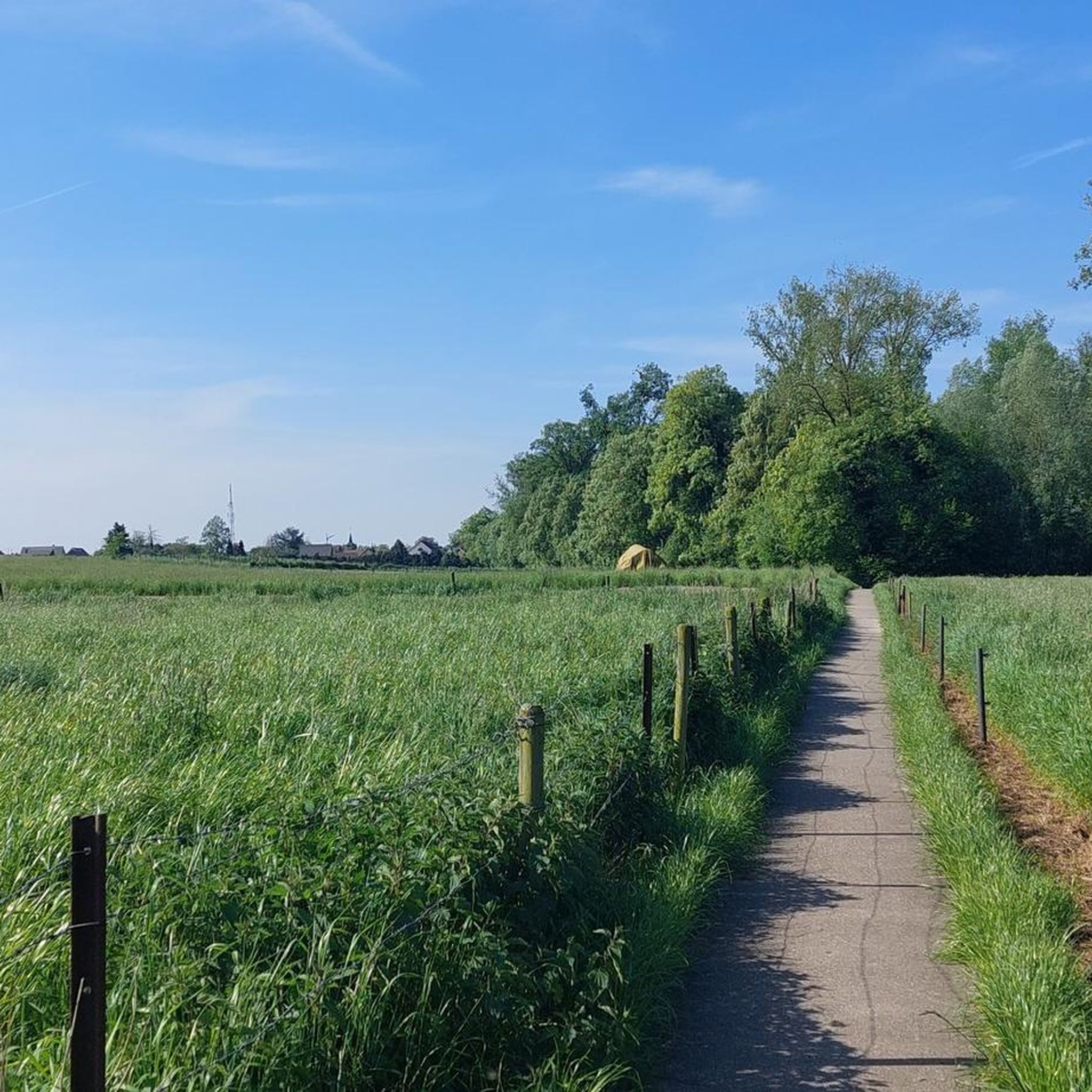
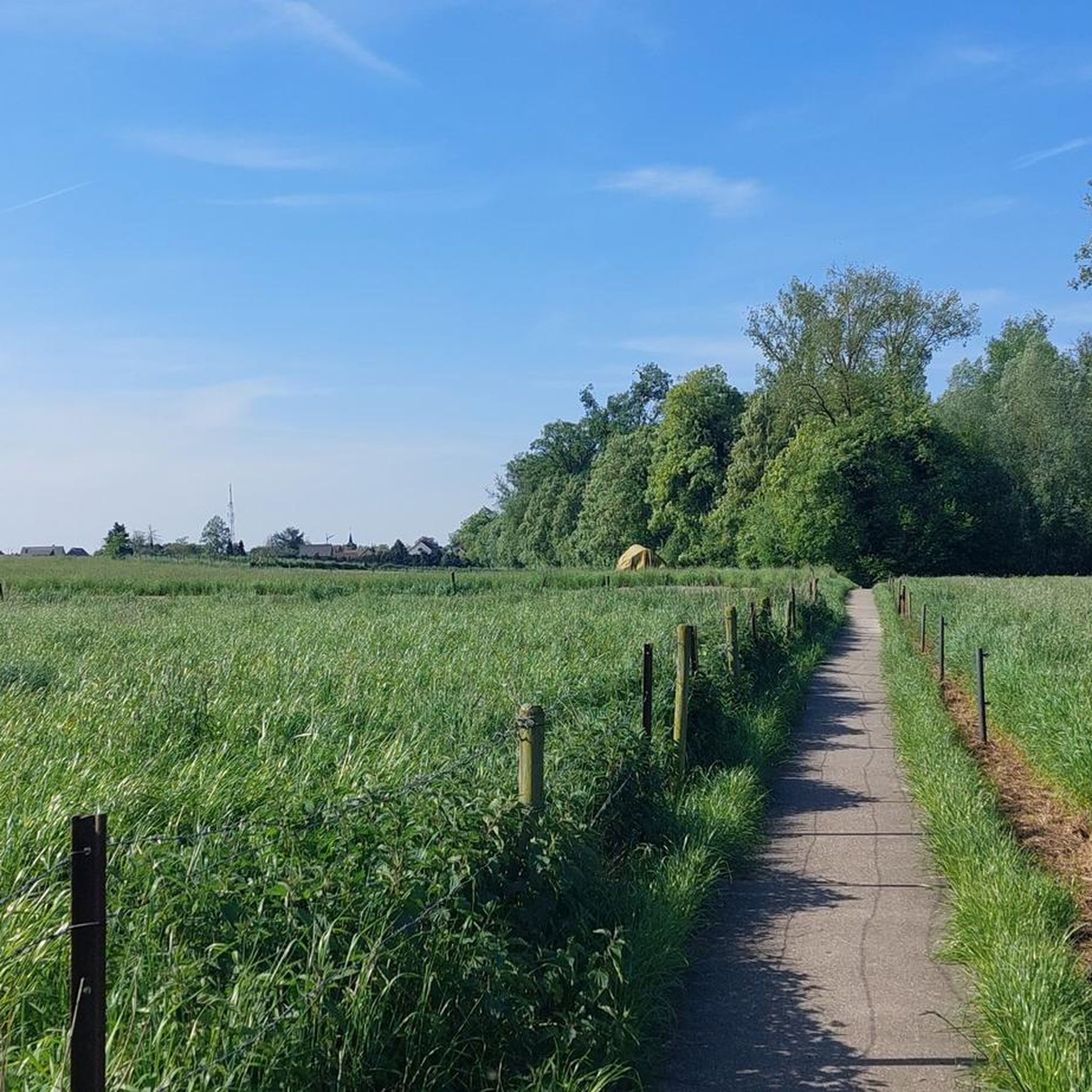
the old railway line between Halen and Tienen is now a nice cycle path along many orchards.
1
0
Monument in honor of the veterans and the fallen.
0
0

Franc-Waret Castle is located in the commune of Fernelmont, in the province of Namur, Wallonia. It is surrounded by a moat and decorated with French-style gardens. An English-style garden extends over 120 hectares around the palace.
0
0
Frequently Asked Questions
What kind of terrain can I expect when road cycling around Hélécine?
The Hélécine region offers a varied landscape for road cyclists, characterized by a mix of open fields, wooded paths, and gentle hills. You'll find routes with small climbs that provide panoramic views, especially towards areas like Sint-Truiden. The broader Haspengouw countryside, accessible from nearby Landen, also features historical Gallo-Roman burial mounds and mottes, adding scenic and historical richness to your ride.
Are there road cycling routes suitable for beginners or those looking for an easier ride?
Yes, Hélécine offers routes suitable for various skill levels. While many routes are moderate, you can find options with gentler elevations. For instance, the route Cloth Hall of Zoutleeuw – Bethaniakapel Zoutleeuw loop from Ezemaal is a moderate ride with a lower elevation gain compared to some other routes, making it a good choice for those seeking a less strenuous experience.
Where can I find challenging road cycling routes with significant elevation gain?
For cyclists looking for a more challenging experience, Hélécine offers routes with notable elevation gains. The Haltinne Castle – Hélécine Castle loop from Ezemaal is classified as difficult, featuring over 1,000 meters of elevation gain over its 126-kilometer distance, providing a substantial test for experienced riders.
What historical landmarks or viewpoints can I see along the road cycling routes in Hélécine?
Road cycling routes in Hélécine often pass by significant historical sites and offer scenic viewpoints. You can encounter the magnificent Château d'Hélécine, which serves as a picturesque starting point or destination. Other routes might lead you past the Drie Tumuli of Grimde or the Tumulus of Bortombe, offering glimpses into the region's rich history. The area also features views of fruit orchards, especially beautiful during blossom season.
Are there any circular road cycling routes around Hélécine?
Yes, many road cycling routes around Hélécine are designed as loops, allowing you to start and end at the same point. Popular examples include the Hélécine Castle – Château du Tronquoy loop from Ezemaal and the Château de Hannêche – Hélécine Castle loop from Ezemaal, both offering scenic circular journeys through the countryside and past historical châteaux.
What is the best time of year for road cycling in Hélécine?
The region around Hélécine is particularly enjoyable for road cycling during spring when the fruit orchards are in blossom, offering beautiful scenery. The gentle hills and open countryside are also pleasant during the milder months of summer and early autumn. While specific conditions vary, these seasons generally provide the most comfortable weather for exploring the area by bike.
Where can I park my car when planning a road cycling trip in Hélécine?
A convenient and central location for parking is at the Hélécine Estate, which surrounds the Château d'Hélécine. This provincial domain often serves as a starting point for many cycling routes and provides ample parking facilities for visitors.
Is Hélécine accessible by public transport for cyclists?
While the region is primarily explored by car or bike, Hélécine is situated in Walloon Brabant, Belgium, and can be accessed via public transport networks. It's advisable to check local bus and train schedules to nearby towns like Ezemaal or Landen, which may offer connections to Hélécine, though direct access to specific trailheads might require further planning.
Are there any cafes or places to stop for refreshments along the road cycling routes?
The area around Hélécine, including the Provincial Domain of Hélécine, offers amenities such as terraces overlooking ponds, which can be ideal for a break. As you cycle through the charming villages and towns, you'll likely find local cafes and pubs to stop for refreshments, especially in the larger settlements or near popular attractions.
What do other road cyclists say about their experience in Hélécine?
The road cycling routes in Hélécine are highly regarded by the komoot community, with an average rating of 4.3 stars from over 170 reviews. Cyclists often praise the varied terrain, the blend of open fields and historical sites, and the well-maintained paths that make for an enjoyable and scenic riding experience.
Are there any long-distance road cycling routes available in the Hélécine area?
Yes, Hélécine is a great starting point for longer road cycling adventures. Routes like the Haltinne Castle – Hélécine Castle loop from Ezemaal extend over 126 kilometers, offering a full day's ride through diverse landscapes and past multiple points of interest, connecting various châteaux.
Can I find routes that incorporate the RAVeL network near Hélécine?
While the region is known for its road cycling, some routes may utilize or connect to parts of the RAVeL network, which are dedicated paths often built on former railway lines or towpaths. For example, the Cloth Hall of Zoutleeuw – Railway Line 22 loop from Ezemaal specifically mentions following former railway lines, indicating the presence of such infrastructure that enhances the cycling experience.
Most popular attractions around Hélécine

Get inspired with the komoot mobile app


Explore more
Browse the best Road cycling routes in other regions.
