The best walks and hikes around Belœil
4.4
(548)
2,783
hikers
198
hikes
Hiking around Belœil offers diverse natural landscapes, situated at the foot of Mount St-Hilaire and along the Richelieu River. The region features old-growth forests, rocky cliffs, and tranquil riverbanks, providing varied terrain for outdoor activities. Protected areas like Mont Saint-Hilaire Nature Reserve offer well-marked trails through woodlands and to panoramic viewpoints. The area's parks also contribute to a network of pathways suitable for walking and hiking.
Best hiking trails around Belœil
- The most popular hiking route is Circuit de l'Arbre…
Last updated: July 6, 2026
4.8
(29)
90
hikers
5.58km
01:26
30m
30m
Easy hike. Great for any fitness level. Easily-accessible paths. Suitable for all skill levels.
4.3
(26)
106
hikers
Easy hike. Great for any fitness level. Easily-accessible paths. Suitable for all skill levels.

Sign up for free
4.6
(23)
86
hikers
Moderate hike. Good fitness required. Easily-accessible paths. Suitable for all skill levels.
4.4
(29)
117
hikers
Moderate hike. Good fitness required. Easily-accessible paths. Suitable for all skill levels.
4.5
(15)
57
hikers
21.8km
05:35
90m
90m
Hard hike. Very good fitness required. Easily-accessible paths. Suitable for all skill levels.
Get access to more routes and recommendations from other explorers.
Sign up for free
Already have an account?
Our route recommendations are based on thousands of hikes, rides, and runs completed by other people on komoot.
Start today with a free account
Your next adventure awaits.
Login or Signup

Tips from the Community

Michel Raulier: The Nail Tree of Stambruges Tree worship in our region is very ancient. Proof of this is the discovery in Blicquy, in the place called "Ville d'Anderlecht," of a set of 120 posts up to 90 cm in diameter. These may have served as supports for offerings, as evidenced by the numerous iron pins found in the filling holes. This could correspond to an artificial sacred grove housing deities, similar to Lucan's description of petrified forests in Pharsalia. In the past, trees, with their longevity and majestic shape, aroused a sense of sacredness in the minds of our ancestors. They were also believed to be capable of helping people solve their problems, particularly health problems. Many customs exist: walking around the tree, driving nails to fix the ailment, and tying cloths or fabrics to bind it. These trees were often Christianized by the installation of religious images or a chapel nearby. One example among others is that of Notre Dame de Foy. In Foy, near Dinant, a woodcutter discovered a 15th-century statuette in the heart of a very ancient oak tree in 1609. Long forgotten, the figurine bearing the image of the Virgin had been placed in a niche carved into the trunk. Over time, the wood completely covered it and erased its memory. In Stambruges, there is one of these remarkable trees, and beside it is a chapel, called "the chapel of Erconpuch" or, by another name, "the chapel of Arc-au-Puche," dedicated to the Virgin Our Lady of Arc-au-Puits, formerly called the Virgin of the Woods.
1
0
This approximately 2.5km drive formerly connected the guardhouses (now in ruins but still visible) to the old main entrance of the Chateau de Beloeil.
0
0
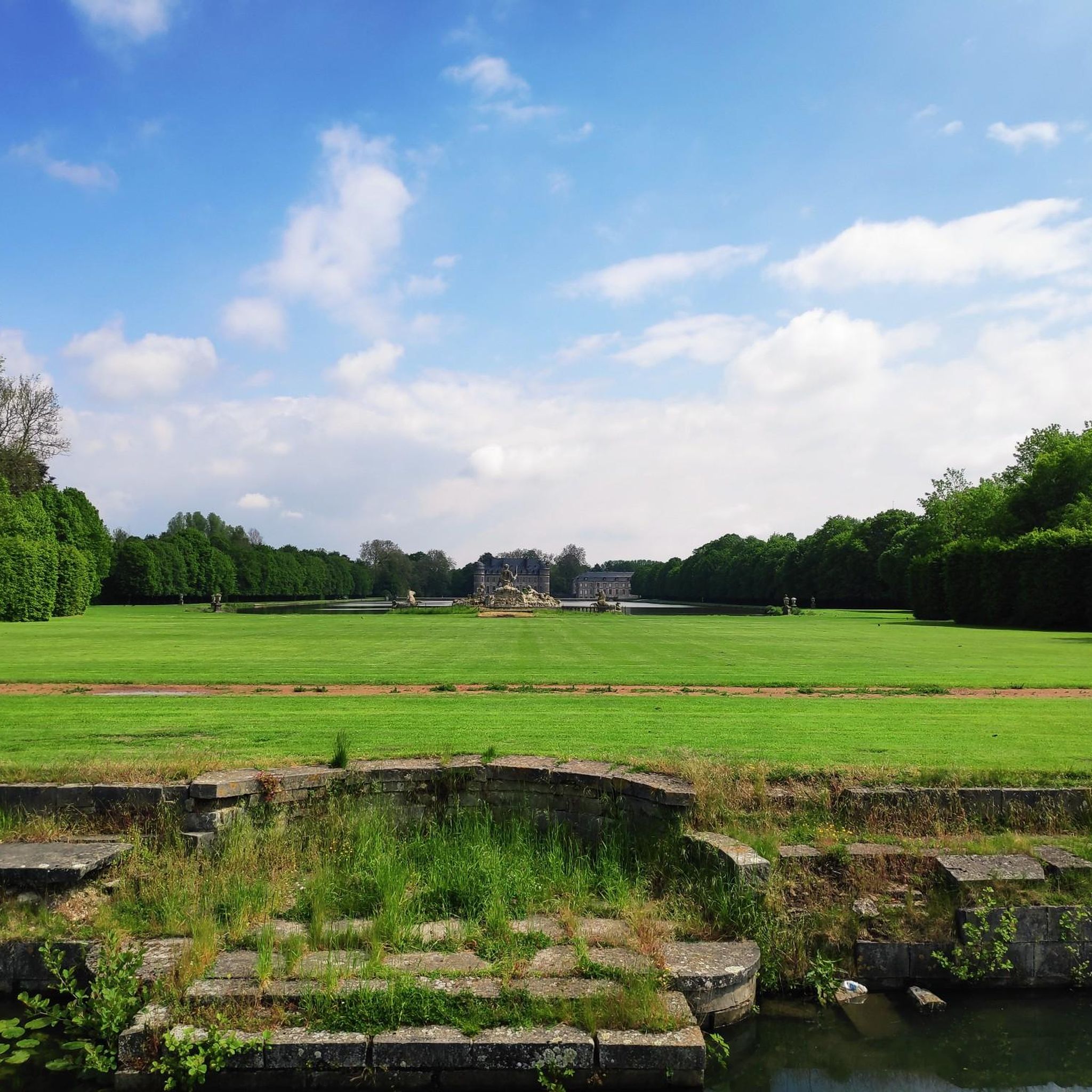
Chateau de Beloeil, otherwise known as the little Belgian Versailles.
1
0

Nice walk between field path, Ravel, and forest path. Practicable in all seasons.
1
0

Château de Belœil is a magnificent castle surrounded by impressive French gardens, located in the heart of Hainaut. Owned by the de Ligne family since the 14th century, this stately castle exudes elegant, historic charm.
1
0

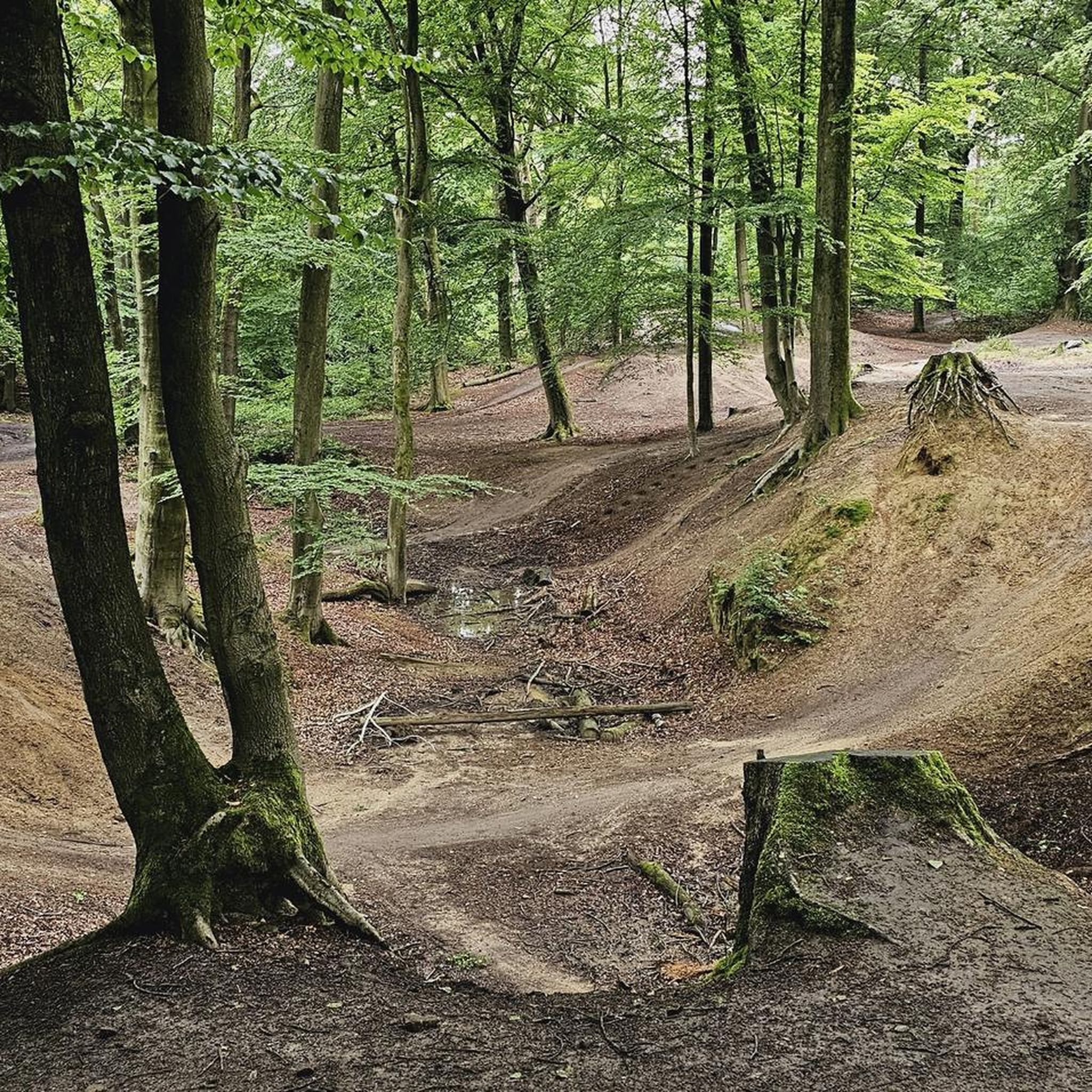
The Stambruges forest is a vast wooded area covering approximately 530 hectares. Composed mainly of beech and oak trees, it is renowned for its biodiversity, notably sheltering species of woodpeckers and other forest birds. The forest is dotted with hiking trails that allow you to discover varied landscapes, including the Mer de Sable nature reserve.
1
0
The Mer de Sable nature reserve is a 22-hectare protected area, renowned for its peat moors and young birch forests. Formerly a pond that dried up in the 19th century, the site is home to exceptional flora, including heather and carnivorous plants such as the sundew. The reserve, classified as a major heritage site in Wallonia, offers marked trails for hiking and observing local biodiversity.
2
0
Frequently Asked Questions
How many hiking trails are available in Belœil?
Belœil offers a wide selection of hiking opportunities, with over 180 routes available. These range from easy strolls to more challenging ascents, catering to various skill levels.
What kind of terrain can I expect on hiking trails in Belœil?
Hiking in Belœil features diverse landscapes, including old-growth forests, rocky cliffs, and tranquil riverbanks along the Richelieu River. You can also find trails through peat moors and gentle slopes, particularly in areas like the Mont Saint-Hilaire Nature Reserve and the Mer de Sable State Reserve.
What is the best time of year to go hiking in Belœil?
Belœil's temperate climate makes it suitable for hiking year-round. Autumn is particularly popular for its vibrant foliage, while trails remain accessible even in winter for those who enjoy snowy landscapes.
Are there hiking trails suitable for beginners in Belœil?
Yes, Belœil has many easy trails perfect for beginners or those seeking a relaxed walk. Routes like Circuit de l'Arbre à clous — Parc naturel des Plaines de l'Escaut offer gentle paths through varied landscapes. Within the Mont Saint-Hilaire Nature Reserve, trails such as Parc de la Coulée and Sentier des Murmures are also great options for tranquil, less strenuous walks.
Where can I find more challenging hikes in the Belœil area?
For more advanced hikers, the Mont Saint-Hilaire Nature Reserve offers demanding routes. The Sentier du Diable (Devil's Trail) features steep ascents to unparalleled viewpoints, and the Circuit des Sommets provides long-distance treks across varied terrain including dense forests and rocky outcrops.
Are there any circular hiking routes in Belœil?
Yes, several popular routes in Belœil are circular. For example, the Château de Beloeil Path – Beloeil Castle loop from Château de Belœil offers scenic views around the historic castle. Another option is the Canarderie Pond – Old observation towers loop from Château de Belœil, which is a moderate 9 km hike.
What natural attractions or landmarks can I see while hiking in Belœil?
Belœil is rich in natural beauty and historical landmarks. You can explore the Mont Saint-Hilaire Nature Reserve with its old-growth forests and panoramic viewpoints, or visit the unique peat moors of the Mer de Sable State Reserve. The historic Château de Beloeil is also a prominent landmark, often featured in hiking routes.
Are there any family-friendly hiking options in Belœil?
Many parks within Belœil, such as Parc Eulalie-Durocher and Parc Charles-Larocque, offer serene environments with well-maintained trails suitable for families. The beginner trails in Mont Saint-Hilaire Nature Reserve, like Parc de la Coulée and Sentier des Murmures, are also excellent choices for families due to their gentle paths and scenic views.
What do other hikers enjoy the most about hiking in Belœil?
The hiking routes in Belœil are highly rated by the komoot community, with an average score of 4.4 stars from over 500 reviews. Hikers frequently praise the diverse natural landscapes, from the quiet woodlands to the rewarding panoramic viewpoints, and the well-marked paths that cater to all skill levels.
Are permits or fees required for hiking in Belœil?
While many city parks and general trails are free, specific protected areas like the Mont Saint-Hilaire Nature Reserve (Gault Nature Reserve) may require permits or charge entrance fees. It's advisable to check their official website for current regulations before your visit.
Is there public transport available to reach hiking trailheads in Belœil?
Belœil has local public transport options that can connect you to various parts of the city and its surrounding areas. For specific trailheads, especially those further afield like Mont Saint-Hilaire, checking local bus schedules or ride-sharing services would be recommended.
Where can I find parking for hiking trails in Belœil?
Parking is generally available at major trailheads and within the city's parks. For popular destinations like the Mont Saint-Hilaire Nature Reserve, designated parking lots are provided, though they may fill up quickly during peak seasons. Smaller local parks often have street parking or small lots nearby.
Are there any trails with water features like waterfalls or lakes?
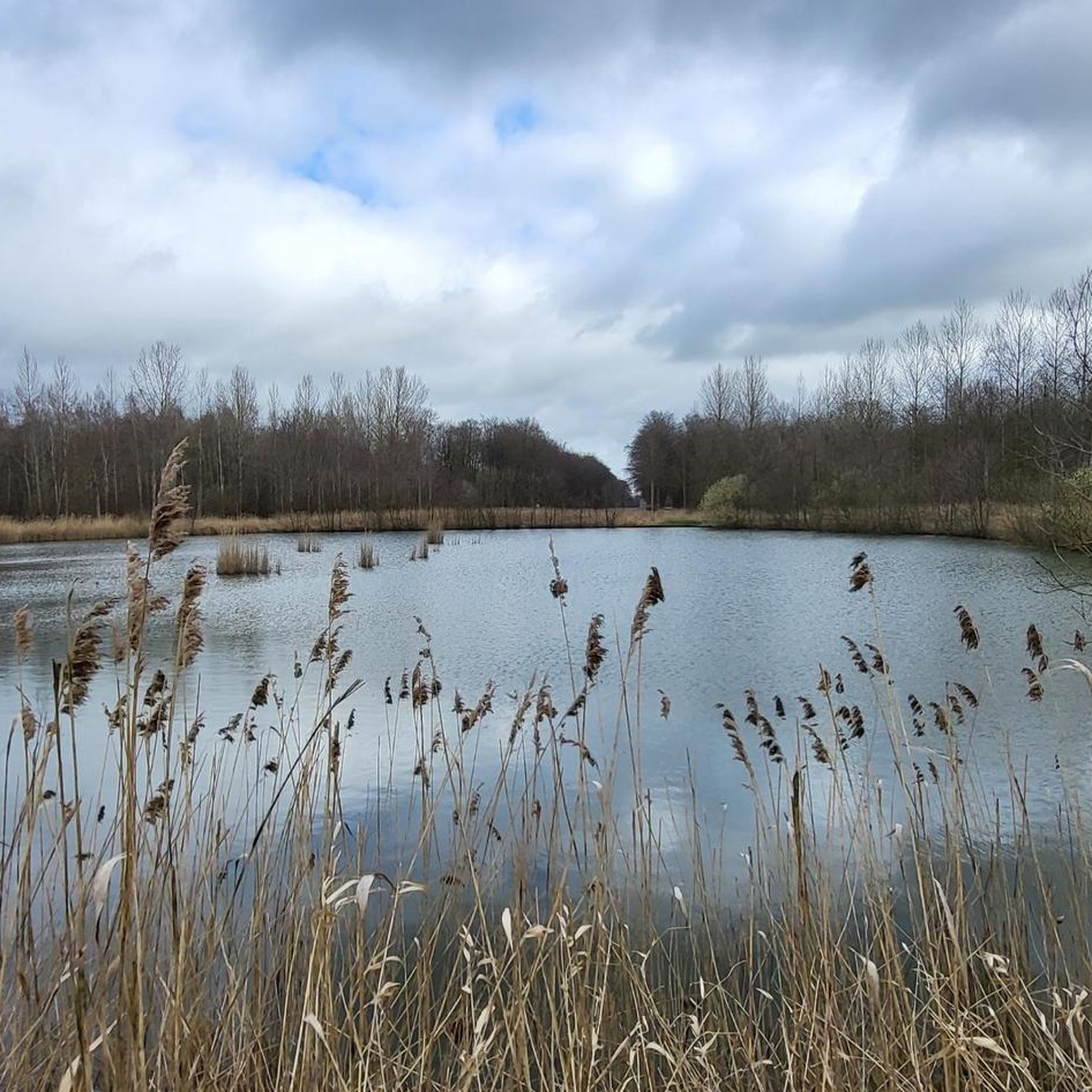
While Belœil is situated along the Richelieu River, offering scenic river views, the region is more known for its diverse forests and unique peat moors rather than large waterfalls. However, you can find beautiful lakes and ponds, such as Étang Chabaud-Latour and Lake Bernissart, which are often part of or near hiking routes.
Most popular attractions around Belœil

Get inspired with the komoot mobile app


Explore more
Browse the best Hikes in other regions.
