The best running trails around Tienen
4.5
(31)
2,123
runners
194
runs
Jogging routes around Tienen offer diverse options through a landscape characterized by historic sites, accessible green spaces, and natural water features. The city's terrain includes tranquil beguinages, public parks built around medieval ruins, and the expansive Vianderdomein with its lakes and connection to the Gete Valley. These features provide varied environments for running, from paved urban paths to more natural, water-rich settings.
Best jogging routes around Tienen
- The most popular jogging route is Ruins loop from Tienen, an 8.5 miles (13.6 km) trail that takes 1 hour 25 minutes to complete. This route features the historic "Ruins," a medieval church transformed into a public park.
- Another top favourite among local runners is Beguinage and Beguinage Church – Vianderdomein Ponds loop from Tienen, a moderate 8.3 miles (13.4 km) path. This path combines the tranquil Beguinage with the scenic Vianderdomein, featuring its lakes and green spaces.
- Local runners also love the Oplinter Church loop from Tienen, a 5.9 miles (9.5 km) trail leading through the local countryside, often completed in about 1 hour.
- Jogging around Tienen is defined by historic sites, accessible green spaces, and natural ponds within the Gete Valley. The network offers options for various ability levels, including easy, moderate, and challenging running routes.
- The routes in Tienen are highly rated by the komoot community with an average score of 4.4 stars from more than 30 reviews. More than 1,800 runners have used komoot to explore Tienen's varied terrain.
Last updated: May 7, 2026
4.0
(2)
69
runners
12.2km
01:16
50m
50m
Moderate run. Good fitness required. Mostly paved surfaces. Suitable for all skill levels.
56
runners
17.2km
01:54
110m
110m
Hard run. Very good fitness required. Mostly paved surfaces. Suitable for all skill levels.

Sign up for free
4.0
(3)
39
runners
6.74km
00:42
30m
30m
Moderate run. Good fitness required. Mostly paved surfaces. Suitable for all skill levels.
4.0
(3)
39
runners
11.1km
01:10
60m
60m
Moderate run. Good fitness required. Mostly paved surfaces. Suitable for all skill levels.
17
runners
7.42km
00:49
40m
40m
Moderate run. Good fitness required. Mostly paved surfaces. Suitable for all skill levels.
Get access to more routes and recommendations from other explorers.
Sign up for free
Already have an account?
Our route recommendations are based on thousands of hikes, rides, and runs completed by other people on komoot.
Start today with a free account
Your next adventure awaits.
Login or Signup



Tips from the Community

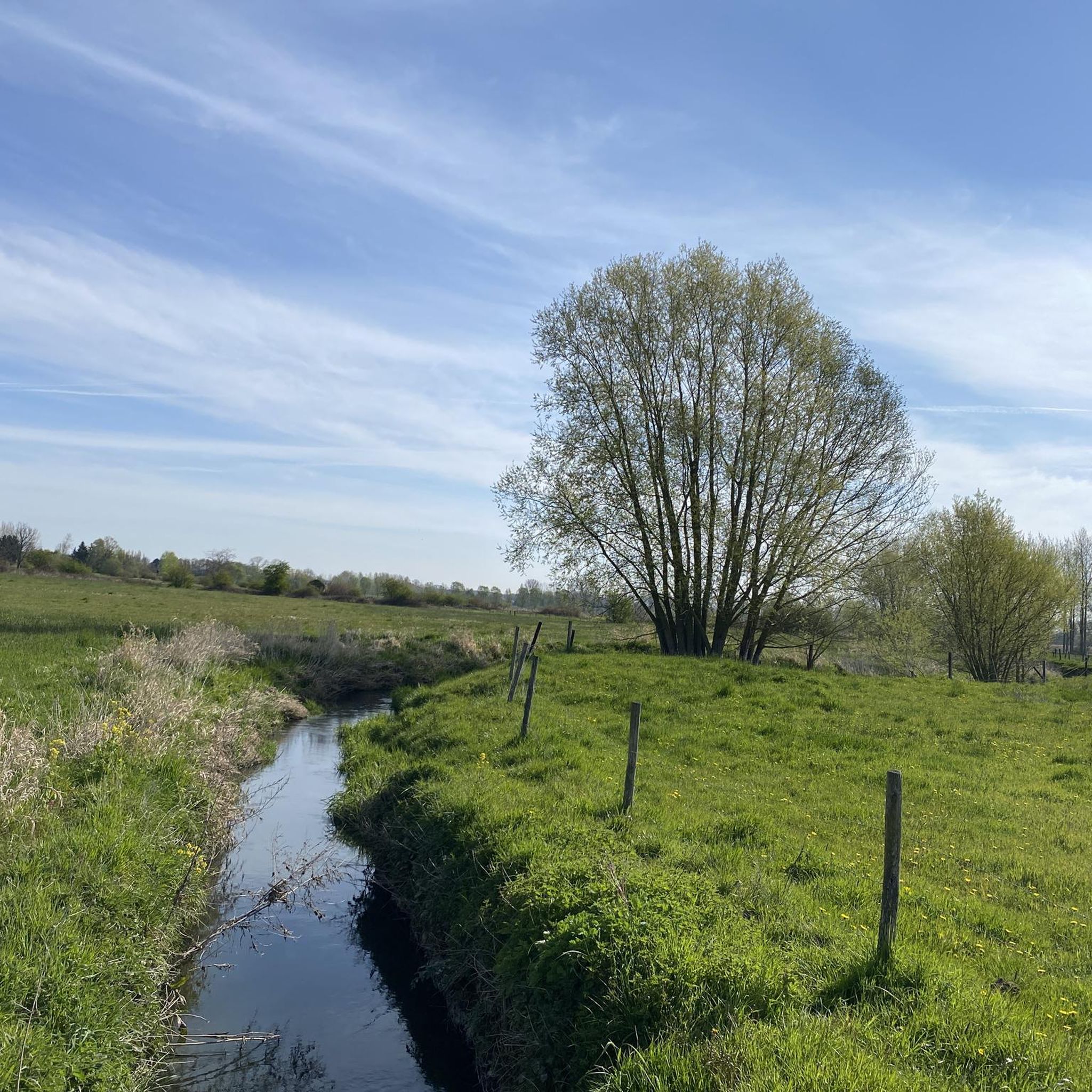
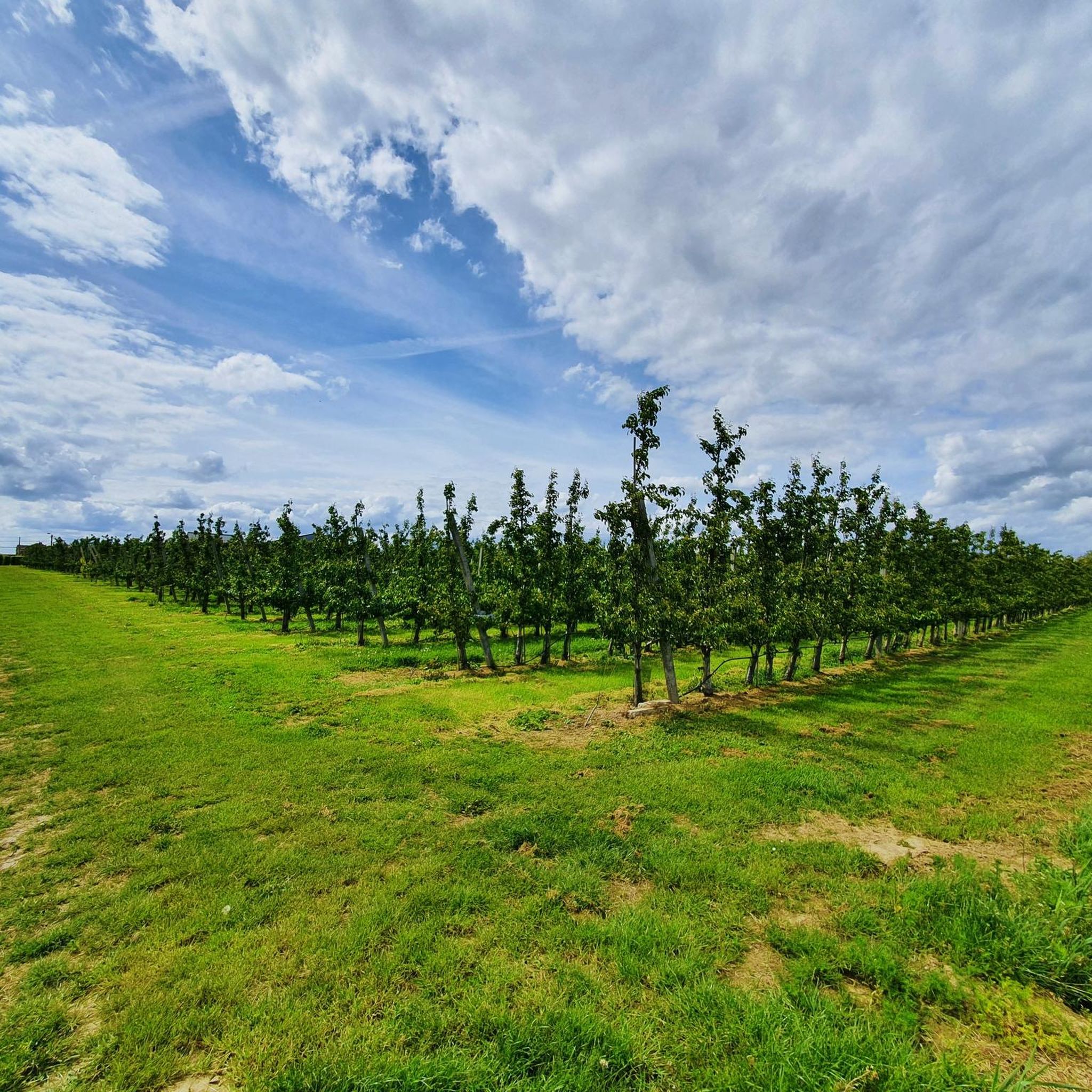
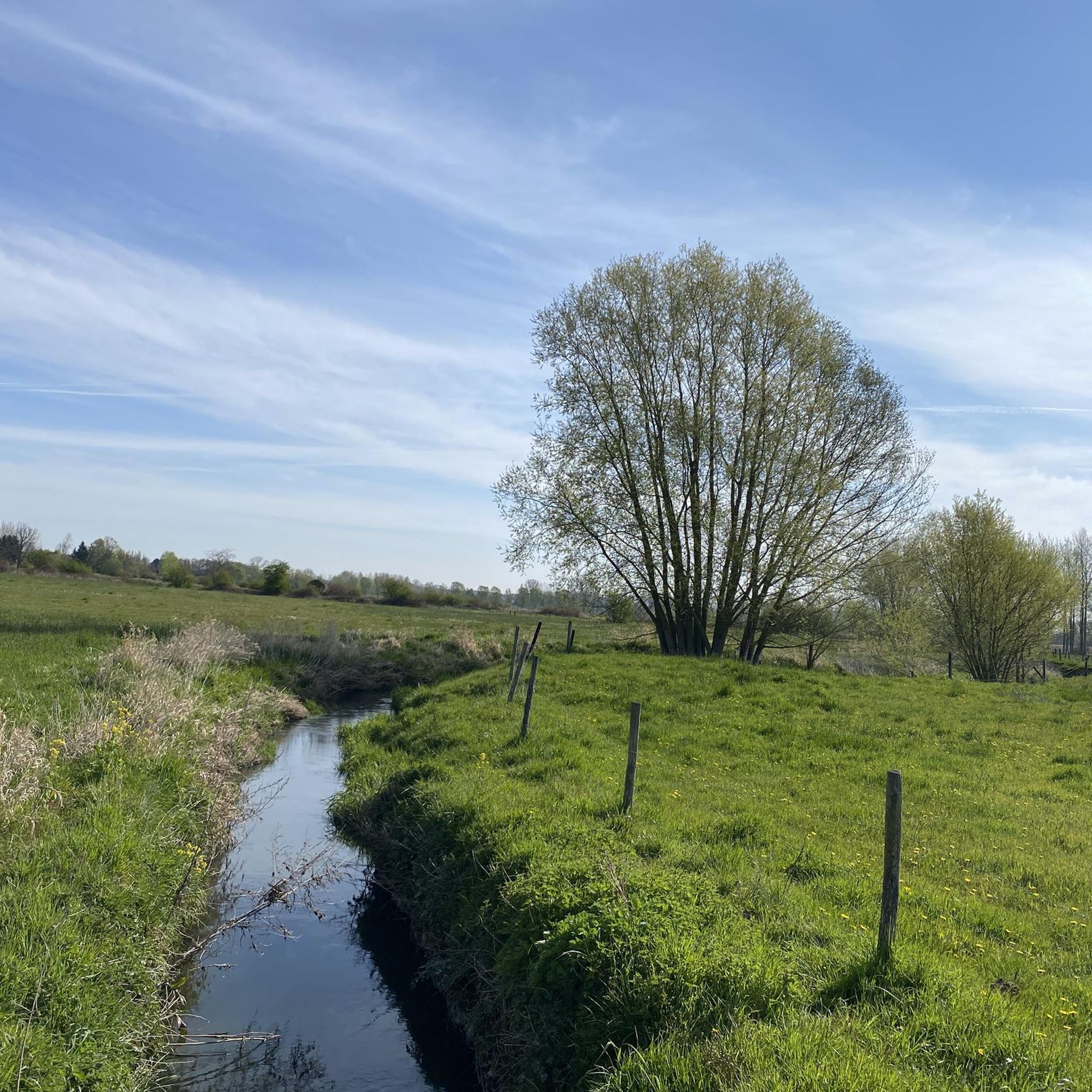
The Rozendaalbeek Valley, often mentioned in the same breath as Paddepoel (Velpe Valley), is a small valley formed by a tributary of the Velpe River, named—you guessed it—Rozendaalbeek. At the edge of the valley, on top of the slope, you'll find Natuur.huis De Gors, a nature center run by Natuurpunt Velpe-Mene, where there are often activities (including training courses). The valley itself is approximately 70 hectares and lies between Sint-Maarten and Sint-Pieter (both Vissenaken). The Rozendaalbeek is a tiny stream that rises just outside Tienen on the northwest side in two amphitheater-shaped slopes. After just a few hundred meters, the two separate branches meet and together form the Roosdaalbeek, which is listed on military maps as the "Vlietende beek" (Flying Brook). It still meanders naturally here and there through the wet meadows. Ancient pollard willows once lined its entire length, but many of these characteristic landscape features have since disappeared. The stream flows through an increasingly widening valley to the Velpe. More at https://www.velpe-mene.be/tienen/rozendaalbeekvallei.htm Flora tip: in spring, broad-leaved orchis (a native orchid species) and in autumn, a paradise for waxcaps, those oh-so-special and beautiful mushrooms. Take a look at https://www.natuurpunt.be/natuurinfo/paddenstoelen-families/paddenstoelenfamilie-wasplaten for these "orchids among the mushrooms." In this wetland nature reserve, you're never far from village centers and the highway, but be sure to take a look. Greet the Galloway people and don't forget the well of Saint Hymelinus of Vissenaken. His reliquary can be found in the parish church of Saint Martin, near De Gors and a path leading to the valley.
3
0
I have no idea why it's there. You're on a public road, a short distance from the entrance to the nature reserve, which only begins past the church and the Natuurpunt (Nature Point) house. There's a parking lot at the church.
5
0
Even before 1290, the church of Oplinter was a place of pilgrimage where, following the example of Paris, people came to implore the favors of Saint Genevieve to ward off the plague. The oldest core dates from around 1200. Over the following centuries, the hall church was continually expanded and enlarged. Several fires (in 1506, 1597, and 1676) ravaged the building. The Saint Genevieve Church has a late Romanesque square tower dating from around 1200. Next to the tower, a three-aisled Gothic nave of four bays, ending in a three-bay choir with a five-sided apse, was built in the late 13th and early 14th centuries. The narrow side aisles were vaulted to the same height as the nave, creating a hall church. The construction is attributed to master architect Franco de Lintris, also known as the foreman of the beguinage church in Diest in 1329. In the century following the completion of the hall church, the following were successively added: a north side portal and a north transept, and a south side portal and a south transept. In the 15th and 16th centuries, two large chapels were added on either side of the choir. Following fires in 1506, 1597, and 1676, the vault of the choir's nave collapsed. This was replaced by a rococo ceiling depicting scenes from the life of Saint Genevieve. The nave columns also had to be reinforced at that time. The church was restored several times. During the first restoration in 1878, led by architect A. Van Assche, the exterior decoration of the pinnacles and windows was restored. During a second restoration campaign in 1931-1936, led by Prof. Kan. R. Lemaire, the Gothic choir vault was rebuilt. Finally, between 1972 and 1985, the roofs and exterior walls were repaired, and the modern sacristy behind the choir was demolished. Inventory of Immovable Heritage: Parish Church of Saint Genevieve, https://id.erfgoed.net/erfgoedobjecten/43103
5
0

Nice spot to take a break. Roofed benches and tables.
0
0

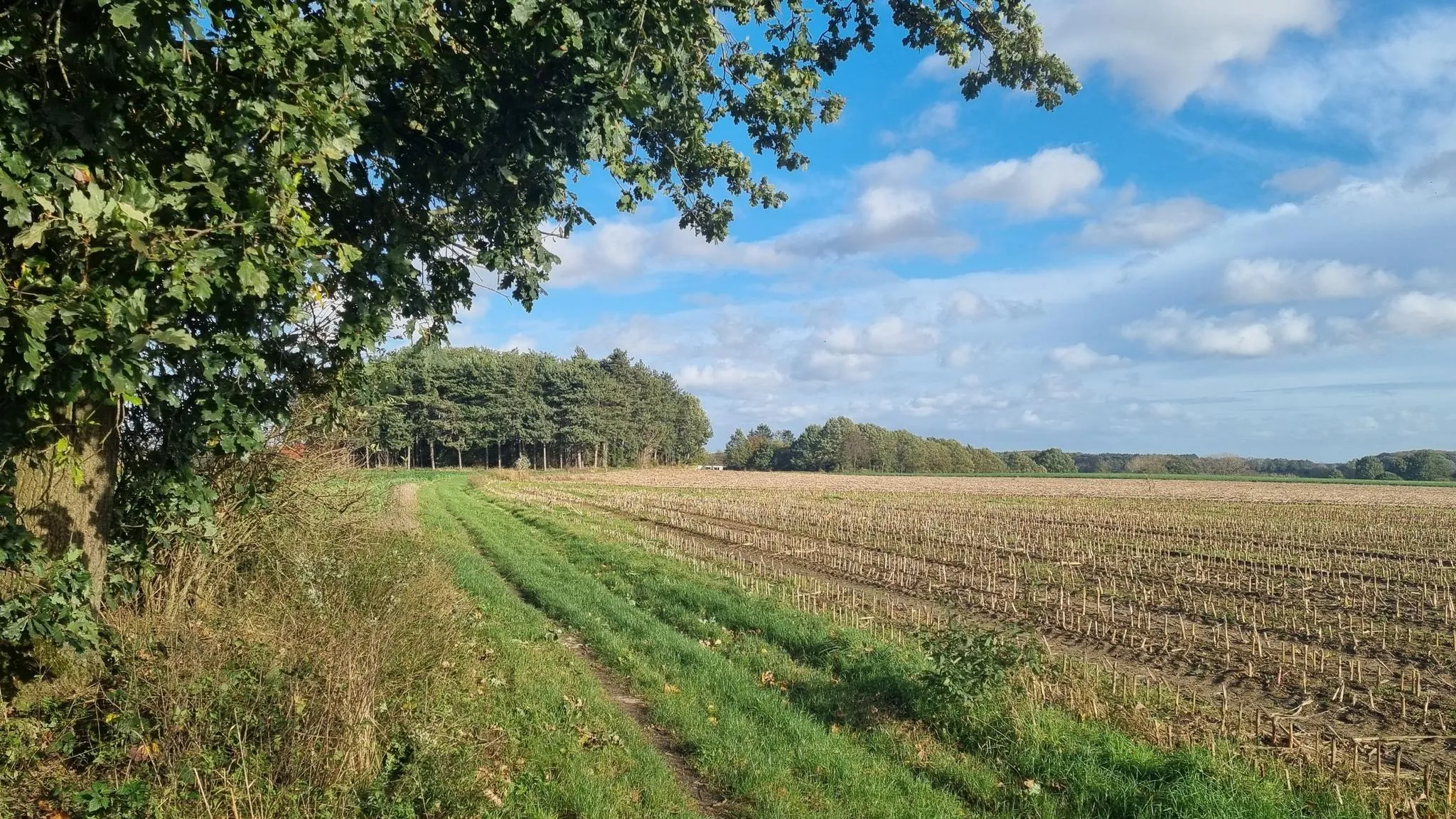
Nice, quiet, nice straight web between the fields
0
0

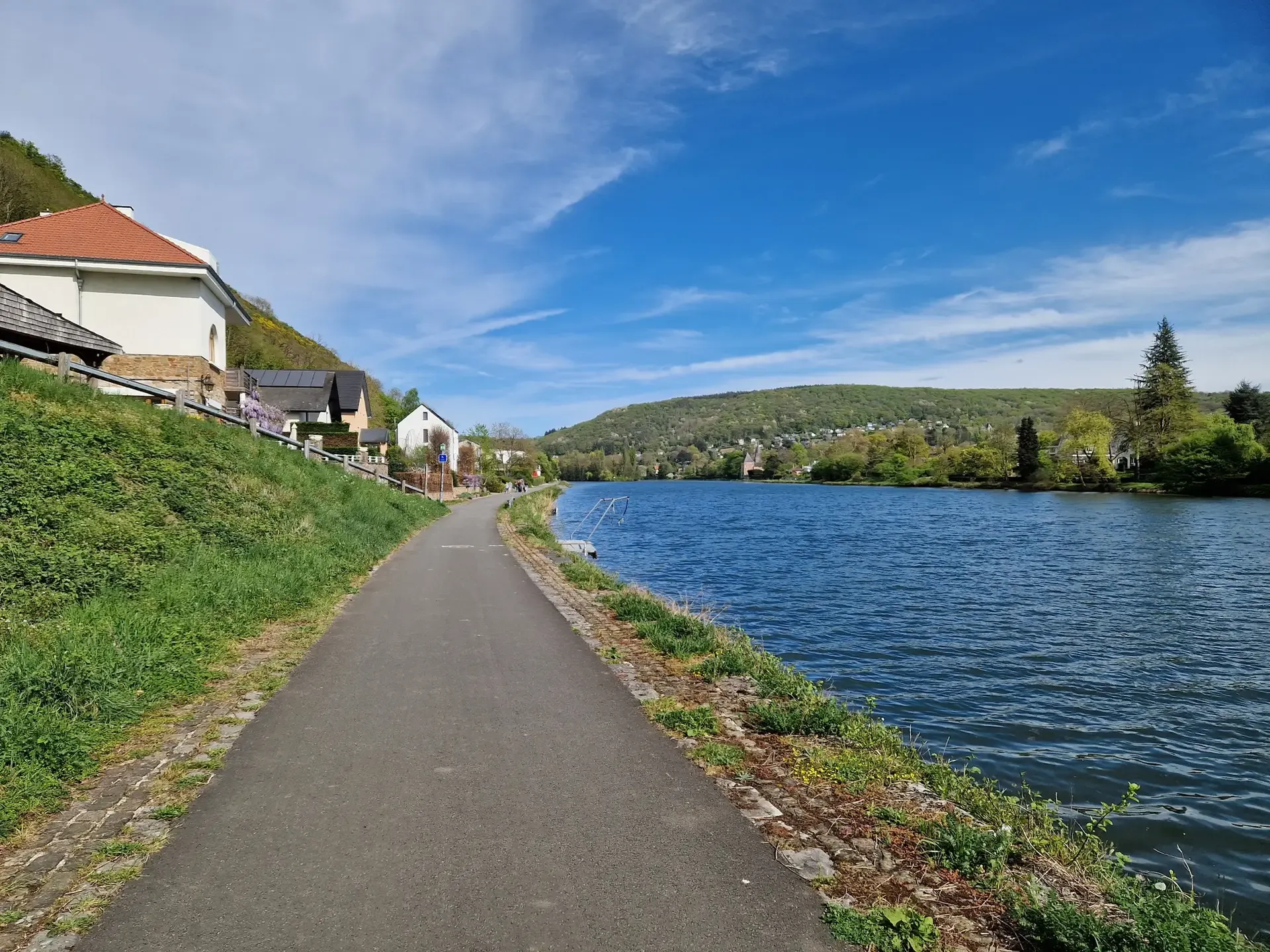
Beautiful view of the Gete valley...
7
0

On the banks of the Grote Gete and with a view of the sugar factory.
6
0
In the Paddepoel you will find a unique combination of species such as blue button, caraway, tormentil, cat's thorn, pale sedge, wild bertram and umbrella hawkweed. In early spring, hundreds of wood anemones bloom, a very rare phenomenon in grasslands. The fact that the wood anemones bloom there shows that it is a very old and undisturbed grassland. Thanks to 25 years of targeted management, several rare species have increased significantly. There are thousands of caraway, one of the largest Flemish populations. Yellow-green sedge first emerged in 2013 and is doing well. The Paddepoel is home to grasslands with lots of knotweed, sweet grass, large hawkweed and golden oat. In addition, there is a marsh marigold grassland with lots of field rush, two-row sedge and rough bedstraw. Broad-leaved orchis is expected here soon. Natuurpunt has also dug and restored a number of ponds in the Paddepoel. Salamanders feel very comfortable there. The alpine newt and small newt already live in the oldest part of the Paddepoel, but we hope that the endangered crested newt will also discover the pools.
7
0
Frequently Asked Questions
What types of running routes can I find in Tienen?
Tienen offers a diverse range of running routes, from paved urban paths to more natural, water-rich settings. You'll find paths that incorporate historical sights, accessible green spaces like tranquil beguinages and public parks, and natural water features such as the lakes within the Vianderdomein and connections to the Gete Valley.
How many jogging routes are available around Tienen?
There are over 170 jogging routes around Tienen documented on komoot, catering to various fitness levels. This includes 4 easy routes, 152 moderate routes, and 14 more challenging options.
Are there any easy running routes for beginners in Tienen?
Yes, Tienen has several easy running routes suitable for beginners. While most routes are moderate, there are 4 specifically classified as easy, offering a gentle introduction to jogging in the area. These routes often feature less elevation and smoother terrain.
What kind of terrain can I expect on Tienen's running trails?
The terrain in Tienen is quite varied. You can expect a mix of predominantly paved paths, especially in urban areas and along cycle paths, as well as natural trails through countryside, green spaces, and alongside water features. Some routes might include slight elevation changes, but many are relatively flat.
Are there any circular jogging routes in Tienen?
Yes, many of the running routes in Tienen are circular, allowing you to start and finish at the same point. For example, the Quiet Spot loop from Tienen is a moderate 6.7 km circular route, perfect for a focused run.
What historical landmarks can I see while jogging in Tienen?
Tienen's jogging routes often incorporate historical sights. You can run past medieval church ruins, now public parks, or through tranquil beguinages. The IJzerenweg Cycle Path – Beguinage and Beguinage Church loop from Oplinter is a great option to combine cultural heritage with scenic natural surroundings.
Are there running routes that feature natural water bodies or lakes?
Absolutely. The expansive Vianderdomein, with its lakes and connection to the Getevallei, provides beautiful settings for running. Routes like the Ruins loop from Tienen often pass by these refreshing water features, adding to the scenic variety.
What do other runners think about the jogging routes in Tienen?
The running routes around Tienen are highly regarded by the komoot community, with an average rating of 4.4 stars from over 30 reviews. More than 1,800 runners have explored Tienen's varied terrain, often praising the blend of historic sites, accessible green spaces, and natural beauty.
Are there any specific points of interest or attractions near the running trails?
Yes, Tienen's surroundings offer several points of interest. You might find yourself near historical sites like Heroes' Square or religious buildings such as the Lourdes Grotto Tielt-Winge. For nature lovers, there are also highlights like Lake Het Vinne and its Boardwalk through Het Vinne, which are great for birdwatching.
Can I find running routes that take me through the countryside?
Yes, many routes extend into the local countryside, offering a change of scenery from urban paths. The Oplinter Church loop from Tienen is a great example, leading runners through picturesque rural landscapes.
What are some longer running options for experienced runners in Tienen?
For more experienced runners looking for longer distances, routes like the Ruins loop from Tienen (13.6 km) or the IJzerenweg Cycle Path – Beguinage and Beguinage Church loop from Oplinter (14.07 km) provide moderate challenges with varied scenery.
Most popular attractions around Tienen

Get inspired with the komoot mobile app


Explore more
Browse the best Running Trails & Routes in other regions.
