Attractions and Places To See around Langemark - Poelkapelle - Top 20
Best attractions and places to see around Langemark - Poelkapelle include significant World War I landmarks and natural features. This municipality is deeply intertwined with WWI history, offering numerous memorials and preserved battlefields. The area also features natural reserves and observation points, providing diverse points of interest. Visitors can explore historical sites and enjoy the local landscape.
Best attractions and places to see around Langemark - Poelkapelle
- The most popular attractions is Menin Gate Memorial, a man-made monument that commemorates British and Commonwealth soldiers who fell in World War I. This Roman triumphal arch-style memorial features the names of nearly 55,000 soldiers with no known grave.
- Another must-see spot is Hill 60 preserved Battlefield (World War I), a historical site and natural monument. This strategic hill changed hands multiple times during WWI and is now a preserved battlefield with mine craters and memorials.
- Visitors also love The Blankaart Observation Tower, a viewpoint offering panoramic views of the De Blankaart nature reserve. From here, visitors can observe the wetland landscape and its wildlife.
- Langemark - Poelkapelle is known for its World War I historical sites, memorials, and natural reserves. The region offers a variety of attractions to see and explore, from preserved battlefields to observation towers.
- The attractions around Langemark - Poelkapelle are appreciated by the komoot community, with more than 550 upvotes and 180 photos shared by visitors.
Last updated: July 20, 2026
Cloth Hall (Lakenhalle), Ypres
Highlight • Historical Site
Built into the mighty building is the belfry - you can also find it in numerous cities in Flanders as an expression of civic pride and self-confidence.
Translated by Google •
Tip by

The Bluff Memorial and Crater
Highlight • Historical Site
Translated by Google •
Tip by

Sign up now to discover places like this
Get recommendations on the best single tracks, peaks, & plenty of other exciting outdoor places.
Sign up for free
Menin Gate Memorial
Highlight • Monument
Today you are standing in front of one of the greatest and most moving memorials of the First World War in the form of a Roman triumphal arch. During the inauguration ceremony in July 1927, the Somerset Light Infantry horns played the tattoo for the first time, and since 1928 it has been played every evening at 8 p.m., regardless of the crowd or the weather.
The vast white Portland stone walls of the Menin Gate contain inscriptions with the names of nearly 55,000 British and Commonwealth soldiers who fell on the battlefield and have no burial place; son, father, brother. Indeed, the walls of the Menin Gate were not large enough: 34,957 other names of the last lost are written on the walls of Tyne Cot Cemetery east of Ypres.
Translated by Google •
Tip by
Hill 60 preserved Battlefield (World War I)
Highlight • Historical Site
Source: hiking guide Flanders route GR 128
Translated by Google •
Tip by

Ypres Ramparts (Fortifications)
Highlight • Historical Site
Translated by Google •
Tip by

Sign up for free to discover even more attractions around Langemark - Poelkapelle.
Sign up for free
Already have an account?
Start today with a free account
Your next adventure awaits.
Login or Signup
Popular around Langemark - Poelkapelle
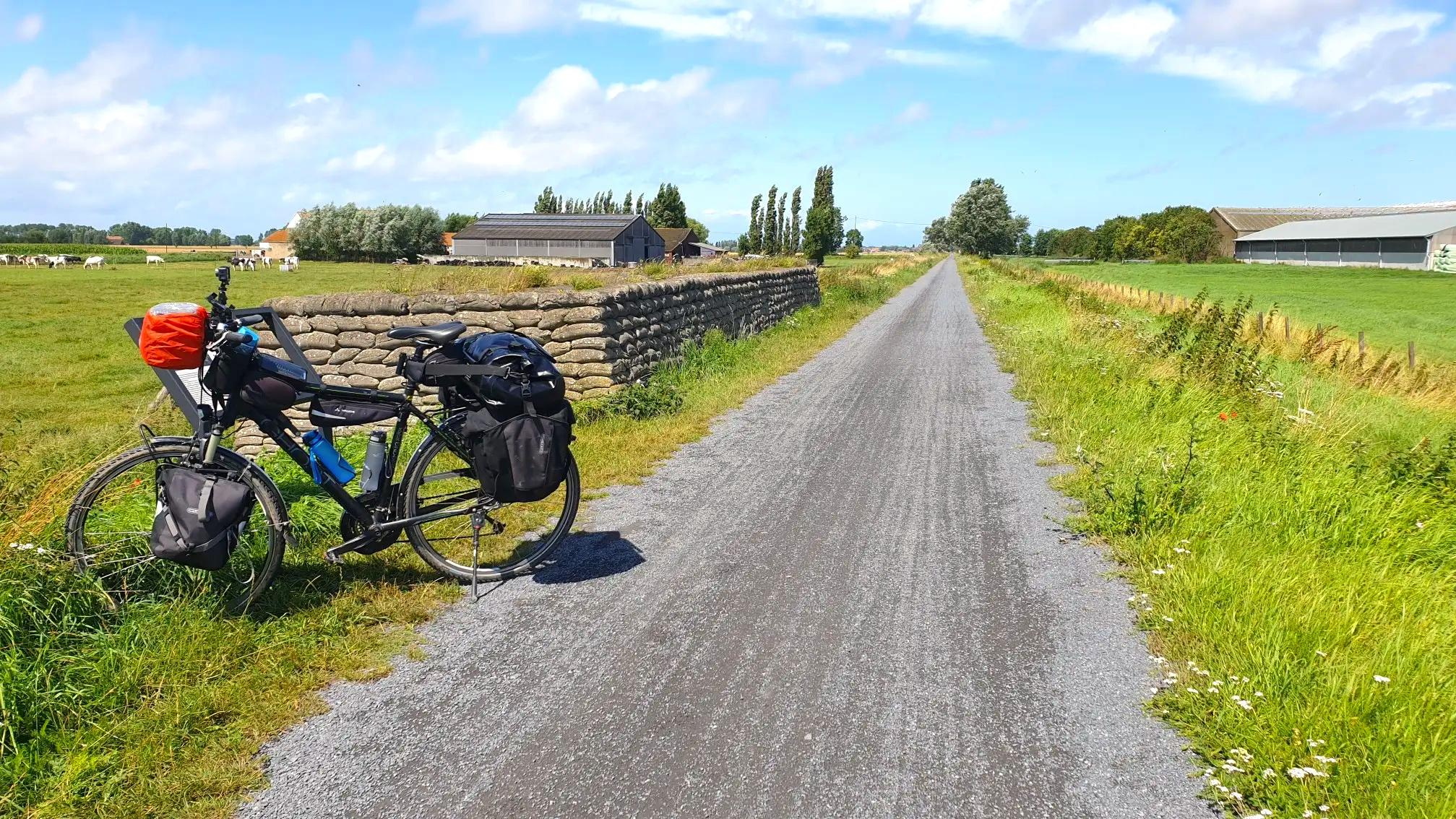
Cycling along the Belgian front - 14-18 Western Front Route
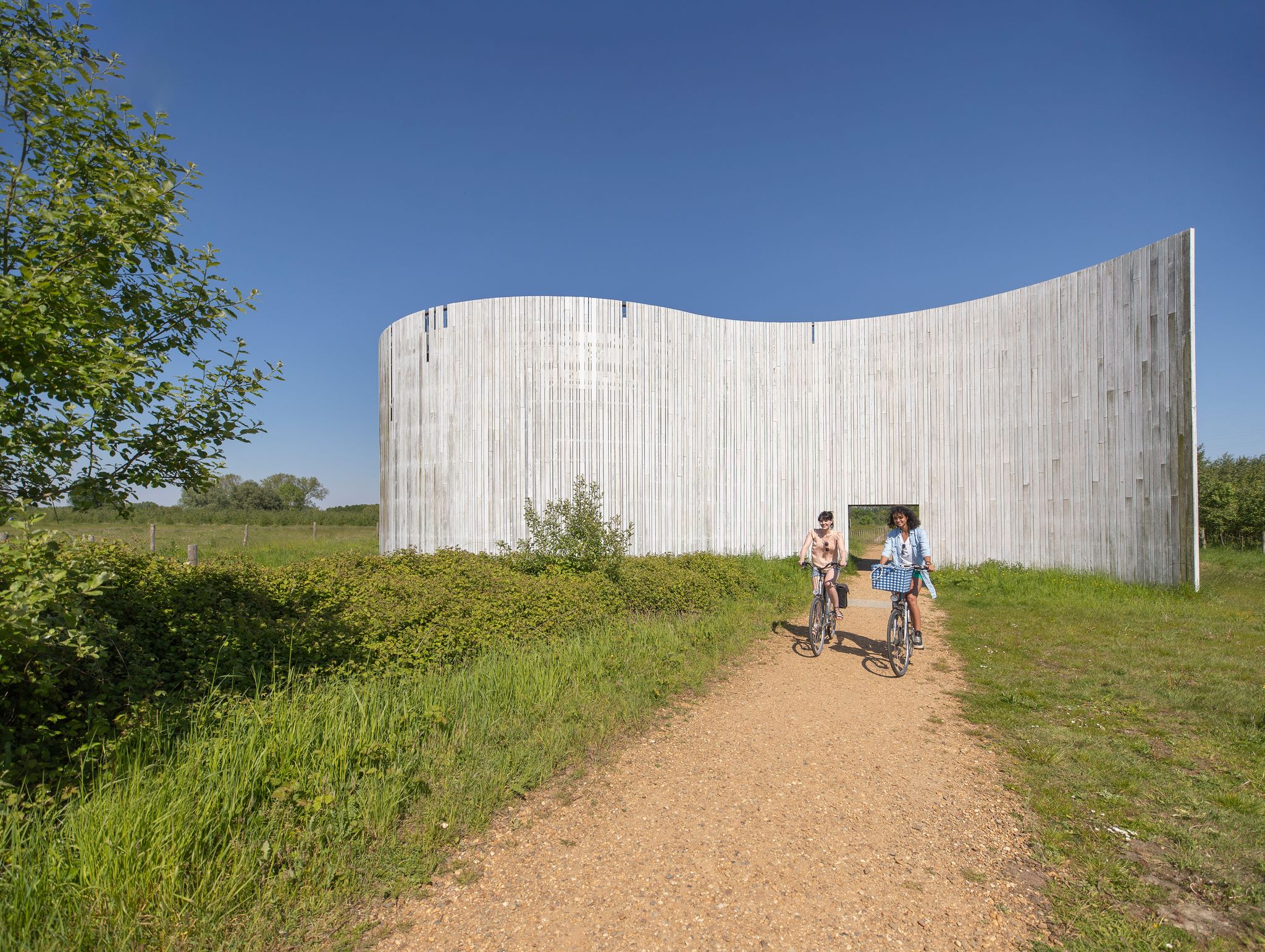
Flanders by bike – the Iconic Cultural Cycle Routes
MTB Trails around Langemark - Poelkapelle
Hiking around Langemark - Poelkapelle

Gravel biking around Langemark - Poelkapelle
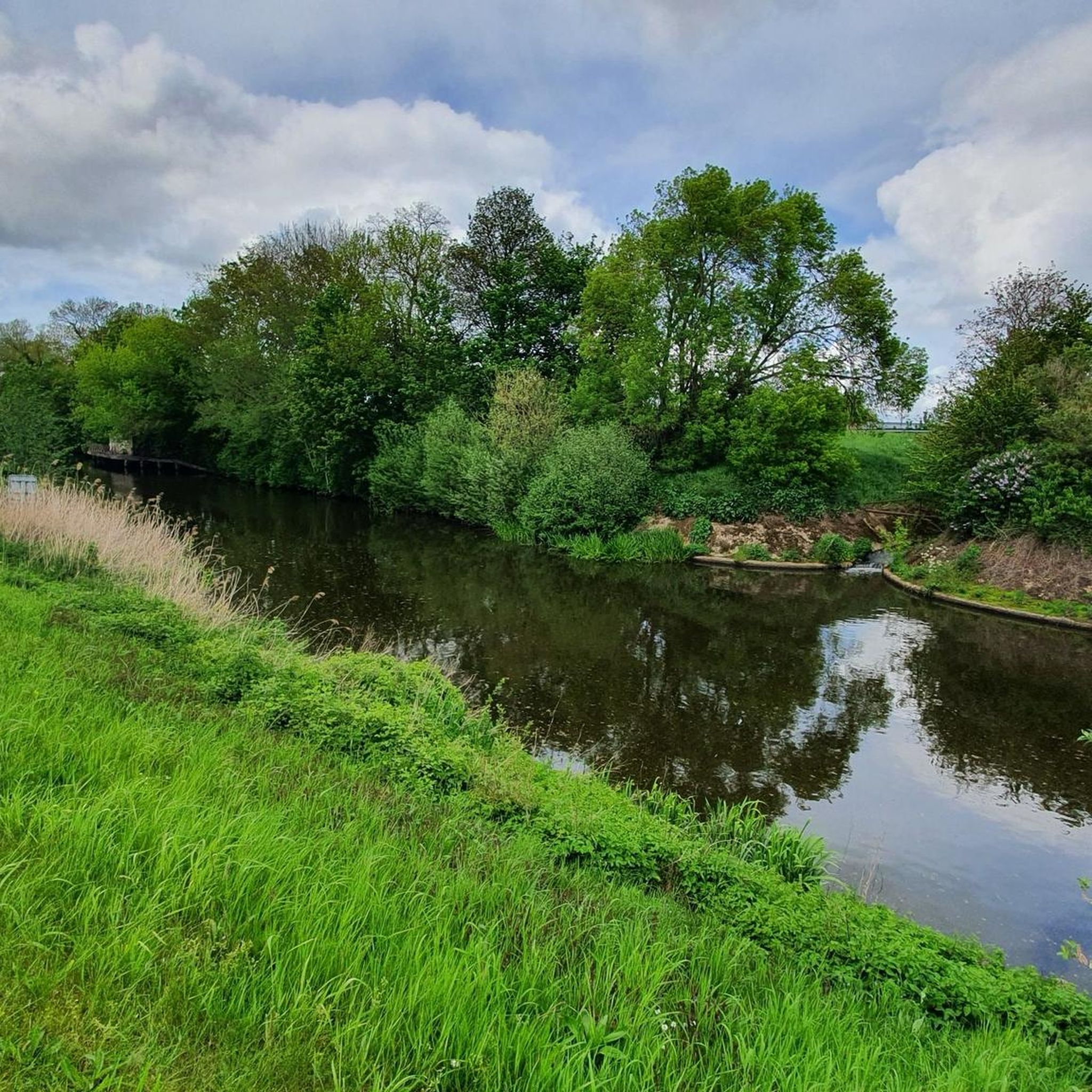
Cycling around Langemark - Poelkapelle
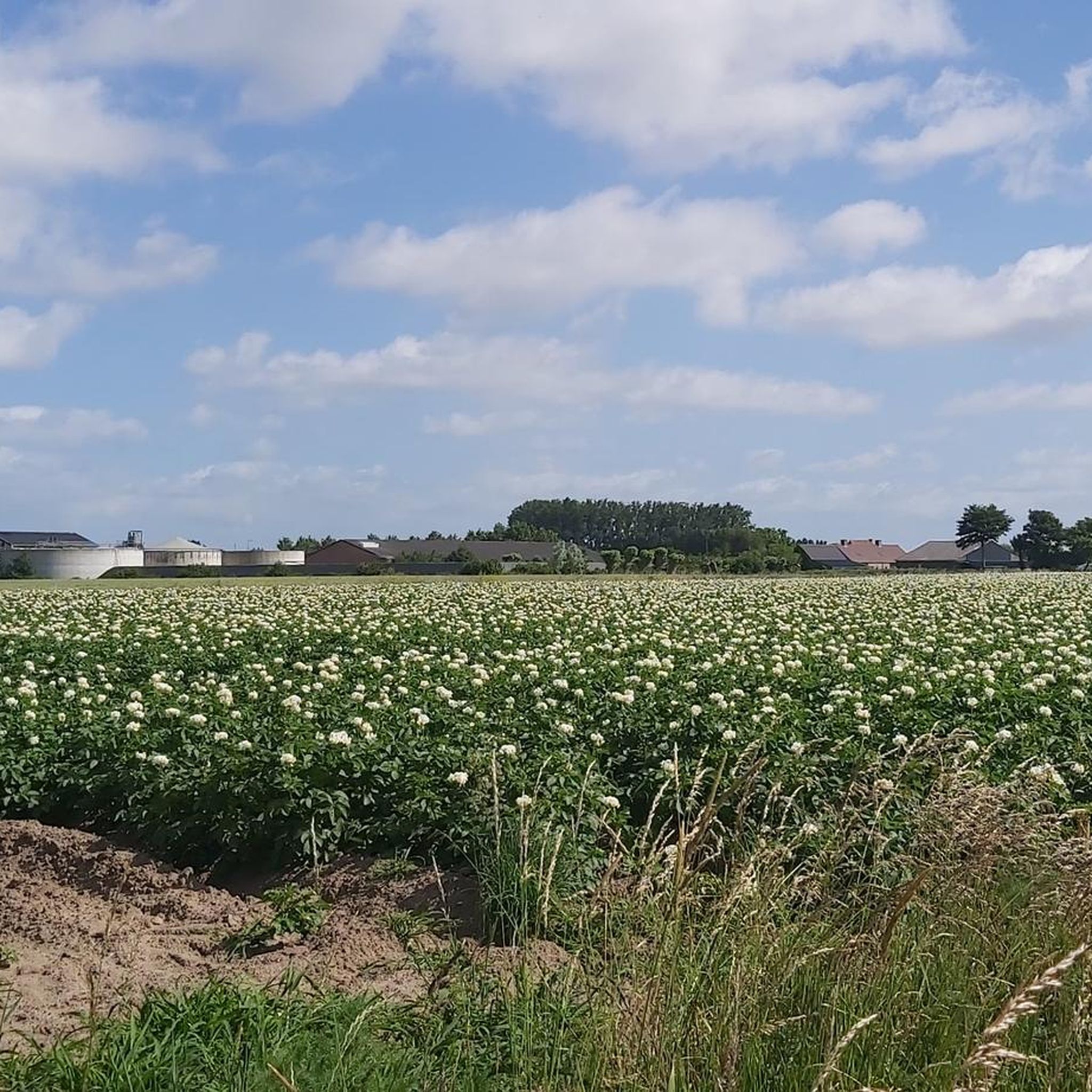
Road Cycling Routes around Langemark - Poelkapelle
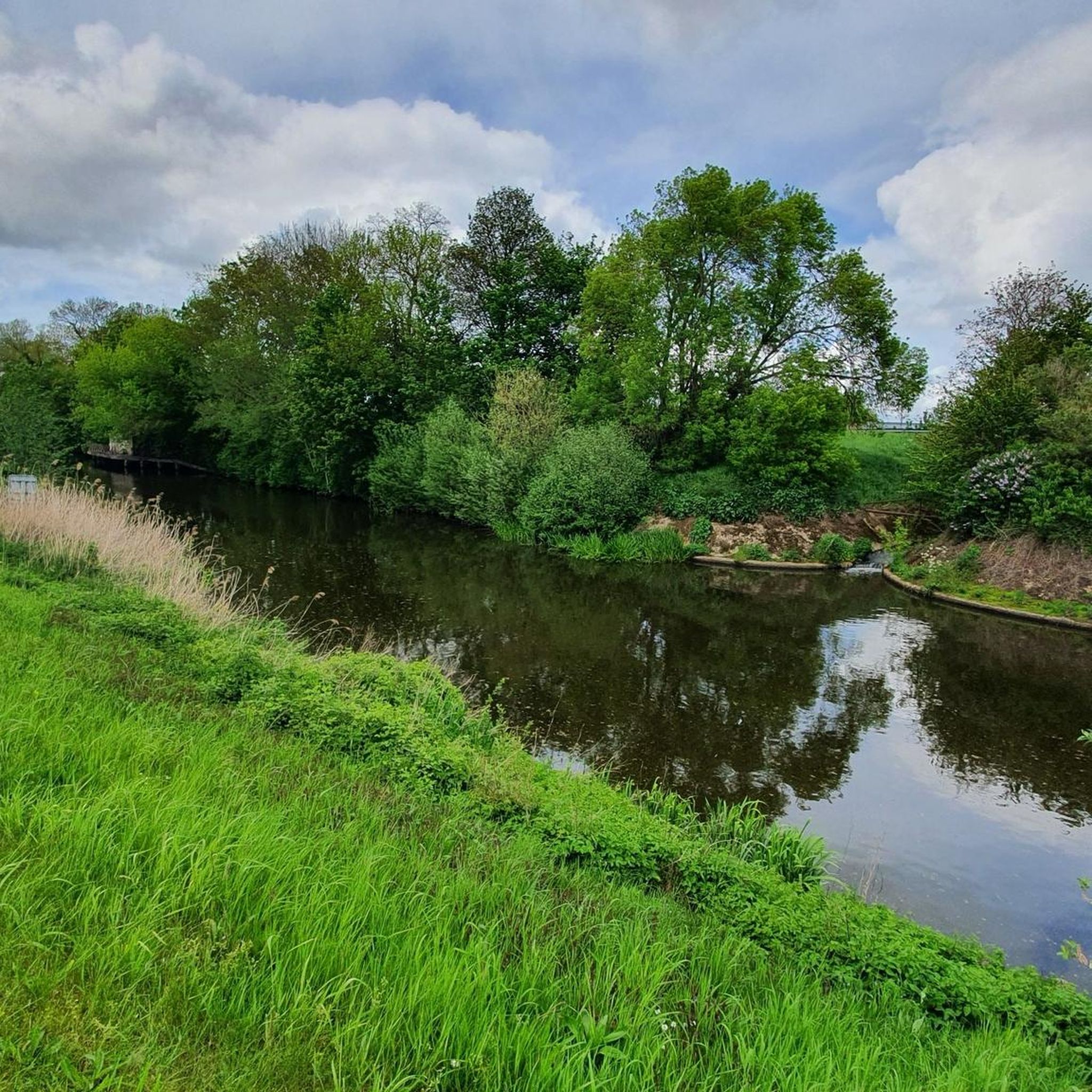
Running Trails around Langemark - Poelkapelle
Other adventures around Langemark - Poelkapelle


Tips from the Community

some very beautiful works on the route
0
0

Strategic hill called Hill 60 in the First World War.
1
0

The Cloth Hall in Ypres is one of the largest Gothic-style civil buildings in Europe. Built between 1230 and 1304, it served as a covered market place for cloth, an important trade product in the Middle Ages. The 70-metre high belfry, which was built from 1250 onwards, emphasises the power and wealth of the city of Ypres at that time. During the First World War, the Cloth Hall was completely destroyed, but it was later meticulously rebuilt and completed in 1967. Today it houses the In Flanders Fields Museum and the Ypres Museum.
9
0

The Cloth Hall (Flemish: Lakenhalle van Ieper) is a large, Gothic building complex located in the center of the Flemish city of Ypres. The complex originally dates back to the 13th century. The foundation stone is said to have been laid around 1200 by the Count of Flanders, and its construction lasted until 1304. The hall served as a transshipment and storage area for textiles (cloth hall). Part of the ensemble is a 70-meter-high belfry with a carillon that plays every half hour. On November 4, 1914, the German general Berthold von Deimling had the famous medieval Cloth Hall reduced to rubble and ashes without any military reason and against the express orders of his commander-in-chief, Crown Prince Rupprecht of Bavaria. The Cloth Hall was reconstructed as faithfully as possible to the original from the 1920s to 1967. It is now a UNESCO World Heritage Site. The building is made largely of sandstone from the Arras region. The upper floor and corner turrets of the belfry, as well as the corner turrets of the hall, are mainly built of the yellow brick typical of West Flanders. In contrast to many buildings of the Brick Gothic style in Flanders, the brick here is drowned out by the lavish stone decoration.
6
0

Nice square with many restaurants and cafes.
5
0

Beautiful old town, buildings worth seeing. Oppressive museum. Lots of interesting information in the tourist information office.
6
0

In 1173, historical sources first mention a Halla in Ypres: a covered hall where cloth was traded. It is probably a wooden construction. It is unclear whether there was also a belfry at that time. Construction of the imposing complex that we know today started around 1250 and was completed around 1378. It is Europe's largest civil complex in Gothic style. The importance of the Cloth Hall and the belfry for the city of Ypres can hardly be overestimated. It is a building complex with great symbolic value. This symbolism has changed greatly over the centuries. But throughout this history and changing symbolism for the Cloth Hall and the belfry of Ypres, there is one constant. The Cloth Hall and the belfry tower symbolize the city itself. When Ypres started building this complex in the mid-thirteenth century, the ambition was clear: to create a monumental building that reflected the civil power and worldly wealth of Ypres. At that time, Ypres was one of the three most powerful cities in Flanders, a rich and powerful county. The Cloth Hall must make this power and wealth clear. (Ypermuseum)
13
0
The restoration of the Menin Gate in Ypres started on Monday, April 17, 2023. The planned completion date of the works is March 2025. Two pedestrian tunnels give pedestrians access to the city. Follow the circulation, one tunnel is for pedestrians walking into the city, the other is for pedestrians walking out of the city. The Last Post continues every day at 8 p.m. in front of the Menin Gate on the bridge (side Hoornwerk, Kiplinglaan and Frenchlaan). The intersection will be closed to traffic at busy times. (City of Ypres)
11
0
Frequently Asked Questions
Beyond the main highlights, what other significant World War I sites can I visit in Langemark-Poelkapelle?
Langemark-Poelkapelle is rich in WWI history. You can visit the solemn German Military Cemetery Langemark, which holds approximately 44,000 burials. Another important site is The Bluff Memorial and Crater, a preserved battlefield with mine craters and memorials, offering a poignant look at the war's impact on the landscape. Don't miss The Brooding Soldier, an impressive Canadian memorial, or the Guynemer Memorial and Guynemerpaviljoen, honoring French air-ace Georges Guynemer.
Are there any natural attractions or viewpoints to explore in the region?
Yes, the region offers natural beauty alongside its historical sites. The The Blankaart Observation Tower provides panoramic views of the De Blankaart nature reserve, a wetland paradise for birdwatching. You can also visit the Bezoekerscentrum De Blankaart, a visitor center that serves as a gateway to this reserve. While primarily a historical site, Hill 60 preserved Battlefield (World War I) is also considered a natural monument due to its unique landscape shaped by the war.
What kind of outdoor activities, like hiking or cycling, are available near these attractions?
The area around Langemark-Poelkapelle offers various outdoor activities. For hiking, you can explore routes like the 'Harry Patch Memorial – Langemark War Memorial loop'. Cyclists can enjoy themed routes such as the 'Folk Tales Route' or the 'Gifgas cycle route 14-18', which delves into WWI history. Mountain biking enthusiasts will find trails like the 'Polygoonbos – Gravel field paths with scenic views loop'. You can find more details and routes on the Hiking around Langemark - Poelkapelle, MTB Trails around Langemark - Poelkapelle, and Running Trails around Langemark - Poelkapelle guide pages.
Are there any family-friendly attractions or activities in Langemark-Poelkapelle?
Many of the historical sites, such as the Menin Gate Memorial and the Cloth Hall (Lakenhalle), Ypres, are accessible and offer educational experiences for families. The The Blankaart Observation Tower and the surrounding nature reserve are also great for families, offering opportunities for birdwatching and gentle walks. The region also features unique activities like an 'Alpaca hike' for a different kind of outdoor experience.
What is the best time of year to visit Langemark-Poelkapelle for sightseeing and outdoor activities?
The spring and autumn months generally offer pleasant weather for exploring both the historical sites and natural areas. Spring brings blooming landscapes, while autumn provides comfortable temperatures and beautiful foliage. Summer is also popular, though it can be warmer. For outdoor activities like hiking and cycling, these seasons are ideal, avoiding the colder, potentially wetter winter months.
Are there any wheelchair-accessible attractions in the area?
Yes, several key attractions are noted for their accessibility. The Menin Gate Memorial and the Cloth Hall (Lakenhalle), Ypres are both considered wheelchair-accessible, allowing visitors with mobility challenges to experience these significant historical landmarks.
What are some lesser-known historical sites or 'hidden gems' in Langemark-Poelkapelle?
Beyond the major memorials, consider visiting the Harry Patch Memorial, which marks the spot where the last surviving WWI veteran crossed the Steenbeek stream. The St. Julien Dressing Station Cemetery is another significant, though perhaps less frequented, historical cemetery. For a different historical perspective, the imposing Kasteel van Langemark and the charming Steenakkermolen windmill offer glimpses into the region's broader heritage.
What do visitors enjoy most about the attractions around Langemark-Poelkapelle?
Visitors frequently appreciate the profound historical significance of the WWI sites, often describing them as 'sombre and memorable' and 'impressive war history memorials.' The preserved battlefields, like Hill 60 and The Bluff, are noted for making one 'think' about the past. The natural areas, such as the De Blankaart reserve, are praised for their 'beautiful views' and opportunities for birdwatching.
Can I find information about local folk tales or cultural routes in the region?
Yes, the region offers unique cultural experiences. The Folk Tales Route is a 37 km cycling route featuring 16 story poles that delve into authentic local folk tales, providing a charming way to explore the area's cultural heritage.
Are there any castles or unique architectural sites to see?
Yes, the region features some notable architecture. The imposing Kasteel van Langemark is a prominent castle in the municipality. Additionally, the Cloth Hall (Lakenhalle), Ypres, though in nearby Ypres, is a magnificent Gothic building and Europe's largest civil complex in that style, reflecting the historical wealth of the region.
What are the options for walking or running trails near Langemark-Poelkapelle?
There are several options for walking and running. For a moderate run, you can try the 'Running loop from Langemark-Poelkapelle' (10 km) or the 'Trail between woods and fields – Guynemer Memorial, Poelkapelle loop' (8.9 km). For hiking, an easy option is the 'Kitchener Wood Monument loop' (6.5 km). You can explore more routes and their details on the Hiking around Langemark - Poelkapelle and Running Trails around Langemark - Poelkapelle guide pages.
Most popular routes around Langemark - Poelkapelle
Most popular attractions around Langemark - Poelkapelle

Get inspired with the komoot mobile app


Explore more
Still not found the Highlight you’re looking for? See guides of the top attractions in other regions:
