The best road cycling routes around Zoutleeuw
3.8
(4)
561
riders
58
rides
Road cycling around Zoutleeuw offers diverse and picturesque landscapes, characterized by a rolling fruit landscape with numerous orchards. The region encompasses the Gete river valleys, providing varied terrain for cyclists. Routes often lead through or around the Het Vinne Nature Reserve, home to Flanders' largest natural inland lake. The Hageland countryside also contributes to the varied scenery, featuring moist grasslands, forests, and fertile fields.
Best road cycling routes around Zoutleeuw
- The most popular road cycling route is Cloth Hall of…
Last updated: May 8, 2026
139
riders
10.00km
00:28
40m
40m
Easy road ride. Great for any fitness level. Mostly well-paved surfaces and easy to ride.
30
riders
82.7km
03:57
310m
310m
Moderate road ride. Good fitness required. Some segments of this route may be unpaved and difficult to ride.

Sign up for free
26
riders
45.6km
02:08
160m
160m
Moderate road ride. Good fitness required. Some segments of this route may be unpaved and difficult to ride.
5.0
(1)
24
riders
35.0km
01:41
40m
40m
Moderate road ride. Great for any fitness level. Some segments of this route may be unpaved and difficult to ride.
23
riders
8.69km
00:29
70m
70m
Easy road ride. Great for any fitness level. Mostly well-paved surfaces and easy to ride.
Get access to more routes and recommendations from other explorers.
Sign up for free
Already have an account?
Our route recommendations are based on thousands of hikes, rides, and runs completed by other people on komoot.
Start today with a free account
Your next adventure awaits.
Login or Signup

Other adventures around Zoutleeuw

Tips from the Community


On the site of the current St. Leonard's Church stood a chapel—the date of construction of which is unknown—in honor of Saint Leonard of Noblac. After this chapel was elevated to a parish church in 1231, it was replaced by the current church, which had a long construction history: the monumental Gothic building was largely constructed between the 13th and 16th centuries. St. Leonard's Church is rich in art treasures and owes its international fame primarily to them. The Iconoclasm of 1566 and the French Revolution passed the church by without significant damage, thus preserving most of the impressive artistic heritage accumulated over centuries: altarpieces, paintings, statues of saints, copper and silverwork, vestments, and other devout objects. Below, a few of these showpieces are presented. Upon entering, the first thing that catches the eye is the Marianum: this double statue (1533) is situated within the 15th-century veneration of Mary, which depicted the Virgin Mary as the apocalyptic woman and mediatrix of grace. Not-to-be-missed highlight inside: The Sacrament Tower: A tabernacle crafted from white Avesnes stone is undoubtedly the church's showpiece. The artwork was created in the workshops of Cornelis II Floris de Vriendt in Antwerp and erected in Zoutleeuw in 1552. The tower is 18 meters high, has nine stories, and contains approximately 200 statues depicting scenes from the Old and New Testaments. A replica is on display at London's Victoria and Albert Museum. The Paschal Candlestick This copper candlestick is 5.68 meters high and weighs approximately 950 kg. It was cast by Renier van Thienen, based on a design by Jan Bornam, and installed in the choir by the founder himself in 1483. It is the second-largest Easter candlestick in Europe. Source: https://www.zoutleeuw.be/sint-leonarduskerk
5
0

So-called "Nieuwenhoven Castle," a castle with farm buildings. Since the fourth quarter of the 13th century, it served as a playground and summer residence for the abbots of Sint-Truiden; fortified in 1329 by Abbot Adam van Ardingen; completely rebuilt in 1340 by Abbot Amelius van Schoonvorst; enlarged and renovated from 1521 to 1525 by Abbot Willem van Brussel; the current farm was built by Abbot Hubert Germeys (1612-1638), the castle by Abbot Jozef van Herck (1751-1780); Nieuwenhoven became the abbots' permanent residence primarily during the 18th century; after the French invasion, the property was sold. During the second half of the 19th century, renovation works were carried out in the English neo-Gothic style: a carriage house with stables between the castle and the farm, and a castle wing that burned down in 1932. Inventory of Immovable Heritage 2024: Nieuwenhoven Castle and castle farm https://id.erfgoed.net/erfgoedobjecten/23016
3
0
With its small size and rural location in the Hageland region, Zoutleeuw resembles a village, but its architectural heritage testifies to a grand past. Zoutleeuw's Grote Markt (Great Market Square) is a true gem. The Gothic town hall, built between 1530 and 1538, is clearly influenced by the burgeoning Renaissance. The adjacent Cloth Hall still bears witness to Zoutleeuw's prosperity and its important trading position. Come discover Zoutleeuw for yourself.
4
0
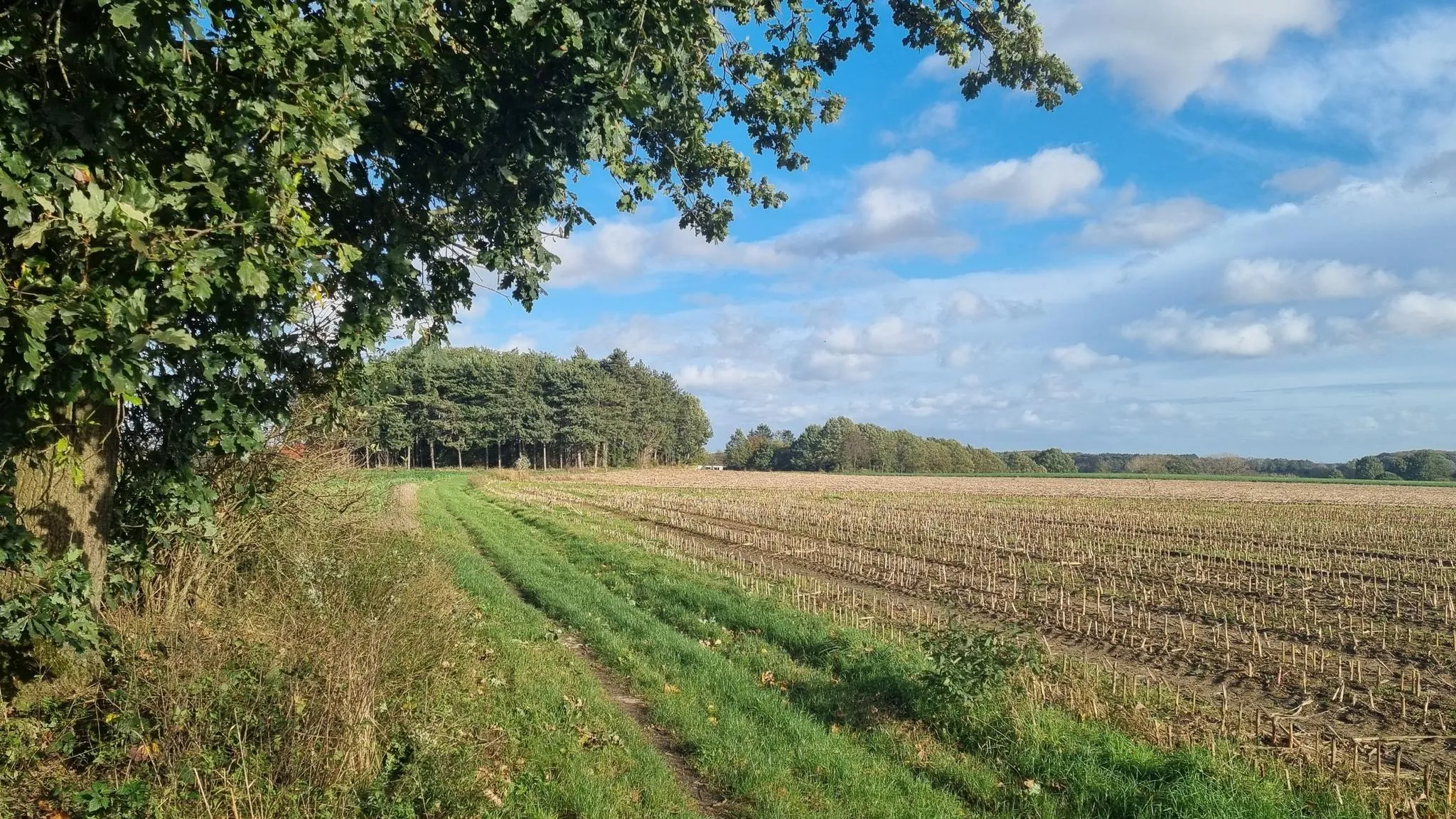
Nieuwenhoven Castle is situated in a beautiful, fertile location amidst forests and farmland. The castle has a cycling café, and visitors can stroll along the antennae trail on the private grounds.
5
0
On the spot where, according to legend, a statue of Our Lady, plowed out by a team of oxen, hung against an oak tree, a late Gothic chapel was built in 1538, which quickly became a place of pilgrimage. The chapel's interior also pleasantly surprises visitors. The rood screen is decorated with a beautiful apostle pew from 1613, probably from the Clerk's Chapel. Pilgrims used to offer a kilo of salt here to prevent children from bedwetting. Even today, the chapel attracts many visitors and, thanks in part to the procession, the May pilgrimage, and the candlelight procession, remains a center of religious life. It is open daily. On Sunday, September 8th, or the following Sunday, there is the annual rosary procession around the chapel to commemorate its dedication. This procession features a modern depiction of the mysteries of the Rosary, which also includes the Seven Sorrows of Our Lady. At the beginning of the procession, a farmer walks with an old plow. This refers to the legend that a farmer in the early sixteenth century allegedly found the statue of the Virgin Mary while plowing. The chapel on Ossenweg is said to have been built later in this neighborhood. The statue of Our Lady of Ossenweg is also carried in the procession. Source: https://www.zoutleeuw.be/kapel-van-de-ossenweg
4
0
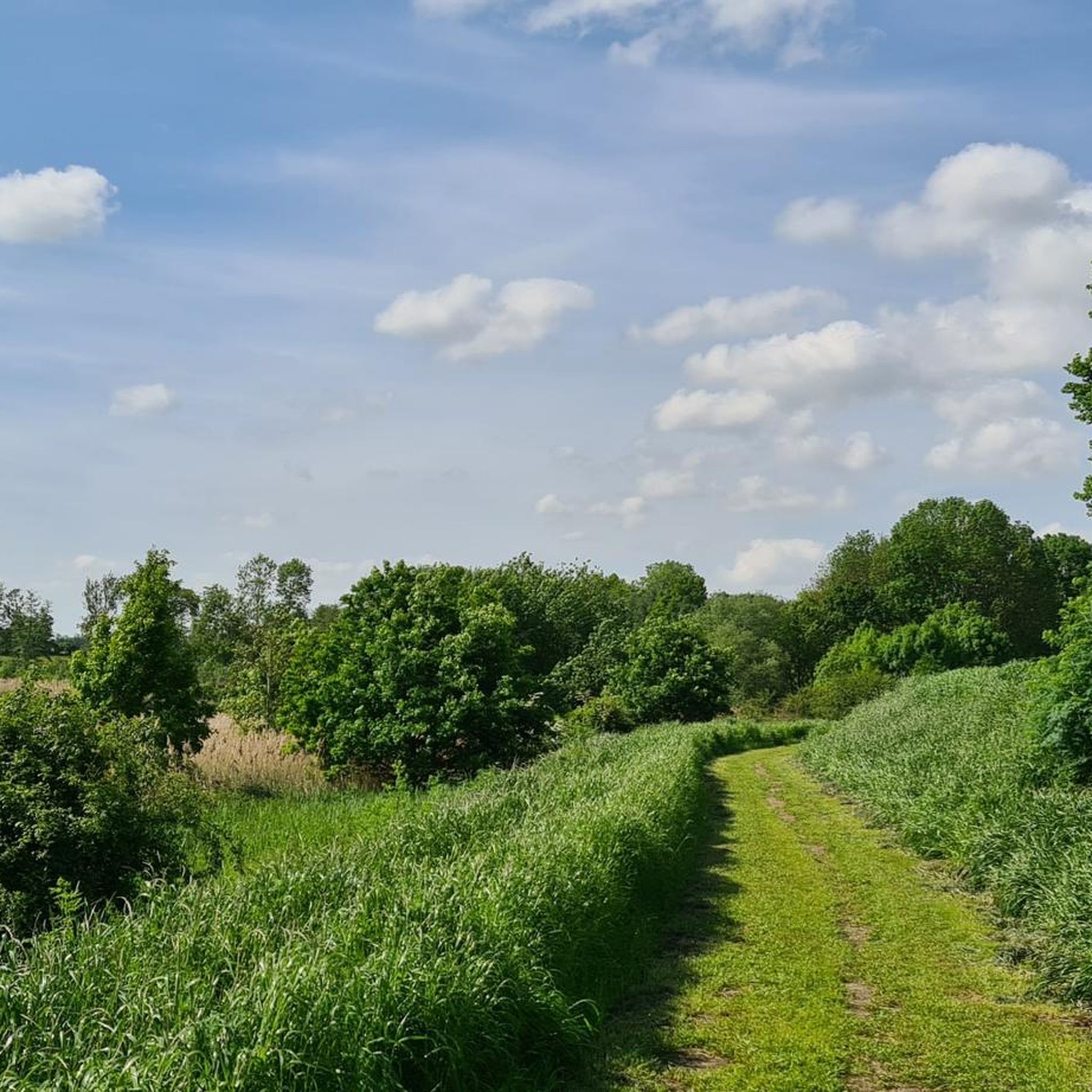
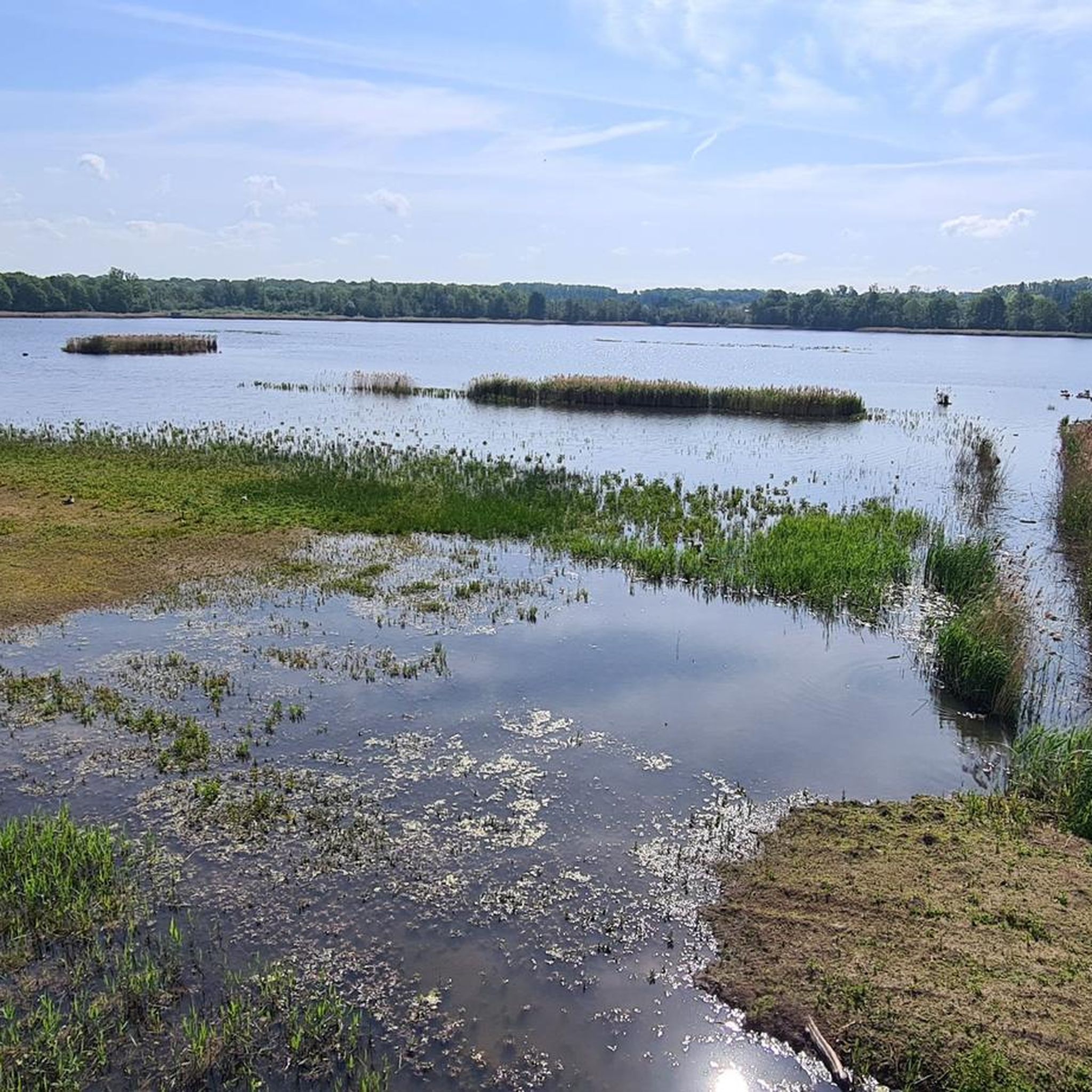
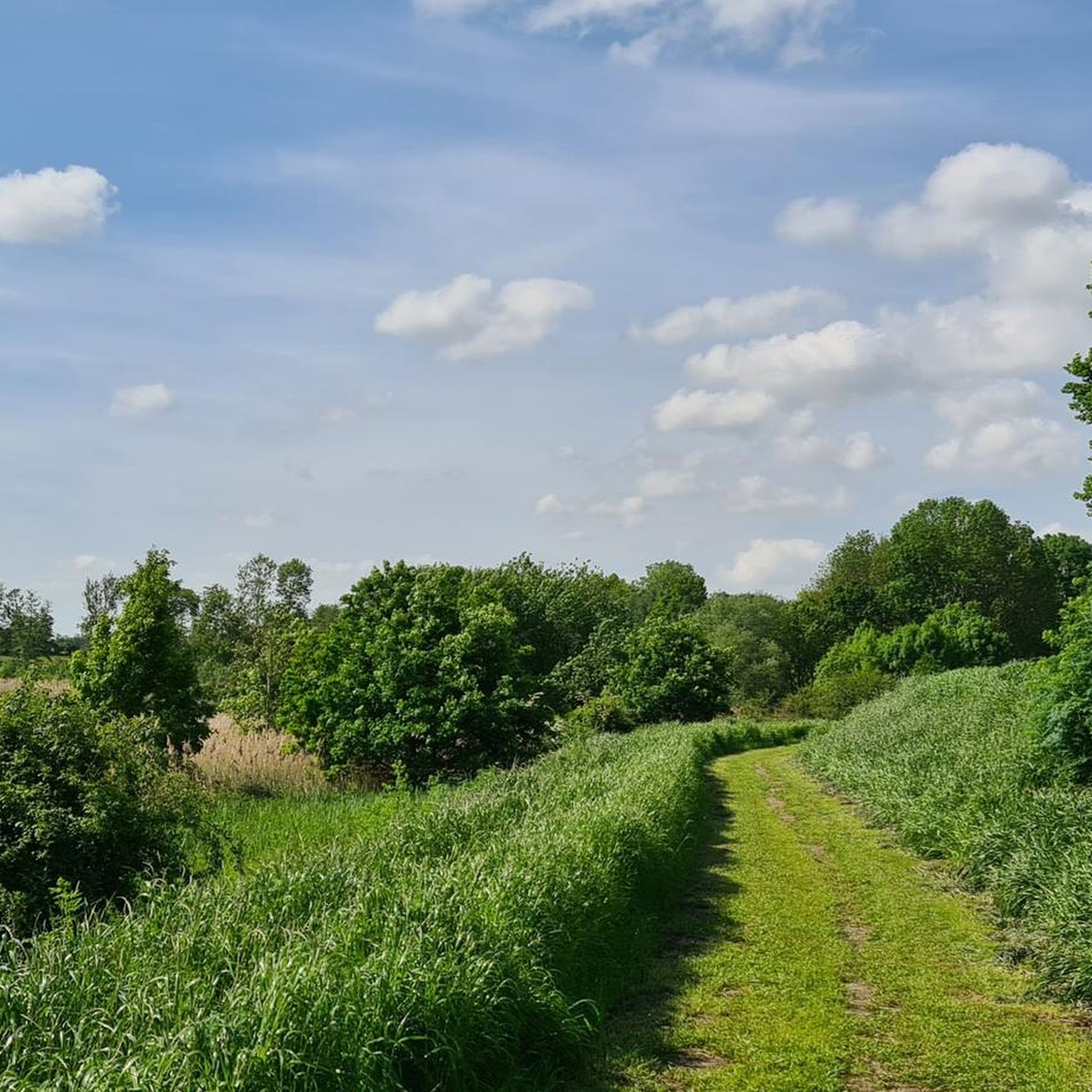
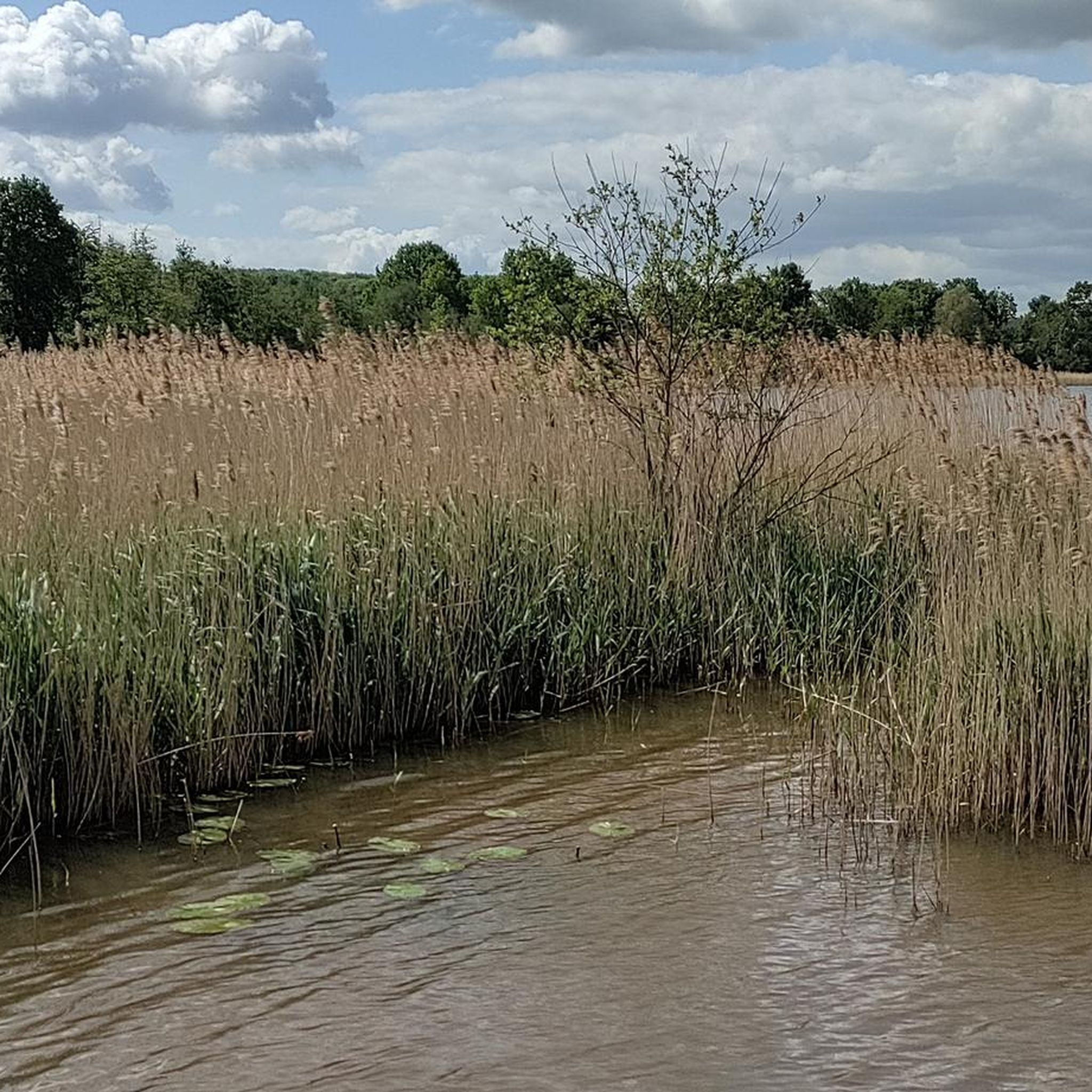
Slow down and enjoy. In some areas, the reeds have been cut, and you have a beautiful view of Het Vinne.
4
0
A charming little restaurant with a large terrace and a beautiful view of Schulensmeer lake. The terrace is the perfect place for visitors to share their stories.
4
0
Frequently Asked Questions
How many road cycling routes are available around Zoutleeuw?
There are nearly 50 road cycling routes around Zoutleeuw, offering a wide variety of options for different skill levels. This includes 13 easy routes, 35 moderate routes, and 1 challenging route.
What kind of landscapes can I expect to see while road cycling in Zoutleeuw?
Zoutleeuw is known for its picturesque 'rolling fruit landscape' with numerous orchards, especially vibrant during blossom season. You'll also cycle through the scenic Gete river valleys, the diverse Hageland countryside with its moist grasslands and forests, and around the tranquil Lake Het Vinne in the Het Vinne Nature Reserve.
Are there any easy road cycling routes suitable for beginners in Zoutleeuw?
Yes, Zoutleeuw offers several easy road cycling routes perfect for beginners. An excellent option is the Cloth Hall of Zoutleeuw – View of Het Vinne loop, which is about 9.8 km long and provides lovely views of the Het Vinne Nature Reserve. Another easy route is the Pretpeer Sculpture loop from Ransberg, spanning about 8.7 km.
What are some longer or more challenging road cycling routes in the Zoutleeuw area?
For longer or more challenging rides, consider the Mierhoopweg Climb and Descent – View of the Grote Gete loop from Budingen, a moderate 84.5 km path exploring rural areas and offering views of the Gete valley. Another moderate option is the Sint-Truiden is worth a visit – Cloth Hall of Zoutleeuw loop, a 45.2 km trail through the Hageland countryside.
What historical or natural landmarks can I see along the road cycling routes?
Many routes pass by interesting landmarks. You might encounter the unique Floating Chapel of Helshoven, the serene Lake Het Vinne, or various castles such as Wijer Castle, Nieuwenhoven Castle, or Château d'Opheylissem. The region also features memorials like the Battle of the Silver Helmets Memorial.
What do other road cyclists think about the routes in Zoutleeuw?
The road cycling routes in Zoutleeuw are highly regarded by the komoot community, with an average rating of 3.7 out of 5 stars. Cyclists often praise the diverse and picturesque landscapes, particularly the rolling fruit orchards and the tranquil Het Vinne Nature Reserve.
When is the best time of year to go road cycling in Zoutleeuw?
The spring, especially during the blossom season, is particularly beautiful as the orchards come alive with color and scent. Summer offers warm weather for cycling through the Gete river valleys and Hageland countryside. Autumn also provides stunning scenery with changing foliage.
Are there any circular road cycling routes around Zoutleeuw?
Yes, many of the road cycling routes around Zoutleeuw are designed as loops, allowing you to start and end at the same point. Examples include the Cloth Hall of Zoutleeuw – View of Het Vinne loop and the Schulensmeer – Schulensmeer loop.
Can I find routes that explore the Gete river valleys?
Absolutely. The Gete river valleys are a prominent feature of the Zoutleeuw cycling landscape. Routes like the Mierhoopweg Climb and Descent – View of the Grote Gete loop specifically offer views and exploration of the Gete valley, including the confluence of the Grote and Kleine Gete rivers near Budingen.
Are there options for road cycling that include views of Lake Het Vinne?
Yes, the Het Vinne Nature Reserve, home to Flanders' largest natural inland lake, is a highlight for many routes. The Cloth Hall of Zoutleeuw – View of Het Vinne loop is an easy route that offers direct views of Lake Het Vinne.
Is Zoutleeuw suitable for family-friendly road cycling?
Zoutleeuw offers several easy and relatively flat routes that are suitable for families. The 'rolling fruit landscape' and the scenic paths around Het Vinne Nature Reserve provide pleasant and manageable rides for various ages and fitness levels. Look for routes marked as 'easy' for the most family-friendly options.
Are there any road cycling routes that extend into the Haspengouw region?
While Zoutleeuw is primarily within the Hageland countryside, some routes may extend towards or into the Haspengouw region, known for its rolling hills, square farms, and quiet church villages. These routes can offer impressive panoramas and a mix of flat and moderately hilly sections, providing a different cycling experience.
Most popular attractions around Zoutleeuw

Get inspired with the komoot mobile app


Explore more
Browse the best Road cycling routes in other regions.
