The best walks and hikes around Borgloon
4.5
(2790)
12,876
hikers
323
hikes
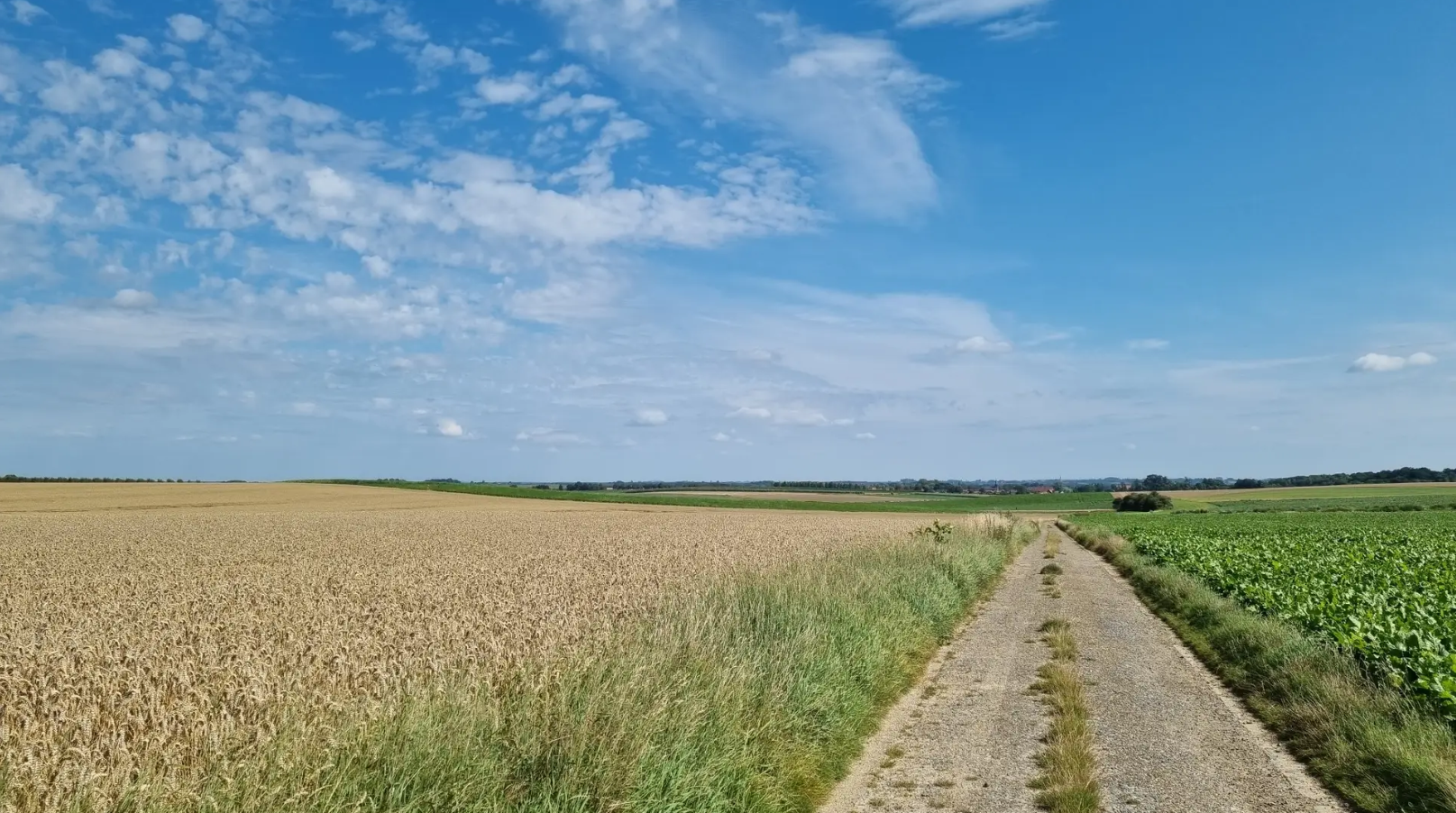
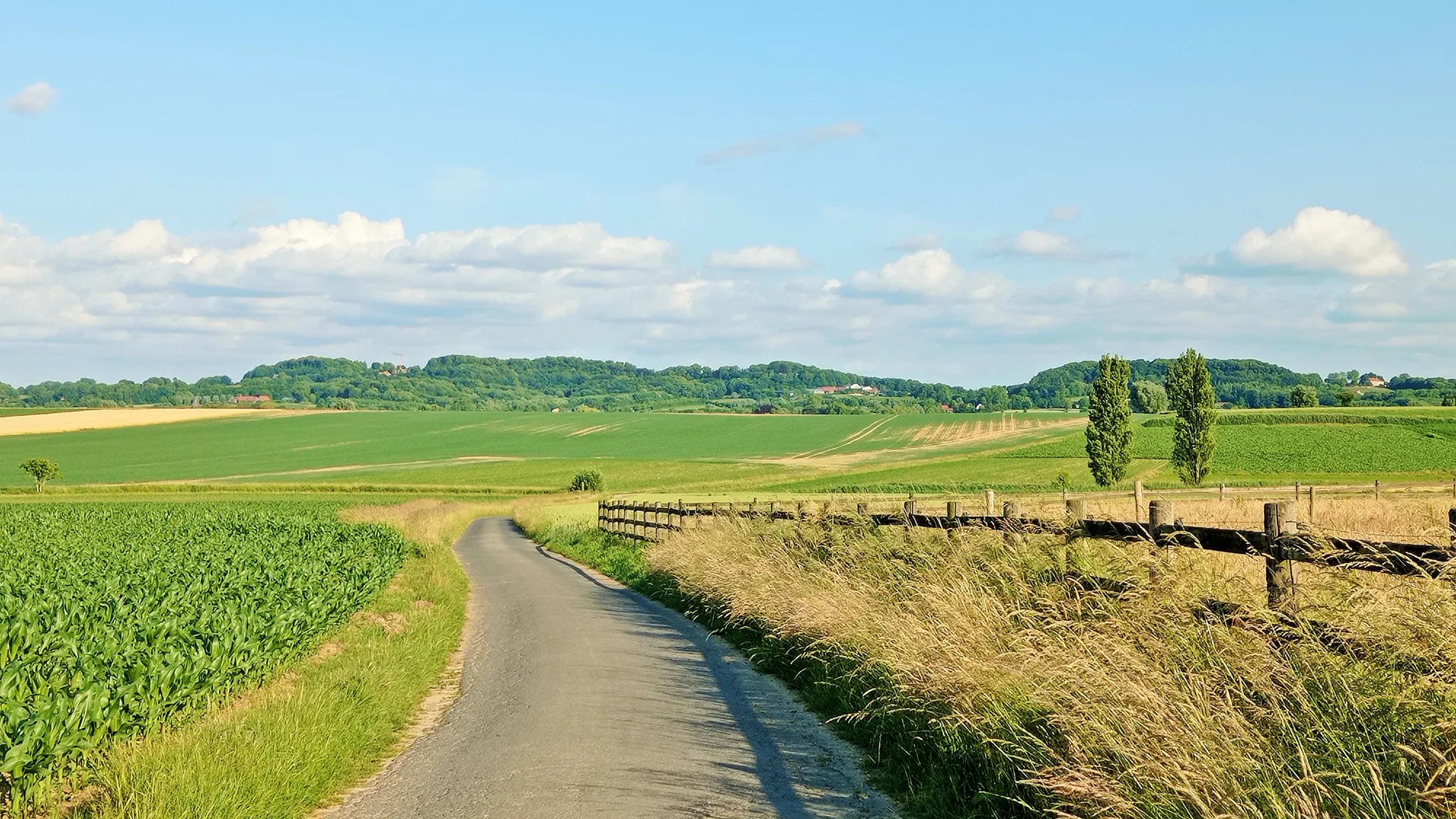
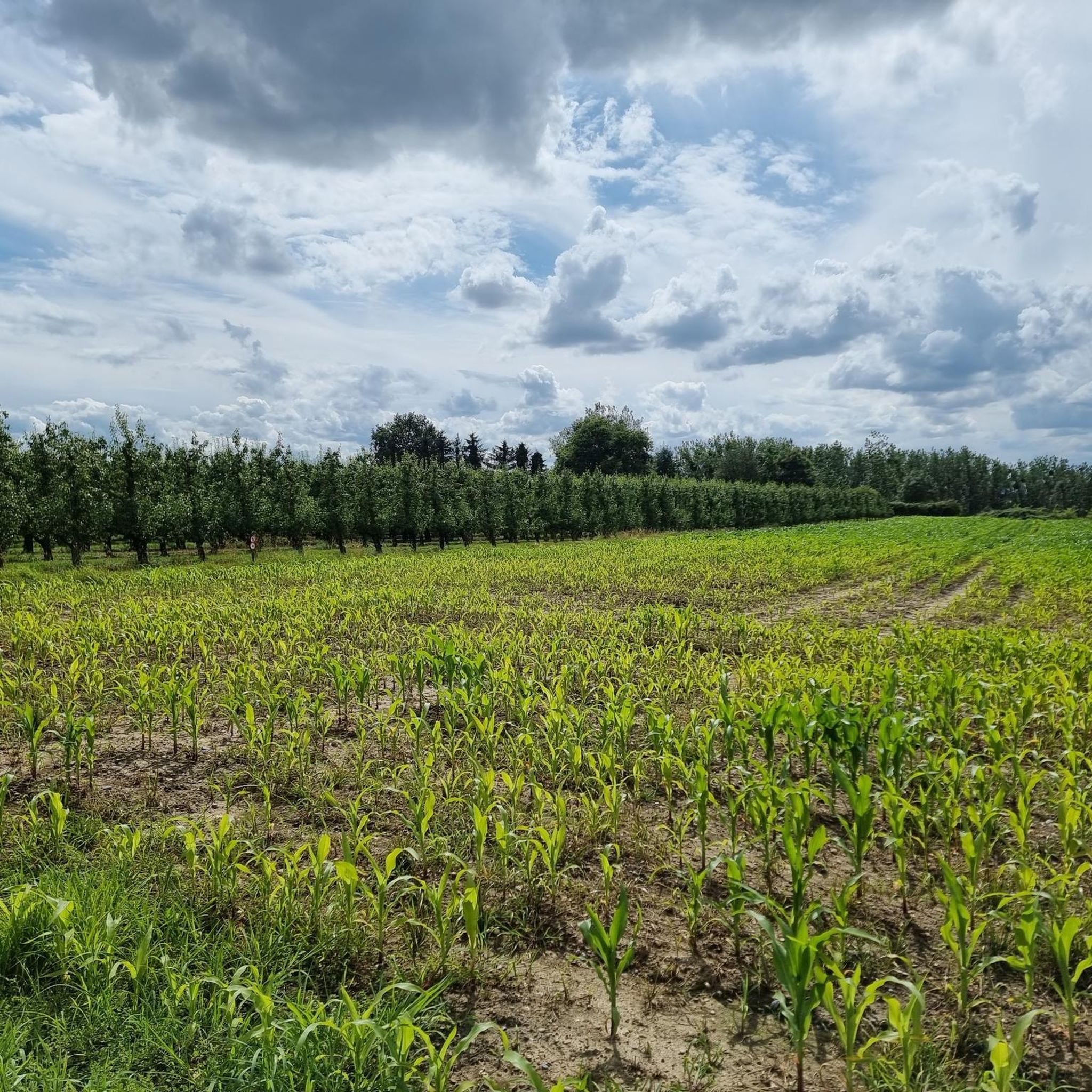
Hiking around Borgloon offers a diverse landscape characterized by rolling hills, extensive fruit orchards, and historical Roman roads. The terrain features a mix of gentle slopes and more challenging ascents and descents, providing varied elevation changes. This region, part of the Haspengouw fruit belt, is known for its natural beauty and integrated art installations.
Best hiking trails in Borgloon
- The most popular hiking route is Grootloon Orange Cross Trail, a 5.8 miles (9.4 km) trail that takes 2 hours…
Last updated: August 17, 2026
4.7
(435)
2,122
hikers
9.38km
02:31
110m
110m
Hike the Grandloon - Orange hiking trail, a moderate 5.8-mile (9.4 km) route with 374 feet (114 metres) of elevation gain, passing the See-T
4.7
(158)
915
hikers
Moderate hike. Good fitness required. Easily-accessible paths. Suitable for all skill levels.

Sign up for free
4.8
(208)
1,043
hikers
6.74km
01:48
70m
70m
Easy hike. Great for any fitness level. Easily-accessible paths. Suitable for all skill levels.
4.7
(110)
357
hikers
Moderate hike. Good fitness required. Easily-accessible paths. Suitable for all skill levels.
4.7
(69)
341
hikers
Moderate hike. Good fitness required. Easily-accessible paths. Suitable for all skill levels.
Get access to more routes and recommendations from other explorers.
Sign up for free
Already have an account?
Our route recommendations are based on thousands of hikes, rides, and runs completed by other people on komoot.
Start today with a free account
Your next adventure awaits.
Login or Signup



Tips from the Community

Beautiful cycle path with a considerable history
0
0

The church is located within the walled and tree-lined churchyard, with some beautiful chestnut trees and lime trees. The church of Haren is a very old, autonomous foundation. The 15th-century Gothic nave rests on a Romanesque substructure. During the first half of the 17th century, the church is repeatedly described as being in poor condition; apparently, a restoration took place in the second half of the 17th century, during which the facade was completely rebuilt in brick with layers of marlstone. In 1763, it is reported that the choir needs to be repaired; it is completely rebuilt in brick in the last quarter of the 18th century. Probably during this period, the original pointed arch windows of the nave, of which remaining traces exist, were also replaced by the current round arch windows, and the portal and the window in the west facade were added. The sacristy also dates from this period.
4
0
When the hedges have not yet been trimmed and the grass in the verges is high, you can walk past without noticing it. I had almost missed it... Here is a beautiful large viewing platform built on the slope. You can see for miles from here.
3
0
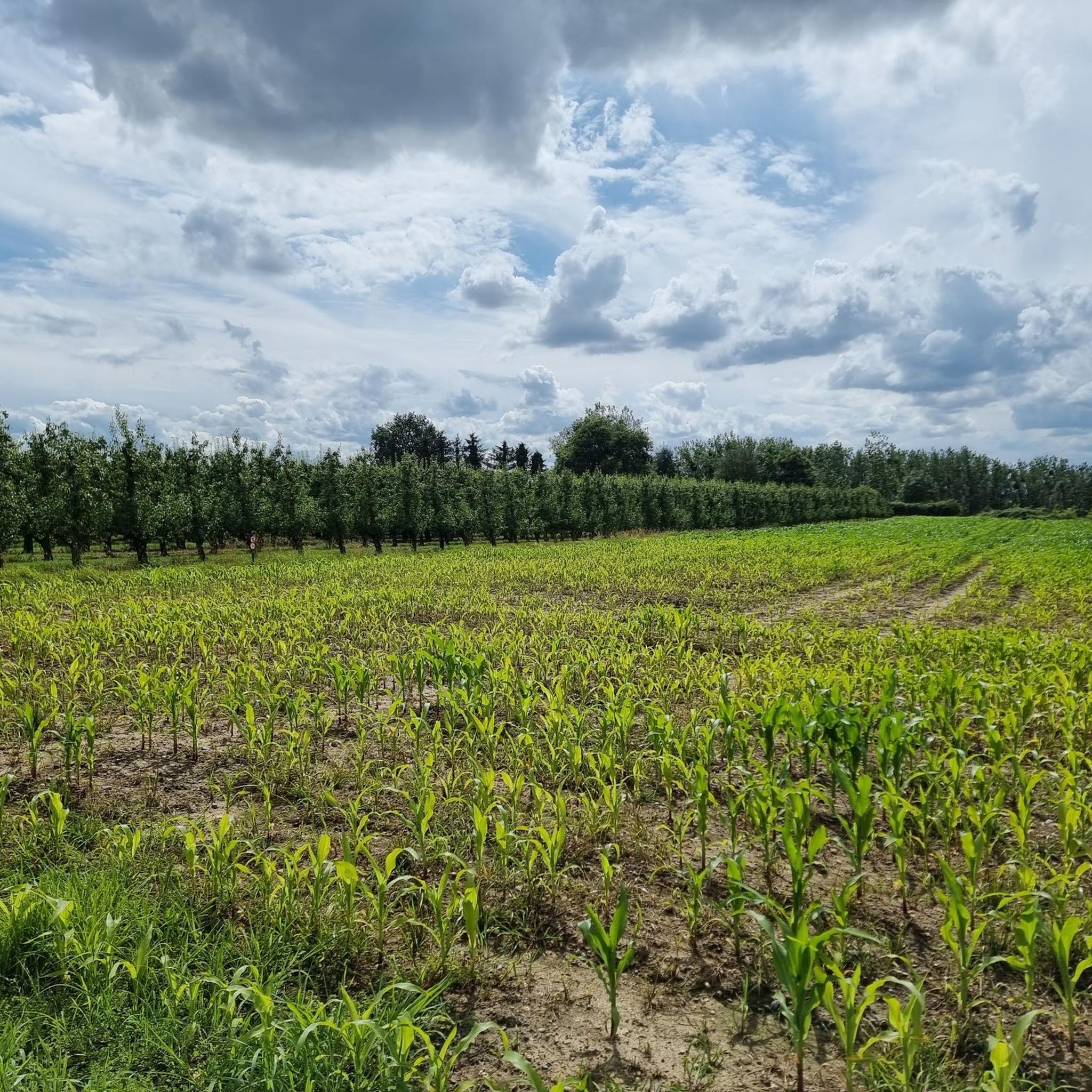
Here you walk on the western flank of a Loons dry valley with views over the old high-stemmed orchards and on the other side - on the eastern slope - the famous Borgloon church with its through-view.
3
0
From the Tongersestraat, on the edge of the city center, starts a narrow cobbled alley, which leads to a dirt road. It is likely located on the site of the vanished city walls. On the north side are the gardens and garden walls of the houses on Tongersestraat and Paddonck, on the south side are the orchards on the downward sloping hills south of the city. The alley passes behind the rectory to emerge at Paddonck, behind the church choir. The alley is called Kattesteeg or Kattensteeg.
3
0

This transparent church, aptly named 'Reading Between the Lines', is a work of art by PIT, designed by the architectural duo Gijs Van Vaerenbergh. It symbolises the decay of the church. The ten-meter-high artwork consists of one hundred stacked layers of sheet steel in the shape of a church in Loon. Thanks to the unique construction, the beautiful Haspengouw landscape remains visible through the church. In 2012, this transparent church received the 'Building of the Year' award from the renowned website ArchDaily. It was the first time a Belgian project had received this honour. Enjoy the view; this is a place with one of the most breathtaking panoramas.
1
0
Frequently Asked Questions
How many hiking trails are available in Borgloon?
Borgloon offers a wide variety of hiking experiences, with over 330 trails documented on komoot. These include 169 easy routes, 149 moderate paths, and 12 more challenging hikes, ensuring options for every fitness level.
What kind of terrain can I expect on Borgloon's hiking trails?
The terrain in Borgloon is characterized by a picturesque, rolling landscape of fruit orchards, meadows, and fields. You'll encounter sloping paths with both challenging climbs and descents, rewarding hikers with beautiful panoramic views. Many trails are unpaved, offering an immersive natural experience, and some follow ancient Roman roads.
Are there any family-friendly hiking routes in Borgloon?
Yes, Borgloon has routes suitable for families. While specific routes are not detailed in the guide, the region is known for well-maintained 'Greenspots' like Grootloon and Rullingen, which often feature trails varying in length and difficulty. Some trails, like the 'Fruit walk Kolmont', are specifically designed to be kid-friendly, offering easier walks through the orchards.
What unique landmarks or artworks can I see while hiking in Borgloon?
Borgloon is famous for its integrated 'PIT - Art in Public Spaces' artworks. A must-see is the iconic 'Reading between the Lines' (The See-Through Church), a 10-meter steel structure offering unique views. You might also encounter 'Twijfelgrens' and other artworks scattered throughout the landscape. Historic sites like the Castle Hill and the Roman villa landscape on the Bollenberg also add to the scenic interest. For a specific route that passes by the church, consider the View of the Doorkijkkerk – Town Hall loop from Borgloon.
When is the best time of year to go hiking in Borgloon?
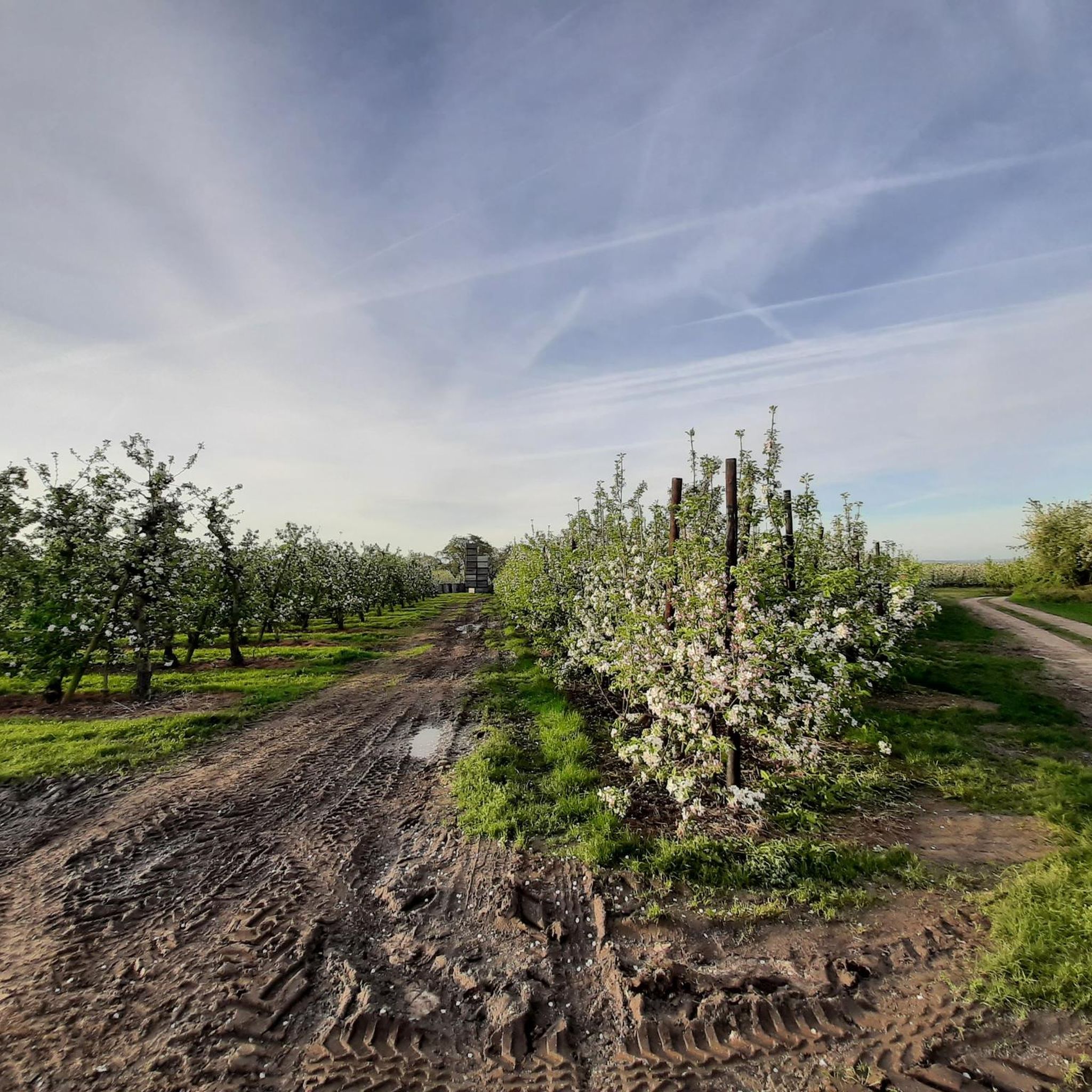
Borgloon is beautiful year-round, but it's particularly stunning during two seasons. The blossom season, typically between April and May, transforms the landscape with hundreds of thousands of fruit trees in bloom. In autumn, the orchards are heavy with ripe fruit, filling the air with fresh aromas and offering vibrant colors.
Are there any circular hiking routes in Borgloon?
Yes, many of Borgloon's hiking trails are designed as circular routes, allowing you to start and end at the same point. An example is the Grootloon High-Stem Orchards – Kattensteeg loop from Borgloon, which explores the region's characteristic orchards and historical paths.
What do other hikers enjoy most about the trails in Borgloon?
The komoot community highly rates the hiking experience in Borgloon, with an average score of 4.5 stars from over 2,300 reviews. Hikers frequently praise the diverse landscape, the unique blend of natural beauty with integrated art installations like the See-Through Church, and the scenic fruit orchards, especially during blossom season.
Are there any castles or historical sites to explore near the hiking trails?
Absolutely. The region around Borgloon is rich in history. You can explore the Castle Hill (Burchtheuvel), which offers expansive views, or discover the Roman villa landscape on the Bollenberg. Several castles are also nearby, such as Alden Biesen Commandery and Heks Castle, which can be visited as part of a longer excursion.
Can I find trails that pass through vineyards in Borgloon?
Yes, the landscape around Borgloon includes several vineyards, adding to the scenic beauty of certain routes. You might encounter vineyards such as those of Castle De Grote Mot, Optimbulles, Cuvelier, and Clos d'Opleeuw, offering additional points of interest during your hike.
Where can I find more information about the 'Greenspots' hiking areas in Borgloon?
Borgloon features well-maintained 'Greenspots' like Grootloon and Rullingen, which are popular starting points for various trails. For more detailed information about these specific hiking areas and their offerings, you can visit the official tourism website: visitlimburg.be/en/blog/hiking-greenspots.
Are there any easy hiking routes for beginners or those looking for a relaxed walk?
Yes, Borgloon offers numerous easy hiking routes. Out of the 330 trails, 169 are classified as easy, making them perfect for beginners or those seeking a leisurely stroll through the scenic landscape. An example of an easy route is the View of the Doorkijkkerk – Town Hall loop from Borgloon, which is 4.2 miles (6.7 km) long.
Most popular attractions around Borgloon

Get inspired with the komoot mobile app


Explore more
Browse the best Hikes in other regions.
