The best walks and hikes around Dalhem
4.5
(1115)
4,675
hikers
191
hikes
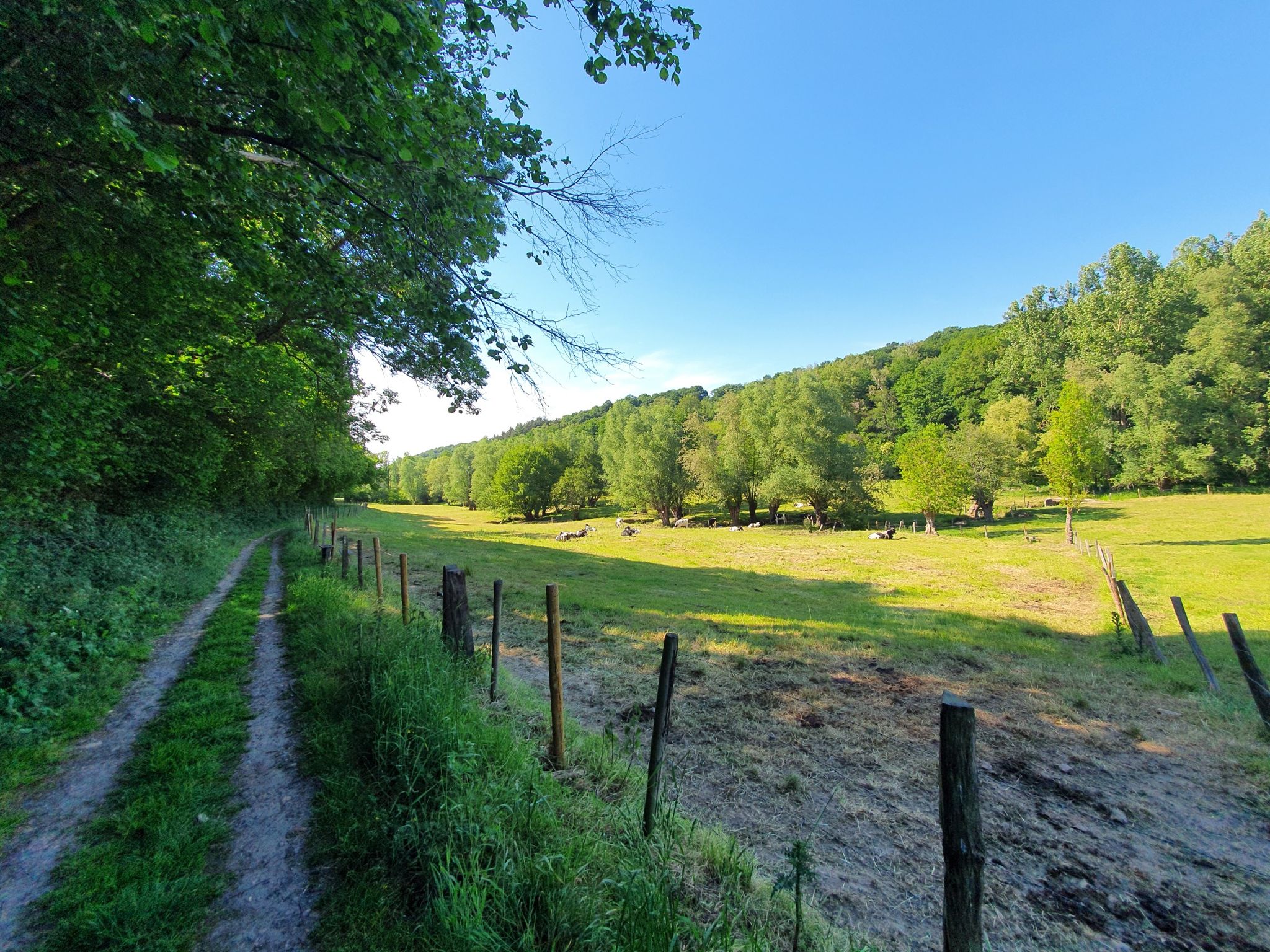
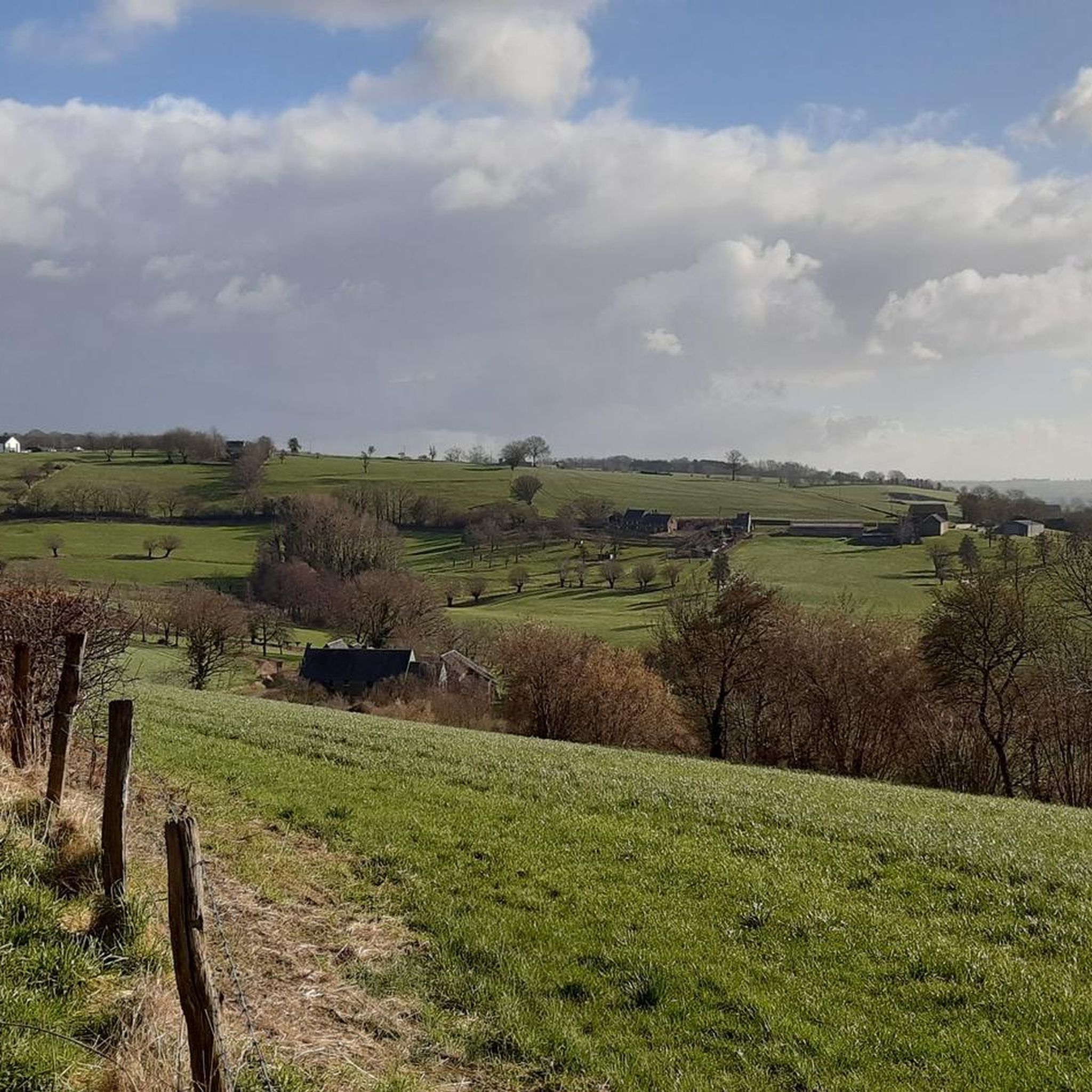
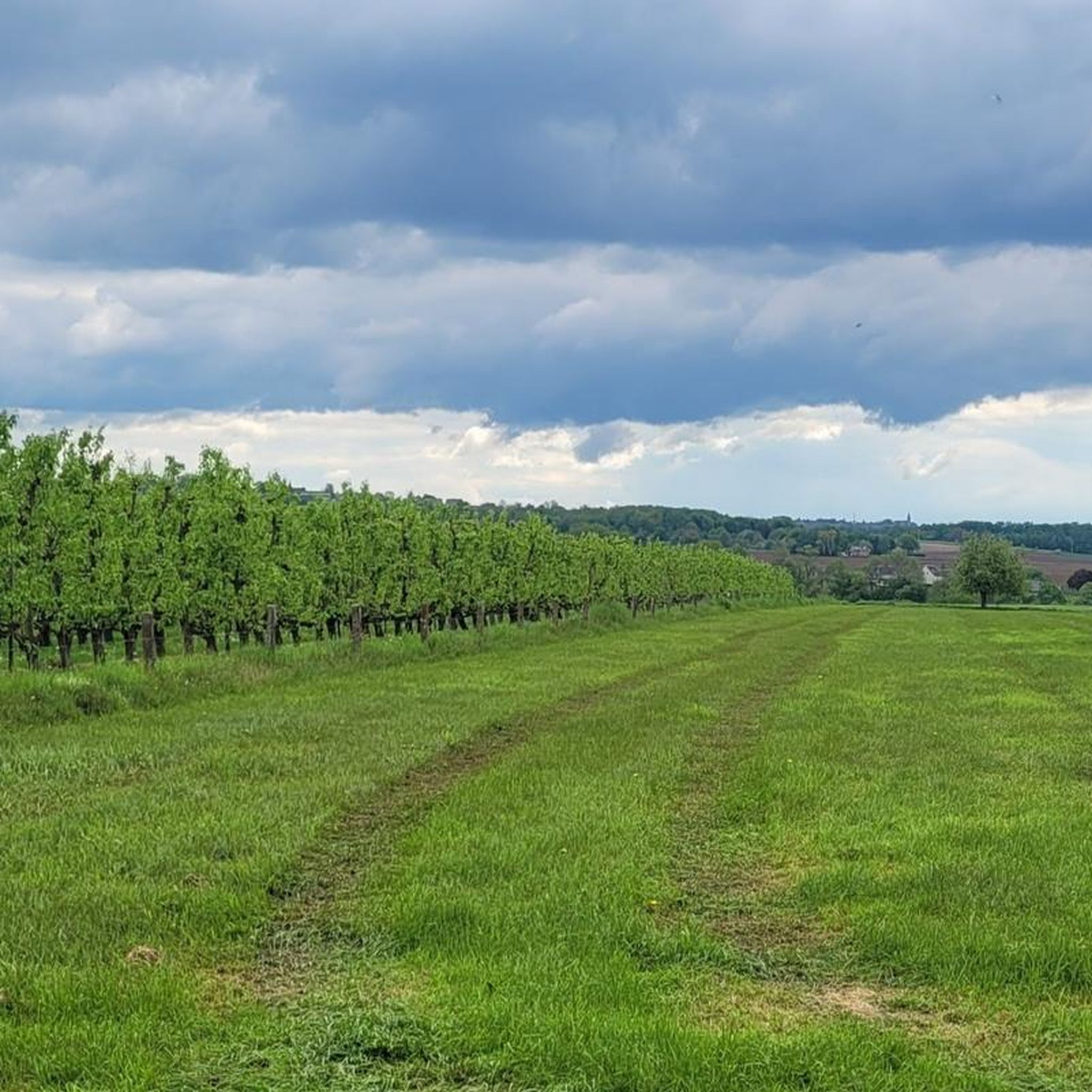
Hiking around Dalhem offers diverse landscapes, characterized by rolling hills and picturesque valleys. The region features dense forests and open meadows, providing varied terrain for exploration. Several trails follow tranquil rivers and streams, such as the Ri d'Asse, adding natural appeal. The Dalhem Nature Reserve provides well-marked paths to discover local flora and fauna.
Best hiking trails around Dalhem
- The most popular hiking route is View of Val-Dieu Abbey – Val-Dieu Abbey loop from Julémont, a 8.8 miles (14.2…
Last updated: August 14, 2026
4.6
(46)
215
hikers
14.2km
04:02
330m
330m
Moderate hike. Good fitness required. Easily-accessible paths. Suitable for all skill levels.
4.7
(83)
198
hikers
9.63km
02:37
140m
140m
Moderate hike. Good fitness required. Easily-accessible paths. Suitable for all skill levels.

Sign up for free
3.8
(28)
186
hikers
Easy hike. Great for any fitness level. Easily-accessible paths. Suitable for all skill levels.
4.8
(38)
134
hikers
6.90km
01:56
130m
130m
Easy hike. Great for any fitness level. Easily-accessible paths. Suitable for all skill levels.
4.8
(38)
132
hikers
7.07km
01:56
110m
110m
Easy hike. Great for any fitness level. Easily-accessible paths. Suitable for all skill levels.
Get access to more routes and recommendations from other explorers.
Sign up for free
Already have an account?
Our route recommendations are based on thousands of hikes, rides, and runs completed by other people on komoot.
Start today with a free account
Your next adventure awaits.
Login or Signup
Other adventures around Dalhem

Tips from the Community

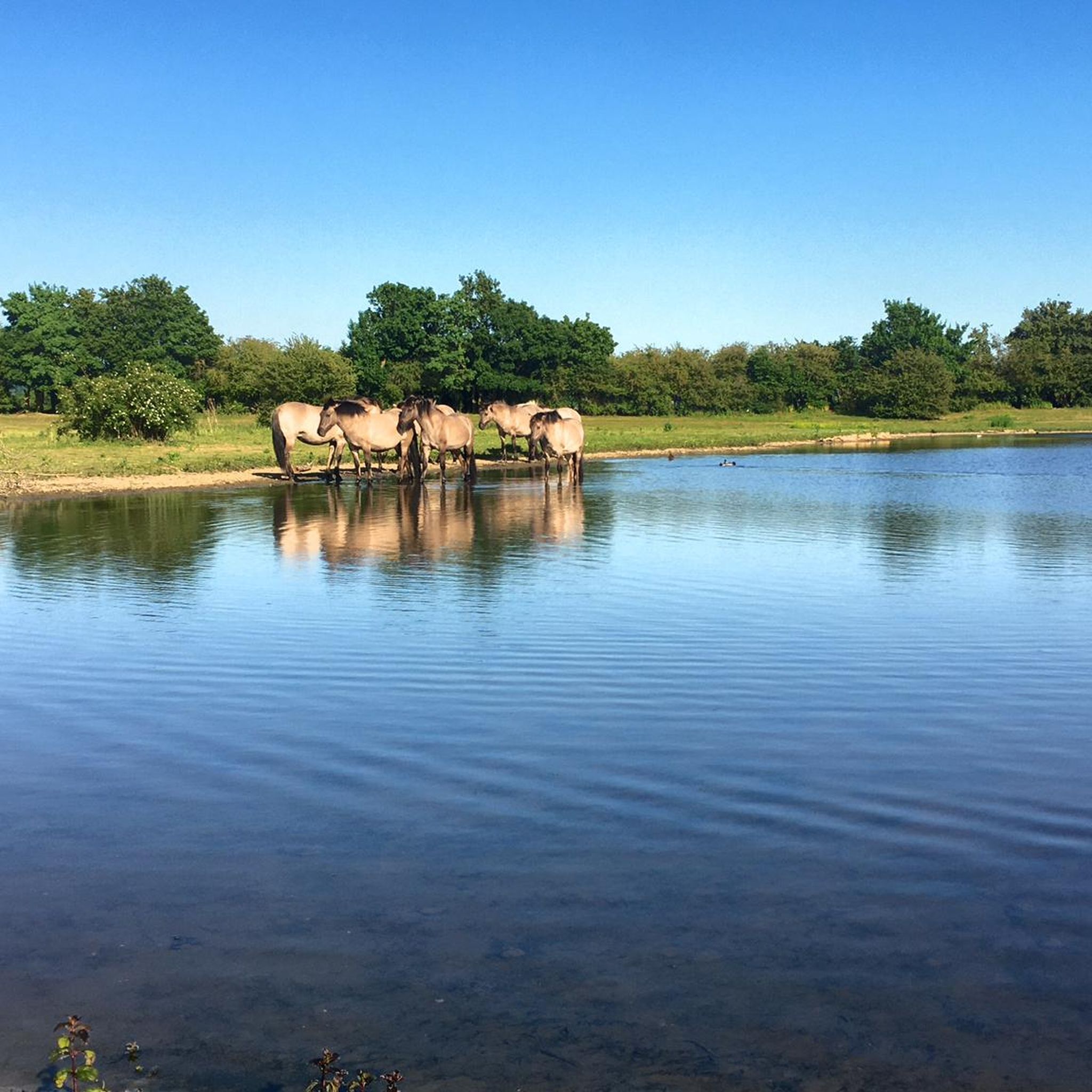
Cozy corner with beautiful horses next to the path.
3
0
A local religious monument in a picturesque beautiful area.
4
0
Beautiful valley with corresponding views. Very pleasant to stay in this environment.
4
0
A small bridge connecting landscapes.
2
0
Very pleasant and quiet… with here and there an opportunity to let the dog cool off in the Ri d’Asse.
4
0
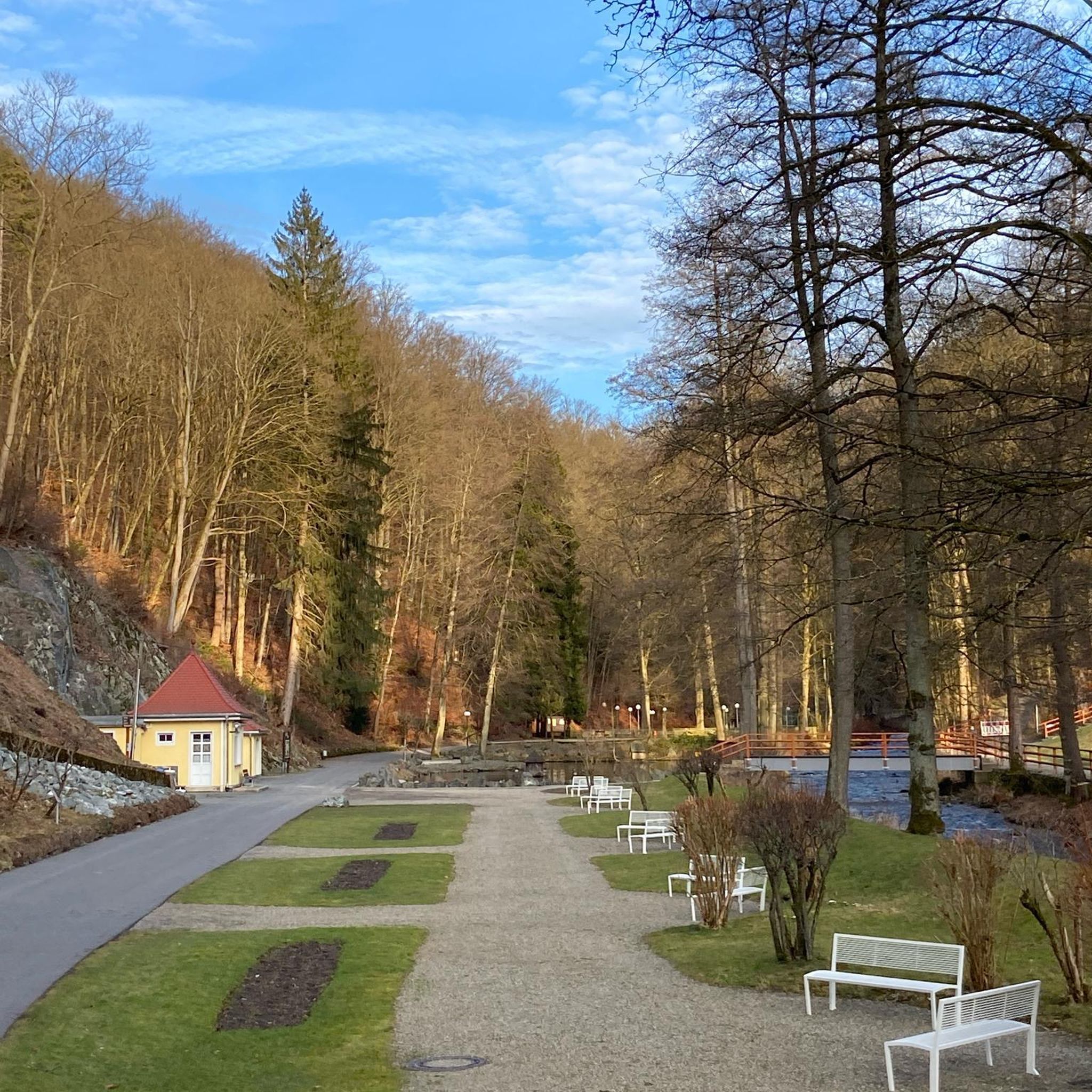
From the bench, you fully enjoy the peace and the view of meadows and valley.
3
0
Frequently Asked Questions
How many hiking trails are available in Dalhem?
Dalhem offers a wide variety of hiking opportunities, with over 170 routes available. These range from easy strolls to more challenging treks, ensuring options for all fitness levels.
What kind of terrain can I expect on hikes around Dalhem?
The region is characterized by scenic rolling hills, picturesque valleys, dense forests, and open meadows. Many trails also follow tranquil rivers and streams, such as the Ri d'Asse, providing diverse and engaging landscapes.
What is the best time of year to go hiking in Dalhem?
The best seasons for hiking in Dalhem are typically spring and autumn. During these times, the weather is mild, and the natural scenery is particularly vibrant, with lush greenery in spring and beautiful foliage in autumn.
Are there many easy hiking options in Dalhem?
Yes, Dalhem has plenty of easy hiking options. Approximately half of the available routes are classified as easy, making them suitable for casual walkers or those looking for a relaxed outdoor experience.
What historical landmarks or natural features can I see while hiking in Dalhem?
Many trails incorporate interesting landmarks. You can explore the historical Dalhem Tunnel, or enjoy views of the impressive Château Neercanne. The View of Val-Dieu Abbey – Val-Dieu Abbey loop from Julémont offers sights of the historic abbey itself.
Are there any castles or caves to explore near Dalhem's hiking trails?
Yes, the area around Dalhem is rich in historical sites and natural formations. You can find several castles, including Château Neercanne and Commandery of Sint-Pieters-Voeren. For those interested in caves, the Thier des Vignes Flint Caves and Thier de Lanaye Underground Quarries are notable attractions.
What do other hikers appreciate most about the trails in Dalhem?
The trails in Dalhem are highly rated by the komoot community, with an average score of 4.5 stars from over 900 reviews. Hikers often praise the diverse landscapes, from rolling hills to tranquil river valleys, and the well-marked paths that make exploration enjoyable.
Are there family-friendly hiking trails in Dalhem?
Absolutely. With nearly half of the trails classified as easy, Dalhem offers many routes suitable for families. The Ri d'Asse – Valley of the Asse Stream loop from Mortroux is an easy option that takes you through a tranquil river valley, perfect for a family outing.
Are there circular hiking routes available in Dalhem?
Yes, many of the popular hiking routes in Dalhem are circular, allowing you to start and end at the same point. Examples include the Dalhem Tunnel – Dalhem Tunnel loop from Saint-André and the View of Val-Dieu Abbey – Val-Dieu Abbey loop from Julémont.
Where can I find parking for hiking trails in Dalhem?
While specific parking details vary by trailhead, many popular starting points for trails like the Dalhem Tunnel loop or the Ri d'Asse loop often have designated parking areas nearby. It's advisable to check the specific route details on komoot for the most accurate parking information.
Can I bring my dog on the hiking trails in Dalhem?
Many trails in Dalhem are suitable for dogs, especially those that pass through forests and open countryside. However, it's always recommended to keep your dog on a leash, particularly in nature reserves or areas with livestock, and to check for any specific local regulations along your chosen route.
Are there any trails that offer panoramic viewpoints in Dalhem?
Yes, Dalhem's rolling hills provide excellent opportunities for scenic vistas. Trails like the 'Sunset Ridge Trail' (mentioned in region research) are known for offering sweeping views, especially during sunrise or sunset. The View of the Château de Dalhem – Dalhem Tunnel loop from Mortroux also provides impressive views of the castle and surrounding landscape.
Most popular routes around Dalhem
Most popular attractions around Dalhem

Get inspired with the komoot mobile app


Explore more
Browse the best Hikes in other regions.
