Top 20 Lakes around Lebbeke
Best lakes around Lebbeke are found within the broader region, as the municipality itself does not feature prominent natural lakes. The area is characterized by controlled water systems, including ditches and polders, rather than large natural bodies of water. However, the surrounding landscape offers various recreational water bodies, often remnants of historical activities like peat extraction or quarrying, alongside managed park ponds. These water features contribute to the natural areas and walking routes in the Lebbeke region.
Best lakes around…
Last updated: July 1, 2026
Donkmeer
Highlight • Lake
Translated by Google •
Tip by

Peat Pits of Berlare Broek
Highlight (Segment) • Lake
Translated by Google •
Tip by

Sign up now to discover places like this
Get recommendations on the best single tracks, peaks, & plenty of other exciting outdoor places.
Sign up for free
Berlare Castle Park
Highlight • Castle
The castle and outbuildings are not open to the public, but the park is.
Translated by Google •
Tip by

Pond of the Old Sandstone Quarry Kravaalbos
Highlight • Lake
Translated by Google •
Tip by

Hennenput Pond, Buggenhoutbos
Highlight • Lake
(Nature point)
Translated by Google •
Tip by
Sign up for free to discover even more lakes around Lebbeke.
Sign up for free
Already have an account?
Start today with a free account
Your next adventure awaits.
Login or Signup
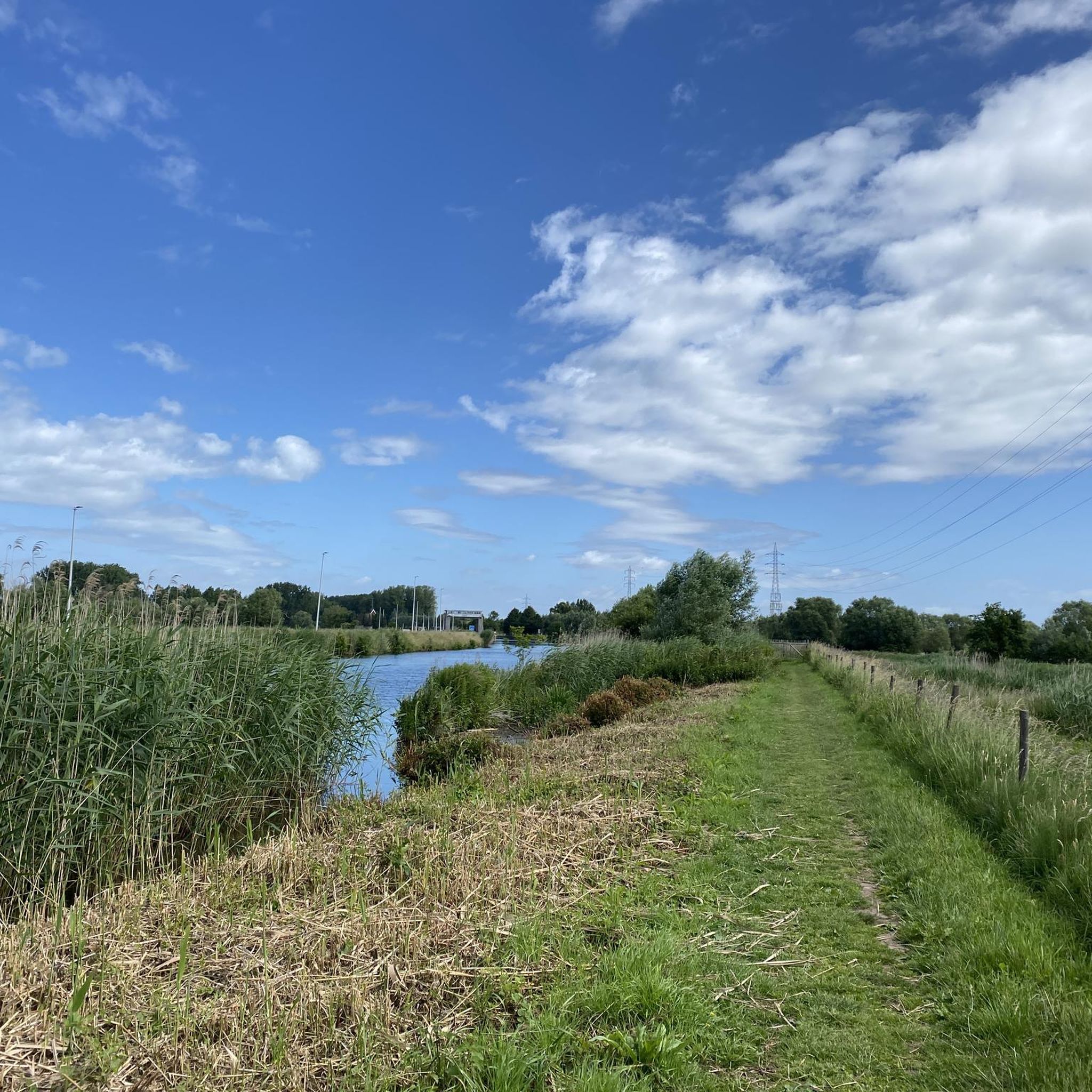

Tips from the Community

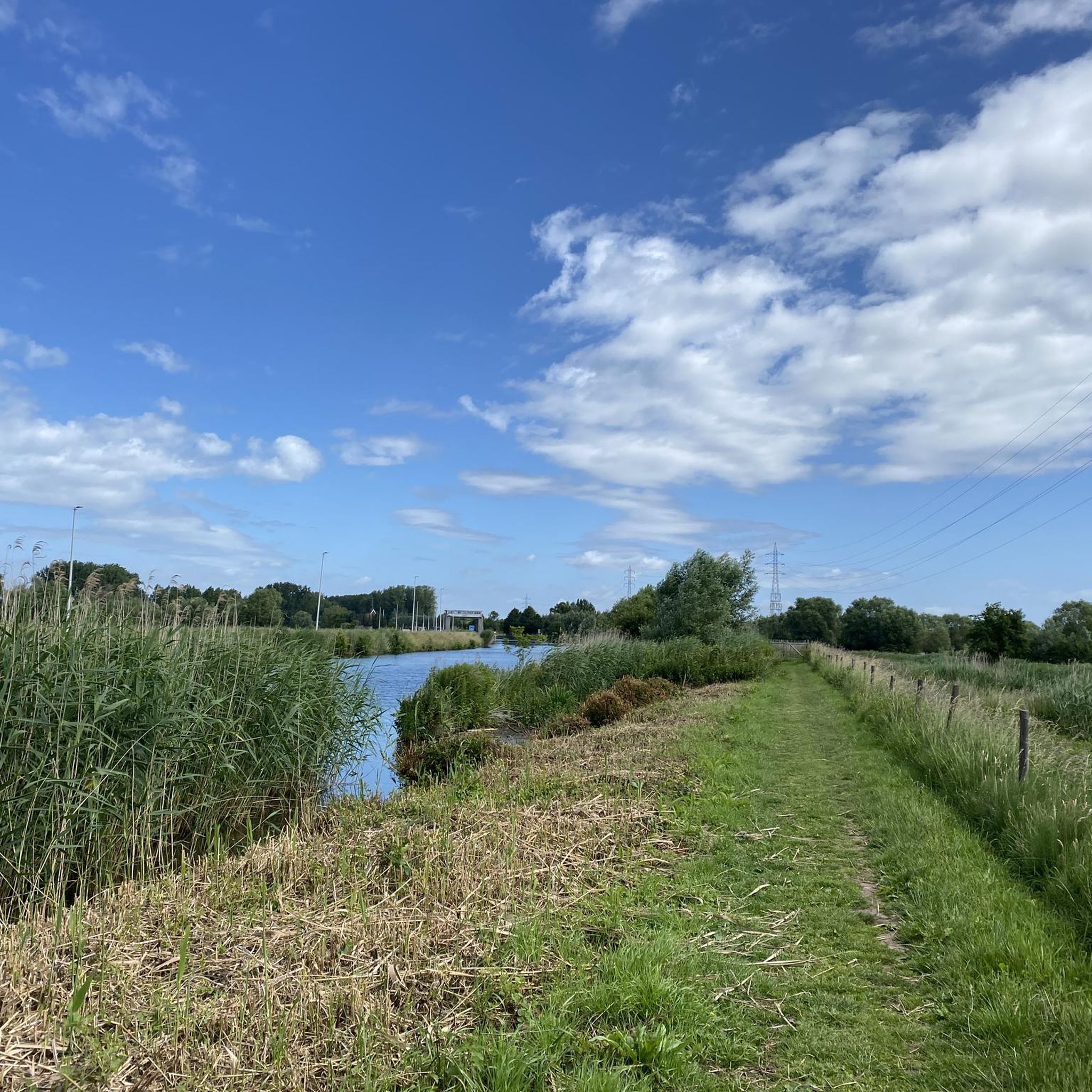
Where once one of Meldert's most important quarries lay, now the clear water of a large pond sparkles. At first this was a marshland, but in 1962 a stream was dammed and the quarry filled up.
7
0

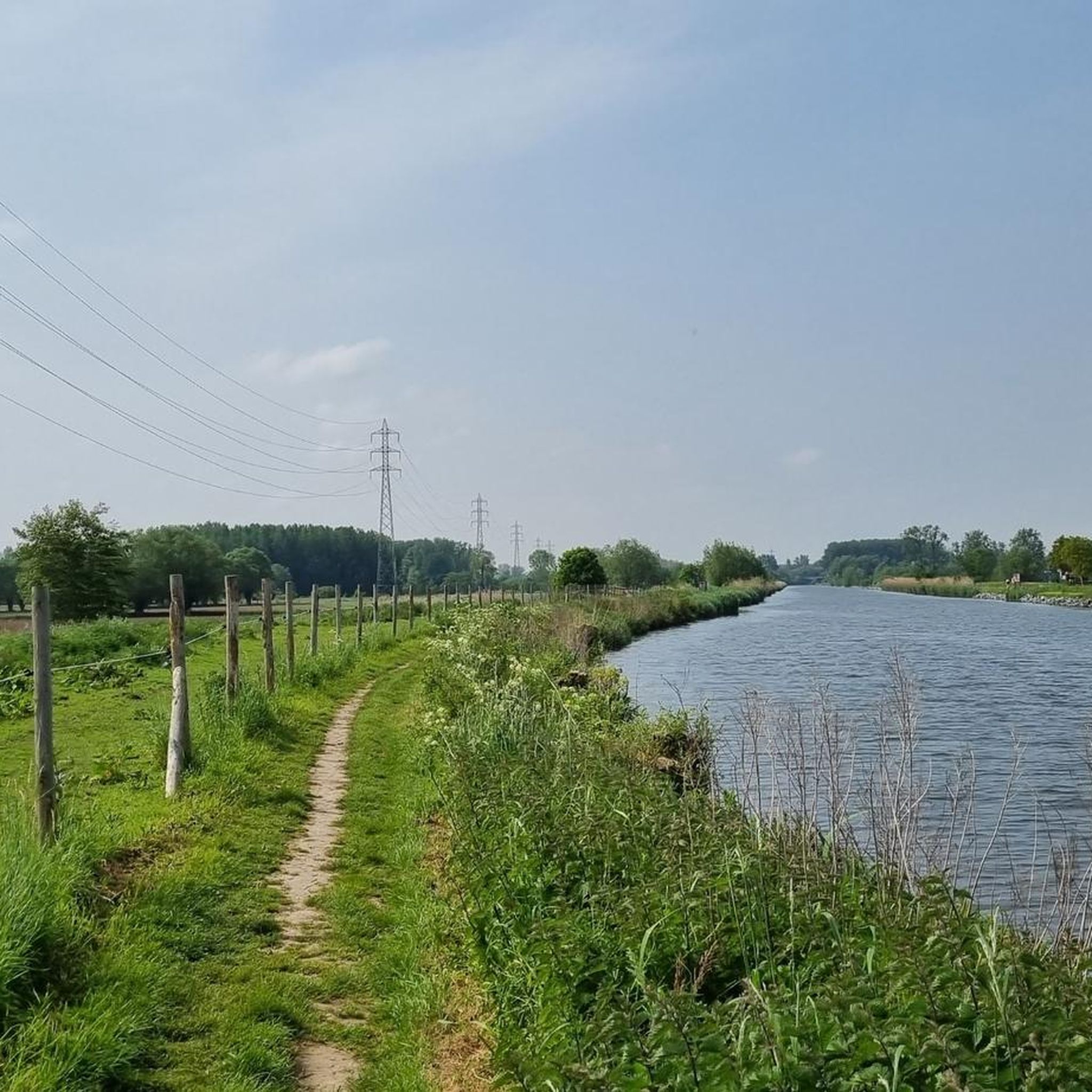
Nice to walk through with water on both sides.
14
1
Today Komoot was asked to change the name of this Highlight to Hennenput.
12
0


During the preparation of the works, all areas of the castle and the outbuildings were cleared of "disturbing elements", so that the rooms now show their spaciousness of yesteryear in all their glory. Some interesting notes also emerged that provide a unique view of the history of the castle. This is how they came across the signatures of the craftsmen who worked in the castle in the distant past. Source: https://www.berlare.be/
2
0
In-depth restoration work on the castle has started since May 2023. The historic castle, outbuildings and orangery will be repurposed as the administrative center for municipal services. The works will last two years. The castle park will remain accessible during the works. Although certain parts are currently closed due to the site organization and the safety of visitors. The castle is now barely visible (as my photos show).
2
0

When you leave the information center, keep the lake on your right. The route past the chapel is not worth it unless you like residential areas. Once you reach the green area towards the duck decoy, the walk becomes really beautiful. At the campsite on the other side of the lake it is best to turn around and walk back. As you continue, you walk along the busy road surrounding the lake. Only the green side of the lake is worth it.
9
0
The Henneput, the largest water feature, is an attraction for almost all animals, a spawning ground for toads and frogs in the spring, a moment of relaxation for many hikers. (Nature point)
19
0
Frequently Asked Questions
Are there prominent natural lakes directly within Lebbeke?
No, Lebbeke itself does not feature prominent natural lakes. The municipality is characterized by controlled water systems, such as ditches and polders, rather than large natural bodies of water. However, the broader region around Lebbeke offers various recreational water bodies, often formed from historical activities like peat extraction or quarrying.
What kind of water bodies can I find near Lebbeke?
Near Lebbeke, you can explore diverse water bodies including former peat pits, quarry ponds, and ornamental park ponds. These features contribute to the natural areas and walking routes in the region, offering varied landscapes. Examples include the Peat Pits of Berlare Broek and the Pond of the Old Sandstone Quarry Kravaalbos.
Are there family-friendly water areas near Lebbeke?
Yes, several water areas near Lebbeke are suitable for families. Berlare Castle Park features a large landscaped garden with ponds, accessible to walkers and cyclists. The Peat Pits of Berlare Broek and Berlarebroek Nature Reserve also offer pleasant environments for family walks with an alternation of ponds and forests.
What historical sites are associated with the water bodies near Lebbeke?
Many water bodies in the region have historical significance. The Peat Pits of Berlare Broek and Berlarebroek Nature Reserve are remnants of old Scheldt meanders where peat extraction created large water surfaces. Berlare Castle Park, with its ponds, has a history dating back to the 17th century. The Pond of the Old Sandstone Quarry Kravaalbos is a former quarry site, active since the 12th century, whose stone was used for significant buildings like St. Michael's Cathedral in Brussels.
Are there good walking routes around water features near Lebbeke?
Absolutely. The Peat Pits of Berlare Broek offer a beautiful alternation between ponds and forests for walking. Berlarebroek Nature Reserve is partly accessible via walking and cycling paths, perfect for those who enjoy water during their walks. The Berlare Castle Park also provides accessible paths around its ponds.
Can I bring my dog to the water areas near Lebbeke?
While specific regulations can vary, many natural areas and parks in Belgium, including those with water features, generally allow dogs on a leash. It's always best to check local signage at each specific location, such as Berlare Castle Park or the Peat Pits of Berlare Broek, for any specific restrictions.
Is parking available at these water features?
Yes, parking is available at some locations. For instance, Berlare Castle Park is known to have parking facilities, making it convenient for visitors. For other areas, it's advisable to check specific access points or local information before your visit.
When is the best time to visit the water areas near Lebbeke?
The water areas near Lebbeke can be enjoyed year-round. Spring brings blooming nature and active wildlife, while summer is ideal for longer walks and enjoying the greenery. Autumn offers beautiful fall foliage, and even in winter, the landscapes can be serene, especially in areas like the Peat Pits of Berlare Broek where storm damage from previous years is visible, creating a unique atmosphere.
What outdoor activities can I do near these water bodies?
Beyond walking, the region around Lebbeke offers various outdoor activities. You can find numerous hiking routes, such as the 'Denderbelle Lock Complex – Boardwalk Denderbellebroek loop' or 'Hof Ten Dijke Nature Reserve – Retention Basins Lebbeke loop'. For running enthusiasts, there are trails like the 'Denderbelle Lock and Weir – View over the Dender River loop'. Road cycling routes, including 'Schelde Bend at Sint-Amands' or 'Along the Dender River', also provide scenic rides. You can find more details on these activities in the Hiking around Lebbeke, Running Trails around Lebbeke, and Road Cycling Routes around Lebbeke guides.
Are there any lesser-known water spots worth exploring near Lebbeke?
Beyond the more popular spots, the Hennenput Pond in Buggenhoutbos is a picturesque place to spend some time. It's the largest water feature in the Buggenhoutbos, attracting various animals and offering a relaxing spot for hikers, complete with benches for contemplation.
Can I go wild swimming in the water bodies near Lebbeke?
Generally, wild swimming is not recommended or permitted in the water bodies near Lebbeke, which are often former peat pits, quarry ponds, or managed park features. These waters may have varying depths, unclear conditions, or specific ecological protections. For recreational swimming, Lebbeke has a public swimming complex with various pools and attractions.
What do visitors enjoy most about the water areas near Lebbeke?
Visitors particularly appreciate the natural beauty and tranquility of these areas. The alternation between ponds and forests, especially at places like the Peat Pits of Berlare Broek, is highly valued for walking. The historical context of sites like Berlare Castle Park and the Pond of the Old Sandstone Quarry Kravaalbos also adds a unique dimension to the experience.
Most popular routes around Lebbeke
Most popular attractions around Lebbeke

Get inspired with the komoot mobile app


Explore more
Still not found your perfect lake around Lebbeke? Check out the guides of these regions to see even more beautiful places.
