Top 20 Castles around Geer
Castles around Geer are located in the Wallonia region of Belgium, an area characterized by its rich history and diverse landscapes. The region, particularly around the Geer river and Mount Saint Peter, features numerous historical sites. This area offers a blend of medieval fortifications and historic estates, providing insights into centuries of architectural evolution and strategic importance.
Best castles around Geer
- The most popular castles is Château de Fallais, a castle that dates from the 13th century. This fortified castle played a role in historical meetings and was occupied by Louis XIV in the 17th century.
- Another must-see spot is Famelette Castle, a castle that likely served as an outlying fortification of Moha Castle. The current complex largely dates from the 16th century, built around a 14th-century square keep.
- Visitors also love Château de Fumal, known for its whitish limestone architecture. Its oldest part is a 16th-century tower, updated in the early 17th century with a bulbous roof.
- Geer is known for fortified castles, historic estates, and architecturally distinct châteaux. The region offers a variety of castles to see and explore, from ruins with ancient origins to well-preserved structures.
- The castles around Geer are appreciated by the komoot community, with more than 170 upvotes and 56 photos shared.
Last updated: July 7, 2026
Château de Fallais
Highlight • Castle
Translated by Google •
Tip by

Château de Fumal
Highlight • Castle
To get there, you have to go up a little (quite steep but short slope), on the cycle path which leads to Ravel L147.
Its oldest part consists of a tower which dates back to the 16th century. It was fitted with a bulbous roof and new facing in the first third of the 17th century.
We can read the date 1622 in the anchors of the south facade.
A beautiful park extends to the north of the residence.
Translated by Google •
Tip by

Sign up now to discover places like this
Get recommendations on the best single tracks, peaks, & plenty of other exciting outdoor places.
Sign up for free
View of Famelette Castle
Highlight • Viewpoint
Translated by Google •
Tip by

Castle of Kerkom (Alstergoed)
Highlight • Castle
This castle was the seat of the Lords of Kerkom. The name Alstergoed, therefore, comes from the Van Alsteren family, who were Lords of Kerkom from the late 14th century until 1675. The Van Schoor family, owners from 1707 to 1774, had a classical castle built. In 1889, the then owner, Baron F. de Moffart, built a new castle in the eclectic style just northwest of that castle. The classical castle was largely demolished. Only the northeast wing and the eastern corner towers remained. These were the servants' quarters and the carriage house.
The two buildings are situated in a park. There is a terraced garden and, on each of the two corners, an octagonal garden pavilion dating from 1760.
Translated by Google •
Tip by

Château d'Oteppe
Highlight • Castle
A large campsite is located at Oteppe Castle within this town.
Translated by Google •
Tip by

Sign up for free to discover even more castles around Geer.
Sign up for free
Already have an account?
Start today with a free account
Your next adventure awaits.
Login or Signup

Tips from the Community

Since 1965, the Oteppe castle and its surrounding estate (65 ha) have been run as a holiday centre ("L'Hirondelle") with a hotel, campsite, holiday chalets and bungalows, swimming pools, playground and fishing ponds; as a result, the village's population has almost doubled during the summer months.
2
0

Former seat of the lordship of Kerkom, named after the van Alsteren family, lords of Kerkom from the late 14th century to 1675. Subsequently, the Henrix, Everarts, and de Seroots families, and from 1707 to 1774, the van Schoor family, builders of the classical castle, held this title. In 1889, the current eclectic castle was built northwest of that castle, commissioned by a later heir, Baron F. de Moffart; the classical castle was then demolished, with the exception of the northeast wing and the eastern corner towers. Both buildings are situated within a spacious, wooded park with a pond, east of the church and north of Cicindria and Aalsterstraat; a terrace with two garden pavilions separates the two buildings. The remaining old wing served as the carriage house with servants' quarters. It has two stories under a hipped saddleback roof (artificial slate). It is constructed of brick with limestone used for the frames and cornerstones. Facade overlooking the former state square. To the southwest, the beginning of a former perpendicular wing, finished with reused materials after demolition: arched window with a trapezoidal keystone and a rectangular doorframe with a cornice. The rear facade faces the park, with a projecting section of four bays and two stories under the aforementioned hipped roof; a deeper bay of the same height as the connecting element with the tower. Corner tower of one bay and three stories under a mansard roof (slate) with a small pear spire. Aligning corner blocks. On the southwest side, on the second story, an arched cross window with an anchored trapezoidal keystone; on the third story, a segmental arch window in a flat anchored frame with beveled upper corners and a trapezoidal keystone. To the northwest, a terraced garden with a small, octagonal garden pavilion under a mansard roof (slate) on the two corners, north and west. A Classical building from 1760. Arched limestone windows and doors. Further northwest, the eclectic castle with three-bay, two-story cornice facades under a mansard roof (artificial slate) with hipped dormers and corner turrets. A brick building with abundant use of natural stone for window and door frames, lintels, and borders. Inventory of Immovable Heritage: Kerkom Castle, https://id.erfgoed.net/erfgoedobjecten/84286
1
0

Beautiful castle with moat in the limestone of the region from the 13th century. It was long the property of Charles the Bold.
0
0
In the 12th century there was already a castle here. An old keep with walls one meter thick is still a witness, but what it looked like is unknown. Later, various renovations and adjustments to its time took place
0
0

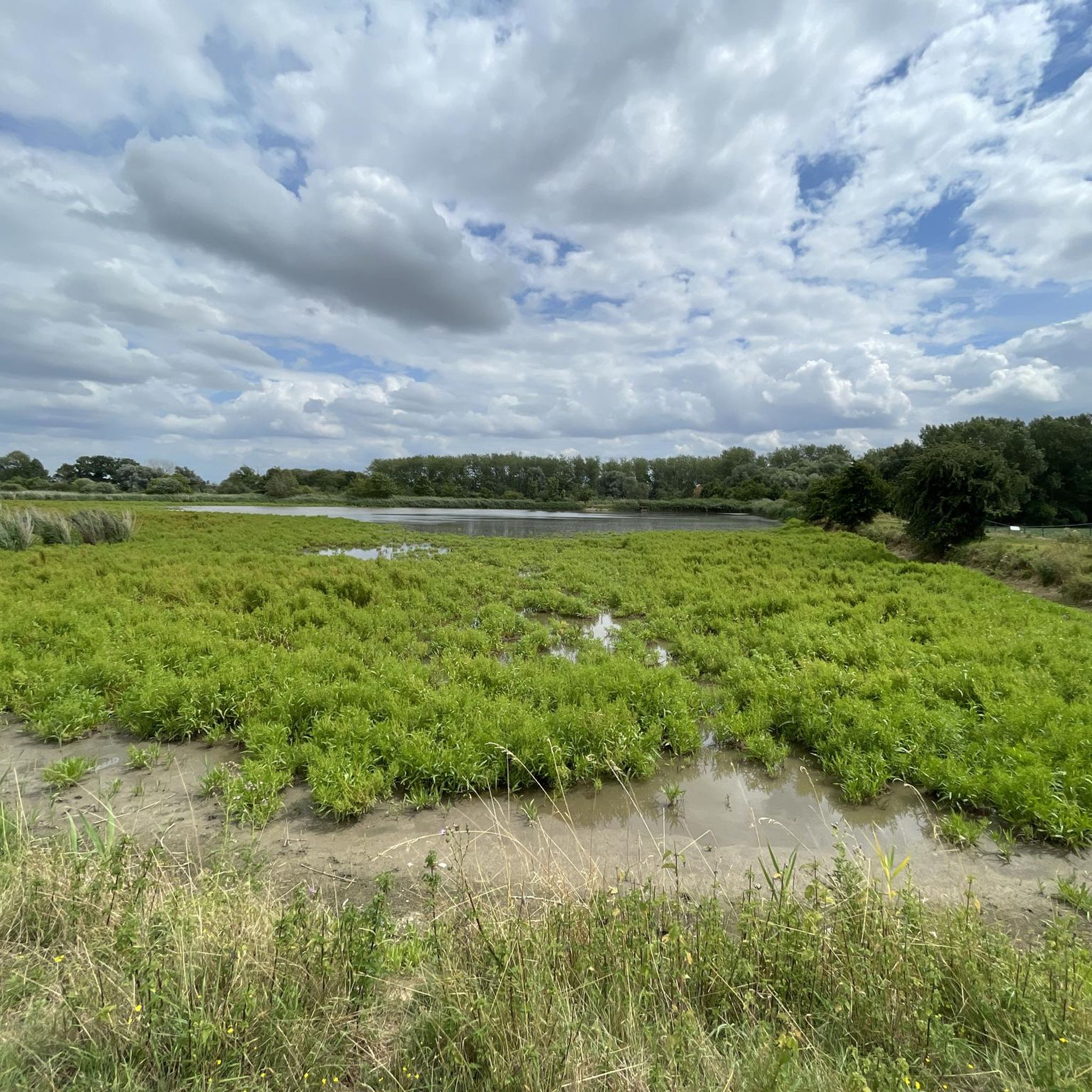
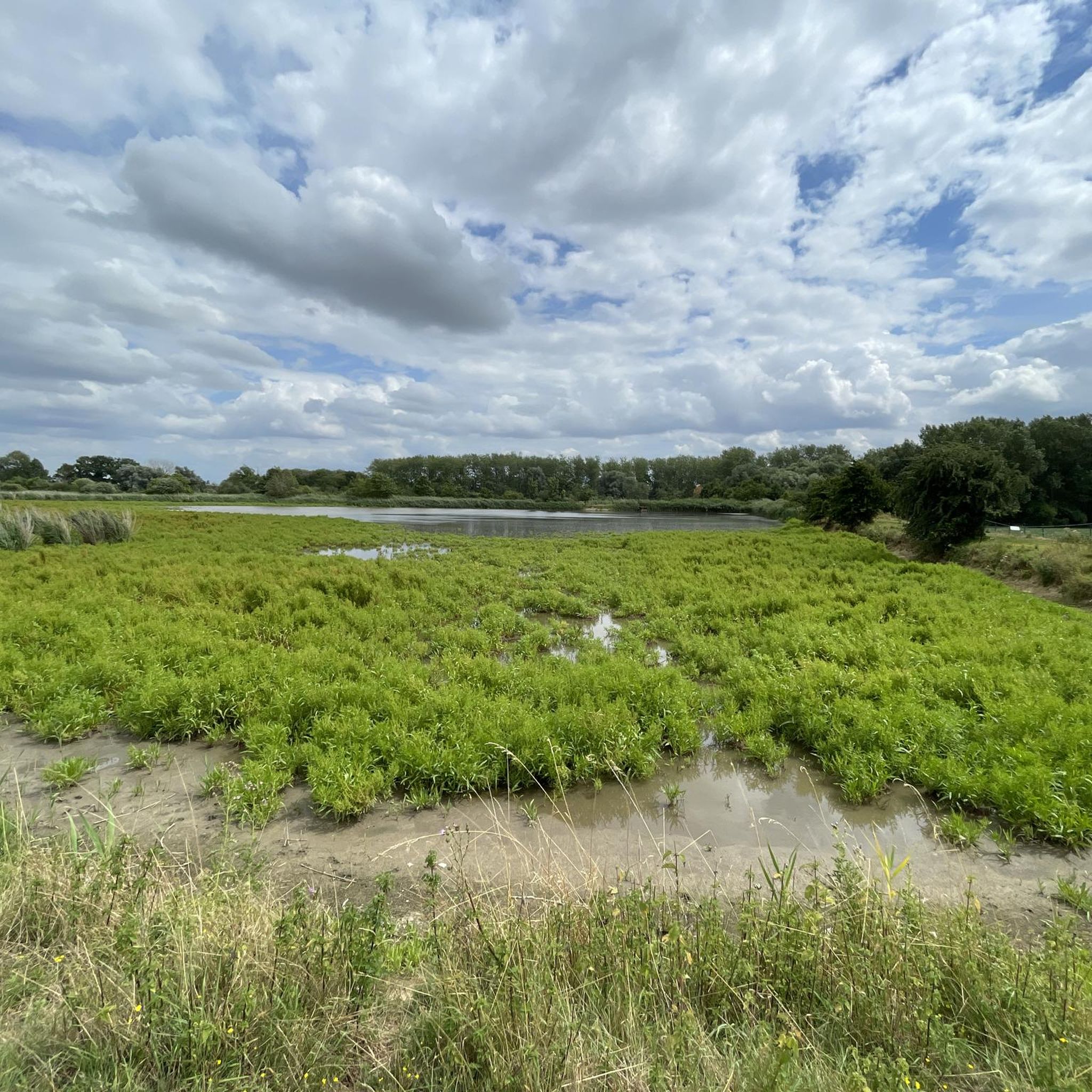
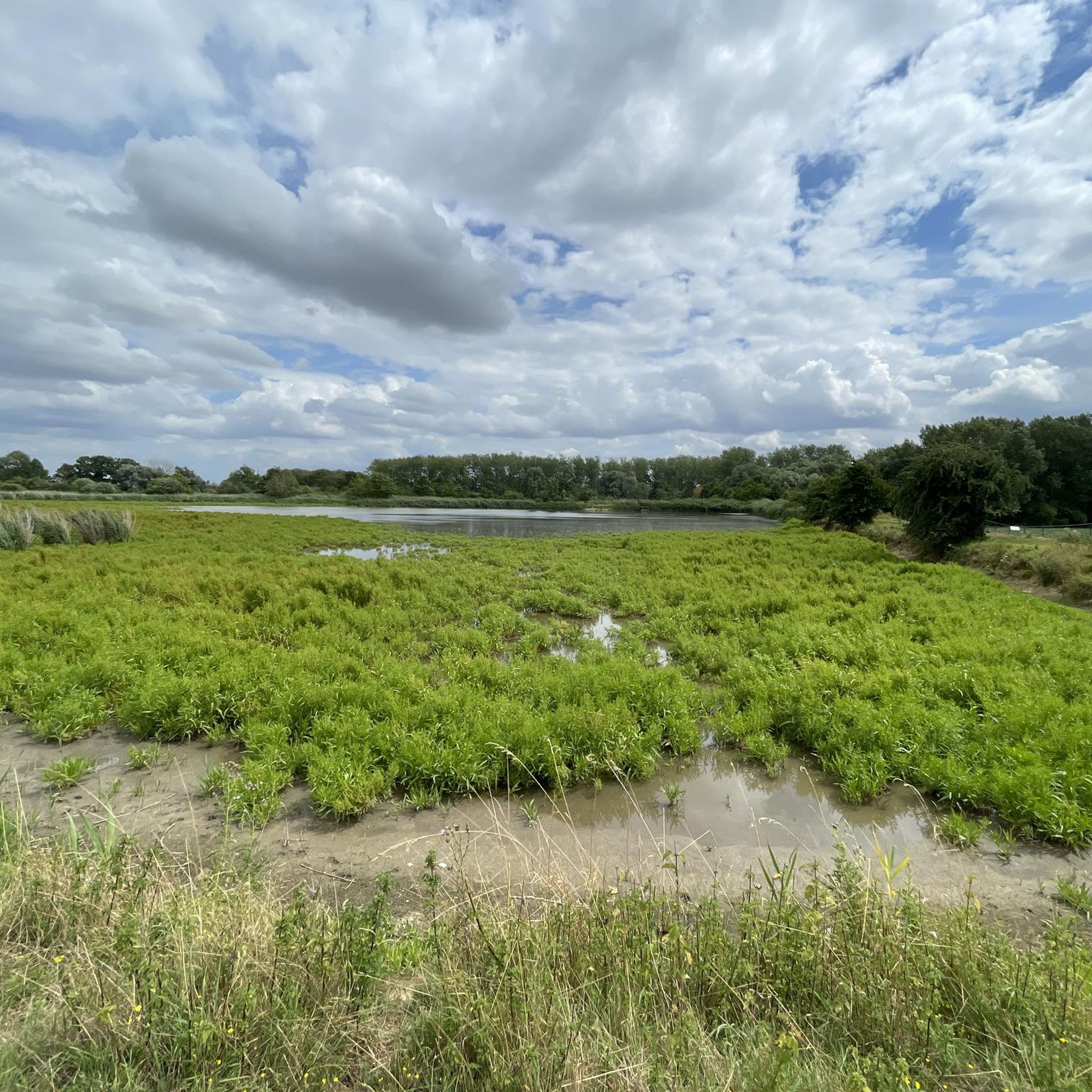
The domain is closed and the castle is partially covered in scaffolding. It is currently only visible from a distance.
4
0
The current Château de Fumal is the result of more than four centuries of adjustments, extensions, repairs, renovations of a 16th century castle at its core. The appearance of the bell tower in “Mosan” style with the spherical shape is quite rare in Haspengouw. A large farm and barn are connected to the castle.
2
0

Kerkom Castle (also: Alstergoed) is a castle at Kerkstraat 6 in Kerkom-bij-Sint-Truiden. This castle was the seat of the Lords of Kerkom. The name Alstergoed, therefore, comes from the Van Alsteren family, who were Lords of Kerkom from the late 14th century until 1675. The Van Schoor family, owners from 1707 to 1774, had a classical castle built. In 1889, the then owner, Baron F. de Moffart, built a new castle in the eclectic style just northwest of that castle. The classical castle was largely demolished. Only the northeast wing and the eastern corner towers remained. These were the servants' quarters and the carriage house. The two buildings are situated in a park. There is a terraced garden and, on each of the two corners, an octagonal garden pavilion dating from 1760.
2
0

The fortified castle of Fallais dates from the 13th century and was built by the Beaufort family. It was the place of historical meetings and Reformed preaching. Occupied by Louis XIV in the 17th century, it escaped destruction thanks to village women offering Liège waffles. Restored in 1881-1882, a fire in 1937 damaged it, then it became a home for the elderly.
3
0
Frequently Asked Questions
What types of castles can I explore around Geer?
The Geer region offers a diverse range of castles, from medieval fortifications to historic estates and architecturally distinct châteaux. You can find ruins with ancient origins, such as the Roman-derived Château de Fallais, and well-preserved structures like Château de Fumal, known for its whitish limestone architecture.
Are there any castles around Geer with significant historical stories?
Yes, several castles boast rich histories. Château de Fallais, dating from the 13th century, played a role in historical meetings and was even occupied by Louis XIV. Legend says local women saved it from destruction by offering Liège waffles. Famelette Castle, likely an outlying fortification of Moha Castle, has a history of changing noble ownership and features a 14th-century square keep.
Which castles are known for their unique architecture?
Château de Fumal stands out with its beautiful whitish limestone construction and a 16th-century tower updated with a distinctive bulbous roof. The Castle of Kerkom (Alstergoed) showcases an interesting blend of classical and eclectic styles, with remnants of an earlier classical castle integrated into its later construction.
Can I find castles that are family-friendly or suitable for children?
Yes, both Château de Fallais and Famelette Castle are categorized as family-friendly. Exploring their historical grounds and imagining their past can be an engaging experience for children.
Are there hiking or walking trails near the castles around Geer?
Absolutely. The region offers various hiking opportunities. For instance, the area around Mount Saint Peter, where sites like Lichtenberg are located, provides scenic views and walking paths. You can find numerous hiking routes in the area by exploring the Hiking around Geer guide.
What outdoor activities can I do near these castles besides hiking?
Beyond hiking, the Geer region is excellent for cycling. You can explore gravel biking routes, such as the 'Fousseroûl Castle-Farm – Nice gravel path along the Mehaigne river loop from Château de Fallais' mentioned in the Gravel biking around Geer guide, or enjoy road cycling routes found in the Road Cycling Routes around Geer guide.
Are there any castles that offer good viewpoints or scenic surroundings?
Château de Fumal is noted for its beautiful park extending to the north, offering a picturesque setting. While largely in ruins, the View of Famelette Castle is a highlight itself, providing a nice perspective of the castle and its surroundings.
What is the best time of year to visit the castles around Geer?
The castles around Geer can be enjoyed throughout the year. Spring and autumn offer pleasant weather for exploring the grounds and nearby trails, with vibrant foliage or blooming landscapes. Summer provides longer daylight hours, while winter can offer a unique, serene atmosphere, especially for walks around the castle exteriors.
Can I visit the interior of all castles mentioned?
Not all castles are publicly accessible for interior visits. For example, Château de Fallais, while historically significant, is not accessible to the public as it has served as a home for the elderly. Many castles in the region are privately owned, so it's best to check their individual accessibility before planning a visit.
Are there any castles that are ruins but still worth visiting for their historical significance?
Yes, the ruins of Château de Caestert, located on the Caestert Plateau, are highly significant. They offer a glimpse into centuries of architectural evolution, with a history stretching back to a Roman military camp and unique integration with natural cave systems. The ongoing restoration of Hoeve Caestert and the presence of Villa Castrum provide additional points of interest.
What makes the Mount Saint Peter area significant for castles?
Mount Saint Peter is historically rich, featuring sites like the Lichtenberg farmstead with its 11th-century keep. The area, including the Caestert Plateau, offers commanding positions that were strategically important, leading to the construction of various fortifications and castles over centuries. It's a great area for combining historical exploration with scenic walks.
Most popular attractions around Geer

Get inspired with the komoot mobile app


Explore more
Looking for the best castles somewhere else? Discover other guides around Geer:
