Top 20 Castles around Jalhay
Best castles around Jalhay are found in a region characterized by its varied landscape, from the serene Warfaaz Lake to rocky outcrops and forested valleys. The area, part of the wider Liège Province, offers a blend of natural beauty and historical significance. Jalhay itself is home to the prominent Château de Balmoral, while nearby areas feature other notable fortifications. This region provides a setting for exploring historical architecture and the surrounding natural environment.
Best castles around Jalhay
- The most popular…
Last updated: July 7, 2026
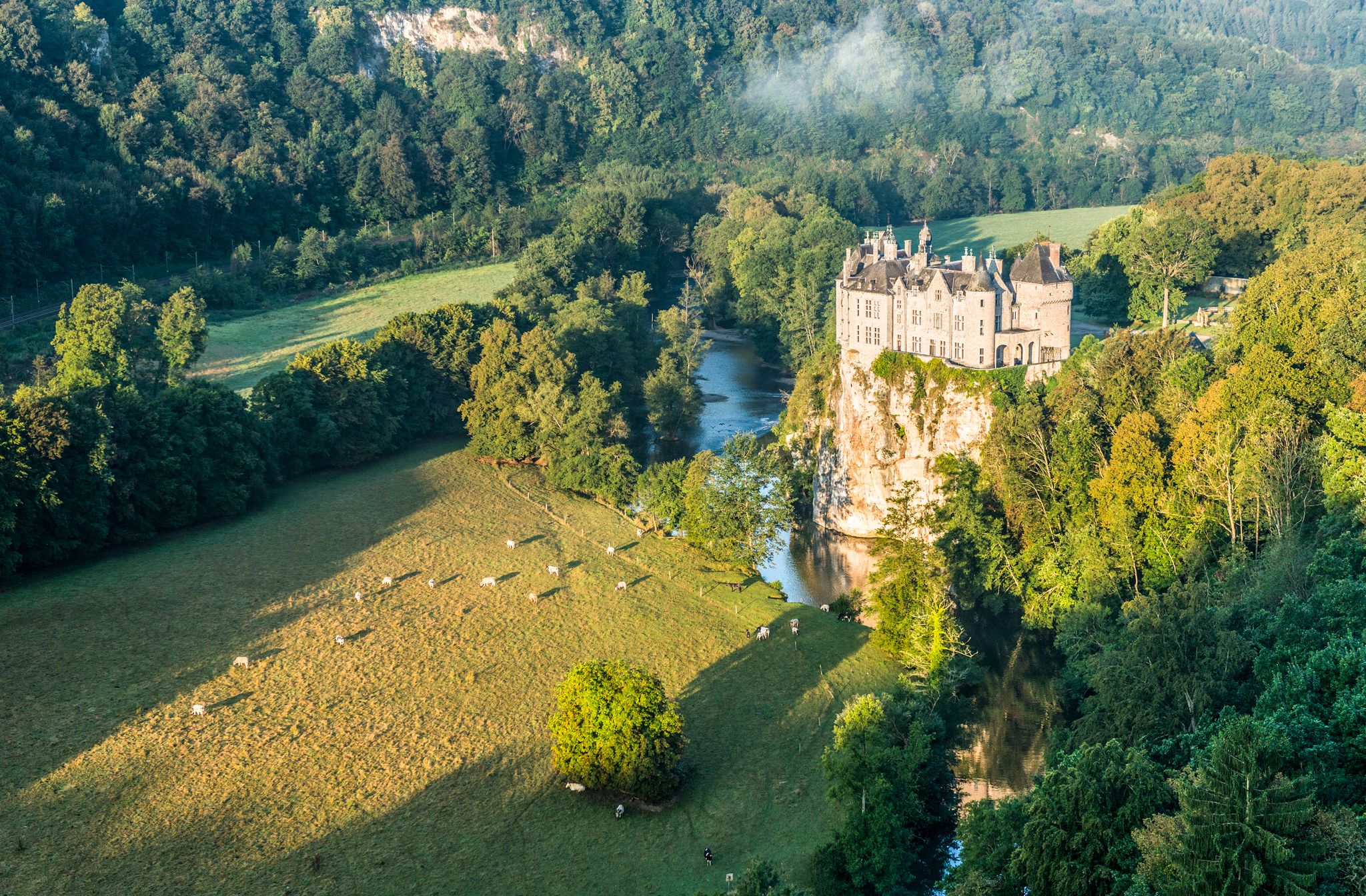
View of Reinhardstein Castle
Highlight • Viewpoint
In the summer months, this is probably the only place where you can get …
Translated by Google •
Tip by

Ruins of Franchimont Castle
Highlight • Castle
Translated by Google •
Tip by

Sign up now to discover places like this
Get recommendations on the best single tracks, peaks, & plenty of other exciting outdoor places.
Sign up for free
Clermont-sur-Berwinne Village Center
Highlight • Settlement
The entire town center is worth seeing, but especially the church from 1695 dedicated to Saint James the Elder, the …
Translated by Google •
Tip by

Historic Center of Limbourg
Highlight • Historical Site
Translated by Google •
Tip by

Fort Battice Memorial
Highlight • Historical Site
Viewing possible, see link, on the photos you can see block 1, which is a reminder and monument of Belgium.
Translated by Google •
Tip by

Sign up for free to discover even more castles around Jalhay.
Sign up for free
Already have an account?
Start today with a free account
Your next adventure awaits.
Login or Signup
Popular around Jalhay
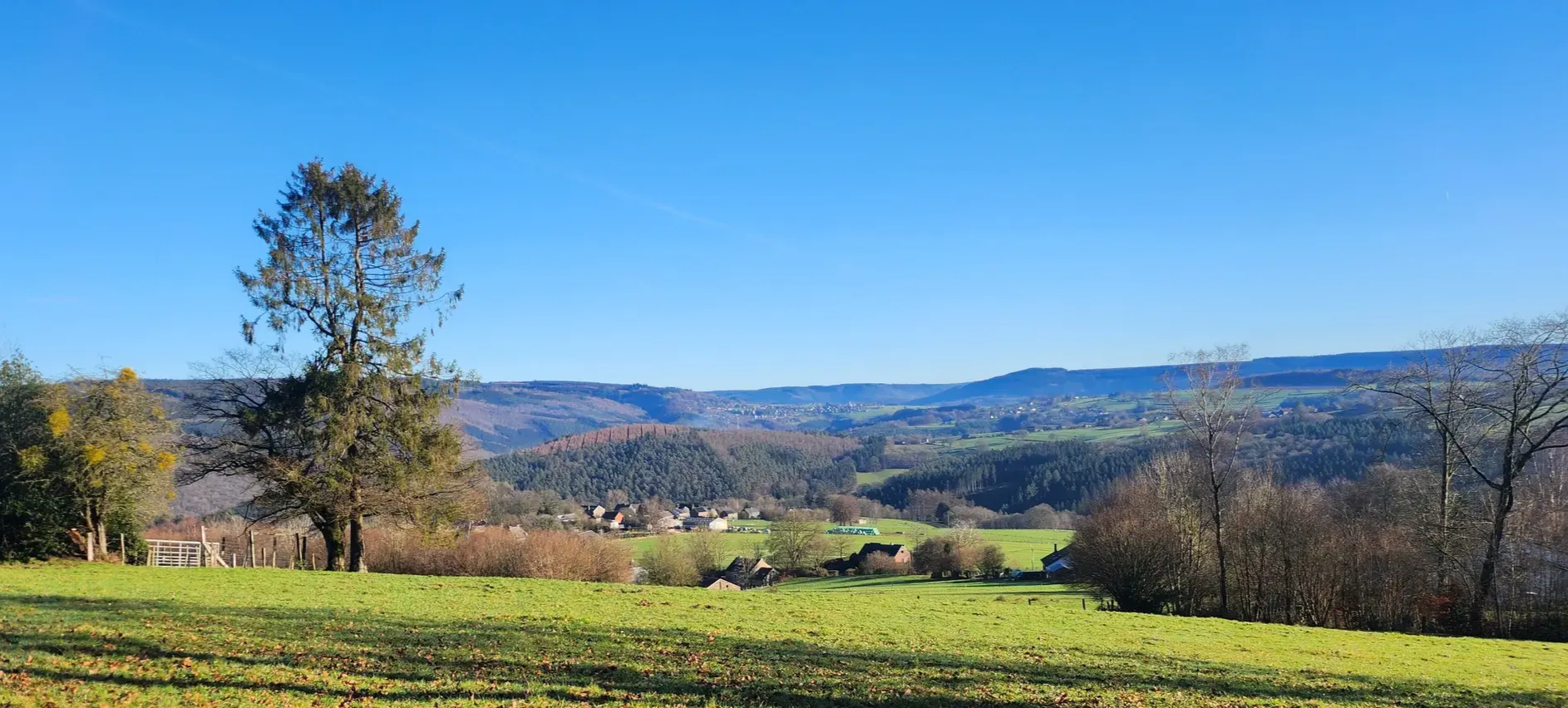
A waymarked trail all year round — Ultra Tour des Sources
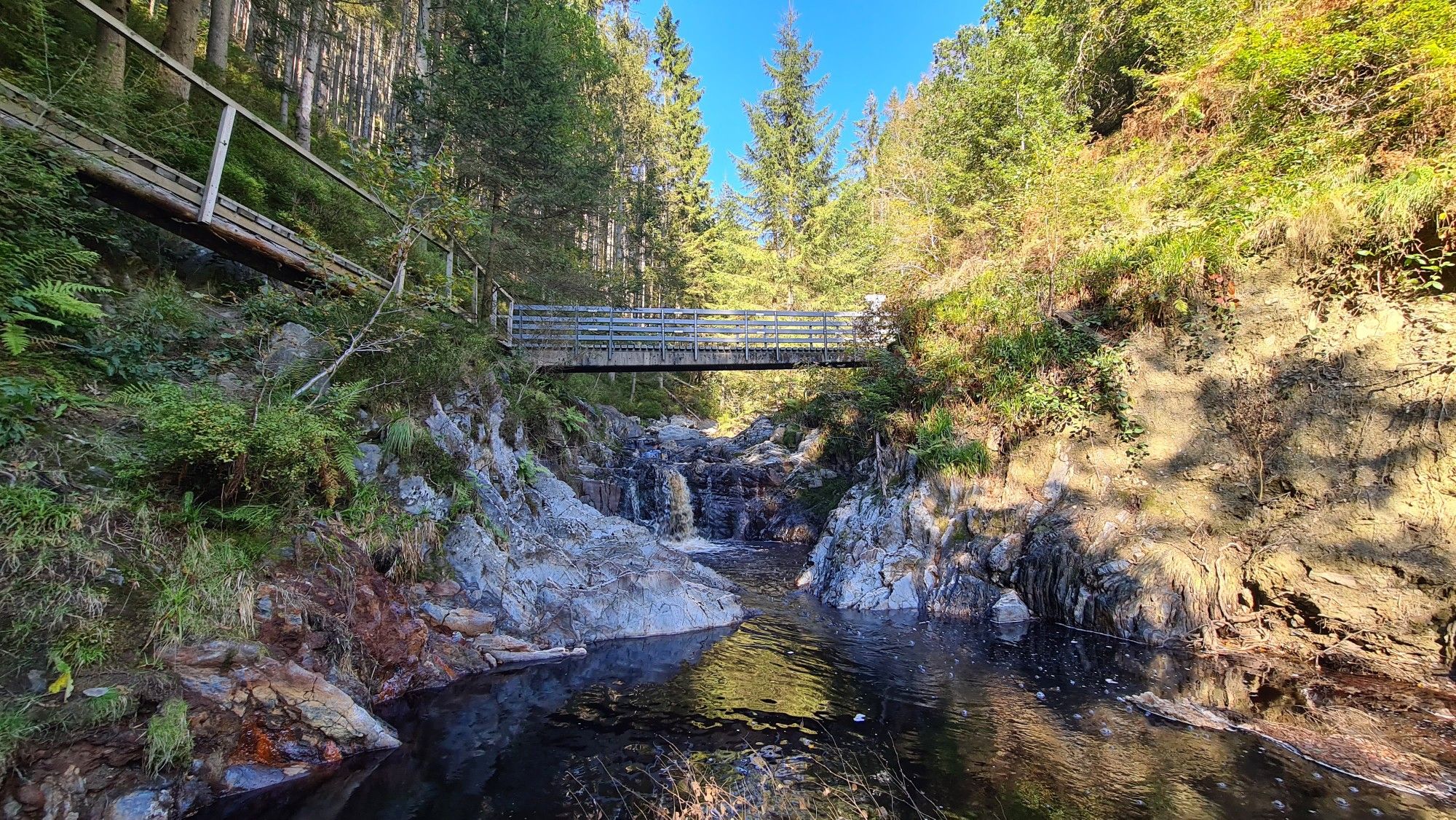
Little adventures — kids on Tour in East Belgium
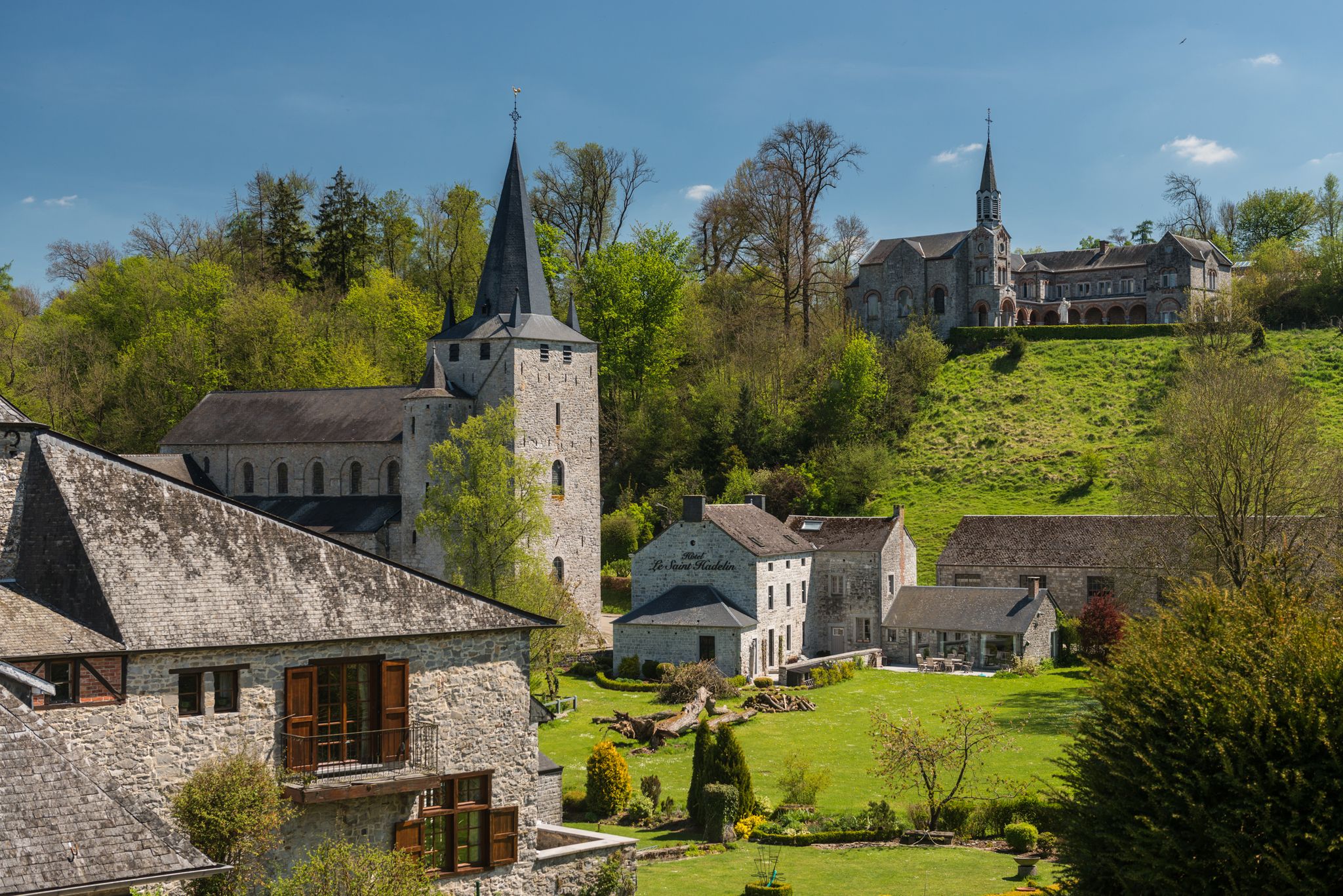
Walks in the Belgian Ardennes — historic walls & magical forests
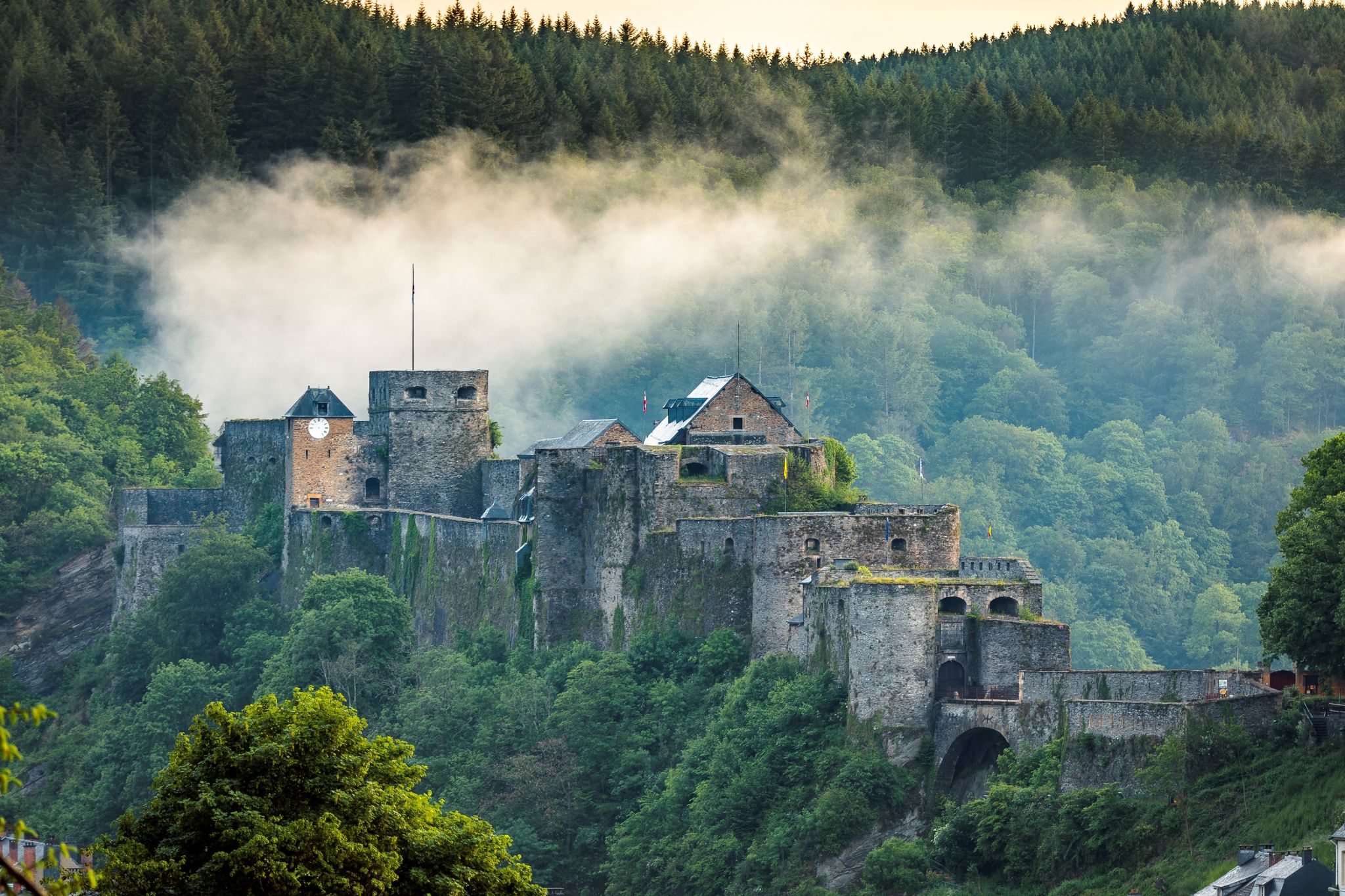
Hiking along majestic castles and nature – Belgian Ardennes
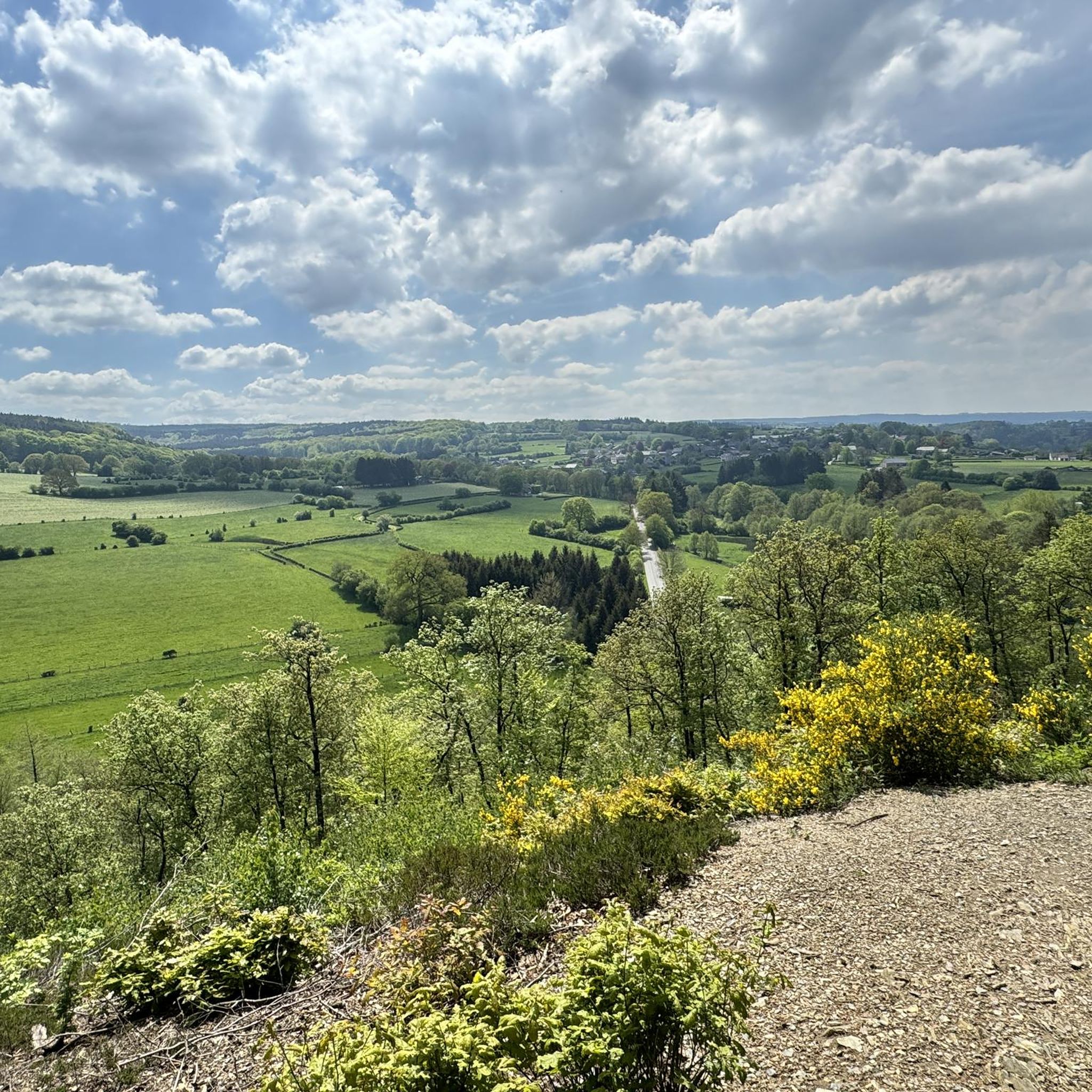
Pure nature on the hiking trails in the Belgian Ardennes
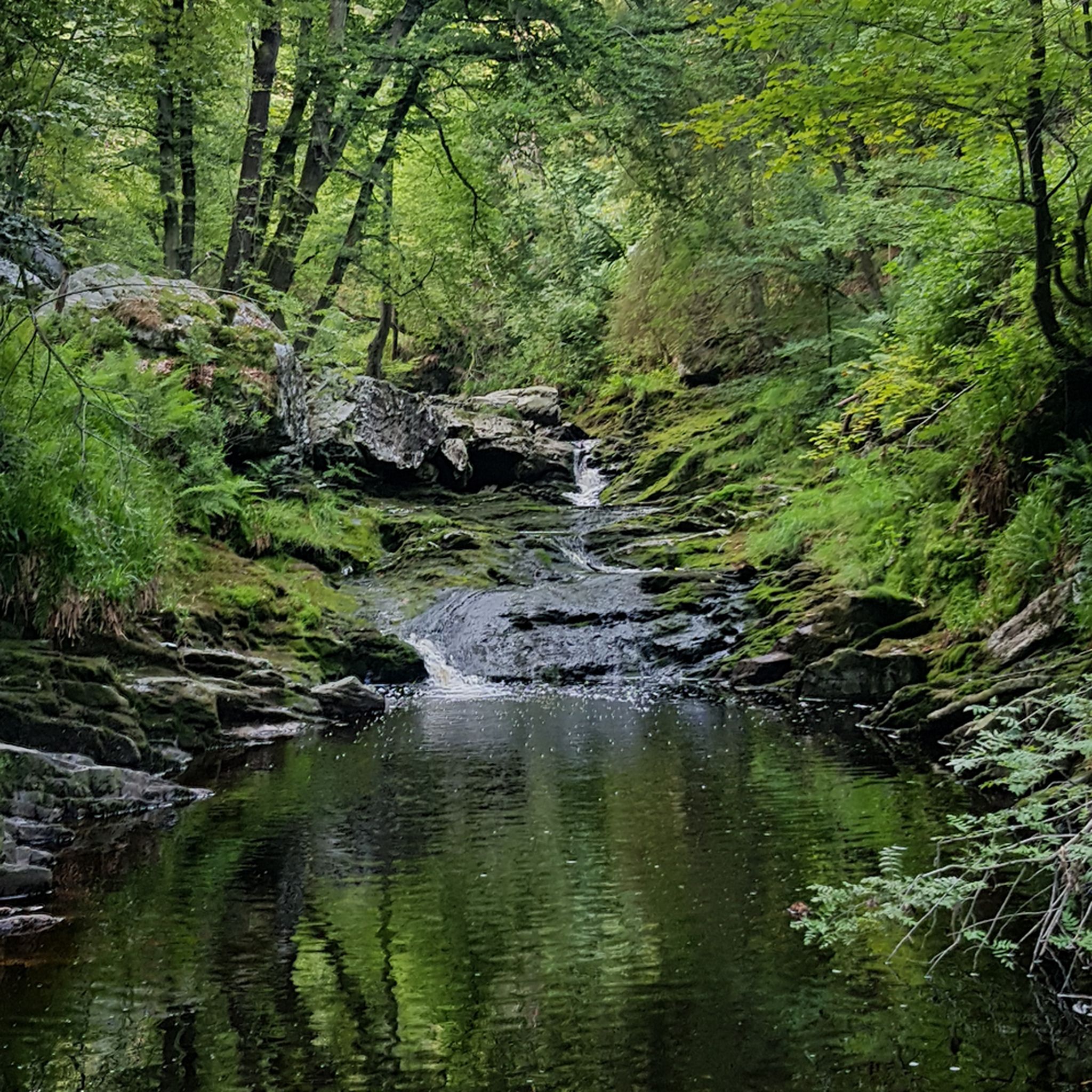
Hiking around Jalhay
Running Trails around Jalhay
Cycling around Jalhay
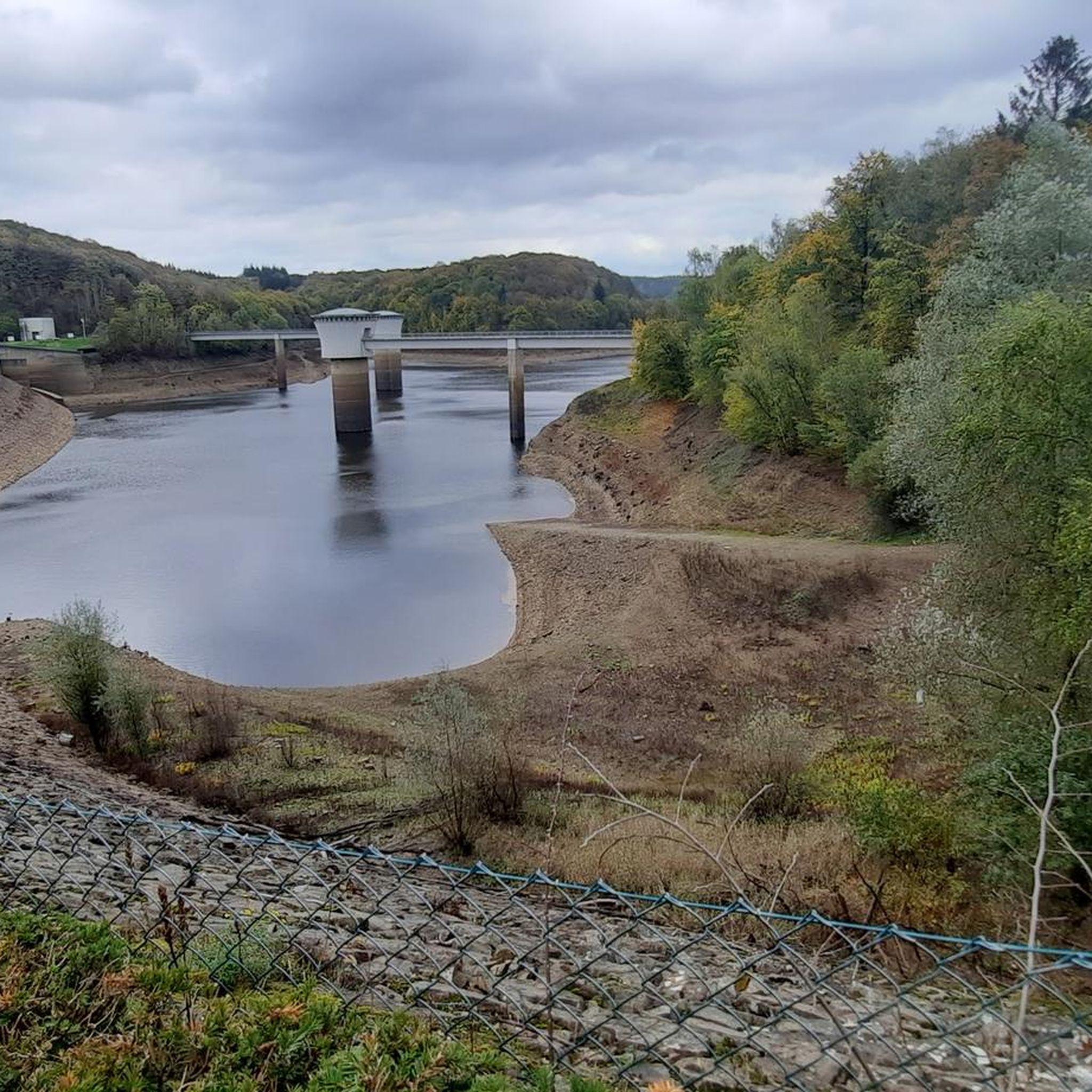
MTB Trails around Jalhay
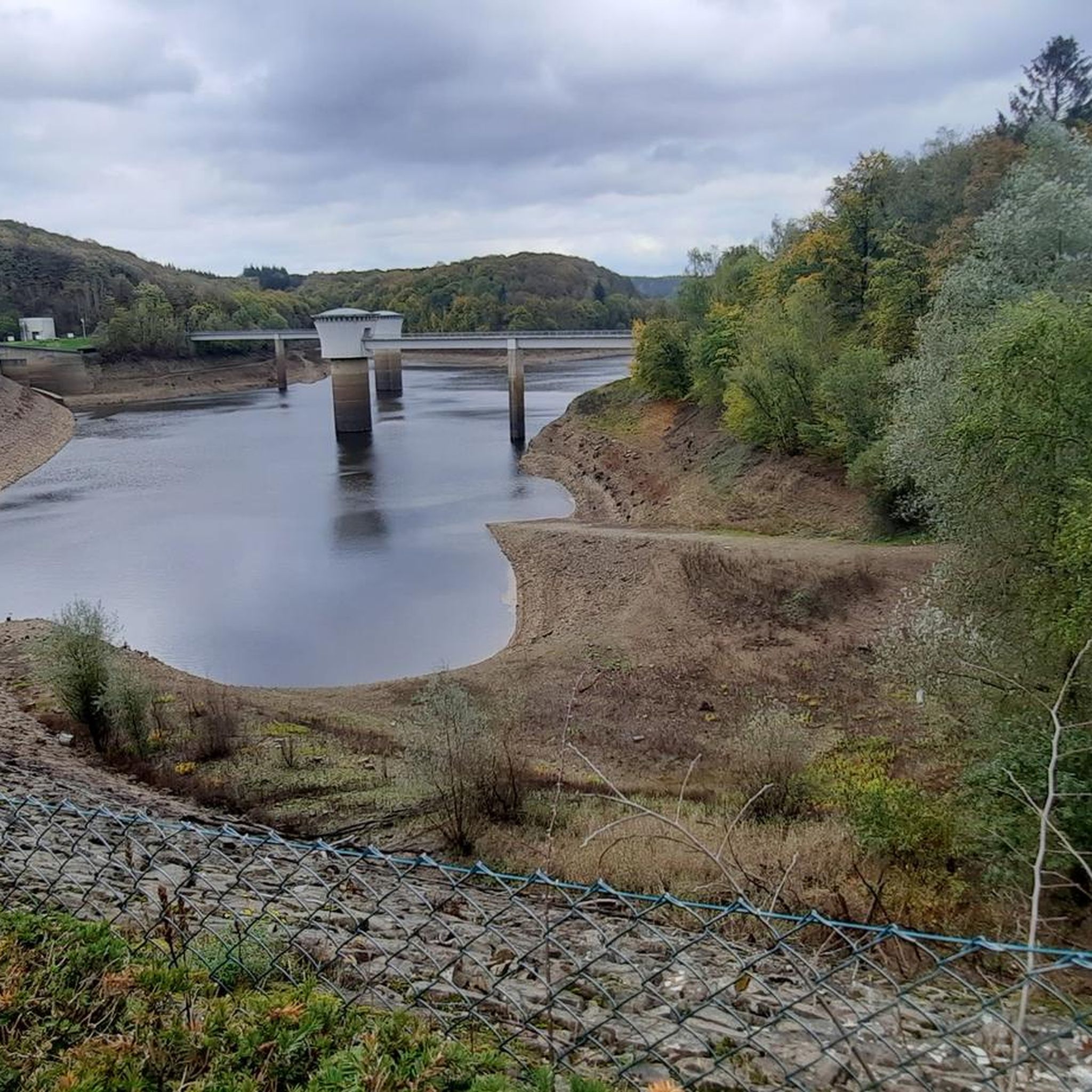
Road Cycling Routes around Jalhay
Other adventures around Jalhay


Tips from the Community

The castle's origins date back to the 11th century. It was first documented in 1155, but the first buildings probably date back to the time of Bishops Henry of Verdun (1075–1091) and Otbert (1091–1119). As one of twelve residences of the Prince-Bishop of Liège, it served to defend the eastern border of the principality.
35
0

Limburg but in Liège, with a big dash of history...
15
1

This former town hall, built between 1681 and 1687, hosts exhibitions and houses a model of Limburg from the year 1632. The portal is decorated with a shield of the Burgundian cross. In the basement you will find one of the oldest seals in the city.
6
0

The fact that Belgium and the Netherlands both have a province of Limburg is "thanks" to this former fortified city on the Vesder in the current province of Liège known as Limbourg, with its beautiful centre and once the capital of a duchy, also called Limburg. Or rather: we actually "thank" it to King William I who decided in 1815 that the current provinces of Limburg, which in Belgium largely overlap with the former county of Loon, would be given the name of this former duchy. And that despite the fact that there was virtually no overlap between the territory of Limburg that had long belonged to the former States-General of the Netherlands and the current provinces. But William I did not want the name of that duchy in the land of Herve to be lost and got his way. Today, the former capital of the former Duchy of Limburg is, after a turbulent history, a beautiful village with a fascinating historical centre in the wonderful land of Herve and more than worth a visit, even though the character of a fortified town has somewhat disappeared over time. And the province of Limburg in Belgium? Historically, it would have been much better called the province of Loon or, it is blasphemy, one with the province of Liège, whereby the current Limburg had little to do with Flanders and, together with Liège, was always much closer to Germany. Only many do not like to hear that historical reality.
13
0
The capital of the former Duchy of Limburg was considered an impregnable fortress. The former stronghold of Limburg occupies a strategic location on the banks of the Vesdre, between the ramparts of Herve and the Ardennes massif. Limburg's architectural legacy, which towers above everything from a steep rock, has been included in its entirety in the list of Wallonia's exceptional heritage. In addition to the site, many private monuments have also been protected since 1980.
12
1

Franchimont: a former fortress of the Bishop of Liège in the north of the Belgian Ardennes. The castle of Franchimont (province of Liège, municipality of Theux) was one of twelve residences and fortresses of the Principality of Liège. The fortress was first mentioned in writing in 1155, but the first buildings were probably built during the time of the bishops Henry of Verdun (1075-1091) and Otbert (1091-1119). During the feudal period, both bishops vigorously defended the principality. Nestled in the middle of "non-Liège" territories (Duchy of Limburg and Luxembourg, as well as the Principality of Stavelot), the country thus had not only a defense system, but also an administrative and judicial center where the representative of the Prince-Bishop resided. The castle defended a mark, a kind of border
7
0
The ruins of Franchimont Castle (French: Château de Franchimont) stand on a rocky outcrop in the Ardennes in the municipality of Theux, about eight kilometers from Spa. Franchimont is the name of a former fortress and, until the Liège Revolution, a margraviate in the diocese of Liège. The castle complex originated from a building from the 11th to 12th centuries, which was supplemented by a large protective wall at the beginning of the 16th century. The first written mention dates back to 1156, from the time of Bishop Henry II of Liège. The castle was demilitarized around 1650, as the artillery technology that had been developed in the meantime meant that it was vulnerable to attack from the neighboring hills. After that, it was mostly used as a prison, but also as a summer residence for nobles. In 1676, Louis XIV ordered its destruction, but it was only partially carried out. In the following century, the castle was visited by several crowned heads because of its peculiarities. Since 1967, it has belonged to a non-profit foundation that carries out restoration and maintenance work and carries out excavations in the area surrounding the castle. Today, Franchimont is a tourist destination, with a railway station on the Verviers-Spa-Géronstère railway line.
7
0
Today's ruins can be divided into three concentric surrounding walls. The first enclosing wall is the actual castle, the one with most of the medieval parts that have survived the numerous renovations, especially in the 16th century. Not much remains of the second surrounding wall today. This surrounded the western and northern extent of the fortress and thus the entrances. The most impressive remnant of the second surrounding wall is the eastern reinforcement - also artillery shield wall - of the more than 20 meter high keep. This is the typical example of a passive fortress of the late Middle Ages (around 1387) - a reaction to the advance of artillery. The third pentagonal enclosure wall forms a bastion with a west-facing peak. It can be traced back to the time of Erard de la Marck. With its casemates and bulwark (or cannon tower) at the entrance, it is a typical example of the construction inventions of civil engineers at the beginning of the 16th century. Source: http://chateau-franchimont.be/de/geschichte/
42
1
Frequently Asked Questions
What are the most notable castles to visit around Jalhay?
While Jalhay itself is home to the prominent Château de Balmoral, you'll find other impressive castles nearby. Don't miss the Ruins of Franchimont Castle, an ancient medieval fortress with interactive tours through its casemates. Another highlight is Reinhardstein Castle, dramatically situated on a rocky outcrop, which has been reconstructed to its 17th-century appearance and offers guided tours. You can get a beautiful perspective of it from the View of Reinhardstein Castle.
What kind of historical experiences do the castles near Jalhay offer?
The castles in the region offer a rich historical journey. Franchimont Castle, for instance, provides a glimpse into medieval military architecture with its 11th-century origins and fortifications. Château de Balmoral has a fascinating history, having hosted notable figures like General Erich Ludendorff and David Lloyd George. Even sites like the Historic Center of Limbourg, a former fortified town, offer deep historical context.
Are there any castles around Jalhay that are still inhabited or offer accommodation?
Yes, the Château de Balmoral in Jalhay operates as a luxury guest house, offering a 'château life' experience with luxurious suites and amenities. Reinhardstein Castle is also inhabited but accessible to tourists through guided tours, showcasing its collections of armor and tapestries.
What outdoor activities can I do near these castles?
The region around Jalhay is perfect for outdoor enthusiasts. You can find numerous mountain hikes, road cycling routes, and running trails. For example, near Reinhardstein Castle, you can explore the Warche valley, and the area around Franchimont Castle also offers scenic routes.
Are there family-friendly options among the castles near Jalhay?
While specific family-friendly activities vary, the Ruins of Franchimont Castle can be engaging for families, especially during its medieval fair in odd-numbered years. The interactive tours and casemates can be an adventure for children. The Clermont-sur-Berwinne Village Center, with its charming historical setting, is also considered family-friendly.
What natural features or viewpoints can be found near the castles?
Many castles in the region are set amidst beautiful natural landscapes. The Château de Balmoral offers a grand panorama of Warfaaz Lake and the valley. You can enjoy a magnificent view of Reinhardstein Castle from the View of Reinhardstein Castle, which appears like a fairytale palace on the ridge. Franchimont Castle is built on a rocky outcrop, providing impressive vistas of the surrounding area.
What is the best time to visit the castles around Jalhay?
The region is dynamic year-round. Spring and autumn offer pleasant weather for exploring the castle grounds and nearby hiking trails. Summer is ideal for outdoor activities and attending events like the medieval fairs at Franchimont and Reinhardstein castles. Even in winter, the serene landscapes around the castles can be quite picturesque.
Are there any castle ruins or historical sites that are not fully standing castles?
Yes, beyond the prominent castles, Jalhay has several historical sites where original structures are no longer fully standing. The 'Old Castle of Sart' has remains of a keep, and the site of a former castle in Surister is now occupied by the Saint Hubert Church, with stones from the demolished castle used in its construction. The Ruins of Franchimont Castle also provide an excellent example of an ancient fortress in ruin.
What do visitors enjoy most about the castles around Jalhay?
Visitors appreciate the blend of historical grandeur and natural beauty. The imposing architecture of castles like Franchimont and the dramatic setting of Reinhardstein are frequently praised. Many also enjoy the rich history, the interactive tours, and the opportunity to explore the surrounding forests and valleys. The region's charm and lack of excessive tourist hustle, as noted for the Historic Center of Limbourg, are also highly valued.
Can I find any World War history related to castles or forts in the area?
Yes, the region has significant World War history. The Château de Balmoral notably hosted General Erich Ludendorff and David Lloyd George during World War I. Additionally, the Fort Battice Memorial, a fort built before World War II, offers a powerful testimony to recent history, having been besieged for 12 days in May 1940.
Are there any villages near Jalhay that offer a historical castle experience?
Absolutely. The Clermont-sur-Berwinne Village Center is recognized as one of the most beautiful villages in Wallonia. While only a wall with an archway remains of its former castle, the entire town center, with its historic church and former town hall, provides a charming historical experience. Similarly, the Historic Center of Limbourg, once a fortified city, offers a fascinating glimpse into the past.
Most popular routes around Jalhay
Most popular attractions around Jalhay

Get inspired with the komoot mobile app


Explore more
Looking for the best castles somewhere else? Discover other guides around Jalhay:
