The best walks and hikes around Bree
4.3
(704)
4,393
hikers
160
hikes
Hiking around Bree, Limburg, Belgium, offers a network of trails through varied natural settings. The region is characterized by its flat to gently rolling terrain, featuring wetlands, heathlands, and agricultural areas. Hikers can expect routes that traverse open fields, follow river valleys, and pass through small forested sections, providing accessible outdoor experiences.
Best hiking trails around Bree
- The most popular hiking route is Sint-Maartensheide and De Luysen - Red hiking trail, a 6.9 miles (11.1 km) moderate trail that takes 2 hours 47 minutes to complete. This route explores the natural beauty of the Sint-Maartensheide and De Luysen areas.
- Another top favourite among local hikers is Itterbeek Valley Wetlands – The Green Marsh loop from Opitter, a moderate 7.0 miles (11.2 km) path. This trail leads through the Itterbeek Valley Wetlands, offering views of marshland and local flora.
- Local hikers also love the Sint-Trudo Church Opitter – Opitter Castle Park loop from Bree, a 6.3 miles (10.1 km) trail leading through Opitter Castle Park, often completed in about 2 hours 34 minutes.
- Hiking around Bree is defined by its wetlands, heathlands, and gentle river valleys. The network offers options for different ability levels, from easy strolls to moderate excursions.
- The routes in Bree are highly rated by the komoot community with an average score of 4.3 stars from over 600 reviews. More than 4000 hikers have used komoot to explore Bree's varied terrain.
Last updated: June 29, 2026
4.7
(101)
470
hikers
11.1km
02:47
10m
10m
Moderate hike. Good fitness required. Mostly accessible paths. Sure-footedness required.
4.6
(102)
674
hikers
Easy hike. Great for any fitness level. Easily-accessible paths. Suitable for all skill levels.

Sign up for free
4.5
(57)
245
hikers
11.3km
02:54
40m
40m
Moderate hike. Good fitness required. Easily-accessible paths. Suitable for all skill levels.
4.5
(14)
132
hikers
9.75km
02:30
40m
40m
Moderate hike. Good fitness required. Easily-accessible paths. Suitable for all skill levels.
2.9
(87)
133
hikers
10.1km
02:34
40m
40m
Moderate hike. Good fitness required. Easily-accessible paths. Suitable for all skill levels.
Get access to more routes and recommendations from other explorers.
Sign up for free
Already have an account?
Our route recommendations are based on thousands of hikes, rides, and runs completed by other people on komoot.
Start today with a free account
Your next adventure awaits.
Login or Signup
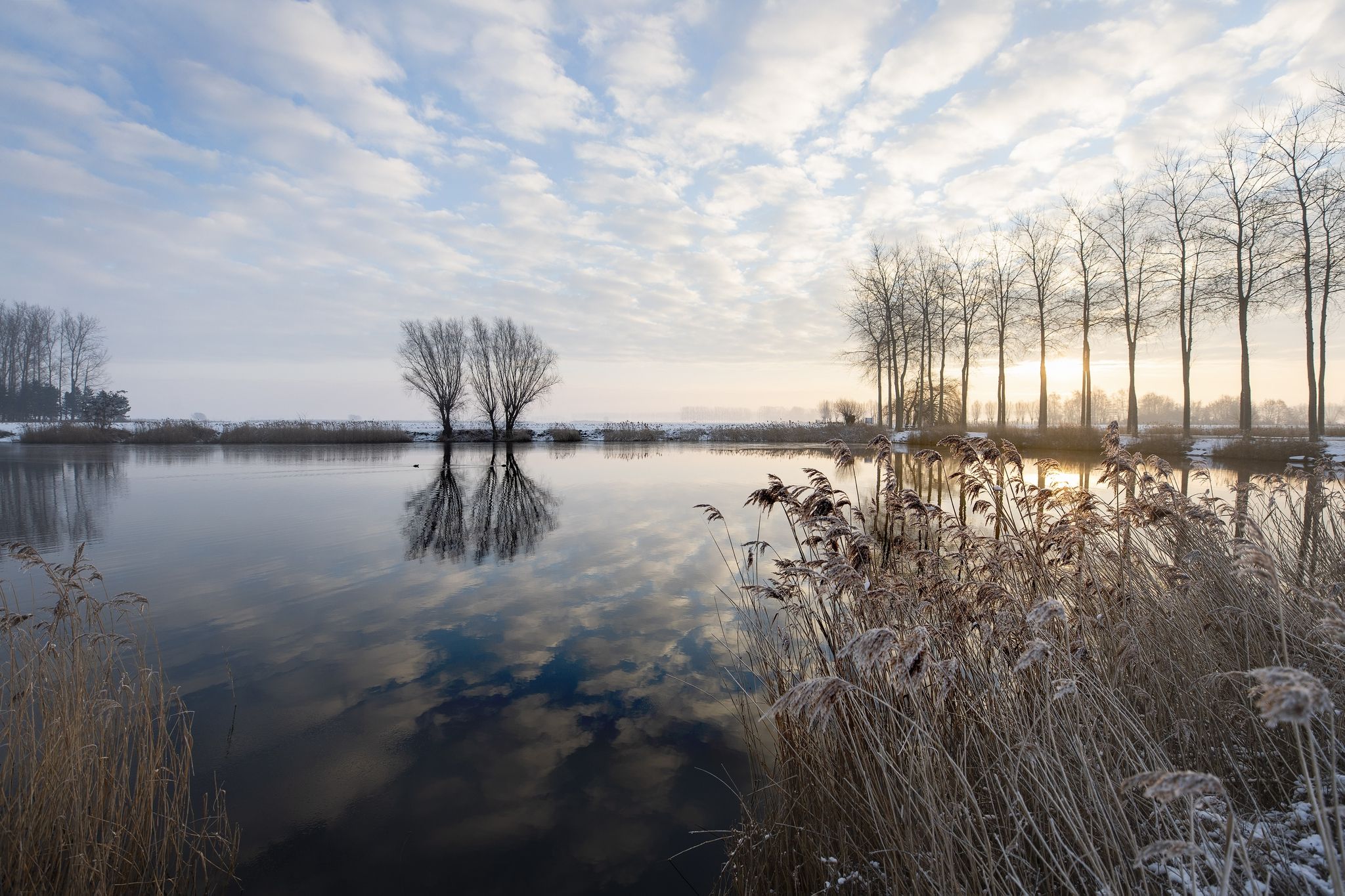




Tips from the Community

a drink and a bite at the mill
0
0

Cornelissen Brewery is a traditional Belgian family brewery in Opitter (Bree Limburg) that has been brewing craft beer for over 165 years. It is one of the oldest and most authentic breweries in the region, combining classic brewing methods with modern quality. The brewery has existed since 1859 and has been located in Opitter ever since. Originally known as Brouwerij Sint-Jozef, the brewery has carried the Cornelissen name since 2015 to emphasize the family's heritage and commitment. The Cornelissen family has been brewing beer in the region since the 1800s, and the brewhouse at Itterplein 19 has been the home of this craft for generations. Now, the sixth generation is at the helm, with Jef Cornelissen as the current owner and master brewer. Cornelissen Brewery offers a wide range of Belgian beers, including traditional pilsners, abbey beers, and specialty beers. Some well-known brands and styles include PAX Pils – a classic Belgian pilsner (lager) with a long brewing tradition. King Mule IPA – India Pale Ale with a fruity hop character. Limburgse Witte – a cloudy white beer with refreshing notes. Herkenrode Cister – an abbey beer that gained international fame and won several awards. Kriekenbier – a fruit beer with Limburg cherries for a fresh, sour note. Sint-Gummarus Tripel and Ops-Ale – other styles with local characteristics. These beers have won medals at various international competitions, including the World Beer Awards, where several Cornelissen beers were recognized. The brewery remains true to traditional production methods, as old copper brewing kettles are still in use. Its own yeast cultures are preserved and used in the brewing process, and its own water source from the Itter Valley is used to ensure consistent water quality. This combination of tradition and quality gives Cornelissen beers their signature flavor and consistency. You can visit the brewery to observe and sample the beer brewing process. Tours with tastings are available (usually upon request or during special days) and provide insight into the brewery's rich history and production methods.
0
0
The Pollismolen is one of the most striking historic watermills in Opitter, a submunicipality of Bree (Limburg, Belgium). This beautifully situated undershot watermill, mentioned in documents dating back more than eighty generations, is a fascinating piece of industrial heritage and an attractive starting point for nature experiences in the Wijshager/Eetsevelderbeek valley and surrounding nature reserves such as the Itterbeek Valley. The Pollismolen was mentioned as early as 1078, making it one of the oldest watermills in the region. Over the centuries, the mill was called by various names, including the Wayenberghmolen and later the Scheelenmolen, until its current name, derived from the old name Pölles, became common. The current mill building, with its authentic wooden interior, largely dates from the 19th century (circa 1870). The mill served as a grain mill on the Wijshagerbeek (also called Eetsevelderbeek) for a long time until it was decommissioned in 1961. In 1981, the mill was purchased by the municipality of Bree, after which a thorough restoration took place to make it operational again. Since 1994, the Pollismolen has been officially recognized as a protected monument, including the mill house, water wheel, and lock mechanism, due to its industrial-archaeological value. Today, the mill is once again in operation, for example, for demonstrations, and remains a living example of the typical watermill tradition.
0
0
The park originated around a castle built here around 1900 by a Brussels lawyer who built a country house on the site of a former moated farm and created a spacious park of almost 7 hectares around it. The rapidly expanding collection of trees and ponds in the English landscape style gave the estate a character that is still visible today. When the original residents died, the castle changed hands. After Mrs. Janssens died in 1970, the castle was purchased by the municipality. However, the building fell into disrepair and was eventually demolished, but the park itself was preserved and opened to the public.
1
0
The boardwalk through the Wetlands is an atmospheric walking experience in the Itterbeekvallei nature reserve, a small-scale marsh, stream, and grassland landscape in the Belgian province of Limburg around Opitter and Bree. This characterful nature reserve is an important part of the cross-border Kempen-Broek landscape and offers a beautiful mix of marshland, meadows, and reed areas where you can walk along a boardwalk.
1
0
Kim Clijsters 3.0 refers to the third phase in Kim Clijsters's extraordinary sports story, in which she sought her place again in professional tennis after previous comebacks and a rich career. Clijsters became one of the greatest Belgian sports icons of all time, with a career characterized by talent, perseverance, and the courage to start over again and again. After her first retirement in 2007, her story seemed complete, but in 2009, she surprised the tennis world with an unprecedented comeback. As a young mother, she immediately won the US Open and confirmed her status as an absolute world champion. In 2012, another retirement followed, this time definitively—or so it seemed at the time. Her record was solid, with multiple Grand Slam titles and a world No. 1 ranking, along with a reputation as a complete player with power, speed, and fair play. Clijsters 3.0 began in 2020 when Kim, at the age of 36, announced her intention to compete at the highest level again. Not driven by rankings or titles, but by a love of the game and the personal challenge of discovering her limits. This third phase was fundamentally different from previous comebacks, and modern women's tennis was physically faster and younger than ever. Clijsters had to compete against a generation that had grown up with her as an idol. Although this comeback didn't yield any major sporting successes, Kim Clijsters 3.0 took on a different meaning. It was less about winning and more about inspiring resilience and demonstrating that top-level sport remains possible even after classic career moments. She became a symbol of lifelong learning, of starting over without guarantees, and of daring to fail in the public sphere. Today, Kim Clijsters 3.0 primarily represents a mentality: not being stuck in a version of yourself, but evolving with every phase of life. Her third chapter confirmed that her legacy lies not only in trophies but also in her role as an example for athletes, parents, and anyone who ever considers pursuing a dream once more.
1
0

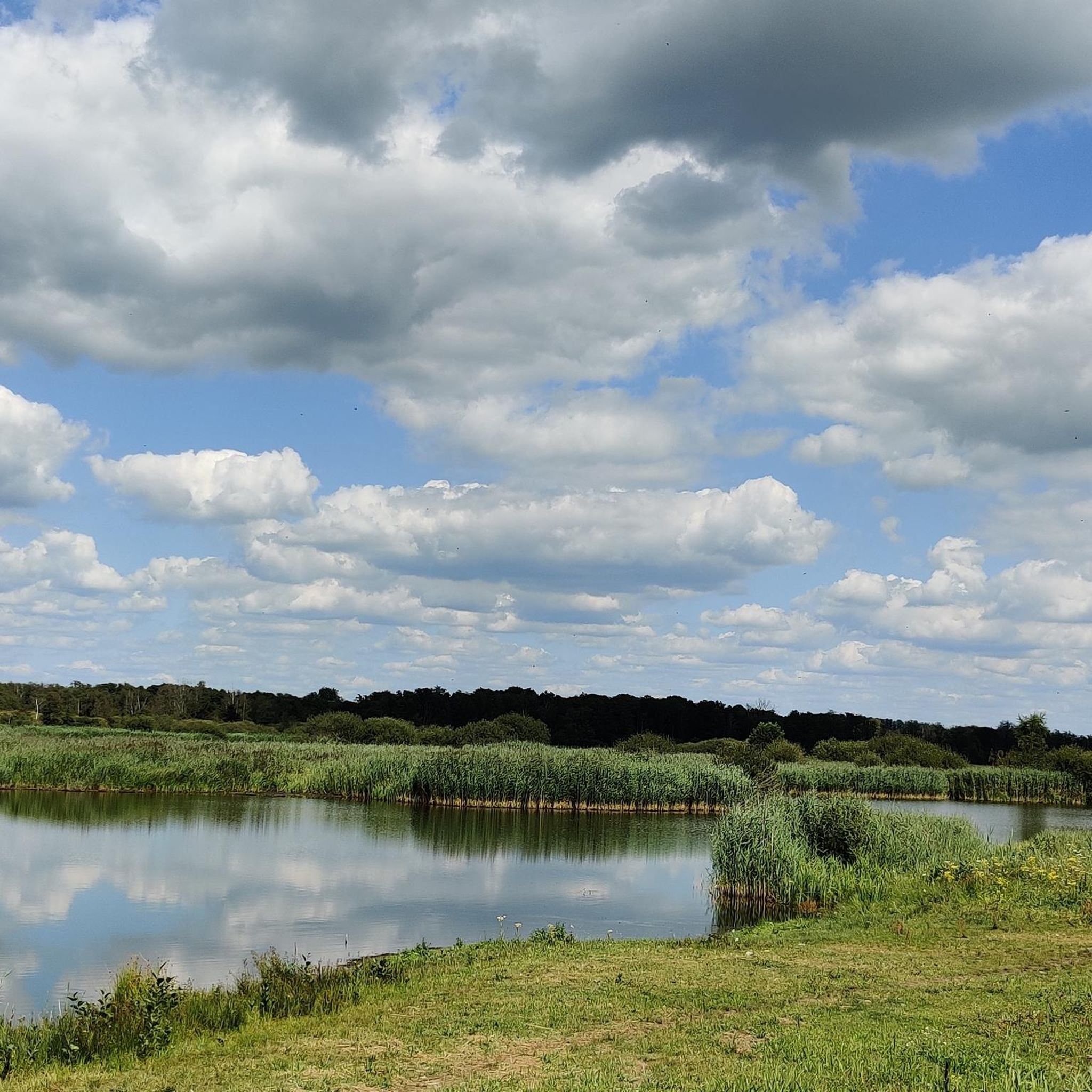
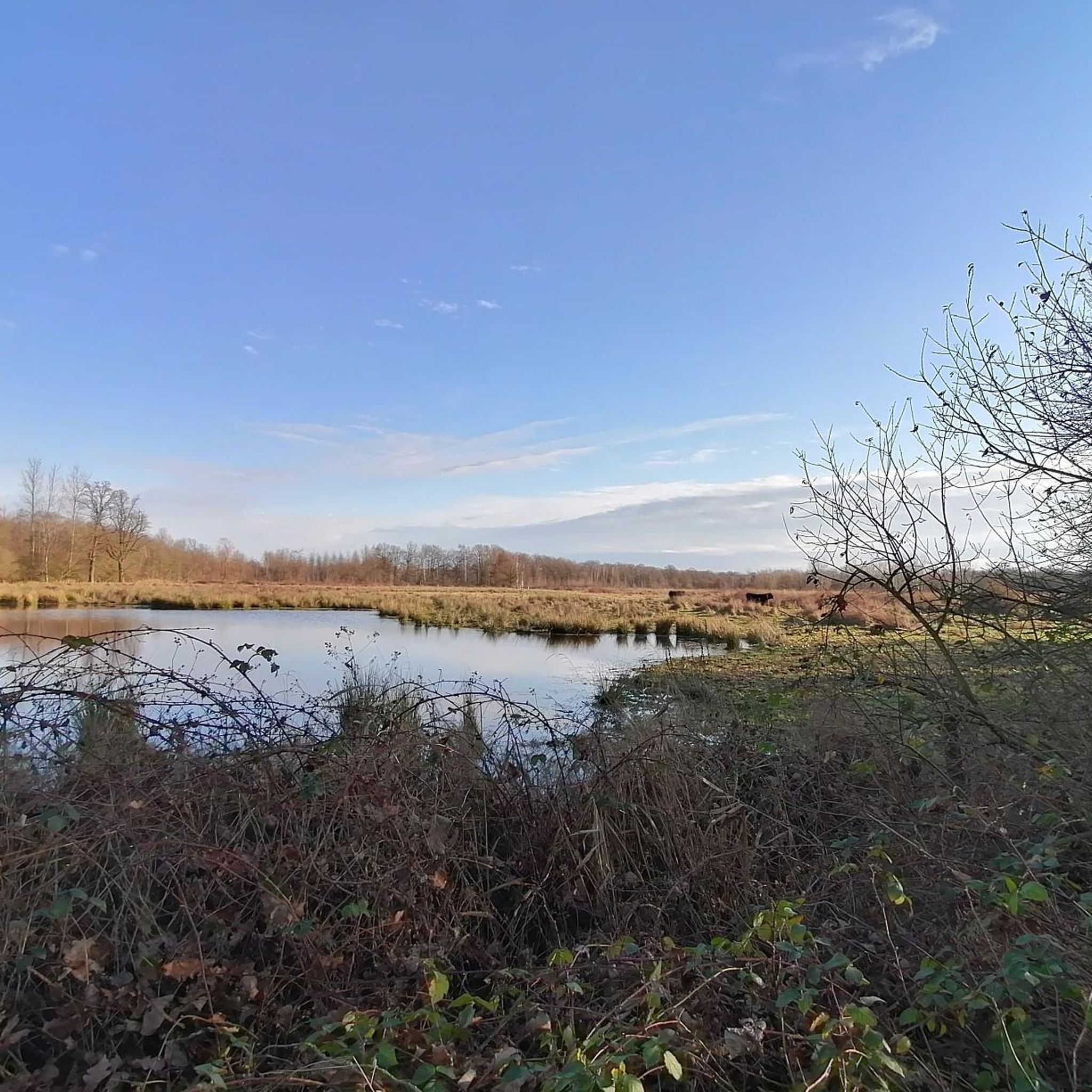
In summer, the ponds are almost invisible because of the reeds. This bridge/viewpoint offers a beautiful view.
1
0

idyllic place, and ready to grind (was on Sunday morning)
3
0
Frequently Asked Questions
How many hiking trails are available around Bree?
There are over 130 hiking trails around Bree, offering a wide range of options for different preferences and skill levels. The majority of these are easy to moderate, with 91 easy routes and 41 moderate routes, alongside a few more challenging options.
What kind of terrain can I expect on hikes in Bree?
Hiking in Bree is characterized by its flat to gently rolling terrain. You'll find routes traversing open fields, following river valleys, and passing through wetlands, heathlands, and small forested sections. The region offers accessible outdoor experiences with varied natural settings.
Are there any easy, family-friendly hikes in Bree?
Yes, Bree offers many easy routes suitable for families. For a pleasant stroll, consider the Front Luys Watermill – Beautiful observation hut loop from De Luysen - Mariahof, which is an easy 7.5 km path. Another great option is the Beautiful observation hut – Front Luys Watermill loop from St. Maartensheide - De Luysen, also an easy 7.3 km route.
Can I bring my dog on the hiking trails in Bree?
Many trails in Bree are suitable for dog walking, especially those through open fields and natural areas. While specific regulations may vary by nature reserve, generally, dogs are welcome on leash. Always check local signage for any restrictions in specific areas like nature reserves or protected wetlands.
Are there circular hiking routes available?
Yes, many of the hiking routes around Bree are circular, allowing you to start and end at the same point. For example, the Itterbeek Valley Wetlands – The Green Marsh loop from Opitter is a moderate 11.2 km circular path, offering views of marshland and local flora.
What are some notable natural attractions or landmarks to see while hiking?
While hiking around Bree, you can explore several natural attractions. The Bergerven Lakes and Ruiterskuilen Pond offer serene waterscapes. You might also encounter unique natural monuments like the Molenplas Tree Monument or the Oudsberg Dune, which provide interesting points of interest along your journey.
What do other hikers enjoy most about the trails in Bree?
The hiking experience in Bree is highly rated by the komoot community, with an average score of 4.3 stars from over 600 reviews. Hikers often praise the peaceful atmosphere of the wetlands and heathlands, the well-maintained paths, and the opportunity to experience diverse natural settings without significant elevation changes.
Are there any longer hiking trails for experienced hikers?
While most trails are easy to moderate, there are options for longer excursions. The Sint-Maartensheide and De Luysen - Red hiking trail is a moderate 11.1 km route that explores extensive natural beauty. Another option is the Itterbeek Valley Wetlands – The Green Marsh loop from Opitter, a moderate 11.2 km path.
What is the best time of year to go hiking in Bree?
Bree's gentle terrain makes it suitable for hiking throughout much of the year. Spring and autumn offer pleasant temperatures and beautiful scenery, with blooming flora or vibrant fall colors. Summer is also enjoyable, especially in shaded areas or near water bodies, while winter can provide crisp, quiet walks, though some paths might be muddy.
Is there public transport access to hiking trailheads in Bree?
Bree has local bus services that connect to various parts of the region, which may provide access to areas near trailheads. For specific routes, it's advisable to check local public transport schedules and maps to plan your journey to the starting points of your chosen hikes.
Are there parking facilities available near the hiking trails?
Yes, many popular hiking areas and nature reserves around Bree offer designated parking facilities. It's common to find parking lots at the start of major trail networks or near significant natural attractions. Always look for specific parking information when planning your route.
What kind of wildlife can I expect to see on the trails?
The diverse landscapes of Bree, including wetlands, heathlands, and forests, support various wildlife. You might spot different bird species, especially in the wetland areas, as well as small mammals. The region's natural beauty provides a habitat for local flora and fauna, making for an engaging outdoor experience.
Most popular attractions around Bree

Get inspired with the komoot mobile app


Explore more
Browse the best Hikes in other regions.
