The best mountain hikes around Dinant
4.8
(7)
16
hikers
6
hikes
Mountaineering routes around Dinant are characterized by dramatic limestone cliffs, deep river valleys, and dense woodlands. The region, situated along the Meuse and Lesse rivers, offers a diverse landscape for outdoor activities. Its unique natural features include significant rock formations that provide varied challenges for mountaineers.
Best mountaineering routes around Dinant
- The most popular mountaineering route is Durbuy Bridge - 1725 – Durbuy Castle loop from Durbuy, a 9.1 miles (14.6 km) trail that takes 4 hours 14 minutes…
Last updated: June 29, 2026
4.0
(2)
4
hikers
14.4km
04:07
330m
330m
Moderate mountaineering route. Good fitness required. Easily-accessible paths. Suitable for all skill levels.
5.0
(1)
2
hikers
14.6km
04:14
370m
370m
Moderate mountaineering route. Good fitness required. Easily-accessible paths. Suitable for all skill levels.

Sign up for free
5.0
(1)
2
hikers
16.9km
04:46
360m
360m
Moderate mountaineering route. Good fitness required. Easily-accessible paths. Suitable for all skill levels.
5.0
(1)
2
hikers
Moderate mountaineering route. Good fitness required. Easily-accessible paths. Suitable for all skill levels.
5.0
(1)
2
hikers
10.1km
02:51
210m
210m
Moderate mountaineering route. Good fitness required. Mostly accessible paths. Sure-footedness required.
1
hikers
10.3km
03:05
280m
280m
Moderate mountaineering route. Good fitness required. Easily-accessible paths. Suitable for all skill levels.
5.0
(1)
3
hikers
12.6km
03:27
190m
190m
Moderate mountaineering route. Good fitness required. Easily-accessible paths. Suitable for all skill levels.
5.0
(1)
1
hikers
6.48km
01:48
120m
120m
Easy mountaineering route. Great for any fitness level. Easily-accessible paths. Suitable for all skill levels.
1
hikers
19.1km
05:23
390m
390m
Hard mountaineering route. Very good fitness required. Easily-accessible paths. Suitable for all skill levels.
Our route recommendations are based on thousands of hikes, rides, and runs completed by other people on komoot.
Start today with a free account
Your next adventure awaits.
Login or Signup
Popular around Dinant

Mountain Hikes around Somme-Leuze
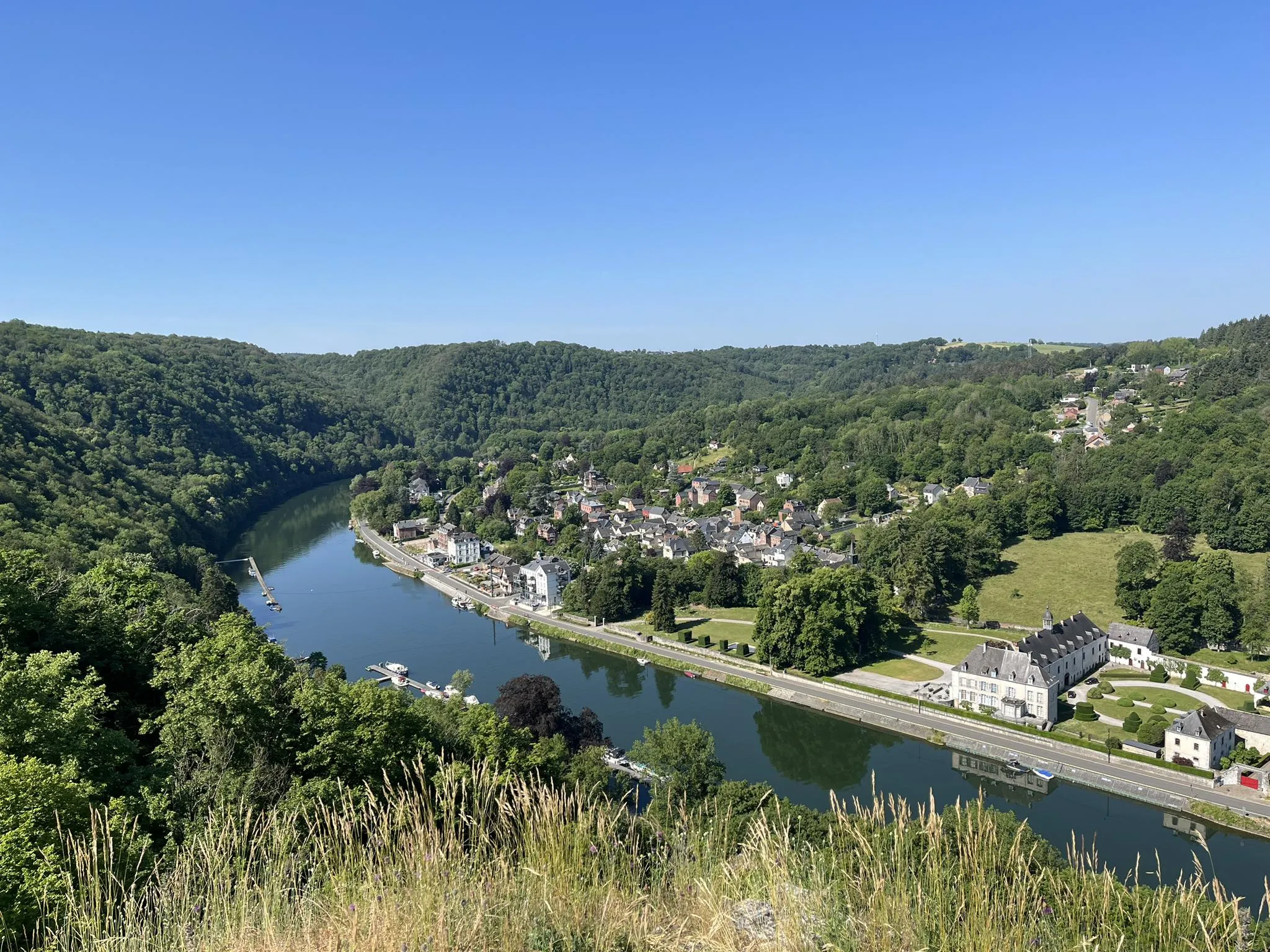
Sentier des abbayes trappistes part 1 – Between nature and gastronomy
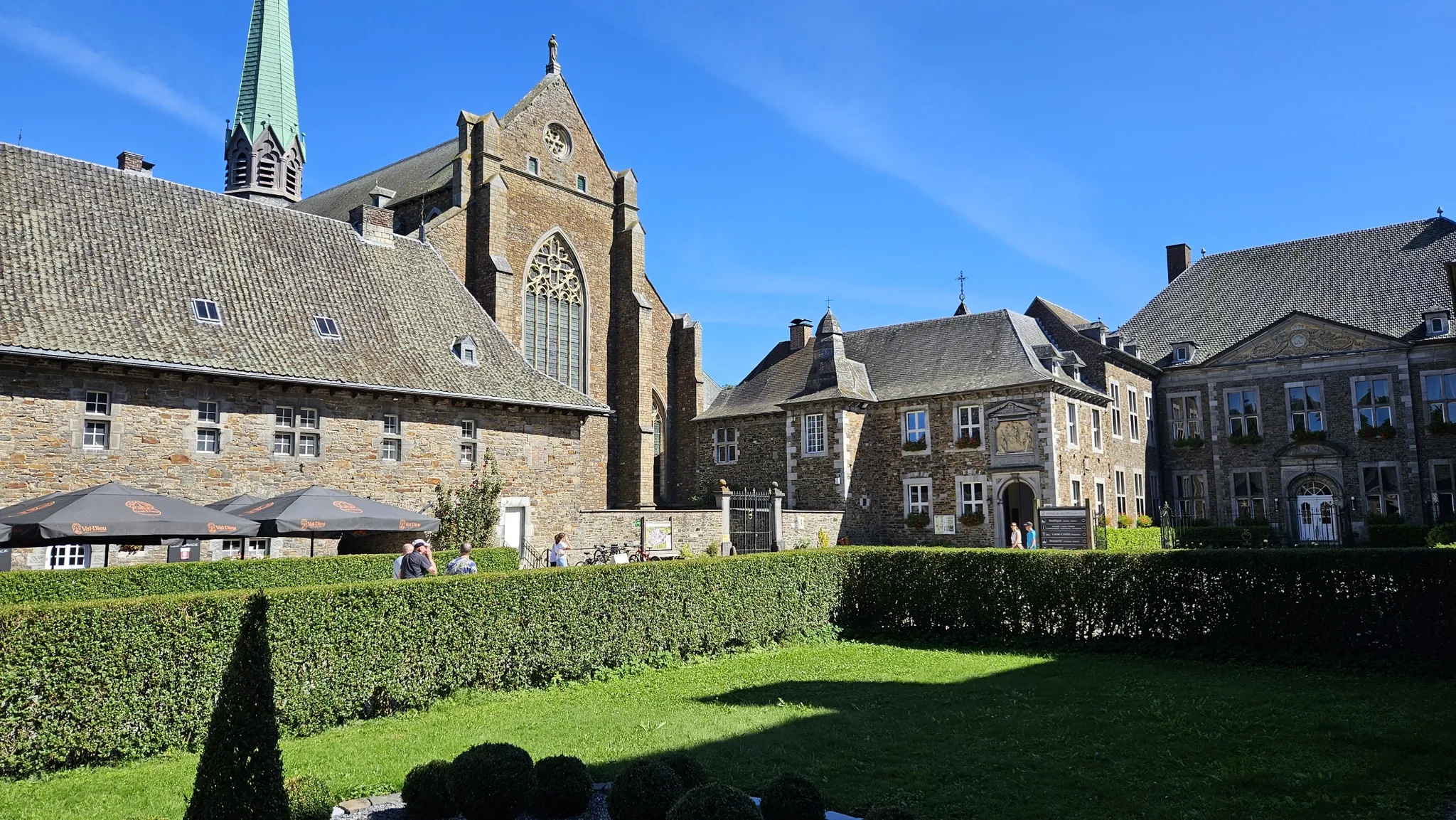
Trappist abbeys cycle route – Between beers and heritage
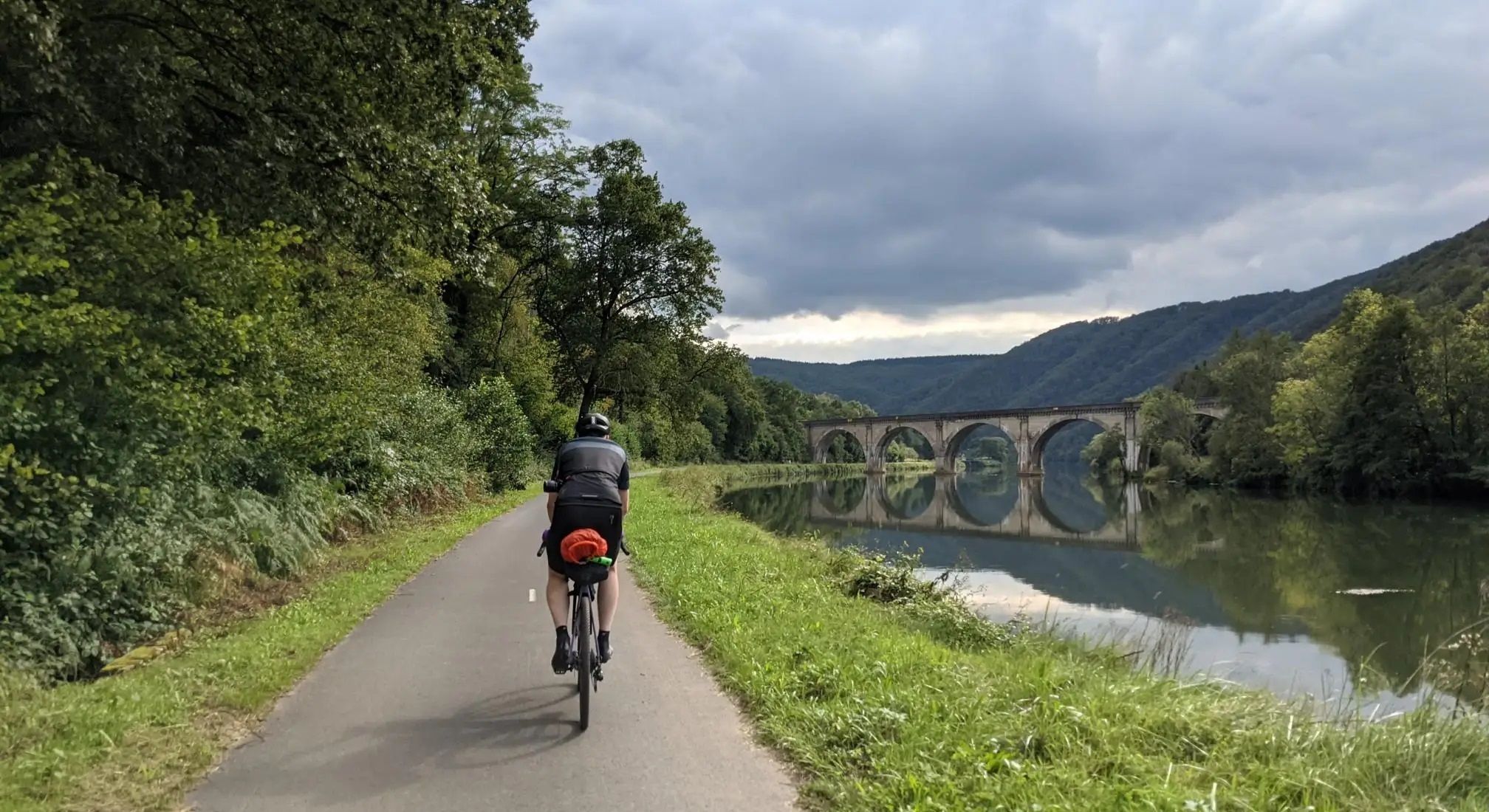
Aachen to Reims – Ardennes, Meuse and Champagne
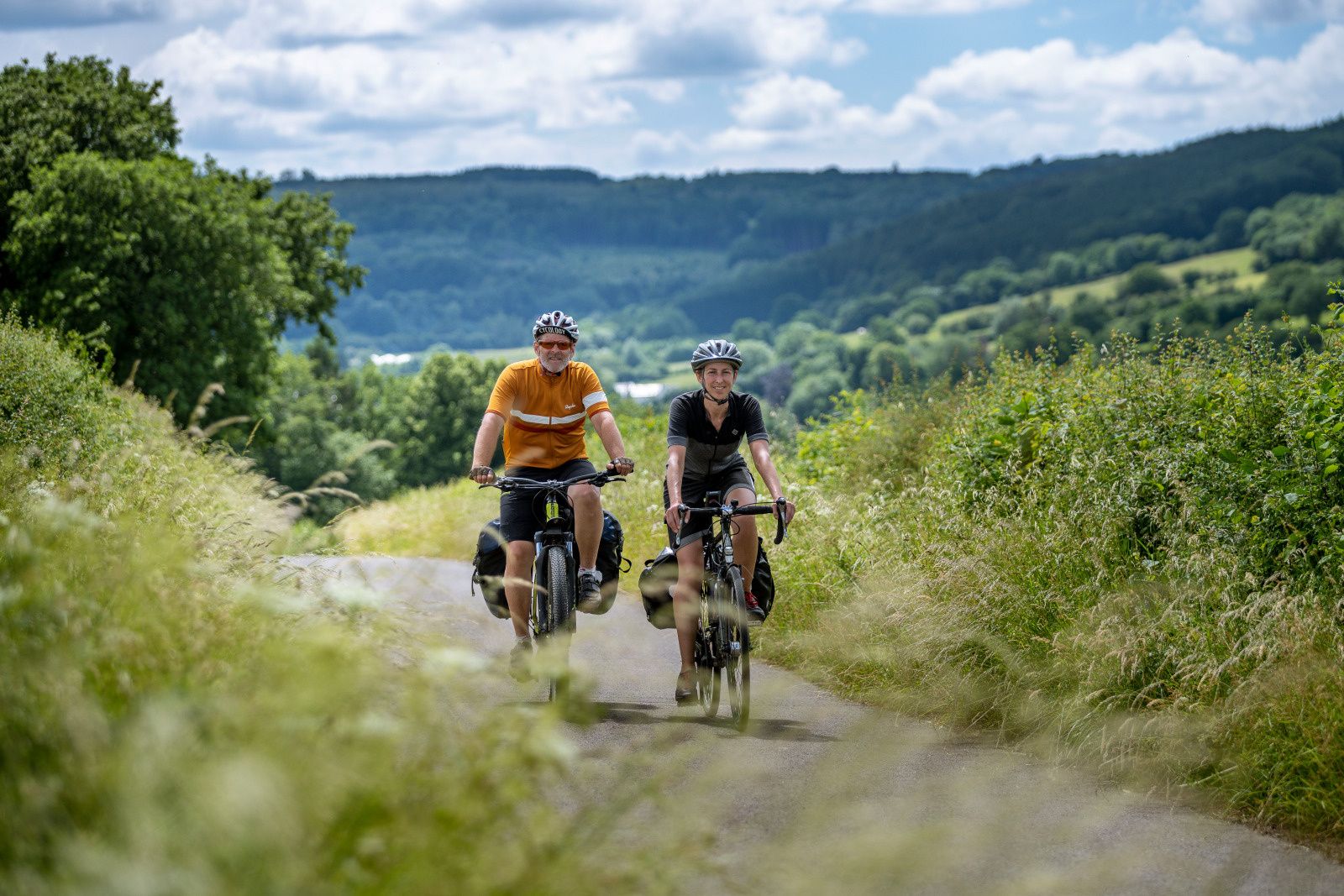
The most beautiful bike rides in Wallonia – pure nature and culture
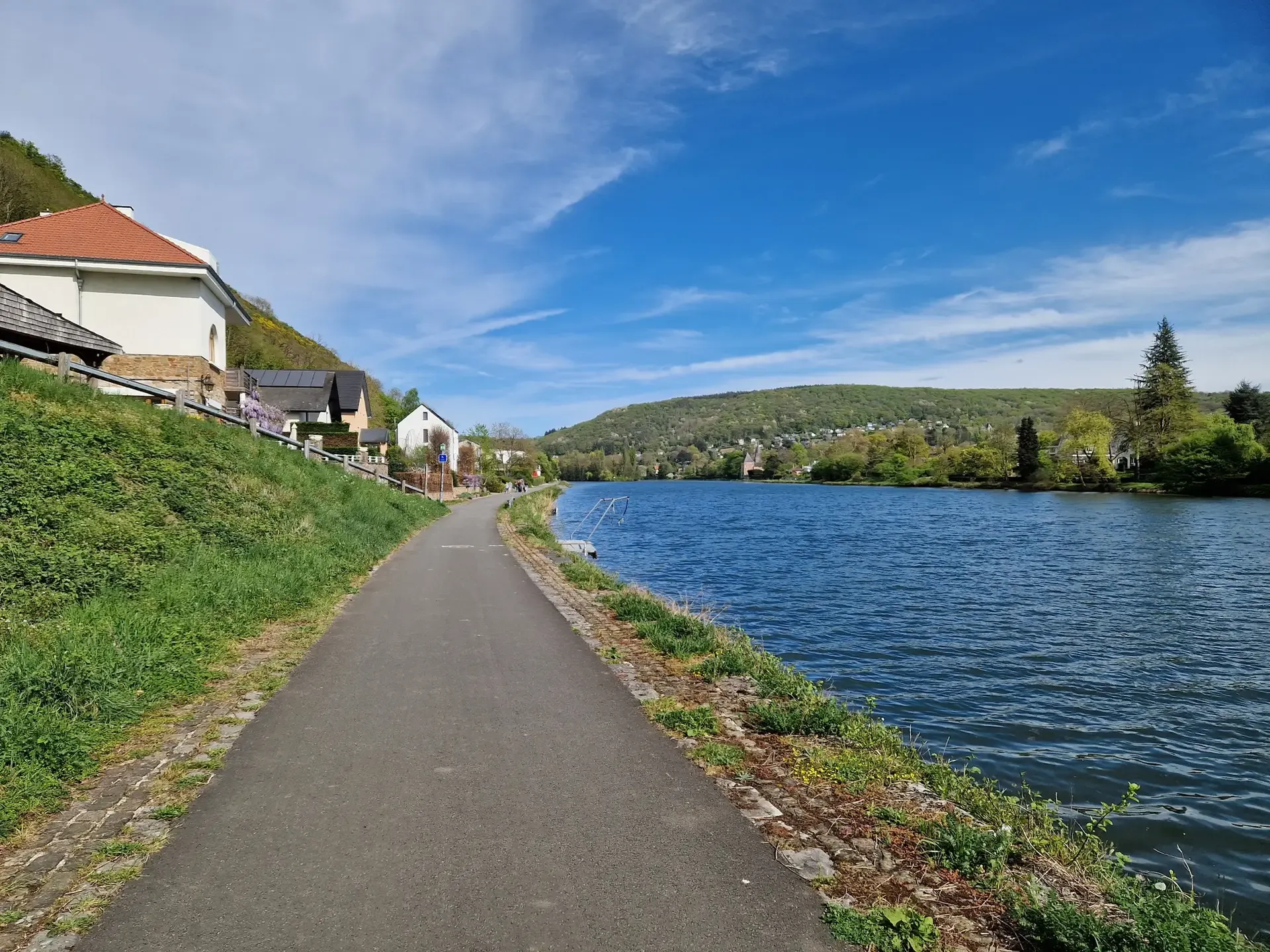
La Wallonie à vélo - RV2 : La Namuroise
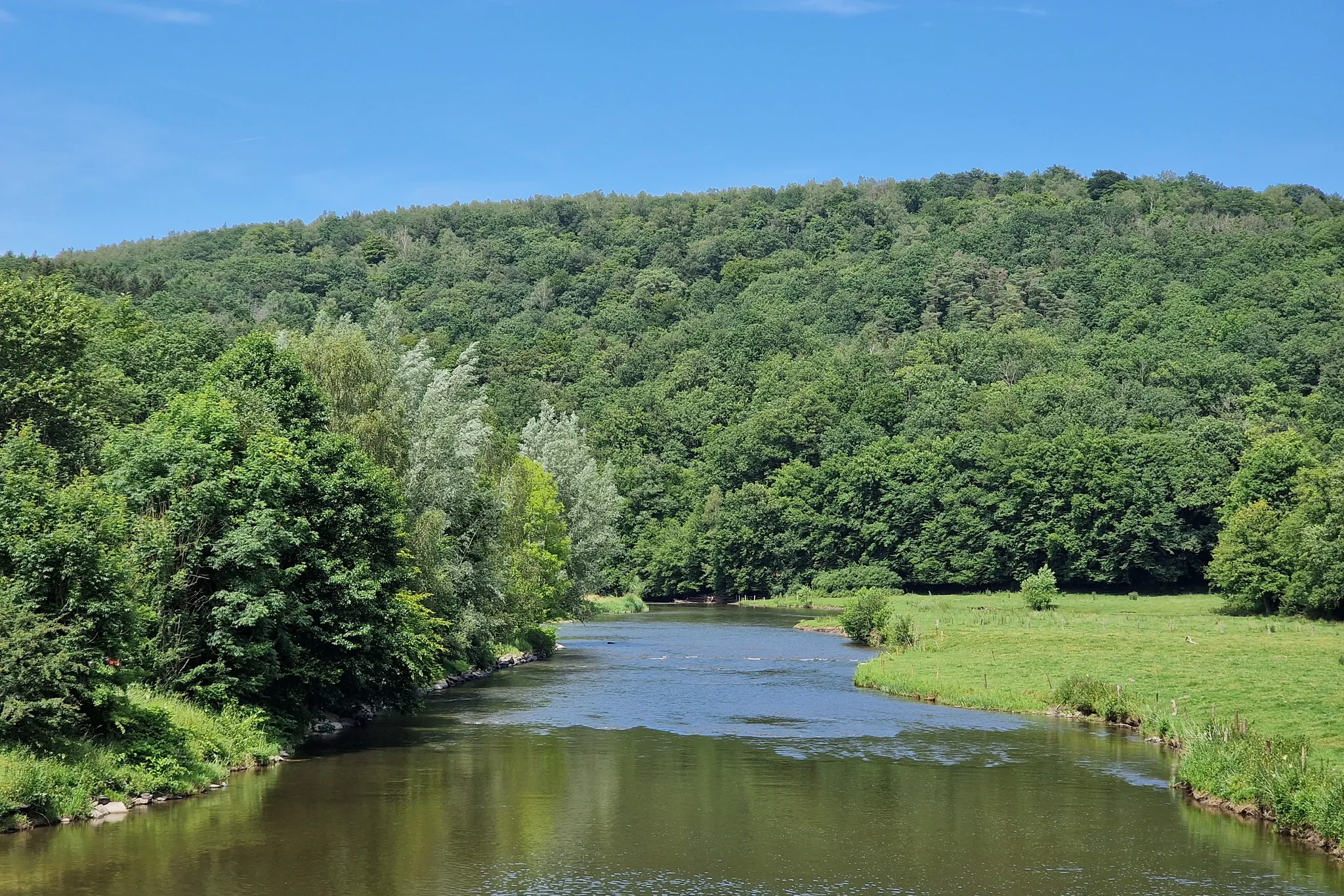
Between nature and gastronomy - Trappist abbeys trail part 2
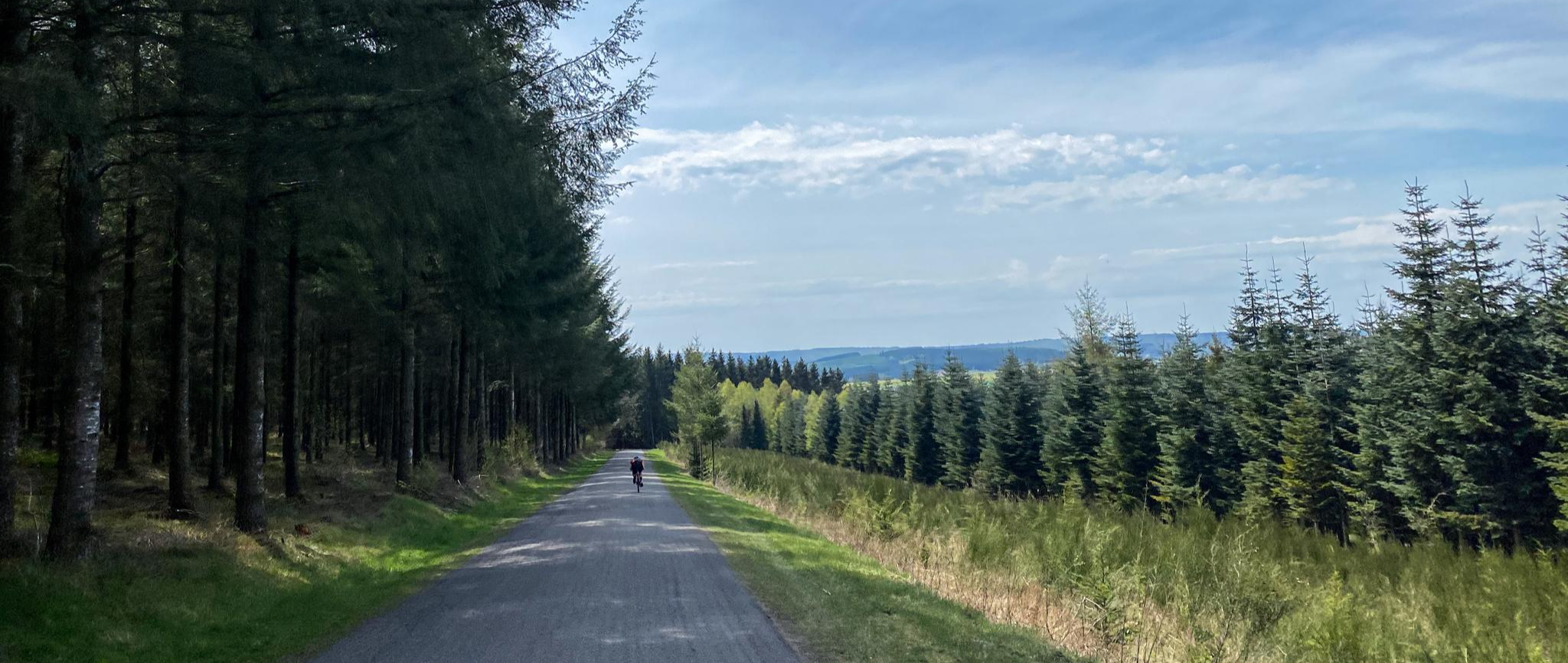
From Picardie to the Ardennes — Crossing Wallonia by Bike
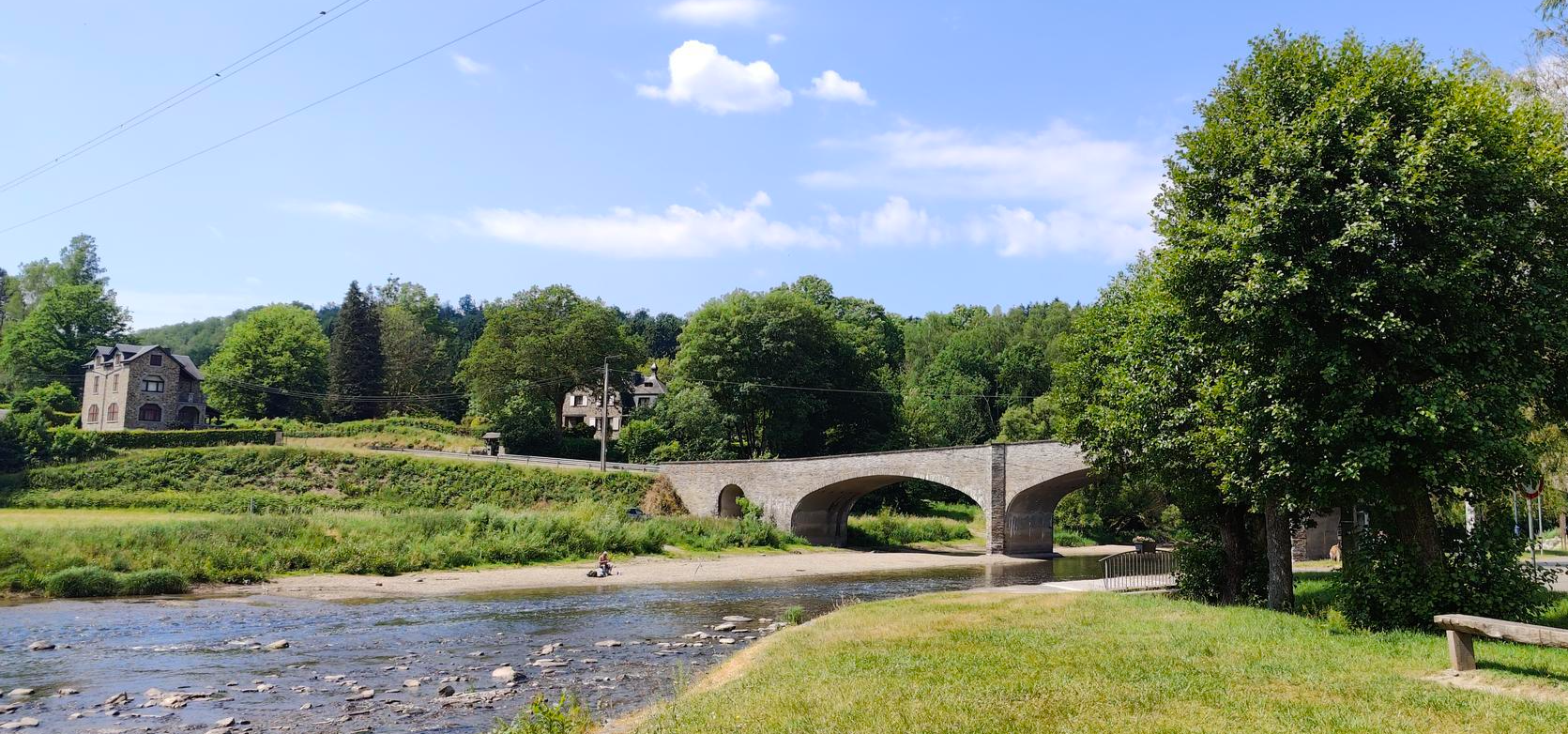
Memory and cycling remembrance duty - La Route du Maquis
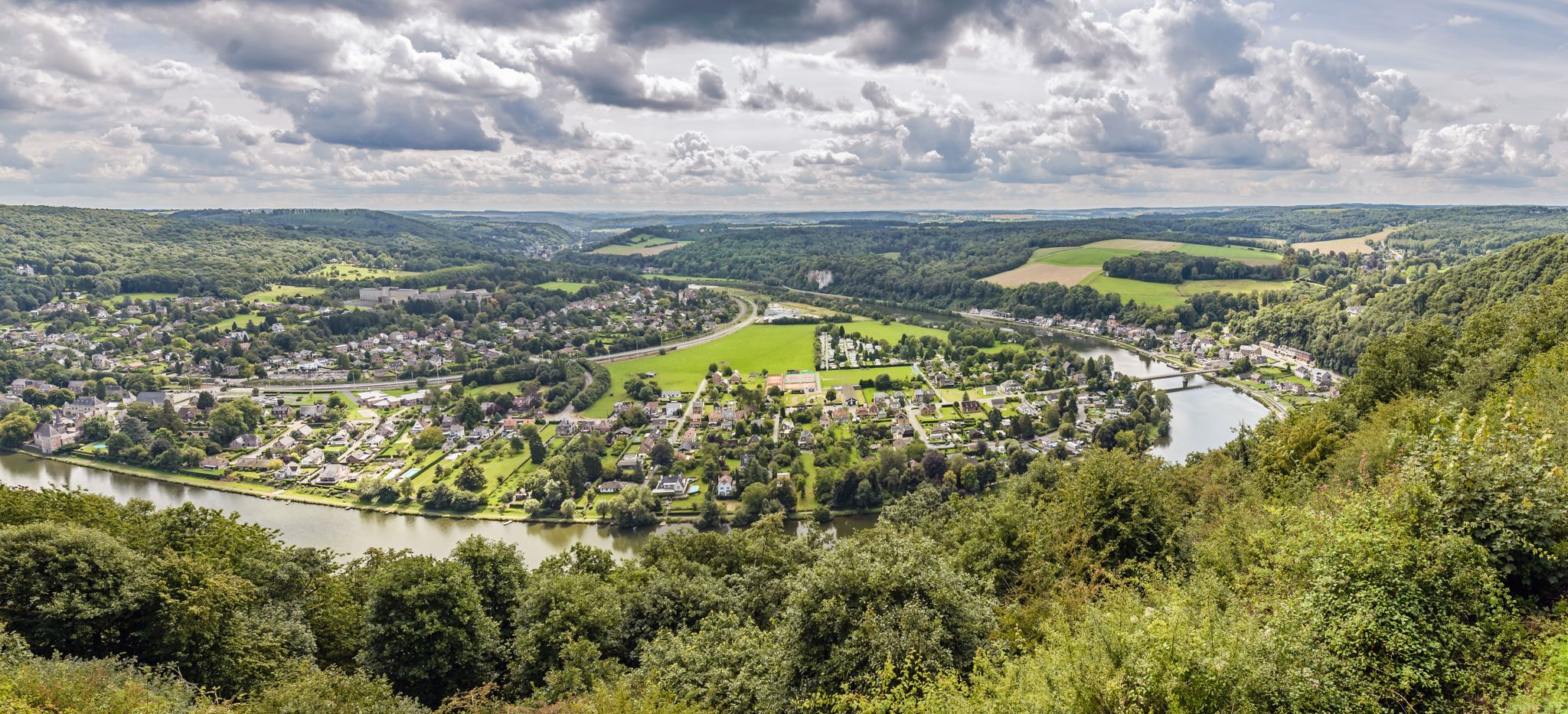
From station to station — hiking in the romantic Meuse Valley
Other adventures around Dinant


Tips from the Community

Beautiful tour, especially for children. The path over the two suspension bridges from above offers good views. There are a few steep sections, which are mostly secured with ropes. It can get a bit slippery in places when it rains.
1
0

Ideal resting place during a longer hike.
0
0


A beautiful bridge with a view of the castle
1
0

Concave and convex bend. That's what an information sign says along the path in this photogenic bend of the Ourthe River. The concave bank is on the outside of the meander and has (therefore) been eroded by the current. This is ideal for birds that like to make their burrows in vertical bank edges. Think of the kingfisher, and the sand martin. The convex bank is therefore on the inside of the bend. Because the water flows more slowly there, the river deposits sediments here. That's why you see gravel zones. And that, in turn, is pleasant for trout, because they like to lay their eggs there. You can walk along a beautiful path along a beautiful bend. And read about these beautiful bends. Information sign photo with the photos.
1
0

Beautiful view with a relatively easy climb
1
0

Both bridges are accessible and not closed. (August 16, 2025) Parking is not permitted at the starting point, as this is a private hotel parking lot. You can, however, drive towards the first junction. There's a meadow on the right of this road with space to park your car.
1
0
Frequently Asked Questions
How many mountaineering routes are available around Dinant?
Dinant offers a selection of mountaineering routes, with over 7 distinct tours available on komoot. These routes showcase the region's dramatic limestone cliffs, deep river valleys, and dense woodlands, providing varied challenges for mountaineers.
What is the best time of year for mountaineering in Dinant?
The spring and autumn months are generally ideal for mountaineering in Dinant. During these seasons, the weather is typically milder, and the natural landscapes of the Meuse and Lesse valleys are particularly vibrant. While some routes are accessible year-round, winter conditions can introduce additional challenges, especially on higher or more exposed sections.
Are there any easy mountaineering routes suitable for beginners or families?
Yes, Dinant offers routes suitable for those new to mountaineering or looking for a less strenuous experience. For an easier option, consider the Bois de Chapli loop from Durbuy, which is 6.1 km long and takes approximately 2 hours. This route provides a gentle introduction to the region's natural beauty.
Are there challenging routes for experienced mountaineers?
Absolutely. For experienced mountaineers seeking a challenge, Dinant's terrain includes more demanding options. The Sy Rocks – Palogne Estate loop from Bomal is a difficult 10.2 km trail that leads through notable rock formations, offering a more technical experience. Another difficult option is the Path Along the Bocq River – Tricointe Panorama loop from Crupet, spanning over 19 km with significant elevation changes.
Can I find circular mountaineering routes in Dinant?
Yes, many of the mountaineering routes around Dinant are designed as circular loops, allowing you to start and finish at the same point. An example is the moderate Durbuy Bridge - 1725 – Durbuy Castle loop from Durbuy, which is 14.6 km long and offers views of historical landmarks and the surrounding valley.
What kind of natural landmarks or attractions can I see along the routes?
The mountaineering routes in Dinant often feature stunning natural landmarks. You'll encounter dramatic limestone cliffs, deep river valleys like the Meuse and Lesse, and extensive forests. The region is also home to fascinating cave systems such as Lorette-Rochefort Cave and Han Caves, offering unique underground experiences. The iconic Rocher Bayard, a needle-like rock formation, is also a notable sight along the Meuse River.
Are there any routes that offer panoramic views of the valleys?
Many routes in Dinant provide breathtaking panoramic views of the river valleys. The moderate View of the Valley loop from Bomal is a great option, covering 14.1 km and specifically designed to showcase the scenic vistas of the region. Another route, the View of the Semois Valley – Pont de Claies (Semois) loop from Vresse-sur-Semois, offers stunning perspectives of the Semois Valley.
What do other mountaineers say about the routes in Dinant?
The mountaineering routes in Dinant are highly regarded by the komoot community, with an impressive average score of 4.9 stars from more than 10 reviews. Reviewers often praise the diverse terrain, the stunning natural beauty of the limestone cliffs and river valleys, and the variety of challenges available for different skill levels.
Are there any routes that go through lush forests or green valleys?
Yes, Dinant's landscape is rich with forests and green valleys. The moderate Green Valley Forest Trail – Durbuy Castle loop from Bomal is an excellent choice, winding through lush green valleys and extensive forest trails over 16.9 km, providing a serene and immersive nature experience.
Are there any adventure parks or other outdoor activities near the mountaineering areas?
Yes, Dinant offers a wide array of outdoor adventures beyond mountaineering. Dinant Aventure, set in a former sandstone quarry, provides thrilling activities like aerial trails, abseiling, caving, and a 'Via Vita' climbing trail. Kayaking on the Lesse and Meuse rivers is also very popular, offering unique views of the landscape and sights like Walzin Castle.
Are there any routes that pass by bridges or chapels?
Yes, some routes incorporate interesting man-made structures into the natural landscape. For instance, the moderate Chapel – Bridge Over the Ourthe loop from Barvaux is a 12.6 km route that includes both a chapel and a bridge over the Ourthe river, adding cultural points of interest to your mountaineering experience.
Is public transport available to access mountaineering routes in Dinant?
While some routes might be accessible via regional bus services or train stations in larger towns like Dinant itself, direct public transport to all trailheads can be limited. It's advisable to check local bus schedules or consider driving to access the starting points of many mountaineering routes, especially those in more remote areas of the Meuse and Lesse valleys.
Are dogs allowed on the mountaineering trails in Dinant?
Generally, dogs are welcome on many hiking and mountaineering trails in the Dinant region, especially if kept on a leash. However, specific regulations can vary depending on the nature reserve or private land. It's always best to check for any local signage or specific rules for the particular route you plan to undertake to ensure a dog-friendly experience.
Most popular routes around Dinant
Most popular attractions around Dinant

Get inspired with the komoot mobile app


Didn’t find what you were looking for?
Check out more Mountain Hikes & Routes throughout Dinant below and find the perfect route in your destination.
Explore more
Browse the best Mountain Hikes & Routes in other regions.
