Attractions and Places To See around Hitra - Top 10
Best attractions and places to see around Hitra offer a blend of coastal culture, history, and natural landscapes. This large island in the Norwegian Sea features diverse attractions, from historical landmarks to expansive natural areas. Visitors can explore ancient sites, enjoy panoramic sea views, and discover unique cultural experiences. The region provides opportunities for outdoor activities and insights into its rich heritage.
Best attractions and places to see around Hitra
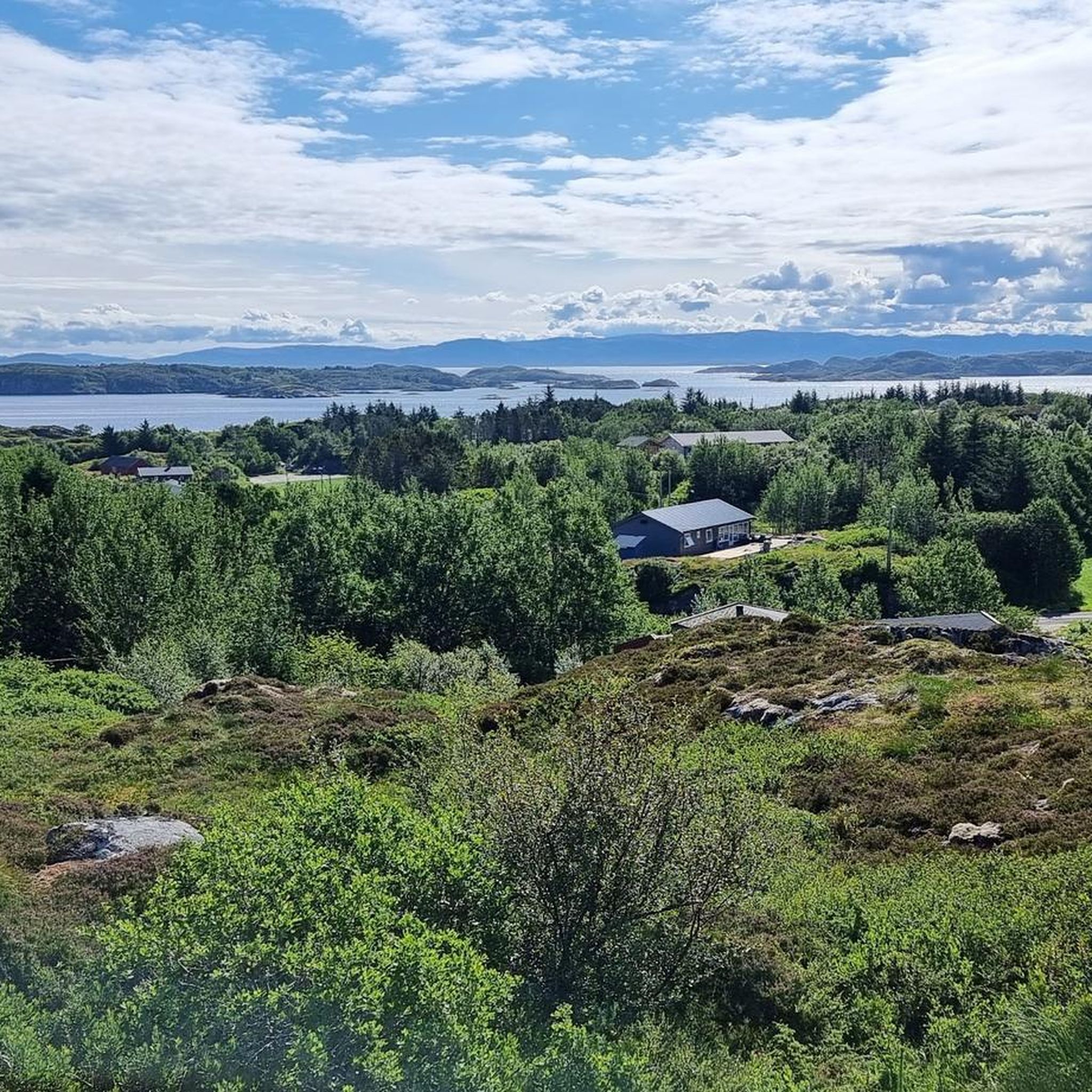
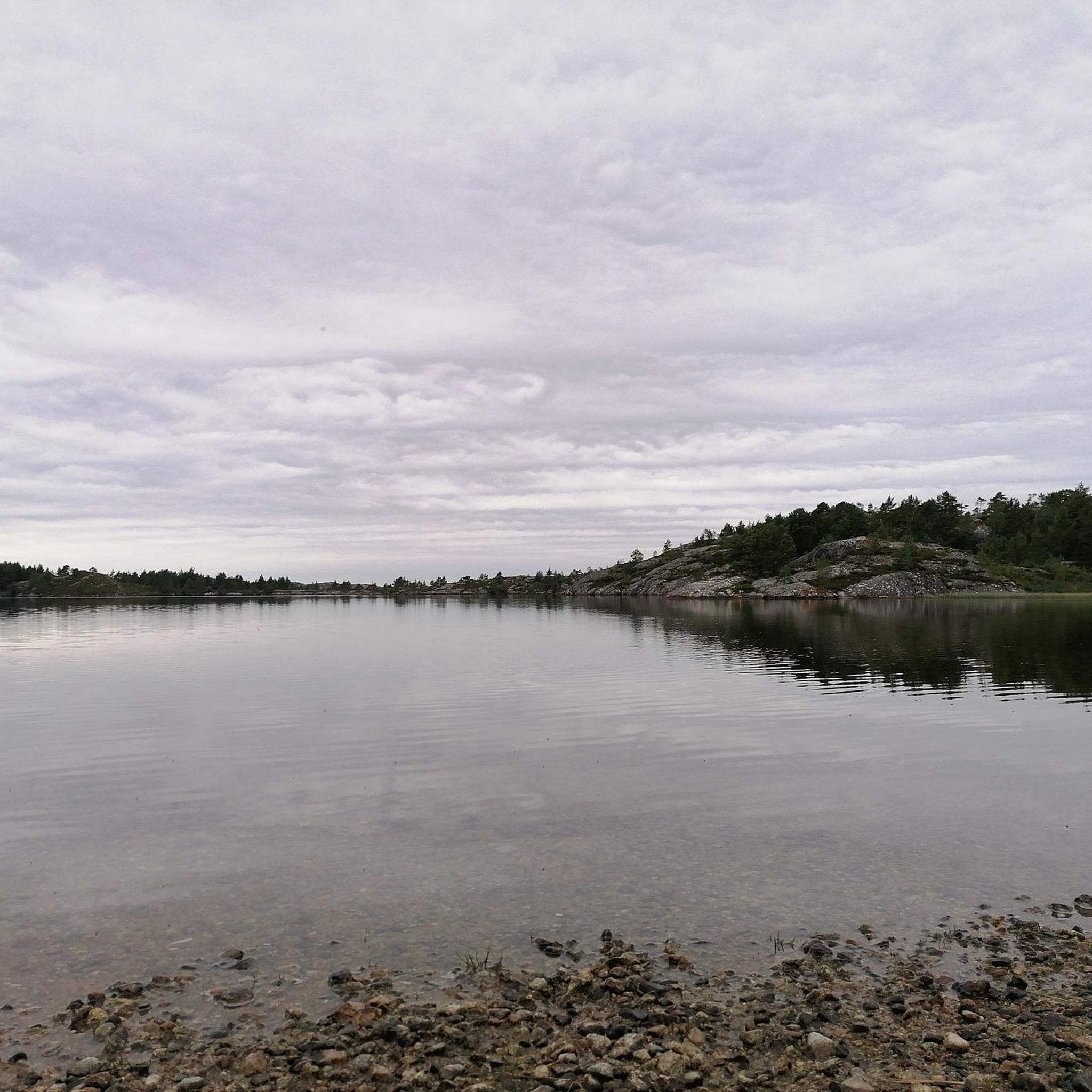
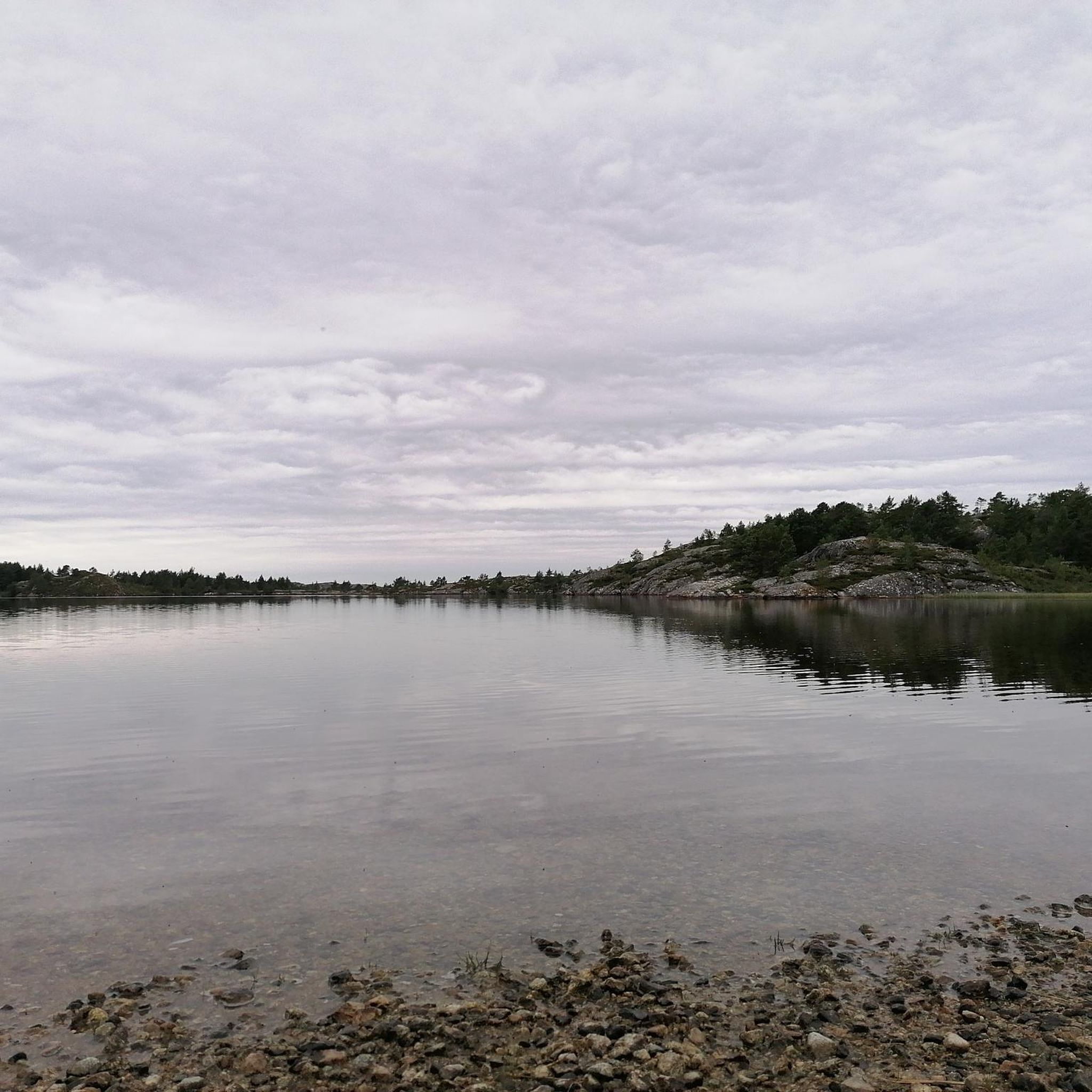
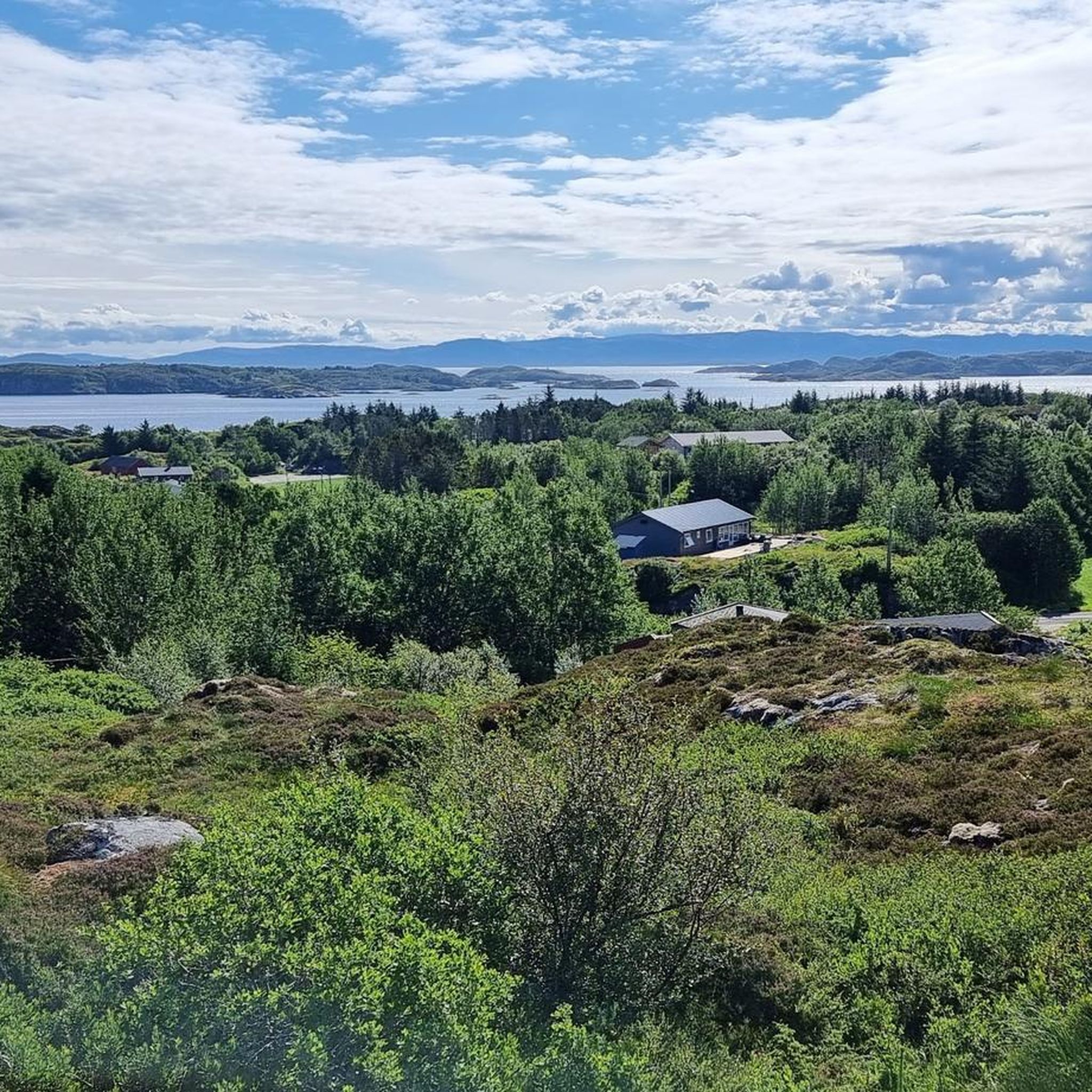
- The most popular attractions is View of the Norwegian Coast, a viewpoint that offers beautiful views of the coastline from an elevated spot on Ulvøy. It provides perspective on the sea and surrounding landscape.
- Another must-see spot is Korsholmen Picnic Area With View of Slettringen Lighthouse, a viewpoint and natural monument. This remote rest stop on Frøya offers views of the open sea and the 46-meter tall Slettringen Lighthouse, a protected cultural monument.
- Visitors also love Titranulykka Memorial, a man-made monument commemorating the Titran Disaster of 1899. This historical site stands next to the Titran Chapel and lists the names of 140 fishermen lost in a sudden hurricane.
- Hitra is known for its historical sites, natural viewpoints, and cultural experiences. The island offers a variety of attractions to see and explore, from ancient churches to coastal forts and natural reserves.
- The attractions around Hitra are appreciated by the komoot community, with 13 upvotes and 10 photos shared.
Last updated: August 25, 2026
View of the Norwegian Coast
Highlight • Viewpoint
Tip by

Tonningen Summit
Highlight • Summit
Translated by Google •
Tip by

Sign up now to discover places like this
Get recommendations on the best single tracks, peaks, & plenty of other exciting outdoor places.
Sign up for free
Stabben Fort – Atlantic Wall on Frøya
Highlight • Historical Site
In the spring of 1941, the German occupiers began building a coastal fort on the Stabben Plateau. Houses were expropriated or demolished, and families were displaced. The entire area was sealed off with barbed wire and minefields. The main weapons were three 15cm cannons with a range of 22km.
In the following years, the fort was massively expanded. Starting in 1942, around 150 Soviet and Yugoslav prisoners of war were used as forced laborers. They lived in squalid barracks near the coast; many died of exhaustion and malnutrition – some are buried in the Titran cemetery.
In October 1944, the fort was suddenly abandoned and the guns removed. Today, you can still discover numerous traces here: from cannon emplacements and underground bunkers to the remains of command posts and searchlight emplacements.
A particularly impressive site is the large concrete ring of a former cannon platform with an unobstructed view of the sea – a silent witness to a dark time.
Tip: A circular trail with information boards and QR codes begins at the main entrance, near the striking log cabin with the Norwegian flag. For more information, visit kulmin.no/stabben
Translated by Google •
Tip by

Titranulykka Memorial
Highlight • Monument
On the night of October 13–14, 1899, a sudden hurricane raged across the Norwegian Sea. The previous year had been marked by an exceptionally rich herring catch, attracting countless fishing boats to Titran on the island of Frøya. Over 50 boats and nine steamships set sail in seemingly calm seas—no one suspected that a storm was brewing that even experienced sailors couldn't interpret. There were no warning systems, and the barometer dropped—but it was too late.
The result: 140 men lost their lives, 25 boats disappeared without a trace, and 57 others were damaged. The town was plunged into disaster from one moment to the next. Entire families lost their fathers, sons, and brothers. Even today, this event is known in Norway as "Den Store Ulykken" (The Great Disaster).
The memorial lists the names of the deceased, engraved according to their places of origin, from Frøya to Kristiansund to Smøla. The touching sculpture on the base depicts a grieving woman with a child, a symbol of the bereaved who remained behind and whose pain resonates to this day.
The Titran Chapel, simple and with its red roof, is a worthy neighbor to this memorial. It invites contemplation and reflection – especially after a hike through the barren but impressive landscape of the island of Frøya.
Translated by Google •
Tip by
Korsholmen Picnic Area With View of Slettringen Lighthouse
Highlight • Viewpoint
The Slettringen Lighthouse towers a proud 46 meters above sea level and was completed in 1923. As early as 1897, after the devastating Titran disaster, in which 140 fishermen lost their lives in a sudden hurricane, the call for better navigation became louder. Originally planned as a small lighthouse, this massive cast-iron tower was finally erected after long delays. Today, it is considered one of the most impressive coastal lighthouses in the country.
Slettringen Lighthouse was manned until 1993 – today it is automated and a protected cultural monument.
Tip: Ideal for a windy snack with a dramatic panorama – and a perfect place to unwind.
Translated by Google •
Tip by
Sign up for free to discover even more attractions around Hitra.
Sign up for free
Already have an account?
Start today with a free account
Your next adventure awaits.
Login or Signup
Tips from the Community

Like any self-respecting island, Ulvøy offers beautiful views of the coastline. This slightly elevated spot is one of them. It provides a bit of perspective on the sea.
1
0

I found the ascent from the east side to be considerably more challenging than just moderately difficult; if you don't want to swing over precipices on ropes, it's better to stay on the actual hiking trail!
0
0

A historic site with a dramatic backdrop: Stabben Fort is located on the island of Frøya and was part of the infamous Atlantic Wall – a 5,000km-long defensive line built by Nazi Germany during World War II from the Bay of Biscay to Kirkenes. In the spring of 1941, the German occupiers began building a coastal fort on the Stabben Plateau. Houses were expropriated or demolished, and families were displaced. The entire area was sealed off with barbed wire and minefields. The main weapons were three 15cm cannons with a range of 22km. In the following years, the fort was massively expanded. Starting in 1942, around 150 Soviet and Yugoslav prisoners of war were used as forced laborers. They lived in squalid barracks near the coast; many died of exhaustion and malnutrition – some are buried in the Titran cemetery. In October 1944, the fort was suddenly abandoned and the guns removed. Today, you can still discover numerous traces here: from cannon emplacements and underground bunkers to the remains of command posts and searchlight emplacements. A particularly impressive site is the large concrete ring of a former cannon platform with an unobstructed view of the sea – a silent witness to a dark time. Tip: A circular trail with information boards and QR codes begins at the main entrance, near the striking log cabin with the Norwegian flag. For more information, visit kulmin.no/stabben
3
0
This remote rest stop on the northwestern tip of Frøya – on the small Korsholmen headland – is a real insider tip. The route here leads along a narrow, partly unmarked path that requires a bit of a sense of adventure. But the effort is rewarded with breathtaking views of the open sea – and of the majestic Slettringen Lighthouse, Norway's tallest lighthouse. The Slettringen Lighthouse towers a proud 46 meters above sea level and was completed in 1923. As early as 1897, after the devastating Titran disaster, in which 140 fishermen lost their lives in a sudden hurricane, the call for better navigation became louder. Originally planned as a small lighthouse, this massive cast-iron tower was finally erected after long delays. Today, it is considered one of the most impressive coastal lighthouses in the country. Slettringen Lighthouse was manned until 1993 – today it is automated and a protected cultural monument. Tip: Ideal for a windy snack with a dramatic panorama – and a perfect place to unwind.
2
0
A place of silence, remembrance—and Norway's harsh history. Right next to the small white chapel in Titran stands an impressive memorial commemorating one of the worst disasters in Norwegian fishing history: the Titranulykka—the Titran Disaster. On the night of October 13–14, 1899, a sudden hurricane raged across the Norwegian Sea. The previous year had been marked by an exceptionally rich herring catch, attracting countless fishing boats to Titran on the island of Frøya. Over 50 boats and nine steamships set sail in seemingly calm seas—no one suspected that a storm was brewing that even experienced sailors couldn't interpret. There were no warning systems, and the barometer dropped—but it was too late. The result: 140 men lost their lives, 25 boats disappeared without a trace, and 57 others were damaged. The town was plunged into disaster from one moment to the next. Entire families lost their fathers, sons, and brothers. Even today, this event is known in Norway as "Den Store Ulykken" (The Great Disaster). The memorial lists the names of the deceased, engraved according to their places of origin, from Frøya to Kristiansund to Smøla. The touching sculpture on the base depicts a grieving woman with a child, a symbol of the bereaved who remained behind and whose pain resonates to this day. The Titran Chapel, simple and with its red roof, is a worthy neighbor to this memorial. It invites contemplation and reflection – especially after a hike through the barren but impressive landscape of the island of Frøya.
2
0
Frequently Asked Questions
What historical sites can I explore around Hitra?
Hitra and its adjacent island Frøya offer several significant historical sites. You can visit the Titranulykka Memorial on Frøya, which commemorates the devastating Titran Disaster of 1899. Also on Frøya, explore Stabben Fort – Atlantic Wall, a World War II defensive structure. On Hitra itself, don't miss the ancient Dolm's Historic Medieval Church and the Hopsjøbrygga Old Trading Centre, which dates back to 1730 and includes a small whale museum.
Where can I find the best viewpoints and coastal scenery in Hitra?
For breathtaking views, head to Ulvøy to experience the View of the Norwegian Coast, offering a unique perspective on the sea and landscape. Another excellent spot is the Korsholmen Picnic Area With View of Slettringen Lighthouse on Frøya, providing dramatic panoramas of the open sea and Norway's tallest lighthouse. The coastal path of Knarrlagsundet Sound also offers stunning vistas.
Are there family-friendly activities or attractions in Hitra?
Yes, Hitra offers several family-friendly options. At Dalpro, families can meet and feed deer, especially during summer feeding times, and explore a charming fairy forest. The Titranulykka Memorial, while historical, is accessible and can be a contemplative stop for older children. Additionally, many of the island's easy hiking trails are suitable for families.
What kind of outdoor activities can I do around Hitra's attractions?
Hitra is ideal for various outdoor activities. You can explore extensive hiking trails through forests, mountains, and along the coast. The island is also excellent for cycling, with routes like the 'Hitrarittet' offering challenging distances. For runners, there are numerous running trails. You can find detailed routes and guides for these activities, such as Hiking around Hitra, Cycling around Hitra, and Running Trails around Hitra.
What natural features are prominent in Hitra?
Hitra is characterized by its rugged coastline and diverse natural landscapes. The island features over 1000 fishing lakes, many stocked with trout, particularly within the Havmyran Nature Reserve. Its forests, covering 41% of the island, are dominated by evergreen coniferous trees and are great for foraging. The surrounding waters are considered one of Norway's best diving areas, rich in marine biodiversity.
Can I go fishing or wildlife spotting in Hitra?
Absolutely. Hitra is renowned for both sea and inland fishing, with opportunities to catch various fish, mussels, scallops, and crabs. For wildlife enthusiasts, the island boasts a large population of deer and roe deer, making it a prime location for wildlife viewing. Eagle safaris are also offered by several companies, providing a chance to observe white-tailed eagles in their natural habitat.
What cultural experiences does Hitra offer beyond historical sites?
Beyond its historical landmarks, Hitra provides unique cultural insights. You can visit Helgebostad Hagebruk, a market garden focusing on sustainable production, offering guided tours and workshops. Nearby, Hitra Gårdsmat produces award-winning cheeses. The authentic fishing village of Kvenvær allows visitors to experience coastal life, with options for sea kayaking and archipelago safaris. Storm Brygghus in Kvenvær also offers beer tasting and similar activities.
What is the best time of year to visit Hitra for outdoor activities?
Hitra experiences moderate year-round temperatures and ample rainfall, contributing to its lush landscapes. While outdoor activities are possible throughout the year, the warmer months from late spring to early autumn (May to September) are generally best for hiking, cycling, and water-based activities, offering more pleasant weather and longer daylight hours. Foraging is also excellent during these periods.
Are there any unique local products or crafts to discover in Hitra?
Yes, Hitra is known for its local produce. You can find award-winning cheeses from Hitra Gårdsmat, made from local cows. Helgebostad Hagebruk offers a wide variety of sustainably grown vegetables. The island's rich natural environment also lends itself to foraging for wild mushrooms, garlic, and berries, which are often incorporated into local cuisine.
What are some lesser-known or 'hidden gem' attractions in Hitra?
While popular spots are well-known, consider exploring the Ulvøy Path for its scenic coastal route, offering stunning views away from the main roads. The Wooden Bridge to Korsholmen, though seemingly simple, leads to a secluded natural paradise and the remote Korsholmen Picnic Area. For a truly authentic experience, visit Kvenvær, an active fishing village where you can immerse yourself in coastal life and local traditions.
Are there opportunities for horseback riding in Hitra?
Yes, for those who enjoy equestrian activities, the Hitra Equestrian Center offers horseback riding experiences. You can explore the picturesque and majestic cultural landscapes of the island on horseback, providing a unique way to see the area.
Most popular routes around Hitra

Get inspired with the komoot mobile app


Explore more
Still not found the Highlight you’re looking for? See guides of the top attractions in other regions:
