The best road cycling routes around Hvaler
3.8
(43)
698
riders
41
rides
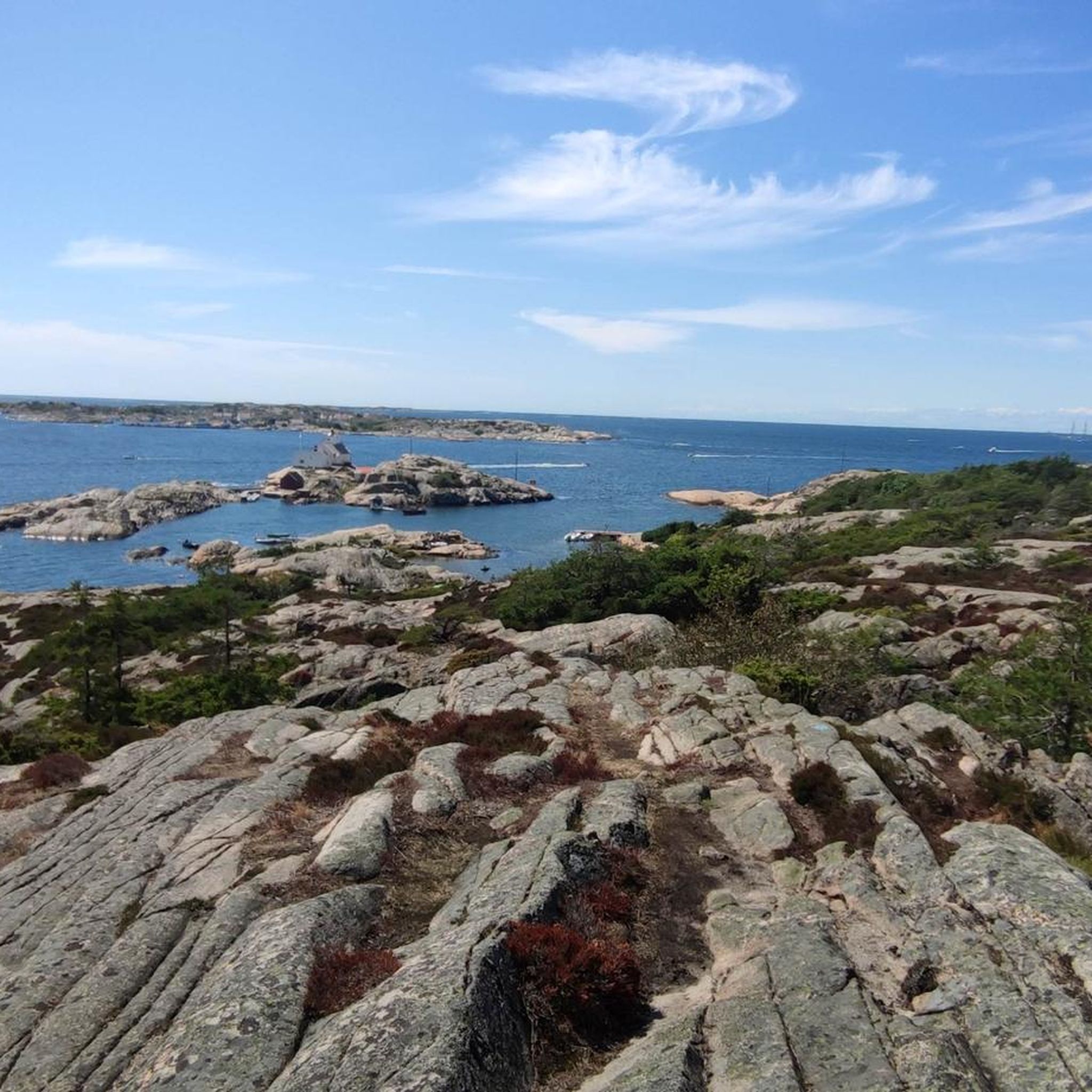
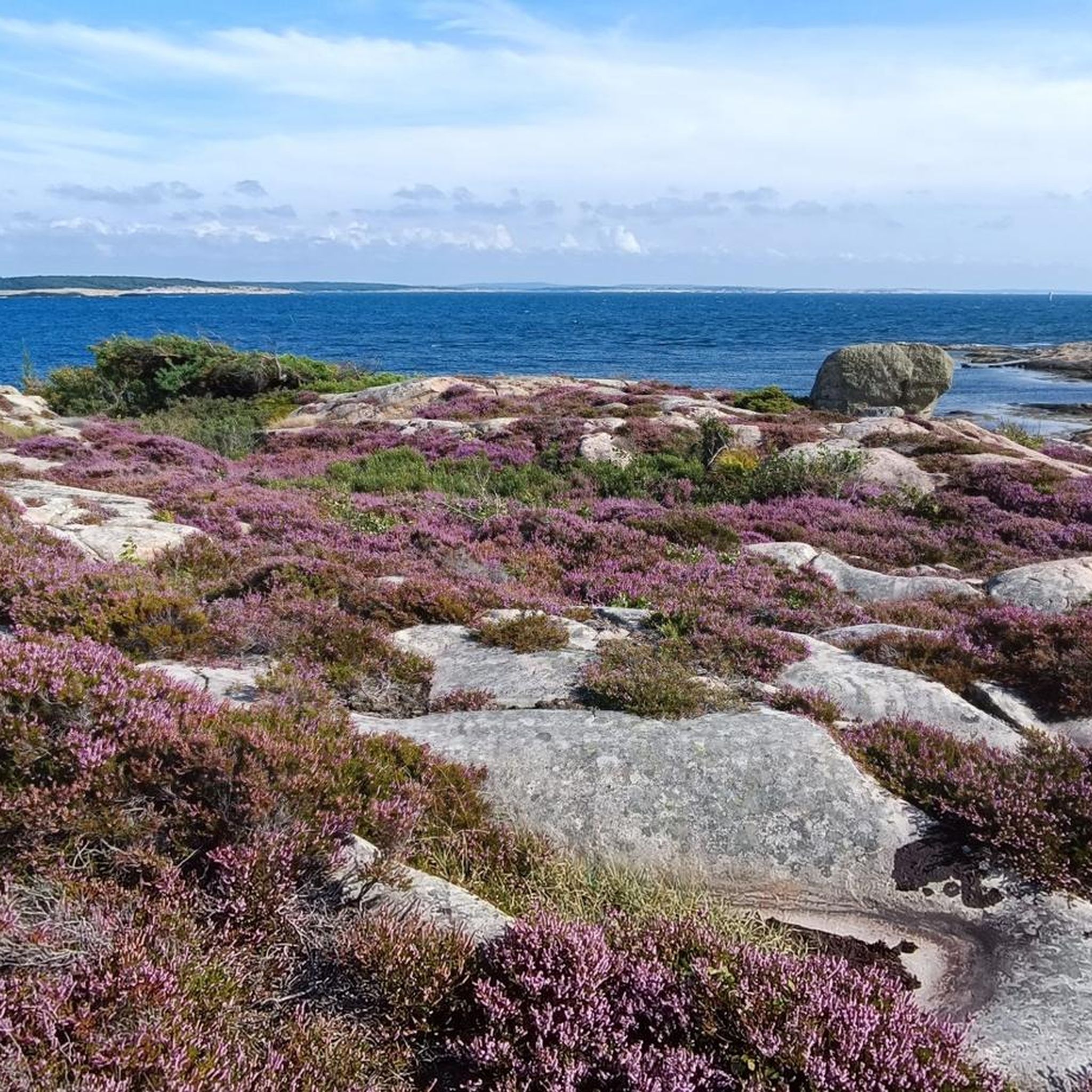
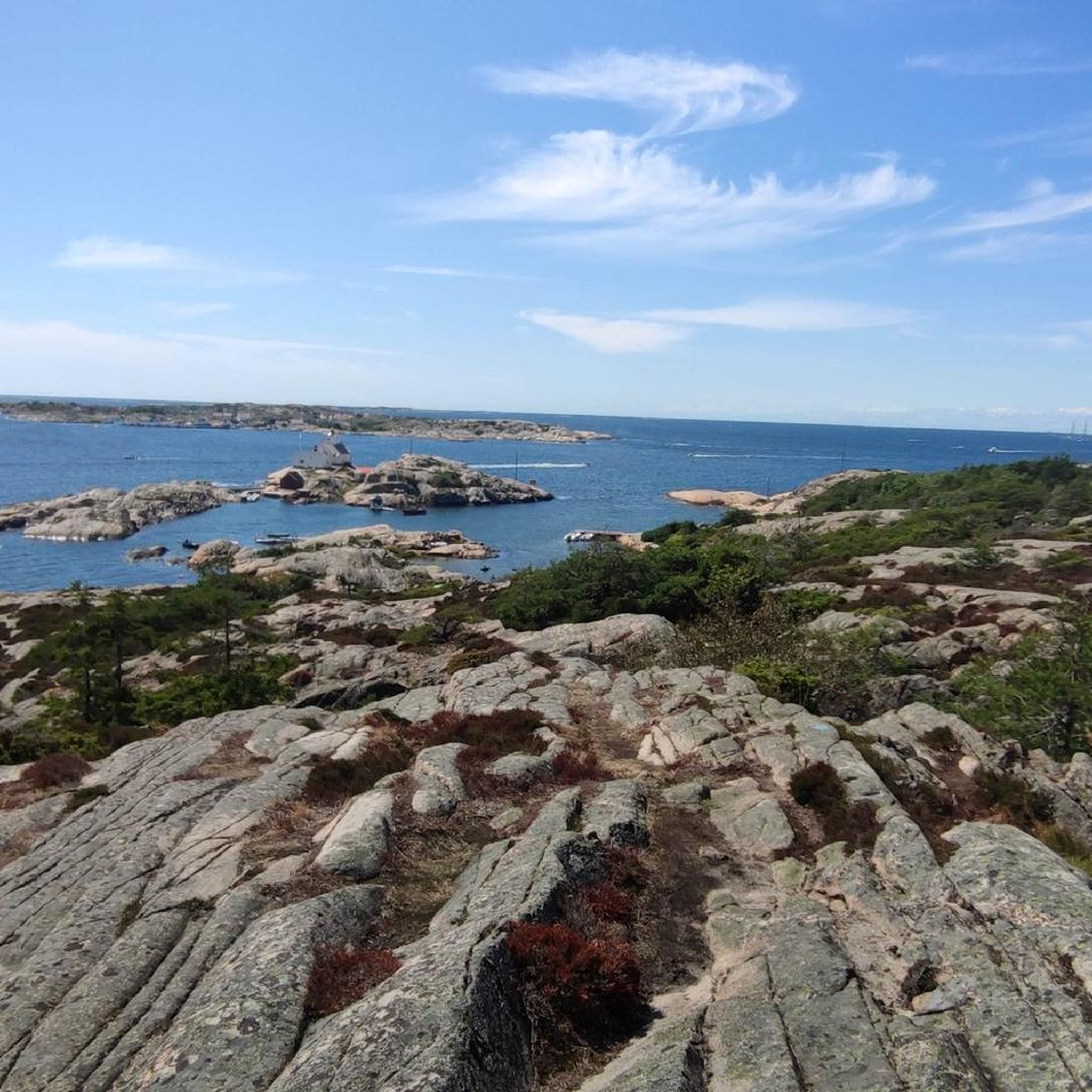
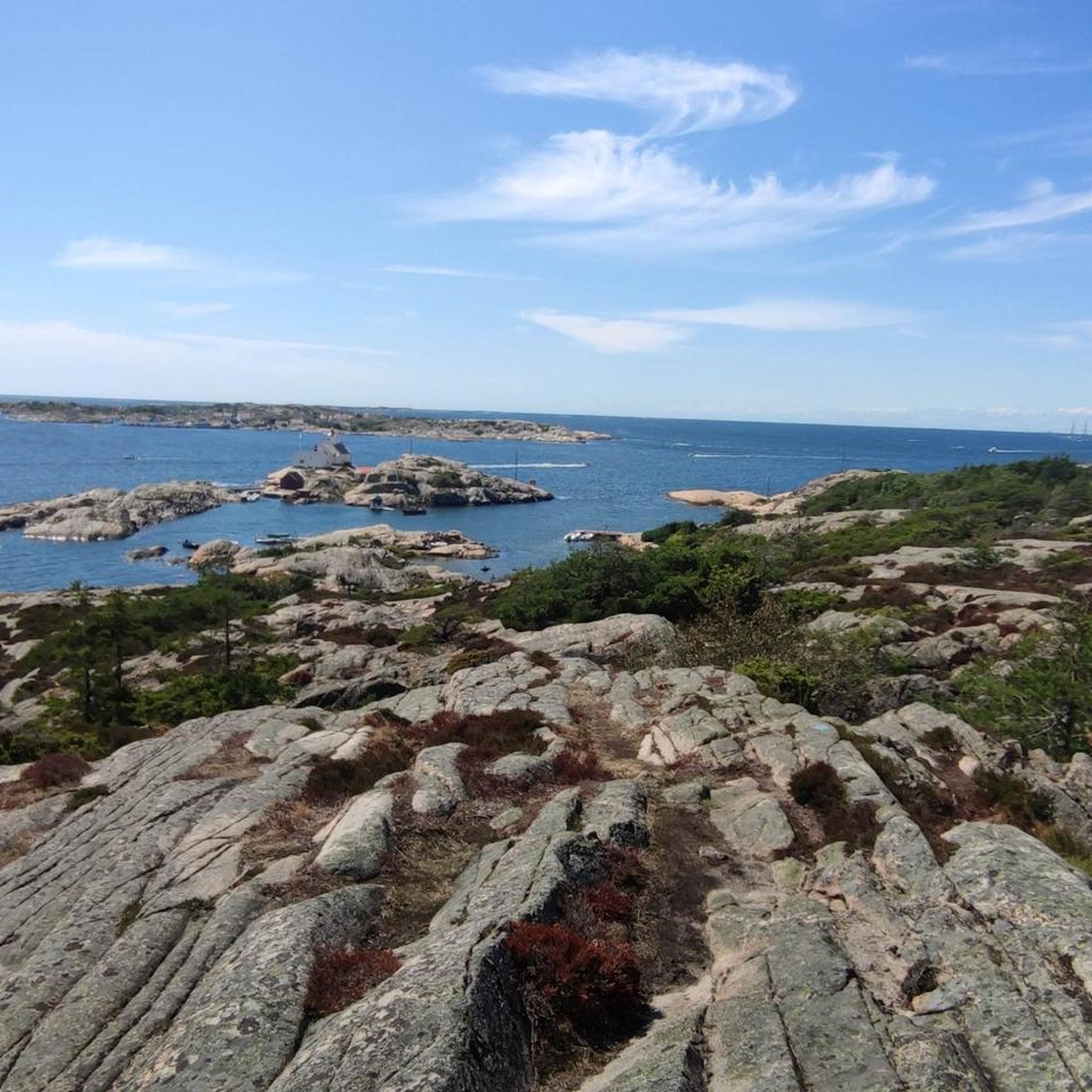
Road cycling routes around Hvaler traverse an archipelago in southeastern Norway, characterized by numerous islands and a distinctive coastal landscape. The region features smooth shoreline rocks, wind-swept coastal forests, and granite and gneiss bedrock. Roads often follow the coastline, offering varied terrain suitable for road cycling. The area benefits from a mild climate, making it accessible for outdoor activities.
Best road cycling routes around Hvaler
- The most popular road cycling route is Bridge to Kjokoy – View of the Varodd…
Last updated: July 12, 2026
5.0
(16)
14
riders
23.0km
01:00
210m
210m
Easy road ride. Great for any fitness level. Mostly well-paved surfaces and easy to ride.
11
riders
87.4km
04:02
940m
940m
Hard road ride. Very good fitness required. Mostly well-paved surfaces and easy to ride.

Sign up for free
5.0
(16)
10
riders
17.7km
00:51
200m
200m
Easy road ride. Great for any fitness level. Mostly well-paved surfaces and easy to ride.
8
riders
54.9km
02:22
450m
450m
Moderate road ride. Good fitness required. Mostly well-paved surfaces and easy to ride.
7
riders
31.8km
01:20
250m
250m
Easy road ride. Great for any fitness level. Mostly well-paved surfaces and easy to ride.
Get access to more routes and recommendations from other explorers.
Sign up for free
Already have an account?
Our route recommendations are based on thousands of hikes, rides, and runs completed by other people on komoot.
Start today with a free account
Your next adventure awaits.
Login or Signup
Tips from the Community

Grand Café Hankøsundet is a relaxed waterfront stop serving pizza, toast, ice cream, and coffee. It's perfect for a casual break on Hankø. Sit outside by the water if the weather’s good to enjoy the café’s laid-back atmosphere.
2
0

Good bakery and perfect place for a break. (Open Sundays too) 1x puff pastry (Spandauer), three rolls, and a small coffee = €18
0
0

smooth and fast tarmac, up and down. perfect to chill or to race with your friends 👌
0
0

The fortress, built between 1661 and 1701, was built to protect against Swedish attacks.
3
1

Fun to ride in either direction, you'll get great views of the water on one side, and the hill on the other.
0
0

Halden is a pleasant town located right on the Iddefjord, close to the Swedish border. Its most prominent feature is the historic Fredriksten Fortress situated on a hill overlooking the town and water. In town, you can find nice streets and a harbourside area worth a stroll.
0
0

Fredriksten Fortress is Norway's largest and most important border fortress. It towers impressively over slag heaps and is visible from far away. The fortress was besieged several times but never taken and played an important role in Norway's independence. The complex is well worth seeing and offers various tours (e.g. ghost tour) at the information desk/café. All information boards are in Norwegian and English. Some paths are more difficult to walk, sturdy shoes are recommended.
0
0

I found this to be the worst road of my months long trip. Extremely busy with car traffic that overtakes you with 80 km/h and in open fields so constantly battered by wind. I can't believe that it's a part of a national cycle way and the EuroVelo network. The road is way too dangerous.
1
0
Frequently Asked Questions
How many road cycling routes are available in Hvaler?
Hvaler offers a diverse network of over 45 road cycling routes. These range from easy, leisurely rides to more challenging tours across the archipelago's unique coastal landscape.
What is the typical terrain like for road cycling in Hvaler?
The terrain in Hvaler is characterized by coastal roads, often lined with flowering verges, and smooth, rounded slopes of granite and gneiss bedrock. You'll find a mix of flat sections and gentle climbs as you traverse the islands, with routes like the Bridge to Kjokoy – View of the Varodd Bridge loop from Asmaløy offering varied coastal scenery.
Are there road cycling routes suitable for beginners or families in Hvaler?
Yes, Hvaler has several easy road cycling routes perfect for beginners or families. For instance, the Kroksand loop from Skjærhalden is an easy 14.3-mile (23.0 km) path that explores the area around Skjærhalden, providing a leisurely ride through the local countryside. Another accessible option is the Korshavnkilen loop from Furuholmen, an 11.0-mile (17.7 km) route.
What is the best time of year to go road cycling in Hvaler?
Hvaler benefits from a mild climate and more sunshine hours than many other parts of Norway, making it inviting for cycling from spring through autumn. The flowering verges along the roads are particularly beautiful during the warmer months, enhancing the scenic experience.
What natural features can I expect to see while cycling in Hvaler?
While cycling in Hvaler, you'll encounter magnificent coastal landscapes, smooth shoreline rocks, and wind-swept coastal forests. Many routes pass through or near Ytre Hvaler National Park, Norway's first marine national park, offering views of its distinctive natural areas and rich biodiversity. The islands themselves, like Kirkøy and Asmaløy, provide panoramic ocean vistas and lush greenery.
Are there any historical sites or landmarks along the road cycling routes?
Yes, Hvaler offers several historical sites and landmarks. On Kirkøy, you can visit Hvaler Church, a medieval-era church. The region also features sites like Stenskeppet (The Stone Ship), an ancient historical site, and the Rødshue Skulpturpark, an outdoor sculpture park in an old quarry. For a broader exploration of the area's attractions, consider visiting Fredrikstad and Hvaler's activity and attraction guide.
Can I combine road cycling with exploring Ytre Hvaler National Park?
Absolutely. Cycling is permitted on approved roads and routes within Ytre Hvaler National Park. This allows you to explore its unique coastal landscape, smooth shoreline rocks, and wind-swept forests by bike, immersing yourself in one of Norway's most distinctive natural areas.
What do other cyclists say about road cycling in Hvaler?
The road cycling routes in Hvaler are highly rated by the komoot community, with an average score of 3.9 stars from over 40 reviews. More than 680 road cyclists have used komoot to explore Hvaler's varied terrain, often praising the scenic coastal paths and island-hopping experiences.
What is the elevation gain like on Hvaler's road cycling routes?
While Hvaler is an archipelago, the elevation gains on its road cycling routes are generally moderate, reflecting the smooth and rounded nature of its geological features. For example, the Kvernemyr naturreservat – Vikertjernet biotopvernområde loop from Dyrefjell, a 31.4 km route, has an elevation gain of approximately 350 meters, offering a good balance of challenge and scenic reward.
Are there options for longer, more challenging road cycling routes in Hvaler?
Yes, Hvaler offers routes for more advanced cyclists seeking longer distances and greater elevation. The Busy main road to Fredrikstad – Scenic Country Road loop from Sandvika, for instance, is a moderate 53.2 km route with an elevation gain of over 430 meters, providing a more extensive cycling experience that connects to the wider Østfold region.
Are there places to stop for refreshments or accommodation along the routes?
Skjærhalden, the administrative center on Kirkøy, serves as a vibrant hub with shops and restaurants, making it an excellent place to stop for refreshments. Many routes, such as the Kroksand loop from Skjærhalden, start or pass through this area, offering convenient access to amenities and potential accommodation options.
How can I get to the starting points of road cycling routes in Hvaler?
Hvaler is accessible by car, with parking available at various points across the islands. Public transport options, including buses and ferries, also connect the islands and the mainland, allowing cyclists to reach different starting points. For detailed information on island access, you can consult Hvaler's island-by-island guide.
Most popular attractions around Hvaler

Get inspired with the komoot mobile app


Explore more
Browse the best Road cycling routes in other regions.
