The best walks and hikes around Vohenstrauß
4.6
(635)
2,372
hikers
317
hikes
Hiking around Vohenstrauß offers diverse landscapes in the Neustadt an der Waldnaab region of Germany. The area is situated at the foot of the Upper Palatinate Forest, characterized by rolling hills, green forests, and river valleys like the Pfreimdtal and Lerautal. Its geographical location between the Fichtelnaab and Haidenaab rivers provides varied terrain for outdoor activities.
Best hiking trails around Vohenstrauß
- The most popular hiking route is Pfalzgraf-Friedrich Trail around Vohenstrauß, a 12.1 miles (19.5 km) difficult trail that…
Last updated: November 12, 2026
4.0
(16)
44
hikers
19.5km
05:11
210m
200m
Hard hike. Very good fitness required. Easily walkable paths.
4.0
(16)
40
hikers
16.6km
04:25
180m
180m
Moderate hike. Good fitness required. Easily walkable paths.

4.6
(98)
295
hikers
12.2km
03:21
190m
190m
Moderate hike. Good fitness required. Easily walkable paths.
4.9
(39)
111
hikers
14.3km
04:04
320m
320m
Moderate hike. Good fitness required. Easily walkable paths.
4.8
(34)
123
hikers
23.7km
06:44
530m
530m
Hard hike. Very good fitness required. Easily walkable paths.
Get access to more routes and recommendations from other explorers.
Already have an account?
Our route recommendations are based on thousands of hikes, rides, and runs completed by other people on komoot.
Start today with a free account
Your next adventure awaits.
Popular around Vohenstrauß
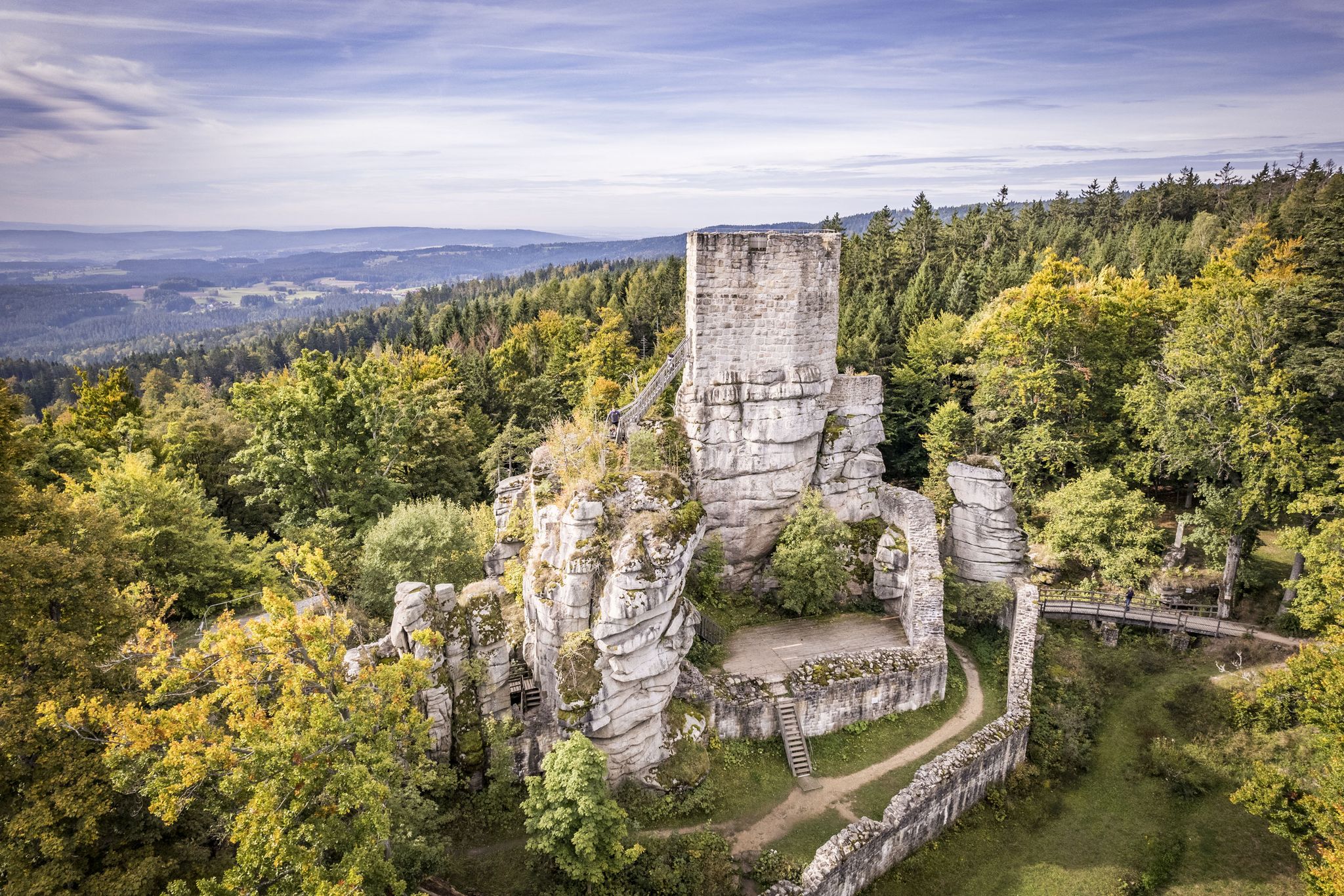
On the 'Kultouren' through the Upper Palatine Forest
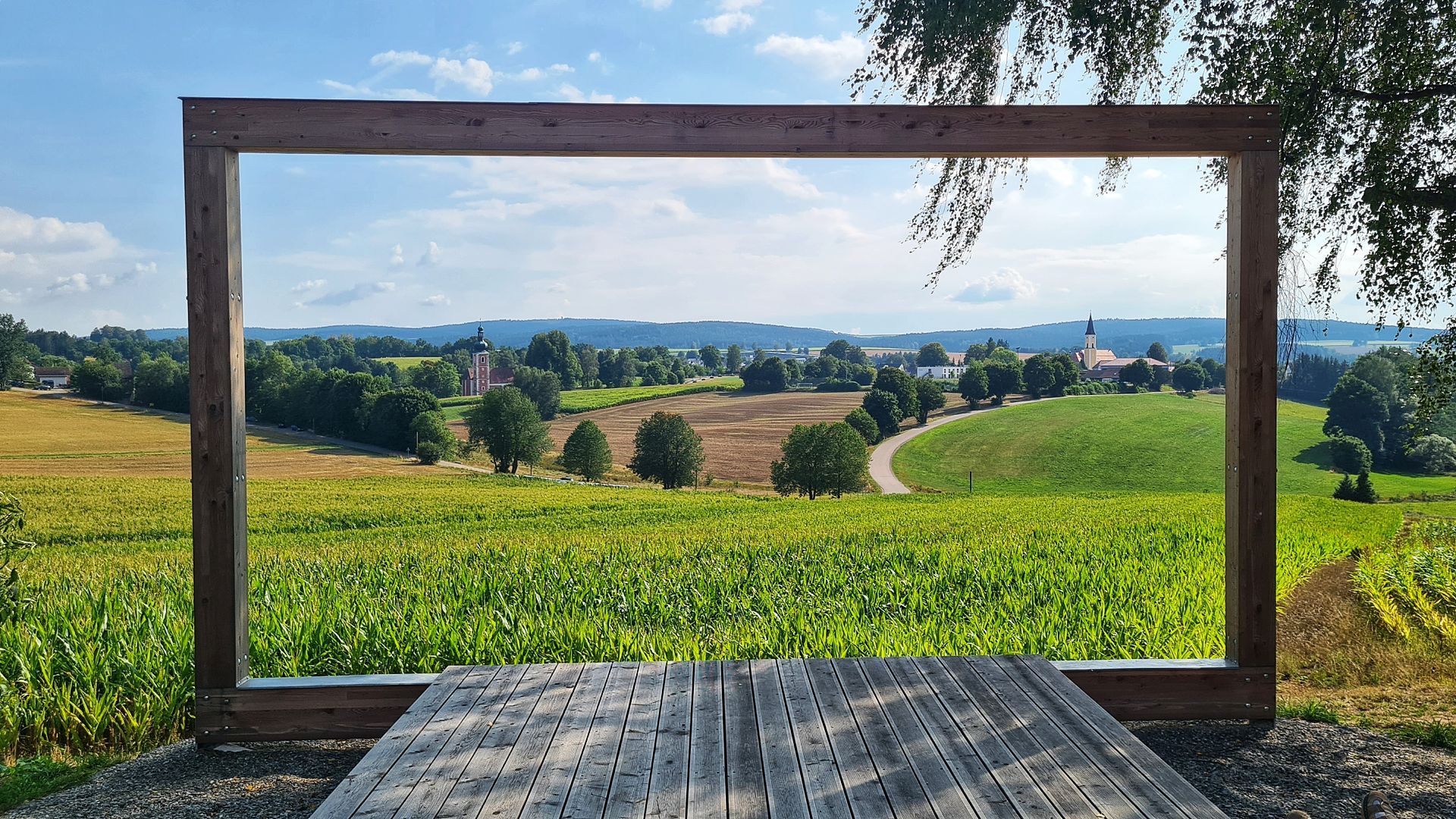
Hike the Glass Cutter Trail through the Upper Palatinate Forest
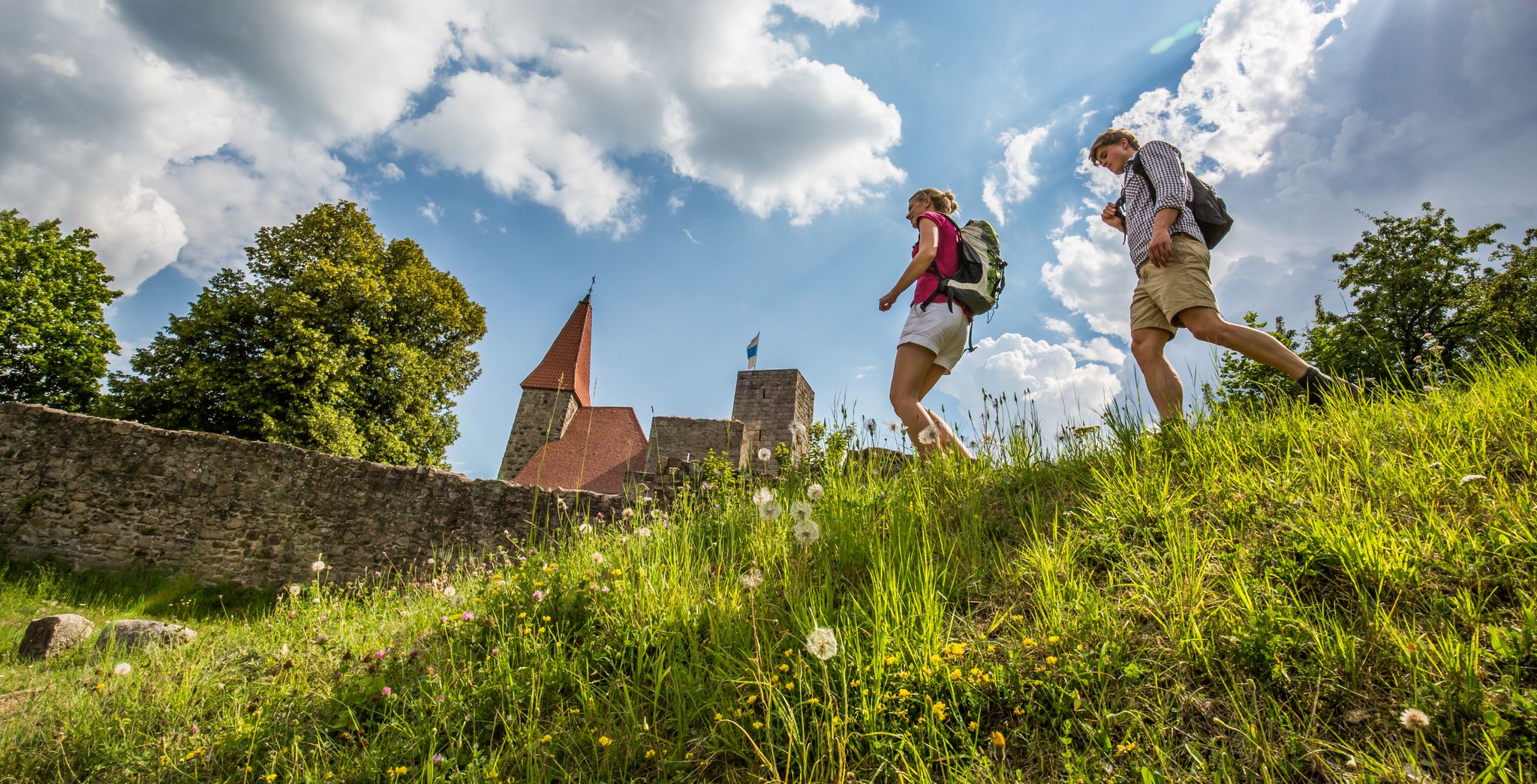
Water, forest and castles — hiking in the Upper Palatinate Forest
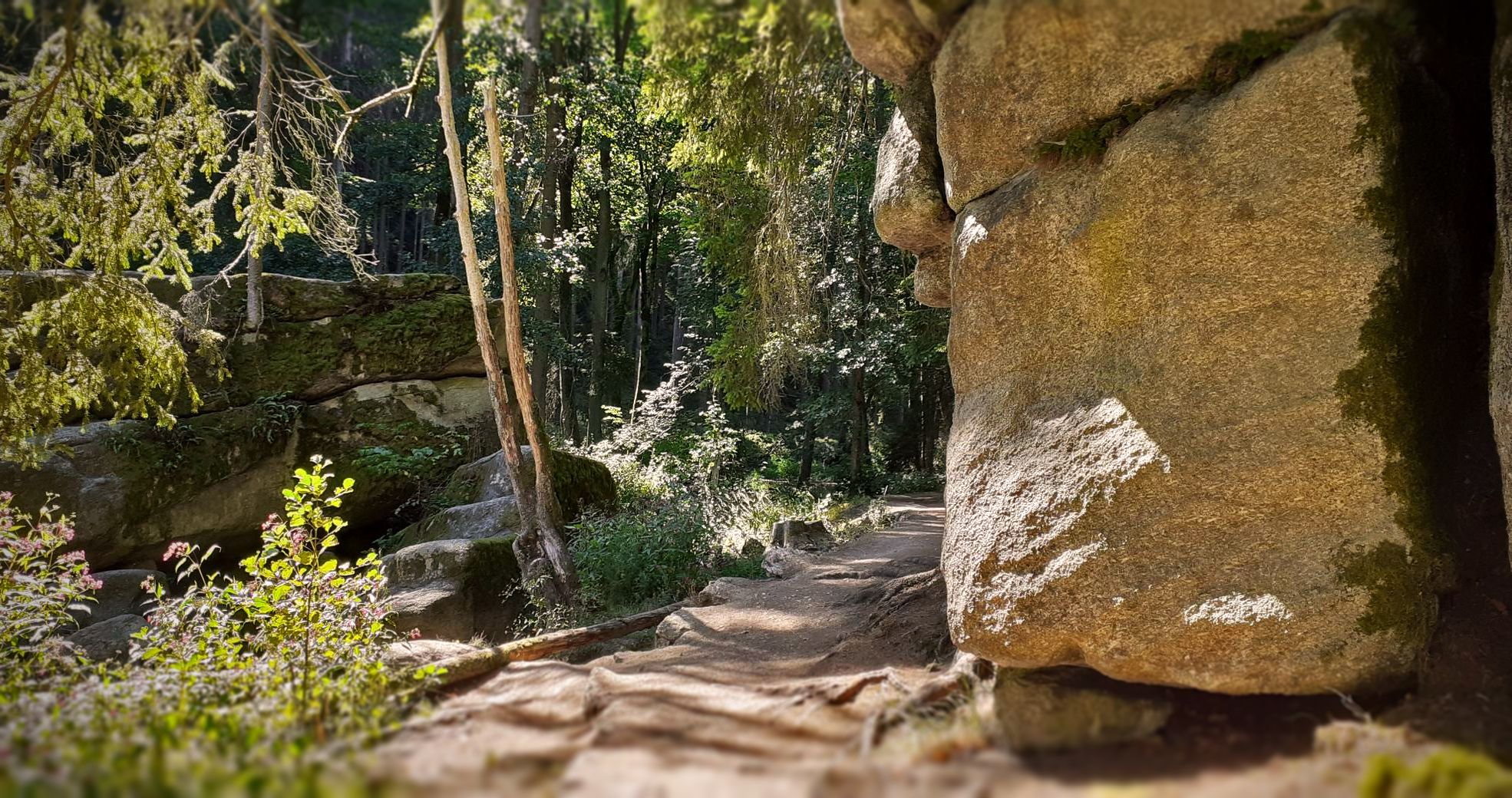
Bikepacking in the Upper Palatinate Forest
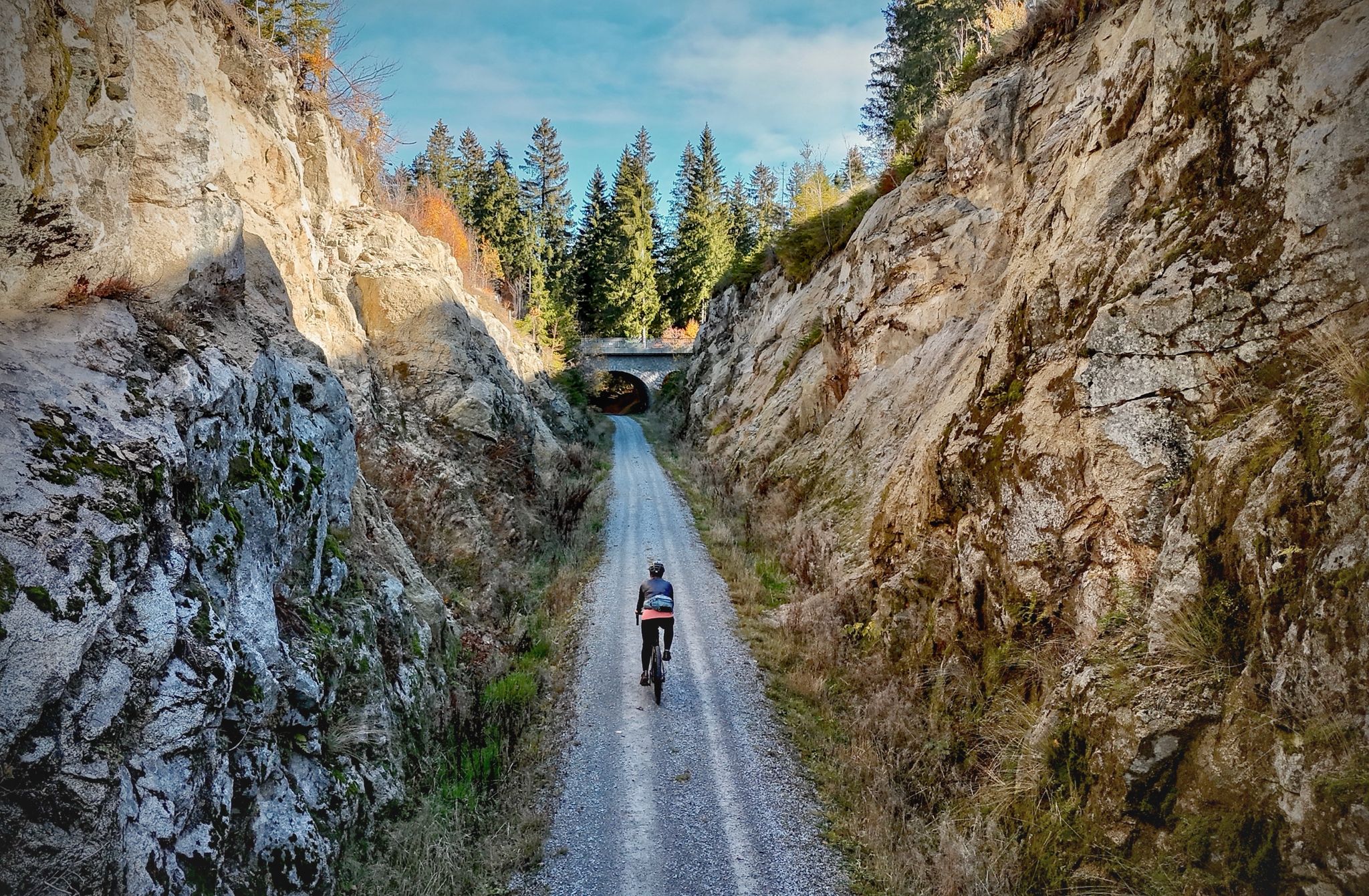
Tracks & gravel – gravel riding on Bavaria's old railway lines
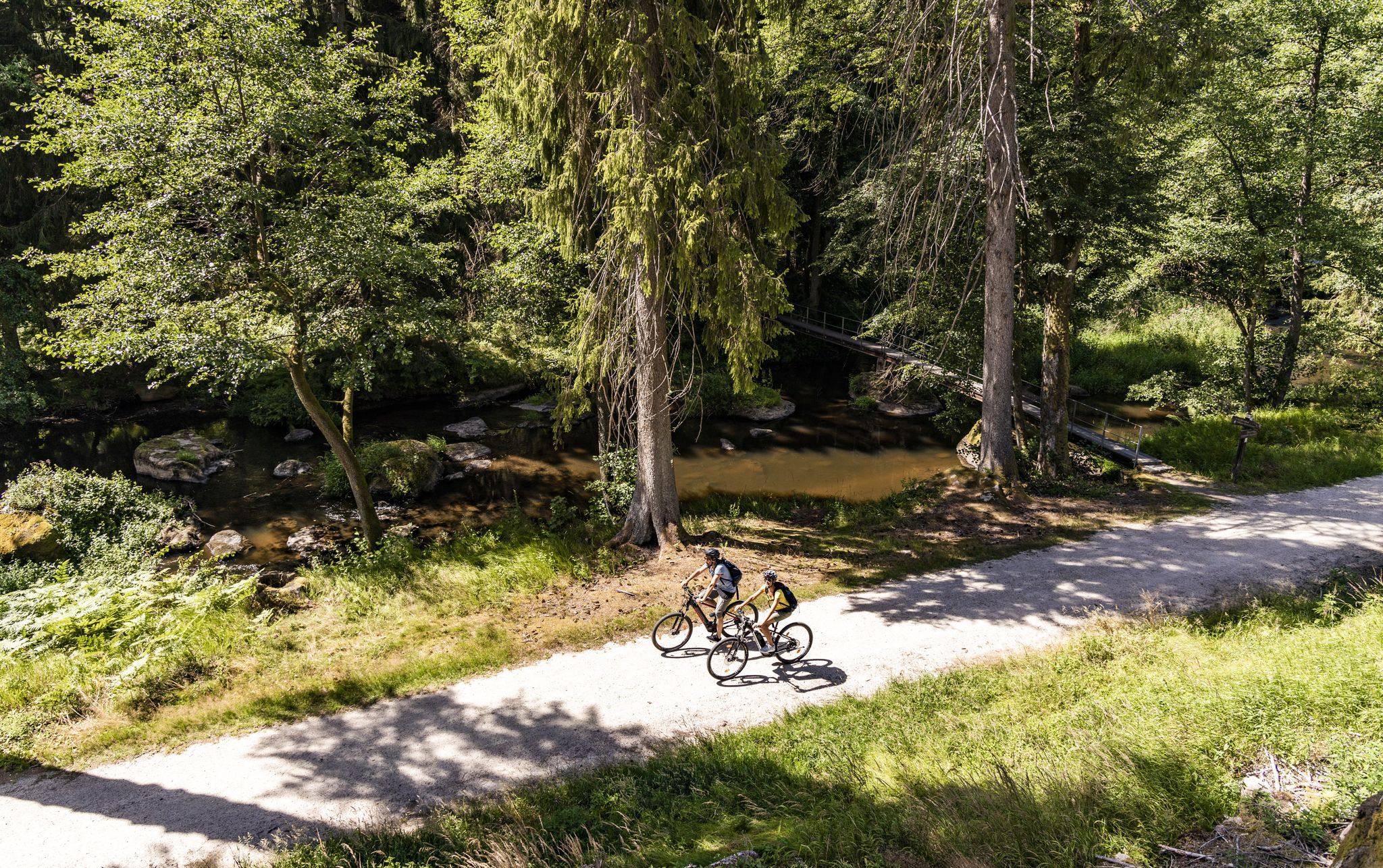
Your cycling adventure in the Upper Palatinate – Oberpfälzer Radl-Welt
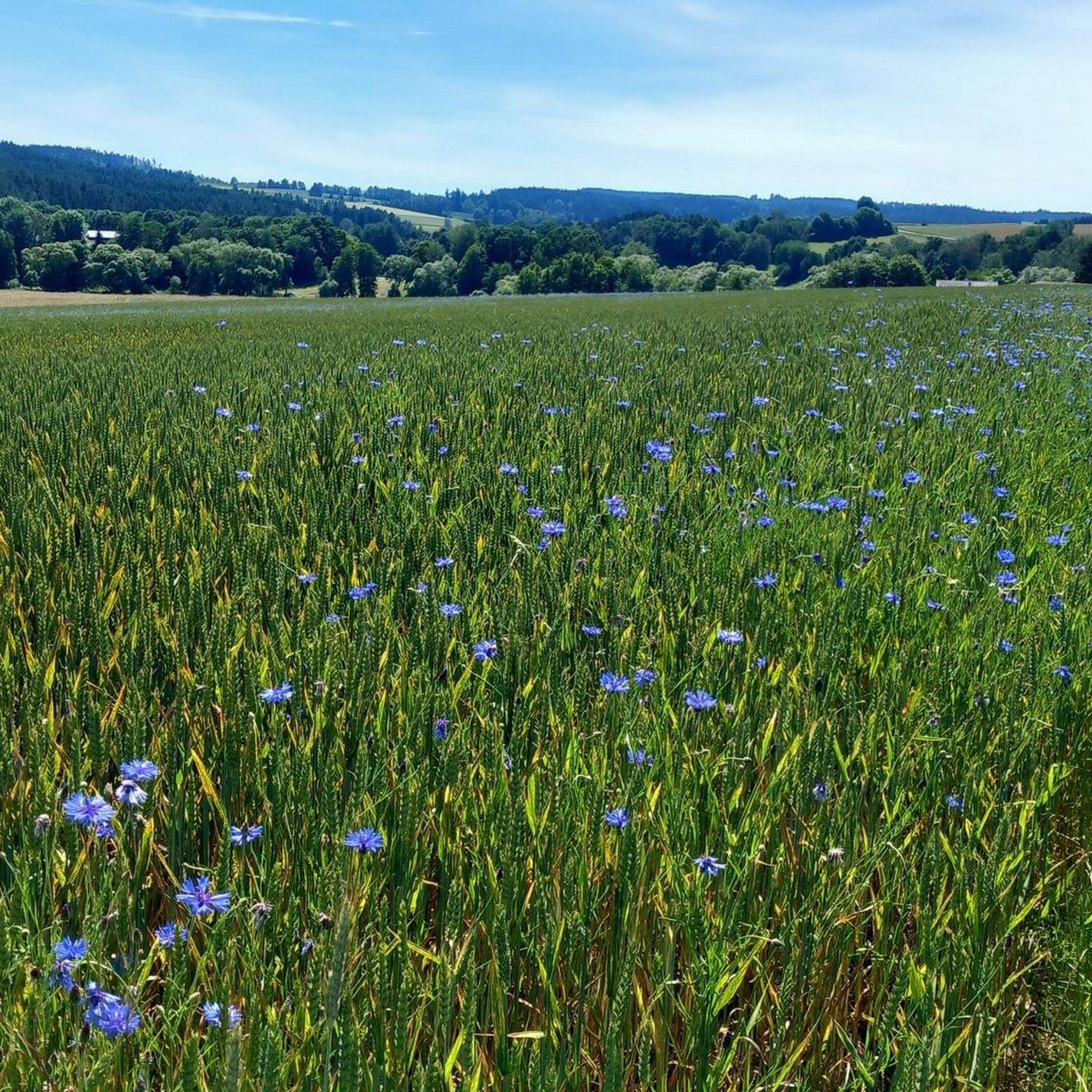
Cycling around Vohenstrauß
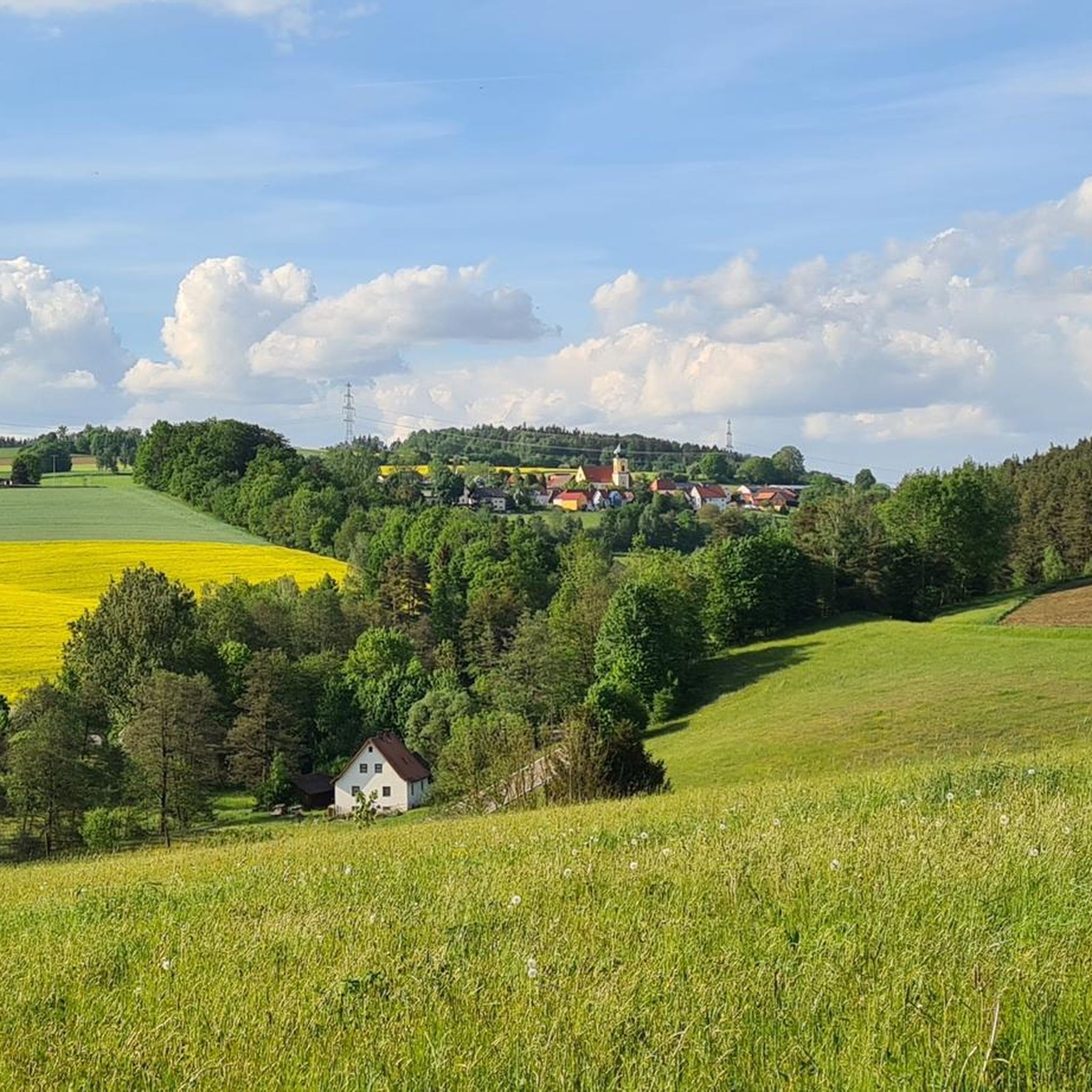
Road Cycling Routes around Vohenstrauß
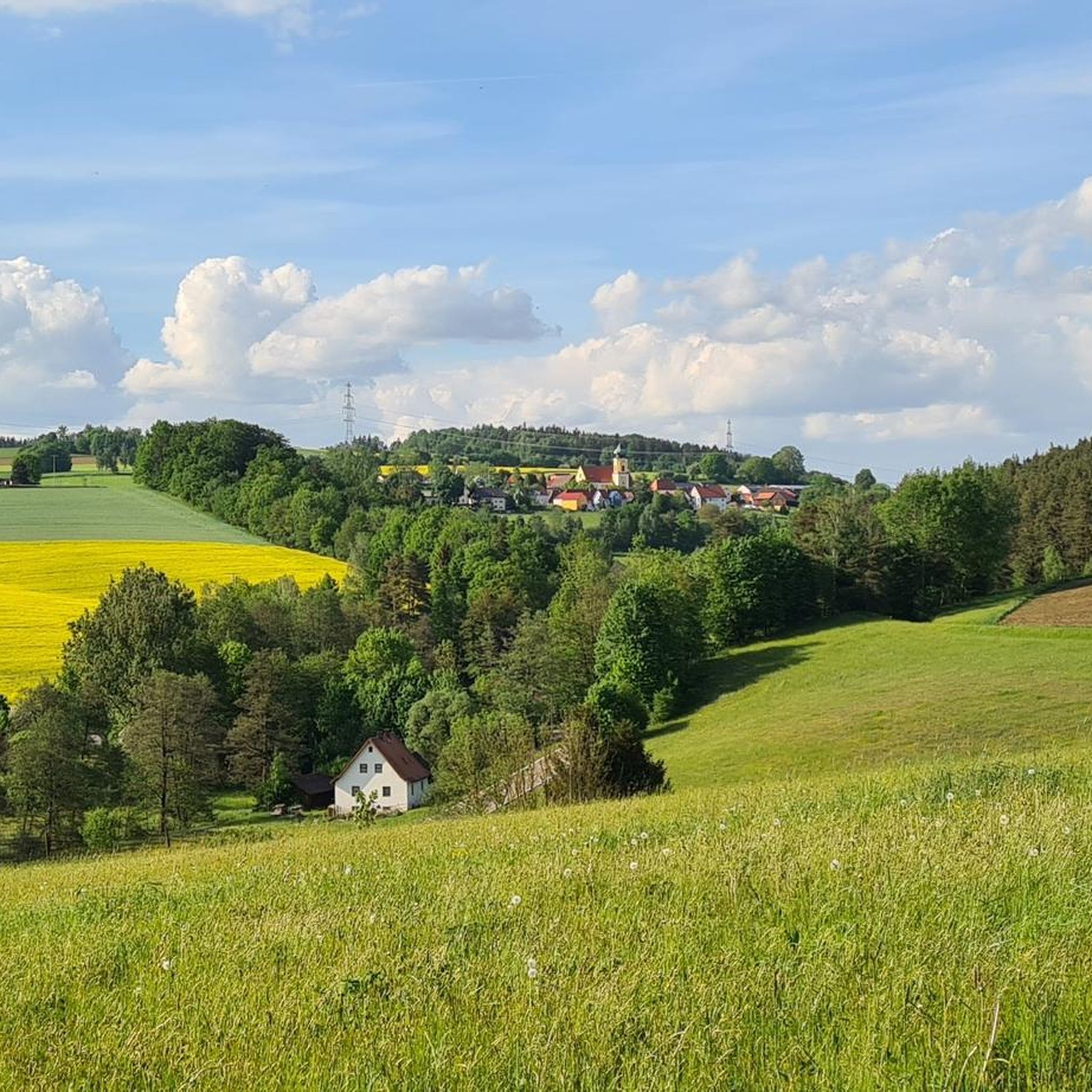
MTB Trails around Vohenstrauß
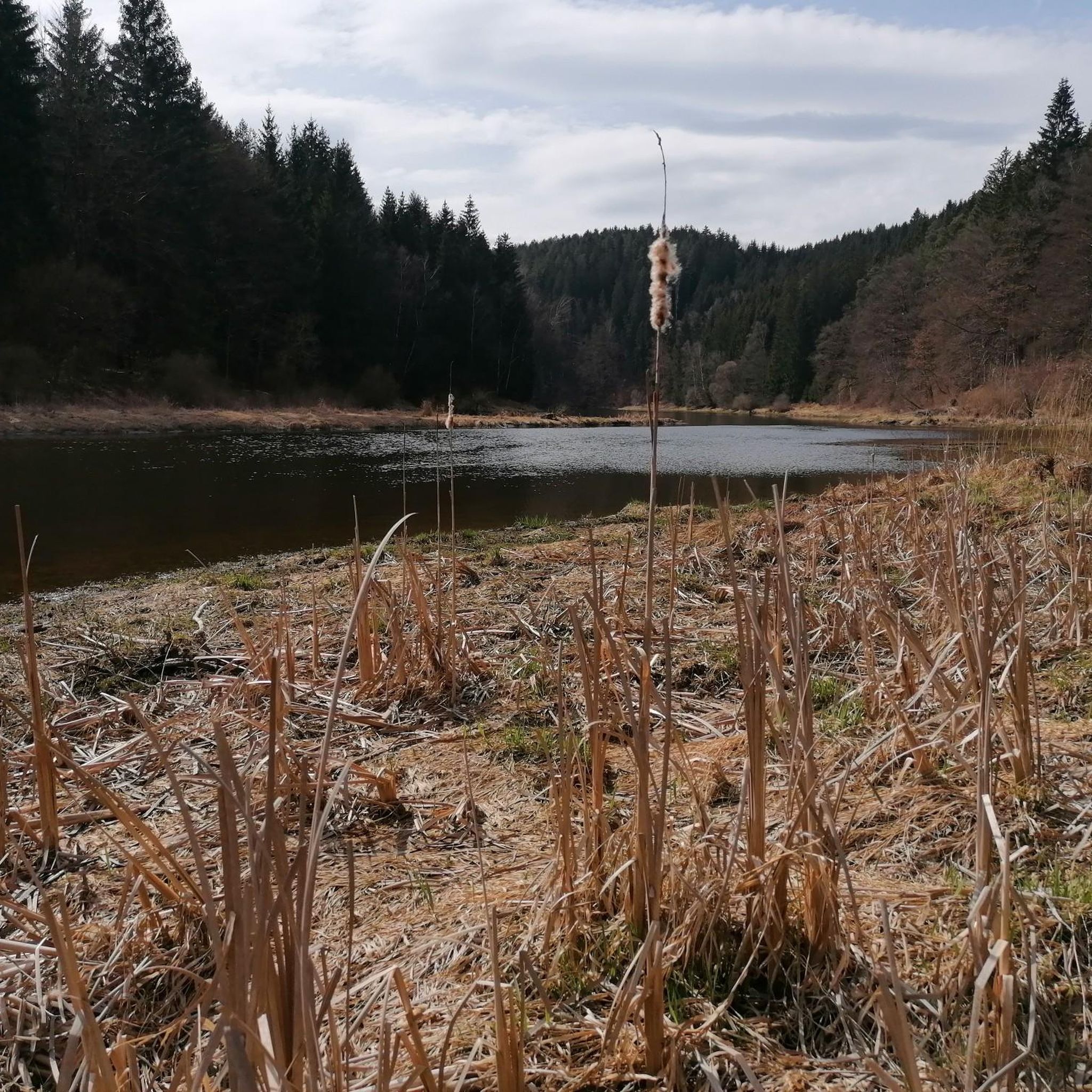
Running Trails around Vohenstrauß
Other adventures around Vohenstrauß


Tips from the Community

Simultaneum Church of St. John the Baptist Altenstadt was one of the original parishes east of the Naab and thus the oldest parish in the area of the municipality of Vohenstrauß. As early as 1124, Bishop Otto of Bamberg consecrated two churches on his first missionary journey to Pomerania: one in Leuchtenberg, the other in “Vohendreze”, today's Altenstadt. It is possible that the oldest parts of the church still date back to the building consecrated by Bishop Otto of Bamberg in 1124. Accordingly, the oldest parts of the existing structure - the south wall up to the tower, the north wall up to the chancel, as well as parts of the tower - are still Romanesque. At the beginning of the 17th century, the church had become dilapidated; in 1612, the west gable was demolished and rebuilt from scratch in 1613. Since that time, the exterior of the church has hardly changed. In the 18th century, the interior of the church was carefully refurnished in the style of the taste of that time. Because the Protestant pastor Caselmann refused to subsidize the high altar for reasons of thrift, the altar structure passed to the Catholics. Accordingly, the iconographic program is “Catholic”: Saints Sebastian and John the Baptist kneel before the Holy Trinity (according to Protestant interpretation, before Mary). Below this, St. Anne is depicted in a glass case. The left side altar shows a replica of the famous Mariahilf image by Lucas Cranach. The right side altar is dedicated to St. Wendelin. The most significant work of art in the church is the magnificent wooden epitaph on the south wall of the nave, which the Altenstadt landowner Stephan Schwab had installed in 1662 in memory of his family. The central part shows the stoning of St. Stephen, and above it in the gable is a medallion image of God the Father. In the lower part of the epitaph, the donor had himself depicted with his two wives, Sibille, née Hopfner, and Salome, widowed Zepf, and their children. The interior of the church is characterized by numerous grave monuments and epitaphs that were previously located in the floor of the nave and were moved to the north wall of the nave in 1897 and 1990 respectively. The wall paintings, which were probably plastered over as early as the 16th century, were largely uncovered in the area of the north choir wall in 1962 and partially uncovered on the south choir wall and the east and north walls of the nave between 1989 and 1996. Source: Excerpts from www.pfarreiengemeinschaft-vohenstrauss.de/kirche/kirchenf%C3%BChrer/kirche-altenstadt-voh/
4
0
Schloß Friedrichsburg Friedrichsburg was built between 1586 and 1593. The construction was carried out by the master builder Leonhardt Greineisen from Burglengenfeld and the Weiden master mason Hanss Reicholt; after his death in 1589, the Italian master mason Hans Meria completed the work. Originally, Count Palatine Friedrich wanted to expand his residence in Weiden in a representative manner; after this failed, the decision fell on Vohenstrauß. In 1593, Count Palatine Friedrich moved with his wife Katharina-Sophia from Weiden to Vohenstrauß to reside in Friedrichsburg. After Friedrich died on December 17, 1597, the castle served as a widow's seat for the Countess Palatine until her death on May 10, 1608. The sovereign rights passed to Palatinate-Neuburg. In the following period, Friedrichsburg was used as a residence for the administrators of Floß and Vohenstrauß. The first renovation of the castle took place in the years 1659 and 1661. When it was built, Schloß Friedrichsburg was located in the south of Vohenstrauß and outside the city walls. The castle is a three-story, rectangular box-like building with a high and steep gable roof, built in the style of the German Renaissance. At the four corners, it has four round towers with pointed helmets that rise in tiers. In the middle of the north-facing main front is a fifth, also round, main entrance tower that is one story higher. On the south facade stands a sixth round tower, which was added in 1903. The east and west sides are equipped with wavy gables, and belt courses made of granite mark the individual floors. Around 1600, there was a rectangular wall with loopholes around the castle. The castle is 40.84 meters long, 18.57 meters wide, and has a net floor area of 2225 square meters. Various offices used the castle in the 19th century. For example, in 1809, the district court from Burgtreswitz was moved into the castle, and from 1842, the tax office was also housed in the castle. In 1862, the district office followed, later the surveying office, and until 1972, the castle served as the district administration office for the Vohenstrauß district. On May 24, 1989, renovation work began on the castle, and by 2001, Friedrichsburg had been completely renovated on the outside. Today, the castle serves, among other things, as a venue for exhibitions, concerts, and theater as part of the Burgfestspiele Leuchtenberg. Source: Excerpts from www.wikipedia.de
4
0


Highly recommended, a visit is worth it
0
0
Beautiful location at the hydroelectric power plant, whose buildings were taken over by the Franken (fishing club Noris). 🫣😂
2
0

I always prefer to drive directly through the Furth
0
0
You can also just drive through the Lerau here ;-)
0
1

It's a shame there's nothing to see. The information in the entrance area states "visits not possible" and advises you to contact the tourist information office, but there's no information about where it's located.
2
0
Frequently Asked Questions
How many hiking trails are available around Vohenstrauß?
Vohenstrauß offers a wide variety of hiking opportunities, with over 330 routes available. These range from easy strolls to more challenging treks, catering to different preferences and fitness levels.
What is the best time of year for hiking in Vohenstrauß?
The best seasons for hiking in Vohenstrauß are spring and autumn. In spring, nature is in full bloom, offering vibrant scenery. Autumn provides a picturesque backdrop with colorful foliage, making it an ideal time to explore the region's trails.
What do other hikers say about the trails in Vohenstrauß?
The hiking trails around Vohenstrauß are highly regarded by the komoot community, with an average rating of 4.7 stars from over 500 reviews. Hikers often praise the diverse landscapes, well-marked paths, and the unspoiled beauty of the Upper Palatinate Forest.
Are there easy hiking trails suitable for beginners in Vohenstrauß?
Yes, Vohenstrauß offers a significant number of easy hiking trails, with over 210 routes classified as easy. These paths are perfect for beginners or those looking for a relaxed walk through the scenic landscapes. An example of a moderate trail that can be enjoyed by many is the Small bridge over the Pfreimd River – Old Linglmühle loop from Böhmischbruck.
Are there more challenging hikes for experienced trekkers in the region?
For experienced trekkers seeking a challenge, Vohenstrauß also offers more demanding routes. There are 6 difficult trails available, such as the Pfalzgraf-Friedrich Trail around Vohenstrauß, which traverses varied landscapes and requires a good level of fitness.
What kind of landscapes can I expect to see while hiking around Vohenstrauß?
Hiking around Vohenstrauß offers diverse landscapes, from rolling hills and green forests of the Upper Palatinate Forest to picturesque river valleys like the Pfreimdtal and Lerautal. You'll encounter a mix of open areas, dense woodlands, and unique geological formations.
Are there any circular hiking routes around Vohenstrauß?
Yes, many of the trails around Vohenstrauß are designed as circular routes, allowing you to start and end at the same point. For example, the View of the Wolfslohklamm – The Devil's Churn loop from Roggenstein is a moderate circular hike that takes you through varied terrain.
What natural features or landmarks can I explore on a hike?
The region boasts several notable natural features and landmarks. You can visit the unique Havran Observation Tower for panoramic views, explore the impressive rock formations at Kösseinefelsen, or discover the ancient granite boulders of the Doost Nature Reserve along the Girnitz stream. The 'Bread Rock' is another distinctive geological highlight.
Are there any historical sites or cultural attractions along the trails?
Yes, for those interested in history, sections of the renowned Goldsteig trail pass through the region, leading to sites like Leuchtenberg Castle. You can also explore the Castle Ruins Trail in Trausnitz, which allows hikers to discover the remains of old castles and palaces. The Pilgrimage Church of the Visitation of Mary (Mariä Heimsuchung), Fahrenberg is another significant cultural landmark.
Are there any less crowded or hidden gem trails in the area?
For a more serene hiking experience away from the crowds, the Wild Lerautal (Lerau Valley) is highly recommended. It features beautiful forest paths and offers a tranquil alternative to more frequented areas, allowing for a peaceful immersion in nature.
Is public transport available to reach trailheads in Vohenstrauß?
While Vohenstrauß is well-suited for car access, public transport options to specific trailheads can be limited. It's advisable to check local bus schedules or consider driving to the starting points of your chosen hikes, as many routes begin from easily accessible parking areas.
Where can I find parking for hiking trails in Vohenstrauß?
Parking is generally available at or near the starting points of many popular hiking trails around Vohenstrauß. Specific parking information is often provided on individual route descriptions on komoot, making it easier to plan your trip.
Most popular routes around Vohenstrauß
Most popular attractions around Vohenstrauß

Get inspired with the komoot mobile app


Explore more
Browse the best Hikes in other regions.
