The best road cycling routes around Volketswil
4.5
(1473)
31,718
riders
345
rides
Road cycling around Volketswil offers a diverse landscape characterized by rolling hills, scenic lakes, and well-developed cycling infrastructure within the canton of Zurich, Switzerland. The region features a mix of predominantly flat paths around bodies of water like Greifensee and Pfäffikersee, alongside routes with significant elevation gain. These varied terrains provide options for different fitness levels, from easy lakeside loops to more challenging ascents.
Best road cycling routes around Volketswil
- The most popular road cycling route is Extended Greifensee-Lützelsee loop…
Last updated: July 22, 2026
4.5
(40)
390
riders
43.7km
01:47
260m
260m
Easy road ride. Great for any fitness level. Mostly well-paved surfaces and easy to ride.
4.6
(17)
340
riders
47.2km
02:02
410m
410m
Moderate road ride. Good fitness required. Some segments of this route may be unpaved and difficult to ride.

Sign up for free
4.6
(77)
1,681
riders
28.6km
01:09
150m
150m
Easy road ride. Great for any fitness level. Mostly well-paved surfaces and easy to ride.
5.0
(1)
53
riders
83.6km
04:13
1,380m
1,380m
Hard road ride. Very good fitness required. Mostly well-paved surfaces and easy to ride.
4.5
(4)
102
riders
Easy road ride. Great for any fitness level. Mostly well-paved surfaces and easy to ride.
Get access to more routes and recommendations from other explorers.
Sign up for free
Already have an account?
Our route recommendations are based on thousands of hikes, rides, and runs completed by other people on komoot.
Start today with a free account
Your next adventure awaits.
Login or Signup
Tips from the Community

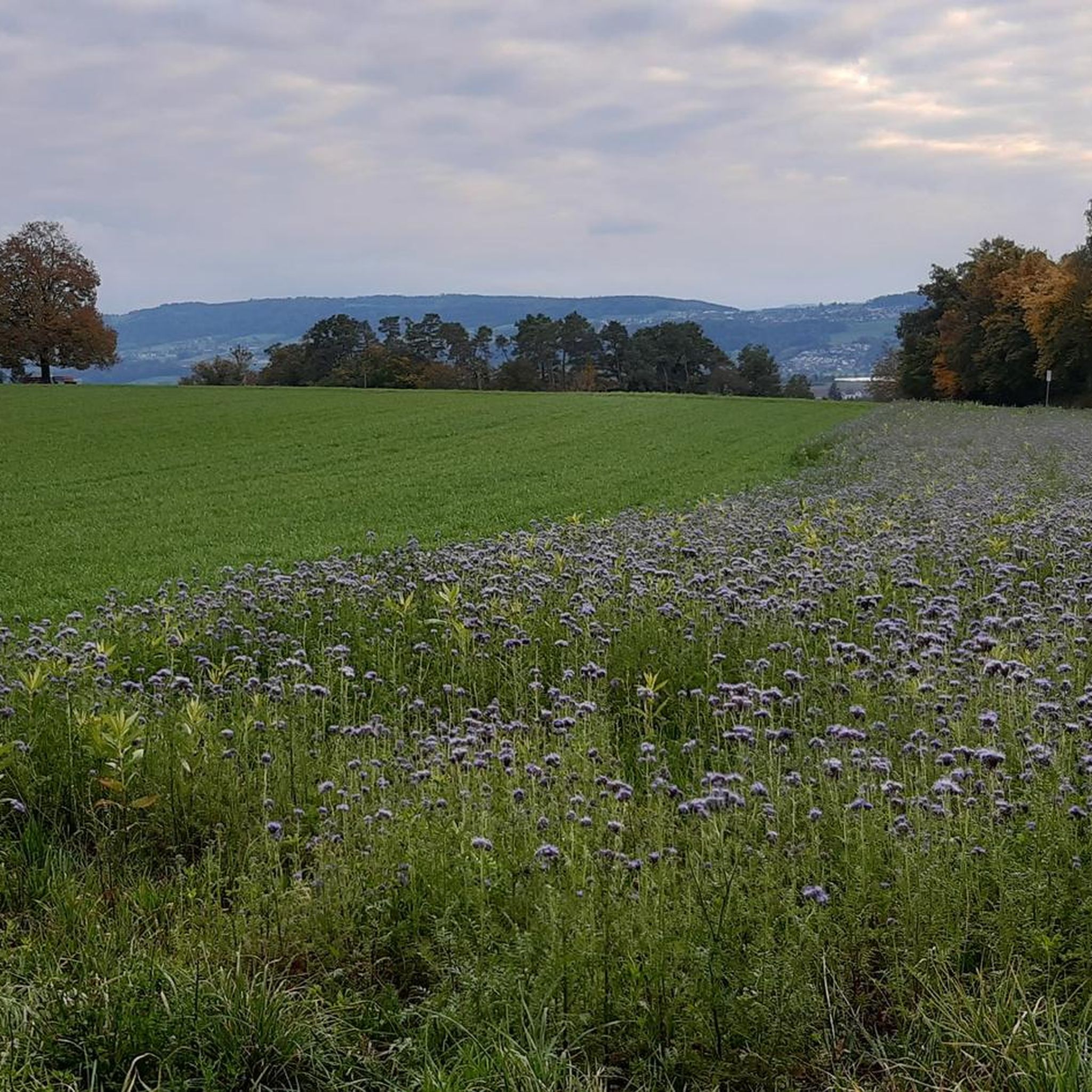
Incredibly beautiful landscape unbelievably beautiful
0
0
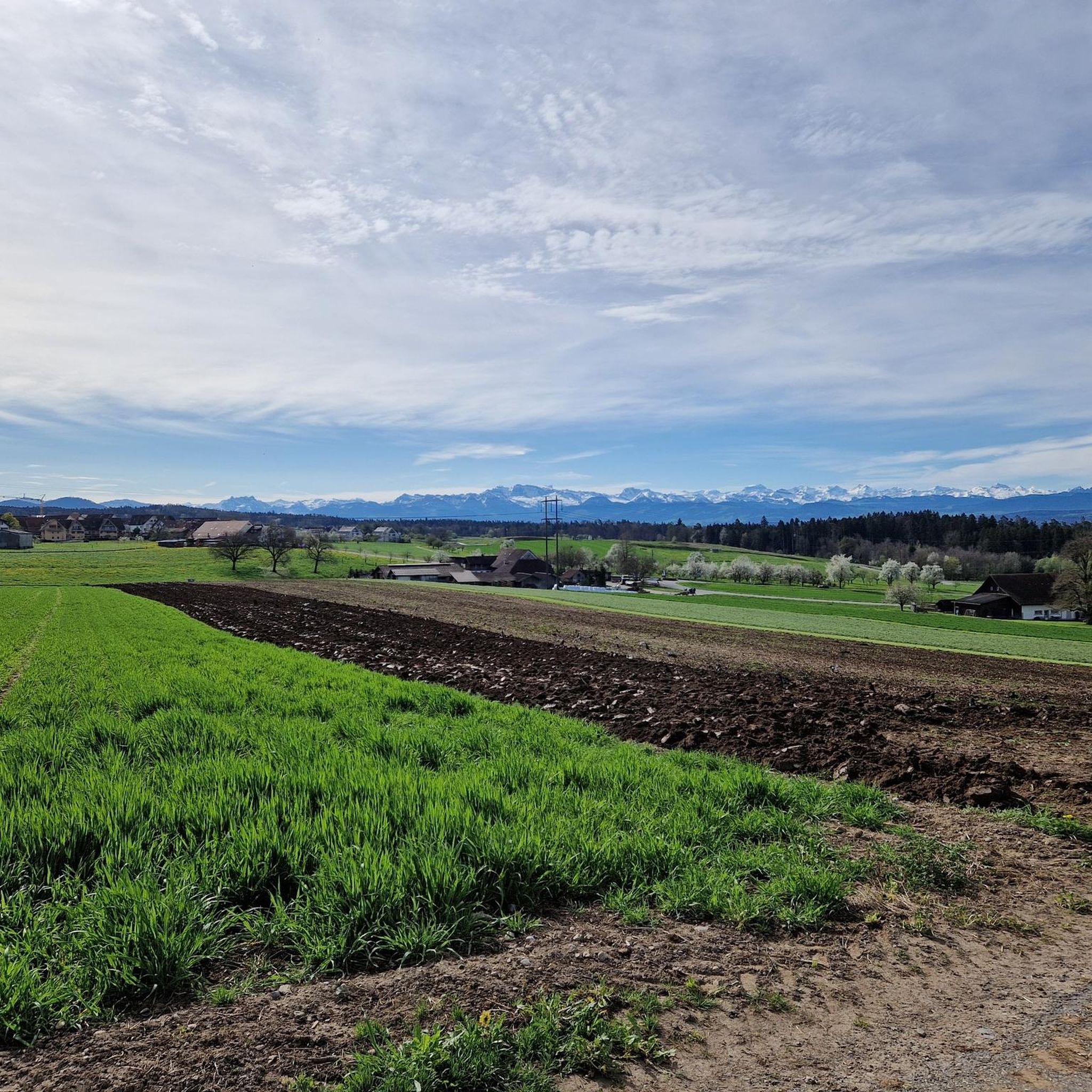
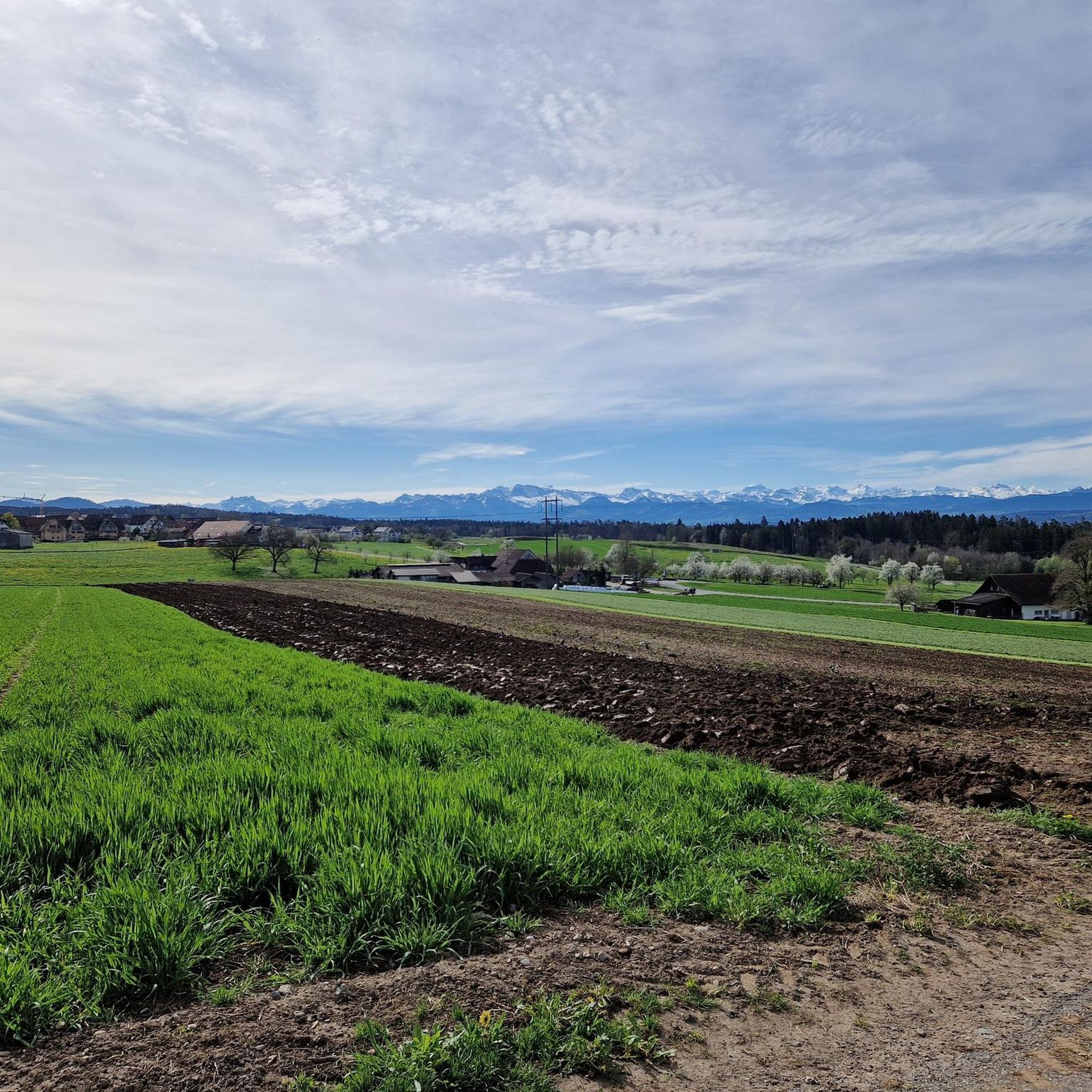
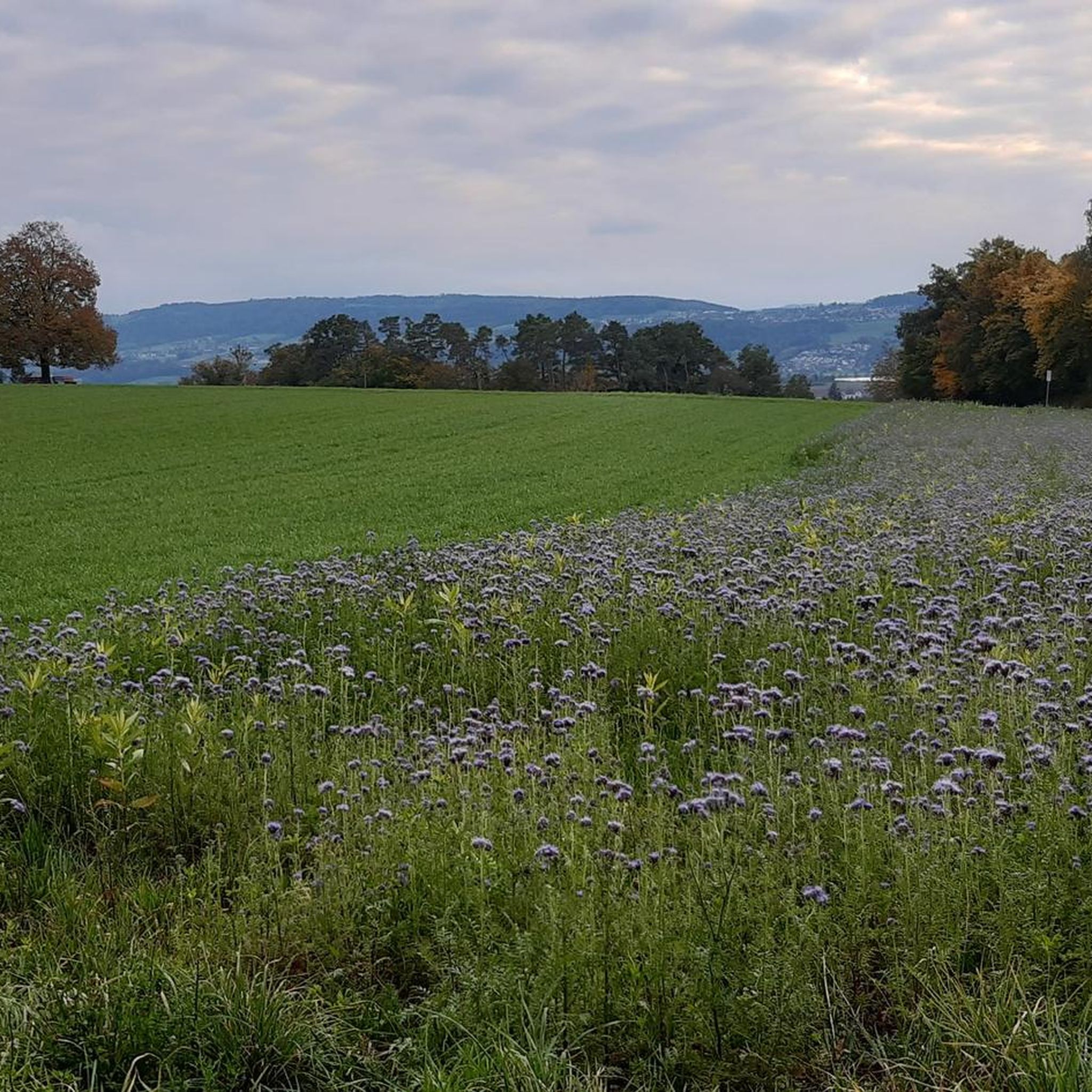
Wonderfully beautiful view towards the mountains
0
0

A popular, easily accessible lake that can also be easily circumnavigated.
0
0
The Greifensee is a great round trip no matter which direction
0
0

This is one of my favourite spots. You have a breathtaking view from here over rolling hills.
0
0
Frequently Asked Questions
How many road cycling routes are available around Volketswil?
There are over 350 road cycling routes available around Volketswil, offering a wide range of options for different skill levels and preferences. Approximately 46 of these are considered easy, 208 moderate, and 97 difficult.
Are there easy road cycling routes suitable for beginners or families in Volketswil?
Yes, Volketswil offers several easy road cycling routes perfect for beginners or families. The region features predominantly flat and accessible paths, especially around the lakes. A great option is the Lake Greifensee – Cycle path above Lake Greifensee loop from Hoppereriet, which is an easy 28.6 km ride.
What are some challenging road cycling routes with significant elevation gain near Volketswil?
For experienced riders seeking a challenge, Volketswil has routes with notable elevation gain. The Sternenberg Viewpoint – Ascent to Sternenberg loop from Schwerzenbach is a demanding 83.3 km trail with over 1,300 meters of climbing. Another option is the Tösstal loop, a moderate 47.2 km path that includes over 400 meters of ascent through the Töss Valley.
What kind of scenic views or natural attractions can I expect along road cycling routes in Volketswil?
Road cycling routes around Volketswil offer picturesque landscapes, including scenic lakes and natural gorges. You can enjoy expansive views of Lake Zurich and the distant Alps from various points. Highlights include the beautiful Lake Greifensee and Pfäffikersee Circular Trail. The Kemptnertobel gorge is also a popular spot, featuring the Bäntal Waterfall and Metal Staircase.
Are there circular road cycling routes available in the Volketswil area?
Yes, many road cycling routes around Volketswil are designed as circular loops, allowing you to start and end at the same point. Popular options include the Extended Greifensee-Lützelsee loop and the Old Town Fountain, Pfäffikon – View of the Hinwil Countryside loop from Schwerzenbach.
What is the best time of year for road cycling in Volketswil?
The spring and summer months, particularly April and July, are ideal for road cycling around Volketswil. During this period, the weather is generally favorable, and the natural scenery is at its most vibrant, making for enjoyable rides around the lakes and through the rolling hills.
What do other road cyclists enjoy most about road cycling in Volketswil?
The road cycling routes in Volketswil are highly rated by the komoot community, with an average score of 4.5 stars from over 1,200 reviews. Cyclists often praise the diverse landscape, which includes scenic lakes and rolling hills, as well as the well-developed cycling infrastructure that caters to various ability levels.
Are there any long-distance road cycling routes originating from Volketswil?
Yes, for those looking for longer rides, Volketswil serves as a starting point for several extended routes. The Sternenberg Viewpoint – Ascent to Sternenberg loop from Schwerzenbach, at 83.3 km, is a significant long-distance option that takes approximately 4 hours to complete.
Can I access road cycling routes in Volketswil using public transport?
Volketswil is well-connected within the canton of Zurich's public transport network. Many routes are accessible from train stations or bus stops in and around Volketswil, allowing cyclists to reach starting points conveniently without a car. It's advisable to check local transport schedules for specific routes and bike carriage policies.
Are there any specific landmarks or points of interest to look out for on the routes?
Beyond the natural beauty, you can find interesting points of interest. The Stone Elephant in Elefantenbach Gorge and the historical site of Lindenhof are notable. The region also features unique geological formations like Tüfels Chilén.
Are there routes that pass by the Greifensee or Pfäffikersee?
Absolutely. Both Greifensee and Pfäffikersee are central to many cycling activities in the region. Routes like the Extended Greifensee-Lützelsee loop offer scenic sections around these lakes, providing beautiful views and often flat, accessible paths along the water.
Most popular routes around Volketswil
Most popular attractions around Volketswil

Get inspired with the komoot mobile app


Explore more
Browse the best Road cycling routes in other regions.
