Attractions and Places To See around Rødøy - Top 20
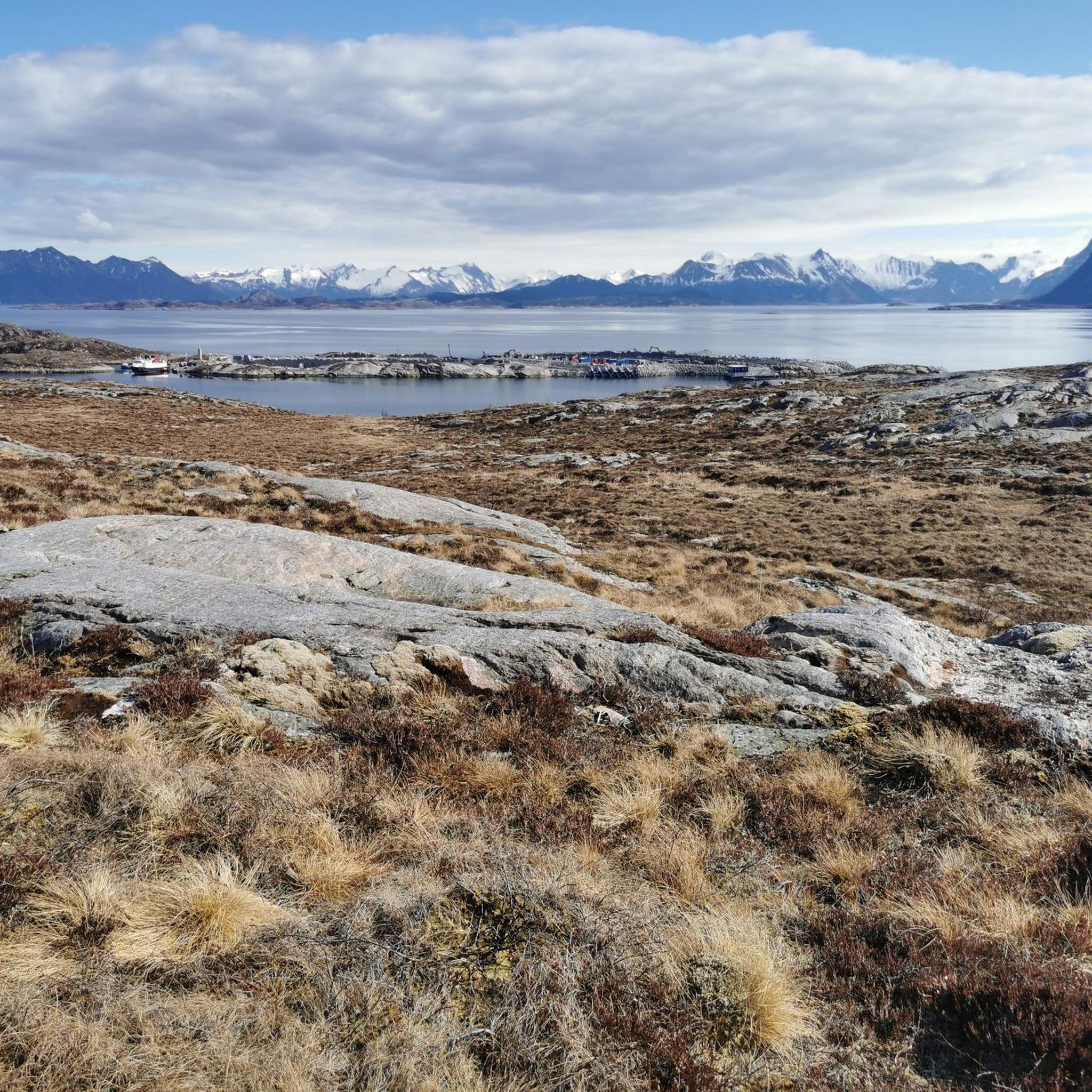
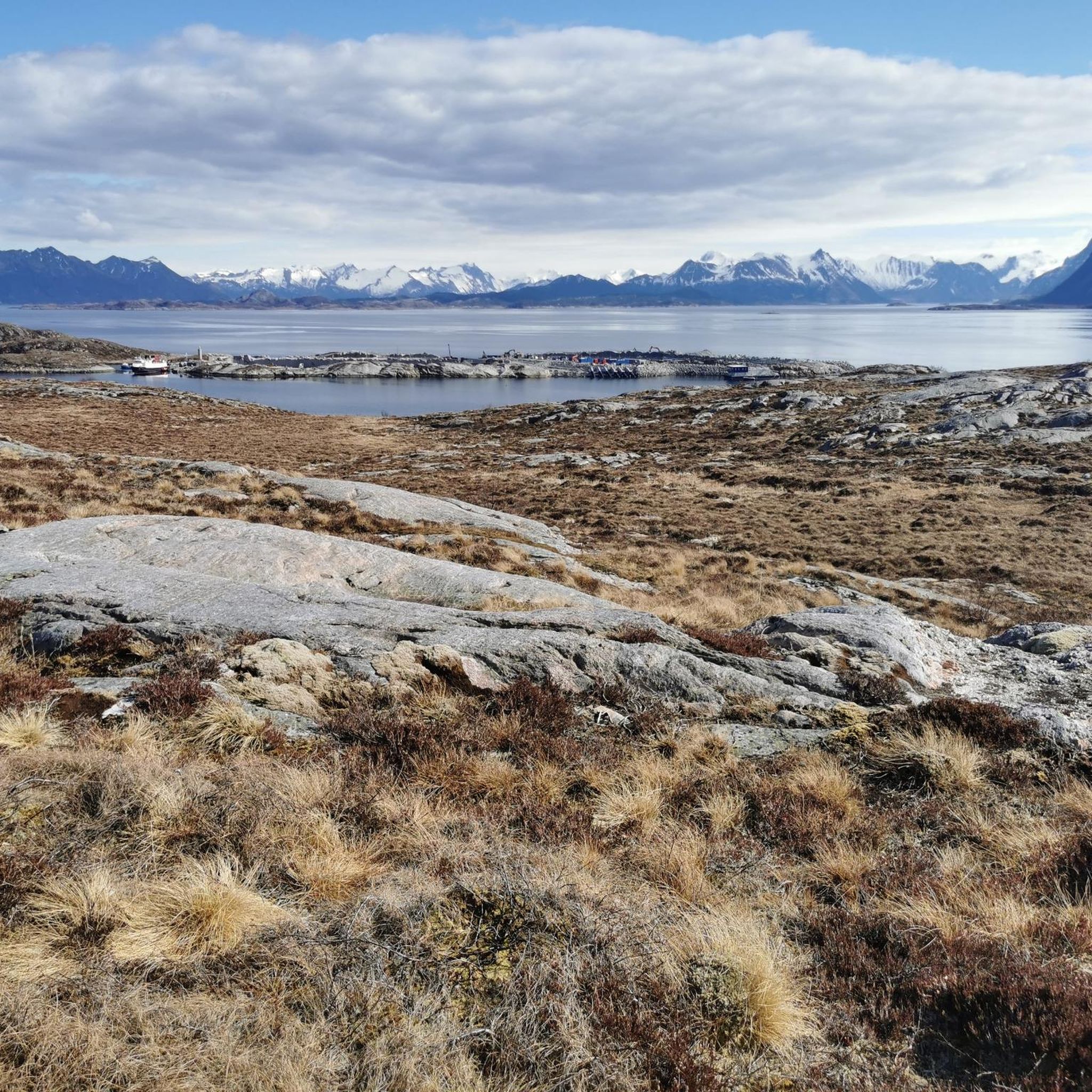
Attractions and places to see around Rødøy include a blend of natural beauty and historical sites along Norway's Helgeland coast. This municipality features a mainland and numerous islands, offering diverse landscapes from distinctive mountains to white sandy beaches. The region is known for its prominent natural landmarks and cultural points of interest.
Best attractions and places to see around Rødøy
- The most popular attractions is Svartisen Glacier, a natural monument that is Norway's second-largest glacier. It is Europe's glacier closest to sea level, located just below the Arctic Circle.
- Another must-see spot is Svartisvatnet Glacial Lake, a lake fed by the meltwater of the Svartisen glacier. This lake is known for its crystal-clear waters.
- Visitors also love Marmorslottet (Marble Castle), a gorge featuring unique marble formations. Visitors are advised to remove shoes on the marble to prevent erosion.
- Rødøy is known for its prominent natural features like glaciers and unique beaches, alongside historical trading posts and cultural sites. The area provides opportunities to explore mountains, islands, and historical buildings.
- The attractions around Rødøy are appreciated by the komoot community, with 140 upvotes and 43 photos shared across its highlights.
Last updated: July 6, 2026
Svartisen Glacier
Highlight • Natural Monument
First we took the Isprins ferry across the Hollandsfjord. From the pier to the “Engabreen” tongue of the second largest Norwegian glacier, Svartisen, it's a relaxed 90 minutes. The panorama is breathtaking throughout. There are a few insurance policies on the mountain itself. Surefootedness and good footwear are essential.
Translated by Google •
Tip by

Marmorslottet (Marble Castle)
Highlight • Gorge
Tip by

Sign up now to discover places like this
Get recommendations on the best single tracks, peaks, & plenty of other exciting outdoor places.
Sign up for free
Crevice Near Svartisen Glacier
Highlight • Gorge
Translated by Google •
Tip by
Dagmar Aaen at Svartisen Glacier
Highlight • Structure
The ship was named Dagmar Aaen after the wife of the first owner, Mouritz Aaen, an entrepreneur from Esbjerg.
The hull was built from six-centimeter oak planks on oak frames. The distance between the individual frames is so small that a fist can hardly fit between them.
The hull was given an exceptional and remarkable strength by additional internal planking and watertight bulkheads. This type of ship was often used in Greenland due to its solid construction.
Translated by Google •
Tip by

Svartisvatnet Glacial Lake
Highlight • Lake
Translated by Google •
Tip by
Sign up for free to discover even more attractions around Rødøy.
Sign up for free
Already have an account?
Start today with a free account
Your next adventure awaits.
Login or Signup
Popular around Rødøy
Tips from the Community

For the last meter to the Marmorslottet/glacial river you have to crawl through a hole under the rock. Please only walk on the marble barefoot!
0
0

HISTORY: The area around Meløy has been completely or partially covered by glaciers several times. Around 20,000 years ago, the inland ice was at its greatest extent during the last ice age. In contrast, the glacier was completely ice-free 8,000 and 6,000 years ago. It was only as a result of large amounts of precipitation and a colder climate that the glacier began to grow again 2,500 years ago. In 1750, the glacier tongue was around two kilometers closer to the fjord than it is today. This can be attributed to the visible moraine ridge left by the glacier north and west of Engenbrevatn. The Østertal ice split into two glacier arms around 100 years ago. The eastern one reached as far as the Svartisen glacier lake. Over the next 50 years, the glacier retreated considerably and no longer reached the lake. In 1910 the glacier front was only 50 metres from the glacier lake, but by 1945 it was already 1000 metres away. As the glacier retreated, another glacier lake was formed on the western edge of the glacier arm. As the ice continued to retreat, the lake grew larger from year to year.
1
1
The DAGMAR AAEN was built in 1931 in Esbjerg, Denmark, at the N. P. Jensen shipyard as a fishing vessel and was given the registration number E510. The ship was named Dagmar Aaen after the wife of the first owner, Mouritz Aaen, an entrepreneur from Esbjerg. The hull was built from six-centimeter oak planks on oak frames. The distance between the individual frames is so small that a fist can hardly fit between them. The hull was given an exceptional and remarkable strength by additional internal planking and watertight bulkheads. This type of ship was often used in Greenland due to its solid construction.
1
0
The Svartisen ("black ice") is the second largest glacier in Norway at 370 square kilometers and is located in Nordland Fylke, just below the Arctic Circle, in the impressive Saltfjellet-Svartisen National Park northwest of the town of Mo i Rana. It has a total of 60 glacier arms. The Glomtal lies between the two main glaciers, the East (Østertaleis) and the West Ice. The Svartisen extends almost all the way down into the Holandsfjord, making it the glacier closest to sea level in Europe.
2
0

Please take off your shoes on the marble!!
1
0

Good shoes, sure-footed (sometimes very slippery)
0
0

If you are on the coastal path, you should definitely make a detour here. First we took the Isprins ferry across the Hollandsfjord. From the pier to the “Engabreen” tongue of the second largest Norwegian glacier, Svartisen, it's a relaxed 90 minutes. The panorama is breathtaking throughout. There are a few insurance policies on the mountain itself. Surefootedness and good footwear are essential.
4
1
Frequently Asked Questions
What are the prominent natural landmarks to explore in Rødøy?
Rødøy boasts several striking natural landmarks. The most popular is Svartisen Glacier, Norway's second-largest glacier and Europe's closest to sea level. Nearby, you can find the crystal-clear Svartisvatnet Glacial Lake, fed by the glacier's meltwater. Another iconic feature is Rødøyløva (The Rødøy Lion), a distinctive mountain on Rødøya island known for its panoramic views of the archipelago.
Are there any unique geological formations in the Rødøy area?
Yes, Rødøy is home to Marmorslottet (Marble Castle), a gorge featuring unique marble formations. Visitors are advised to remove shoes on the marble itself to prevent erosion. Additionally, Nordnesøy features a beach with unique limestones, sculpted by millennia of wind and weather.
Where can I experience the Arctic Circle in Rødøy?
The municipality of Rødøy is situated just below the Arctic Circle. You can experience the crossing point during the ferry journey between Kilboghamn and Jektvik, where it is marked with a globe, offering a memorable experience.
Does Rødøy offer scenic viewpoints?
Absolutely. The summit of Rødøyløva (The Rødøy Lion) offers one of Helgeland's most scenic hikes, providing panoramic views of thousands of small islands, reefs, and white sandy beaches. The Svartisen Glacier area also provides breathtaking panoramas, especially from the Engabreen tongue.
Are there any notable beaches in Rødøy?
Rødøy is celebrated for its white sandy beaches. Storsanden, located at the base of Rødøyløva, is a popular excursion area known for its long, chalk-white beaches. Nordnesøy also features a unique limestone beach.
What historical sites or cultural attractions can I visit in Rødøy?
You can explore Rødøy's rich history at sites like Rødøy Church, built in 1885, which is one of Nordland's largest churches. The Falch Gamle Handelssted (Falch Old Trading Post) on Tjongsfjord offers insights into Rødøy's past as a trade hub. Another significant historical site is Selsøyvik Gamle Handelssted (Selsøyvik Old Trading Post), dating back to the 1770s, which also offers lodging and a café.
Are there any unique museums in Rødøy?
Yes, Rødøy municipality is home to Norway's only Teddy Bear Museum, offering a unique cultural attraction. You can also visit the Falch Gamle Handelssted, which functions as a museum exhibit.
What hiking opportunities are available around Rødøy?
Rødøy offers extensive networks of marked hiking trails. Popular options include the hike up Rødøyløva, featuring over 1,000 Sherpa steps, and trails around the Svartisen Glacier. For more detailed routes, you can explore the Hiking around Rødøy guide, which includes trails like the Marmorslottet Trail and the Rødøyløva Trail.
Are there cycling routes near Rødøy's attractions?
Yes, there are several cycling routes available. For example, you can find routes like the 'Idyllic peninsula loop from Jektvika' or the 'Furøy Camping – View of the Svartisen Glacier loop from Furøy'. More cycling options are detailed in the Cycling around Rødøy guide.
Are there family-friendly activities or attractions in Rødøy?
Families can enjoy exploring Eventyrskogen ('Adventure Forest') on Rødøya island. The Norway's Only Teddy Bear Museum is also a unique and family-friendly cultural attraction. The white sandy beaches like Storsanden are great for family excursions.
Are there any wheelchair-accessible places or facilities near Rødøy's attractions?
The Fisketjønna Parking Area, which serves as a starting point for the Marble Castle hike, is listed as wheelchair accessible.
Can I find unique accommodation options in Rødøy?
Yes, Rødøy offers unique stays. You can spend a night at the remote Myken Lighthouse, surrounded by the open ocean. Rangsundøya / Helgelandsidyll provides options like glamping tents, apartments, or the 'Eagle Dome' with majestic coastal views. Selsøyvik Gamle Handelssted also offers lodging in a historic setting.
What is the best time of year to visit Rødøy for outdoor activities?
The summer months are ideal for outdoor activities. The midnight sun provides extended daylight, making the panoramic views from Rødøyløva particularly stunning. This period is also excellent for hiking and exploring the archipelago.
What do visitors particularly enjoy about the Svartisen Glacier?
Visitors are consistently impressed by the breathtaking panorama and the unique experience of being at Europe's glacier closest to sea level. The landscape of the hike to the glacier is described as very impressive, with the crystal-clear Svartisvatnet Glacial Lake adding to the scenic beauty.
What should I know before visiting Marmorslottet (Marble Castle)?
When visiting Marmorslottet, it's crucial to remove your shoes on the marble formations to prevent excessive erosion and staining. While good footwear is essential for the approach, going barefoot on the marble itself helps preserve this unique natural wonder.
Most popular routes around Rødøy
Most popular attractions around Rødøy

Get inspired with the komoot mobile app


Explore more
Still not found the Highlight you’re looking for? See guides of the top attractions in other regions:
