Attractions and Places To See around Værøy - Top 20
Best attractions and places to see around Værøy include a captivating blend of rugged natural beauty and cultural heritage. This secluded island in Norway's Lofoten archipelago is known for its dramatic cliffs, panoramic mountain views, and unique historical sites. Visitors can explore a landscape shaped by the sea, offering insights into traditional fishing life and a rich birdwatching experience. The island provides an authentic, off-the-beaten-path destination for outdoor enthusiasts.
Best attractions and places to see around Værøy
- The most popular…
Last updated: August 30, 2026
Stockfish Drying Racks in Å
Highlight • Structure
Translated by Google •
Tip by

Norwegian Fishing Village Museum
Highlight • Historical Site
Translated by Google •
Tip by

Sign up now to discover places like this
Get recommendations on the best single tracks, peaks, & plenty of other exciting outdoor places.
Sign up for free
Å Village and Coastal Views
Highlight • Settlement
Translated by Google •
Tip by
Camper Van Parking at Former Værøy Airstrip
Highlight • Parking
Planning for an airport began in the late 1960s, but unfavorable weather conditions …
Translated by Google •
Tip by

Håheia (Håen) Peak
Highlight • Summit
Tip by

Sign up for free to discover even more attractions around Værøy.
Sign up for free
Already have an account?
Start today with a free account
Your next adventure awaits.
Login or Signup
Popular around Værøy
Tips from the Community

Parking on the former runway costs 23 € for cars and 28 € for camper vans, to be paid by bank transfer
0
0

Norwegian Fishing Village Museum Å. An extensive fishing village museum displaying 150-year-old coastal buildings and their surroundings. With a stockfish museum. Everything is very informative, there's a lot to see, and guided tours are also available. The visit was worthwhile for us, but time was limited.
1
0

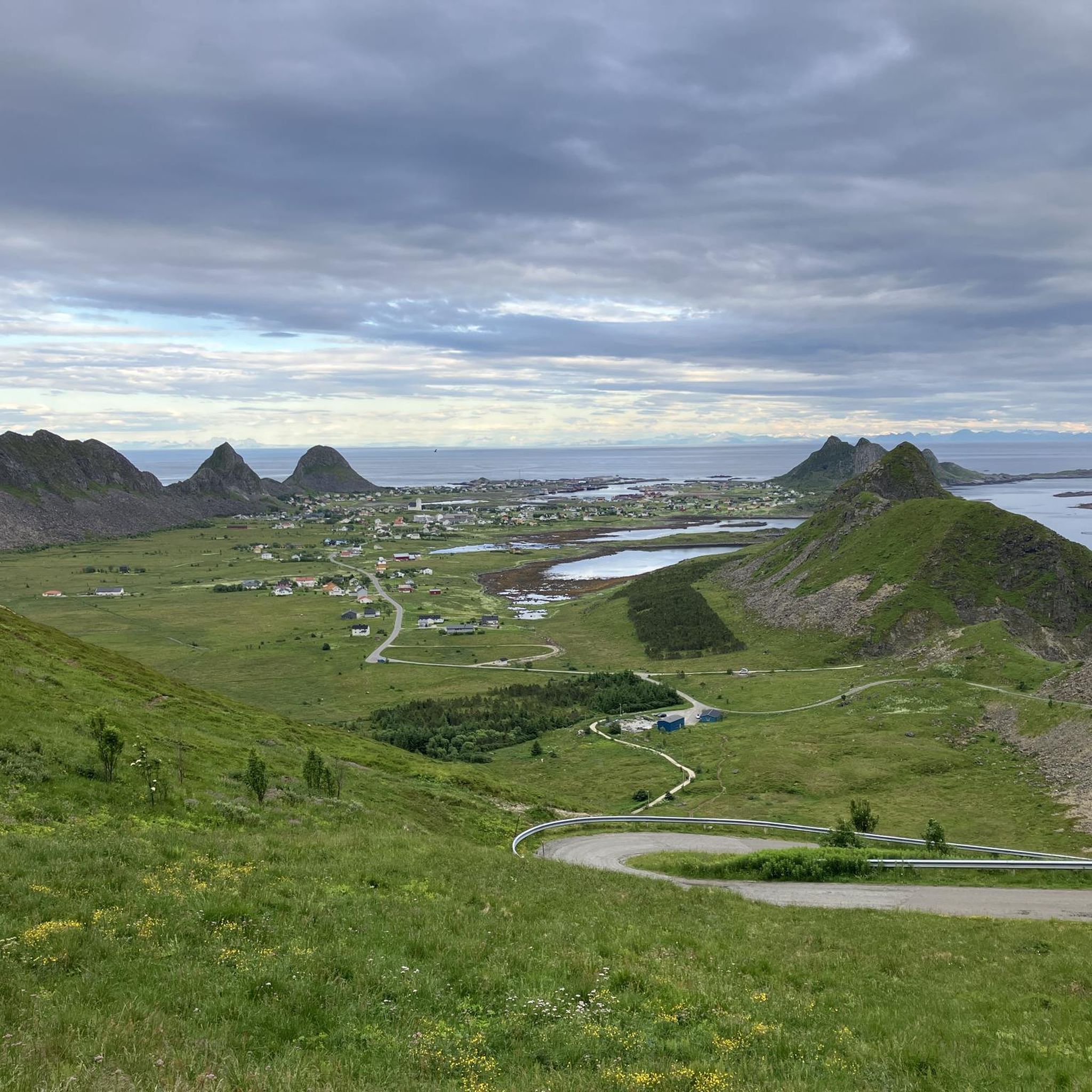
Håheia (or Håen) is the second highest peak on Værøy. It makes for a great objective that's suitable for the whole family. The panoramas on the hike are magical, with great views towards the village of Sørland, the abandoned settlement of Måstad and the peak of Måhornet.
2
1

At 438 m, the Hæen offers a beautiful view of the bay to the abandoned village of Måstad, the azure beach of Puinn Sand and, on the other side of the mountain, to Slettstranda.
2
0

A boathouse, post office, old shop, bakery, fisherman's house, fish oil factory and a blacksmith's shop, many objects, information boards and a few short documentary videos show the history of Norwegian fishing. Tickets cost NOK 120 (=€10) for an adult. Definitely worth it. But even without access to those buildings, a walk through Å is a pleasure for the eyes. So many great photo opportunities.
2
1


When I'm on holiday in Norway, I'm not necessarily drawn to museums, but here in Å the museum is the historic town centre and you get access to the old houses around the harbour. The exhibitions are not highly professional, but very lovingly and authentically designed. Cod liver oil is not only talked about, you can also try it. Just like painting with the typical Norwegian red wall paint, which is also based on fish oil. The bakery has deliciously fresh cinnamon rolls and sometimes there's even a fire in the forge. With a picnic on the tables by the harbour and a view of the nesting seagulls, the museum fits in wonderfully with my holiday in Norway.
4
0
Å is the southernmost place in Lofoten. You can walk further south, but the roads end here. From the parking lot it is only a few meters down to the water and the steep rocks. However, camping is not allowed here and dozens of signs underline this. It's nice to take a short walk along the harbor and then you can move on. From the ferry in Moskenes it's around five kilometers to Å, but it's worth it. There is also a small museum in town about the dried fish that Lofoten is so famous for, and Å will give you a feel for this beautiful island chain.
2
0
Frequently Asked Questions
What are the best hiking trails for scenic views in Værøy?
Værøy offers several trails with breathtaking views. For panoramic 360-degree vistas of the Vestfjord and surrounding mountains, consider hiking Håheia. Another rewarding option is Hornet, which provides incredible views over Sørland village and the open sea, especially at sunset. For the island's highest point and expansive views of the Norwegian Sea, challenge yourself with a hike up Nordlandsnupen.
Are there challenging hiking routes for experienced trekkers on Værøy?
Yes, Værøy has several demanding routes. The hike to Nordlandsnupen, the island's highest peak at 450 meters, offers a challenging ascent with rewarding views. The Norland to historical fishing village Måstad route is also considered difficult, covering a significant distance to a remote, historic settlement. These trails often feature rugged terrain and require good physical condition.
Where can I experience Værøy's unique natural beauty, like beaches or bird cliffs?
For stunning white sand beaches with crystal-clear waters, visit Breivika Beach, easily accessible north of Sørland, or the more secluded Punn Sanden Beach. Værøy is also renowned for its extensive bird cliffs, particularly on the outer side of the Måstad peninsula, which host large colonies of seabirds and are a prime spot for birdwatching.
What kind of wildlife can I expect to see on Værøy, especially birds?
Værøy is a paradise for birdwatchers. Its rich birdlife includes Atlantic puffins, kittiwakes, guillemots, razorbills, and white-tailed eagles. The bird cliffs, especially near the abandoned village of Måstad, are excellent places to observe these seabirds. Boat trips are available to get closer views of the colonies.
What historical sites can I visit to learn about Værøy's past?
You can explore the Norwegian Fishing Village Museum, which showcases 150-year-old coastal buildings and offers insight into Norway's fishing history. The Værøy Air Crash Memorial commemorates a significant event in the island's recent history. Additionally, the Værøy Old Church, dating back to the 18th century, is the oldest church in Lofoten still in use.
Where can I see traditional Norwegian fishing heritage on Værøy?
The island's fishing heritage is evident in several places. You can observe thousands of cod drying on traditional Stockfish Drying Racks, a testament to the island's primary industry. The Norwegian Fishing Village Museum also provides a deep dive into this history with its preserved buildings and exhibits.
Are there family-friendly attractions around Værøy?
Yes, Værøy offers several family-friendly options. The Norwegian Fishing Village Museum is engaging for all ages, with its historical buildings and interactive elements. Gentle walks, such as the Sørlandshagen - Nupneset Trail, are suitable for families. Exploring the main settlement of Sørland with its charming wooden houses is also a pleasant activity.
What is the best time of year to visit Værøy for outdoor activities?
The summer months are ideal for outdoor activities in Værøy. During this period, you can experience the natural phenomenon of the midnight sun, which allows for extended daylight hours for hiking, cycling, kayaking, and birdwatching. The weather is generally milder, making it more comfortable for exploring the island's rugged terrain and beaches.
Can I explore the abandoned village of Måstad, and what makes it unique?
Yes, the abandoned village of Måstad is accessible via hiking trails or by boat. It's a hauntingly beautiful reminder of the island's past, once a thriving community. Måstad is also known for its large puffin population and is the origin of the unique Norwegian Lundehund (Puffin Dog), a breed specifically adapted for puffin hunting.
What unique landmarks or points of interest are there in Værøy?
Beyond its natural beauty, Værøy has unique landmarks such as the Camper Van Parking at Former Værøy Airstrip, which was once the island's airport runway and holds a significant historical context. The Værøy Old Church is the oldest in Lofoten still in use. You can also find historical eagle trapping caves, offering a glimpse into a unique past practice.
What are some popular activities to do in Værøy besides hiking?
Besides hiking, Værøy is excellent for cycling due to its small size and scenic roads. Kayaking and boat trips offer unique perspectives of the island's cliffs, caves, and beaches from the water. Birdwatching, especially puffin safaris, is also a highly recommended activity given the island's rich birdlife. Wild camping opportunities are available at locations like Nordlandshagen and Breivika.
Where can I find information about the island's main settlement and local life?
Sørland Village is the island's main settlement, characterized by charming wooden houses and a quaint church. It serves as a hub for exploring Værøy and offers a glimpse into local life. You can find local shops and observe the daily rhythms of this fishing community.
Most popular routes around Værøy
Most popular attractions around Værøy

Get inspired with the komoot mobile app


Explore more
Still not found the Highlight you’re looking for? See guides of the top attractions in other regions:
