The best cycling routes around Skerne And Wansford
4.6
(51)
646
riders
104
rides
Touring cycling around Skerne And Wansford offers routes through the flat, agricultural landscapes of the East Riding of Yorkshire, often following river courses and quiet country lanes. The terrain is generally low-lying, with minimal elevation changes, making it suitable for various skill levels. Routes frequently pass through open fields and small villages, providing a tranquil cycling experience.
Best touring cycling routes around Skerne And Wansford
- The most popular touring cycling route is Leven, Hornsea & Burton Agnes Hall loop from…
Last updated: July 22, 2026
72.6km
04:21
150m
150m
Cycle the difficult 45.1-mile Leven, Hornsea & Burton Agnes Hall loop from Nafferton, featuring coastal views and historic sites.
4.4
(8)
84
riders
52.3km
03:13
280m
280m
Moderate bike ride. Good fitness required. Mostly paved surfaces. Suitable for all skill levels.

Sign up for free
5.0
(5)
39
riders
54.2km
03:20
270m
270m
Moderate bike ride. Good fitness required. Mostly paved surfaces. Suitable for all skill levels.
9
riders
94.1km
05:39
610m
610m
Hard bike ride. Very good fitness required. Mostly paved surfaces. Suitable for all skill levels.
19
riders
17.9km
01:02
30m
30m
Easy bike ride. Great for any fitness level. Mostly paved surfaces. Suitable for all skill levels.
Get access to more routes and recommendations from other explorers.
Sign up for free
Already have an account?
Our route recommendations are based on thousands of hikes, rides, and runs completed by other people on komoot.
Start today with a free account
Your next adventure awaits.
Login or Signup
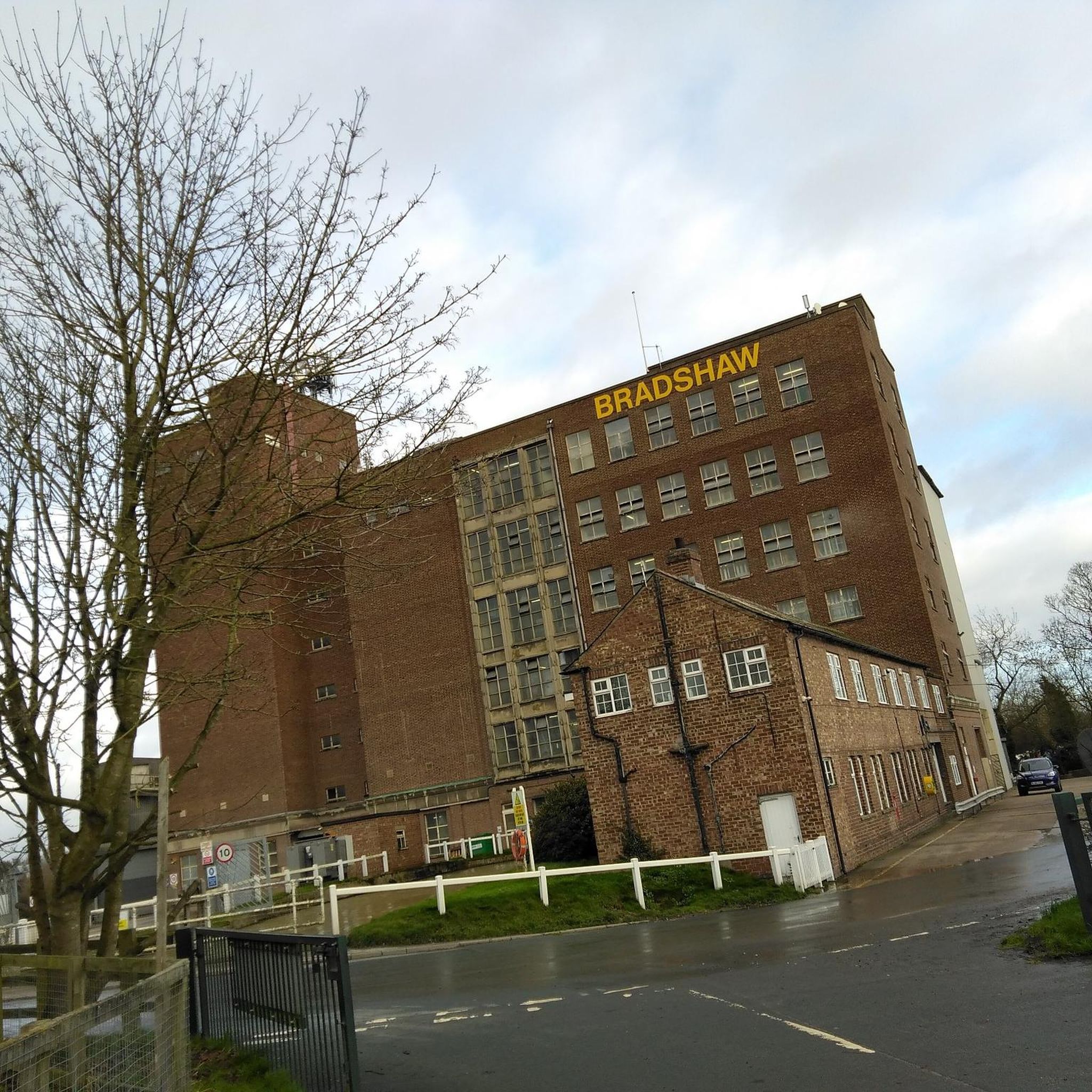
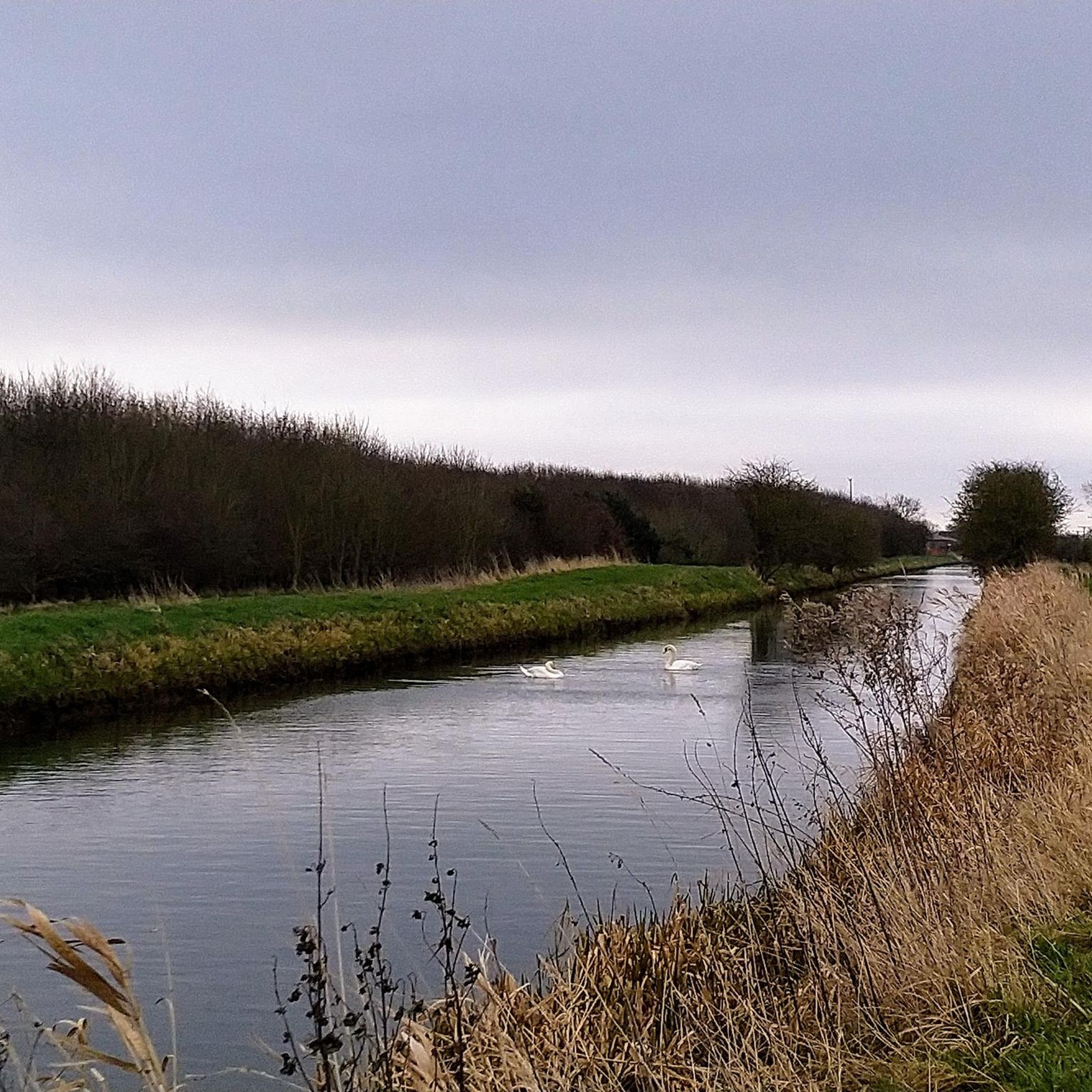
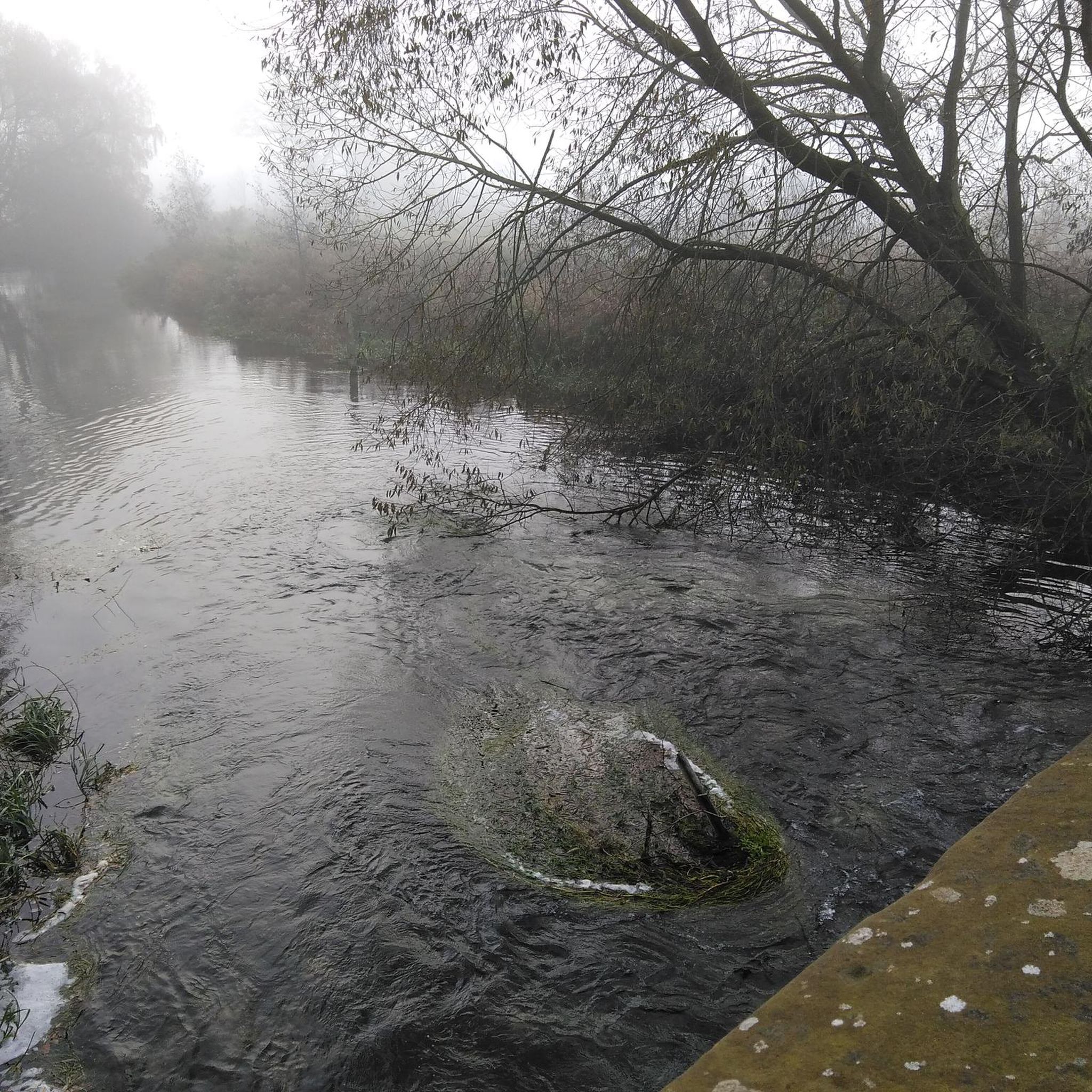
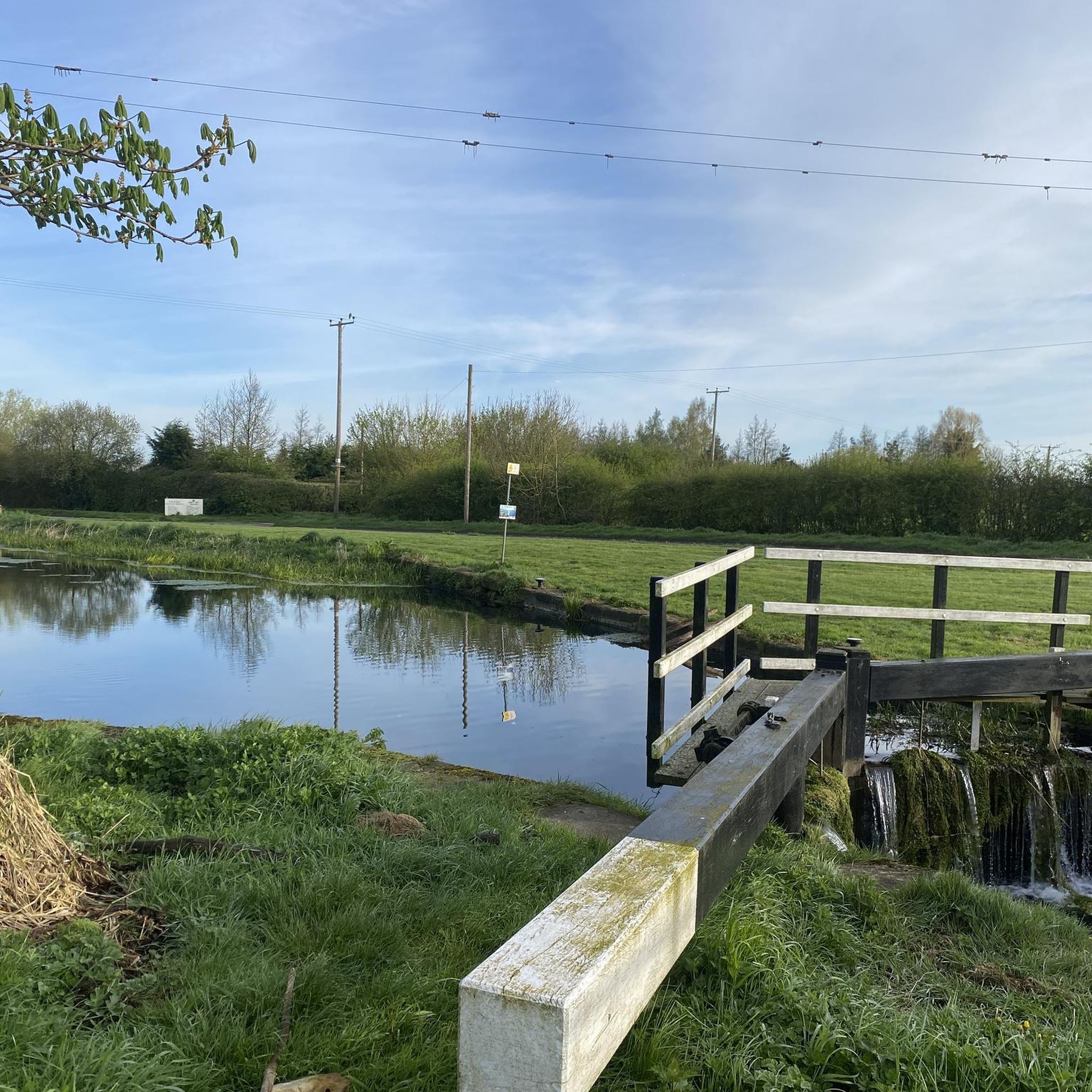
Tips from the Community


One of the most beautiful sea bird cliffs I have ever witnessed.
0
0

A beautiful old mansion with a unique interior and a lovely garden. There's also a good café next door. Ideal for a stop.
0
0

Local gym with cafe on site - hot and cold drinks, freshly made protein shakes and smoothies as well as protein snacks.
0
0


Lots of parking, very quiet in winter, and cracking routes along the south and north of Flamborough Head. Take the north route past North Landing and Thornwick Bay, much more scenic than the southerly route.
2
0
The Rudston monolith is the tallest prehistoric standing stone in Britain, measuring almost 8 metres high, nearly 2 metres wide, a metre thick and estimated to weigh somewhere in the region of a massive 26 tons. This giant block of grey sandstone or gritstone was errected here either in the late Neolithic or early Bronze Age and is thought to have been quarried more than 10 miles away in the Cayton Bay area south of Scarborough, although the glacial transportation of a large block of stone that was then shaped and utilised by the prehistoric residents of the area cannot be ruled out. The top of the stone has been weathered and eroded into a fluted peak similar to the stones of the Devil's Arrows and a lead cap was first added to try to preserve it in the 18th century. The churchyard of All Saints that it stands in is of course much younger and although the christianisation of the site took place around 1100AD the stone had already stood here for at least 3000 years. The monolith stands close to the Gypsey Race, an occasional stream that flows along the floor of the Great Wold Valley from close to the barrow of Duggleby Howe in the east, past another pair of barrows at Wold Newton and Willie Howe before turning south past the Argham Henge and Cursus down to Rudston itself where it bends sharply and heads eastwards to the sea at Bridlington. The whole of the Gypsey Race landscape was obviously important in prehistoric times and holds a rich selection of sites, most of which have been destroyed or badly damaged by ploughing, including many round barrows, several long barrows, four cursuses and at least one henge. It continued to retain its importance into the historic period - a major Roman villa was discovered to the southwest of Rudston village. In the corner of the churchyard is a much smaller stone presumably brought here from a local barrow and also the remains of a double cist that was removed from a nearby barrow on Rudston Beacon by the antiquarian Canon Greenwell in the late 19th century.
0
0
Frequently Asked Questions
How many touring cycling routes are available around Skerne And Wansford?
There are over 100 touring cycling routes available in the Skerne And Wansford area, offering a wide range of options for different skill levels and preferences.
Are there easy touring cycling routes suitable for beginners or families?
Yes, Skerne And Wansford is known for its flat, low-lying terrain with minimal elevation changes, making it ideal for easy rides. There are 50 easy routes available. A great option is the River Hull at Skerne Road – Wansford Lock loop from Driffield, which is 11.1 miles (17.9 km) and follows riverside paths.
What kind of terrain can I expect on touring cycling routes in Skerne And Wansford?
The routes primarily traverse flat, agricultural landscapes of the East Riding of Yorkshire. You'll often find yourself cycling along river courses and quiet country lanes, through open fields and small villages, with generally minimal elevation changes.
Are there any challenging touring cycling routes for experienced riders?
Yes, for more experienced riders, there are 9 difficult routes available. One challenging option is the Bempton Cliffs – Flamborough Lighthouse loop from Driffield, which covers 58.5 miles (94.1 km) and includes significant elevation changes.
What are some notable landmarks or attractions I can see along the touring cycling routes?
Many routes pass by interesting sites. You could encounter the Burton Agnes Hall and Gardens, the tranquil River Hull at Skerne Road, or the historic Driffield Canal. The Bridlington Harbour – Burton Agnes Hall and Gardens loop from Nafferton is a moderate route that passes by the hall.
Are there any circular touring cycling routes in the area?
Yes, many of the touring cycling routes in Skerne And Wansford are designed as loops. For example, the Leven, Hornsea & Burton Agnes Hall loop from Nafferton is a popular circular route covering 45.1 miles (72.6 km).
What do other touring cyclists say about the routes in Skerne And Wansford?
The touring cycling routes in Skerne And Wansford are highly rated by the komoot community, with an average score of 4.6 stars from over 45 reviews. Cyclists often praise the tranquil experience, the quiet country lanes, and the scenic views of open fields and river valleys.
Are there routes that offer good viewpoints?
Yes, the region offers various scenic viewpoints, particularly along its river valleys and coastal stretches. The Driffield Canal is a good spot for views, and routes like the Gardham Road to South Dalton – View of the Fields loop from Driffield offer expansive views of the fields.
What is the best time of year for touring cycling in Skerne And Wansford?
The flat terrain makes Skerne And Wansford suitable for cycling for much of the year. Spring and summer offer pleasant weather for enjoying the open fields and villages. Autumn can also be beautiful with changing foliage. While winter cycling is possible, be prepared for potentially colder, wetter conditions on exposed routes.
Are there any specific considerations for parking when accessing touring cycling routes?
Many routes start from villages or towns like Nafferton or Driffield, where public parking may be available. It's advisable to check local parking options for your chosen starting point before you set out.
Can I find pubs or places to stop for refreshments along the touring cycling routes?
Yes, as routes often pass through small villages, you will likely find opportunities for refreshments at local pubs or cafes. Planning your route in advance can help you identify suitable stops along the way.
Most popular attractions around Skerne And Wansford

Get inspired with the komoot mobile app


Explore more
Browse the best Cycling routes in other regions.
