Top 15 Caves around Bradbourne
Best caves around Bradbourne are found within the Peak District, an area renowned for its diverse and geologically significant cave systems. This village is associated with local examples like Newton Grange Quarry Caves and Tip Top Cave along Bradbourne Brook. The wider region features impressive limestone formations, offering insights into natural history. Exploring these caves provides a unique perspective on the area's geological past.
Best caves around Bradbourne
- The most popular caves is Dove Holes Caves, a historical site…
Last updated: June 24, 2026
High Tor and Giddy Edge
Highlight (Segment) • Viewpoint
Tip by

Dove Holes Caves
Highlight • Historical Site
Tip by

Sign up now to discover places like this
Get recommendations on the best single tracks, peaks, & plenty of other exciting outdoor places.
Sign up for free
Rowtor Rocks
Highlight • Structure
Tip by
Wolfscote Dale
Highlight • Viewpoint
Tip by
Reynard’s Cave and Natural Arch
Highlight • Cave
Tip by
Sign up for free to discover even more caves around Bradbourne.
Sign up for free
Already have an account?
Start today with a free account
Your next adventure awaits.
Login or Signup
Tips from the Community

Impressive little archway, I didn't but I believe you can walk all the way up and come down a different way
0
0


19th century pleasure ground which exploited the dramatic qualities of the Derwent valley. Peter Arkwright of Willersley Castle enclosed the grounds c 1860 and constructed pedestrian paths from a new entrance on the south side approached from the bridge to Matlock Bath railway station. The entrance from Starkholmes Road was retained and could be used by carriages. A pathway was formed through Fern Cave (scheduled ancient monument) and another on a narrow ledge along part of the cliff face. In 1879 the grounds were leased to the Matlock and High Tor Recreation Grounds Company Ltd and Milner of London was retained to supervise landscaping. Arkwright's Grand Walk, also used by carriages, was created, leading south to the summit from a gateway in Pig Tree Lane, now Pic Tor Lane. A refreshment room was erected near the summit, tennis and quoit or skittle grounds were constructed close to a modified southern entrance and additional paths put in with a broad flight of steps.
0
0

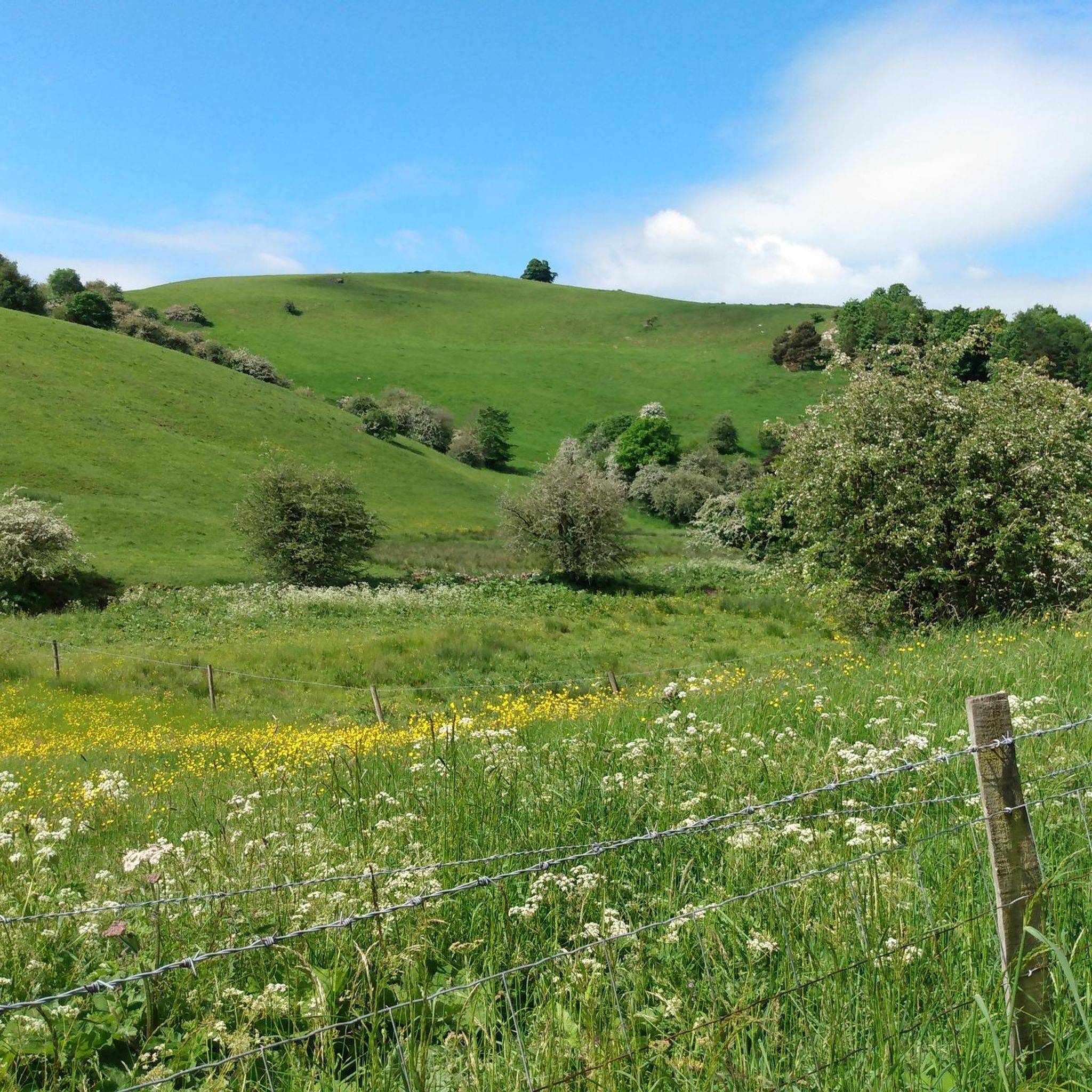
Wolfscote Dale is apparently the area in which the last wild wolf in England was killed in the 15th Century
1
0
The footpath along the summit is commonly known as Giddy Edge, unfenced and not recommended for small children . There is a small metal handrail afixed to the inside edge (of the cliff) totally spectacular.
4
0

Whether you love hiking, fancy a peaceful picnic in picturesque surroundings, are visiting by yourself or with your family, there really is something for everyone at Dovedal
0
0

High Tor is the last place in England where eagles nested and is a stunning limestone escarpment which is the site of former lead mines.
0
0

Frequently Asked Questions
What types of caves can I find around Bradbourne?
Around Bradbourne, you'll discover a mix of natural limestone caves, historical cave dwellings, and rock shelters. The area is known for impressive geological formations and sites with archaeological significance, such as Dove Holes Caves and Reynard’s Cave and Natural Arch. Some local examples directly associated with Bradbourne Brook include Newton Grange Quarry Caves and Tip Top Cave, though these are less documented for general tourism.
Are there historical caves to explore near Bradbourne?
Yes, the Bradbourne area offers several historical caves. Dove Holes Caves are a significant historical site, formed by glacial meltwater and used by humans since 13,000 BCE. Reynard’s Cave and Natural Arch also served as a shelter for hunters from around 13,000 BCE. Additionally, Rowtor Rocks features impressive sculpting completed by local parson Thomas Eyre centuries ago, making it a unique historical and natural feature.
Are there any show caves or guided tours available near Bradbourne?
While the caves directly in Bradbourne are more natural and often require independent exploration, the wider Peak District offers several well-known show caves with guided tours. These include Poole's Cavern in Buxton, famous for its crystal stalactites, and Treak Cliff Cavern in Castleton, known for Blue John Stone. The Heights of Abraham in Matlock Bath also offers tours of two show caverns accessible by cable car. For more information on show caves, you can visit visitpeakdistrict.com.
Are the caves around Bradbourne suitable for families or beginners?
Some caves, like Dove Holes Caves and Reynard’s Cave and Natural Arch, are freely accessible and can be explored by families, though care is needed as rocks can be slippery. For a more structured and beginner-friendly experience, the show caves in the broader Peak District, such as Poole's Cavern, offer guided tours and better accessibility. Thor's Cave is also popular for independent exploration and offers impressive views, suitable for families who enjoy hiking.
Do I need a permit to explore caves in the Bradbourne area?
For many of the smaller, less-documented caves directly associated with Bradbourne Brook, specialized caving knowledge, equipment, and sometimes permission for access may be required. However, popular and easily accessible sites like Dove Holes Caves and Reynard’s Cave and Natural Arch do not typically require permits for general exploration.
What should I wear or bring when visiting caves in the Peak District?
When exploring caves, especially those that are not formal show caves, it's advisable to wear sturdy footwear with good grip, as surfaces can be uneven and slippery. Layers of clothing are recommended as cave temperatures can be cooler than outside. A head torch or flashlight is essential for venturing deeper into natural caves like Thor's Cave, and gloves can be useful for climbing or navigating rough surfaces.
Are there accessible caves for visitors with limited mobility?
While many natural caves in the Bradbourne area involve uneven terrain, some show caves in the wider Peak District offer better accessibility. Poole's Cavern in Buxton, for example, is wheelchair accessible for the first 100 meters of its main chamber, providing an opportunity to experience the underground environment. It's always best to check specific accessibility details with individual cave attractions before visiting.
What outdoor activities can I do near these caves?
The area around Bradbourne offers a variety of outdoor activities. You can find numerous hiking trails, including easy routes like the 'Roadford Lake Dam – Carsington Water loop' or the 'Yew Tree Well – Tissington Village loop'. For cycling enthusiasts, there are routes like the 'Carsington Water family loop' or longer gravel biking trails such as the 'Bradbourne Brook Ford – Tissington Trail loop'. You can find more details on these activities in the Easy hikes around Bradbourne, Cycling around Bradbourne, and Gravel biking around Bradbourne guides.
Are there hiking trails near the caves around Bradbourne?
Yes, there are many hiking trails that pass by or lead to caves in the Bradbourne area. For instance, Dove Holes Caves are located beside the River Dove, often incorporated into walks along Dovedale. Reynard’s Cave and Natural Arch is also high up on the bank of Dovedale, accessible via hiking paths. You can explore various routes in the Easy hikes around Bradbourne guide.
What natural features can I see in the dales near Bradbourne's caves?
Beyond the caves themselves, the surrounding dales offer stunning natural beauty. Wolfscote Dale, for example, is an idyllic limestone dale with dramatic screes, cliffs, and caves, through which the crystalline River Dove flows. It's known for its wildflower meadows and is often quieter than nearby Dovedale. High Tor and Giddy Edge also offer spectacular views over Matlock Bath and the surrounding landscape.
Are there dog-friendly walks near the caves in Bradbourne?
Many of the public footpaths and trails in the Peak District, including those leading to natural caves like Dove Holes Caves and Reynard’s Cave and Natural Arch, are dog-friendly. However, it's always important to keep dogs under control, especially near livestock or in sensitive natural areas. Some show caves may have restrictions, so it's best to check their specific policies if planning to visit with a dog.
What is the best time to visit the caves around Bradbourne?
The caves around Bradbourne can be visited year-round. During spring and summer, the surrounding dales and trails are particularly pleasant for hiking to the cave entrances. Autumn offers beautiful foliage, while winter can provide a unique, quieter experience, though paths may be muddy or icy. Always check local weather conditions before heading out, especially for natural, unlit caves.
Most popular attractions around Bradbourne

Get inspired with the komoot mobile app


Explore more
Extend your search for the best caves by checking out these guides of the top ones around Bradbourne:
