Attractions and Places To See around Elston - Top 20
Best attractions and places to see around Elston, a village located southwest of Newark-on-Trent in the UK, offer a blend of historical sites and natural landscapes. The area is characterized by its rural setting, with historical buildings and ancient discoveries indicating a long human presence. Visitors can explore local heritage within the village and venture into the surrounding Nottinghamshire region for diverse points of interest.
Best attractions and places to see around Elston
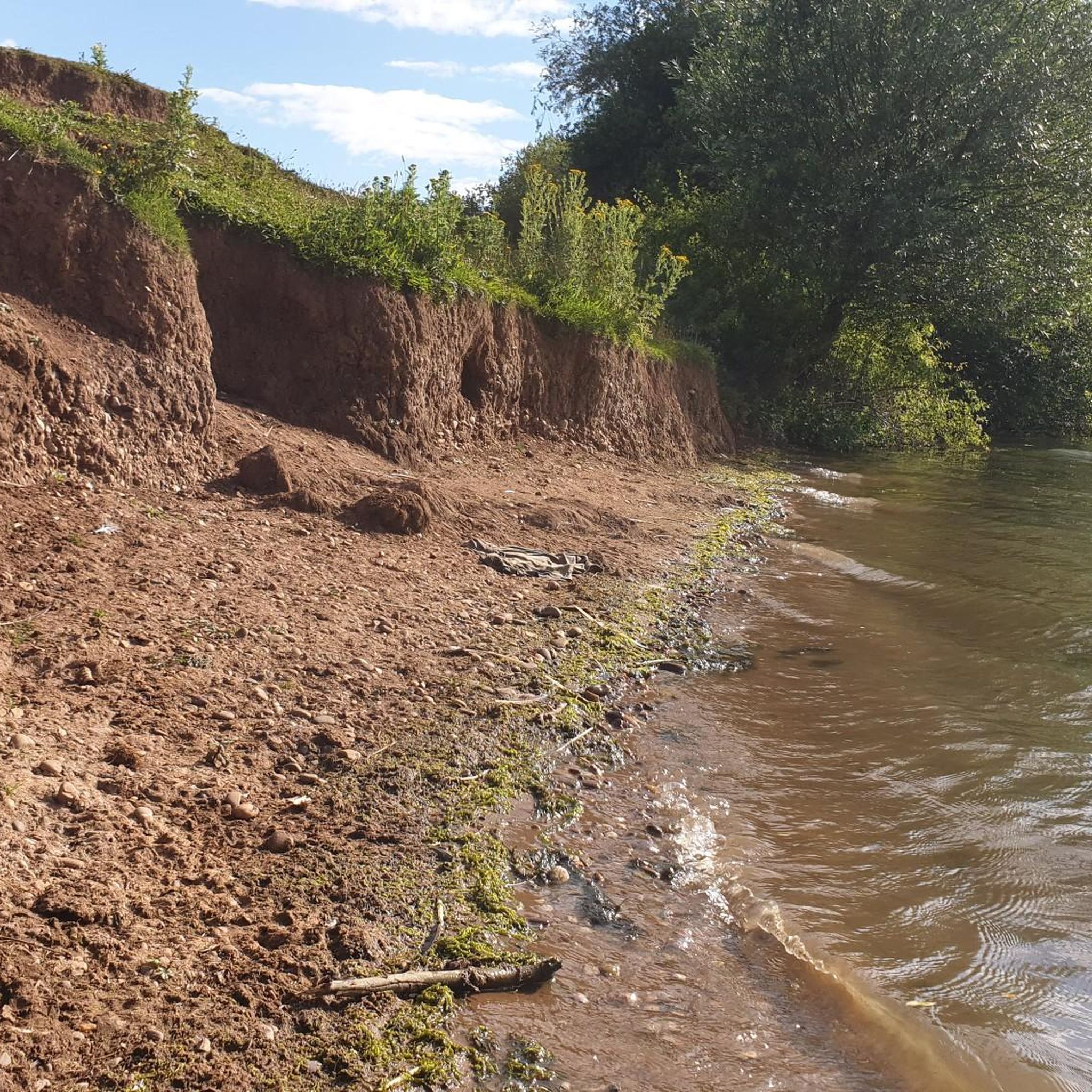
- The most popular attractions is Gunthorpe Riverside…
Last updated: July 6, 2026
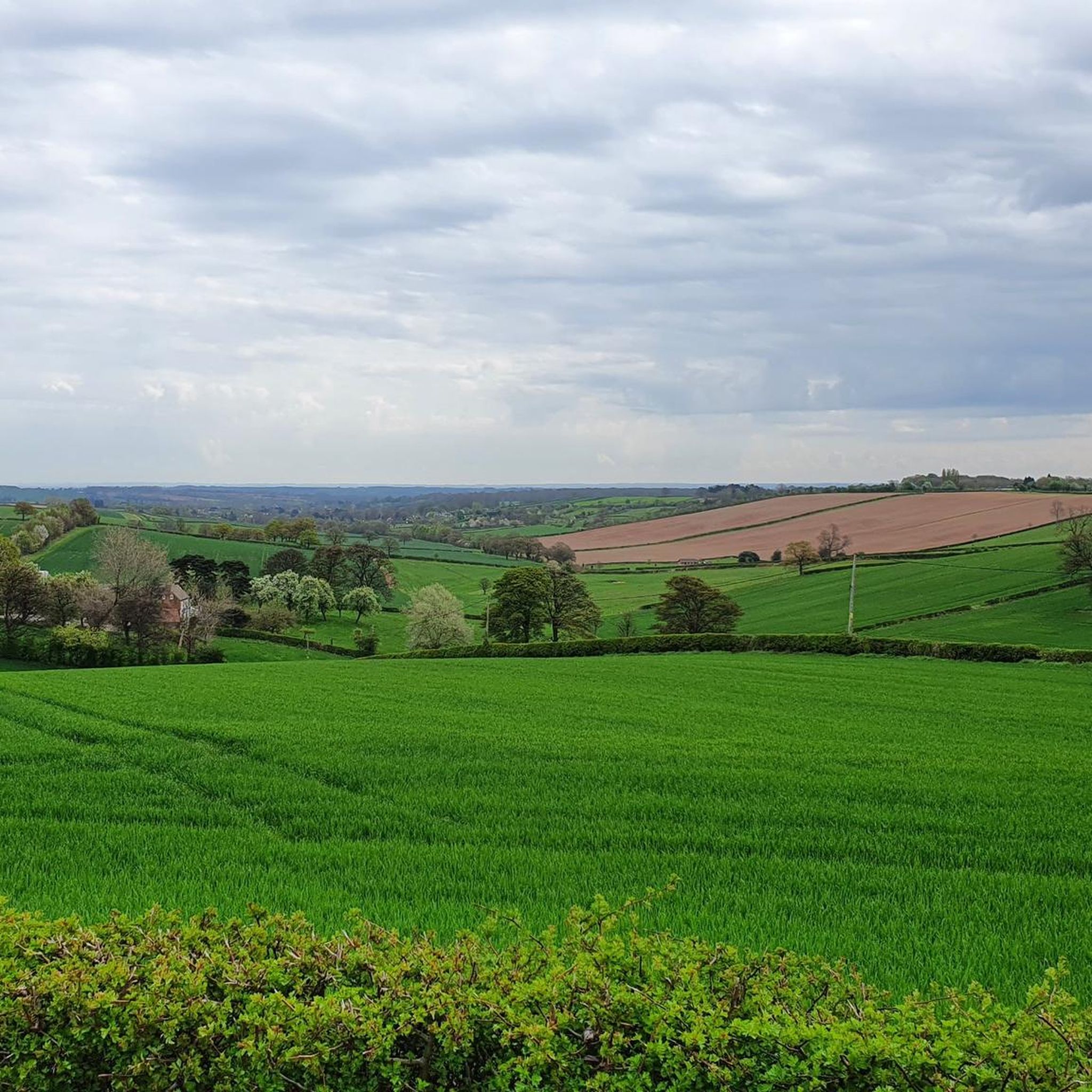
Oxton Bank Climb
Highlight (Segment) • Climb
Tip by

Southwell Minster
Highlight • Religious Site
Tip by

Sign up now to discover places like this
Get recommendations on the best single tracks, peaks, & plenty of other exciting outdoor places.
Sign up for free
Gunthorpe Riverside and The Unicorn Hotel
Highlight • Settlement
Tip by
Caudwell's Mill
Highlight • Monument
When Charles Caudwell, whose family originated from Derbyshire, bought the mill in 1851 he made …
Tip by

Newark Castle Ruins
Highlight • Castle
Tip by

Sign up for free to discover even more attractions around Elston.
Sign up for free
Already have an account?
Start today with a free account
Your next adventure awaits.
Login or Signup

Tips from the Community

currently closed for refurbishment (end of oct 25)
0
0

Caudwell's Mill stands on the River Greet on the site of Southwell’s mediaeval Burgage mill. When Charles Caudwell, whose family originated from Derbyshire, bought the mill in 1851 he made changes, thus greatly increasing the mill’s capacity. Wheat was transported to the mill by road, rail and water. Local corn arrived by horse and cart, supplies from further afield came from the R.Trent by barge to a wharf at Fiskerton which still stands. The mill suffered serious fires on three occasions in 1867, 1893 and 1917. On each occasion the opportunity was taken to modernise the plant. Local bakers took their supply of flour from the mill, best known was ‘Mosedale’s’ Bakery and Caudwell’s ‘Greet Lily Flour’ won the Nottinghamshire’s Bakers Cup in 1907, 1908, 1909, 1912 and 1914. The mill was taken over by Associated British Foods, who closed it in 1977 and in 1989 the mill was converted into residential apartments.
0
0
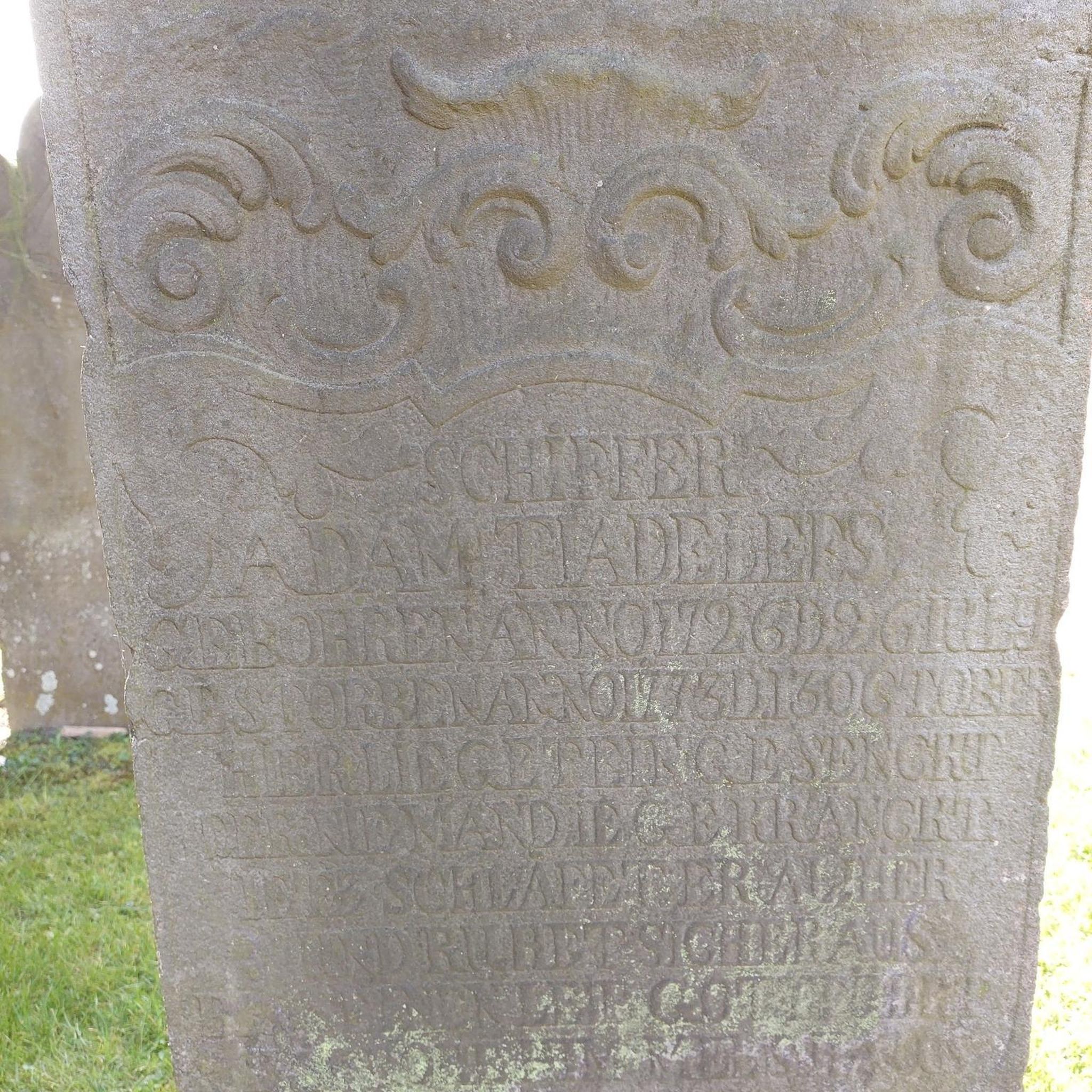
The earliest church on the site is believed to have been founded in 627 by Paulinus, the first Archbishop of York, when he visited the area while baptising believers in the River Trent. The legend is commemorated in the Minster's baptistry window. In 956 King Eadwig gave land in Southwell to Oskytel, Archbishop of York, on which a minster church was established. The Domesday Book of 1086 recorded the Southwell manor in great detail. The Norman reconstruction of the church began in 1108, probably as a rebuilding of the Anglo-Saxon church, starting at the east end so that the high altar could be used as soon as possible and the Saxon building was dismantled as work progressed. Many stones from this earlier Anglo-Saxon church were reused in the construction. The church was originally attached to the Archbishop of York's Palace which stood next door and is now ruined.
0
0

Beautiful spot great scenery and history Castle grounds definitely worth a visit
0
0

Amazing! I wasn't expecting such a castle in the middle of Newark when cycling through.👍 Looks like it would be well worth a visit if you have time.
0
0

Combine a visit to the castle with a picnic, watching the Trent roll by. There are lots of quiet lanes approaching from the south.
0
0

Newark Castle ruins are set in lovely, formal gardens bordered by the remaining walls of the castle which was partly destroyed in 1646 at the end of the English Civil War.
2
0
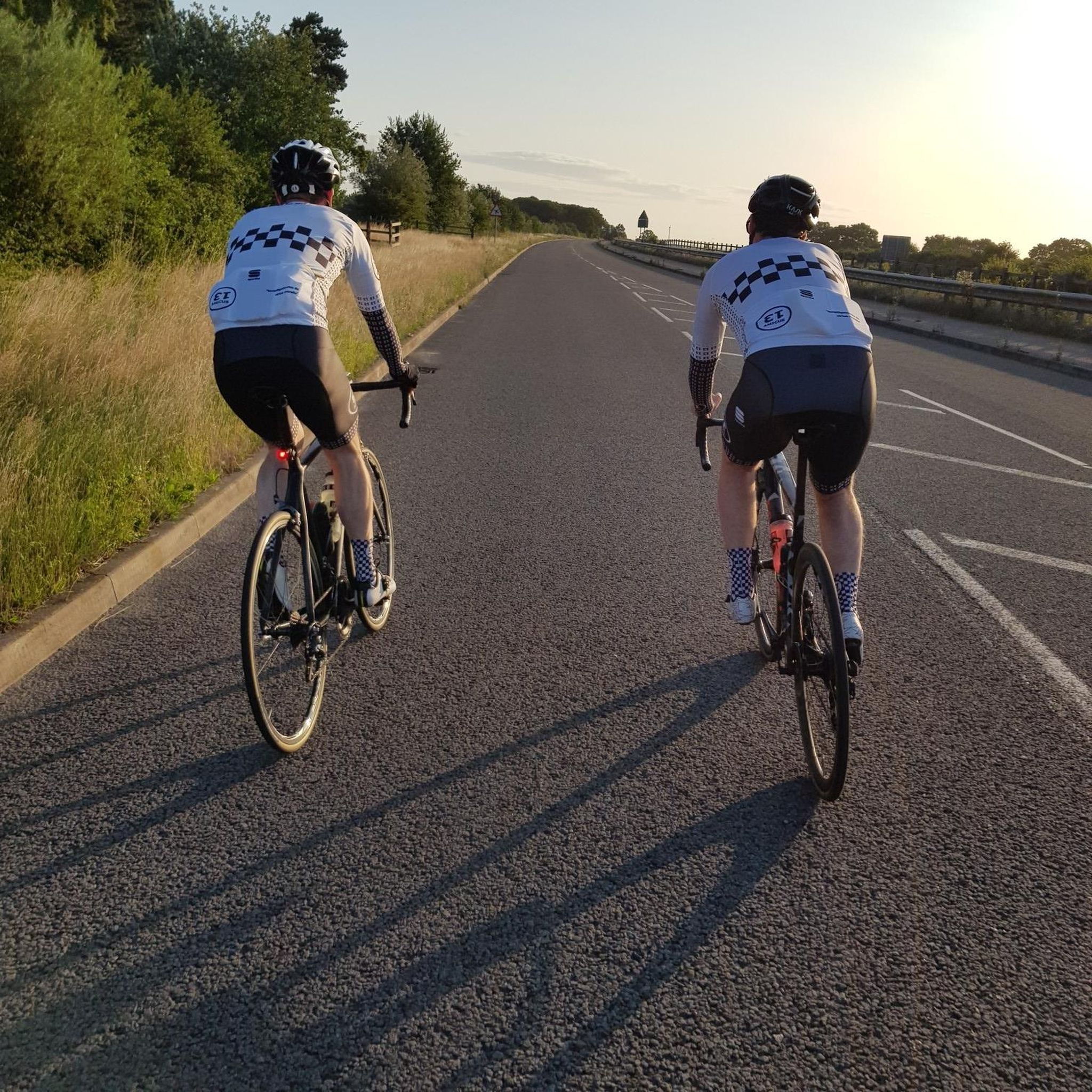
Lovely location on the Trent. Lots of easy, flat, traffic-free roads around here. Regularly use this as a lunch stop on rides in the southern half of the Vale of Belvoir. There is an easy 30 mile loop to Newark and back, going through quiet lanes up one side of the Trent and back down the other. I have used the riverside Unicorn pub as an overnight base for cycle-touring in this area.
0
0
Frequently Asked Questions
What historical sites can I visit in and around Elston?
Elston and its surroundings are rich in history. Within the village, you can find Elston Hall, historically home to the Darwin family, and All Saints Church with its Saxon stonework. Nearby, explore the impressive Newark Castle Ruins, which played a significant role in the English Civil War, or the architecturally notable Southwell Minster, dating back to 627. Other historical points include Middleton House (now Eden Hall Spa) and the former site of Roman settlements along the Fosse Way.
Are there any natural features or outdoor spaces to explore near Elston?
Yes, Elston is set amidst a pleasant rural landscape offering opportunities for walks. A popular spot is Gunthorpe Riverside and The Unicorn Hotel, a charming village by the river ideal for a stroll. Further afield, Sconce and Devon Park, located about 6 km away, provides additional green space for recreation.
What family-friendly attractions are available near Elston?
Several attractions near Elston are suitable for families. The Newark Castle Ruins are set in lovely formal gardens, perfect for exploration. Southwell Minster offers an engaging historical and architectural experience. Additionally, Gunthorpe Riverside and The Unicorn Hotel is a beautifully maintained village by the river, great for a family outing.
Where can I find good walking or hiking trails around Elston?
Elston's rural setting provides various walking opportunities. For dedicated hiking, you can explore the options listed in the Easy hikes around Elston guide, which includes routes like the Railway Pit Lakes loop or the Gunthorpe Lock and Weir loop. These trails offer a chance to enjoy the local countryside.
Are there cycling routes available near Elston's attractions?
Absolutely. The area around Elston is well-suited for cycling. You can find various routes, including gravel biking options, in the Gravel biking around Elston guide. Routes range from easy to more challenging, such as the Bilsthorpe & the Southwell Trail loop.
What are some unique or lesser-known places to discover in the Elston area?
Beyond the main attractions, consider visiting Caudwell's Mill, a historic mill on the River Greet with a fascinating past of flour production and fires. The village of Elston itself holds historical significance, with discoveries like an ancient Stone Age flint blade and a plesiosaur fossil, hinting at its deep past. For more local history, you can visit elstonheritage.org.uk.
What do visitors particularly enjoy about the attractions near Elston?
Visitors often praise the historical depth and natural beauty of the area. For instance, Gunthorpe Riverside and The Unicorn Hotel is loved for its charm and riverside setting. Southwell Minster is highly regarded for its architectural interest and deep historical roots. The Newark Castle Ruins are appreciated for their impressive remains set within beautiful gardens.
Is Elston Hall open to the public, and what is its historical significance?
Elston Hall is a significant historical building, notable as the home of the Darwin family from 1680 and the birthplace of Erasmus Darwin, grandfather of Charles Darwin. While it is a private residence, its historical importance to the region is immense. For detailed historical information about Elston Hall and the village, you can refer to resources like elstonheritage.org.uk.
What is the best time of year to visit Elston and its surrounding attractions?
The best time to visit Elston and its surrounding attractions is generally during the spring and summer months (April to September). The weather is typically milder and more conducive to exploring historical sites, enjoying riverside walks, and engaging in outdoor activities like hiking and cycling. Autumn also offers beautiful scenery, though temperatures will be cooler.
Are there any religious or architectural landmarks worth seeing?
Yes, the region boasts several notable religious and architectural landmarks. The most prominent is Southwell Minster, one of the smallest yet most architecturally interesting cathedrals in the UK, with origins dating back to 627. Within Elston village, All Saints Church features lower stonework believed to be Saxon, and Elston Chapel is another important religious site.
What kind of running trails are available near Elston?
For runners, there are several trails around Elston suitable for various distances and difficulties. The Running Trails around Elston guide offers options such as a moderate 7.5 km loop directly from Elston, or longer routes like the Sibthorpe Dovecote – Flintham Village Highlights loop.
Are there any challenging climbs for cyclists in the area?
Yes, for cyclists looking for a challenge, Oxton Bank Climb is a notable feature. It's considered one of the biggest hills in Nottinghamshire, offering a long, slow drag from Southwell or a punchy, steep ramp from Oxton, with gradients around 12%. The views from the top are often cited as worth the effort.

Get inspired with the komoot mobile app


Explore more
Still not found the Highlight you’re looking for? See guides of the top attractions in other regions:
