The best walks and hikes around Farnsfield
4.5
(1491)
10,846
hikers
31
hikes
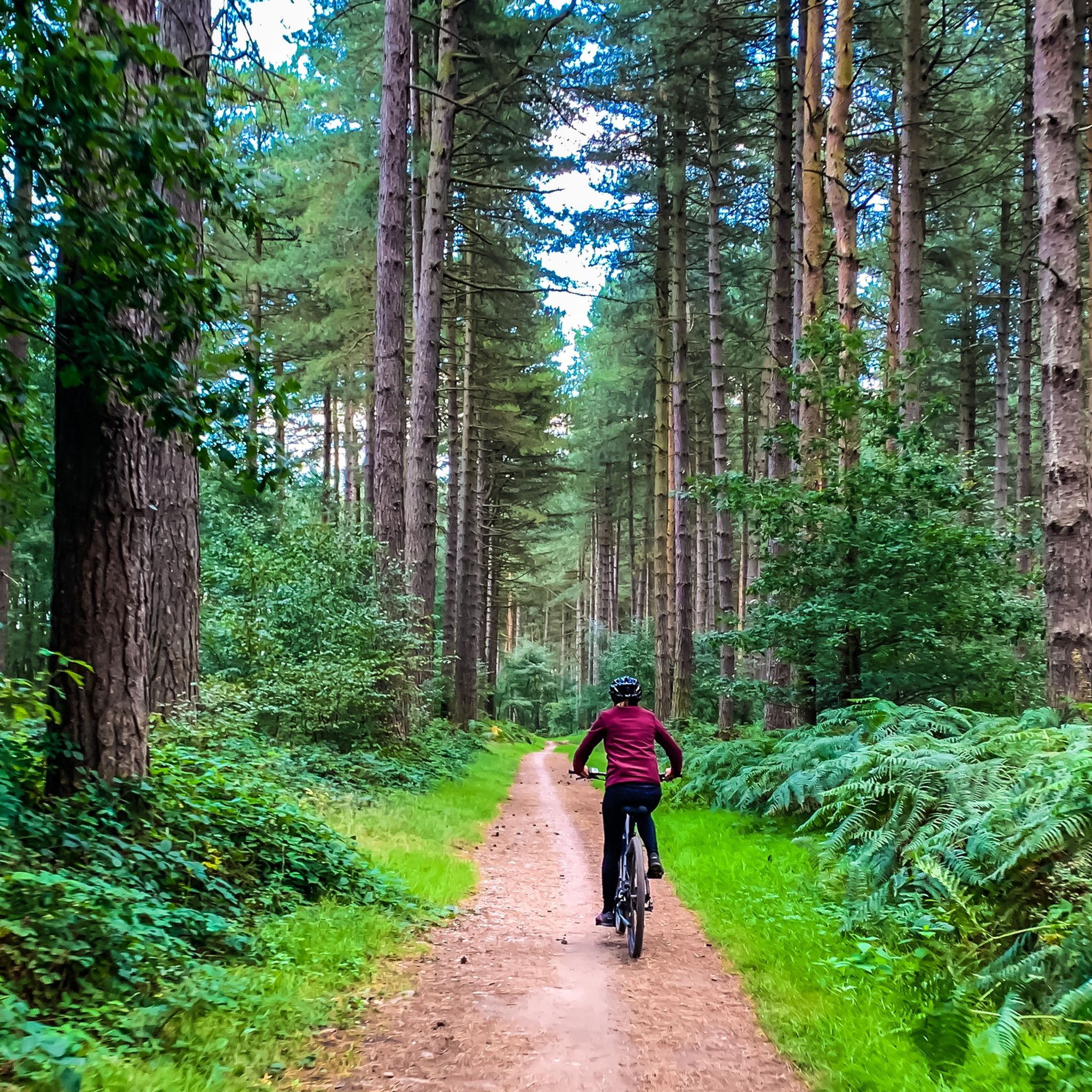
Hiking around Farnsfield offers diverse landscapes, transitioning between the acidic Sherwood Sandstone and the fertile Mercia Mudstone. The region features former railway lines converted into shared-use paths, such as the Southwell Trail, alongside ancient woodlands and open heathland. Hikers can explore rolling fields, varied wildlife corridors, and areas with historical connections.
Best hiking trails around Farnsfield
- The most popular hiking route is Robin Hood's Hill – Woodberry Café loop from Farnsfield, a 6.1 miles (9.8 km) trail that takes 2 hours 35 minutes to complete. This moderate route explores local hills and woodlands.
- Another top favourite among local hikers is Deer at Hexgreave Park – Woodberry Café loop from Farnsfield, an easy 3.7 miles (6.0 km) path. This route offers views of Hexgreave Park and its surrounding natural areas.
- Local hikers also love the Southwell Minster – Southwell Trail loop from Farnsfield, an 11.1 miles (17.8 km) trail leading through varied countryside and along the historic Southwell Trail, often completed in about 4 hours 40 minutes.
- Hiking around Farnsfield is defined by former railway lines, ancient woodlands, and rolling fields. The network offers options for different ability levels, from easy strolls to more challenging moderate routes.
- The routes in Farnsfield are highly rated by the komoot community with an average score of 4.4 stars from over 450 reviews. More than 3700 hikers have used komoot to explore Farnsfield's varied terrain.
Last updated: September 27, 2026
4.7
(10)
38
hikers
9.74km
02:35
100m
100m
Moderate hike. Good fitness required. Easily-accessible paths. Suitable for all skill levels.
5.0
(4)
37
hikers
5.99km
01:33
30m
30m
Easy hike. Great for any fitness level. Easily-accessible paths. Suitable for all skill levels.

5.0
(3)
22
hikers
17.8km
04:40
140m
140m
Moderate hike. Good fitness required. Easily-accessible paths. Suitable for all skill levels.
37
hikers
19.0km
04:55
110m
110m
Moderate hike. Good fitness required. Easily-accessible paths. Suitable for all skill levels.
4.4
(8)
18
hikers
5.65km
01:31
70m
70m
Easy hike. Great for any fitness level. Easily-accessible paths. Suitable for all skill levels.
Get access to more routes and recommendations from other explorers.
Already have an account?
Our route recommendations are based on thousands of hikes, rides, and runs completed by other people on komoot.
Start today with a free account
Your next adventure awaits.
Tips from the Community

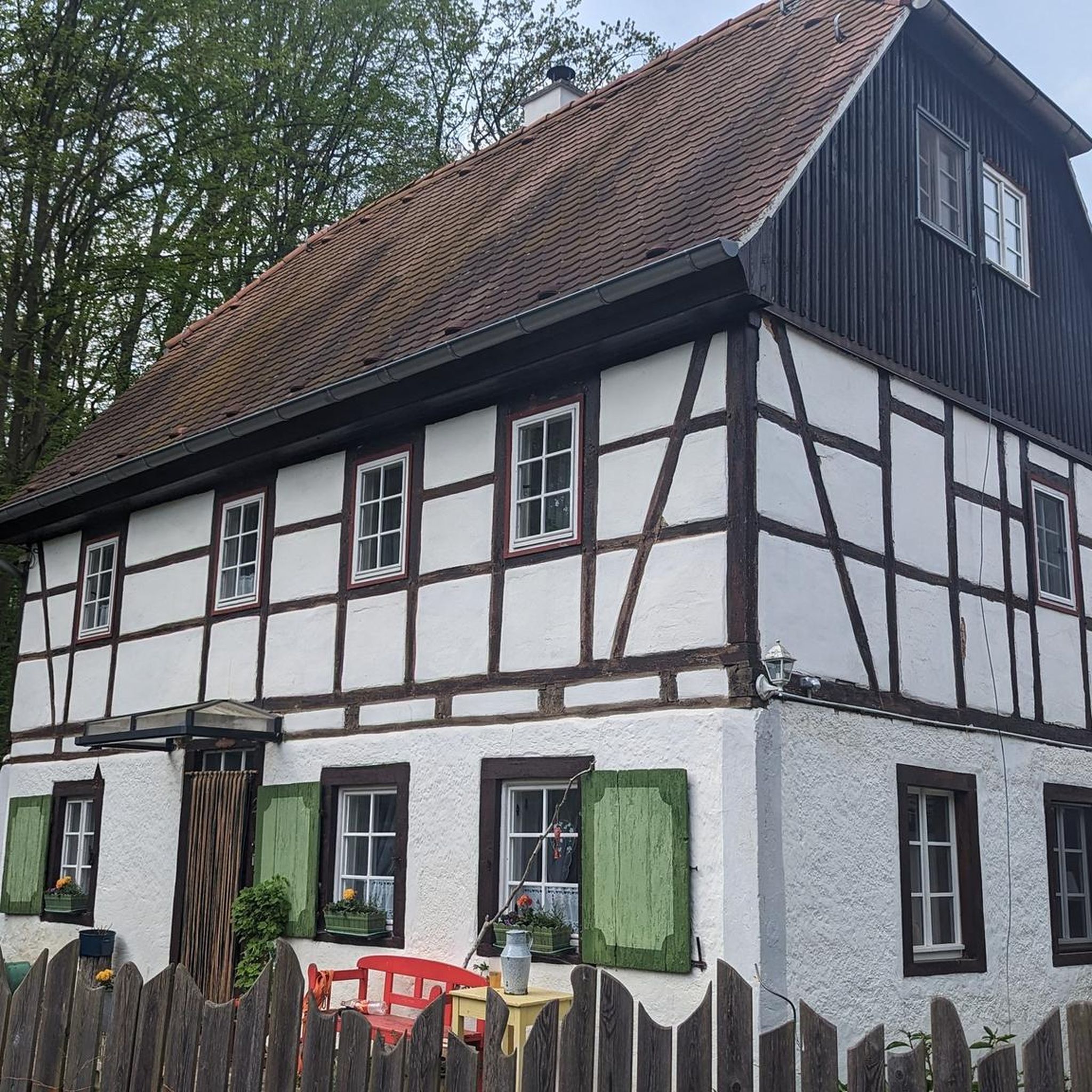
The first mention of Farnsfield emerges in 956AD in a document in which King Edwy of Northumbria gave the Danish Archbishop of York, Oscytel, the manor of Southwell, which included the farmstead of Farnsfield. Farnsfield was a small community of farmsteads scraping a living from agriculture in a clearing at the edge of Sherwood Forest. By 1520 Farnsfield was the responsibility of Southwell Minster under the Archbishop of York, Cardinal Wolsey. Most people were farmers and poor land, bad weather, disease and starvation were constant hazards. By the 1600s more specialised trades were developing in Farnsfield including bakers, tailors and shoemakers. By the late 1700s sheep rearing was the main source of income from outside.
0
0
The church dates from the 15th century but was rebuilt between 1859 and 1860 by Thomas Chambers Hine and Robert Evans following a fire. Only a fragment of the tower from the 15th-century building survives.
0
0

Great, easy going trail for all abilities. Well maintained.
0
0

The trail is 7.5 miles and built on the former railway line of the Midland Railway. It stretches from Southwell to Bilsthorpe and passes the villages of Farnsfield, Kirklington and Maythorne. You can walk, cycle or horse ride along the trail and there are a number of free car parks to allow access.
0
0
The former Palace of the Archbishop of York stands next door to the Minster, adjoining the present official residence of the Bishop of Southwell. The Palace as we see it today dates from the 14th Century and was wrecked during the Civil War. The ruined part can be admired up-close from the Palace Gardens. The surviving built part of the Palace – the Great Hall – was restored in the Edwardian era. The Hall retains its original proportions and the beams of the magnificent vaulted ceiling of the State Chamber are mostly medieval originals.
0
0
The earliest church on the site is believed to have been founded in 627 by Paulinus, the first Archbishop of York, when he visited the area while baptising believers in the River Trent. The legend is commemorated in the Minster's baptistry window. In 956 King Eadwig gave land in Southwell to Oskytel, Archbishop of York, on which a minster church was established. The Domesday Book of 1086 recorded the Southwell manor in great detail. The Norman reconstruction of the church began in 1108, probably as a rebuilding of the Anglo-Saxon church, starting at the east end so that the high altar could be used as soon as possible and the Saxon building was dismantled as work progressed. Many stones from this earlier Anglo-Saxon church were reused in the construction. The church was originally attached to the Archbishop of York's Palace which stood next door and is now ruined.
0
0
These are the residences of the clergy who serve Southwell Minster.
0
0
Frequently Asked Questions
How many hiking trails are available around Farnsfield?
There are over 30 hiking routes available around Farnsfield, offering a variety of experiences from easy strolls to more moderate excursions. These trails are well-regarded by the komoot community, with an average rating of 4.4 stars.
What kind of terrain can I expect when hiking near Farnsfield?
Hiking around Farnsfield offers diverse terrain, transitioning between the acidic Sherwood Sandstone and the fertile Mercia Mudstone. You'll encounter former railway lines converted into shared-use paths like the Southwell Trail, alongside ancient woodlands, open heathland, and rolling fields. This variety provides a rich natural experience.
Are there any easy or beginner-friendly hiking options in Farnsfield?
Yes, Farnsfield offers several easy hiking options, with 18 routes classified as easy. An excellent choice for a relaxed walk is the The Veg Stop loop from Farnsfield, which is an easy 5.6 km path suitable for beginners or those looking for a gentle outing.
Are there circular walking routes available from Farnsfield?
Yes, Farnsfield is an ideal starting point for several circular walks. These routes often combine sections of the Southwell Trail with local farm tracks, offering varied scenery. For example, the Southwell Trail loop from Kirklington Road is a moderate 19 km circular route that explores the area.
What natural attractions or landmarks can I see along the hiking trails?
The trails around Farnsfield offer access to several natural and historical attractions. You can explore areas like Fountain Dale Ponds or the The Hermitage Local Nature Reserve. The region is also close to Sherwood Forest, famous for its ancient woodlands and the legendary Major Oak.
Is Farnsfield a good destination for family-friendly hikes?
Farnsfield is well-suited for family-friendly hikes, particularly along the Southwell Trail, which is a well-maintained, shared-use path. Many of the 18 easy routes in the area are suitable for families, offering gentle gradients and interesting natural surroundings.
Are the hiking trails around Farnsfield dog-friendly?
Many of the trails around Farnsfield are dog-friendly, especially the shared-use paths like the Southwell Trail. It's always recommended to keep dogs on a lead, especially when passing through areas with livestock or sensitive wildlife habitats, to ensure a safe and enjoyable experience for everyone.
What kind of wildlife might I encounter while hiking in Farnsfield?
The diverse landscapes around Farnsfield, including the Southwell Trail Local Nature Reserve and proximity to Sherwood Forest, support a variety of wildlife. You might spot common lizards, various birds of prey like sparrowhawks and kestrels, numerous butterflies, and even deer in areas like Hexgreave Park.
What do other hikers enjoy the most about hiking in Farnsfield?
The area is highly rated by the komoot community, with an average score of 4.4 stars from over 450 reviews. Hikers often praise the varied terrain, from quiet woodlands to expansive rolling fields, and the well-maintained paths that make the region accessible for different abilities.
Are there any historical sites or points of interest near Farnsfield?
Beyond the hiking trails, Farnsfield is close to several historical sites. Rufford Abbey and Gardens is a notable historical site, and the area has strong connections to the legend of Robin Hood, particularly with its proximity to Sherwood Forest and places like Thieves Wood.
Is there parking available for hikers in Farnsfield?
Yes, parking is generally available in and around Farnsfield, often near trailheads or in village car parks. Specific parking information for individual routes can usually be found on the respective tour pages on komoot or local council websites.
Are there options for refreshments or pubs along the hiking routes?
Farnsfield and its surrounding villages offer options for refreshments. Many circular routes are designed to pass through or near local pubs and cafes, providing opportunities for a break or a meal. It's advisable to check opening times in advance.
Most popular routes around Farnsfield
Most popular attractions around Farnsfield

Get inspired with the komoot mobile app


Explore more
Browse the best Hikes in other regions.
