Attractions and Places To See around Ashby With Oby - Top 20
Best attractions and places to see around Ashby With Oby are found within The Broads National Park, a region characterized by its unique watery environment and agricultural heritage. This civil parish in Norfolk, England, offers a blend of natural landscapes and historical structures. Visitors can explore drainage mills, ancient churches, and the River Bure, which forms the western boundary of the parish. The area provides opportunities for tranquil walks and insights into local history.
Best attractions and places to see…
Last updated: October 5, 2026
Horsey Beach Seal Colony
Highlight • Beach
Tip by

Horsey Windpump
Highlight • Historical Site
Tip by
Sign up now to discover places like this
Get recommendations on the best single tracks, peaks, & plenty of other exciting outdoor places.
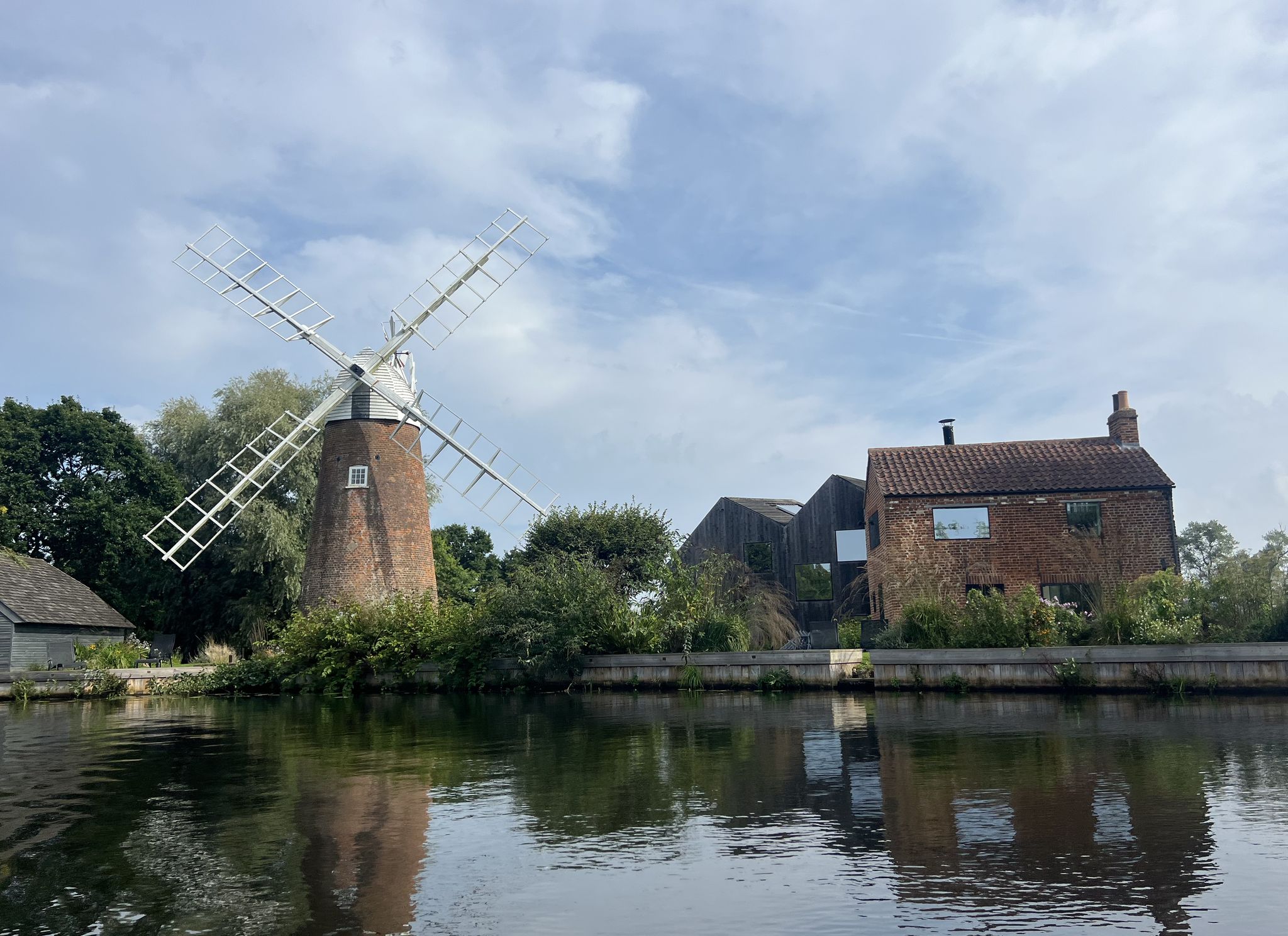
Turf Fen Drainage Mill
Highlight • Structure
Tip by

St Mary's Church, Fishley
Highlight • Religious Site
Tip by
Potter Heigham Bridge
Highlight • River
It dates back to the 13th century and is believed to be one …
Tip by

Sign up for free to discover even more attractions around Ashby With Oby.
Already have an account?
Start today with a free account
Your next adventure awaits.

Other adventures around Ashby With Oby

Tips from the Community

It is not 10 metres as some are claiming on here. It is 100 metres (330 feet) 😩 https://www.friendsofhorseyseals.co.uk/
0
0

Lovely views as you cross over the bridge, and plenty of cafes and refreshment options on the north bank.
0
0
National Trust-run windmill in the middle of the wide, flat broads landscape. Cafe and toilets for a refreshment stop as well.
0
0

There is a car park here, which is managed by the National Trust. There are lovely hiking trails all around through the Broads and to the North Sea coast. You can see several colonies of seals on the coast.
0
0
The National Trust maintains a car park right next to the mill. You can also get tickets to the mill there. It's worth a visit, as you'll not only learn details about the mill, but also gain an insight into the miller's life.
0
0


Potter Heigham Bridge is an iconic bridge spanning the River Thurne in the village of Potter Heigham. It dates back to the 13th century and is believed to be one of the oldest surviving bridges in Norfolk. Potter Heigham Bridge is a popular spot for tourists and boaters exploring the Norfolk Broads. During the boating season, it can get quite busy with vessels navigating through the narrow arch, making it a fascinating sight for visitors.
1
0

Things to know: First of all, it is a delightful walk. If you begin at Ludham Bridge, there are plenty of places to park along the road. They are free parking pull-outs, so you're not exposed to parking on a narrow street. There is a bakery and public toilets. Although the walk parallels the river, you're not really next to it, except for a couple of spots. Nonetheless it's still very picturesque. Most of the path was easy to navigate accept for one short stretch where the tall grass had obscured the trail. It was very short, and if you look to your left, you'll see the posts of a short bridge, so just aim for that. At about the halfway point is How Hill Estate. It's rather a dramatic building with a thatched roof. Unusual for a building that size. I think you can get a room there if you're not from the area. There's a large lawn there, a place to watch the boats and, most importantly, public toilets and take-away café. It can be busy on the weekends so pick your day. Although we were there on a Sunday in July and it wasn't bad. Then it's back the way you came. FYI The Dog pub is just a short, safe, walk up the road from the start/end of the walk, in case you're interested.
0
0
Frequently Asked Questions
What historical sites can I explore around Ashby With Oby?
The area is rich in history. You can visit the restored Horsey Windpump, a significant drainage mill offering panoramic views. Don't miss the evocative Ruins of St Mary's Church, East Somerton, where nature has reclaimed the site with a large oak tree growing within the 17th-century ruins. Another notable historical church is St Mary's Church, Fishley, a 12th-century church with a distinctive round tower. Further afield, the Turf Fen Drainage Mill, reachable by boat, is an attractive 19th-century windmill restored by the Norfolk Windmills Trust.
Are there opportunities for wildlife viewing near Ashby With Oby?
Yes, the region offers excellent wildlife viewing, especially for seals. The Horsey Beach Seal Colony is a must-visit, particularly between November and February when hundreds of grey seals breed there. Remember to keep a respectful distance and dogs on a lead.
What natural features are prominent in the Ashby With Oby area?
Ashby With Oby is nestled within The Broads National Park, characterized by its unique network of rivers, lakes (broads), and marshes. The River Bure forms the western boundary of the parish, offering boat access via dikes. You'll find expansive marshlands, fields, and scenic views throughout the area.
What kind of walking and hiking trails are available?
The area is ideal for outdoor enthusiasts, with numerous walking and hiking routes. The footpath along the River Bure is part of the Weavers' Way, a long-distance trail. You can find various routes exploring the Norfolk Broads, combining marshlands and fields. For specific hiking routes, check out the Hiking around Ashby With Oby guide, which includes trails like the Upton Marshes loop and routes near Thurne Windmill.
Are there family-friendly attractions or activities?
Many attractions are suitable for families. Horsey Windpump is family-friendly, offering insights into its history and panoramic views. The Horsey Beach Seal Colony provides a memorable wildlife experience for all ages. The numerous walking and cycling trails in The Broads National Park are also great for family outings.
Can I go cycling around Ashby With Oby?
Absolutely. The flat terrain of the Norfolk Broads makes it excellent for cycling. There are many routes that explore the local landscape. For detailed cycling routes, including options for road cycling and touring, refer to the Cycling around Ashby With Oby guide and the Road Cycling Routes around Ashby With Oby guide.
What is the best time of year to visit Ashby With Oby?
The area offers different experiences throughout the year. For seal watching at Horsey Beach Seal Colony, the breeding season from November to February is ideal. For walking and cycling, the milder months from spring to autumn provide pleasant weather to explore the Broads National Park.
Are there any unique or hidden gems to discover?
The Ruins of St Mary's Church, East Somerton, with its oak tree growing within the ancient walls, is often considered a magical and unique spot. The isolated setting of St Mary's Church, Fishley, overlooking marshes, also offers a tranquil and memorable experience.
What do visitors enjoy most about the attractions around Ashby With Oby?
Visitors frequently highlight the unique blend of natural beauty and historical significance. The panoramic views from Horsey Windpump and the memorable sight of the seal colony at Horsey Beach are highly praised. The tranquil atmosphere and the opportunity to connect with nature and history are also key draws.
Where can I find parking for attractions like Horsey Windpump?
For Horsey Windpump, the National Trust maintains a car park right next to the mill, where you can also purchase tickets. For other attractions, parking availability may vary, but many walking routes in the broader Broads area often have designated parking or free pull-outs.
Are there any cafes or pubs near the attractions?
Yes, there are options for refreshments. Horsey Windpump has a tea room on-site. Along popular walking routes, such as the one leading to Turf Fen Drainage Mill, you might find cafes or pubs, for example, near Ludham Bridge or How Hill Estate.
Most popular attractions around Ashby With Oby

Get inspired with the komoot mobile app


Explore more
Still not found the Highlight you’re looking for? See guides of the top attractions in other regions:
