Attractions and Places To See around Castle Acre - Top 20
Best attractions and places to see around Castle Acre include a range of historic sites and natural features. The village is recognized for its well-preserved Norman planned settlement, featuring significant earthworks and ancient structures. It is situated on the River Nar, which contributes to the area's natural landscape and offers walking routes like the Peddars Way. The region provides insights into medieval history and opportunities for outdoor exploration.
Best attractions and places to see around Castle Acre
- The most popular…
Last updated: October 5, 2026
Castle Acre Castle and Bailey Gate
Highlight • Castle
Tip by

Castle Acre Priory
Highlight • Religious Site
Tip by
Sign up now to discover places like this
Get recommendations on the best single tracks, peaks, & plenty of other exciting outdoor places.
Narborough Bone Mill
Highlight • Monument
Tip by

River Nar Ford at South Acre Road
Highlight • River
Tip by

St George's Church, South Acre
Highlight • Religious Site
Tip by

Sign up for free to discover even more attractions around Castle Acre.
Already have an account?
Start today with a free account
Your next adventure awaits.


Tips from the Community

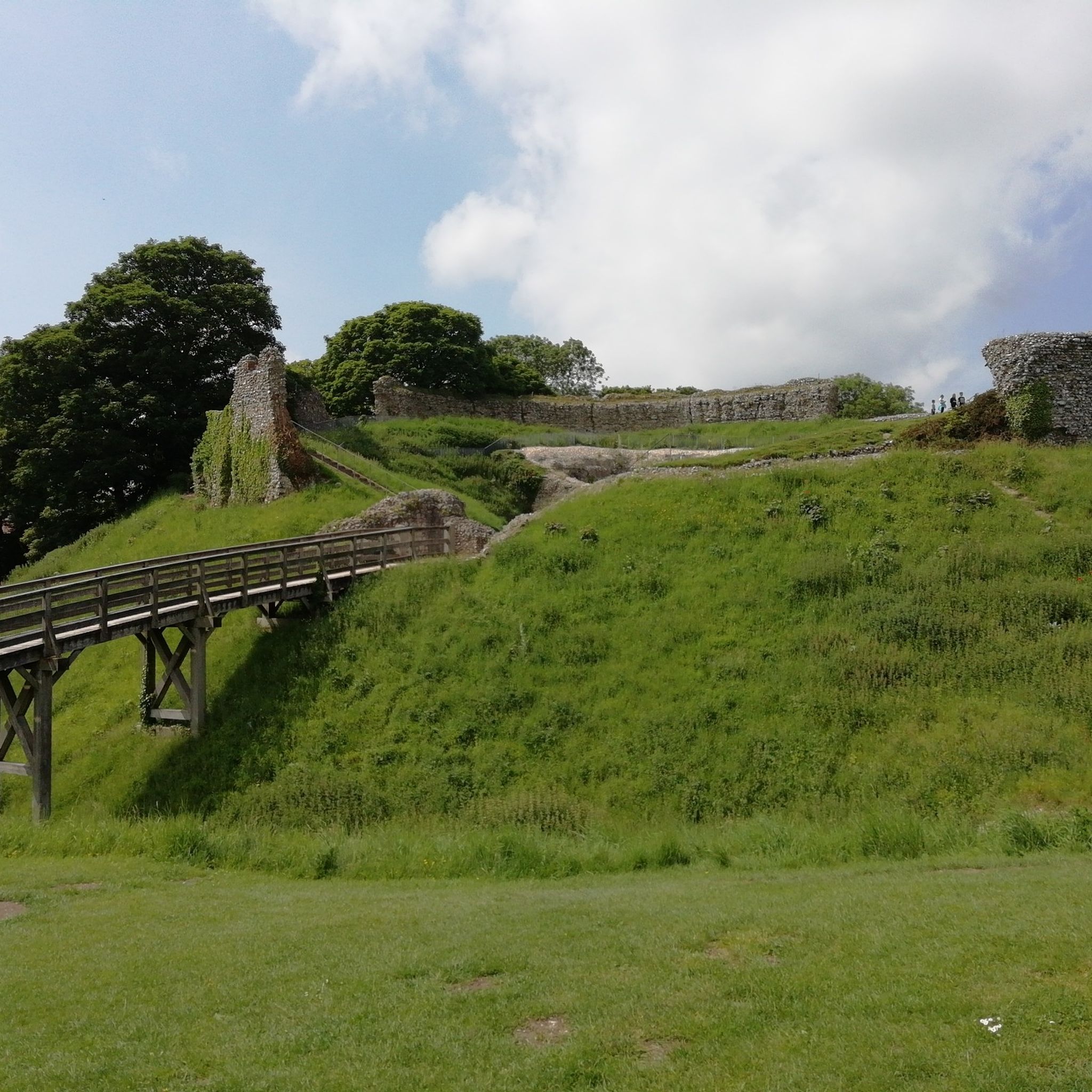
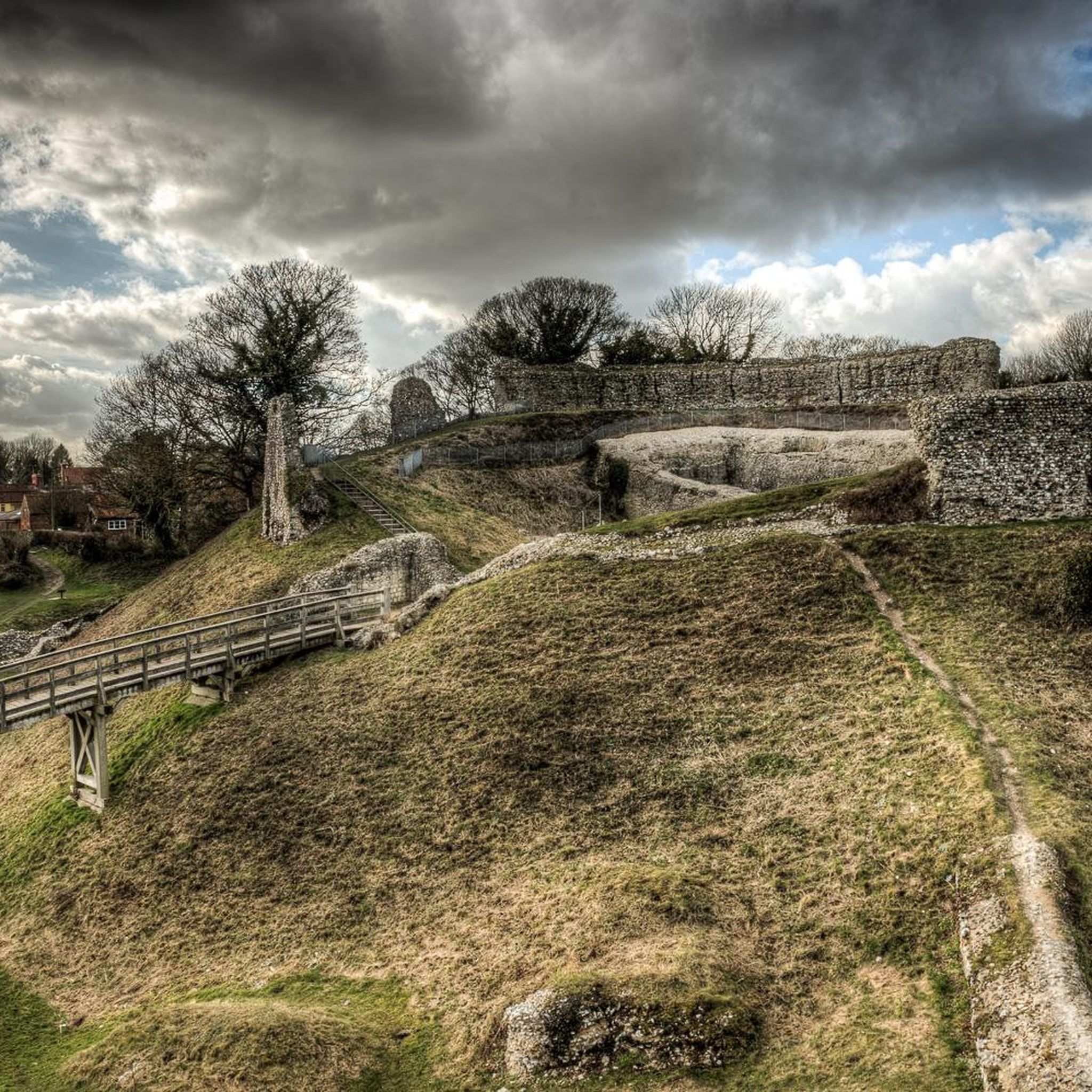
Most extensive earthen fortifications of a castle in England.
0
0

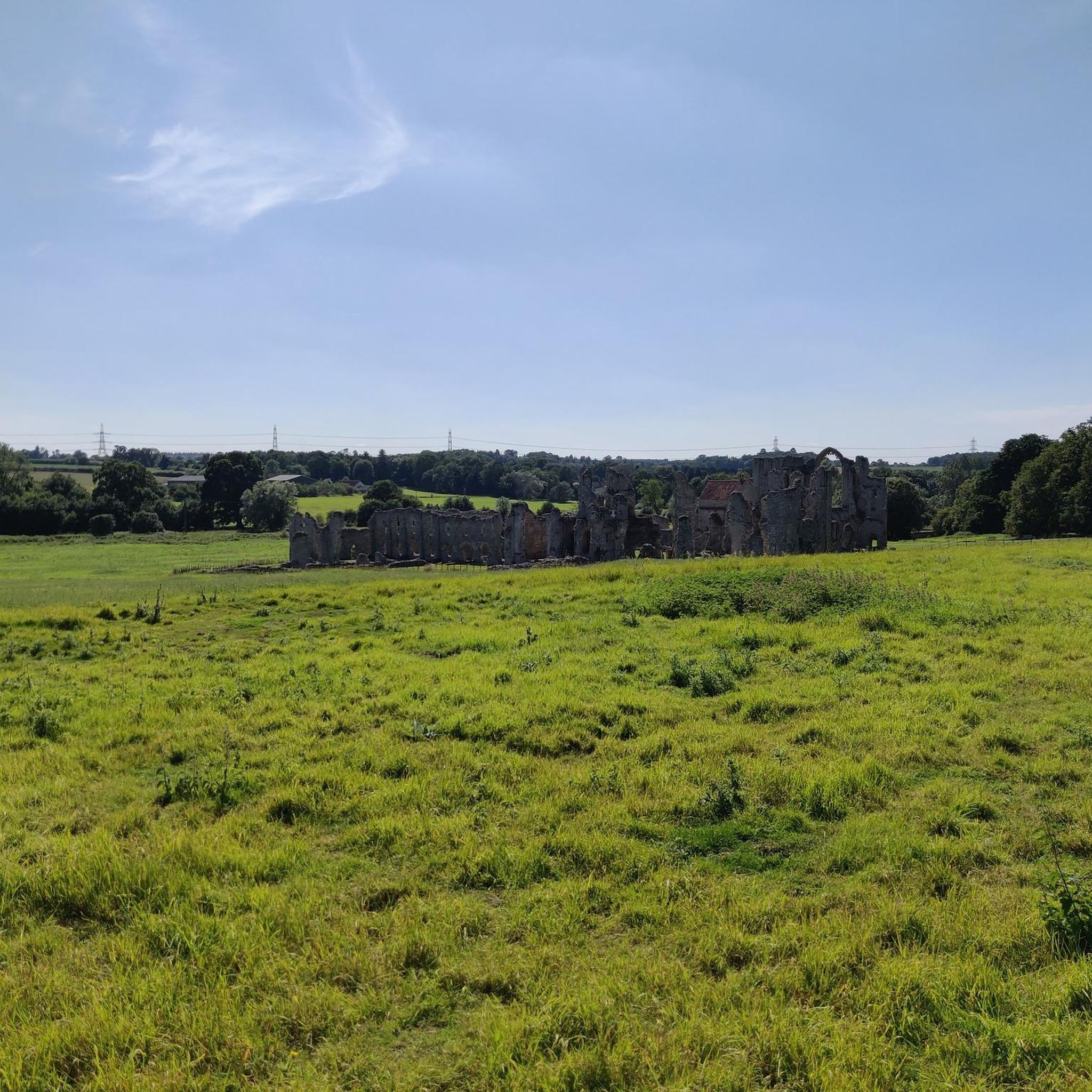
One of the most impressive set of priory ruins in the east of England. Only visit if you're not wearing road cleats though.
0
0

Castle Acre Priory is one of the largest and best-preserved monastic sites in England, dating back to 1090. It was the home of the first Cluniac order of monks in England and the Cluniac love of decoration is everywhere reflected in the extensive ruins. There is much to see at the priory, including the beautiful west end church gable, prior’s lodging and substantial remains of many of the buildings round the cloister. Herbs are grown in the recreated herb garden, which the monks would have used for medicinal, culinary and decorative purposes. Such an amazing place and very atmospheric around sunset, it does cost to get in and closes early but is worth, you can walk around the outskirts for free and this is best down at sunset or sunrise, a truly beautiful spot full of history. https://www.english-heritage.org.uk/visit/places/castle-acre-castle-acre-priory/
0
0
Lovely crossing to the south of Castle Acre if you come in following the Peddars way, there is a view out to the old Monastery.
0
0
Impressive remains but only viewable from a distance unless you're an English Heritage member or pay the entrance fee.
0
0
The lane south of the ford is narrow with a very poor surface. It, and the ford, are passable on a road bike but better suited to a gravel bike.
0
0


This fantastically well preserved motte and bailey castle is free to enter and explore. It was built shortly after the Norman Conquest in the 11th century by the first William de Warenne, a close associate of William the Conqueror.
0
0
Frequently Asked Questions
What historical sites can I explore in Castle Acre?
Castle Acre is rich in history, primarily known for its Norman heritage. You can visit the impressive ruins of Castle Acre Castle and Bailey Gate, a well-preserved motte-and-bailey castle with significant earthworks. Nearby, explore Castle Acre Priory, one of England's most extensive monastic sites, featuring a beautiful 12th-century church gable and a recreated herb garden. The ancient Bailey Gate, dating to around 1200, still serves as an entrance to the village. The Parish Church of St James the Great is also an integral part of the historic Norman settlement, and the tiny hamlet of South Acre features St George's Church, South Acre, with Norman elements.
What natural features can I experience around Castle Acre?
The village of Castle Acre is situated on the River Nar, which offers picturesque views and plays a significant role in the local ecosystem. You can explore the unimproved grazing marsh along the riverbanks, part of Castle Acre Common, a Site of Special Scientific Interest. The ancient Roman road, Peddars Way, crosses the River Nar here, providing opportunities for scenic walks. The Nar Valley Way also offers beautiful routes extending along the Nar Valley. Don't miss the River Nar Ford at South Acre Road, a unique crossing point.
Are there walking or hiking trails near Castle Acre?
Yes, Castle Acre is an excellent starting point for walks and hikes. The Peddars Way, a long-distance footpath, passes through the village, offering extensive walking opportunities. The Nar Valley Way also provides beautiful routes along the River Nar. For specific routes, you can find various options in the komoot guide for easy hikes around Castle Acre, including loops around the Priory and Castle Acre Bailey Gate.
Can I go cycling or mountain biking in the Castle Acre area?
Absolutely. The area around Castle Acre offers diverse terrain suitable for cycling. You can explore routes for gravel biking, with options like the 'Castle Acre Ford – Castle Acre Bailey Gate loop from West Acre' found in the komoot guide for gravel biking around Castle Acre. For mountain biking enthusiasts, there are trails such as the 'Castle Acre Bailey Gate – Castle Acre Castle loop from Sporle with Palgrave' listed in the komoot guide for MTB Trails around Castle Acre.
Is Castle Acre suitable for families with children?
Yes, Castle Acre offers several family-friendly attractions. Both Castle Acre Castle and Bailey Gate and Castle Acre Priory are listed as family-friendly, providing open spaces for exploration and historical insights. The Priory offers an interactive exhibition and a free audio guide to engage younger visitors. The Narborough Bone Mill is another interesting spot along the River Nar, offering a glimpse into the area's industrial past in a natural setting.
Are there dog-friendly walking options in Castle Acre?
Many of the outdoor areas and walking trails around Castle Acre are dog-friendly. The Peddars Way and Nar Valley Way are popular choices for walks with dogs, offering open countryside and riverside paths. Always ensure dogs are kept under control, especially near livestock or wildlife, and check for any specific restrictions at individual sites like the Castle Acre Priory or Castle Acre Castle, which are managed by English Heritage.
What are the opening hours for Castle Acre Castle and Priory?
Castle Acre Castle and Bailey Gate is an English Heritage site and is generally free to enter and accessible during daylight hours. Castle Acre Priory, also managed by English Heritage, typically has specific opening hours and an admission fee for non-members. It's advisable to check the official English Heritage website for the most current opening times and admission details for both sites before your visit. You can find information for the castle at english-heritage.org.uk.
Is there parking available for visitors to Castle Acre?
Yes, there is a small car park available for visitors to Castle Acre Castle and Priory. It is recommended to arrive early, especially during peak seasons, to secure a space. The village itself also has some parking options, particularly near the village green and local establishments.
How can I reach Castle Acre using public transport?
Public transport options to Castle Acre can be limited, as it is a rural village. Bus services may connect Castle Acre to larger towns in Norfolk, such as Swaffham or King's Lynn, from where further connections can be made. It's best to check local bus timetables and routes in advance, as services can be infrequent, especially on weekends or public holidays. Planning your journey using a local transport authority website is recommended.
What is the best time of year to visit Castle Acre?
Castle Acre can be enjoyed year-round, but each season offers a different experience. Spring and summer (April to September) are ideal for exploring the ruins and walking trails, with pleasant weather and longer daylight hours. The recreated herb garden at Castle Acre Priory is particularly vibrant during these months. Autumn brings beautiful foliage to the surrounding countryside, while winter offers a quieter, more atmospheric visit, though some facilities might have reduced hours. Always check the weather forecast before your visit.
Are there any cafes, pubs, or accommodation options in Castle Acre?
Yes, Castle Acre's village center offers traditional amenities for visitors. You can find a traditional pub, The Ostrich, which is a popular spot for refreshments. There are also tearooms for lighter bites and speciality/gift shops to browse. For accommodation, there are local guesthouses and B&Bs within the village or in nearby hamlets, offering a charming stay in the Norfolk countryside.
What is the significance of Castle Acre's Norman planned settlement?
Castle Acre is renowned as one of the finest and most complete examples of a Norman planned settlement in England. Its original layout, including the defensive earthworks, the castle, and the priory, is remarkably well-preserved and still visible today. This unique survival provides a rare insight into Norman town planning and military architecture following the Norman Conquest, making it a site of significant historical and archaeological importance.
Are there any other unique historical points of interest beyond the main castle and priory?
Beyond the prominent castle and priory, you can discover Narborough Bone Mill, a man-made monument on the River Nar. This site features a rusted waterwheel and stone grinding wheels, serving as a picturesque reminder of the area's industrial past along the Nar Valley Way. Additionally, the tiny hamlet of South Acre, a short distance away, hosts St George's Church, South Acre, which boasts Norman elements and a medieval cross in its churchyard, offering a glimpse into a once-thriving village.
Most popular routes around Castle Acre
Most popular attractions around Castle Acre

Get inspired with the komoot mobile app


Explore more
Still not found the Highlight you’re looking for? See guides of the top attractions in other regions:
