The best walks and hikes around Wesseling
4.4
(20392)
98,092
hikers
58
hikes
Hiking around Wesseling offers diverse landscapes along the Rhine River, characterized by riparian environments and local nature reserves. The region features accessible terrain, including extensive green spaces, meadow paths, and sections of old Rhine riverbeds. Hikers can explore areas like the Rheinpark and the ecologically significant Entenfang Nature Reserve. The elevation changes are generally minimal, making many routes suitable for various fitness levels.
Best hiking trails around Wesseling
- The most popular hiking route is Entenfang Nature Reserve – Entenfang Recreation…
Last updated: September 30, 2026
4.5
(6)
53
hikers
Moderate hike. Good fitness required. Easily-accessible paths. Suitable for all skill levels.
4.0
(4)
51
hikers
Easy hike. Great for any fitness level. Easily-accessible paths. Suitable for all skill levels.

5.0
(3)
51
hikers
9.48km
02:25
30m
30m
Moderate hike. Good fitness required. Easily-accessible paths. Suitable for all skill levels.
4.3
(3)
41
hikers
Easy hike. Great for any fitness level. Easily-accessible paths. Suitable for all skill levels.
5.0
(5)
28
hikers
9.25km
02:22
30m
30m
Moderate hike. Good fitness required. Easily-accessible paths. Suitable for all skill levels.
Get access to more routes and recommendations from other explorers.
Already have an account?
Our route recommendations are based on thousands of hikes, rides, and runs completed by other people on komoot.
Start today with a free account
Your next adventure awaits.

Tips from the Community

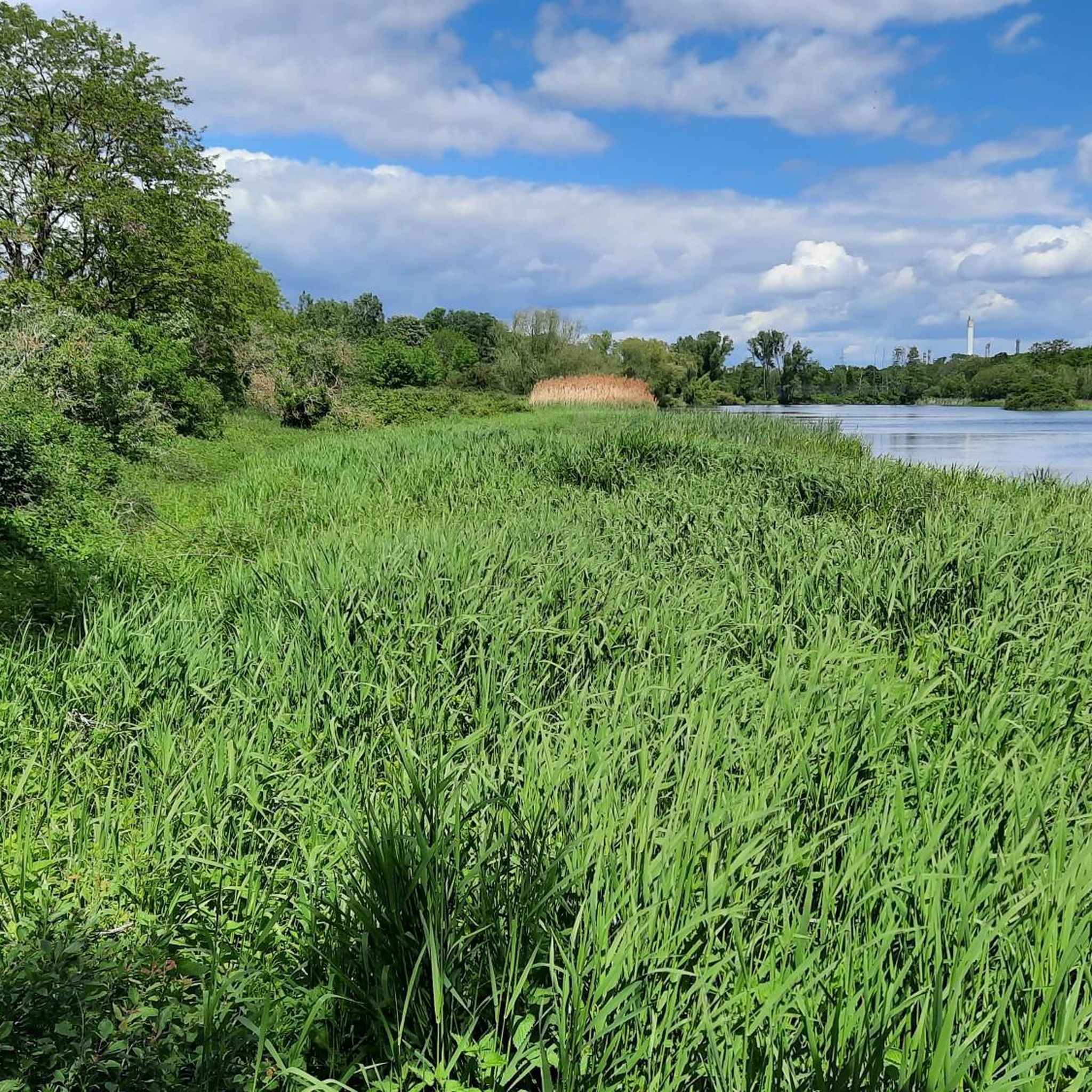
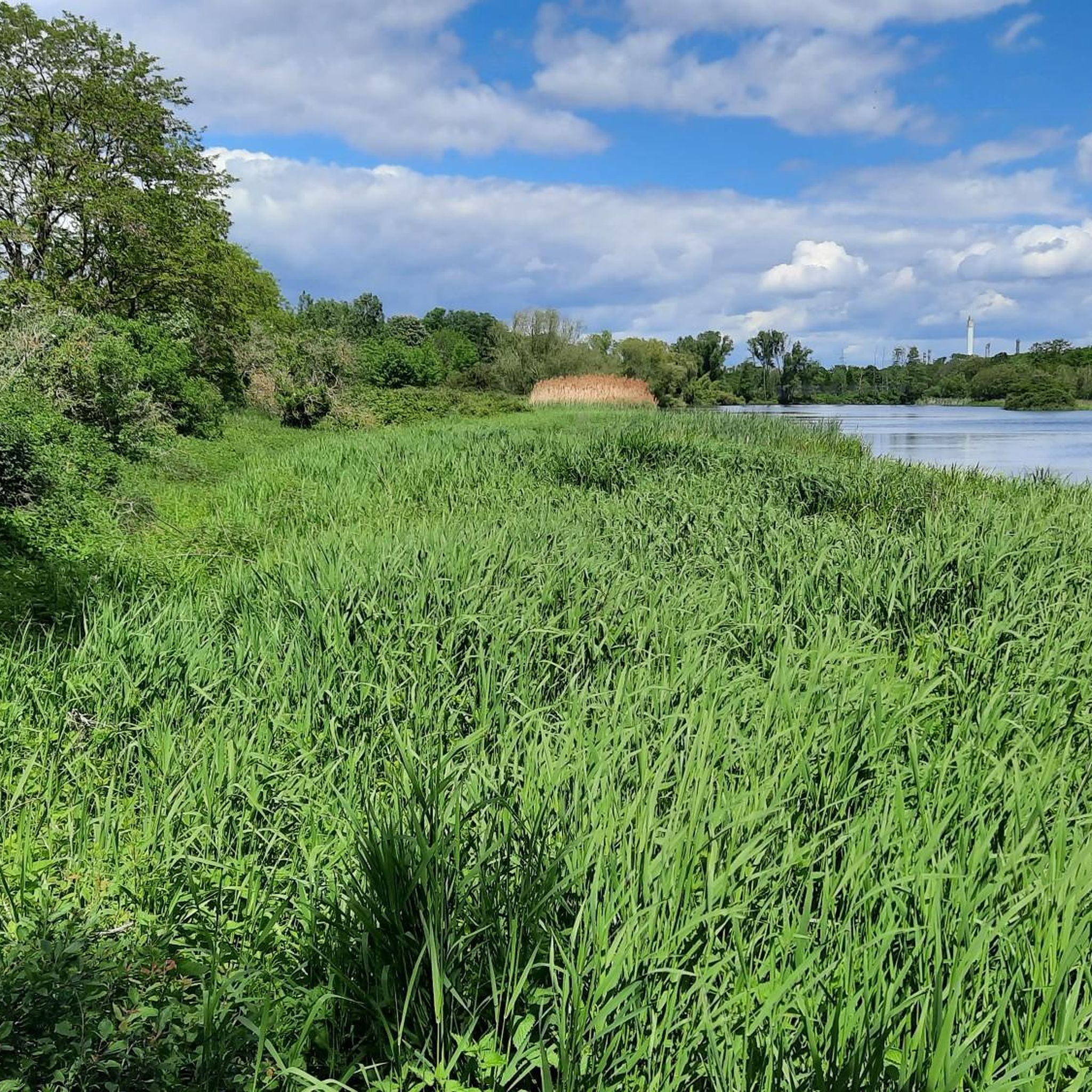
Since the old Rhine arm is no longer cultivated by anglers, nature is gradually reclaiming the area. The original two ponds appear increasingly wild; despite lively bicycle and foot traffic, you can linger and observe the odd animal.
0
0

The core of St. Lucy's Chapel dates back to the 13th century and belonged to a farmstead, the present-day Sionite Farmstead, which passed from Siegburg Abbey to the Cistercian convent of Ophoven before the mid-13th century. As early as 1250, the farmstead and chapel came into the possession of the Cologne monastery of Sion, where they remained until secularization at the beginning of the 19th century. (Source: Wikipedia) The chapel is a listed building and archaeological monument.
0
0
The Dickopsbach stream originates in Phantasialand and feeds the Entenfang (duck pond) with water.
0
0

For information about the Entenfang hunting lodge, see e.g. https://de.wikipedia.org/wiki/Jagdschloss_Entenfang
0
0

"The Lülsdorfer Weiden Nature Reserve is located within the town of Niederkassel in the Rhein-Sieg district of North Rhine-Westphalia. The area extends northwest of Lülsdorf, a district of Niederkassel, along the west-flowing Rhine..." FURTHER INFORMATION: https://de.wikipedia.org/wiki/L%C3%BClsdorfer_Weiden https://nsg.naturschutzinformationen.nrw.de/nsg/de/fachinfo/gebiete/gesamt/SU_020 https://www.wms.nrw.de/html/7680100/SU-020
0
0
Who actually measured the Rhine? – Of Myrameter Stones and Kilometers of Rivers "... Waterways have always been the most important transport routes. Because boatmen were at the mercy of the whims of the great rivers when navigating them, canals were built as early as the 6th century BC, and in Europe, the straightening of major rivers began in the 17th century. The Rhine, in particular, with its shallows, loops, and tributaries, posed difficulties for the transport industry, especially for cargo ships. Towpaths had been built almost everywhere from Basel to Rotterdam, along which the horses pulled these lighters walked. To shorten the route and make the Rhine navigable all the way down to Basel, the Rhine River Construction Administration was founded in Koblenz in 1815. Under the leadership of Rhine River Construction Director Eduard Nobiling, it was responsible for this mammoth task. After the successful straightening of the Upper Rhine, the Rhine began to be precisely surveyed in 1864. This had been ordered by the The Central Commission for Navigation on the Rhine (CCNR) was founded in 1815, the world's first international organization, still in existence today, and in which all the Rhine riparian states are represented. The idea was to erect stones as markers every 10,000 meters between the (middle) Basel Rhine Bridge and the estuary near Rotterdam, the so-called "myriameter stones." As is well known, the Rhine divides near Millingen, on what is now the German-Dutch border, into the Waal and the Nederrijn, later known as the Lek. The reference point for the myriameter stones was in the middle of the (old) port of Rotterdam; today, the mouth of the Lek behind Hoek van Holland is considered the measuring point. Because the surveying of the Rhine was primarily a project of the states of Baden, Hesse, and Prussia at the time, the Netherlands did not participate. Therefore, myriameter stones only existed between Basel and Rees. ..." https://www.rhein-magazin-duesseldorf.de/wer-hat-eigentlich-den-rhein-ausgemessen-von-myrametersteinen-und-stromkilometern/?cn-reloaded=1
0
0
<< The Parish Church of St. Germanus - the "Wesseling Cathedral" >> "As early as the 9th century, a parish church dedicated to St. Germanus of Auxerre stood in "Niederwesseling," about 150 meters north of the current parish church site. This church building, rebuilt, repaired, and expanded several times over the centuries, had finally become too small and dilapidated for the rapidly growing congregation by the second half of the 19th century. Therefore, the new parish church was built on the present site between 1892 and 1894 in the Neo-Romanesque style and consecrated in 1894 by the Auxiliary Bishop of Cologne, Dr. Hermann-Joseph Schmitz. The brick church with its two-tower façade is 42 meters long and 21 meters wide. It consists of a main aisle and two side aisles with a non-projecting transept and a semicircular apse. Most recently, in 2013, the interior of the church was completely renovated and given its current appearance. color scheme..." CONTINUATION and MORE INFORMATION: https://www.kkiw.de/wir-fuer-sie/kirchen/st.-germanus/index.html
0
0

A very nice, quiet path for a long walk.
1
0
Frequently Asked Questions
What types of landscapes can I expect to see while hiking in Wesseling?
Hiking in Wesseling primarily features diverse riparian environments along the Rhine River and local nature reserves. You'll find extensive green spaces, a modern Rhine promenade, and varied meadow paths, particularly within the ecologically significant Entenfang Nature Reserve. The terrain is generally accessible with minimal elevation changes.
Are there many easy hiking trails suitable for beginners or families in Wesseling?
Yes, Wesseling offers a good selection of easy hiking trails. Out of 63 routes, 42 are classified as easy, making them suitable for beginners or families. Many paths in the Entenfang Nature Reserve, for example, are easily accessible and suitable for all fitness levels, featuring meadow paths and some paved sections.
What are some notable natural features or landmarks to look out for on Wesseling's trails?
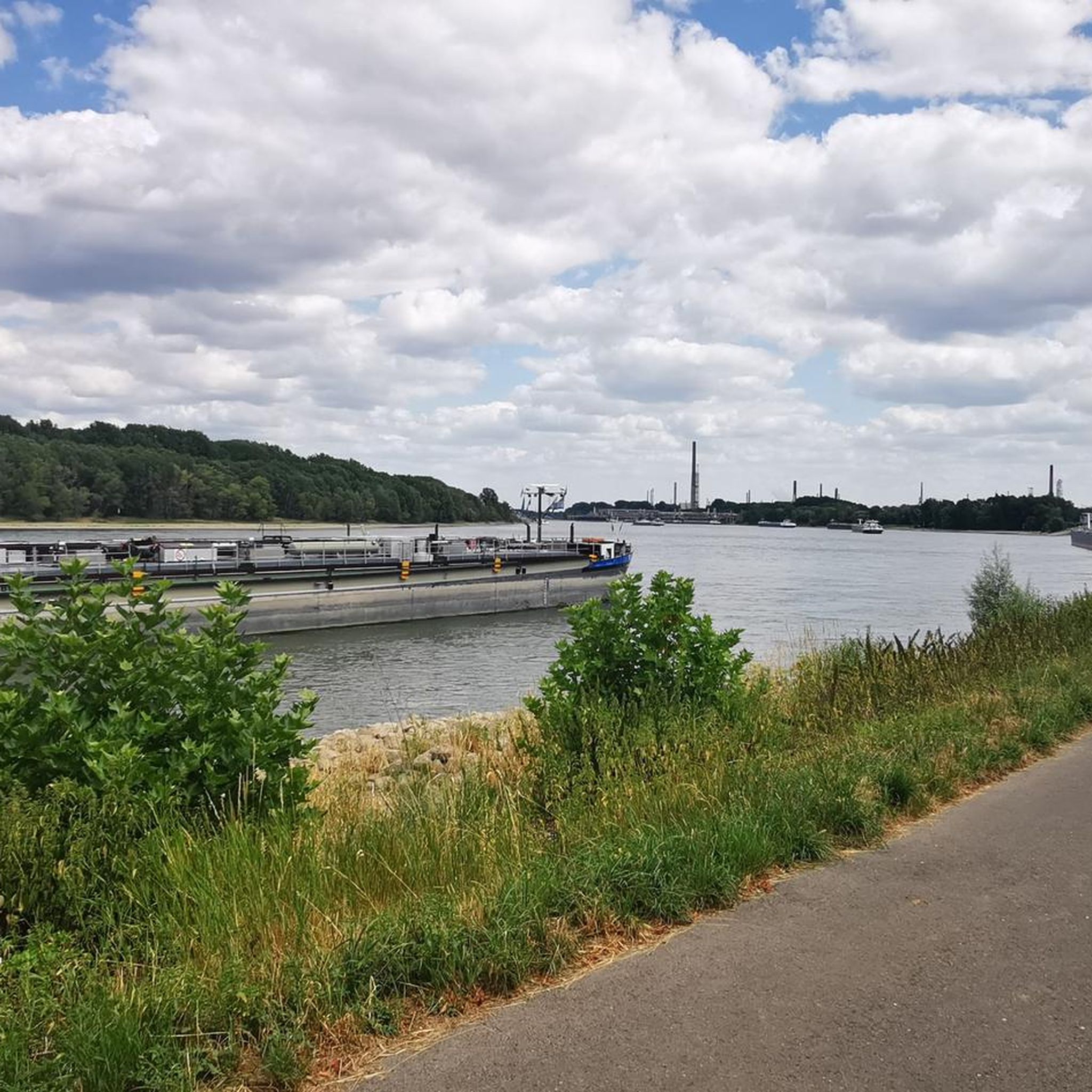
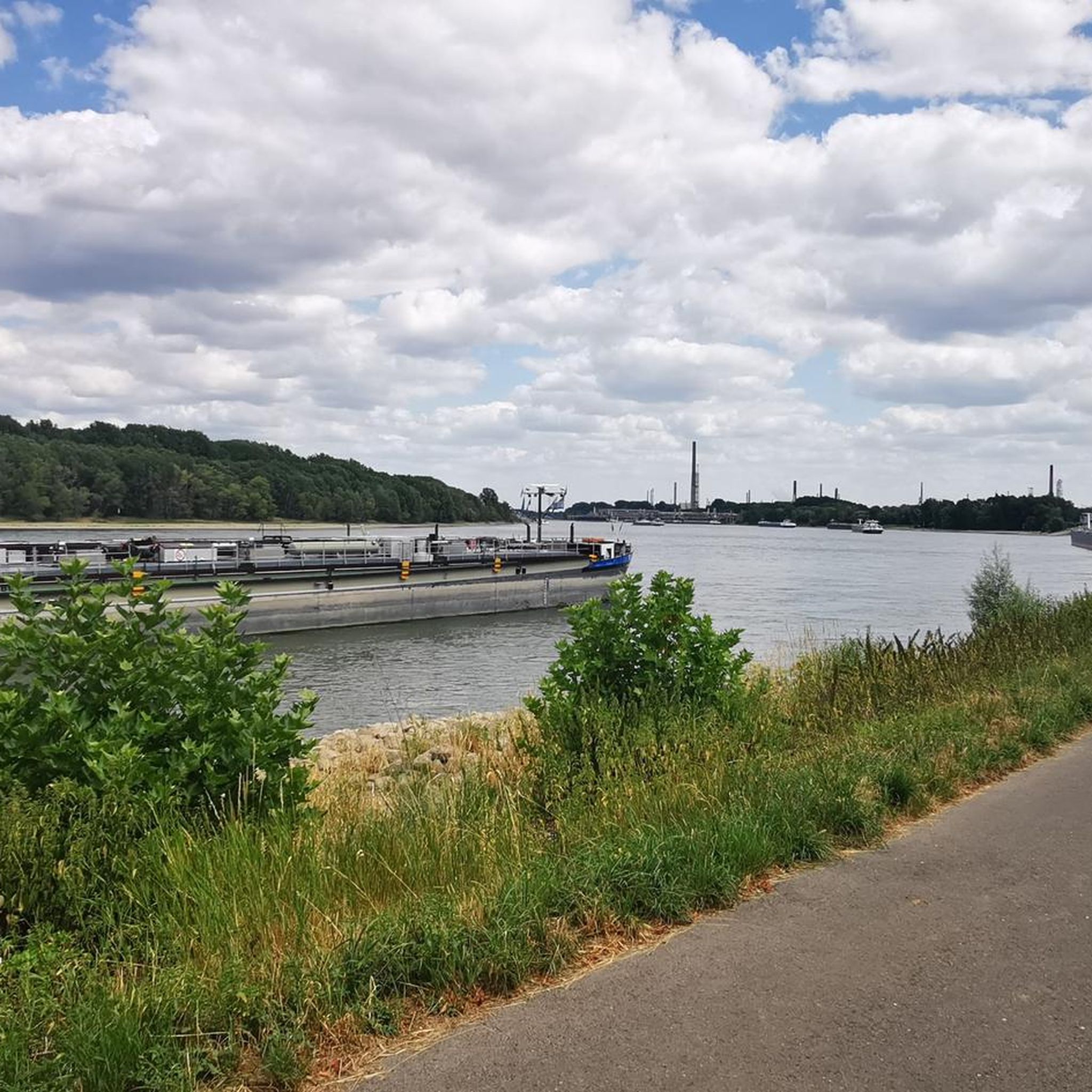
Key natural features include the serene Rhine riverside paths, offering views of the river and passing ships. The Entenfang Nature Reserve is a significant highlight, known for its nutrient-rich, shallow waters and importance for birdlife. You might also encounter parts of the historic Wesselinger Leinpfad (towpath) along the Rhine.
Are there any circular hiking routes available in Wesseling?
Yes, many of the trails in Wesseling are designed as loops. For example, the Entenfang Nature Reserve – Entenfang Recreation Area loop from Wesseling and the Entenfang Observation Point – Entenfang Nature Reserve loop from Wesseling are popular circular routes within the nature reserve. Another option is the Rhine bank Wesseling – Towpath on the Rhine loop from Wesseling, which follows the scenic riverside.
What do other hikers say about the trails in Wesseling?
The hiking routes in Wesseling are highly rated by the komoot community, with an average score of 4.5 stars from over 70 reviews. Hikers often praise the serene Rhine riverside paths and the ecologically significant Entenfang Nature Reserve for its natural beauty and accessibility.
Are there any dog-friendly hiking options in Wesseling?
While specific leash rules can vary by area, many of Wesseling's natural areas, including the Rheinpark and parts of the Entenfang Nature Reserve, are generally welcoming to dogs. It's always recommended to keep dogs on a leash, especially in nature reserves, to protect wildlife and ensure a pleasant experience for all visitors.
Can I reach Wesseling's hiking trails using public transport?
Wesseling is well-connected, and many trailheads are accessible via public transport. The town's location on the Rhine means that areas like the Rheinpark are often easily reachable from central points. For specific routes, checking local bus or train connections to the starting point is advisable.
Where can I find parking for hiking trails in Wesseling?
Parking is generally available near popular recreational areas in Wesseling. For instance, the Rheinpark and the Entenfang Recreation Area, which serve as starting points for many trails, typically offer designated parking facilities. Specific parking locations can often be found on local maps or by checking the details of individual routes on komoot.
Are there any historical sites or castles near Wesseling that can be combined with a hike?
Yes, Wesseling's proximity to Brühl allows for combining hikes with visits to significant historical sites. You can explore UNESCO World Heritage sites such as Augustusburg Palace and Falkenlust Hunting Lodge. These can be incorporated into longer, more varied routes that pass through fields and former hunting grounds.
What is the best time of year to go hiking in Wesseling?
Wesseling offers pleasant hiking experiences throughout much of the year. Spring and autumn provide comfortable temperatures and beautiful scenery, with blooming flora or vibrant fall colors. Summer is also suitable, especially along the shaded riverside paths. Winter hikes are possible, but conditions may vary, with potential for mud or ice.
Are there any opportunities for nature observation, especially birdwatching, in Wesseling?
Absolutely. The Entenfang Nature Reserve is a prime location for nature observation, particularly birdwatching. It's known as an important resting place for migratory wading birds due to its nutrient-rich, shallow waters. Trails like the Dickopsbach – Entenfang Nature Reserve loop from Wesseling offer excellent opportunities to experience this unique ecosystem.
Are there any longer, more challenging hikes available for experienced hikers?
While Wesseling is known for its generally easy to moderate terrain, there are a few routes that offer a bit more challenge. Out of 63 routes, 2 are classified as difficult. These might involve slightly longer distances or more varied surfaces, potentially extending towards nearby regions like Brühl for a more extensive experience.
Most popular routes around Wesseling
Most popular attractions around Wesseling

Get inspired with the komoot mobile app


Explore more
Browse the best Hikes in other regions.
