Attractions and Places To See around Beaumont-cum-Moze - Top 20
Best attractions and places to see around Beaumont-cum-Moze, a historic parish in Essex, England, offer a blend of historical landmarks and natural coastal features. The area provides access to Hamford Water, an estuarial system, and features a landscape that evolved to be known as a "beautiful hill." Visitors can explore sites with Saxon and Roman-era significance, alongside a more secluded coastal experience.
Best attractions and places to see around Beaumont-cum-Moze
- The most popular attractions is Naze Tower, a historical site built to aid ships navigating the coastline. It now houses a cafe and museum, with views from its top after climbing 111 steps.
- Another must-see spot is Shotley Pier and Marina, a historic pier built in 1894 for Royal Mail transport and notable as the only railway pier in Suffolk. Renovations are currently ongoing.
- Visitors also love Dovercourt Lighthouses, a historical site featuring unusual lighthouses built around the 17th century. These structures are unique examples of early lighthouses, commissioned by Trinity House in 1862 to guide ships towards Harwich harbour.
- Beaumont-cum-Moze is known for its historical landmarks, natural coastal features, and cultural points of interest. The area offers a variety of attractions to see and explore, from ancient monuments to estuarial views.
- The attractions around Beaumont-cum-Moze are appreciated by the komoot community, with 61 upvotes and 19 photos shared.
Last updated: July 15, 2026
Shotley Pier and Marina
Highlight • Rest Area
At the beginning of the 21st century, it fell into a state of disrepair. A fundraising campaign in 2018 enabled supporters to purchase the pier and begin renovations. The works are still ongoing today.
Tip by

Dovercourt Lighthouses
Highlight • Historical Site
Tip by
Sign up now to discover places like this
Get recommendations on the best single tracks, peaks, & plenty of other exciting outdoor places.
Sign up for free
Mistley Towers
Highlight • Historical Site
(en.wikipedia.org/wiki/Mistley_Towers)
Tip by

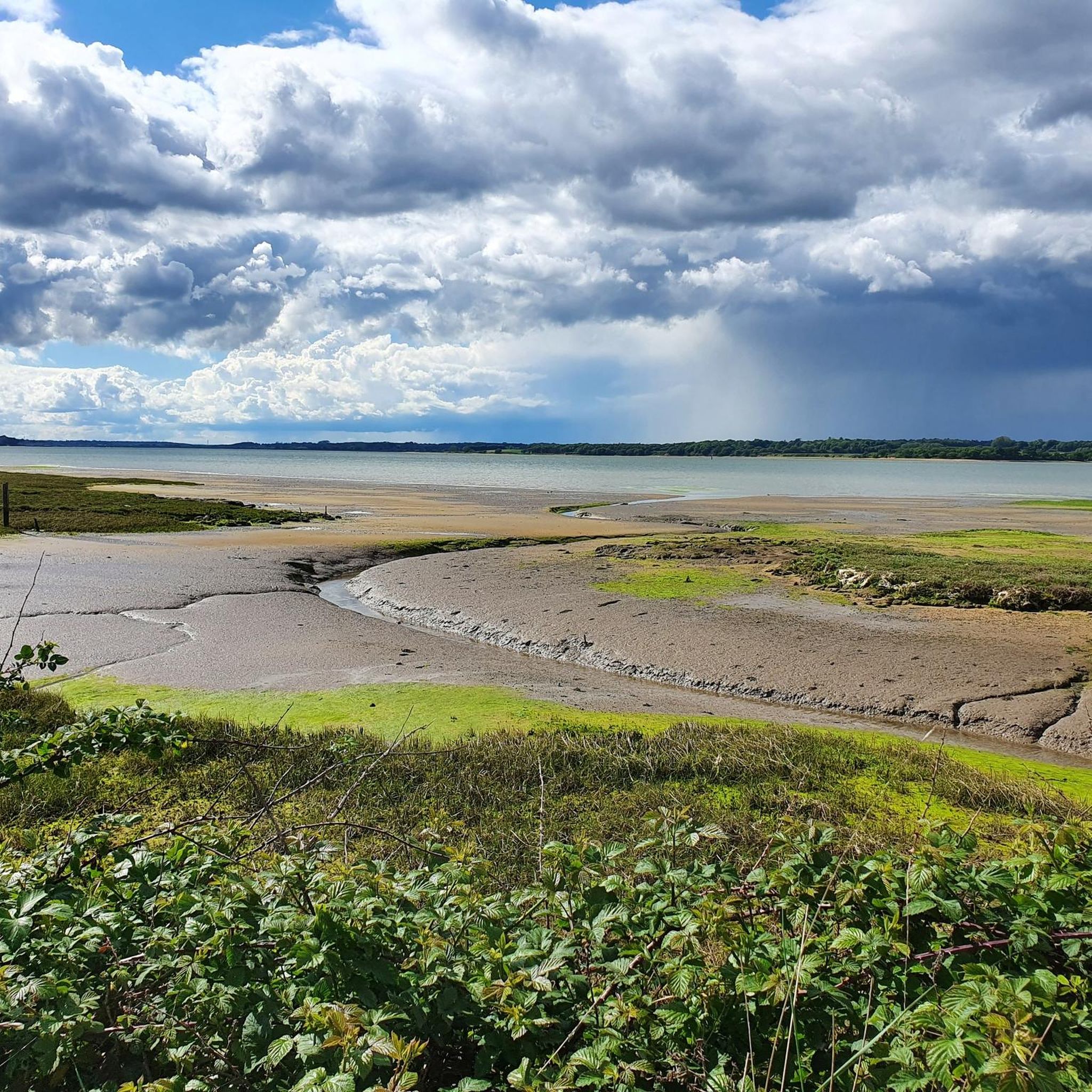
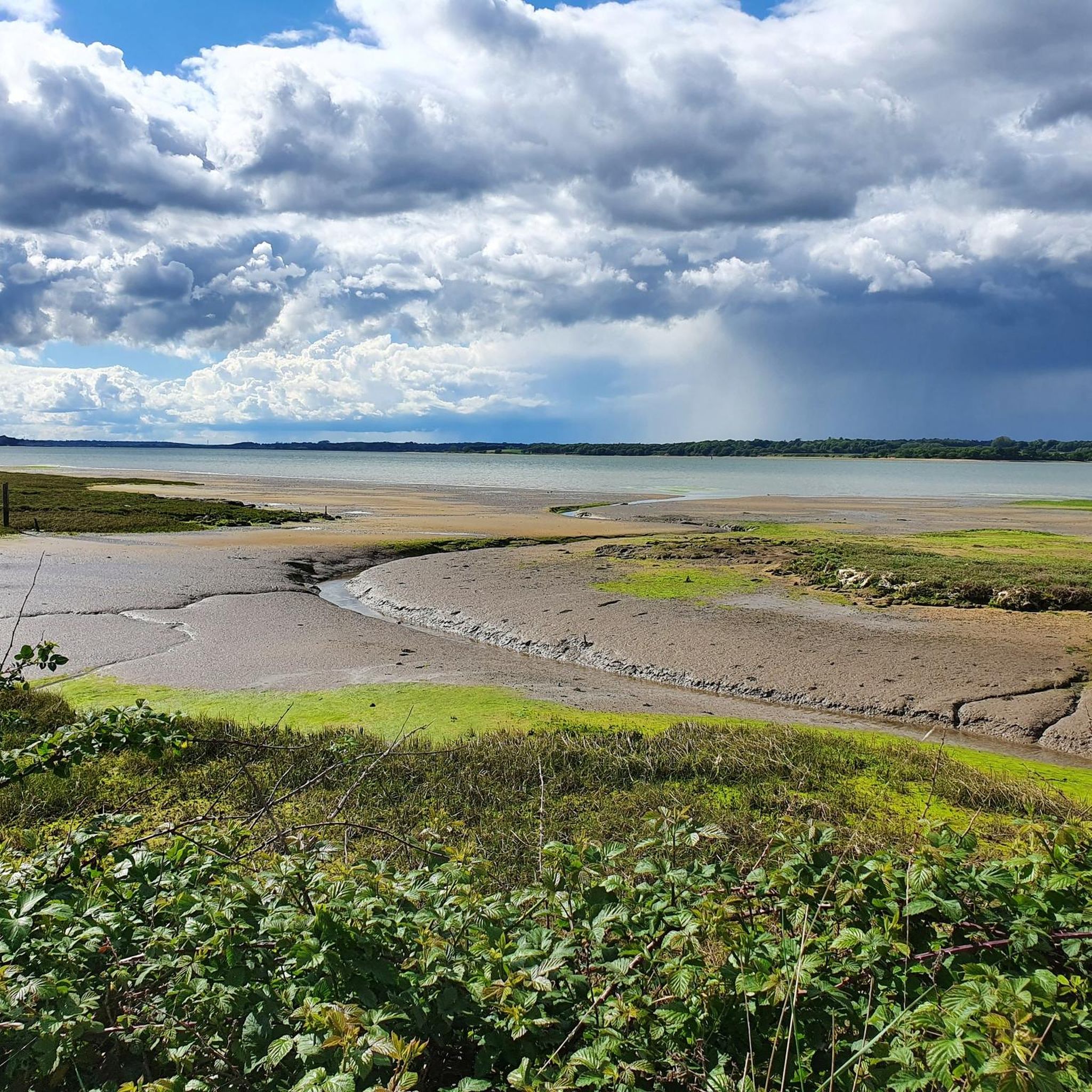
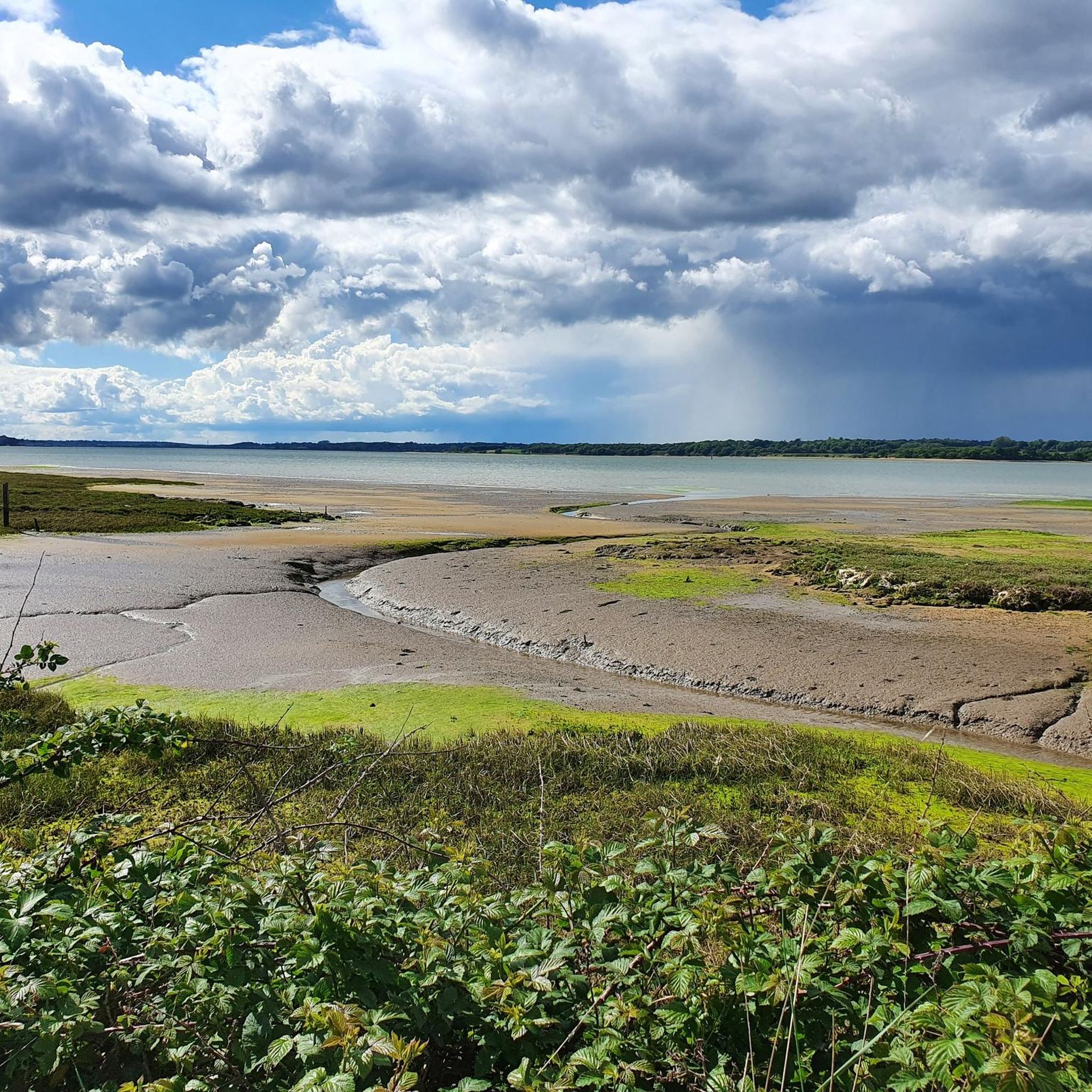
Manningtree Estuary
Highlight • Natural
Tip by

Naze Tower
Highlight • Historical Site
Tip by

Sign up for free to discover even more attractions around Beaumont-cum-Moze.
Sign up for free
Already have an account?
Start today with a free account
Your next adventure awaits.
Login or Signup
Tips from the Community

About 20m of the pier is now restored and open but that still leaves a lot left to do!
0
0

Nice walk along the coast. Down along the beach if you have time you can find sharks teeth in the small pebbles. Sunken pill boxes too to see.
1
1

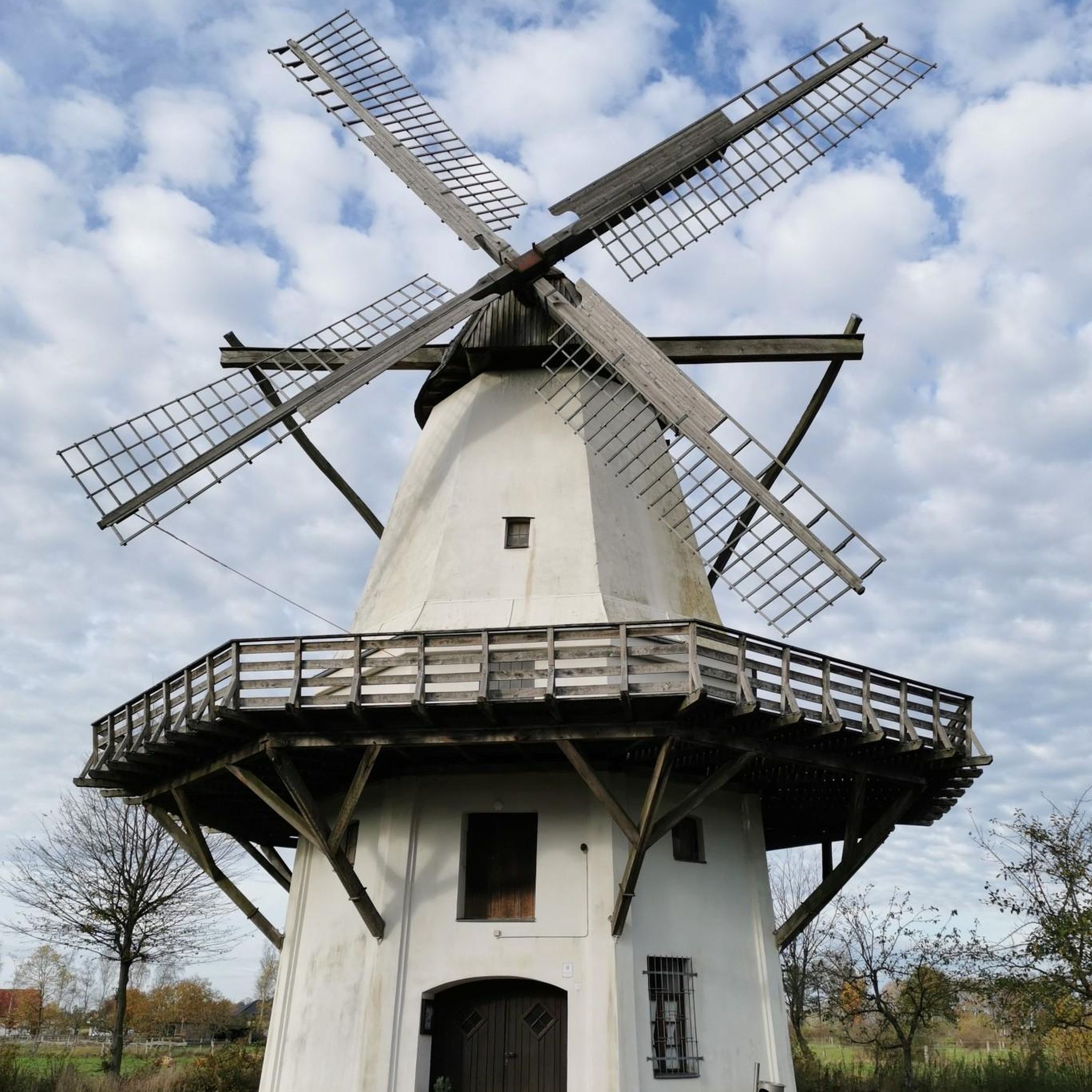
Also known as the Hanoverian Tower, Naze Tower was built to aid ships navigating this stretch of coastline, which otherwise has very few landmarks. It would have had a light at the top for nocturnal navigation. The tower is now home to a great cafe and a museum. It is also well worth taking the 111 steps up the tower to bask in the glorious views from the top.
2
0
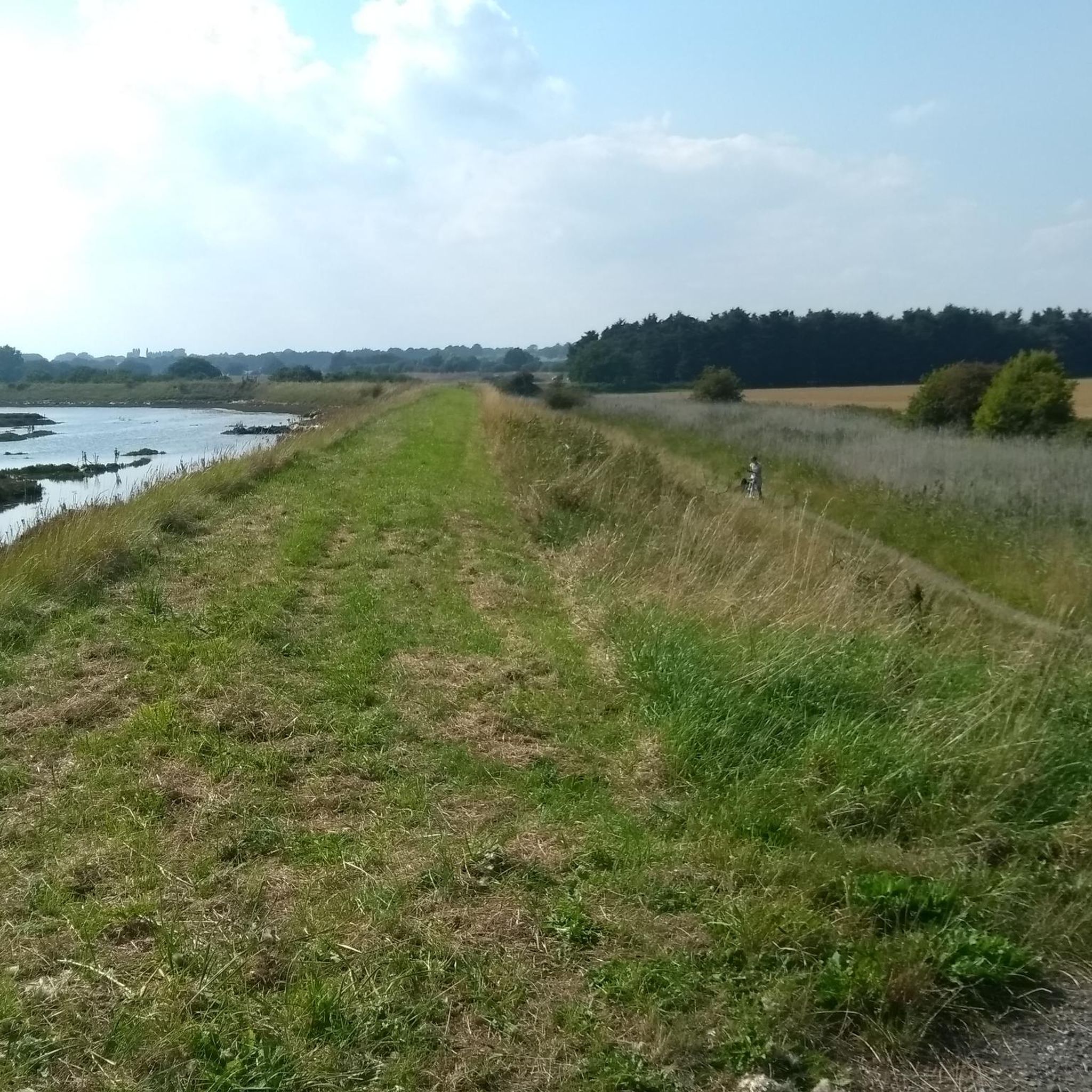
Looking out across the end of the River Stour, past Shotley pier to Harwich International Port on the other side of the river.
1
0

Great spot with ferry available across to Harwich and Felixstowe.
0
0

Shotley Pier was built in 1894 to enable the Royal Mail to travel between Shotley Gate and Harwich. As well as mail, coal, munitions and sailors also travelled on its rails – the pier is the only railway pier in Suffolk. At the beginning of the 21st century, it fell into a state of disrepair. A fundraising campaign in 2018 enabled supporters to purchase the pier and begin renovations. The works are still ongoing today.
1
0

Pub on one side, picnic tables and a byway along the river the other.
0
0

Manningtree has traditionally claimed to be the smallest town in England, but its 2007 population of 700 people in 20 hectares[2] and the 2011 census population for the civil parish of 900 are much higher than the 351 population of Fordwich, Kent.[3] However the settlement of Manningtree has a population of 5696.[4] In April 2009 it was proposed that Manningtree should merge with Mistley and Lawford to form a single parish, losing its separate identity as a town.[5] As of 2018 such a merger has not occurred, and the town council currently claims to be the smallest by area. (https://en.wikipedia.org/wiki/Manningtree)
3
0
Frequently Asked Questions
What historical sites can I explore in Beaumont-cum-Moze?
Beaumont-cum-Moze is rich in history. You can visit the historic Beaumont Quay, a disused trading quay that was rebuilt in 1832 using stones from old London Bridge. The remains of the Thames Sailing barge Rose are still visible here. Nearby, the Beaumont Cut, a 1-kilometer canal built in 1832, offers a pleasant historical walk. The Church of St. Leonard, an eleventh-century parish church, is also a central part of the village.
Where can I experience the natural beauty of the Beaumont-cum-Moze area?
The area around Beaumont-cum-Moze offers a chance to experience fresh seaside air and a more secluded coastal environment. The Beaumont Cut and Quay provide access to Hamford Water, an estuarial system. You can also explore the Manningtree Estuary, known for its wildlife and scenic views, often hailed as the gateway to Constable country.
Are there family-friendly attractions or activities in Beaumont-cum-Moze?
Yes, several attractions in the wider area are suitable for families. For example, the Naze Tower offers a cafe and museum, and climbing its 111 steps provides glorious views, which can be an engaging activity for older children. The historical sites like Beaumont Quay and the walk along the Beaumont Cut also offer educational and enjoyable outings for families.
What unique landmarks should I visit near Beaumont-cum-Moze?
Beyond the local historical sites, consider visiting the Naze Tower, a historical site built to aid ships navigating the coastline, now housing a cafe and museum. Another unique sight is the Dovercourt Lighthouses, unusual historical structures built around the 17th century to guide ships towards Harwich harbour. Also, the Mistley Towers, two porticoed classical towers, are the remains of a grandiose 18th-century church and are free to visit.
Are there good walking or hiking opportunities near Beaumont-cum-Moze?
Absolutely! The historical walk along the Beaumont Cut is a pleasant option. For more extensive outdoor activities, you can find various running trails in the vicinity. For example, you can explore routes like the 'John Weston Nature Reserve loop from Walton-on-the-Naze' or the 'Stour Wood – View from the Hide loop from Wrabness'. You can find more details and routes in the Running Trails around Beaumont-cum-Moze guide.
What cycling routes are available around Beaumont-cum-Moze?
The area offers several cycling opportunities. For road cycling, you might enjoy routes such as 'The Castle Inn & Campsite – Mistley Towers loop from Little Oakley' or 'View of Village Street – Great Bentley Village Green loop from Thorpe-le-Soken'. Mountain biking enthusiasts can find trails like 'Harwich to Frinton-on-Sea loop, via Dovercourt Lighthouses'. Explore more options in the Road Cycling Routes around Beaumont-cum-Moze guide and the MTB Trails around Beaumont-cum-Moze guide.
What is the significance of Beaumont Quay and the Lime Kiln?
Beaumont Quay was a vital trading hub for coastal traffic between Essex's agricultural hinterland and London. It's historically significant, with a tablet recording its rebuilding in 1832 using stones from old London Bridge. The Lime Kiln, located at the quay, is a 19th-century structure that provides insight into the area's industrial past, both now designated as a scheduled ancient monument.
Can I learn about Roman history in Beaumont-cum-Moze?
Yes, the area has evidence of Roman-era activity. Archaeological studies suggest a possible Roman canal existed on the same site as the Beaumont Cut, linked to salt extraction. Visitors can find evidence of Roman-era salt working mounds and pottery fragments, indicating a long history of human settlement and industry in the parish.
What do visitors enjoy most about the attractions near Beaumont-cum-Moze?
Visitors appreciate the blend of historical significance and natural beauty. For instance, at Naze Tower, people enjoy the glorious views from the top after climbing the steps, and the opportunity to find shark's teeth along the nearby beach. The historical context of sites like Shotley Pier and Marina, with its ongoing renovations, also captures interest as a unique piece of Suffolk's heritage.
Is there a historic pier to visit nearby?
Yes, you can visit Shotley Pier and Marina. This historic pier was built in 1894 for Royal Mail transport and is notable as the only railway pier in Suffolk. While renovations are currently ongoing, it remains a significant historical site offering views across the River Stour.
What is the best time to visit Beaumont-cum-Moze for outdoor activities?
The area's coastal and estuarial nature means that spring, summer, and early autumn generally offer the most pleasant conditions for outdoor activities like walking and cycling. These seasons provide milder weather and longer daylight hours, ideal for exploring the historical sites and natural landscapes around Hamford Water and the Beaumont Cut.
Are there any literary connections to Beaumont-cum-Moze?
Yes, Beaumont Quay holds a literary connection as it is featured in Arthur Ransome's 1939 novel, Secret Water. This adds another layer of interest for visitors who enjoy exploring places with cultural significance.

Get inspired with the komoot mobile app


Explore more
Still not found the Highlight you’re looking for? See guides of the top attractions in other regions:
