Top 18 Caves around Brassington
Best caves around Brassington are found in the Derbyshire Dales, an area known for its significant historical and geological cave systems. The region features limestone formations and ancient sites, offering diverse exploration opportunities. These caves provide insights into prehistoric human activity and natural geological processes. Brassington and its surroundings are a destination for those interested in natural history and exploration.
Best caves around Brassington
- The most popular caves is Dove Holes Caves, a historical site that were formed around…
Last updated: July 1, 2026
High Tor and Giddy Edge
Highlight (Segment) • Viewpoint
Tip by

Dove Holes Caves
Highlight • Historical Site
Tip by

Sign up now to discover places like this
Get recommendations on the best single tracks, peaks, & plenty of other exciting outdoor places.
Sign up for free
Rowtor Rocks
Highlight • Structure
Tip by
Wolfscote Dale
Highlight • Viewpoint
Tip by
Reynard’s Cave and Natural Arch
Highlight • Cave
Tip by
Sign up for free to discover even more caves around Brassington.
Sign up for free
Already have an account?
Start today with a free account
Your next adventure awaits.
Login or Signup
Other adventures around Brassington

Tips from the Community

Impressive little archway, I didn't but I believe you can walk all the way up and come down a different way
0
0


19th century pleasure ground which exploited the dramatic qualities of the Derwent valley. Peter Arkwright of Willersley Castle enclosed the grounds c 1860 and constructed pedestrian paths from a new entrance on the south side approached from the bridge to Matlock Bath railway station. The entrance from Starkholmes Road was retained and could be used by carriages. A pathway was formed through Fern Cave (scheduled ancient monument) and another on a narrow ledge along part of the cliff face. In 1879 the grounds were leased to the Matlock and High Tor Recreation Grounds Company Ltd and Milner of London was retained to supervise landscaping. Arkwright's Grand Walk, also used by carriages, was created, leading south to the summit from a gateway in Pig Tree Lane, now Pic Tor Lane. A refreshment room was erected near the summit, tennis and quoit or skittle grounds were constructed close to a modified southern entrance and additional paths put in with a broad flight of steps.
0
0

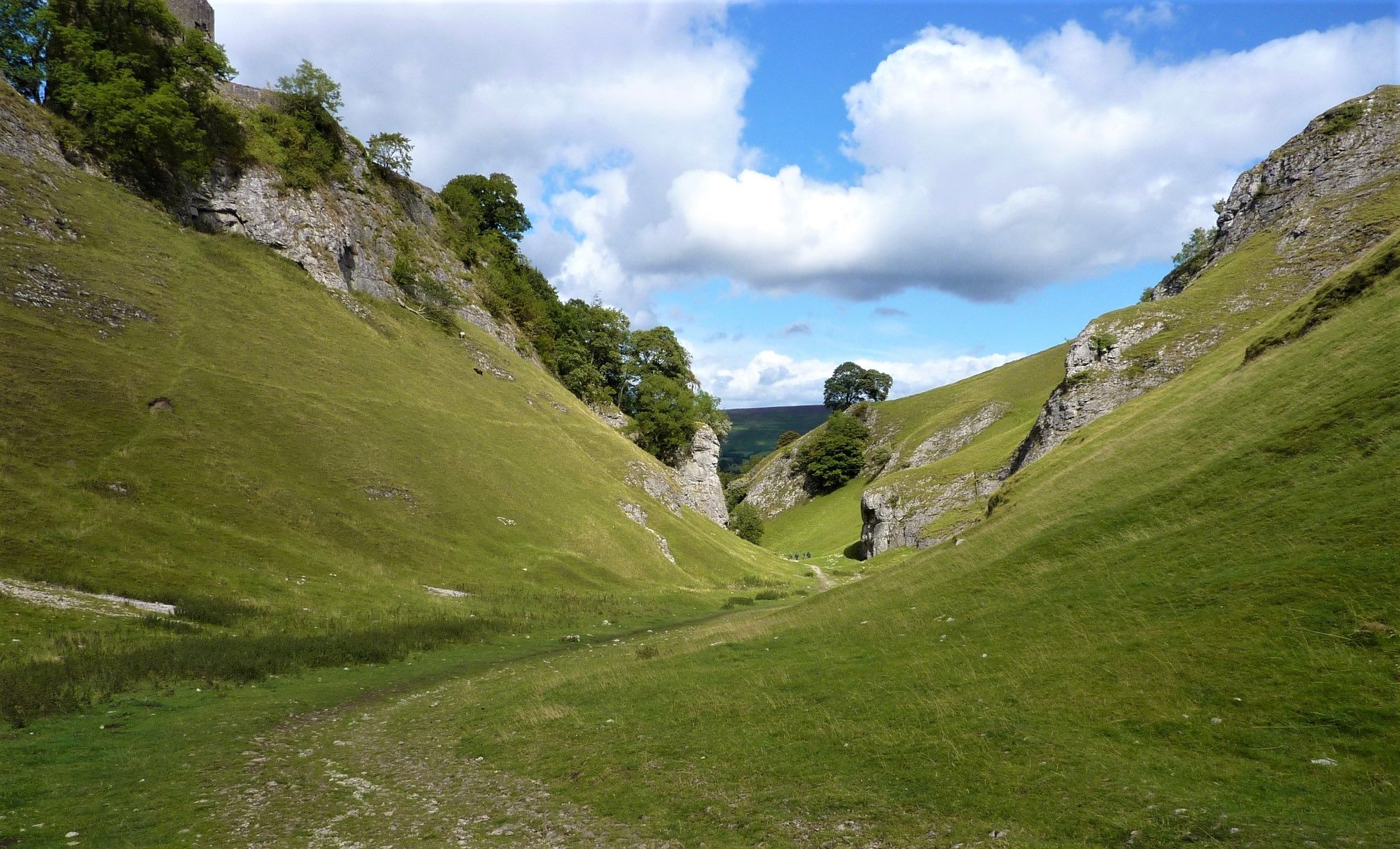
Wolfscote Dale is apparently the area in which the last wild wolf in England was killed in the 15th Century
1
0
The footpath along the summit is commonly known as Giddy Edge, unfenced and not recommended for small children . There is a small metal handrail afixed to the inside edge (of the cliff) totally spectacular.
4
0

Whether you love hiking, fancy a peaceful picnic in picturesque surroundings, are visiting by yourself or with your family, there really is something for everyone at Dovedal
0
0

High Tor is the last place in England where eagles nested and is a stunning limestone escarpment which is the site of former lead mines.
0
0

Frequently Asked Questions
What are the most popular caves to visit around Brassington?
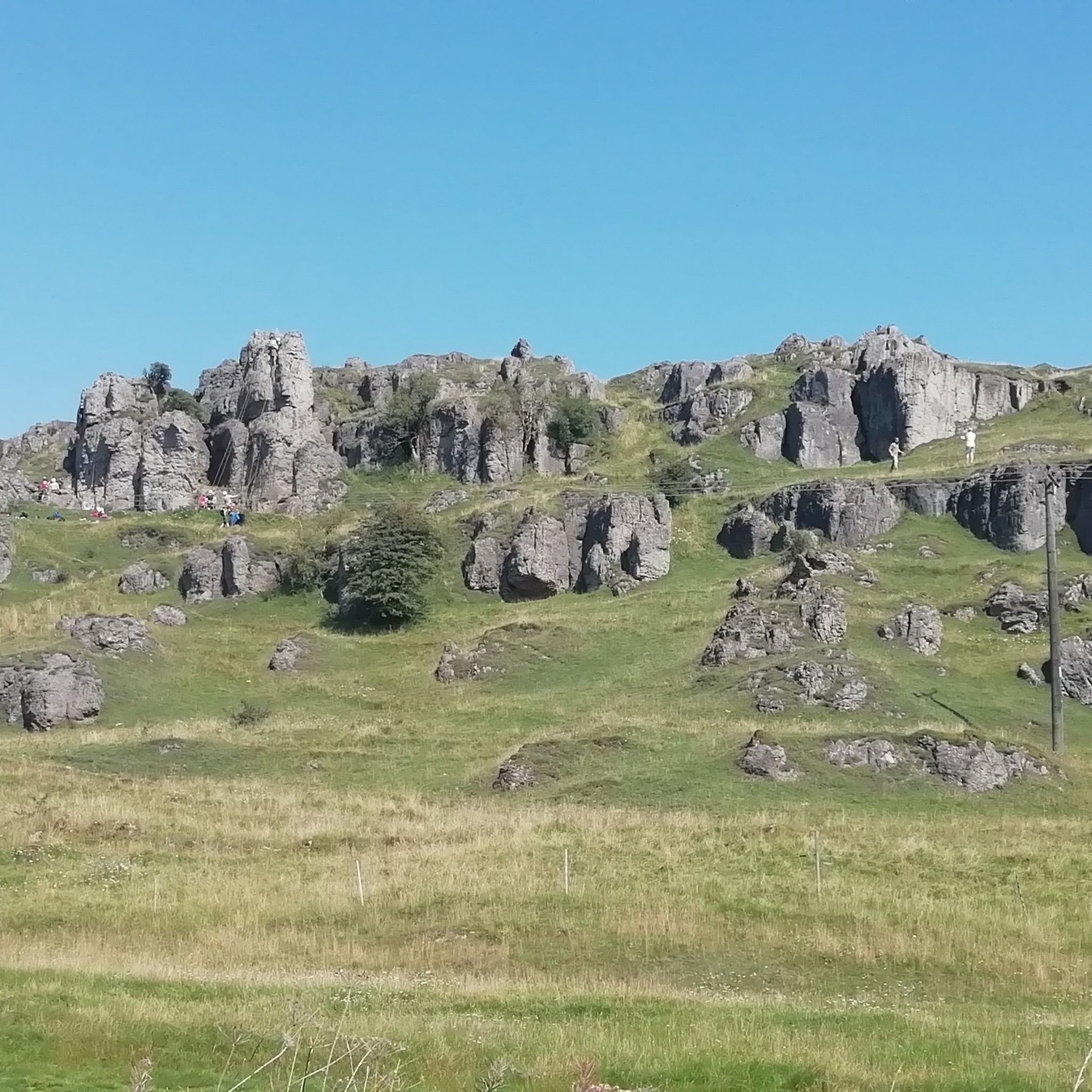
Among the most popular caves are Dove Holes Caves, known for their geological history and climbing opportunities. Reynard’s Cave and Natural Arch is also highly regarded for its historical significance as an ancient shelter and impressive rock formations. Additionally, Rowtor Rocks offers a unique experience with its sculpted caves and alcoves.
Are there family-friendly caves or walks with caves near Brassington?
Yes, Dove Holes Caves are shallow and relatively easy to access, making them suitable for families to explore. Reynard’s Cave is also freely accessible and provides an excellent place for exploration, though caution is advised on slippery rocks, especially after rain.
What kind of historical significance do the caves around Brassington hold?
The caves in the Brassington area are rich in history. Dove Holes Caves have seen human inhabitation since 13,000 BCE and were used by Neolithic farmers as tombs. Reynard’s Cave also served as a shelter for hunters as far back as 13,000 BCE. Furthermore, Carsington Pasture Cave, located near Brassington, is a significant prehistoric burial site with archaeological findings.
Are there opportunities for wild caving or more adventurous exploration near Brassington?
While some caves like Dove Holes Caves offer fun climbing opportunities, visitors should exercise caution as rocks can be slippery. Carsington Pasture Cave, with its vertical entry, is more suited for experienced cavers or those interested in archaeological exploration. For more developed caving experiences, the wider Peak District offers show caves with guided tours.
What is the best time of year to visit the caves around Brassington?
Visiting during drier months generally makes exploration easier, as rocks can be slippery, especially in places like Dove Holes Caves and Reynard’s Cave. Winter can offer unobstructed views of the impressive limestone and gritstone formations at Reynard's Cave when trees are bare.
What natural features can I expect to see in the caves and surrounding area?
The caves around Brassington are primarily limestone formations, carved by glacial meltwater over millions of years, as seen in Dove Holes Caves. You'll encounter impressive limestone and gritstone rock formations, especially around Reynard’s Cave and the Dovedale gorge. The area also features dramatic screes, cliffs, and the crystalline River Dove in nearby Wolfscote Dale.
Are there walking trails that include caves around Brassington?
Yes, many local walks incorporate these natural features. For instance, trails around the Dovedale area can lead you to Reynard’s Cave. The area also offers various running trails, such as the Carsington Water circular run or routes around Harboro Rocks, which can be explored on foot. You can find more details on running trails in the area at Running Trails around Brassington.
What outdoor activities can I do near these caves besides caving?
The Brassington area is excellent for various outdoor activities. You can find numerous mountain biking trails, including loops around Carsington Water and the High Peak Trail. Road cycling routes are also popular, with options like the Carsington Water loop from Brassington. For more information, explore the guides for MTB Trails around Brassington and Road Cycling Routes around Brassington.
Do I need permits for caving in the Brassington area?
For general exploration of accessible caves like Dove Holes Caves and Reynard’s Cave, permits are typically not required as they are freely accessible. However, for more technical or wild caving in the wider Peak District, especially in protected or privately owned systems, permits or permission from landowners may be necessary. Always check local regulations for specific sites.
What should I wear when exploring caves around Brassington?
When exploring caves, it's advisable to wear sturdy footwear with good grip, as surfaces can be uneven and slippery, especially in places like Dove Holes Caves. Layers of clothing are recommended as cave temperatures can be cooler than outside. A headlamp or flashlight is also essential for visibility inside the caves.
Are there cafes, pubs, or accommodation options near the caves around Brassington?
Brassington village itself offers local amenities including pubs and potentially accommodation options. The surrounding Derbyshire Dales also have numerous villages and towns with cafes, pubs, and various types of accommodation, providing convenient bases for exploring the caves and the wider Peak District.
Are the trails and caves around Brassington dog-friendly?
Many trails in the Peak District are dog-friendly, but it's important to keep dogs on leads, especially in areas with livestock or near cliff edges. While dogs can often accompany you on walks to cave entrances, access inside some caves might be restricted or challenging for pets due to narrow passages or slippery conditions. Always check specific site rules.
Most popular routes around Brassington
Most popular attractions around Brassington

Get inspired with the komoot mobile app


Explore more
Extend your search for the best caves by checking out these guides of the top ones around Brassington:
