The best walks and hikes around Willmering
4.5
(42)
162
hikers
31
hikes
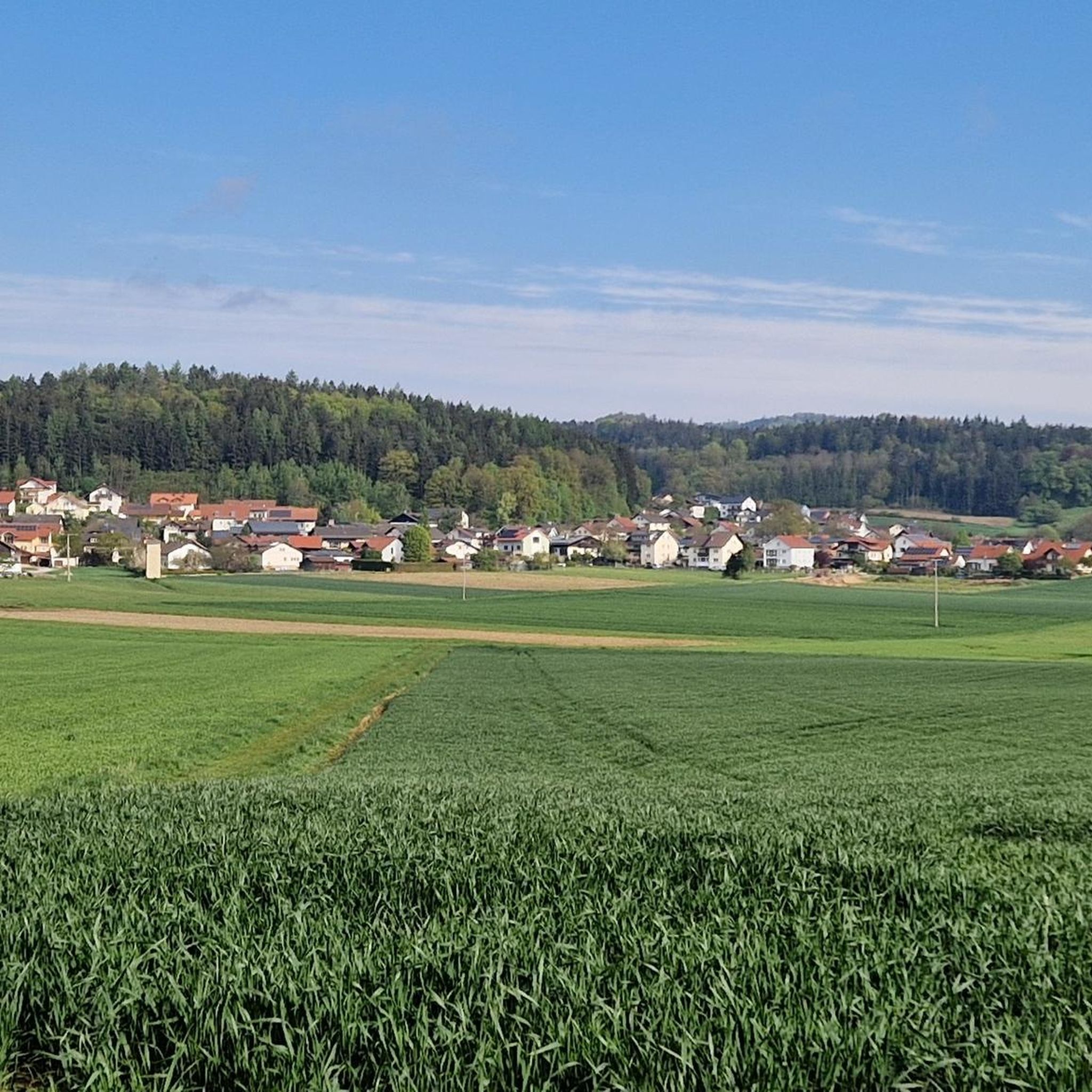
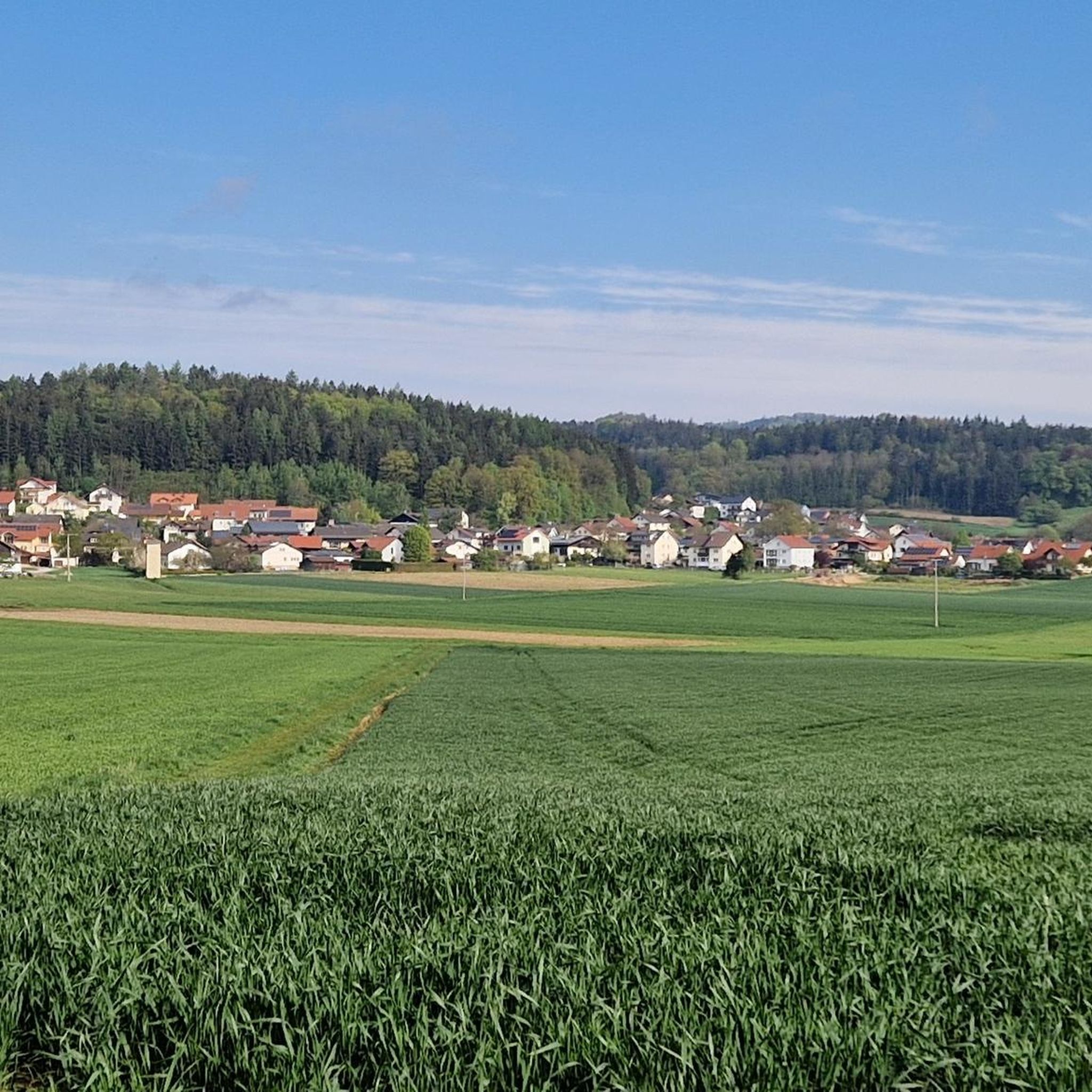
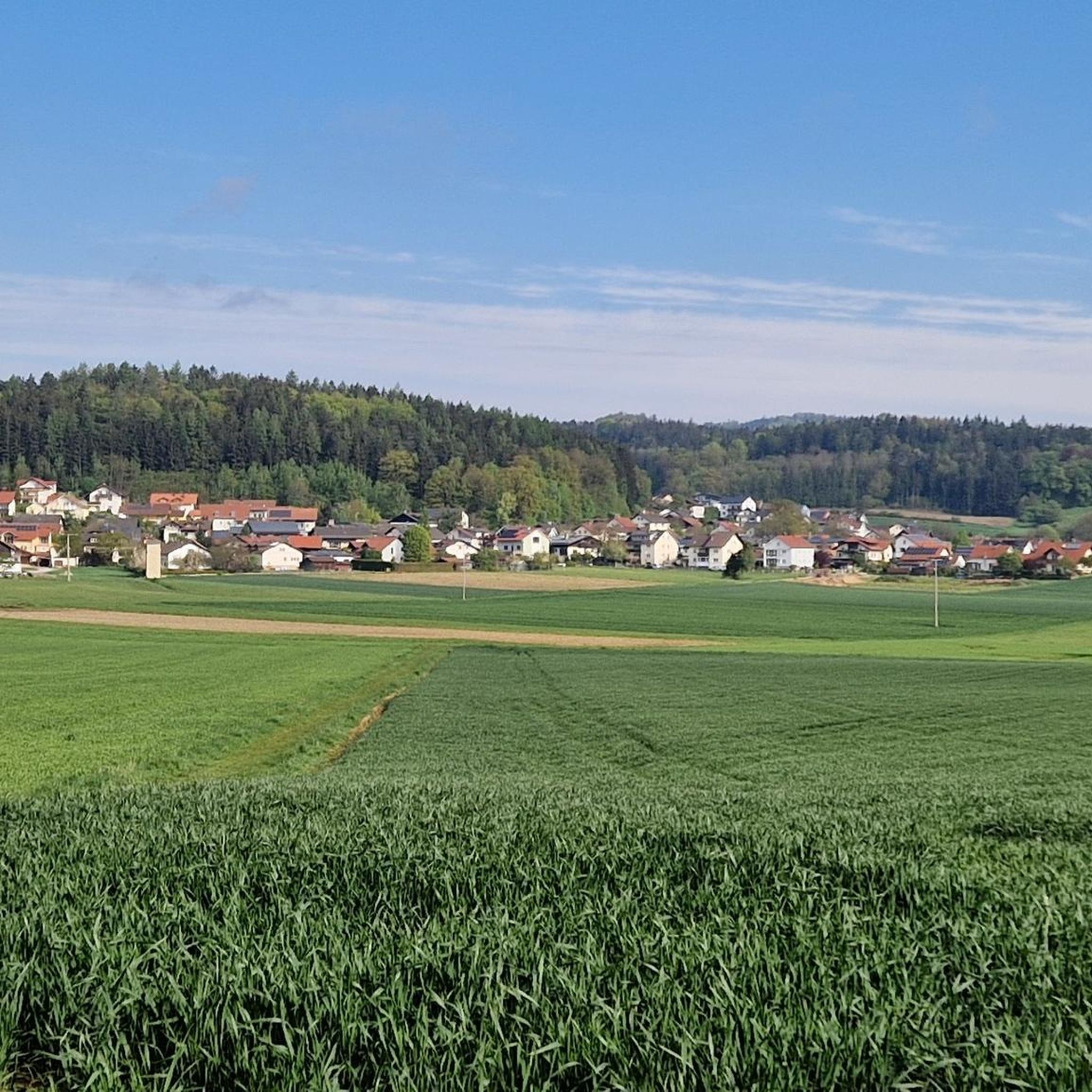
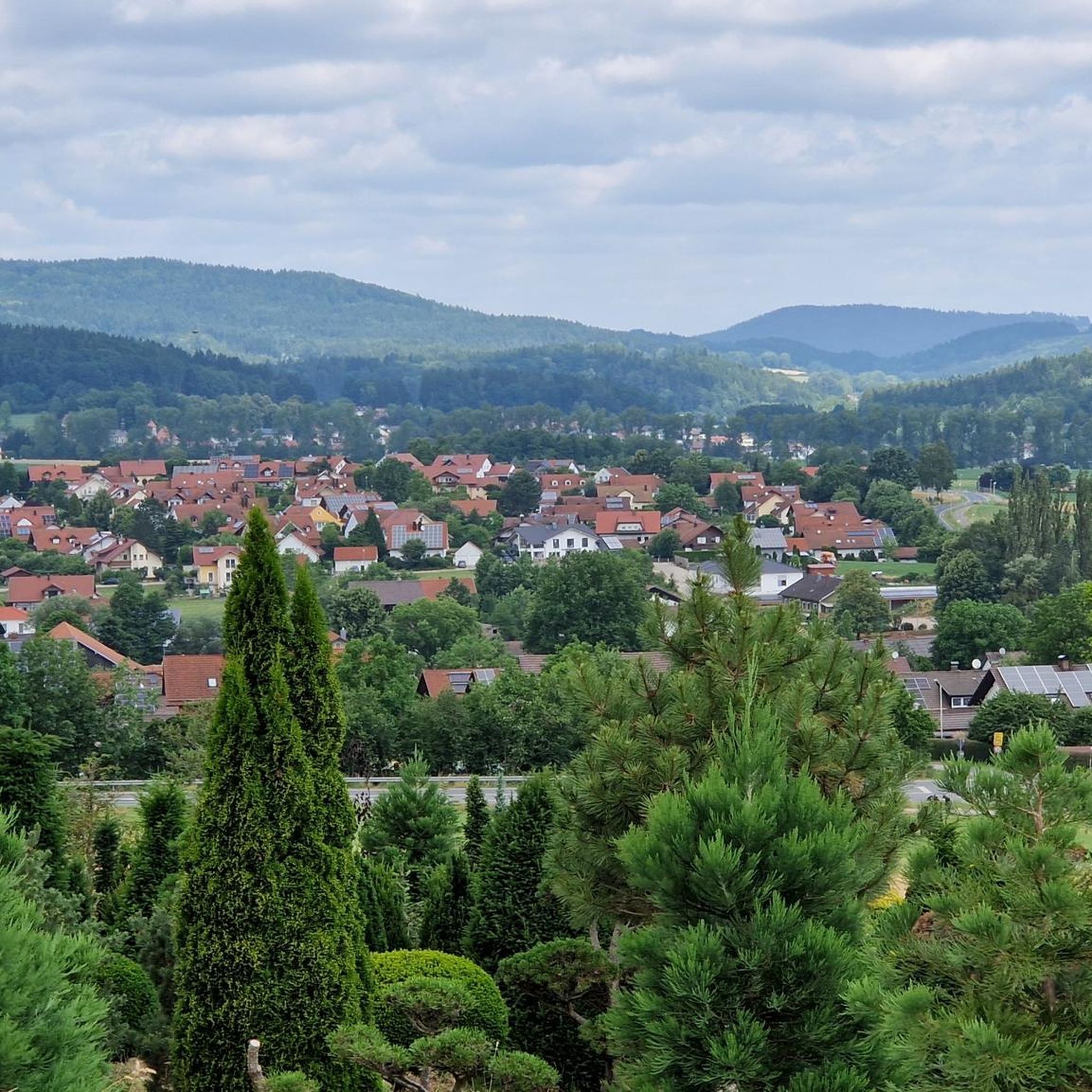
Hiking around Willmering offers diverse natural features, characterized by rolling hills and dense forests. The region provides a tranquil backdrop for outdoor pursuits, with trails leading through varied landscapes. Situated near Cham, Willmering's geographical position allows access to numerous forest paths and regional attractions. Hikers can explore areas like the Buchberg and connect to long-distance trails such as the Pandurensteig.
Best hiking trails around Willmering
- The most popular hiking route is Buchberg Castle Ruins – Trail to Buchberg Ruins loop…
Last updated: August 20, 2026
4.7
(26)
21
hikers
8.80km
02:32
220m
220m
Moderate hike. Good fitness required. Easily-accessible paths. Suitable for all skill levels.
5.0
(1)
12
hikers
Easy hike. Great for any fitness level. Easily-accessible paths. Suitable for all skill levels.

Sign up for free
5.0
(2)
8
hikers
3.78km
01:01
40m
40m
Easy hike. Great for any fitness level. Easily-accessible paths. Suitable for all skill levels.
3.0
(1)
10
hikers
Easy hike. Great for any fitness level. Easily-accessible paths. Suitable for all skill levels.
3.0
(1)
3
hikers
4.18km
01:13
120m
120m
Easy hike. Great for any fitness level. Easily-accessible paths. Suitable for all skill levels.
Get access to more routes and recommendations from other explorers.
Sign up for free
Already have an account?
Our route recommendations are based on thousands of hikes, rides, and runs completed by other people on komoot.
Start today with a free account
Your next adventure awaits.
Login or Signup

Tips from the Community

The basilica, consisting of a nave and two side aisles, was built in 1922/23 from rough quarry stones. To the north is a short, recessed choir closed on three sides, to which the sacristy is attached to the east. The church tower, covered by a pyramid roof, stands next to the western side aisle in the south. Four church bells hang in its belfry. The portal is located in an extension with a five-sided floor plan in front of the south side of the nave. The interior of the nave is spanned by a wooden vault. In addition to the modern church furnishings, there are also individual baroque statues. The organ on the upper gallery was built in 1927 by Michael Weise.
0
0

The destination isn't worthwhile. The remains of the ruins are completely overgrown. Therefore, you don't get a complete overview and have no long-distance view.
0
0
Hut on the way to the Buchberg ruins.
0
0
Absolutely cool trails on the Buchberg. The last stretch to the ruins has to be covered on foot.
0
0

Parish Church of the Assumption of Mary The basilica, consisting of a central nave and two side aisles, was built from rubble stone in 1922/23. To the north there is a short, recessed choir closed on three sides, to which the sacristy is attached to the east. The church tower, which is covered with a pyramid roof, stands next to the western side aisle in the south. The portal is in an extension on a five-sided floor plan in front of the south side of the central nave. The interior of the central nave is covered with a wooden vault. The foundation stone was laid on September 10th. In 1923 the rough work on the interior was completed and construction of the tower began. The parish church was consecrated on February 14th, 1924. In the following years the interior was completed and electric lighting was installed. On March 2nd, 1927 the organ supplied by the organ building company Weise from Plattling was installed. The Stations of the Cross come from the Pfakofen parish church. It was purchased in 1930. Originally, there was a high altar in the church. This was built in 1930 from granite according to the plan of the Munich building councilor Gsänger. The tabernacle of this altar comes from the Depalz art workshop. Shortly after its completion, the parish church was consecrated on June 7, 1931. This was carried out by the Bishop of Regenburg, His Excellency Most Reverend Bishop Michael Buchberger. The other furnishings were gradually added in the following years. The statue of the Mother of God in the presbytery comes from Schlammersdorf. Statues of the apostles Peter and Paul are attached to the side of it. Their origin is no longer known. The statues were repainted in 1964 by church painter Greindl from Cham. In the same year, the church received a mission cross. This was made by the sculptor Mauermann from Weiden. During a renovation in 1980, the presbytery was also redesigned. The original high altar was removed and replaced by a people's altar. This is made of Kehlheim limestone. It was designed by the sculptor Michael Neustifter from Eggenfelden. Neustifter also created the ambo, the tabernacle column and the baptismal font from Kehlheim limestone. The altar cross and the altar candlesticks were also made by him. They are made of bronze. Source: Excerpts from www.wikipedia.de / www.pg-gpw.de/pfarrkirche-mariae-himmelfahrt/
2
0
Waffenbrunn Castle In 1297, a "Friedericus junior de Bossenbrun" appears as the first representative of this family, which is named after the place; they are documented here until after 1330. After the middle of the 14th century, the Lords of Darstein followed. In 1488, Waffenbrunn is documented as a manor. Around 1500, the manor must have passed into the possession of Gabriel von Parsberg; he is recorded here in the land register in 1503. Towards the middle of the 16th century, the Nussberg family is recorded as the owners. Through marriage to the heiress of Nussberg, the property came to Lorenz von Sparnberg in 1571, but he had to leave Waffenbrunn as a Protestant. In 1627, Johann Heinrich Nothafft von Wernberg zu Wiesenfelden took possession of the entire Sparnberg inheritance. At this time, Captain de la Haye from Brussels, father-in-law of Hans Heinrich Nothafft, lived. In 1641, Georg Adolf Schätzl von Hörmannsberg acquired the property, which was taken over by the Freinhuber family in 1669. In 1671, Waffenbrunn was sold to the family of Johann Wolfgang von Thürnitz. In 1748, Franz Peter von Paur, Imperial Knight and Court Chamberlain, acquired the Waffenbrunn estate. The residential tower built by the Waffenbrunn family is probably the oldest part of the complex. The Darstein family built the residential building in the middle of the complex and the chapel in the 15th century. The castle was also protected by a moat to the north and several ponds to the south. During the Thirty Years' War, the castle was plundered and damaged in 1633. A second plundering took place in 1641. The buildings were rebuilt by Maximilian Freinhuber, but this was destroyed again by a large fire in 1677. It was only the von Paur family that finally restored the castle, removing the fortifications and expanding it into its current form. The south-western part of Waffenbrunn Castle is now occupied by a horseshoe-shaped three-wing complex of the farmyard, which was newly built in 1926. The steep gable of the rectangular two-storey main building, which stands on a high base, is striking. To the west of it and connected to it by an intermediate building, rises the medieval, four-storey former residential tower with a half-hipped roof. To the north and west there is an enclosed castle garden in the style of a landscape garden from the late 18th and 19th centuries with remains of the castle wall. Source: Excerpts from www.wikipedia.de
3
0
Buchberg Castle Ruins The first representative of the Puchbergs, who can certainly be referred to this place, was Otto I, first mentioned in 1196. The family originally belonged to the Diepoldinger ministeriality, and from 1204 to the Wittelsbacher. Relationships with the Bogeners arose from the widely scattered family property. In 1301, Hildebrand II sold the last remaining share of the castle to Duke Otto III of Lower Bavaria. The focus of the family's possessions now shifted to southern Lower Bavaria. The ancestral castle is said to have been pledged by the dukes to Rudlant Göttlinger in 1320. It was last mentioned in 1331 during the division of Lower Bavaria. It was then possibly used by the Göttlingers as a starting point for raids and destroyed or abandoned by the citizens of Cham. As early as 1347, grazing and usage rights were mentioned on the Buchberg, and in 1470 forests and a former castle. After its abandonment or destruction after 1331, it served as a quarry until recently. The oval complex, with a total length of 150 m and a maximum width of 60 m, is divided into an outer and main castle. The former occupies the highest peak covered with granite blocks at the southern end of the castle hill. To the north-northwest it is secured by a moat up to 12 m wide with an outer rampart, some of which has been preserved. The egg-shaped interior of the main castle measures approx. 50 x 40 m. The lower western part was protected by a ring wall that made clever use of the terrain, a 17 m long section of which has been preserved. The higher part of the castle was surrounded by its own ring wall, some of which can be seen. The southern part of the area was occupied by a large, multi-room building. At the highest point is the base of the keep. To the north-northwest, the main castle is adjoined by a plateau up to 20 m wide. In front of this is a ditch-like structure about 70 m long. It runs into the slope in the east and leaves the access to the main castle free in the west. Overall, the structure of the complex is not easy to understand due to the heavy vegetation. After 1997, the few remaining parts were secured. Source: Extracts from www.ebidat.de
4
0

The Buchberg castle ruins, also known as Schlossberg, are located on a 563-meter-high hill on the Buchberg. The Counts of Bogen built the castle in the 12th century and the Lords of Puchberg joined them later. The castle was destroyed in the 14th century and today only the stump of the keep and the remains of the walls remain.
2
0
Frequently Asked Questions
What kind of landscape can I expect while hiking in Willmering?
Willmering is characterized by rolling hills and dense forests, offering a picturesque and serene backdrop for hiking. You'll find tranquil natural environments, fresh air, and varied landscapes, providing an ideal escape into nature.
Are there many hiking options available in Willmering?
Yes, Willmering offers a good variety of hiking trails. There are over 30 routes available, with a mix of easy and moderate options to suit different preferences and fitness levels.
Are there any historical sites or landmarks to see on the trails?
Absolutely. A significant attraction is the Buchberg Castle Ruins, which can be reached via a circular route involving a steep ascent along a Way of the Cross. You can also explore the area around Waffenbrunn Castle and its chapel, offering views of the surrounding countryside.
What do other hikers say about the trails in Willmering?
The hiking routes in Willmering are highly rated by the komoot community, with an average score of 4.5 stars from over 30 reviews. Hikers often praise the quiet woodlands, well-marked paths, and the scenic beauty of the region.
Are there any long-distance hiking trails that pass through Willmering?
Yes, Willmering is a point along the first stage of the Pandurensteig, a notable long-distance hiking trail that stretches from Waldmünchen to Cham. This offers an opportunity to experience varied landscapes and connect to other regional attractions.
Are there any easy routes suitable for a relaxed walk?
Yes, many routes are considered easy. For example, the Wackerling Bell Tower loop from Willmering is an easy 3.8 km trail through local forests, typically completed in about an hour. Another easy option is the Schlosskapelle Waffenbrunn – Waffenbrunn Castle loop from Willmering, which is around 4.3 km.
Can I find circular routes in Willmering?
Yes, many of the trails in Willmering are circular. The popular Buchberg Castle Ruins loop is a great example, as is the Waffenbrunn Castle loop, allowing you to start and end at the same point.
Are there any places to stop for refreshments or accommodation near the trails?
While specific cafes or pubs directly on the trails are not detailed, Willmering's proximity to Cham means you'll find various options for refreshments and accommodation in the nearby town. For specific huts and cabins in the wider area, you might consider places like the Haidsteiner Hut or Bergstadl Althütte.
What kind of natural features can I discover along the forest paths?
Beyond the general rolling hills and dense forests, you can discover charming details like a small water wheel and strategically placed benches along the routes, offering peaceful spots to rest and enjoy the tranquility of nature.
Are there any viewpoints or scenic spots on the hikes?
The trails often lead through picturesque surroundings, offering scenic views of the countryside, especially from elevated points like the area around Buchberg Castle. The dense forests themselves provide a beautiful, immersive natural experience.
What is the best time of year to go hiking in Willmering?
Willmering's rolling hills and dense forests make it enjoyable throughout the warmer months, from spring to autumn, when the foliage is vibrant. The tranquil natural environment is particularly inviting for an escape from daily stress during these seasons.
Most popular routes around Willmering
Most popular attractions around Willmering

Get inspired with the komoot mobile app


Explore more
Browse the best Hikes in other regions.
