Top 20 Natural Monuments around Ible
Best natural monuments around Ible are characterized by deep canyons, valleys, and unique geological formations within the Hyblaean Mountains. This region in southeastern Sicily offers a blend of natural beauty and historical significance. The landscape features gentle slopes interrupted by sharp valleys, numerous woods, and white limestone rocks. These areas provide opportunities to explore diverse natural features and ancient rock-cut settlements.
Best natural monuments around Ible
- The most popular natural monuments is Nine Ladies Stone Circle, a historical site…
Last updated: June 26, 2026
Nine Ladies Stone Circle
Highlight • Historical Site
Tip by

Cork Stone
Highlight • Climb
Tip by
Sign up now to discover places like this
Get recommendations on the best single tracks, peaks, & plenty of other exciting outdoor places.
Sign up for free
High Tor and Giddy Edge
Highlight (Segment) • Viewpoint
Tip by

Stanton Moor Trig Point
Highlight • Viewpoint
Tip by
The River Lathkill in Lathkill Dale
Highlight • Viewpoint
Tip by
Sign up for free to discover even more natural monuments around Ible.
Sign up for free
Already have an account?
Start today with a free account
Your next adventure awaits.
Login or Signup
Tips from the Community

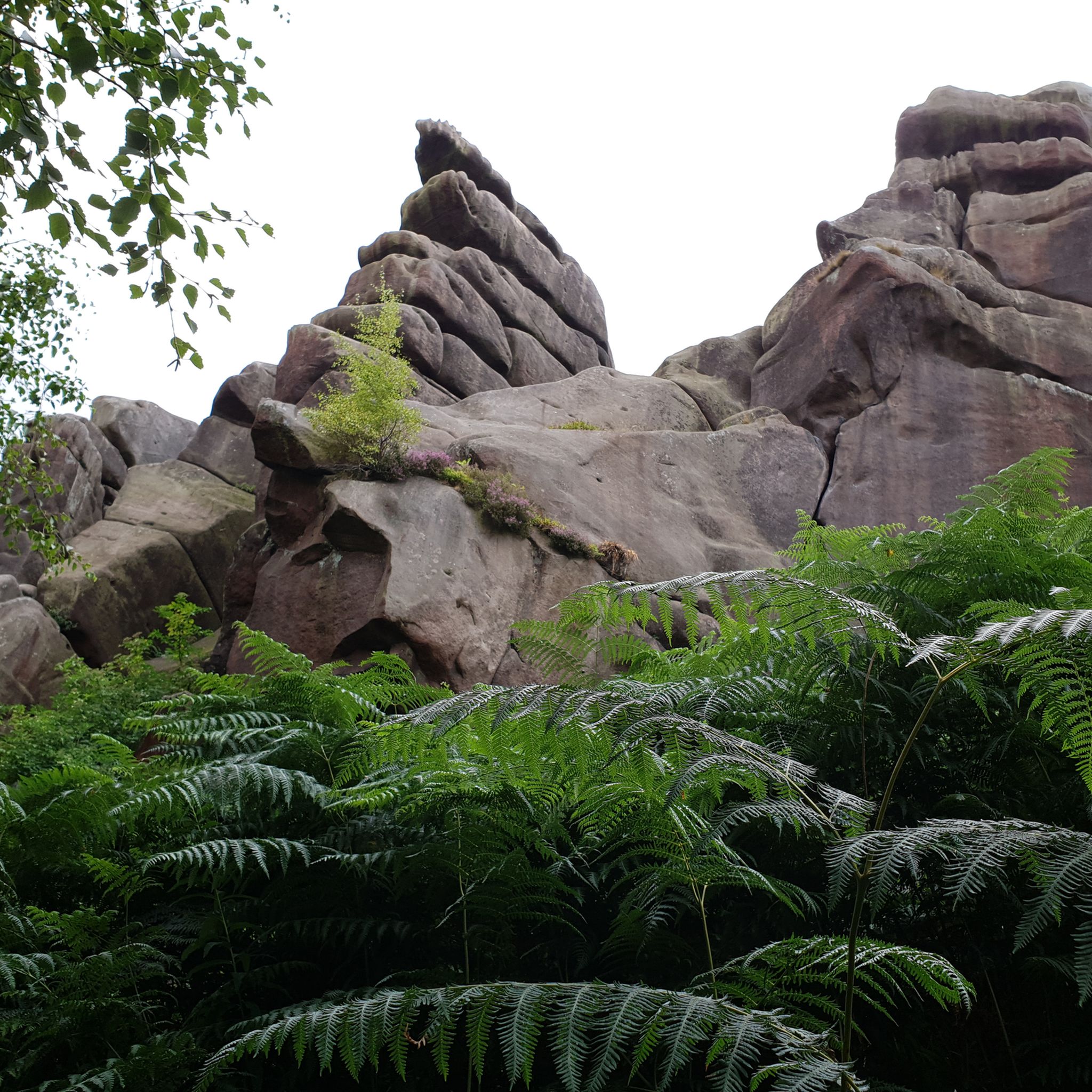
Cork Stone is one of several interesting standing stones on Stanton Moor. It is 5m tall piece of weathered sandstone located above the remnants of a quarry site. At some point hollowed out steps and metal rings were added to allow people (kids and their grownups!) to climb to the top
0
0

This stone circle from the Bronze Age, built thousands of years before the beginning of the Christian era, is neither as large nor nearly as famous as the legendary "Stonehenge" on the plains near Amesbury (which is, after all, a UNESCO World Heritage Site; if you're interested, see =>> https://www.komoot.com/de-de/highlight/960007 ), but this one can be visited without much tourist hustle and bustle, and it also has a much more interesting-sounding name...
0
0


19th century pleasure ground which exploited the dramatic qualities of the Derwent valley. Peter Arkwright of Willersley Castle enclosed the grounds c 1860 and constructed pedestrian paths from a new entrance on the south side approached from the bridge to Matlock Bath railway station. The entrance from Starkholmes Road was retained and could be used by carriages. A pathway was formed through Fern Cave (scheduled ancient monument) and another on a narrow ledge along part of the cliff face. In 1879 the grounds were leased to the Matlock and High Tor Recreation Grounds Company Ltd and Milner of London was retained to supervise landscaping. Arkwright's Grand Walk, also used by carriages, was created, leading south to the summit from a gateway in Pig Tree Lane, now Pic Tor Lane. A refreshment room was erected near the summit, tennis and quoit or skittle grounds were constructed close to a modified southern entrance and additional paths put in with a broad flight of steps.
0
0

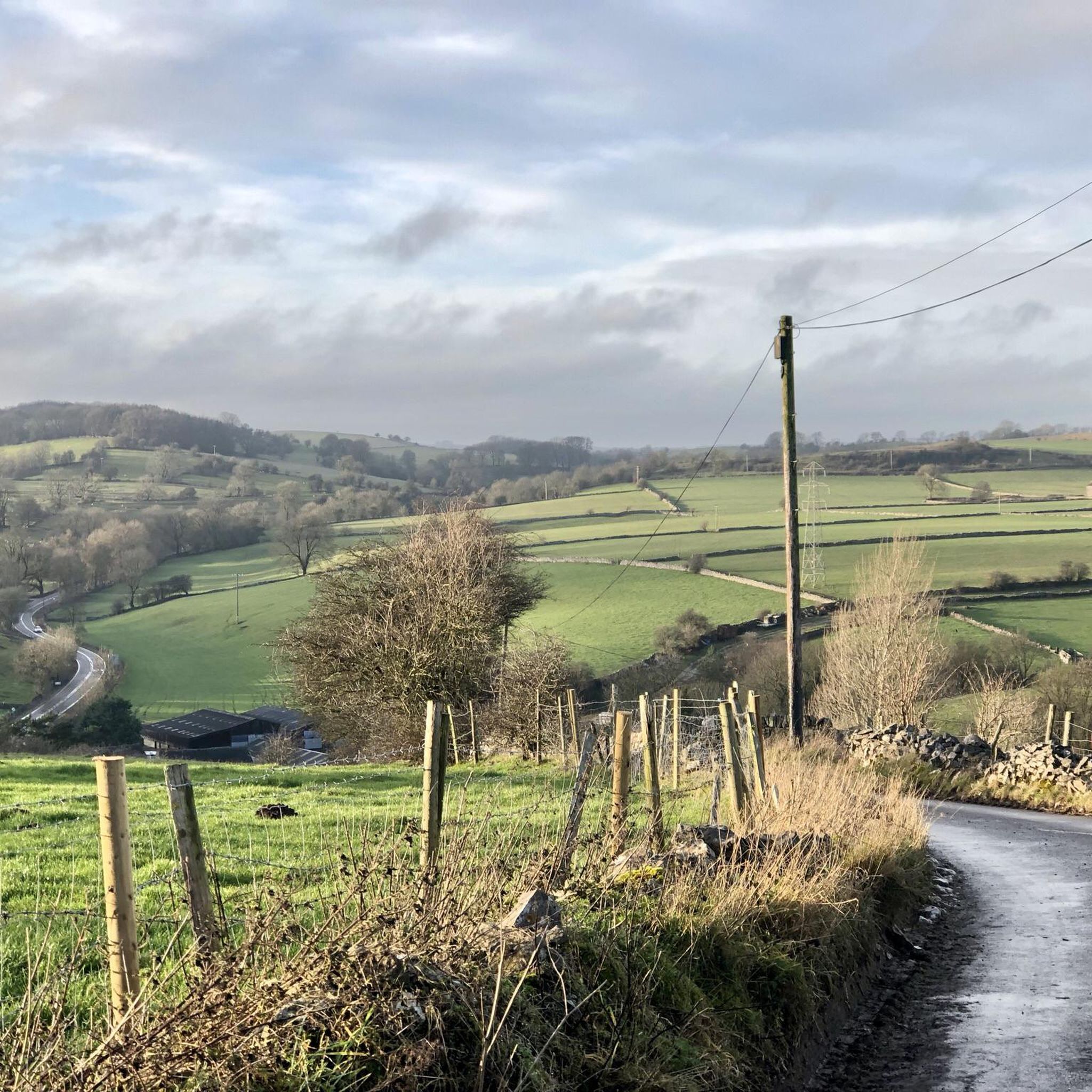
Lathkill Dale is absolutely gorgeous with it’s crystal clear water that’s so clear it’s like looking into an aquarium, there is an abundance of wildlife with Swans, Ducks, Dippers and Kingfisher’s above the surface with Otters, Brown Trout and rainbow Trout below the surface, be careful if you fancy a sit down on a raised stone as the Otters leave their spraint on them 😁 I nearly sat in one, there are many places to start walking this Dale but a great one is to park in Alport village and walk to Lathkill Dale proper.
2
2


The footpath along the summit is commonly known as Giddy Edge, unfenced and not recommended for small children . There is a small metal handrail afixed to the inside edge (of the cliff) totally spectacular.
4
0

High Tor is the last place in England where eagles nested and is a stunning limestone escarpment which is the site of former lead mines.
0
0
Frequently Asked Questions
What kind of natural monuments can I expect to see in the Hyblaean Mountains?
The Hyblaean Mountains, or Monti Iblei, are characterized by deep canyons, valleys, and unique geological formations. You'll find impressive rock-cut settlements, lush river valleys, and hidden waterfalls. The landscape features gentle slopes interrupted by sharp valleys, numerous woods, and white limestone rocks, all contributing to a diverse natural environment.
Are there any natural monuments with historical significance in the Ible region?
Yes, the Ible region is rich in both natural beauty and history. The Necropolis of Pantalica, a UNESCO World Heritage site, features around 5,000 tombs carved into rock faces within a deep canyon. Similarly, Cava d'Ispica, a 13-kilometer canyon, contains catacombs, monasteries, and ancient burial sites etched into its walls, blending archaeological exploration with scenic walks.
What are some unique geological features to explore in the Hyblaean Mountains?
The Hyblaean Mountains are known for their karst topography, which has led to the formation of many deep canyons eroded by rivers. You can explore majestic rock walls, impressive natural outcrops, and areas where rivers have sculpted beautiful gorges, such as those found at Oxena Falls and Cava Carosello Canyons.
Are there opportunities for swimming or natural baths near the natural monuments?
Yes, areas like the Cava Carosello Canyons offer an irresistible opportunity for refreshing natural baths. Here, hiking trails lead to hanging ponds with crystal-clear waters, providing a heavenly setting for a dip. The Oxena Falls also plunge into a clear basin, offering a tranquil spot for those seeking natural refreshment.
What kind of outdoor activities can I do near the natural monuments in Ible?
The Ible region offers various outdoor activities. You can enjoy hiking through deep canyons and valleys, exploring ancient rock-cut settlements, and discovering hidden waterfalls. The diverse terrain is suitable for different levels of hikers. For more detailed route information, you can explore guides like Hiking around Ible.
Are there family-friendly natural monuments or trails in the Hyblaean Mountains?
Many natural monuments in the Hyblaean Mountains offer accessible paths suitable for families. While some areas might involve more challenging terrain, there are often gentler sections or viewpoints that can be enjoyed by all ages. Always check specific trail details for suitability, but the blend of nature and history can be engaging for children.
What is the best time of year to visit the natural monuments around Ible?
The Hyblaean Mountains can be visited throughout much of the year. Spring (April-May) and autumn (September-October) generally offer pleasant temperatures for hiking and exploration, with lush vegetation in spring and comfortable conditions in autumn. Summer can be hot, but exploring canyons and areas with water features like Oxena Falls can be refreshing.
What wildlife might I encounter when visiting the natural monuments?
The verdant canyons and diverse landscapes of the Hyblaean Mountains support various wildlife. You might spot different bird species, small mammals, and a rich array of insects and plant life, especially in areas with lush vegetation, oak forests, and Mediterranean scrub.
Are there any challenging trails for experienced hikers in the Ible region?
Yes, the deep canyons and varied terrain of the Hyblaean Mountains offer challenging trails for experienced hikers. Routes through areas like the Necropolis of Pantalica and Cava d'Ispica can involve significant distances and elevation changes, providing a rewarding experience for those seeking a more strenuous adventure.
What do visitors enjoy most about the natural monuments in the Hyblaean Mountains?
Visitors frequently appreciate the unique combination of natural beauty and historical depth. The impressive geological formations, such as the deep canyons and waterfalls, are often highlighted, alongside the ancient rock-cut settlements that tell stories of past civilizations. The opportunity for tranquil walks and immersive nature experiences is also highly valued.
Can I find viewpoints offering panoramic vistas of the Hyblaean Mountains?
Yes, the varied topography of the Hyblaean Mountains, with its gentle slopes interrupted by sharp valleys, provides numerous opportunities for panoramic views. Exploring the edges of canyons or higher elevations will often reward you with breathtaking vistas of the surrounding landscapes, including the white limestone rocks and verdant valleys.
Most popular attractions around Ible

Get inspired with the komoot mobile app


Explore more
Extend your search for the best caves by checking out these guides of the top ones around Ible:
