The best walks and hikes around Wülknitz
4.5
(911)
3,238
hikers
15
hikes
Hiking around Wülknitz offers diverse natural features, including open landscapes, dense forests, and riverine areas. The region is characterized by a mix of paved and unpaved paths, often following waterways like the Schwarze-Elster-Radweg. Hikers can explore varied terrain, from wide meadows to areas featuring ponds and historical landmarks. The landscape provides accessible routes for experiencing the local topography.
Best hiking trails around Wülknitz
- The most popular hiking route is Tiefenauer Ponds – Tiefenauer Ponds loop from Röderaue-Wülknitz, an easy…
Last updated: August 19, 2026
4.6
(10)
32
hikers
Moderate hike. Good fitness required. Easily-accessible paths. Suitable for all skill levels.
4.6
(17)
54
hikers
4.54km
01:09
10m
10m
Easy hike. Great for any fitness level. Easily-accessible paths. Suitable for all skill levels.

Sign up for free
4.5
(4)
12
hikers
Moderate hike. Good fitness required. Easily-accessible paths. Suitable for all skill levels.
3.0
(1)
4
hikers
Moderate hike. Good fitness required. Easily-accessible paths. Suitable for all skill levels.
4.0
(1)
3
hikers
10.4km
02:37
10m
10m
Moderate hike. Good fitness required. Easily-accessible paths. Suitable for all skill levels.
Get access to more routes and recommendations from other explorers.
Sign up for free
Already have an account?
Our route recommendations are based on thousands of hikes, rides, and runs completed by other people on komoot.
Start today with a free account
Your next adventure awaits.
Login or Signup

Tips from the Community

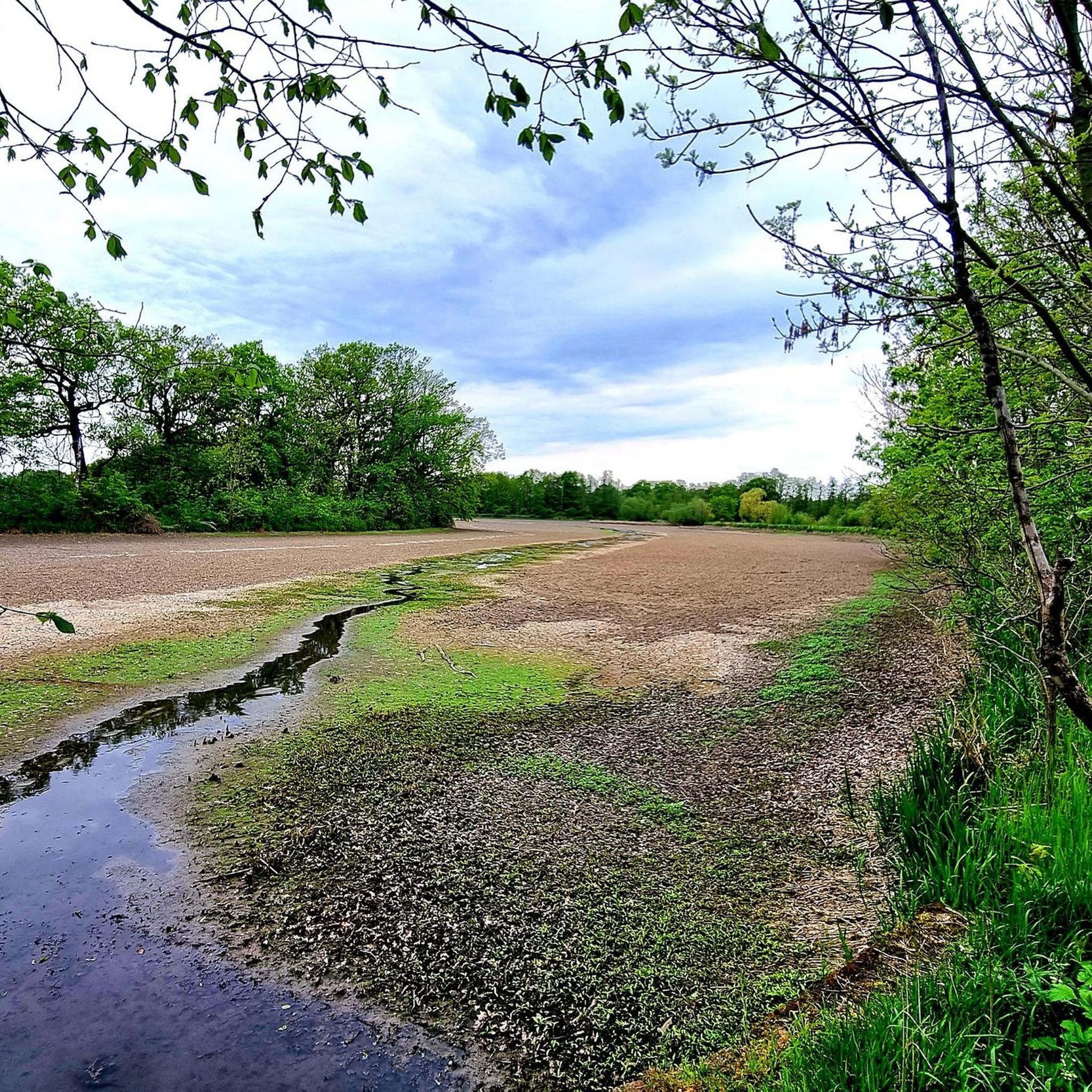
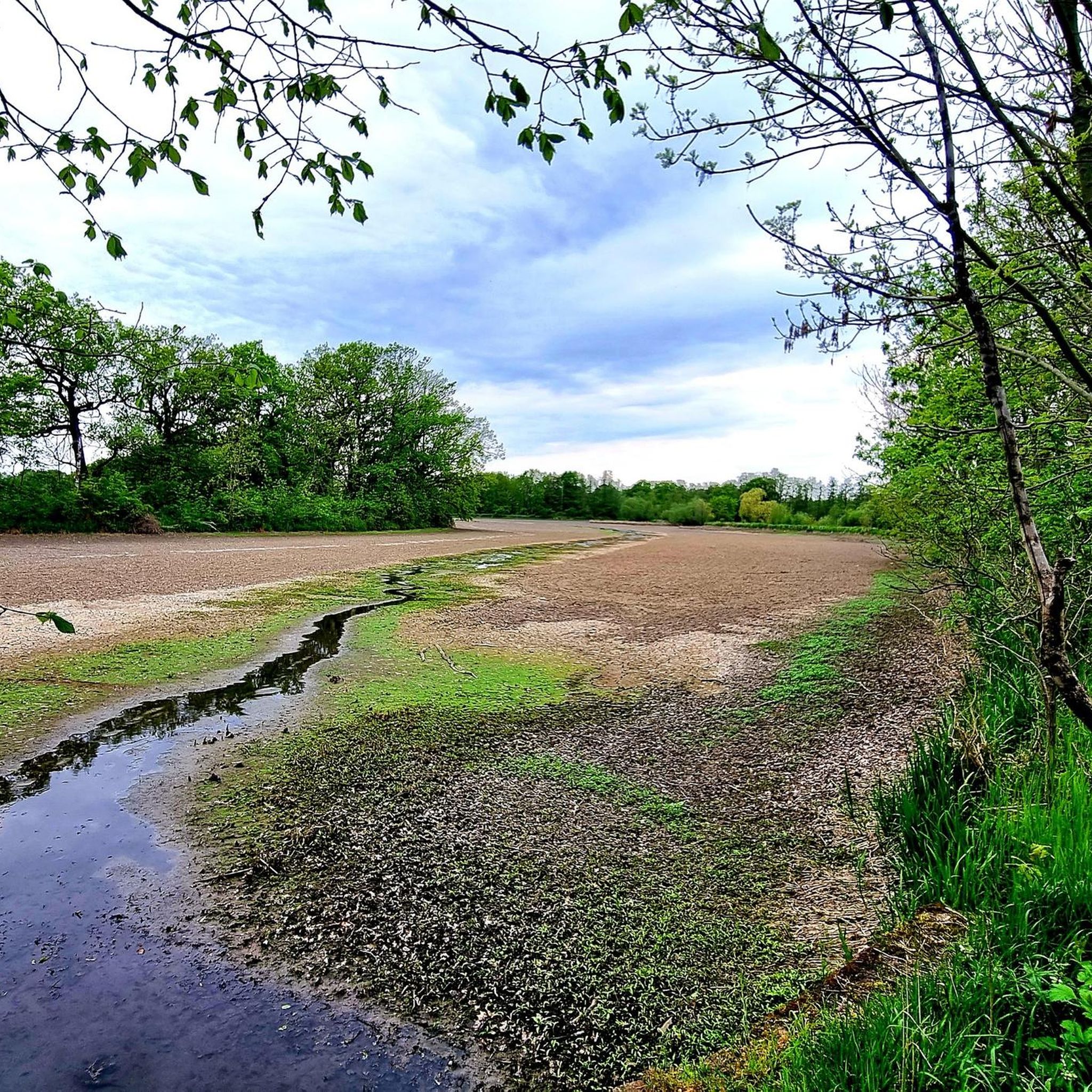
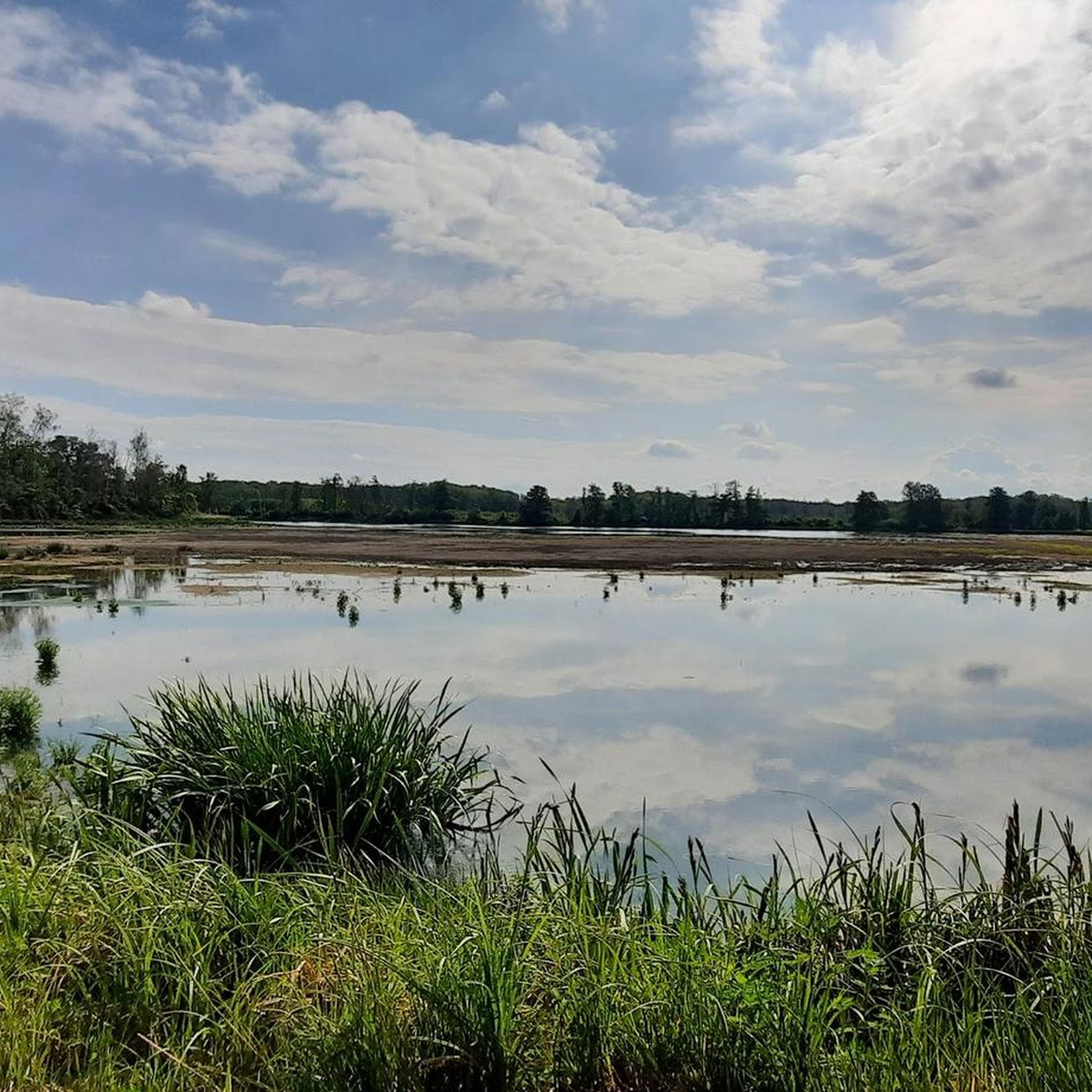
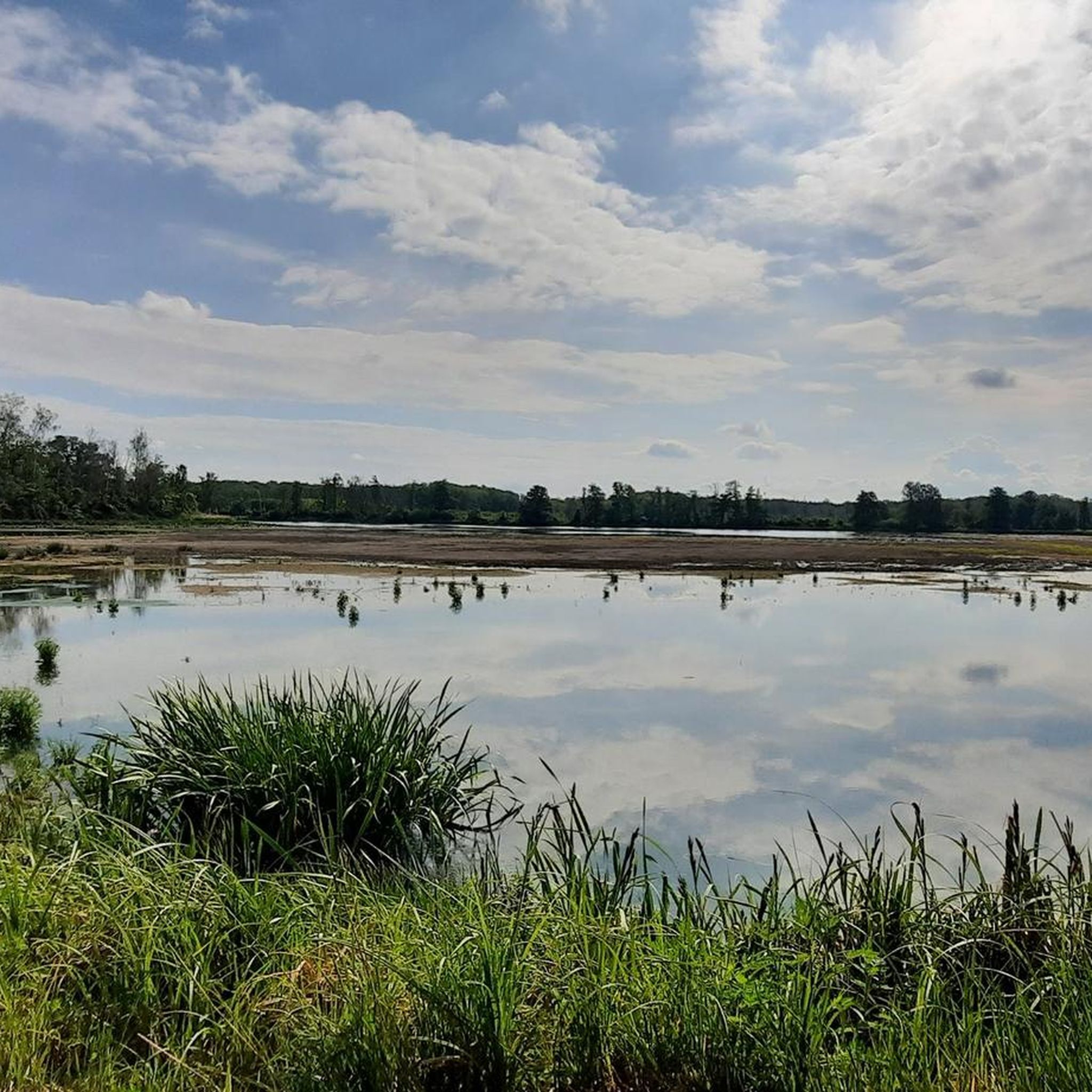
"Romantic" bench with a beautiful view over the lake
0
0


Many beautiful lakes. Ideal for taking a short break and relaxing.
0
0

Beautiful rose garden, definitely worth a visit. The café is open on certain days.
0
0

The garrison administration building at the Zeithain military training area dates back to 1893/94. It is one of ten preserved buildings from the active period of the area, which once housed more than 200 structures. In 1873, two years after the end of the Franco-Prussian War, the Imperial Military Administration took over the "Zeithain Artillery Firing Range" of the Royal Saxon Army and declared it a "military training area" of the German Empire in 1895.
16
0
The barracks for the infantry officers on the site of the former Zeithain military training area were built in 1878.
16
0
The Officials' Residence III on the grounds of the Zeithain military training area was built in 1913 and 1914.
15
0
Zeithain was home to one of Germany's oldest military training areas. The area was first used for training exercises in 1730 during the "Zeithain Pleasure Camp" by the Saxon army under Elector Augustus the Strong. In 1873, an artillery firing range was established for the Dresden garrison of the Saxon army. The training area was expanded in several stages in 1879, 1892, and 1899 to an area of almost 100 square kilometers. From 1920 to 1937, the military training area was largely demilitarized. Only the filling and ammunition plant, later the Army Ammunition Plant (Muna), remained until 1937. On April 1, 1937, the military training area was re-established. Starting in 1941, Soviet prisoners of war were used for forced labor. On April 23, 1945, Soviet troops occupied the area. From 1953 to 1956, the military training area was initially used by the Soviet Army, from 1956 to 1992 by the National People's Army, and from 1992 to 1997 by the German Armed Forces. In 2007, the military training area was abandoned and converted into the "Gohrischheide and Elbniederterrassen" nature reserve.
14
0
Frequently Asked Questions
How many hiking trails are available around Wülknitz?
There are 14 hiking trails around Wülknitz, offering a variety of experiences. These include 8 easy routes and 6 moderate routes, ensuring options for different fitness levels.
Are there any easy hiking routes suitable for beginners or casual walkers?
Yes, Wülknitz offers 8 easy hiking routes. A popular choice is the Tiefenauer Ponds – Tiefenauer Ponds loop from Röderaue-Wülknitz, which is 5.3 km long and takes about 1 hour 21 minutes to complete.
What kind of landscapes can I expect to see while hiking in Wülknitz?
Hikers in Wülknitz can expect diverse landscapes, including open meadows, dense forests, and riverine areas. Many paths follow waterways like the Schwarze Elster, offering picturesque views. The region features a mix of paved and unpaved trails, providing varied terrain.
Are there any circular hiking routes in the Wülknitz area?
Yes, many routes around Wülknitz are circular. For example, the Heather Trail at Spansberg – Tiefenauer Ponds loop from Röderaue-Wülknitz is a moderate 14.5 km loop, and the Tiefenau Castle – Tiefenauer Ponds loop from Röderaue-Wülknitz is an easy 4.7 km loop.
What interesting landmarks or attractions can I discover along the trails?
The Wülknitz area is rich in attractions. You can explore the historic Zabeltitz Baroque Garden, visit the Heideberg Tower on Heidehöhe for expansive views, or see the Elbe Bridge in Riesa. Some routes also pass by the Schwarze Elster Cycle Path near Saathain.
What do other hikers say about the trails in Wülknitz?
The trails in Wülknitz are highly regarded by the komoot community, with an average rating of 4.6 stars from over 800 reviews. Hikers often praise the diverse natural features, the peaceful atmosphere, and the well-maintained paths that cater to various skill levels.
Are there any viewpoints offering panoramic views of the region?
Yes, the Heideberg Tower on Heidehöhe is situated in a beautiful forest and provides expansive views of the surrounding landscape, making it a great spot to appreciate the regional topography.
Can I find trails that pass by historical sites or castles?
Absolutely. The Tiefenau Castle – Tiefenauer Ponds loop from Röderaue-Wülknitz specifically leads past Tiefenau Castle. Additionally, the region features historical sites like Burgwall Kosilenzien.
Are there any trails that offer views of ponds or water features?
Many trails in Wülknitz feature ponds and water bodies. The Bench With a View of the Pond – Tiefenauer Ponds loop from Röderaue-Wülknitz is a moderate route specifically highlighting a scenic pond view.
What is the best time of year to go hiking in Wülknitz?
Wülknitz offers appealing hiking opportunities throughout much of the year. Spring and autumn are particularly pleasant for their mild temperatures and vibrant natural colors. The diverse landscapes, including forests and open areas, provide different charms in each season.
Are there any longer, more challenging routes for experienced hikers?
While there are no 'difficult' graded routes, Wülknitz offers several moderate trails for those seeking a longer hike. The Heather Trail at Spansberg – Tiefenauer Ponds loop from Röderaue-Wülknitz is a moderate 14.5 km path, and the Kaiser-Wilhelm-Allee – Mother Homeland Statue Zeithain loop from Lichtensee is another moderate option at 10.4 km.
Most popular attractions around Wülknitz

Get inspired with the komoot mobile app


Explore more
Browse the best Hikes in other regions.
