The best walks and hikes in Uruguay
4.8
(37)
279
hikers
17
hikes
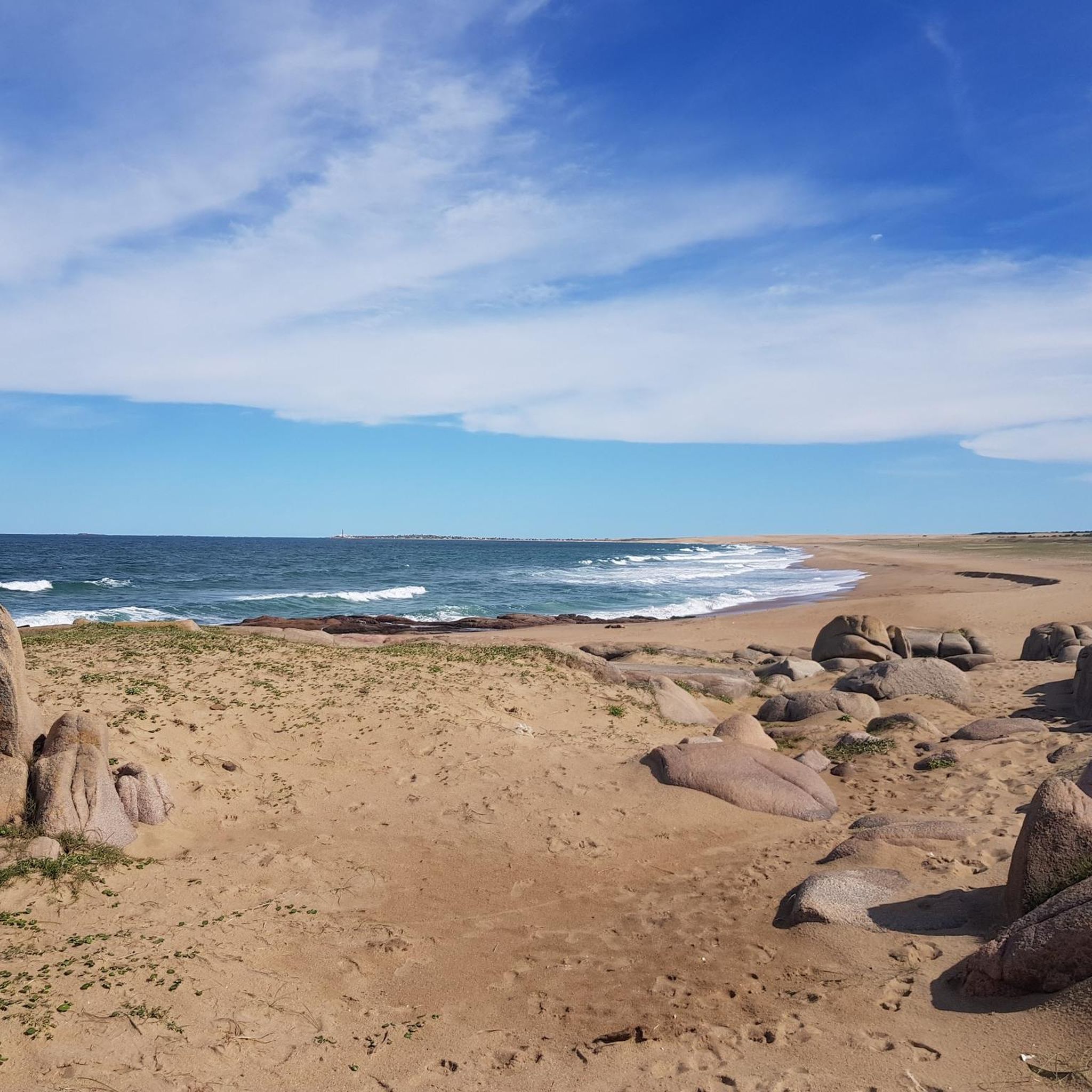
Hiking in Uruguay offers diverse landscapes, from coastal trails and sandy beaches to rolling hills and unique geological formations. The country's interior features scenic climbs through bushland and rock formations, while protected areas showcase deep gorges and subtropical forests. With generally mild altitudes, Uruguay provides accessible trails suitable for various fitness levels.
Best hiking trails in Uruguay
- The most popular hiking route is Bastion of San Miguel – San Benito Chapel loop from Colonia del Sacramento, a 8.3 miles…
Last updated: July 25, 2026
4.5
(8)
44
hikers
Moderate hike. Good fitness required. Easily-accessible paths. Suitable for all skill levels.
4.5
(8)
43
hikers
Moderate hike. Good fitness required. Easily-accessible paths. Suitable for all skill levels.

Sign up for free
5.0
(1)
34
hikers
Moderate hike. Good fitness required. Easily-accessible paths. Suitable for all skill levels.
4.7
(3)
36
hikers
4.30km
01:42
290m
290m
Easy hike. Great for any fitness level. Easily-accessible paths. Suitable for all skill levels.
4.8
(4)
30
hikers
2.78km
00:54
110m
110m
Easy hike. Great for any fitness level. Easily-accessible paths. Suitable for all skill levels.
21
hikers
Easy hike. Great for any fitness level. Easily-accessible paths. Suitable for all skill levels.
5.0
(5)
15
hikers
14.9km
03:53
100m
100m
Moderate hike. Good fitness required. Easily-accessible paths. Suitable for all skill levels.
2
hikers
9.44km
02:38
150m
140m
Moderate hike. Good fitness required. Easily-accessible paths. Suitable for all skill levels.
5.0
(1)
7
hikers
Easy hike. Great for any fitness level. Easily-accessible paths. Suitable for all skill levels.
4.0
(2)
6
hikers
5.91km
01:42
150m
150m
Easy hike. Great for any fitness level. Easily-accessible paths. Suitable for all skill levels.
Get access to more routes and recommendations from other explorers.
Sign up for free
Already have an account?
Our route recommendations are based on thousands of hikes, rides, and runs completed by other people on komoot.
Start today with a free account
Your next adventure awaits.
Login or Signup
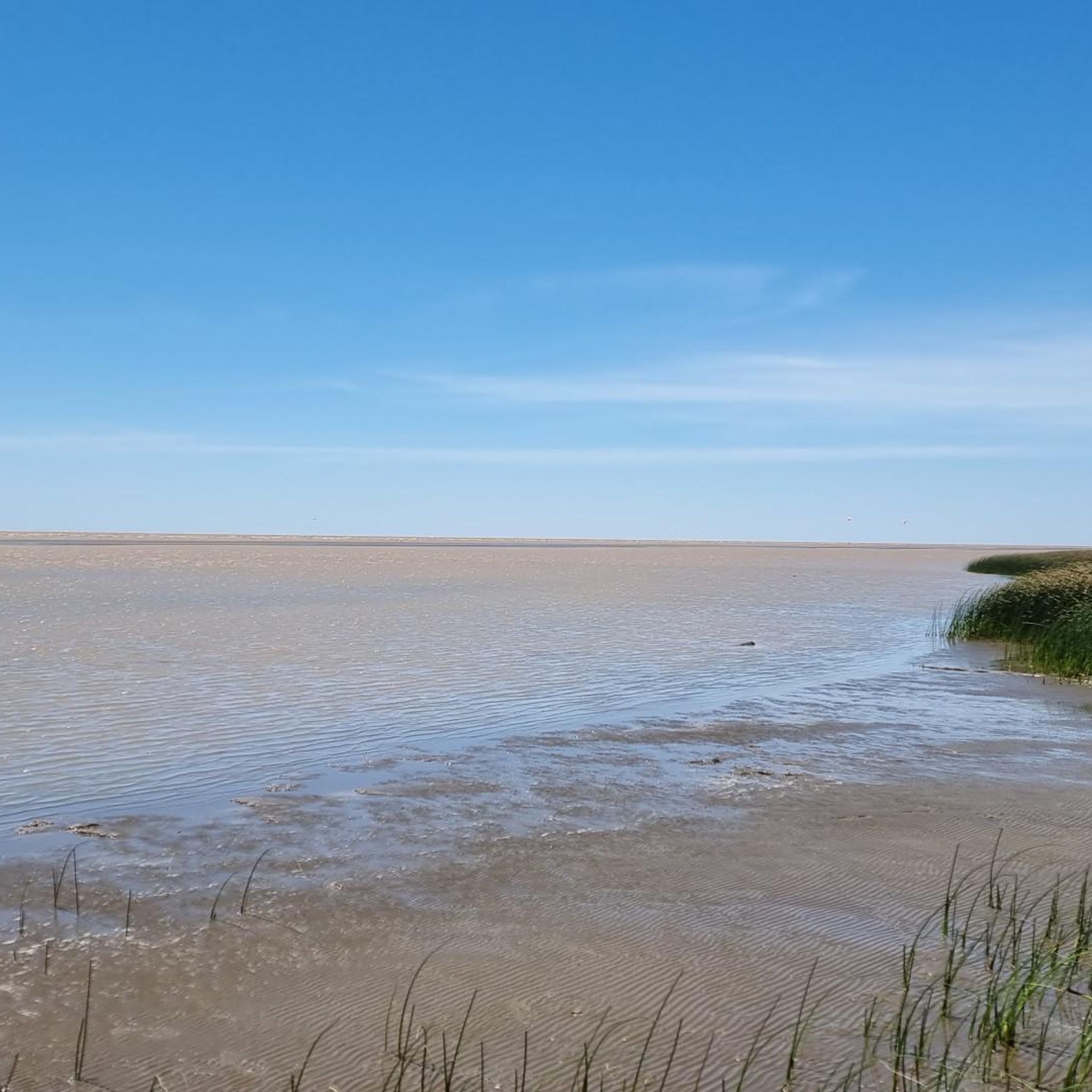
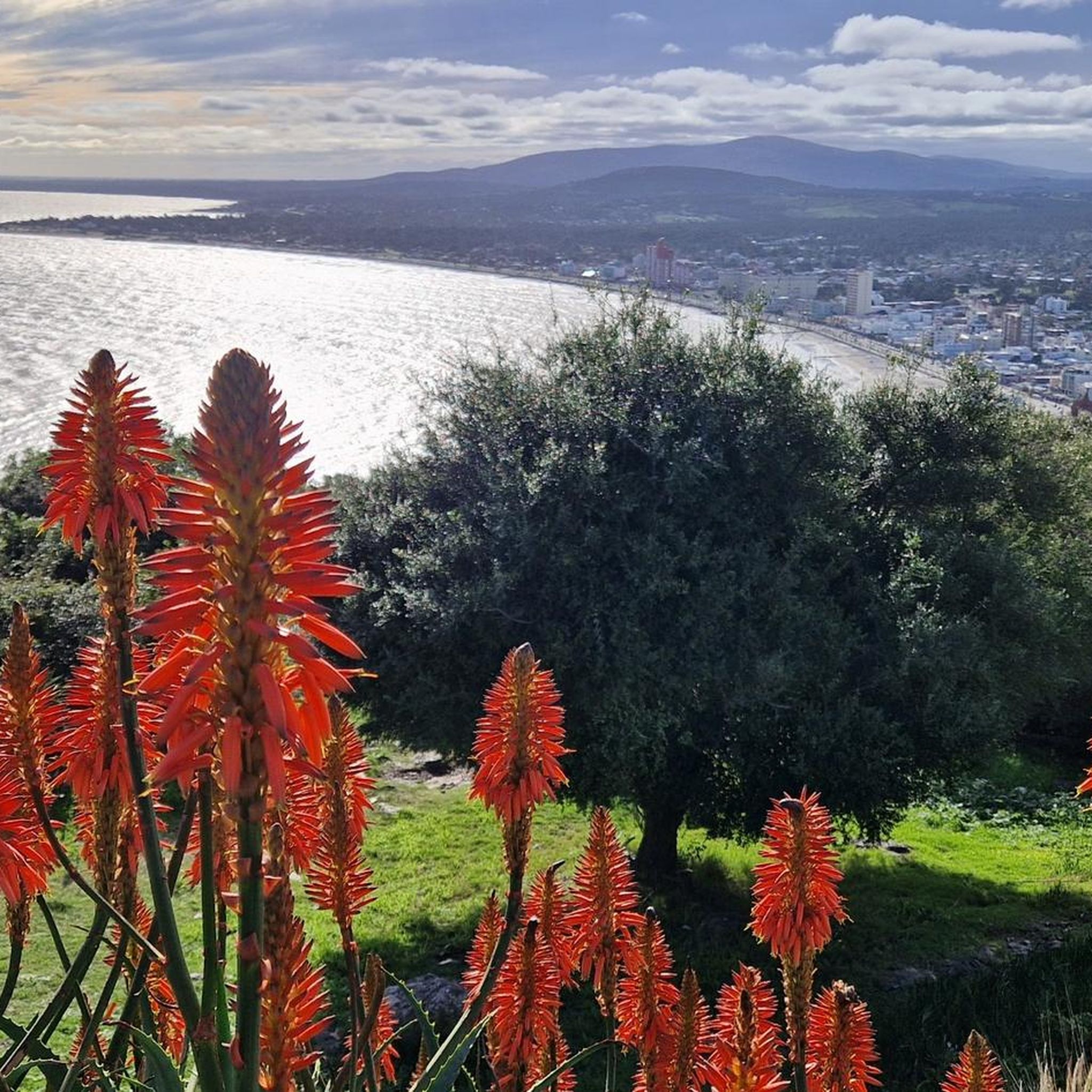
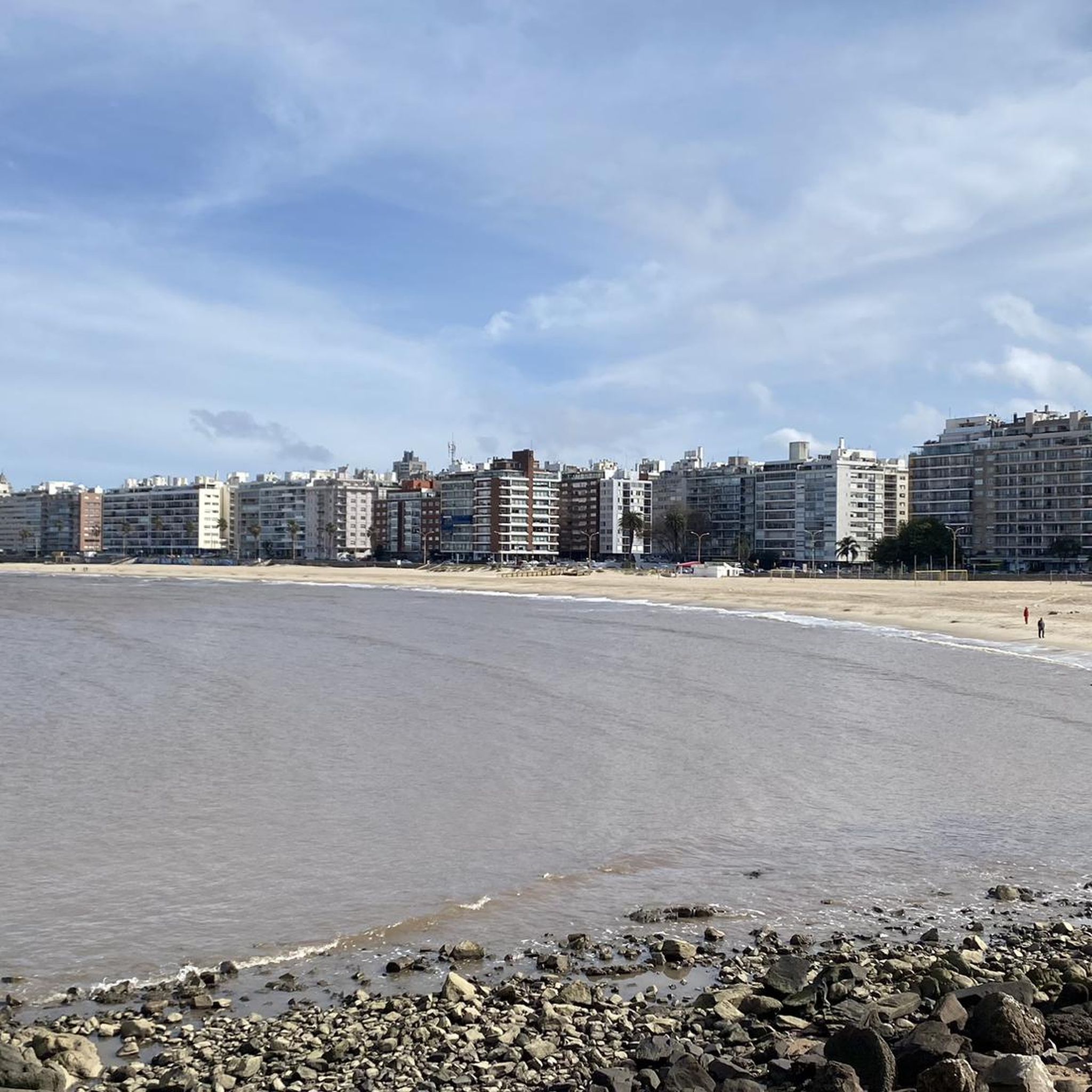
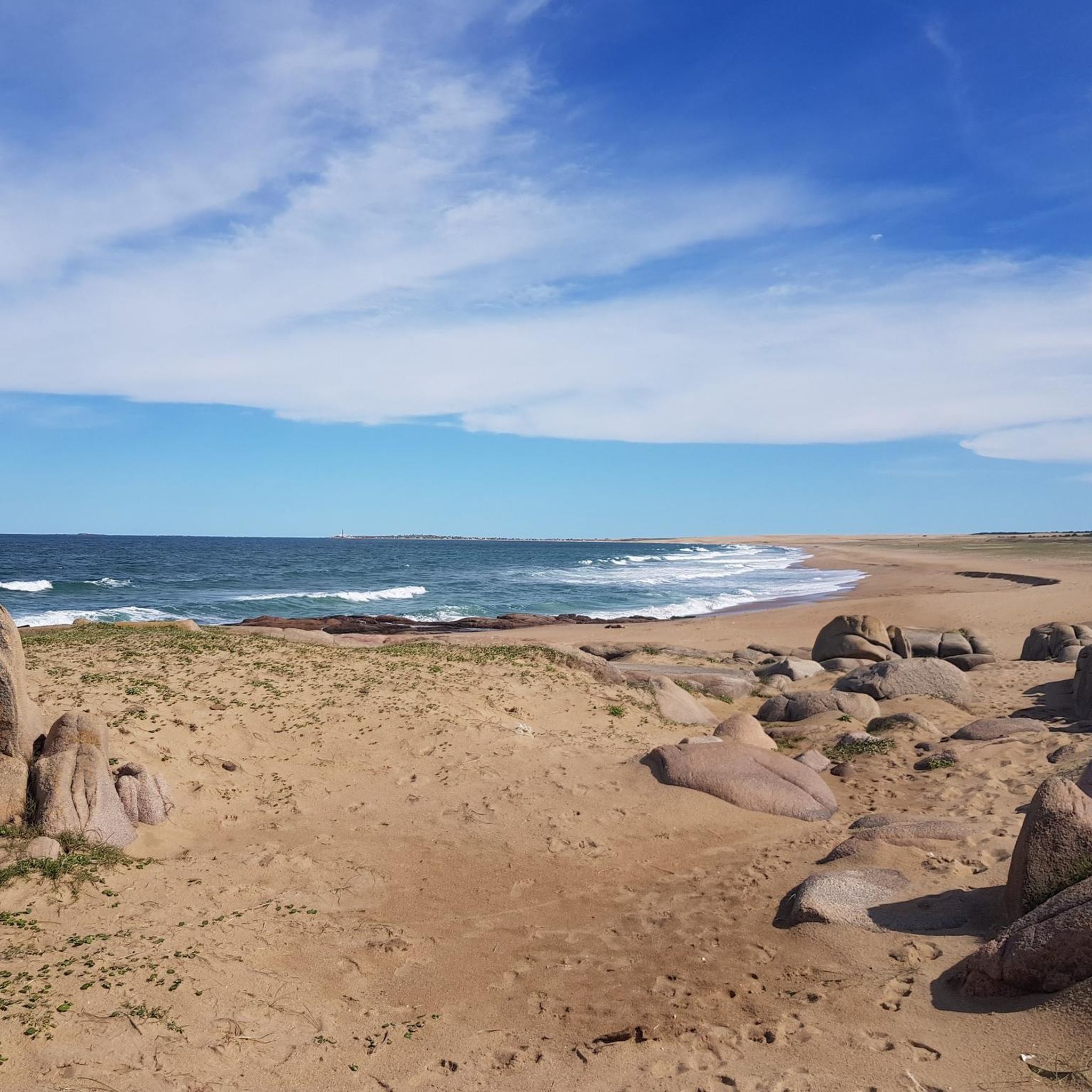
Tips from the Community

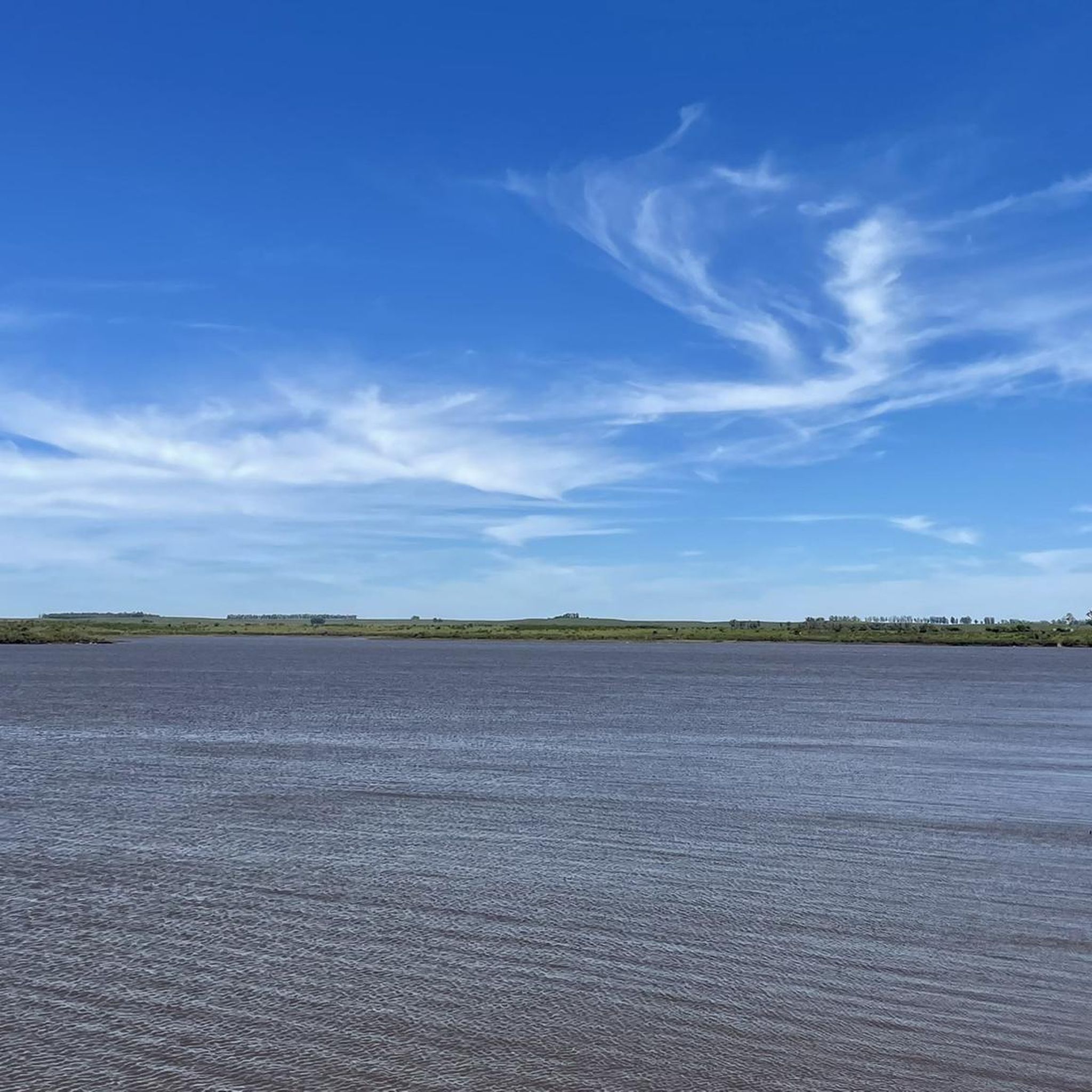
The trail is a refreshing alternative during the summer months. Parallel to the Rambla de las Américas, this path initially winds through a leafy area before leading to five kilometers of beach, with sections offering some shade and a beautiful view of the Río de la Plata. We took this path to get from the old town to the legendary Plaza de Toros (bullring).
0
0


This building is illuminated at night and looks completely different.
0
0

There is a separate website with detailed information on history, opening hours, and services: https://catedralmontevideo.com.uy/web2/
0
0
Plaza Independencia is the main square of Montevideo and marks the border between the Ciudad Vieja, the historic center of the city, and the area of the center formerly known as Ciudad Nueva. The square was originally designed by the Italian architect Carlo Zucchi in 1837, when it was decided to expand the city as planned. The work was inspired by his teachers Percier and Fontaine, authors of the Rue de Rivoli in Paris. However, the square as we know it is the daughter of the changes made to the project by Bernardo Poncini in 1860. Above all, the main attraction is the Monument to Josè Gervasio Artigas, an equestrian statue dedicated to the Uruguayan national hero. A mausoleum houses an urn containing his remains. An important detail is the bas-relief of the base, which is a work depicting the exodus of the eastern people. Around the square are some of the most important buildings in the city: walking along Avenida 18 de Julio towards the old town we find the Palacio Salvo, flanked by the Palacio Estevez, the Ciudadela building, the Solis Theater, the largest in the Uruguayan capital and the second largest theater in South America. This is where the most important shows in Uruguay are performed. Source: https://www.costakreuzfahrten.de/costa-club/magazine/reise/sehenswuerdigkeiten-montevideo.html
1
0
The Palacio Salvo was designed by Mario Palanti, an Italian architect, and completed in 1928. It was originally built as a hotel that offered visitors luxurious accommodation. However, due to a lack of demand, the hotel project was not successful. The building was remodeled several times over the years, but eventually found its purpose as an office and residential building. The architecture of the Palacio Salvo is an exquisite mix of eclectic styles, combining influences from Art Nouveau and Neoclassicism. With an impressive height of 100 meters, it was the tallest building in South America at the time of its completion. The façade features ornate carvings, ornamental details and a grand entrance that immediately draws the viewer's attention. Source: https://www.realestate-in-uruguay.com/de/blog/palacio-salvo-das-ikonische-jewwel-von-montevideo/
1
0

The Plaza de la Constitución, also known as Plaza Matriz, offers a quiet place to linger and relax in the middle of Montevideo. Nestled between historical architecture, including the impressive Iglesia Matriz, the oldest cathedral in the city, and the historic Cabildo, the square invites you to sit on one of the numerous benches and watch the hustle and bustle of the city in a relaxed atmosphere. The central fountain, designed in 1871 by the Italian sculptor Juan Ferrari, is a real eye-catcher and gives the square its unique charm. It is particularly nice to simply stroll through the park, enjoy the pleasant peace and quiet and take in the history of the place. The dense treetops offer shade on hot days, and the surrounding cafés invite you to watch the relaxed hustle and bustle over a coffee. If you want to learn about Uruguay's past, you've come to the right place: on July 18, 1830, the Constitutional Oath took place here, an important event in the country's history.
1
0
The historic district of Colonia del Sacramento, declared a UNESCO World Heritage Site in 1995, is truly a fascinating place that takes you back in time. As you stroll through the narrow, cobbled streets, you can admire the mix of Portuguese and Spanish architecture - a remnant of the city's turbulent colonial history. I find it particularly fascinating how the alleys and buildings have retained their authentic charm. It almost feels as if time has paused here. And there are old cars parked everywhere, like small open-air exhibitions. For me, this was a really unexpected highlight. You should take your time to discover the hidden corners and pause for a moment in the cozy cafes. If you want to follow the historical trail of Uruguay, Colonia del Sacramento is definitely worth a detour - the well-preserved colonial buildings in particular give you the feeling of being part of another era.
1
0
Frequently Asked Questions
How many hiking trails are available in Uruguay?
Uruguay offers a diverse range of outdoor experiences, with over 15 hiking routes documented on komoot. These trails cater to various skill levels, from easy strolls to more moderate ascents, allowing everyone to explore the country's unique landscapes.
Are there hiking trails suitable for beginners or those seeking easy walks in Uruguay?
Yes, Uruguay is very accessible for hikers of all levels. Out of the available routes, 12 are classified as easy, making them perfect for beginners, families, or those looking for a relaxed outdoor experience. The country's generally mild altitudes also contribute to the accessibility of its trails.
What kind of landscapes can I expect to see while hiking in Uruguay?
Uruguay's hiking trails showcase a compelling blend of diverse landscapes. You can explore stunning coastal areas with shifting sand dunes and tranquil beaches, rolling hills offering panoramic views, deep gorges with subtropical forests like the Quebrada de los Cuervos, and unique geological formations. Areas like Laguna Negra also feature pristine native forests and wetlands.
Are there any circular hiking routes in Uruguay?
Yes, many of Uruguay's hiking trails are designed as circular routes, allowing you to start and end at the same point. For example, the Cross on Cerro Pan de Azúcar loop from Cerro Pan de Azúcar is an easy circular path that ascends one of Uruguay's prominent peaks, offering panoramic views.
What are some notable natural features or landmarks I can explore on a hike?
Uruguay is rich in natural beauty. You can hike to the country's highest point, Cerro Catedral, or explore the unique subtropical forests and highland scenery of Quebrada de los Cuervos. Other highlights include the stunning rock formations in Grutas del Palacio National Park and the diverse ecosystems of Santa Teresa National Park. You might also encounter unique geological formations and diverse wildlife.
Are there any family-friendly hiking options in Uruguay?
Absolutely! Many trails in Uruguay are suitable for families, thanks to their generally mild altitudes and varied difficulty levels. Easy routes, often found in national parks or coastal areas, provide a great opportunity for families to enjoy nature together. Consider trails that explore beaches or gentle hills for a pleasant family outing.
What do other hikers enjoy most about hiking in Uruguay?
The komoot community highly rates hiking in Uruguay, with an average score of 4.7 stars from over 30 reviews. Hikers often praise the diverse and accessible landscapes, from coastal paths to rolling hills, and the well-preserved natural environments found within the numerous national parks. The blend of natural beauty, wildlife, and historical interest also receives positive feedback.
Can I find trails that offer historical or cultural points of interest?
Yes, several hiking routes in Uruguay incorporate significant historical and cultural elements. For instance, the Bastion of San Miguel – San Benito Chapel loop from Colonia del Sacramento explores historical sites and offers coastal views. You can also visit the Historic Quarter of Colonia del Sacramento or the Santa Teresa Fortress within Santa Teresa National Park.
Are there opportunities for wildlife spotting on Uruguay's hiking trails?
Uruguay's diverse ecosystems provide excellent opportunities for wildlife spotting. Depending on the region, you might encounter sea lions in coastal areas like Cabo Polonio, a variety of bird species in Laguna de Rocha and Cerro Catedral, or animals like armadillos and foxes in Grutas del Palacio and Quebrada de los Cuervos. Valle del Lunarejo is particularly noted for its abundant wildlife.
What is the best time of year to go hiking in Uruguay?
Uruguay's generally mild climate makes hiking enjoyable year-round. However, spring (September to November) and autumn (March to May) offer particularly pleasant temperatures for outdoor activities. Summer (December to February) can be warm, especially in coastal areas, while winter (June to August) is cooler but still suitable for hiking, though some trails might be affected by rain.
Are there any trails near Montevideo?
Yes, you can find hiking opportunities near the capital. The Gateway of the Citadel – Mausoleum of José Artigas loop from Montevideo is a moderate 9.5 km route that allows you to explore urban landmarks and green spaces within the city's vicinity.
Are there any trails with significant elevation gain for a challenge?
While Uruguay is known for its mild altitudes, some trails offer more significant climbs. For example, the Cross on Cerro Pan de Azúcar loop from Cerro Pan de Azúcar involves a notable ascent to one of the country's prominent peaks, providing a rewarding challenge and panoramic views.
Most popular attractions in Uruguay

Get inspired with the komoot mobile app


Didn’t find what you were looking for?
Check out more Hikes throughout Uruguay below and find the perfect route in your destination.
Explore more
Browse the best Hikes in other regions.
