The best road cycling routes around Treborough
4.8
(28)
1,099
riders
64
rides
Road cycling around Treborough offers diverse and challenging terrain within Exmoor National Park. The region is characterized by significant elevation changes, expansive open moorlands, and dense ancient woodlands. Cyclists encounter steep ascents and thrilling descents, alongside a network of quiet country lanes. The northern edge of Exmoor provides coastal views along the Bristol Channel, combining moorland scenery with dramatic sea vistas.
Best road cycling routes around Treborough
- The most popular road cycling route is Porlock Weir loop from Washford,…
Last updated: September 30, 2026
13
riders
39.4km
01:55
400m
400m
Moderate road ride. Good fitness required. Mostly well-paved surfaces and easy to ride.
5.0
(1)
27
riders
23.6km
01:14
230m
230m
Easy road ride. Great for any fitness level. Mostly well-paved surfaces and easy to ride.

5.0
(3)
19
riders
57.9km
03:02
910m
910m
Hard road ride. Very good fitness required. Mostly well-paved surfaces and easy to ride.
18
riders
52.1km
02:41
840m
840m
Moderate road ride. Good fitness required. Mostly well-paved surfaces and easy to ride.
15
riders
71.5km
03:38
1,080m
1,080m
Hard road ride. Very good fitness required. Some segments of this route may be unpaved and difficult to ride.
Get access to more routes and recommendations from other explorers.
Already have an account?
Our route recommendations are based on thousands of hikes, rides, and runs completed by other people on komoot.
Start today with a free account
Your next adventure awaits.
Tips from the Community

Almost nothing reliable is known about the life of Saint George, to whom this church was dedicated, but veneration of him stretches back to early Christianity. A martyr identified with George is said to have lived in the third century. The legend of Saint George as the dragon slayer, however, is quite well known and widespread; he is often depicted—in paintings or statues—as the conqueror of the monster, often as a knight on horseback. The feast day of the very popular Saint George in the calendar of saints is celebrated on April 23rd in both the Roman Catholic and Anglican churches. Among other things, he is the patron saint of the English kingdom, and some of the orders and decorations awarded there bear his name.
0
0


Tackling Porlock Hill westwards from the village on the A39, prepare for an immediate, brutal ascent. The climb bites hard almost instantly, throwing its infamous 25% ramps at you very early, particularly around the tight hairpins. Experience the intense effort required in your lowest gears, feeling the steepness challenge every pedal stroke. As you winch yourself upwards through the woods, glance back (when safe!) at the rapidly unfolding, stunning views over Porlock Bay. Be aware you'll be sharing this famously steep A-road with other vehicles. After battling the steepest sections, the gradient lessens slightly, but the climb persists relentlessly until you emerge onto the exposed Exmoor moorland at the summit and breathtaking views over the Bristol Channel.
2
0

Bampton is a great stop for cyclists, offering a peaceful break with picturesque streets and a friendly atmosphere. Take a moment to explore the charming village, grab a coffee, and enjoy the scenic views before continuing your ride.
1
0
Almost nothing reliable is known about the life of Saint GEORGE, to whom the church of Dunster was dedicated, but the veneration of him goes back a long way to early Christianity. A martyr who is equated with George is said to have lived in the third century. The legend of Saint George as a dragon slayer is well known and widespread, however, and he is usually depicted - in paintings or as a statue - as the conqueror of the monster, often as a knight on horseback. The memorial day of the very popular George in the calendar of saints is celebrated on April 23rd in both the Roman Catholic and Anglican churches. Among other things, he is the patron saint of the English kingdom, and some of the orders and decorations awarded there also bear his name.
4
0
Using the power of moving water to drive a mill wheel is an ancient invention of the human spirit of discovery, the origins of which can be traced back to times long past. Thanks to such a construction, human or animal muscle power could be easily replaced by the power of the natural elements through a watercourse - natural or artificially created - in order to grind grain into corn or press oil from fruit, for example. There are essentially two different ways of driving watermills: * Either the flowing water simply hits the blades of the water wheel from below to set it in motion; or * the water is guided above the wheel - usually through a so-called "mill channel" - and falls onto the blades; this type of construction is more efficient due to natural gravity.
5
0

A lovely spot for a cream tea, especially on a warm sunny day.
1
1

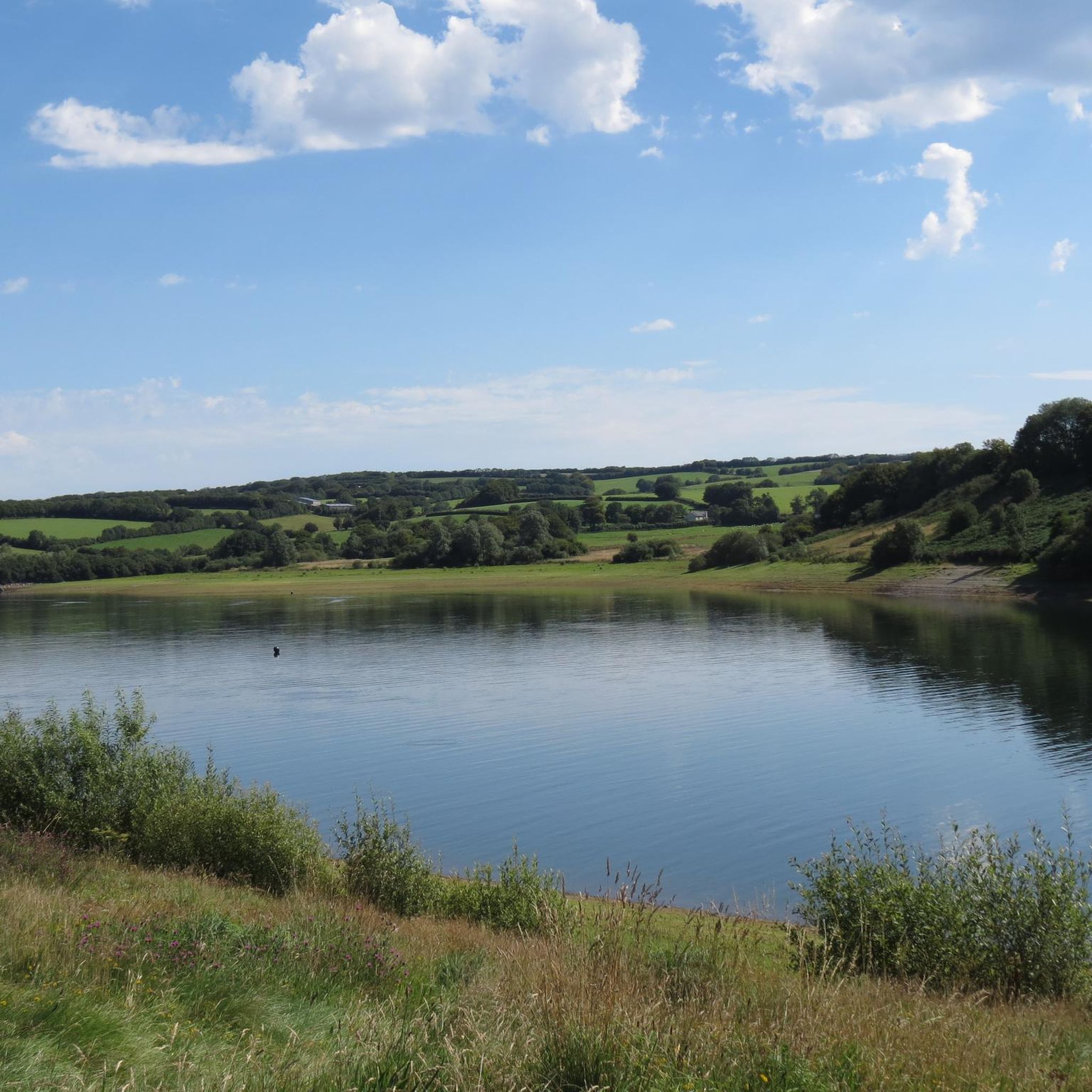
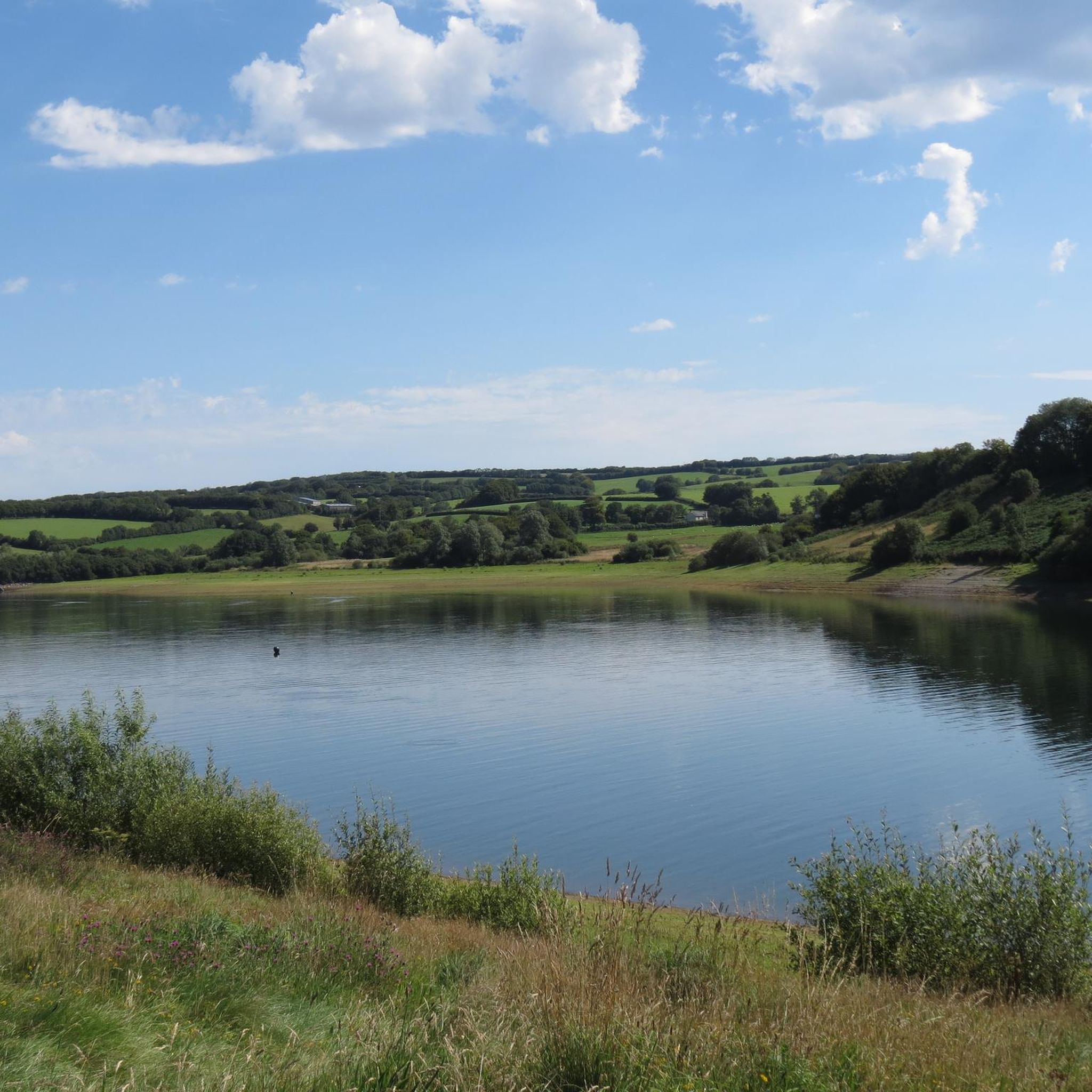
Coffee Couture café is well situated near the car park at Wimbleball Lake. They have plenty of space inside and tables outside, so you can enjoy the sunshine or warm up after a chilly run, depending on the weather.
0
0
Frequently Asked Questions
How many road cycling routes are available around Treborough?
There are over 70 road cycling routes around Treborough, offering a wide range of options for different skill levels. These routes are primarily located within or on the doorstep of Exmoor National Park.
What kind of terrain can I expect when road cycling near Treborough?
Road cycling around Treborough, situated within Exmoor National Park, is characterized by diverse and challenging terrain. You'll encounter significant elevation changes, including steep ascents and thrilling descents, alongside a network of quiet country lanes. The region features expansive open moorlands, dense ancient woodlands, and dramatic coastal views along the Bristol Channel.
Are there any easy road cycling routes suitable for beginners around Treborough?
Yes, Treborough offers several easier road cycling routes. For instance, the Roadbike loop from Carhampton is an easy 14.3-mile (23 km) route with moderate elevation gain, perfect for a more relaxed ride through the local countryside.
What are some challenging road cycling routes for experienced riders?
For experienced cyclists seeking a challenge, the region provides demanding ascents. The Porlock Toll Road – Blue Anchor Bay loop from Old Cleeve is a difficult 60.6-mile (97.5 km) route that includes challenging climbs like the famous Porlock Toll Road and extensive coastal scenery. Another demanding option is the Crowcombe Hill Climb – Scenic Country Road loop from Ralegh's Cross Inn, a 34.3-mile (55.2 km) trail through hilly terrain.
What attractions or landmarks can I see along the road cycling routes?
Many routes offer scenic views and pass by interesting landmarks. You might encounter natural features like Haddon Hill Trig Point or Periton Hill Summit. Historical sites such as Gallox Hill Fort and Gallox Bridge are also accessible. The charming Dunster Village and its Priory Church of St George are also notable points of interest.
Are there any family-friendly cycling options around Treborough?
While many road cycling routes in Exmoor National Park feature challenging terrain, the network of quiet country lanes can offer more relaxed sections suitable for families with older children or those looking for less strenuous rides. Look for routes designated as 'easy' or 'moderate' on komoot for suitable options.
What is the best time of year to go road cycling in Treborough?
The best time for road cycling in Treborough and Exmoor National Park is generally from spring through autumn (April to October). During these months, the weather is typically milder, and the days are longer, offering more comfortable riding conditions and better visibility of the scenic landscapes. Winter cycling is possible but can be challenging due to colder temperatures, shorter daylight hours, and potentially wet or icy road conditions.
Where can I find cafes or pubs along the cycling routes?
Many routes pass through or near charming villages within Exmoor National Park, where you can find cafes and pubs. For example, the Bridge Cottage Tea Room is a known spot. It's advisable to check the route details on komoot or local village information for specific refreshment stops along your chosen path.
What do other road cyclists enjoy most about cycling in Treborough?
The road cycling routes around Treborough are highly rated by the komoot community, with an average score of 4.9 stars from over 20 reviews. Cyclists often praise the diverse and challenging terrain, the stunning coastal views, and the peaceful experience of riding through Exmoor National Park's quiet country lanes and ancient woodlands.
Is there public transport available for cyclists in the Treborough area?
While Treborough itself is a small village, the broader Exmoor National Park area has some public transport links. However, these may be limited and not always suitable for carrying bicycles. It's recommended to check local bus services or train lines to nearby towns like Taunton or Minehead for connections, and always confirm their bicycle carriage policies in advance.
Where can I park my car when starting a road cycling route near Treborough?
Parking options vary depending on your starting point. Many routes begin from villages or designated car parks within Exmoor National Park. For example, routes might start from locations like Washford, Old Cleeve, Carhampton, or Ralegh's Cross Inn, which typically offer parking facilities. Always check specific route descriptions on komoot for recommended starting points and parking information.
Are there any specific viewpoints or scenic spots I should look out for?
Exmoor National Park is full of scenic spots. The coastal sections, particularly along the A39, offer breathtaking views of the Bristol Channel. Climbs like Dunkery Beacon and Porlock Hill provide panoramic vistas of the moorlands and coastline. Many routes will naturally lead you through areas of outstanding natural beauty, including open moorlands and tranquil river valleys.
Most popular attractions around Treborough

Get inspired with the komoot mobile app


Explore more
Browse the best Road cycling routes in other regions.
