The 11 Most Amazing Peaks around St John (Without)
Best mountain peaks around St John (Without) are found within a civil parish in East Sussex, England, characterized by elevated areas within the South Downs. This region features significant chalk grassland habitats, woodlands, and notable escarpments. Visitors can explore landmarks such as Mount Harry and the Clayton to Offham Escarpment, which is a Site of Special Scientific Interest. The area provides opportunities to experience scenic beauty and unique ecosystems.
Best mountain peaks around St John (Without)
- The most popular mountain…
Last updated: September 25, 2026
Ditchling Beacon
Highlight • Natural Monument
Tip by

Blackcap Summit and Trig Point
Highlight • Viewpoint
Tip by

Sign up now to discover places like this
Get recommendations on the best single tracks, peaks, & plenty of other exciting outdoor places.
Lewes Beacon on Mount Harry
Highlight • Historical Site
Historically, the beacon was used as a signal point …
Tip by

Wolstonbury Hill
Highlight • Natural Monument
Tip by

Iford Hill Track
Highlight • Climb
Tip by

Sign up for free to discover even more peaks around St John (Without).
Already have an account?
Start today with a free account
Your next adventure awaits.
Tips from the Community

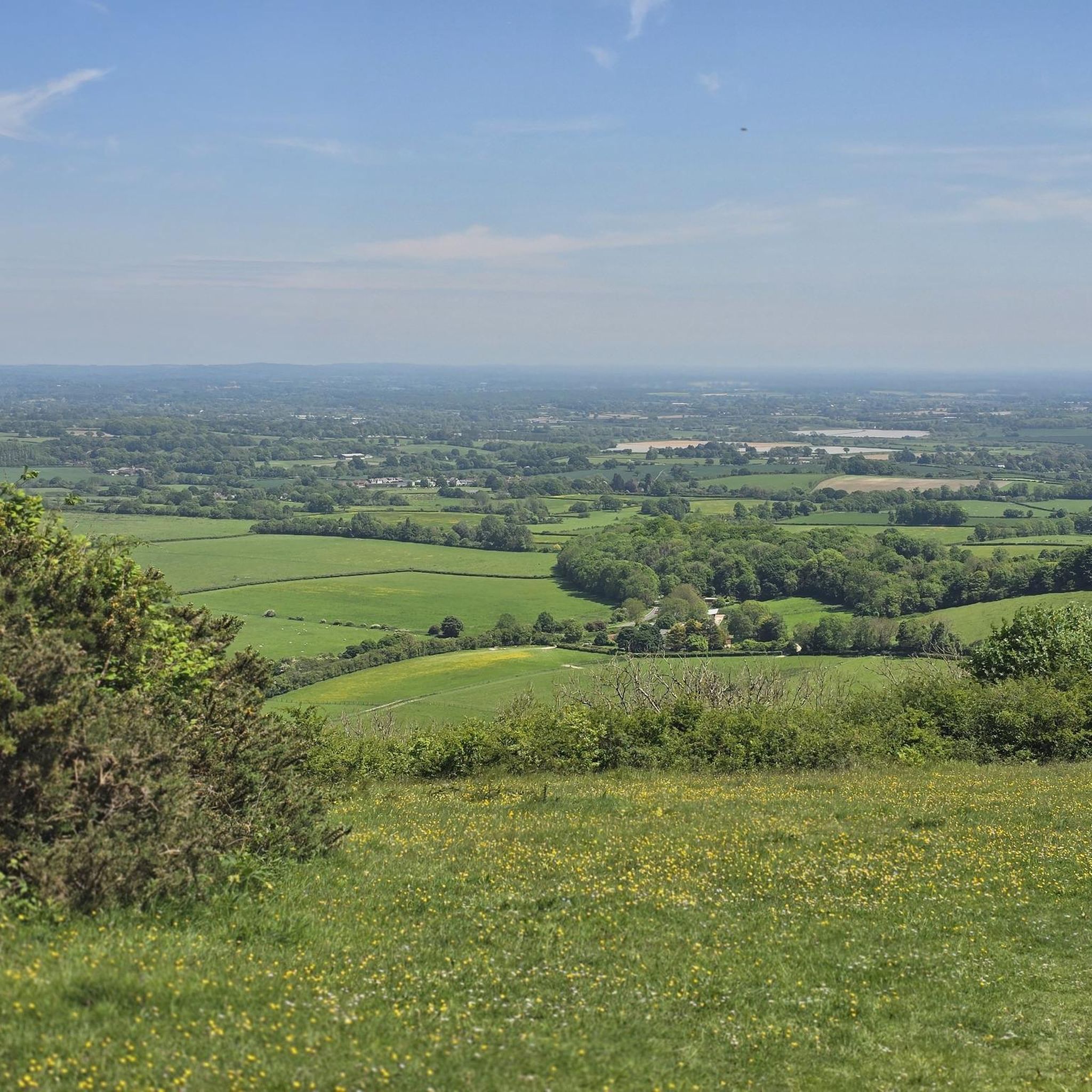
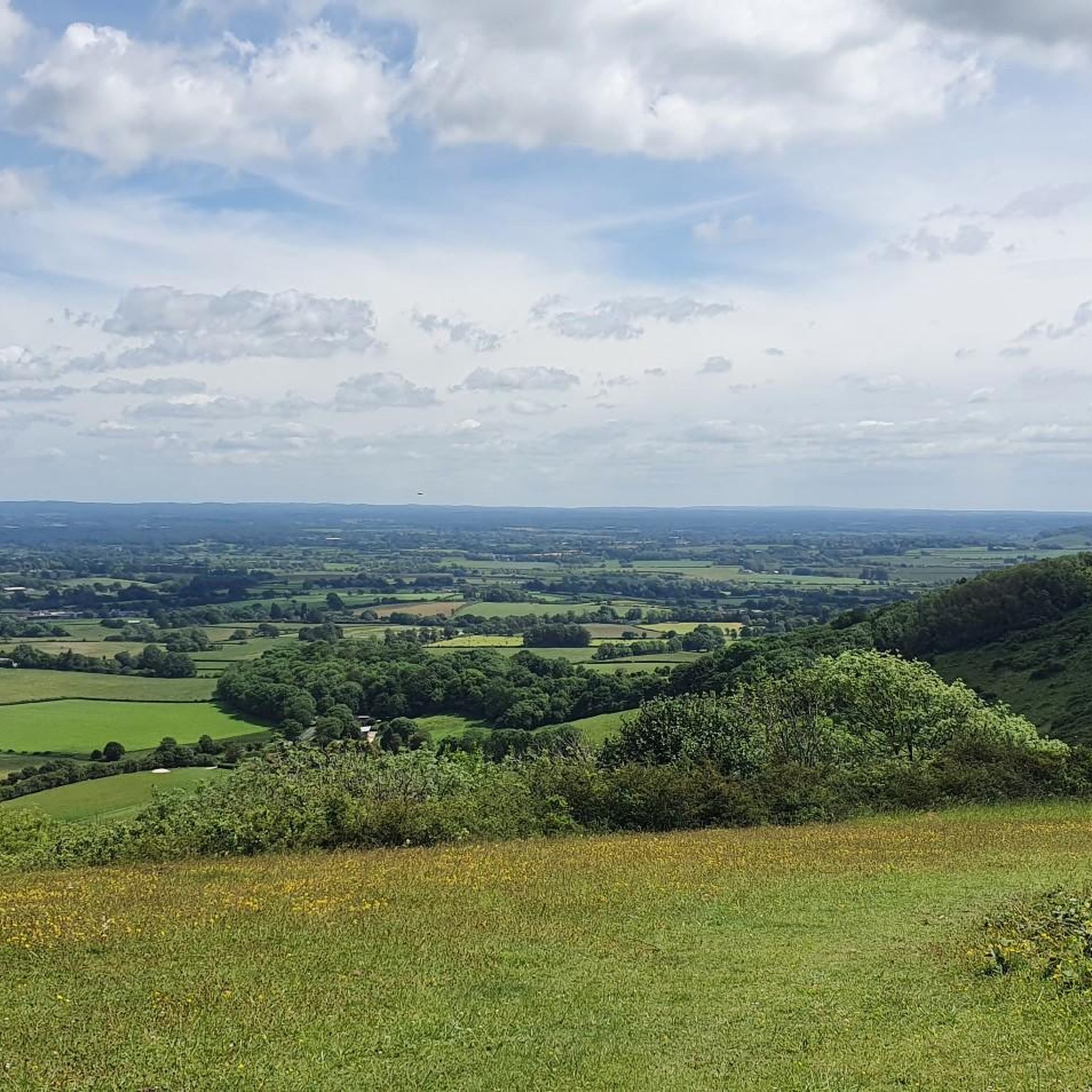
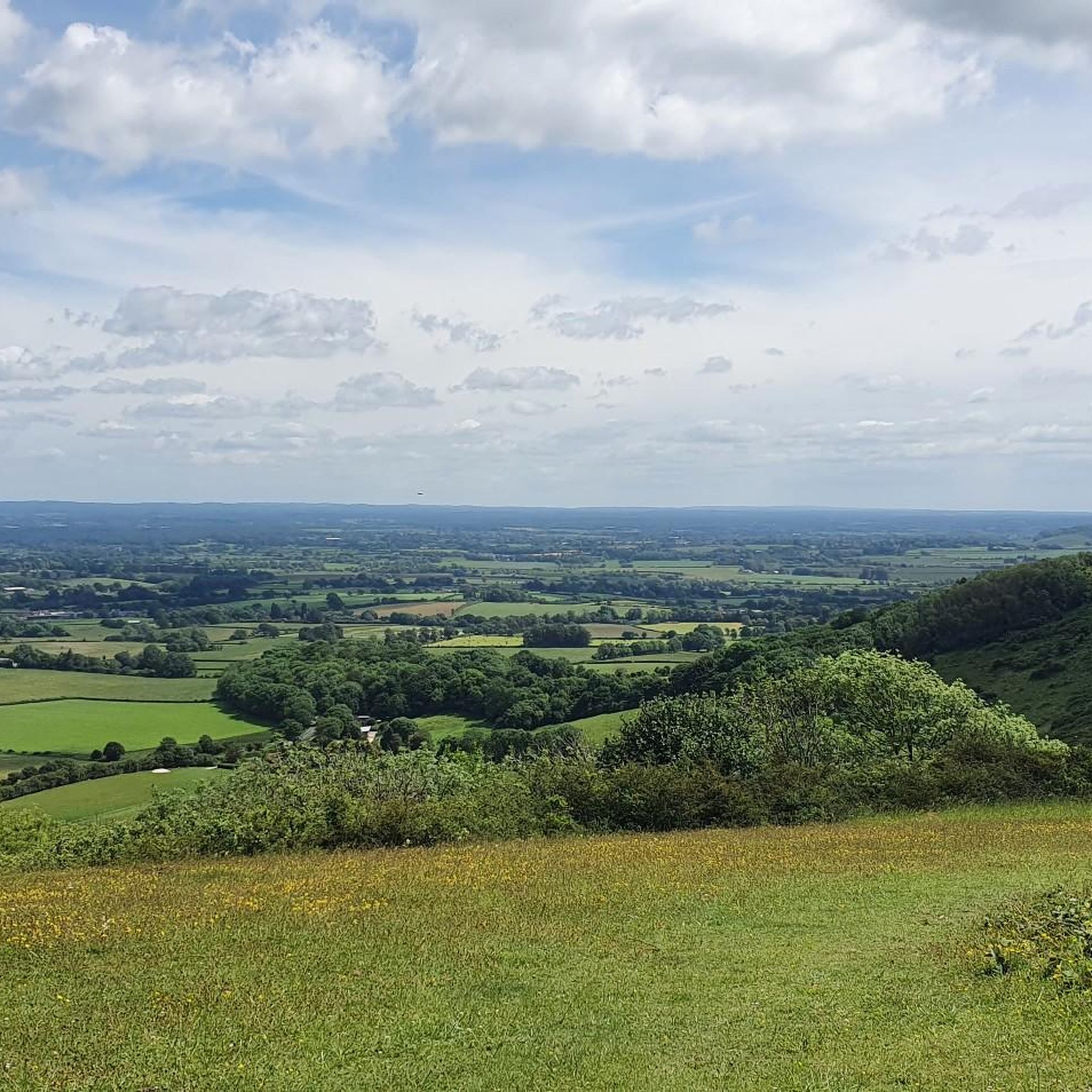
At over 650 feet (200 m), Ditchling Beacon gives you a good climb and a great vantage point to see out over the surrounding countryside. To the north you look back at the lush countryside of the Weald, to the south are views of Brighton, and to the east and west, the rolling undulating views out over the South Downs.
1
1

Nice enough trig pointed hilltop and easy enough to get to with grand views out over the South Downs.
0
0

Ice cream van also serving Tea today (Easter Monday). view from the top on a nice clear day
0
0

Mount Harry rises to a height of 627 feet (191 m) and offers panoramic views of the surrounding countryside, including the South Downs and the Ouse Valley. It's characterised by the tall brazier, known as Lewes Beacon. This was erected in 2002 as a reminder of the beacon that stood here from the 16th century to warn of danger.
0
0

The locally well-known Lewes Beacon stands on top of Mount Harry and commands beautiful views over the town and surrounding countryside. Historically, the beacon was used as a signal point during times of conflict and also as a place for locals to gather and celebrate. Today, the landmark is a popular spot for walkers and anyone looking for a refreshing nature fix.
2
0
Black Cap is a prominent hill located in the South Downs National Park in East Sussex. The hill stands at 206 m high and provides some glorious panoramic views across the surrounding countryside and coastline.
1
0
Ditchling Beacon is the highest point in East Sussex, England, with an elevation of 248 m (814 ft). It is south of Ditchling and to the north-east of Brighton. It is a large chalk hill with a particularly steep northern face, covered with open grassland and sheep-grazing areas. It is the third-highest point on the South Downs, behind Butser Hill (270 m (890 ft) and Crown Tegleaze (253 m (830 ft).
2
0
Frequently Asked Questions
What are the most popular mountain peaks to visit around St John (Without)?
The most popular peak is Ditchling Beacon, which is the highest point along the Sussex Downs, offering panoramic views. Other highly-rated spots include Blackcap Summit and Trig Point, known for its views over the Weald, and Wolstonbury Hill, which provides extensive views of both the Downs and the Weald.
What kind of natural features can I expect to see on these peaks?
The peaks around St John (Without) are primarily chalk hills within the South Downs. You'll encounter significant chalk grassland habitats, woodlands, and notable escarpments. Areas like the Clayton to Offham Escarpment are Sites of Special Scientific Interest (SSSI) due to their unique ecosystems. Expect open grasslands, wooded sections, and diverse flora.
Are there any challenging trails or climbs among the peaks?
Yes, some peaks offer challenging experiences. Wolstonbury Hill is noted for a quite challenging walk, especially when approaching from the north. Iford Hill Track is also described as a tough climb, rewarding you with spectacular views.
What are the best viewpoints among the peaks in St John (Without)?
For expansive views, Ditchling Beacon offers a wonderful panorama south to the sea, north across the Weald, and east-west across the Downs. Blackcap Summit and Trig Point provides views over the Weald to the North. Wolstonbury Hill also boasts panoramic views of both the Downs and the Weald. Additionally, Beddingham Hill Highpoint offers stunning views towards Mount Caburn and the Ouse Estuary.
Are there family-friendly options for exploring the peaks?
While specific 'family-friendly' categories aren't always assigned, many of the chalk grassland areas and woodlands offer accessible paths suitable for families. For easier walks, consider exploring the general areas around the peaks rather than attempting the steepest climbs. The South Downs Way, which passes through some of these areas, often has well-maintained sections.
What outdoor activities can I do near these mountain peaks?
Beyond exploring the peaks themselves, the region offers various outdoor activities. You can find easy hikes, such as the East Chiltington Church loop from Plumpton Place or the Blackcap Summit and Trig Point – Blackcap Woods loop from Plumpton. For cyclists, there are routes like the Ditchling Beacon loop from Cooksbridge, and gravel biking options including the South Downs National Park loop from Lewes.
What is the best time to hike the mountains near St John (Without)?
The South Downs region is beautiful year-round. Spring and summer offer lush greenery and wildflowers, while autumn provides vibrant colors. Clear days in any season will offer the best views. Be mindful that paths on exposed chalk hills can be windy and muddy after rain, so check weather conditions before you go.
Are there any historical sites associated with these peaks?
Yes, Ditchling Beacon is of archaeological interest, featuring an Iron Age hillfort. This adds a historical dimension to your visit, allowing you to explore ancient landscapes while enjoying the natural beauty.
What do visitors enjoy most about the peaks around St John (Without)?
Visitors consistently praise the wonderful panoramic views from the summits, especially from Ditchling Beacon and Blackcap Summit. The sense of achievement after a climb, the unique chalk grassland landscapes, and the opportunity to explore areas managed by the National Trust are also highly valued.
Are there any circular walks available around the peaks?
Yes, the nearby routes include several circular options. For example, the East Chiltington Church loop from Plumpton Place and the Blackcap Summit and Trig Point – Blackcap Woods loop from Plumpton are both circular hikes that allow you to experience the local scenery.
What should I wear when hiking the peaks in St John (Without)?
Given the varied terrain and exposure on the chalk hills, it's advisable to wear sturdy hiking shoes or boots. Layers of clothing are recommended to adapt to changing weather conditions, as it can be windy on the summits. A waterproof and windproof outer layer is also a good idea, especially outside of summer months.
Most popular attractions around St John (Without)

Get inspired with the komoot mobile app


Explore more
See even more amazing summits around St John (Without) with these guides:
