Attractions and Places To See around Kington Magna - Top 20
Best attractions and places to see around Kington Magna, a village situated in the picturesque Blackmore Vale, offers a blend of historical landmarks and natural scenery. The area is characterized by its location on the slopes of a Corallian limestone hill, overlooking the flat Oxford Clay valley, with the River Cale flowing nearby. Visitors can explore remnants of an older medieval village and the prominent All Saints' Church, which features a 15th-century west tower. The landscape is also known for its dairy fields, reflecting its historical agricultural heritage.
Best attractions and places to see around Kington Magna
- The most popular attractions is Gold Hill, Shaftesbury, a climb made famous by a 1973 advert. It is often called the prettiest street in England and features a steep, cobbled ascent.
- Another must-see spot is Sturminster Newton Mill, a historical site and working mill. The current building dates back to 1650, though a mill has existed here since at least 1016.
- Visitors also love North Dorset Trailway, a largely flat and traffic-free multi-use path. This nine-mile trail offers views of the iron age hill fort at Hod Hill.
- Kington Magna is known for its historical sites, scenic trails, and cultural landmarks. Visitors can explore ancient churches, medieval village remains, and picturesque walking routes.
- The attractions around Kington Magna are appreciated by the komoot community, with more than 90 upvotes and over 50 photos shared.
Last updated: July 6, 2026
Gold Hill, Shaftesbury
Highlight • Climb
Tip by

North Dorset Trailway
Highlight (Segment) • Trail
Tip by

Sign up now to discover places like this
Get recommendations on the best single tracks, peaks, & plenty of other exciting outdoor places.
Sign up for free
Bristol High Cross
Highlight • Historical Site
In 1764 it was moved to Stourhead.
Often mistaken as part of the nearby church.
Tip by

Shaftesbury Abbey — Ruins and Gardens
Highlight • Historical Site
Today everything lies in ruins, but is lovingly cared for and managed by a trust. Admission is free, but donations are requested. With a souvenir shop, many benches and toilets. We liked it!
Translated by Google •
Tip by

Holy Trinity Church, Shaftesbury
Highlight • Historical Site
Tip by
Sign up for free to discover even more attractions around Kington Magna.
Sign up for free
Already have an account?
Start today with a free account
Your next adventure awaits.
Login or Signup
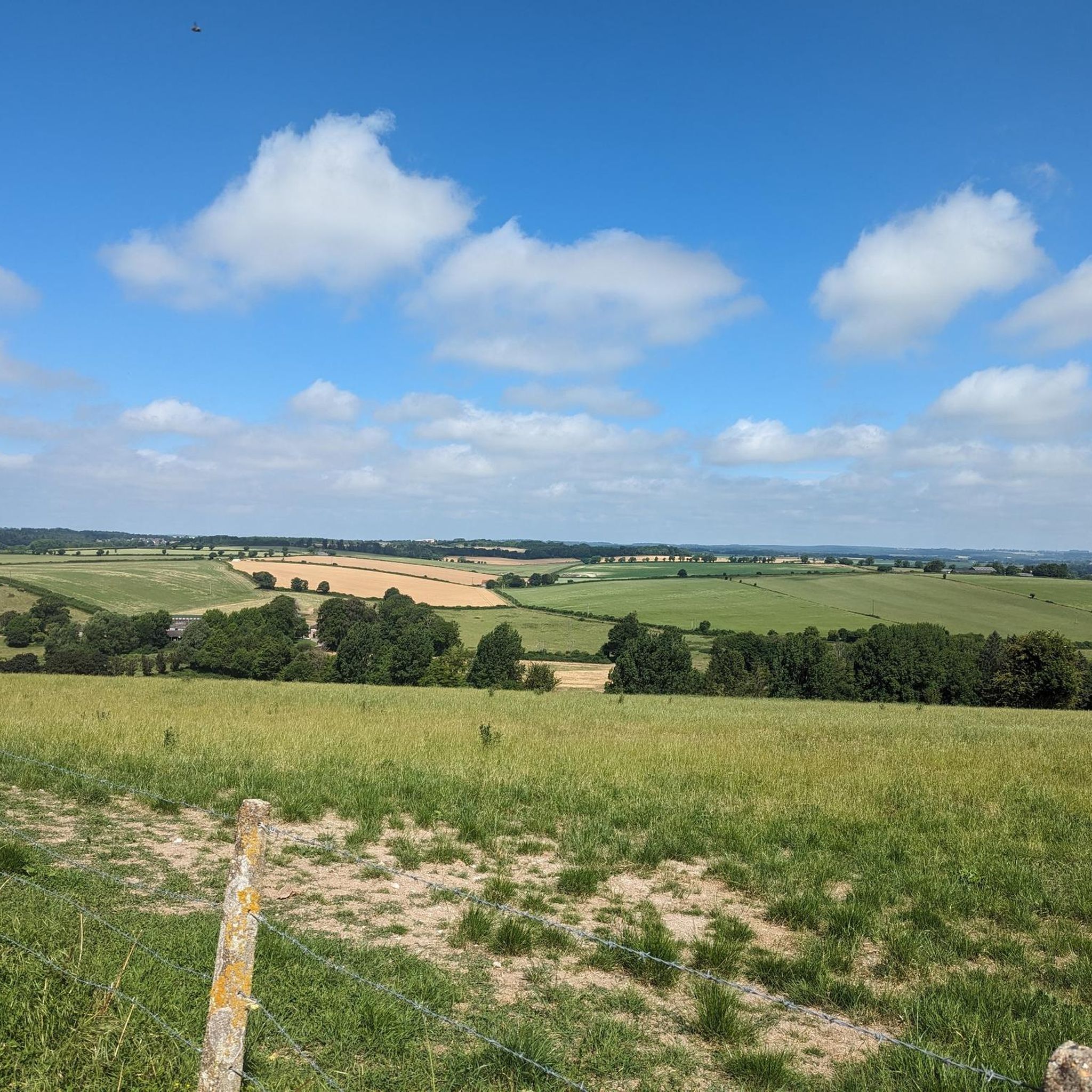
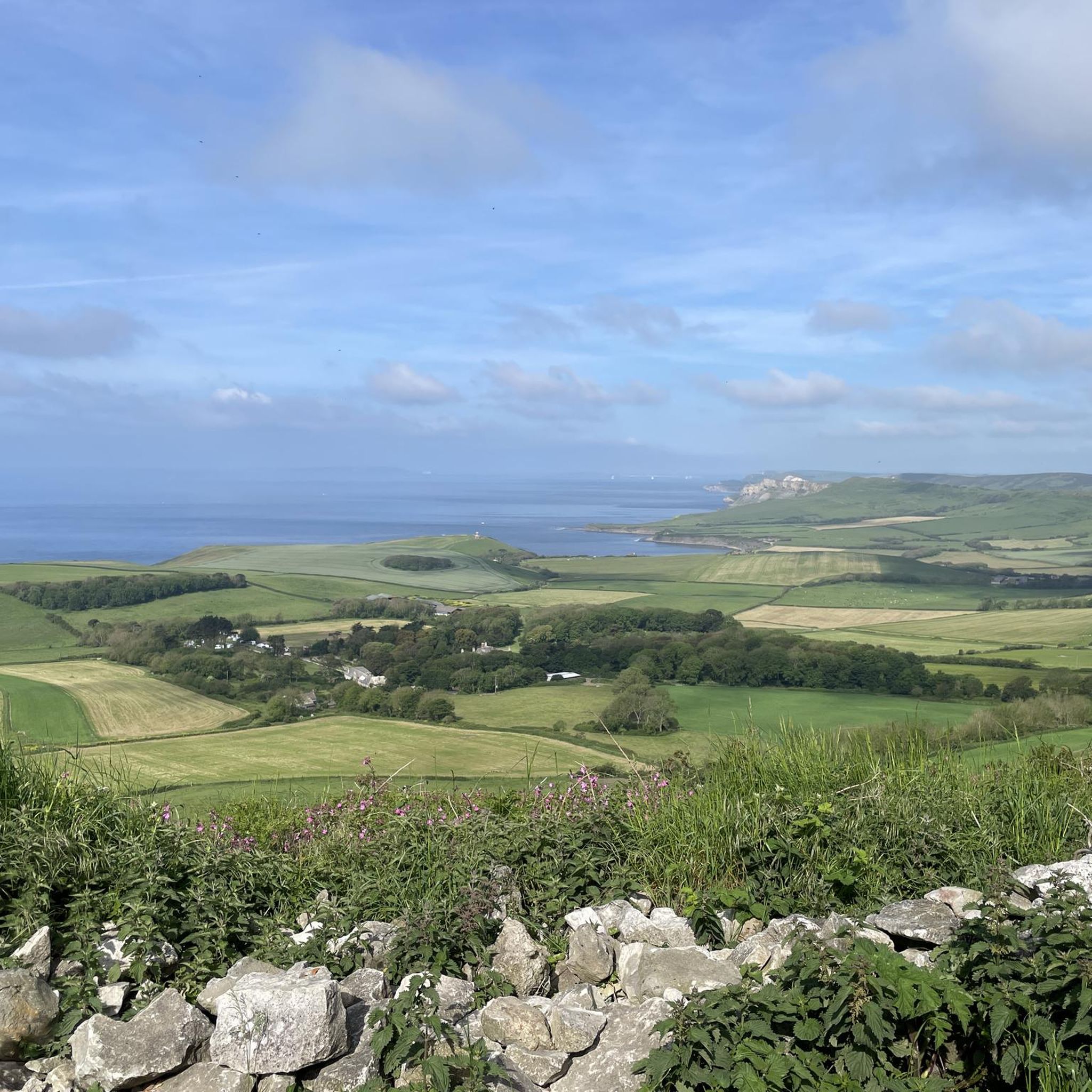
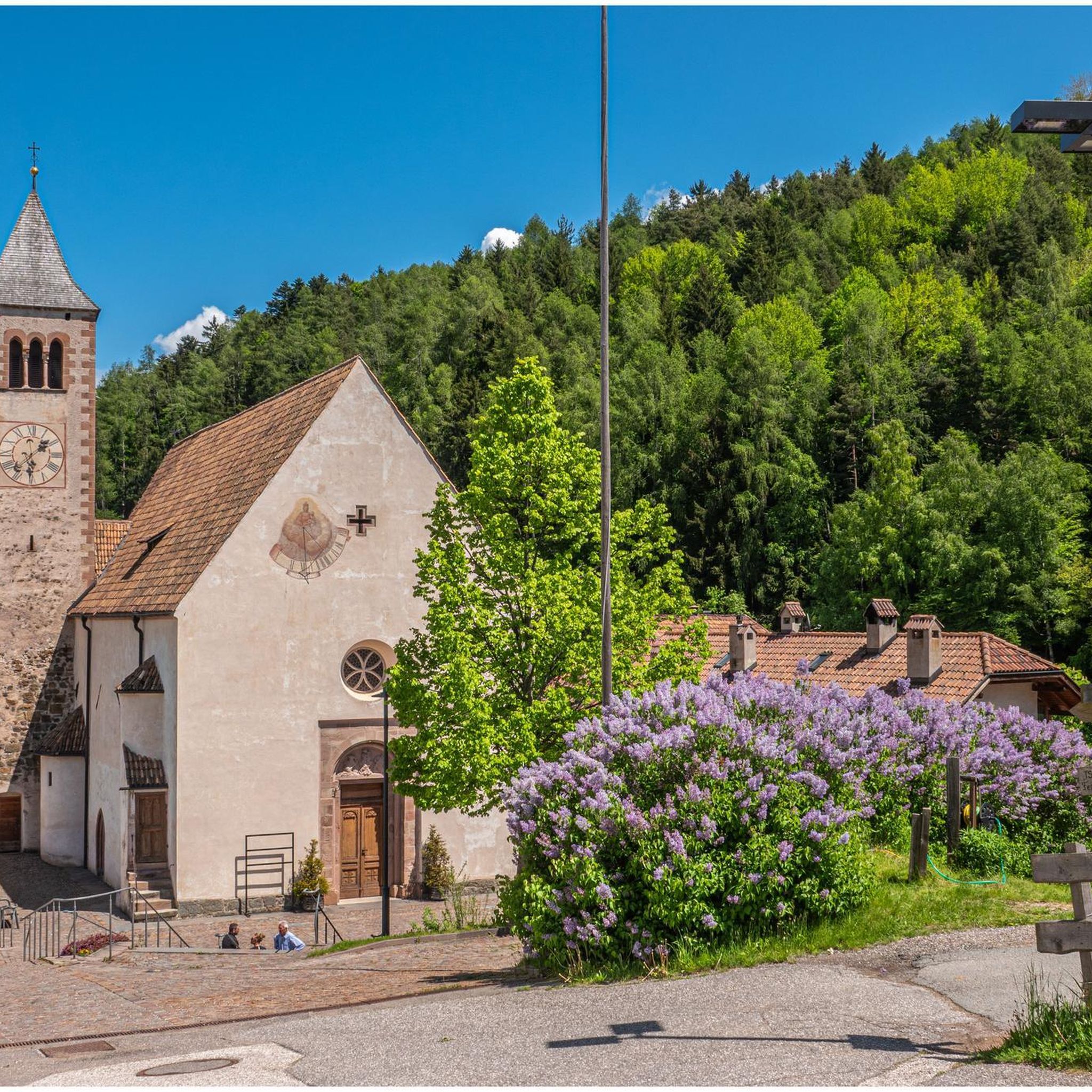
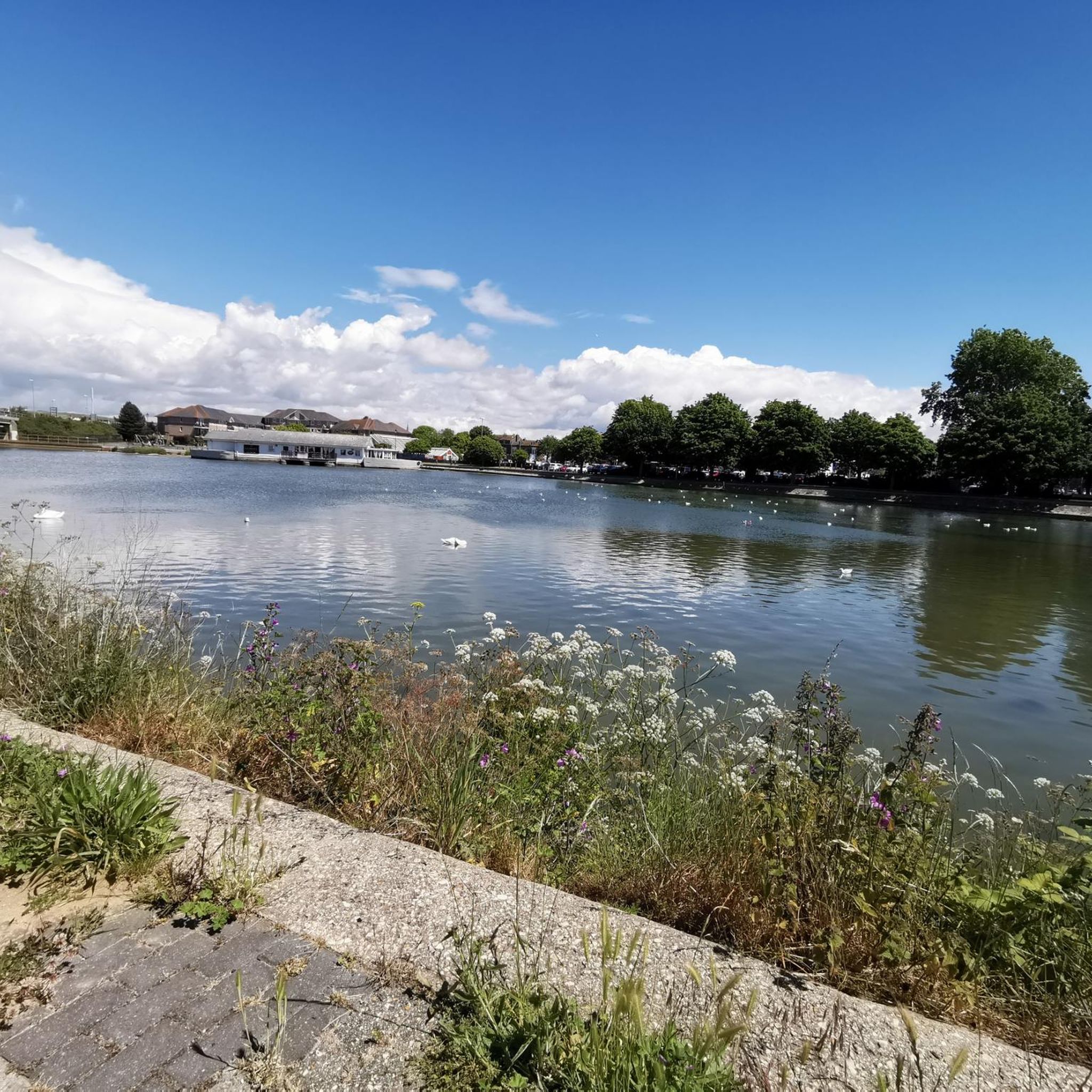
Tips from the Community

The Bristol High Cross is a medieval market cross from Bristol. It was removed from the city in 1765 and rebuilt by Henry Hoare II in the gardens of Stourhead, where it still stands today.
2
0

Holy Trinity Church in Shaftesbury is a Grade II listed building with a rich history, but it is no longer a consecrated place of worship. Today, it is known as the Trinity Centre, a vibrant community hub. The current building, designed in the Early English Gothic Revival style by the famous architect Sir George Gilbert Scott, was largely built between 1841 and 1842 on the site of an even older medieval church. The new building featured a 100-foot-tall western tower and a chancel that was added in 1908. It was the principal Anglican parish church in Shaftesbury for over a century, even as the nearby St Peter's Church fell into disuse. However, with declining congregation numbers, Holy Trinity was made redundant as a parish church in 1977. Its congregation was transferred back to the newly restored St Peter's Church, and the Holy Trinity building was sold. I find it weird how a church can be sold off to become a selection of business's, while still keeping its graveyard.
0
0
Once one of the most important and wealthiest nunneries in England. The abbey's ruins, consisting mainly of its foundations and remnants of walls, are located in a peaceful walled garden next to the famous Gold Hill. Shaftesbury Abbey was founded by King Alfred the Great in 888 AD. It was the first religious house in England established exclusively for women, and Alfred's daughter, Æthelgifu, was its first abbess. The abbey grew in wealth and importance, particularly after it became the burial site and shrine of St Edward the Martyr, a Saxon king who was murdered at Corfe Castle in 978 AD. His shrine attracted a large number of pilgrims, which brought significant income to the abbey. By the time of the Dissolution of the Monasteries under King Henry VIII in 1539, Shaftesbury Abbey was the second wealthiest nunnery in the country. It was the last abbey to be dissolved, and its buildings were systematically destroyed, with locals taking the stone for their own buildings. The ruins we see today are the excavated foundations of the church and other parts of the abbey complex. Entry is free, and the lovely volunteers are happy to offer a little tour with some details on the Abbey. It must have looked mightily impressive in its day.
0
0

The cross crowning this small sacred monument is comparatively small and modest in relation to the entire monument. However, the cross's base, rising in Gothic form, deserves special attention. The very delicate structure, stretching skyward, looks to me a bit like someone had removed a small church steeple from the church and transplanted it onto the lawn here.
4
0
What a beautiful place to ride a bike! Nothing too demanding along this route. A mixture of cyclists, dog walkers, hikers and pushchair parents. highly recommend this route.
1
0

Former Benedictine Abbey from 888. It became really famous as a place of pilgrimage after the relics of King Edward the Martyr were brought here a good 100 years later. Today everything lies in ruins, but is lovingly cared for and managed by a trust. Admission is free, but donations are requested. With a souvenir shop, many benches and toilets. We liked it!
4
0
Not as stunning from below as from above!
2
0
Tip: We have been here three times over the last few years and each time we managed to get a table in the café at the top of the street. One of the most beautiful views in England is made even more beautiful with cream tea or another treat! Here you sit quietly and just wait until no one is in sight: and then quickly take your dream photo! In addition, the service is friendly and the prices are not too high. The view of Gold Hill is nowhere better than from here.
2
0
Frequently Asked Questions
What historical sites can I explore within Kington Magna itself?
Within Kington Magna, you can visit All Saints' Church, which features a massive 15th-century west tower and a Royal Coat of Arms of Charles II. Below the church, you'll find an ornamental pond that was once part of a late medieval fishpond, surrounded by earthworks of an older, deserted medieval village. The 17th-century Kington Manor Farm also retains many original features.
Are there significant historical or cultural attractions near Kington Magna?
Yes, just 7 miles east of Kington Magna in Shaftesbury, you can visit the Shaftesbury Abbey Ruins and Gardens, a former Benedictine nunnery founded by King Alfred the Great. Nearby is St Peter's Church, Shaftesbury, the oldest church in the town, dating back to the 15th century. Both are located close to the famous Gold Hill, known for its picturesque cobbled street.
What kind of natural landscapes define the Kington Magna area?
Kington Magna is nestled in the picturesque Blackmore Vale, offering wide-open views across the countryside. The village sits on the slopes of a Corallian limestone hill, overlooking the flat Oxford Clay valley. The area is characterized by its dairy fields, reflecting its historical agricultural heritage, and is traversed by the small River Cale, which flows into the larger River Stour.
Are there family-friendly attractions around Kington Magna?
Yes, several attractions are suitable for families. The North Dorset Trailway is a largely flat and traffic-free multi-use path, perfect for family walks or bike rides. Sturminster Newton Mill, a working flour mill and museum, offers an engaging historical experience. The Shaftesbury Abbey Ruins and Gardens and St Peter's Church, Shaftesbury also welcome families to explore their historical significance.
What walking routes are available directly in Kington Magna?
The Kington Magna Millennium Walk is an excellent circular route within the village. This easy 2.5-mile (4km) walk takes 1-2 hours, traversing fields, farms, tracks, and roads. Along the way, you can discover medieval trackways, the remains of the deserted settlement, and other historical features.
What are some easy hiking options near Kington Magna?
For easy hikes, you can explore routes like the Duncliffe Wood Car Park loop from Stour Provost (5.2 km) or the St George's Thatched Church loop from Gillingham (5.7 km). Another option is the Bluebell Woods loop from Stour Provost (3.0 km). You can find more details and routes in the Easy hikes around Kington Magna guide.
Can I find trails for running or mountain biking near Kington Magna?
Absolutely. For running, there are moderate trails such as the Oak Vale Wood loop from Fifehead Magdalen (7.1 km) or the Running loop from Henstridge (8.9 km). Mountain bikers can tackle routes like the Hod Hill & Hambledon Hill from Sturminster Newton (29.5 km) or the Stourhead House and Gardens loop from Gillingham (27.6 km). Explore more options in the Running Trails around Kington Magna and MTB Trails around Kington Magna guides.
What makes Gold Hill in Shaftesbury a popular attraction?
Gold Hill, Shaftesbury, is often called the prettiest street in England. It's a steep, cobbled climb made famous by a 1973 advert. Visitors love its stunning views, historic houses, and ancient buttressed wall, which protected an Abbey built by King Alfred the Great. The gradient can reach 23%, but the short 150-meter climb is well worth it for the scenery.
What is the North Dorset Trailway and what does it offer?
The North Dorset Trailway is a nine-mile, largely flat and traffic-free multi-use path stretching from Blandford to Sturminster Newton. It's ideal for cycling, walking, or running, passing through rewilded farmland and offering great views, including the Iron Age hill fort at Hod Hill. It's particularly recommended for families and those seeking a relaxed outdoor experience.
What can I expect to see at Sturminster Newton Mill?
Sturminster Newton Mill is a historical site and a working flour mill, with the current building dating back to 1650. Visitors can explore the mill, which operates as a museum, and learn about its long history, as a mill has existed on this site since at least 1016. It's a beautiful spot where you can listen to the water and, if lucky, even spot a local otter.
What is the historical significance of Shaftesbury Abbey?
Shaftesbury Abbey was a prominent Benedictine nunnery founded in 888 AD by King Alfred the Great. It became a significant pilgrimage site after the relics of King Edward the Martyr were brought there. Once one of the wealthiest nunneries in England, its ruins and gardens are now lovingly cared for, offering a glimpse into its grand past. Entry is free, and volunteers often provide insightful tours.
What do visitors enjoy most about the attractions around Kington Magna?
Visitors frequently appreciate the blend of historical depth and natural beauty. The area's charm lies in its ancient churches, remnants of medieval villages, and picturesque walking routes through the Blackmore Vale. The community particularly enjoys the stunning views from places like Gold Hill and the peaceful, traffic-free experience of the North Dorset Trailway. The historical insights offered by sites like Sturminster Newton Mill and Shaftesbury Abbey are also highly valued.
Most popular attractions around Kington Magna

Get inspired with the komoot mobile app


Explore more
Still not found the Highlight you’re looking for? See guides of the top attractions in other regions:
