Attractions and Places To See around Skeffling - Top 19
Best attractions and places to see around Skeffling include a focus on its historical roots, natural environment, and community spirit. Located on the Holderness Coast, the area offers unique points of interest for those seeking a deeper connection with history and nature. Skeffling is known for its archaeological significance, with discoveries spanning prehistoric to medieval settlements, and its significant environmental projects like the Outstrays to Skeffling Managed Realignment Scheme. These natural attractions around Skeffling provide crucial habitats for wildlife, particularly…
Last updated: July 7, 2026
Cleethorpes Pier
Highlight • Structure
Since 2016, the pier has been owned by ‘Papas Fish & Chips’ claiming the honour of the ‘world’s biggest fish and chip restaurant’.
Tip by

Spurn Lighthouse
Highlight • Monument
Tip by

Sign up now to discover places like this
Get recommendations on the best single tracks, peaks, & plenty of other exciting outdoor places.
Sign up for free
Greenwich Meridian Line Monument, Cleethorpes
Highlight • Monument
The Greenwich Meridian line runs through Cleethorpes as it travels round …
Tip by
Withernsea Pier Entrance Towers
Highlight • Monument
Tip by

Humber Lifeboat Station
Highlight • Monument
Tip by

Sign up for free to discover even more attractions around Skeffling.
Sign up for free
Already have an account?
Start today with a free account
Your next adventure awaits.
Login or Signup


Tips from the Community


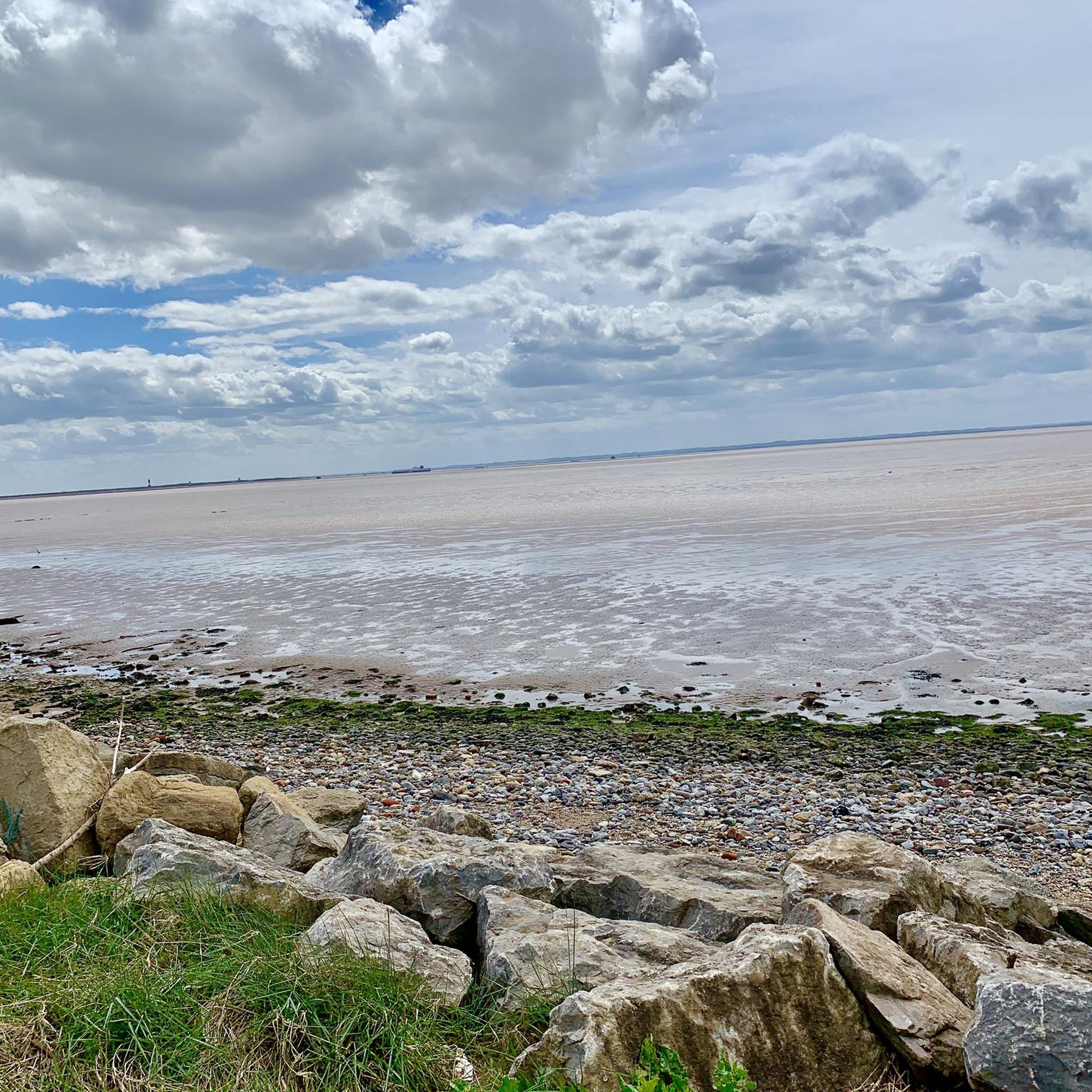
Make sure you check the tide times if you want to paddle in the sea otherwise it goes really far out for miles! Can be dangerous in some parts with the mud when the tides out so keep an eye out for signs of where not to go
0
0

Visible for 17 nautical miles, this lighthouse was sectored so that mariners could identify particular shoals/sandbanks as well as the main channel through which to enter the Humber.
2
1

The new Withernsea pier: technological feat and popular success Despite some damage during its construction, the 1,196-feet-long pier was completed by August 1877. Built entirely out of iron, except for the brick entrance and wooden decking, the pier used the new technology of screw piles, which were driven deep into the ground. Seating was provided along the full length of the pier and a saloon and hall for entertainment was situated at the pier head. The entrance to the pier consisted of two castellated towers, rumoured to be based on Conwy Castle in Wales. Storm damage and tragic loss of life On 28 October 1880, a devastating storm erupted which caused damage to many of Yorkshire’s piers. Withernsea Pier suffered twice when it was hit by two storm-damaged vessels. T The second vessel to hit the pier was the brig Saffron, which tore a 200-foot hole through its centre before coming to rest nearby. The Saffron had been part of a flotilla of ships which had set out from the Humber, journeying northwards. Around Flamborough Head, the wind increased rapidly to a storm force gale. The fleet was at the mercy of the elements. The pier had only just been repaired when it was damaged again on 28 March 1882, the pier head being destroyed along with the saloon above it. The pier was not repaired, but the remaining sections continued in use. The series of disasters was relentless, and on 20 October 1890, the Grimsby fishing smack Genesta hit the pier, destroying over half its length and leaving just over 300 feet remaining. Two years later even this was destroyed, when another vessel, the Henry Parr (formerly the Dido) rammed into it at the height of another storm. The remains of Withernsea pier: a landmark and memorial The history of the pier at Withernsea is both tragic and yet in some ways inspiring. The two entrance towers have survived all the devastation around them. They are a well-loved landmark in the town, even if many visitors are totally unaware that they once formed a part of a pier. They also act as a memorial to those sailors who perished in the seas around it.
0
0

This spot marks the the historic prime meridian or Greenwich meridian, a geographical reference line, globally separating the east from the west the same way the equator separates the north from the south.
0
1

In 1884 zero degrees longitude was established as the Greenwich Meridian and the world's prime meridian for measuring longitude. The Greenwich Meridian line runs through Cleethorpes as it travels round the globe from north to south, and a metal plate has been set into the coastal path to mark the exact location. Usefully it also marks the distance between the Meridian and various places around the world. Keep going directly North from here, you only have 2,517 miles to get to the North Pole.
2
0
In 1884 zero degrees longitude was established as the Greenwich Meridian and the world's prime meridian for measuring longitude. The Greenwich Meridian line runs through Cleethorpes as it travels round the globe from north to south, and a metal plate has been set into the coastal path to mark the exact location. Usefully it also marks the distance between the Meridian and various places around the world. Keep going directly North from here, you only have 2,517 miles to get to the North Pole.
4
0

The lifeboat was first stationed here in 1810 with cottages for the lifeboat crews and the families being built within a couple of years. By 1870 there was a small residential community on Spurn Head with a room in the lighthouse being used as a chapel. The current Humber Lifeboat Station is staffed full time by a professional crew. The current lifeboat is " The Pride of Humber" a Severn-class lifeboat.
1
0
Frequently Asked Questions
What natural attractions can I explore around Skeffling?
Skeffling is located on the Humber Estuary, a significant natural environment. You can explore the Outstrays to Skeffling Managed Realignment Scheme, which has created extensive mudflats and saltmarsh, crucial for wildlife. The estuary itself is one of Europe's most important sites for diverse habitats.
Are there opportunities for birdwatching near Skeffling?
Yes, the Outstrays to Skeffling Managed Realignment Scheme area is excellent for birdwatching, particularly for overwintering waders and wildfowl. The Humber Estuary is known for its large populations of these birds, especially during the winter months.
What historical sites are there to visit around Skeffling?
The village of Skeffling itself has a lovely church, preserved by the 'Friends of Friendless Churches', which includes stones from the former Burstall Priory. The wider area is rich in archaeological discoveries, with evidence of prehistoric, Iron Age, Roman, and medieval settlements. You can also visit Humber Lifeboat Station, established in 1810, which is a significant historical site.
Can I learn about the archaeology of the Skeffling area?
Yes, Skeffling and its surroundings are archaeologically significant. Excavations have uncovered remains from prehistoric, Iron Age, Roman, and medieval periods, including a possible Roman oyster processing site and a Benedictine priory. For more information on recent findings, you can refer to resources like archaeology.wiki.
Are there any lighthouses or maritime historical sites nearby?
Absolutely. You can visit Spurn Lighthouse, a 39-meter-high structure built in 1895. It was decommissioned in 1985 and has since been restored by the Yorkshire Wildlife Trust as a visitor center. The Humber Lifeboat Station, first established in 1810, is also a key maritime historical site.
What kind of outdoor activities can I do around Skeffling?
The area around Skeffling offers various outdoor activities. You can enjoy hiking on trails like 'Around Spurn Head' or 'Withernsea Lighthouse loop from Withernsea'. There are also road cycling routes available, such as 'View of the Humber Estuary – Withernsea Pier Towers loop'. For more details on routes, check out the hiking guide or road cycling guide for Skeffling.
Are there hiking trails suitable for different skill levels?
Yes, you can find a range of hiking trails. For easier walks, consider routes like 'Cleethorpes Pier – Pelican Rockery and Waterfall loop' or 'Withernsea Lighthouse loop from Withernsea'. More moderate options include 'Around Spurn Head'. You can find more details in the easy hikes guide and the general hiking guide for Skeffling.
Are there any family-friendly attractions around Skeffling?
Families can enjoy Cleethorpes Pier, which offers arcades, crazy golf, and donkey rides, alongside its claim as the 'world’s biggest fish and chip restaurant'. The Humber Lifeboat Station and Spurn Discovery Centre also offer family-friendly experiences.
Is there anything accessible for visitors with mobility needs?
The Greenwich Meridian Line Monument in Cleethorpes is noted as wheelchair accessible. This site marks the exact location where the Greenwich Meridian line runs through the coastal path.
Where can I find a cafe or facilities near the attractions?
The Spurn Discovery Centre offers a cafe and facilities, making it a good stop before exploring Spurn Point. Cleethorpes Pier also has cafes and restaurants available.
What makes the Skeffling area unique?
Skeffling stands out for its blend of historical depth, significant archaeological findings, and ongoing environmental projects. The village hall even features a wind turbine for sustainable energy. Its location on the Humber Estuary and the Outstrays to Skeffling Managed Realignment Scheme highlight its commitment to nature and evolving landscapes.
Are there any viewpoints to enjoy the scenery?
Yes, several attractions offer great views. Cleethorpes Pier and Spurn Lighthouse are both excellent viewpoints. From the top of Spurn Lighthouse, you can get an amazing perspective of the landscape. The Outstrays to Skeffling Managed Realignment Scheme also includes a bridleway along a new embankment, offering views across the estuary.

Get inspired with the komoot mobile app


Explore more
Still not found the Highlight you’re looking for? See guides of the top attractions in other regions:
