Attractions and Places To See around Barthomley - Top 20
Best attractions and places to see around Barthomley include a mix of historical landmarks, scenic viewpoints, and accessible trails. This area, situated in Barthomley Cheshire, offers diverse landscapes ranging from moorland ridges to former industrial sites. Visitors can explore significant historical monuments and enjoy expansive views across the Cheshire Plain and beyond. The region provides opportunities for various outdoor activities, making it a notable destination for those interested in local history and natural scenery.
Best attractions and places to see…
Last updated: October 5, 2026
Mow Cop Castle
Highlight • Viewpoint
Tip by

Salt Line Trail Entrance
Highlight • Cycleway
Tip by

Sign up now to discover places like this
Get recommendations on the best single tracks, peaks, & plenty of other exciting outdoor places.
John Wedgwood Monument, Bignall Hill
Highlight • Historical Site
(NOT Josiah Wedgwood)
Wedgwood's monument was initially an obelisk …
Tip by

Sandbach Saxon Crosses
Highlight • Monument
Tip by

Chatterley Whitfield Colliery and Ruins
Highlight • Monument
Tip by
Sign up for free to discover even more attractions around Barthomley.
Already have an account?
Start today with a free account
Your next adventure awaits.
Tips from the Community

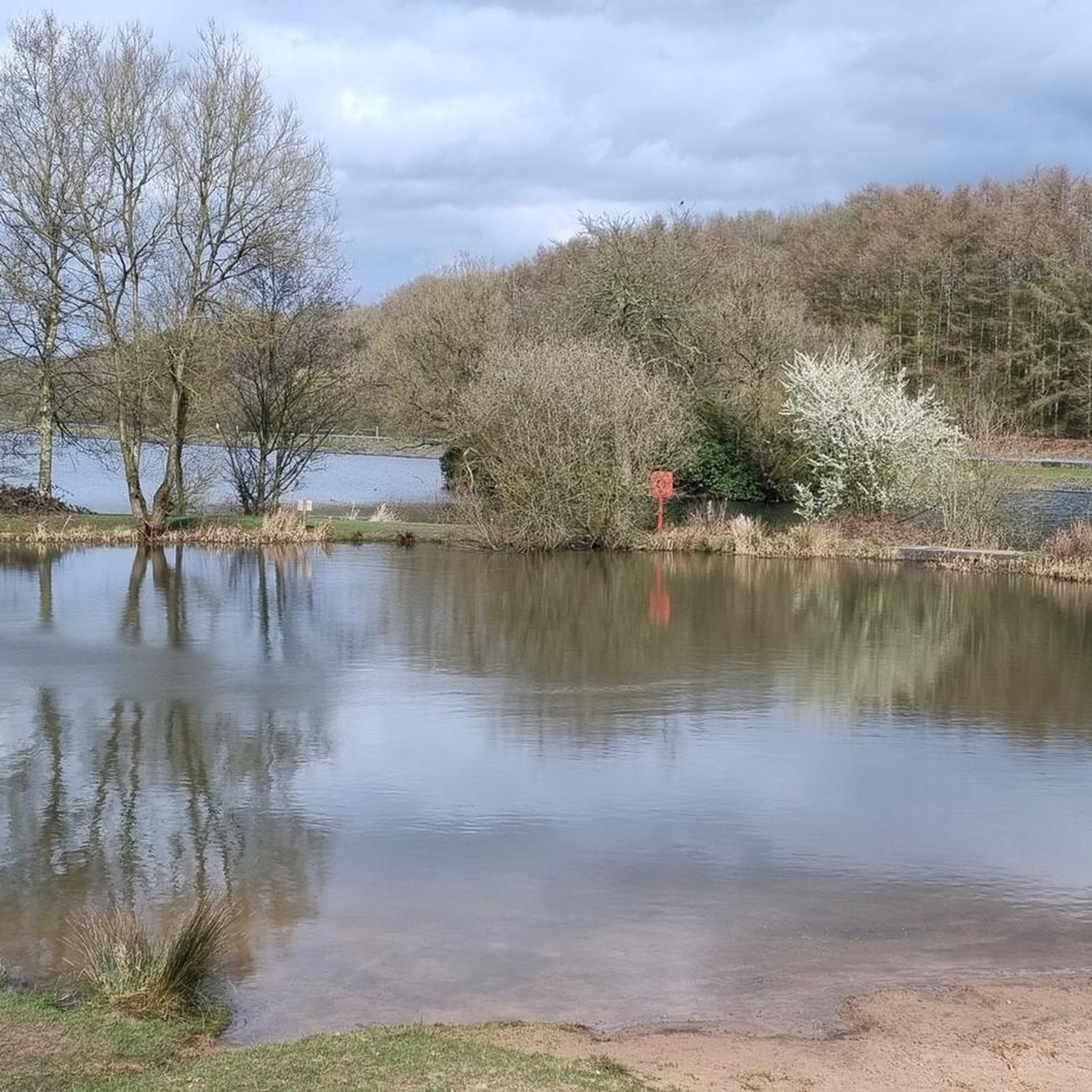
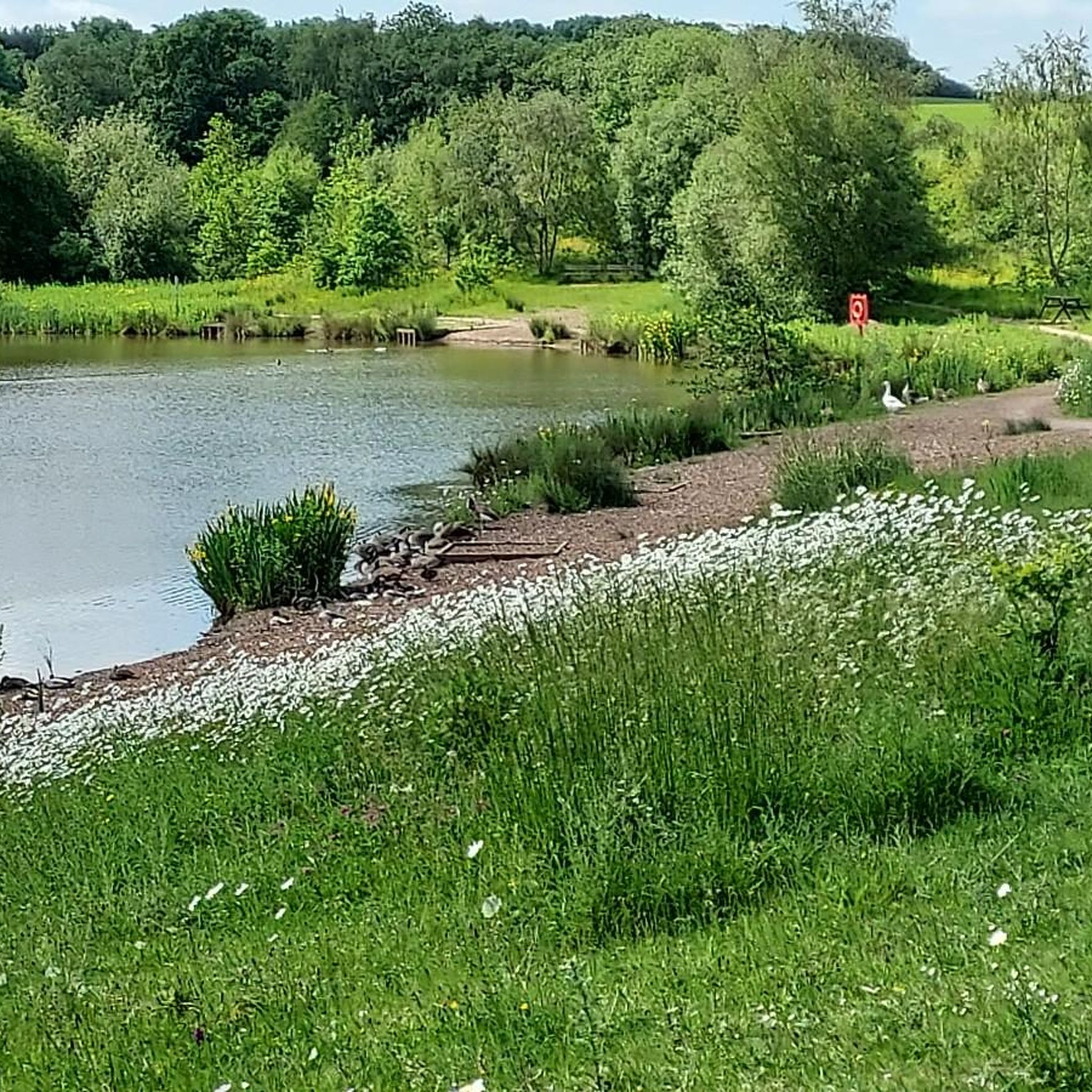
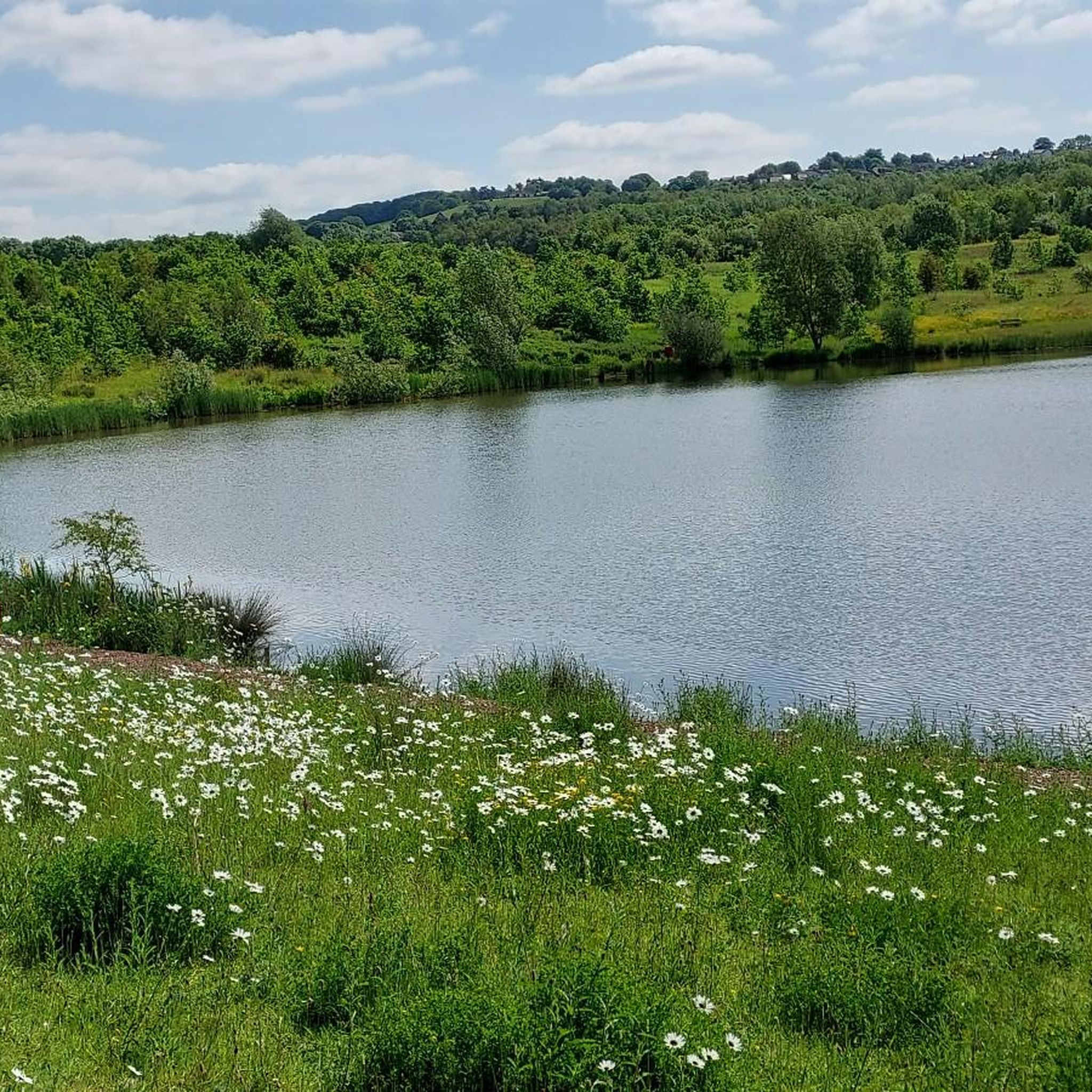
„Today the Salt Line runs through farmland and woodlands, with streams, pools and rough grassland. Wild primroses brighten up the steep cutting at Roughwood Hollow while later in the year the delicate flowers of scabious and harebell can be seen on the banks. Areas of willow and hazel are coppiced regularly. This is an ancient woodland practice in which trees are cut every few years to produce timber that would have been traditionally used for thatching spars, barrel hoops, hurdles and baskets. Sheltered glades are created where flower and insects thrive, until the trees re-grow and the process begins again. Some areas are managed as wild flower meadows while others are left fairly wild and just cut back enough to keep the path clear. Look out for Bullfinches and Yellowhammers that feed on buds, berries and seeds along the Salt Line.“ Quelle: https://visitcheshire.com/trails/the-salt-line
0
0

A memorial monument erected in 1845 in memory of a local mine-owner John Wedgwood
0
0

From English Heritage : “These two massive Saxon stone crosses dominate the cobbled market square of Sandbach. They are elaborately carved with animals and Biblical scenes including the Nativity of Christ and the Crucifixion, and probably date from the 9th century. They were originally painted as well as carved, and they are among the finest surviving examples of Anglo-Saxon high crosses.”
0
0
English Heritage says “These two massive Saxon stone crosses dominate the cobbled market square of Sandbach. They are elaborately carved with animals and Biblical scenes including the Nativity of Christ and the Crucifixion, and probably date from the 9th century. They were originally painted as well as carved, and they are among the finest surviving examples of Anglo-Saxon high crosses.”
0
0
The plaque says “This is part of the ninth-century cross that was erected in 1578 to mark a charter granting Sandbach a weekly market. This piece survived Protestant extremists' attempts to destroy it and helped inspire the restoration of the crosses in 1810.”
0
0

Cyclists are asked to dismount on part of the trail due to rabbit burrows. Fabulous for families, and hikers too
0
0

There is an old mine there
0
0
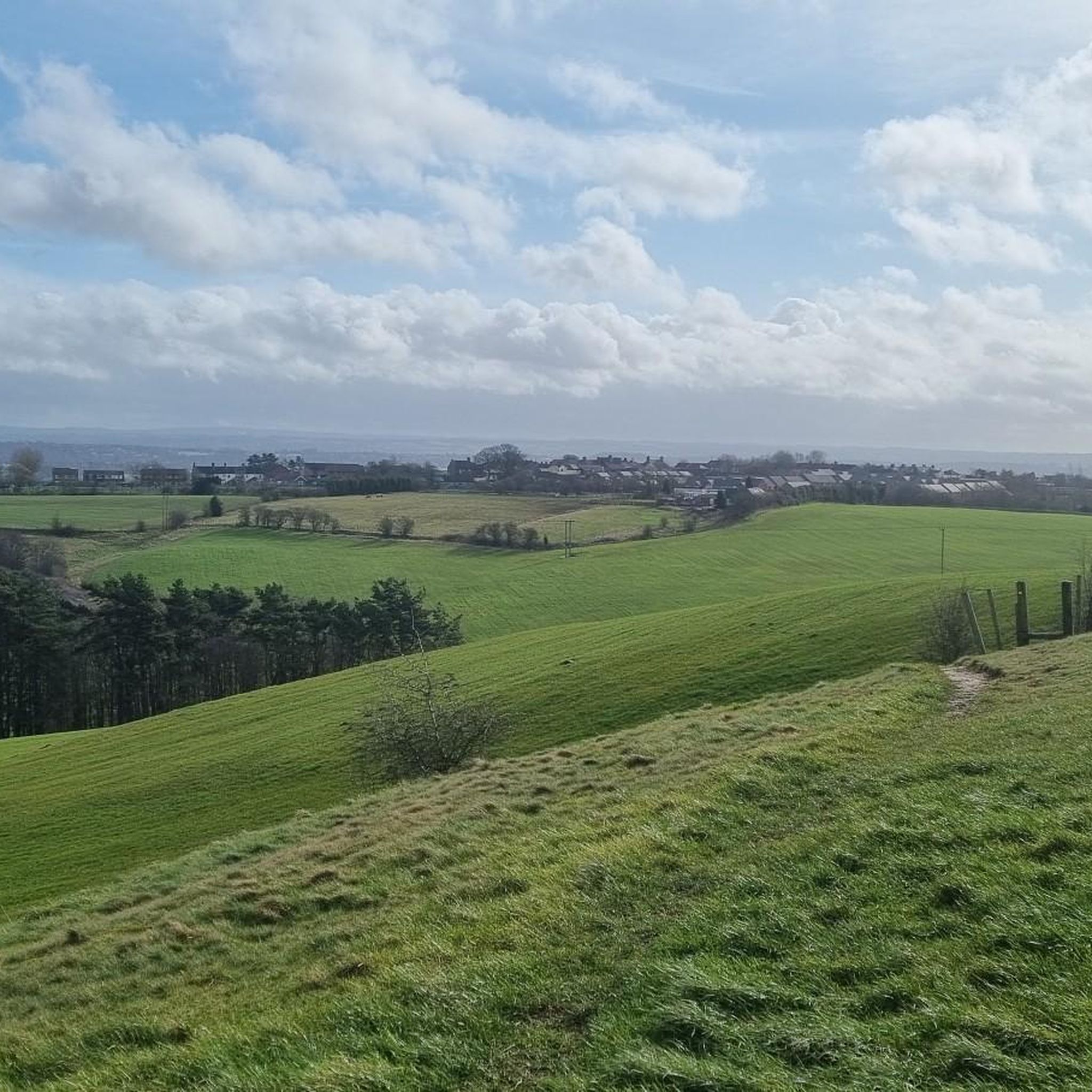
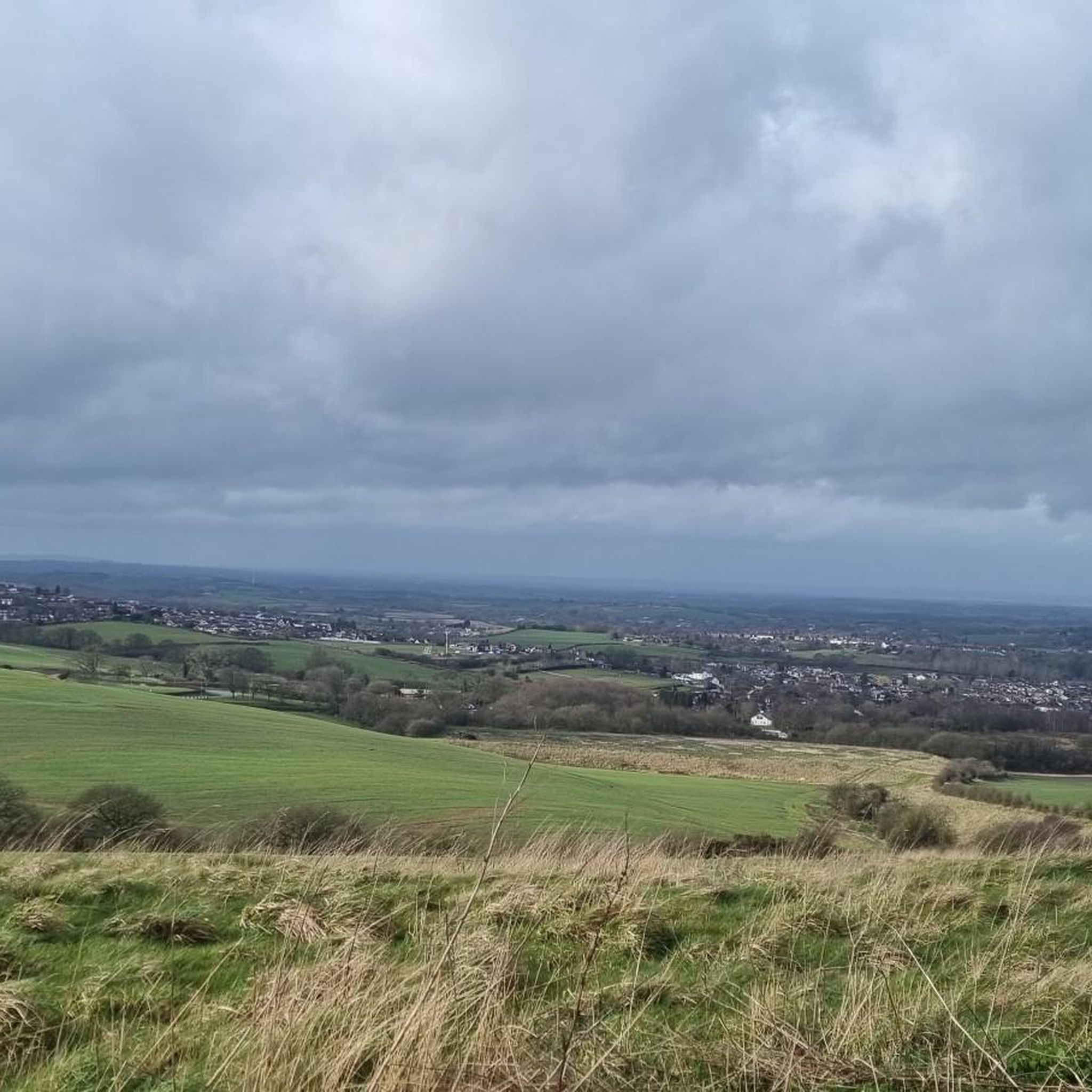
Great view from above
0
0
Frequently Asked Questions
Where can I find the best panoramic views around Barthomley?
For breathtaking panoramic views, visit Mow Cop Castle, a folly summerhouse offering vistas of the Staffordshire moorlands and the Cheshire Plain. Another excellent spot is the John Wedgwood Monument, Bignall Hill, which provides sweeping 360-degree views across the Cheshire Plains, Peak District, and even the mountains of North Wales and Snowdonia on a clear day.
What historical sites can I visit in the Barthomley area?
The region is rich in history. You can explore the mock-ruin of Mow Cop Castle, the significant John Wedgwood Monument, Bignall Hill, and the ancient Sandbach Saxon Crosses. Don't miss the Chatterley Whitfield Colliery and Ruins, once the largest colliery in North Staffordshire, where you can still see original tracks and structures.
Are there any family-friendly attractions around Barthomley?
Yes, the Sandbach Saxon Crosses are considered family-friendly, offering an engaging historical experience. Additionally, the Salt Line Trail Entrance leads to a trail that is fabulous for families, with opportunities to observe wildflowers and wildlife.
Which attractions around Barthomley are dog-friendly?
Both the John Wedgwood Monument, Bignall Hill and Chatterley Whitfield Colliery and Ruins are noted as dog-friendly. Many of the walking trails, such as those accessible from the Salt Line Trail Entrance, are also suitable for dogs, though cyclists may be asked to dismount in certain areas due to rabbit burrows.
Are there any wheelchair accessible trails near Barthomley?
Yes, the Salt Line Trail is noted as wheelchair accessible. This trail runs through farmland and woodlands, offering a pleasant experience for all visitors.
What kind of outdoor activities can I do near these attractions?
The area around Barthomley offers various outdoor activities. You can find numerous cycling routes, including moderate options like the 'Holly Trees Hotel – Audlem Village loop'. For hikers, there are easy trails such as the 'Salt Line Trail Entrance – Wooden Gate Entrance loop'. Gravel biking is also popular, with routes like the 'Biddulph Valley Way – Biddulph Valley Way loop'. You can explore more options on the dedicated guides for Cycling around Barthomley, Easy hikes around Barthomley, and Gravel biking around Barthomley.
Are there easy walking routes near Barthomley with parking?
Yes, there are several easy walking routes. The Salt Line Trail Entrance provides access to easy hikes, such as the 'Salt Line Trail Entrance – Wooden Gate Entrance loop' which is about 5.3 km long. Parking is generally available near trailheads or in nearby villages, though it's always good to check local signage.
What unique historical monuments can I explore in the area?
Beyond the well-known sites, the Sandbach Saxon Crosses are particularly unique. These two massive 9th-century stone crosses are elaborately carved with animals and Biblical scenes, standing prominently in Sandbach's cobbled market square. Another unique monument is the John Wedgwood Monument, Bignall Hill, a Grade II listed building dedicated to a former local employer and coal mine owner.
What natural features can I see on trails around Barthomley?
The Salt Line Trail offers a chance to see diverse natural features, including streams, pools, rough grassland, and ancient woodlands. Depending on the season, you might spot wild primroses, scabious, and harebell, as well as birds like Bullfinches and Yellowhammers. Mow Cop Castle is situated on a moorland ridge of hard sandstone grit, offering interesting geological context.
What do visitors enjoy most about the attractions around Barthomley?
Visitors frequently praise the stunning panoramic views from sites like Mow Cop Castle and the John Wedgwood Monument. The historical significance of places like Chatterley Whitfield Colliery and the Sandbach Saxon Crosses is also highly appreciated. Many enjoy the diverse landscapes and the opportunities for outdoor activities on well-maintained trails like the Salt Line Trail.
Are there advanced hiking routes near Barthomley?
While the immediate area offers many easy to moderate walks, more challenging routes can be found, particularly around the moorland ridges. For instance, the climb to Mow Cop Castle is categorized as challenging. For advanced hiking, you might explore routes that extend further into the Peak District, which is visible from the John Wedgwood Monument.
What is the best season for walking near Barthomley?
The region offers enjoyable walking experiences throughout the year. Spring and summer are ideal for seeing wildflowers along trails like the Salt Line Trail. Autumn brings beautiful foliage, especially in wooded areas. Even in winter, the panoramic views from Mow Cop Castle and the John Wedgwood Monument can be stunning, though conditions may be colder and windier.
Most popular attractions around Barthomley

Get inspired with the komoot mobile app


Explore more
Still not found the Highlight you’re looking for? See guides of the top attractions in other regions:
