Top 20 Natural Monuments around Cheddar
Best natural monuments around Cheddar include a landscape shaped by geological processes, featuring deep gorges and extensive cave systems. This area, part of the Mendip Hills, is recognized for its significant natural features and archaeological discoveries. Visitors can explore towering limestone cliffs, ancient cave formations, and high summits offering expansive views. The region provides a combination of geological grandeur and opportunities for outdoor exploration.
Best natural monuments around Cheddar
- The most popular natural monuments is Cheddar Gorge Climb, a…
Last updated: October 13, 2026
Cheddar Gorge Climb
Highlight (Segment) • Climb
Tip by

Beacon Batch summit trig point
Highlight • Viewpoint
Tip by

Sign up now to discover places like this
Get recommendations on the best single tracks, peaks, & plenty of other exciting outdoor places.
Ebbor Gorge
Highlight • Gorge
Tip by

Chew Valley Lake
Highlight • Viewpoint
Tip by

Black Down Summit and Wild Ponies
Highlight • Natural
Tip by
Sign up for free to discover even more natural monuments around Cheddar.
Already have an account?
Start today with a free account
Your next adventure awaits.

Tips from the Community

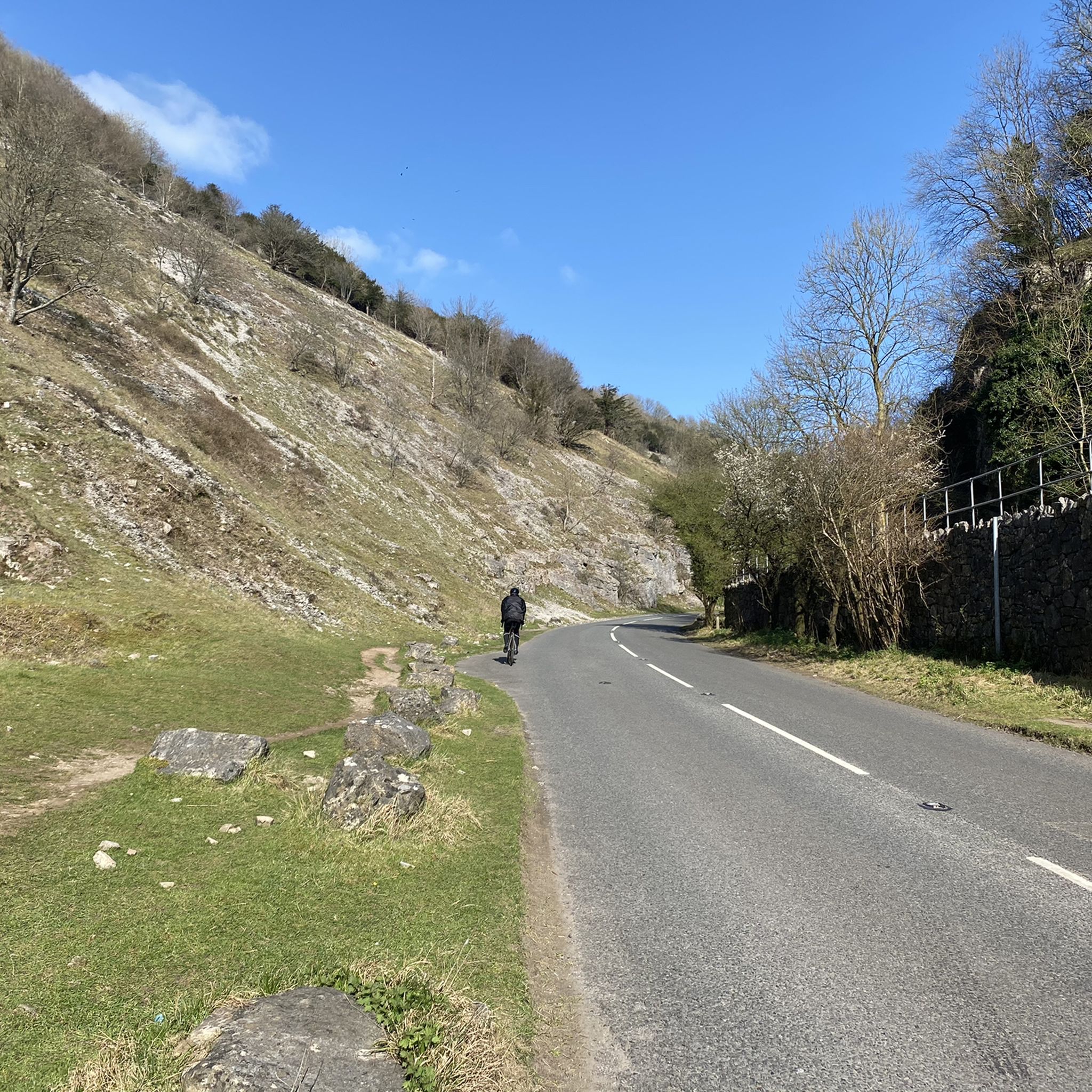
Great stretch of road, I know I am nearly at Bristol, or just getting started. Either way I cannot help but stop and enjoy the view, just stunning.
0
0


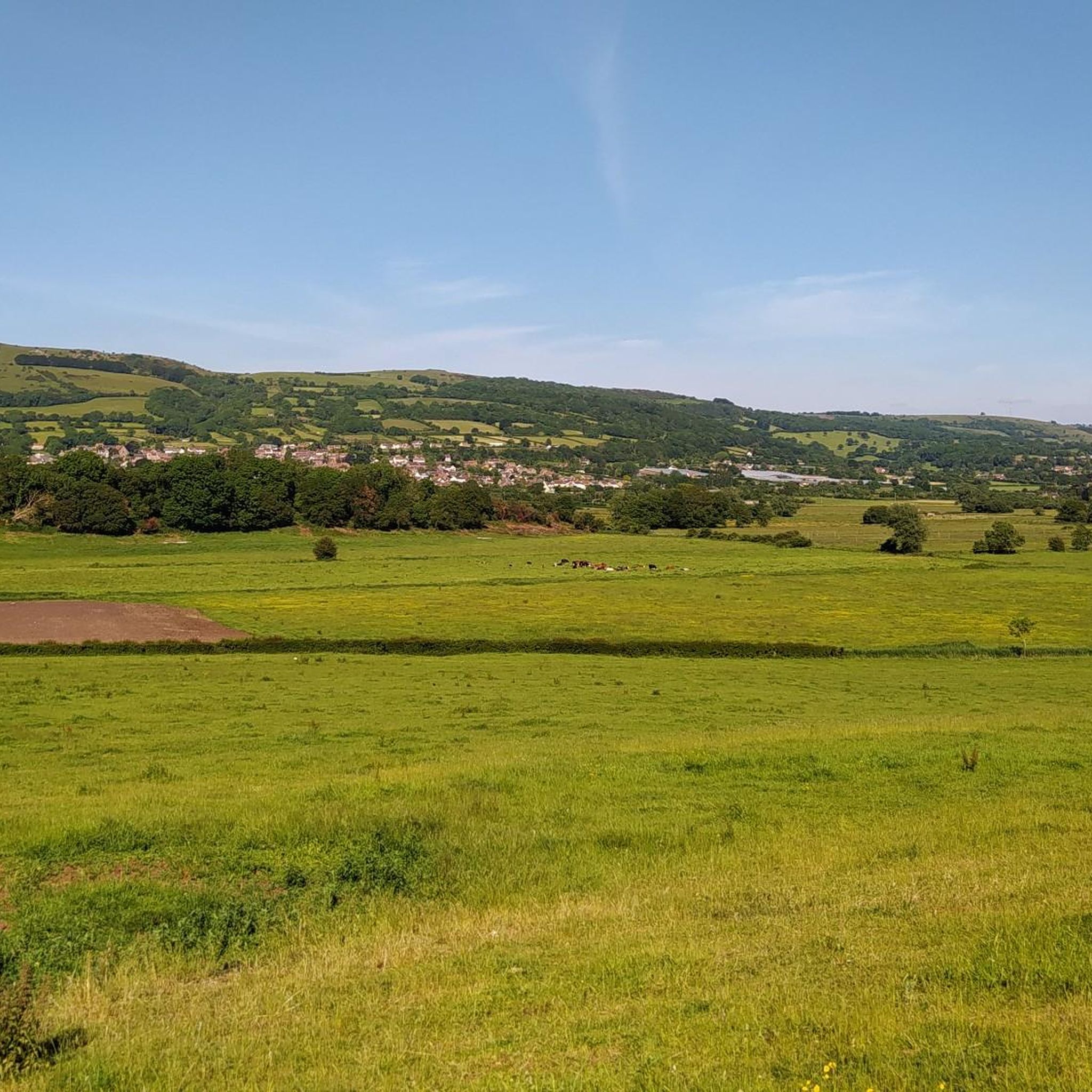
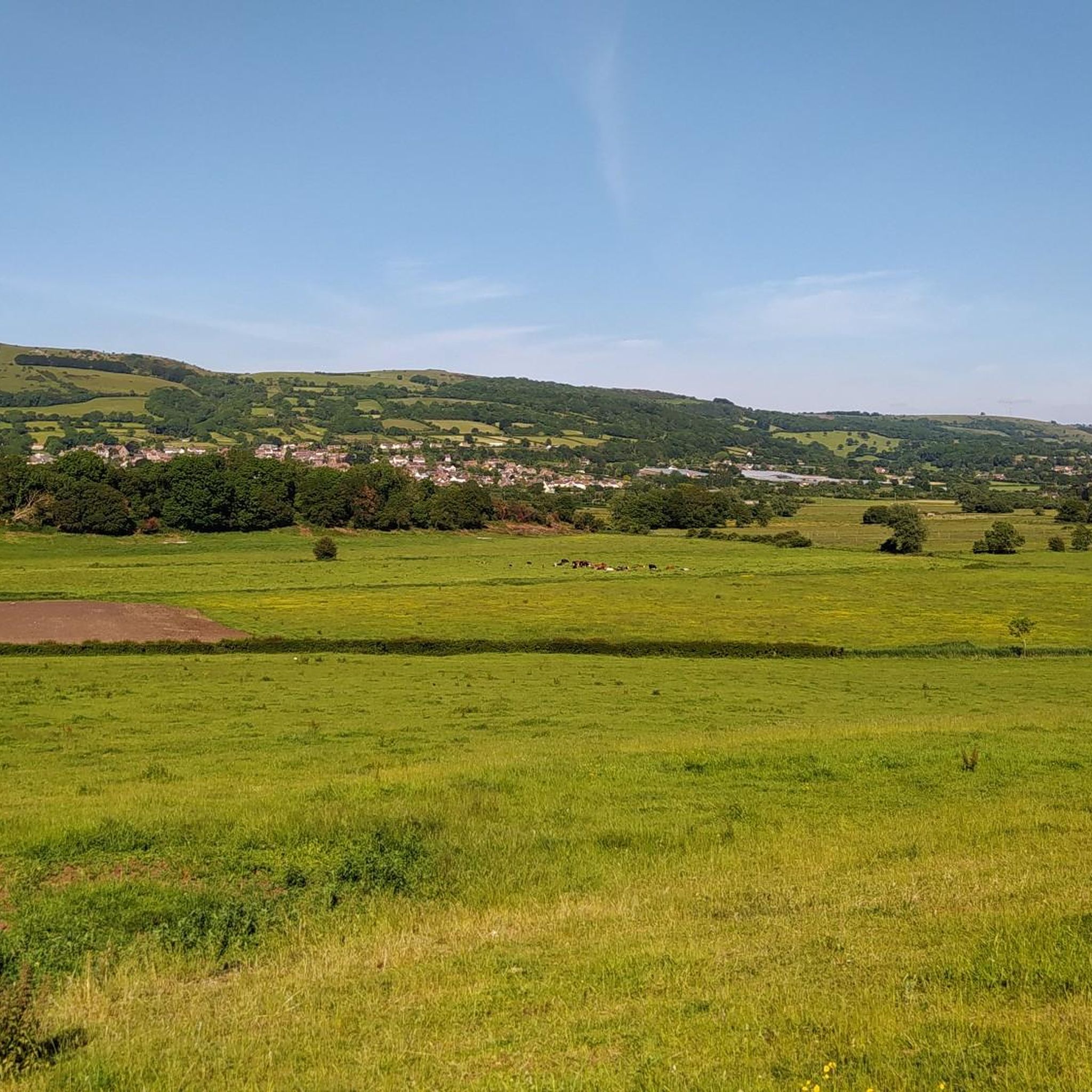
Black Down Hill or Beacons Batch is the highest hill in the Mendip Hills at 325m, Somerset, in south-western England. Black Down lies just a few miles eastward of the Bristol Channel at Weston-super-Mare, and provides a view over the Chew Valley. It has a trig pointed summit and is a UK designated Marilyn with a prominence of over 150m.
3
1


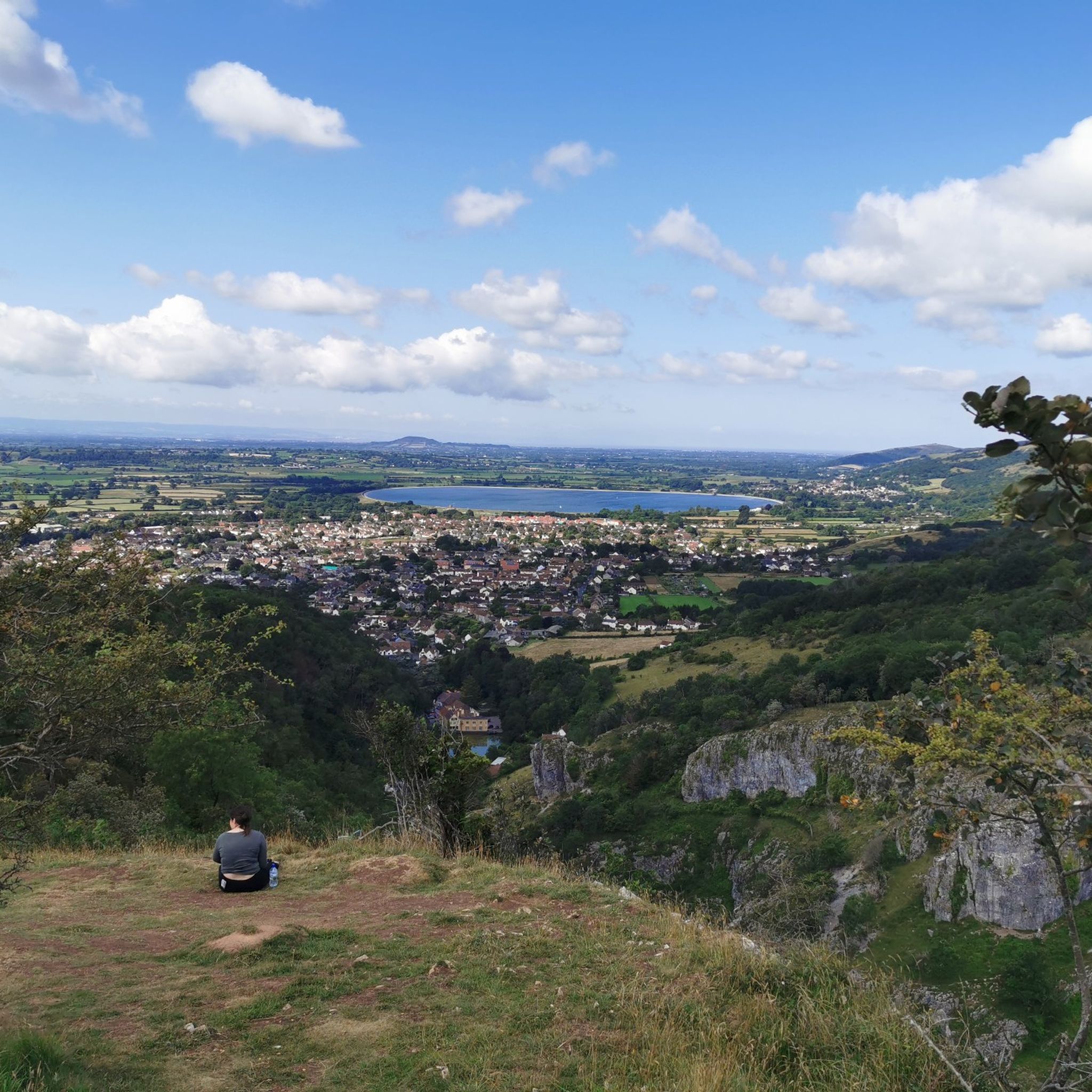
Views over the lake. Usually an ice cream van in the lay-by too.
1
0
Frequently Asked Questions
What are the most notable natural monuments to explore around Cheddar?
Beyond the iconic Cheddar Gorge, you can discover a variety of natural wonders. The Beacon Batch summit trig point offers panoramic views as the highest point in the Mendip Hills. Another fascinating spot is Ebbor Gorge, known for its varied and scenic route through primeval forest and over rock steps. For a different experience, Burrington Combe Road Climb presents a smaller, less touristy gorge with great cycling opportunities.
Are there any significant historical or archaeological sites among Cheddar's natural monuments?
Yes, the area is rich in history. Gough's Cave, within Cheddar Gorge, is where "Cheddar Man," Great Britain's oldest complete human skeleton, was discovered. This extensive cave system also showcases impressive stalactites and stalagmites formed over 500,000 years. Additionally, the Beacon Batch summit trig point area is designated a Site of Special Scientific Interest for its archaeology, with valuable habitats and evidence from the late Stone Age and Bronze Age.
What kind of hiking and walking trails are available near Cheddar's natural monuments?
Cheddar offers diverse hiking options. You can find routes ranging from easy to difficult, including the popular Cliff Top Walk in Cheddar Gorge for stunning views. For more specific trails, explore the hiking guide for Cheddar, which features routes like the 'Cheddar Gorge loop from Cheddar' and 'Cheddar Gorge and West Mendip Way Loop'.
Are there family-friendly natural monuments or activities in Cheddar?
Absolutely. Cox's Cave offers an immersive multimedia experience called "Yeo's Journey: The Power of Water," which is particularly appealing for families with its illuminated formations and storytelling. The Black Down Summit and Wild Ponies area is also family-friendly, where you might spot wild ponies and explore Bronze Age burial sites amidst beautiful views.
What are the best viewpoints to experience the natural beauty of Cheddar?
For breathtaking panoramic views, climb Jacob's Ladder, a path of 274 steps leading to a lookout tower at the top of Cheddar Gorge. From here, you get a 360-degree vista of the gorge, Mendip Hills, and Somerset Levels. The Beacon Batch summit trig point also provides expansive views over the Bristol Channel and surrounding areas.
What is the best time of year to visit Cheddar's natural monuments?
The natural monuments around Cheddar are beautiful year-round. Spring and summer offer lush greenery and warmer weather ideal for hiking and exploring the caves. Autumn brings vibrant foliage to the gorge, while winter can provide dramatic, crisp views, though some paths might be muddier. Always check local weather conditions before your visit.
Can I spot any unique wildlife around the natural monuments in Cheddar?
Yes, Cheddar Gorge is home to diverse wildlife, including rare feral goats, Soay sheep, and peregrine falcons. The heathlands around Beacon Batch summit trig point support a wide variety of birds, mammals, reptiles, and invertebrates. You might also encounter wild ponies grazing near the Black Down Summit.
Are there cycling opportunities near Cheddar's natural monuments?
Yes, the area is popular with cyclists. The Cheddar Gorge Climb is a British classic, offering a gradual ascent with stunning surroundings. Another excellent option is the Burrington Combe Road Climb, which is often less crowded. You can find more routes in the cycling guide for Cheddar.
What are the main geological features that make Cheddar Gorge unique?
Cheddar Gorge is England's largest gorge, characterized by towering limestone cliffs up to 137 meters (449 feet) deep and stretching for three miles. It was formed over one million years ago by water from melting glaciers carving into the limestone. The gorge also contains extensive cave systems like Gough's Cave, showcasing impressive stalactites and stalagmites and Britain's largest underground river system.
Where can I find parking when visiting the natural monuments in Cheddar?
Parking is available in and around Cheddar village, particularly near the entrance to Cheddar Gorge and the main attractions like the caves. Specific car parks are usually signposted. It's advisable to arrive early during peak seasons to secure a spot, especially for popular areas like Cheddar Gorge.
What should I wear for hiking and exploring the natural monuments in Cheddar?
For hiking and exploring, especially in areas like Cheddar Gorge or Ebbor Gorge, sturdy footwear with good grip is essential, as paths can be steep, rocky, and muddy. Layered clothing is recommended to adapt to changing weather conditions, and a waterproof jacket is always a good idea, given the unpredictable British weather.
Are there any pubs or cafes near the natural monuments in Cheddar?
Yes, Cheddar village, located at the foot of Cheddar Gorge, offers a variety of cafes, pubs, and restaurants where you can refuel after exploring. Many establishments are within walking distance of the main attractions, providing options for refreshments and meals.
Most popular routes around Cheddar
Most popular attractions around Cheddar

Get inspired with the komoot mobile app


Explore more
Extend your search for the best caves by checking out these guides of the top ones around Cheddar:
