The best running trails around Barford
4.1
(180)
17,565
runners
621
runs
Jogging routes Barford offer a variety of experiences across the Warwickshire countryside. The region is characterized by rolling hills, woodlands, and open fields, providing diverse terrain for runners. Many routes incorporate sections along local rivers and through historical parklands, with generally gentle elevation changes. This landscape makes Barford suitable for various running abilities, from leisurely jogs to more sustained efforts.
Best jogging routes around Barford
- The most popular jogging route is Oakley Wood loop from Newbold Pacey CP, a…
Last updated: October 9, 2026
317
runners
3.96km
00:25
10m
10m
Easy run. Great for any fitness level. Mostly paved surfaces. Suitable for all skill levels.
58
runners
Moderate run. Good fitness required. Mostly paved surfaces. Suitable for all skill levels.

53
runners
7.35km
00:49
50m
50m
Moderate run. Good fitness required. Mostly paved surfaces. Suitable for all skill levels.
4.0
(1)
37
runners
8.08km
00:50
30m
30m
Moderate run. Good fitness required. Mostly paved surfaces. Suitable for all skill levels.
3.0
(1)
36
runners
11.2km
01:10
70m
70m
Moderate run. Good fitness required. Mostly paved surfaces. Suitable for all skill levels.
Get access to more routes and recommendations from other explorers.
Already have an account?
Our route recommendations are based on thousands of hikes, rides, and runs completed by other people on komoot.
Start today with a free account
Your next adventure awaits.
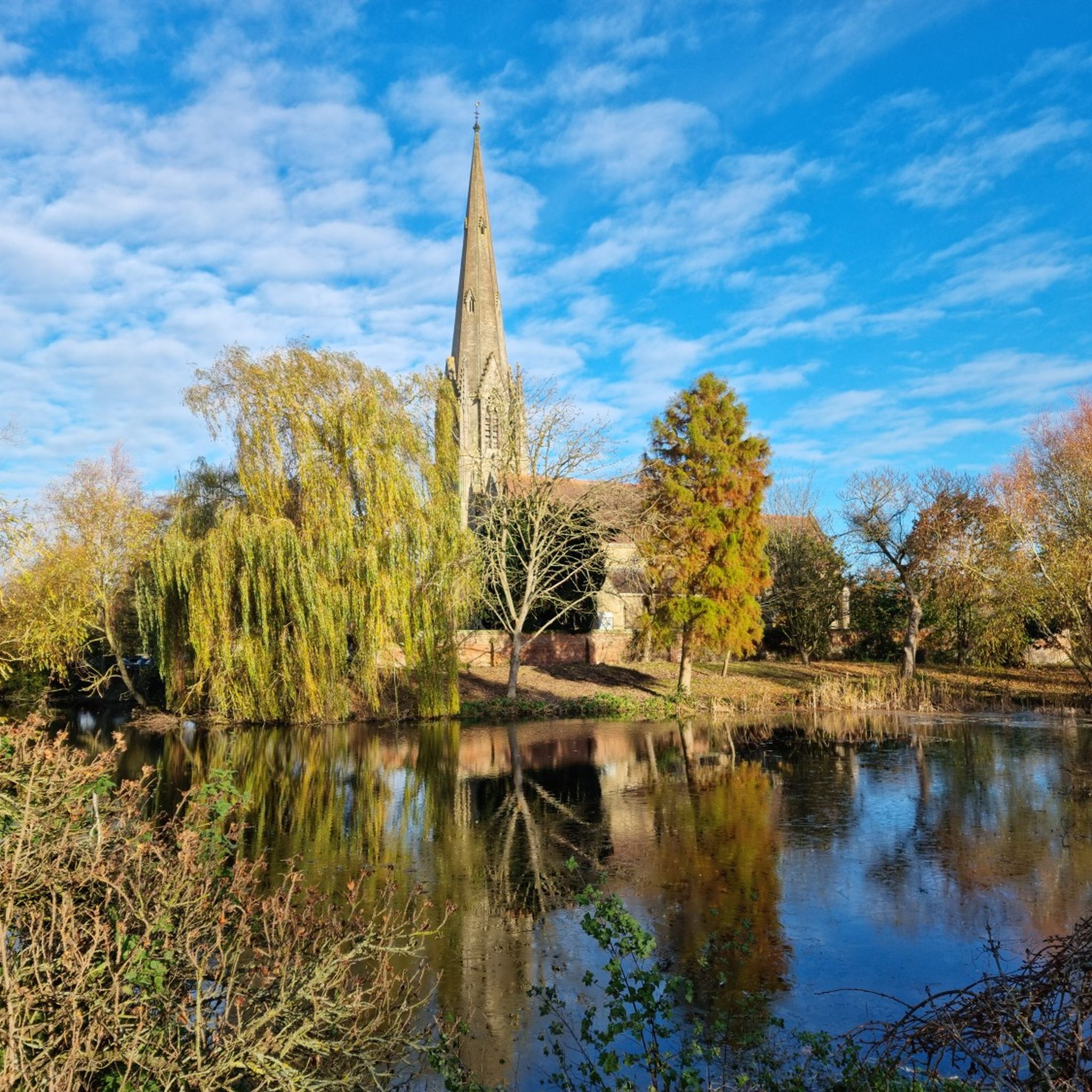
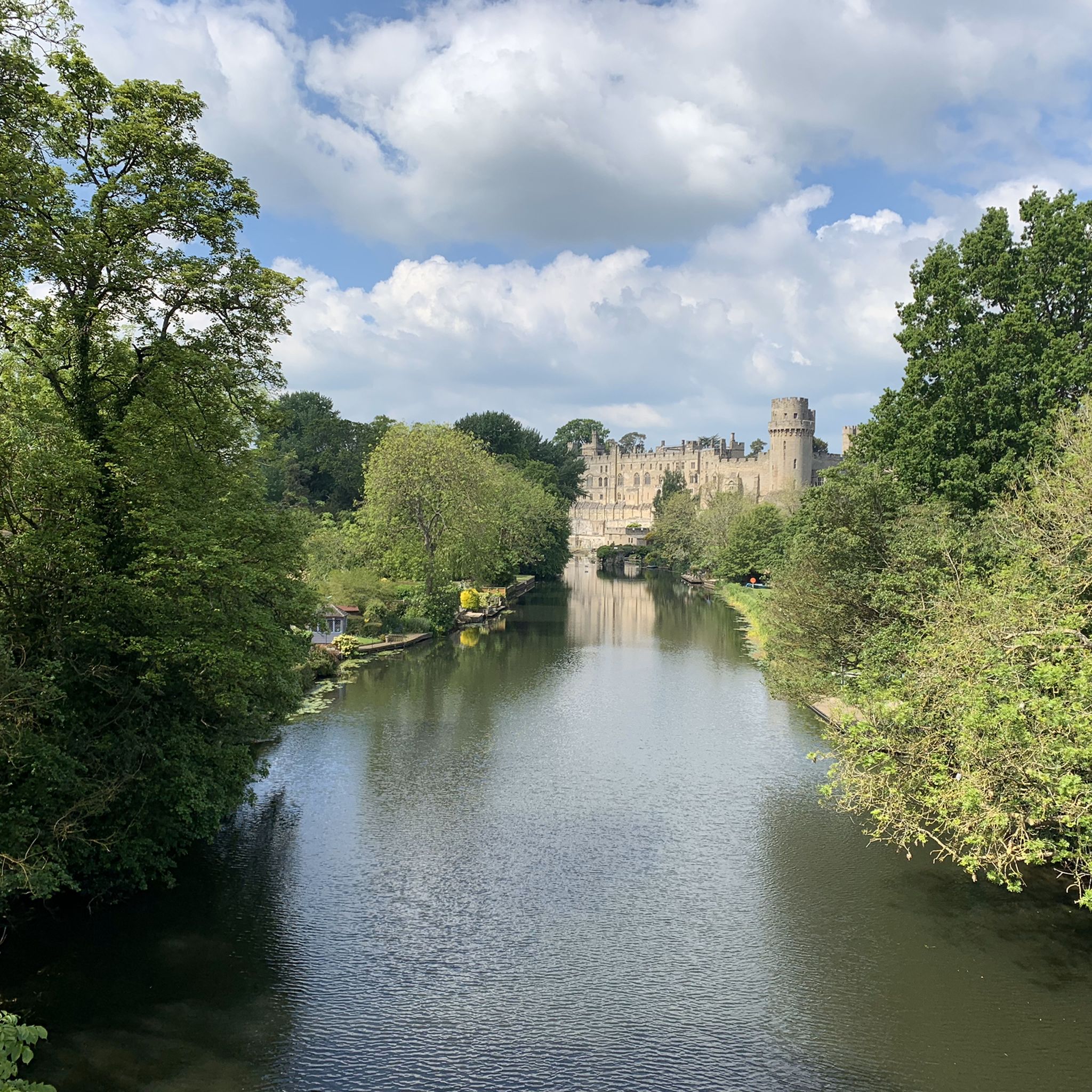
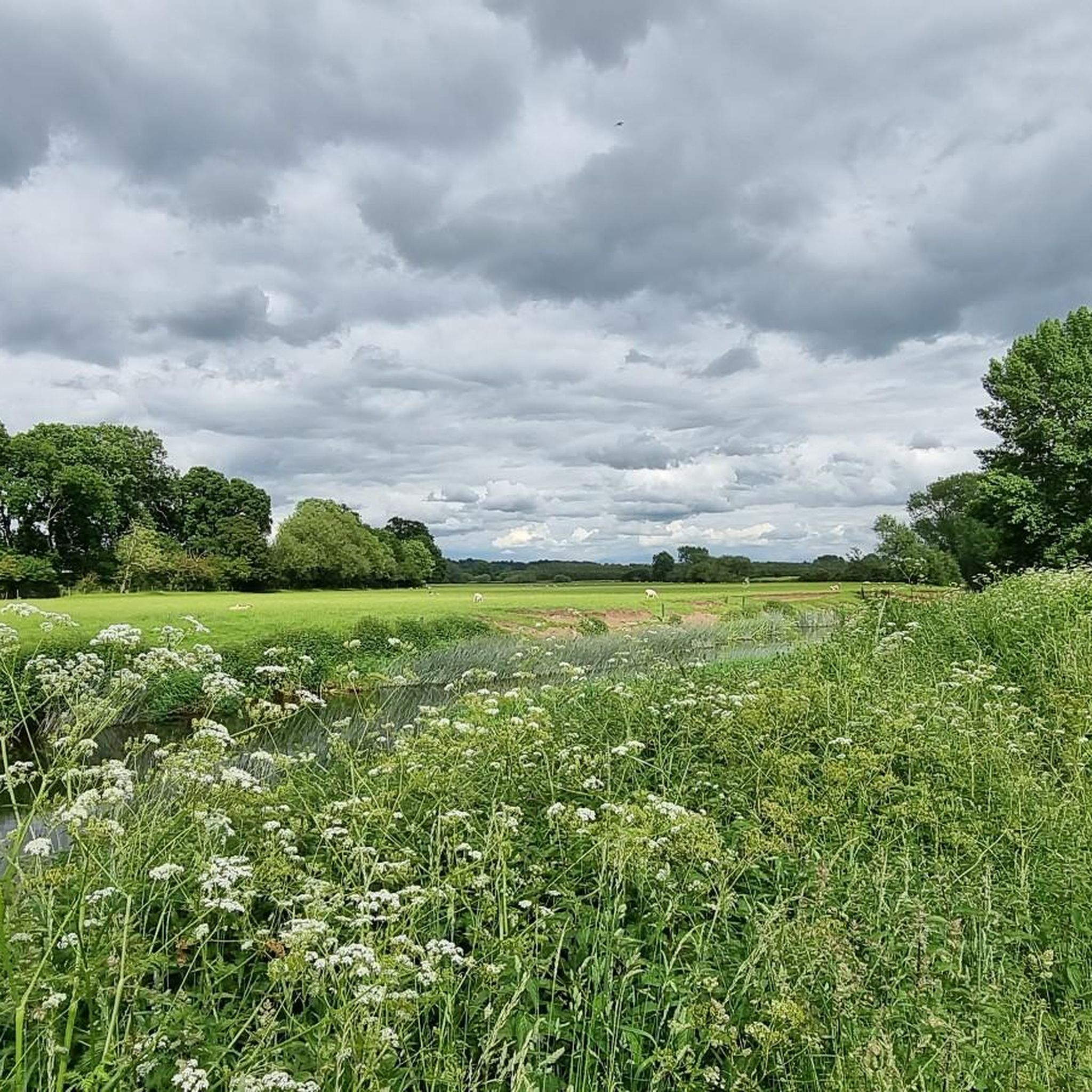
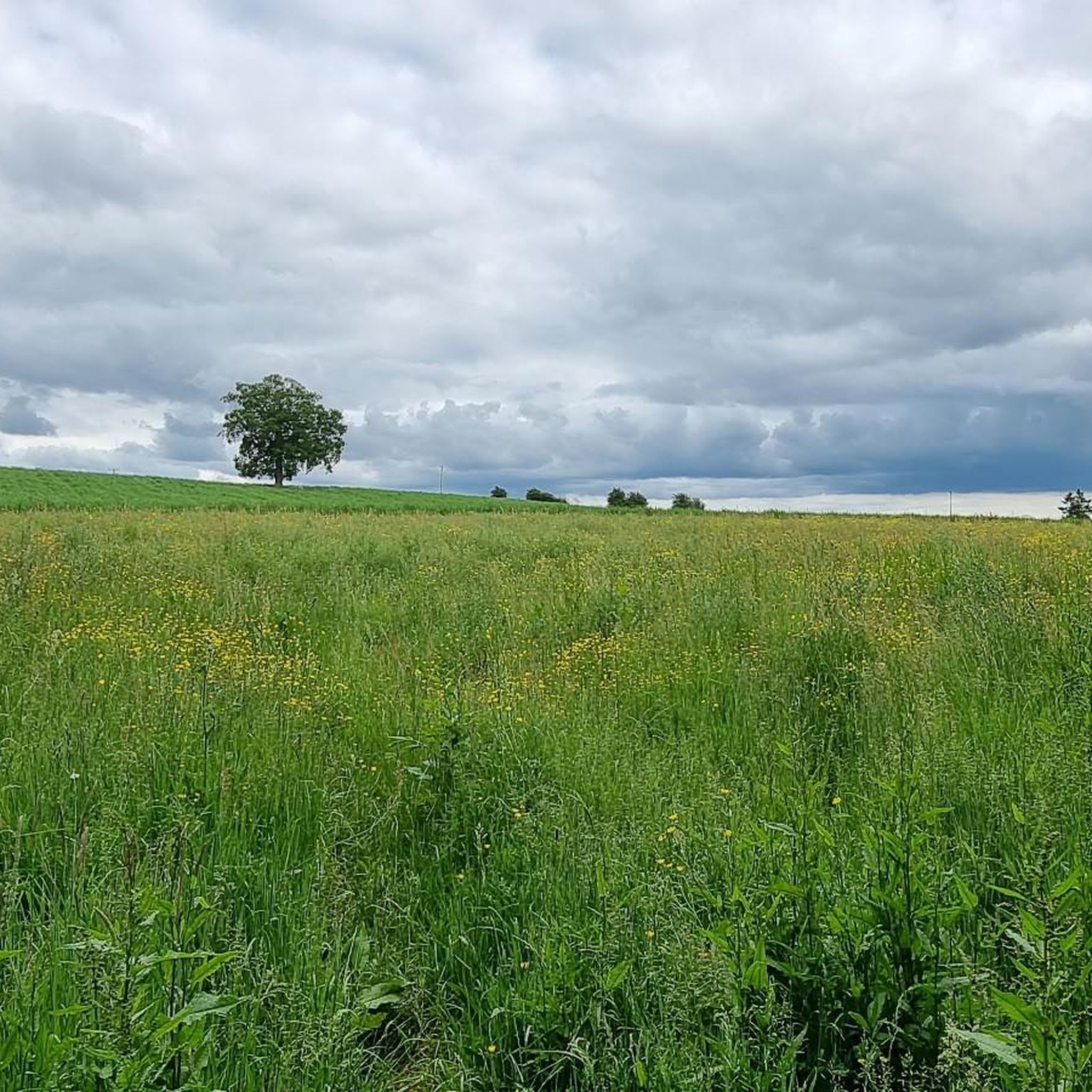
Tips from the Community


History of Oakley Wood There has been woodland here since way back in the 16th Century but much of it was replanted with Scots pine. There are now large areas of conifer with some broadleaf trees and scrubland mixed in. Warwickshire Wildlife Trust have longer term plans to restore the wood back to native broadleaf trees.
0
0

A there and back again street down to one of the best (free) views of Warwick Castle. It's lined with historic timber-framed buildings but the real draw for road cyclists is the cobbles!
0
0
A there and back again historic street lined with old buildings, down to the best (free) view of Warwick Castle, made all the more exciting by the addition of COBBLES!
0
0
In 1845, Hill Close pasture land began to be divided into garden plots which Warwick tradesmen rented. They planted apple trees and soft fruit, grew vegetables and flowers and kept pigs and poultry. They built summerhouses of brick or wood in order to shelter from rain or to sit and enjoy the view across the Common. At a later date, the freeholds of these plots were purchased individually, though some were then sub-let. In the early twentieth century, part of Hill Close Gardens was sold off for housing in Linen Street and St Paul’s Close. Fortunately the remainder has been saved and restored.
0
0
Nestled next to Warwick Castle, the racecourse is one of the oldest in the country with racing being traced back to as early as 1694. The sport was introduced to the market town in the hope of attracting wealthy professionals to help rebuild the areas wealth after the devastating Great Fire of Warwick. The inaugural race at the course was held in 1707, but another 102 years passed before the first stand was opened, parts of which remain today among the later developments. The most famous name to grace the course was the legendary Red Rum, who ran once on the flat in 1967 - the same year in which the course was bought by The Jockey Club, who continue to host a fantastic Jump racing calendar from September - May. Famous races held at Warwick include the Classic Chase, held each year in January and dating back to 1974.
0
0
The site of the church of St Nicholas which dated to the Early Medieval and Medieval periods, though little is known about it. The present church was built around 1780 and stands on St Nicholas Church Street, Warwick. A unique late 18th century church building and centre, St Nicholas Church guards the southern entrance of old Warwick. The present Church was built in 1785, replacing a decaying mediaeval church, the roots of which lay in a former Saxon nunnery on the site. Few new churches were built at that time, after the short period of classical revival church building in the style of Wren. St Nicholas is an unusually fine example of Gothic revival architecture, pre-dating the Victorian excesses, and displaying a rare, delicate, simple style. This creates an unusual Church worship and community centre. Internally the unusually fine columns support a squared capitol, from which rises a very shallow vaulted plaster ceiling. With only four free standing pillars, the essence of the building is a light and airy square space with large decorated style windows. Originally built with a small rounded apse, the former chancel arch has been filled in, hiding behind it a heavy later Victorian, dark chancel. This is now divided horizontally into two floors, creating valuable activity space, sustained by kitchen and toilet facilities. The approach to the church through the space beneath the western spire leads to a ‘welcome’ area beneath the western organ gallery, more reminiscent of a Wesleyan chapel! This provides a seating and meeting area, with a removable glass screen to the main church space, with modern toilet and catering facilities, the latter with lifting shutters into the main church area. The Choir singing at Warwick Castle on Ascension Day The present Church is still regarded historically as the Castle’s Church; hence the Earl of Warwick is a patron. Connections with the Castle go back a long way and our links are still strong today, for example, our Choir sings on the Castle Tower at sunrise on Ascension Day. The overall result is a 200 year old Gothic style people’s centre for worship and prayer, doubling as a pleasant area for events such as the Christmas bazaar, meetings, concerts, church parties, as well as the formal worship of a live church community in the 21st century
0
0

I'm sure there are other ways, clear around at ground level and trimming the trees...
1
0
Frequently Asked Questions
How many running routes are available around Barford?
Barford offers a wide selection of running routes, with over 600 different trails to explore. This includes a mix of easy, moderate, and more challenging options to suit various fitness levels.
What do other runners enjoy most about the trails in Barford?
The running routes in Barford are highly regarded by the komoot community, boasting an average rating of 3.9 stars from over 130 reviews. Runners frequently praise the diverse terrain, which includes woodlands, open fields, and river valleys, as well as the historical surroundings.
Are there running routes suitable for beginners or those looking for an easy jog?
Yes, Barford has 83 routes classified as easy, perfect for beginners or those seeking a relaxed run. These trails typically feature gentle elevation changes and accessible paths, allowing for a comfortable experience.
Can I find circular running routes in Barford?
Many of the running routes in Barford are circular, offering convenient starting and ending points. For example, the Oakley Wood loop from Newbold Pacey CP is a popular circular trail that takes you through woodland and countryside.
What kind of terrain can I expect on the running trails around Barford?
The terrain around Barford is varied, characterized by rolling hills, woodlands, and open fields. Many routes also incorporate sections along local rivers and through historical parklands. You'll find a mix of surfaces, from well-maintained paths to more natural trails, with generally gentle elevation changes.
Are the running routes in Barford family-friendly?
Yes, many routes in Barford are suitable for families. The region's generally gentle elevation changes and varied landscapes offer pleasant options for a family jog or walk. Look for routes marked as 'easy' for the most family-friendly experiences.
Can I bring my dog on the running trails in Barford?
While specific rules can vary by landowner, generally, dogs are welcome on many public footpaths and trails in the Barford area. It's always best to keep your dog on a lead, especially near livestock or in nature reserves, and to clean up after them. The varied terrain provides plenty of opportunities for you and your canine companion to enjoy the outdoors.
Where can I park when visiting the running trails in Barford?
Parking availability varies by trailhead. Many routes start near villages or public car parks. For instance, the popular Oakley Wood loop starts from Newbold Pacey CP, suggesting parking facilities are available there. It's advisable to check specific route details for parking information.
Are there any interesting landmarks or attractions to see along the running routes?
Yes, the Barford area is rich in points of interest. Depending on your chosen route, you might encounter historical sites or natural beauty spots. For example, the Cemetery – Hospital of St Michael Remains loop passes historical landmarks. Nearby attractions include Jephson Gardens and the Leam Valley Local Nature Reserve, offering scenic views and diverse environments.
Are there any scenic viewpoints on the running trails around Barford?
The Barford area, with its rolling hills and river valleys, offers numerous scenic spots. Routes that follow river paths or traverse higher ground often provide picturesque views of the Warwickshire countryside. For example, the Large Cedar Tree loop from Whitnash explores local parkland and green spaces, which often feature pleasant vistas.
Can I combine my run with a pub stop in Barford?
Yes, Barford and its surrounding villages offer traditional pubs where you can refuel after your run. Many routes pass through or near these villages, making it convenient to plan a stop. You can often find local pubs offering refreshments and meals.
What is the best time of year for running in Barford?
Barford offers enjoyable running conditions throughout the year. Spring and summer bring vibrant wildflowers and lush greenery, while autumn provides stunning foliage. Winter runs can be crisp and clear, though some trails might be muddy after rain. Always check local weather conditions before heading out.
Most popular attractions around Barford

Get inspired with the komoot mobile app


Explore more
Browse the best Running Trails & Routes in other regions.
