Attractions and Places To See around Canewdon - Top 20
Attractions and places to see around Canewdon include a blend of historical landmarks and natural features. Situated on one of Essex's higher hills, the village offers expansive views across the surrounding landscape and the River Crouch estuary. The area is rich in history, with evidence of ancient occupation and connections to significant historical events. Visitors can explore coastal landscapes, nature reserves, and sites of historical importance.
Best attractions and places to see around Canewdon
- The most popular attractions is Hadleigh Castle, a viewpoint that features 13th-century castle ruins. This historical site offers 180-degree views of the Thames Estuary and was extensively renovated in the 14th century by King Edward III.
- Another must-see spot is Lake at Gunners Park, a lake within a nature reserve. Visitors can expect to find a 25-hectare nature reserve managed by the Essex Wildlife Trust, which is part of a Site of Special Scientific Interest.
- Visitors also love The Plough & Sail, Paglesham, a traditional pub with over 300 years of history. This establishment was historically a hub for smugglers transporting goods from Dunkirk and continues to offer a community gathering place.
- Canewdon is known for its historical landmarks, natural reserves, and traditional pubs. The area offers a variety of historical sites, natural reserves, and traditional pubs to explore.
- The attractions around Canewdon are appreciated by the komoot community, with more than 150 upvotes and over 330 photos shared.
Last updated: July 7, 2026
Hadleigh Castle
Highlight • Viewpoint
Tip by

The Plough & Sail, Paglesham
Highlight • Pub
It is said that Paglesham was known to be the smuggling capital of the district where many locals were ship owners using the port to transport goods such as tea, gin and tobacco from Dunkirk, providing a healthy profit. The coast between Southend and Rochford was ideal smuggling country, with its creeks and rivulets turning to mud flats at low tide.
Over 30 oyster smacks were based in Paghesham and the Plough and Sail became a meeting place for the hardworking crews.
Today, The Plough and Sail still provides a meeting place for the local community and those visiting to enjoy the natural beauty of the Essex countryside.
Tip by

Sign up now to discover places like this
Get recommendations on the best single tracks, peaks, & plenty of other exciting outdoor places.
Sign up for free
The Crowstone
Highlight • Monument
Tip by

Lake at Gunners Park
Highlight • Lake
Tip by
Holy Trinity Church, Rayleigh
Highlight • Historical Site
Tip by

Sign up for free to discover even more attractions around Canewdon.
Sign up for free
Already have an account?
Start today with a free account
Your next adventure awaits.
Login or Signup
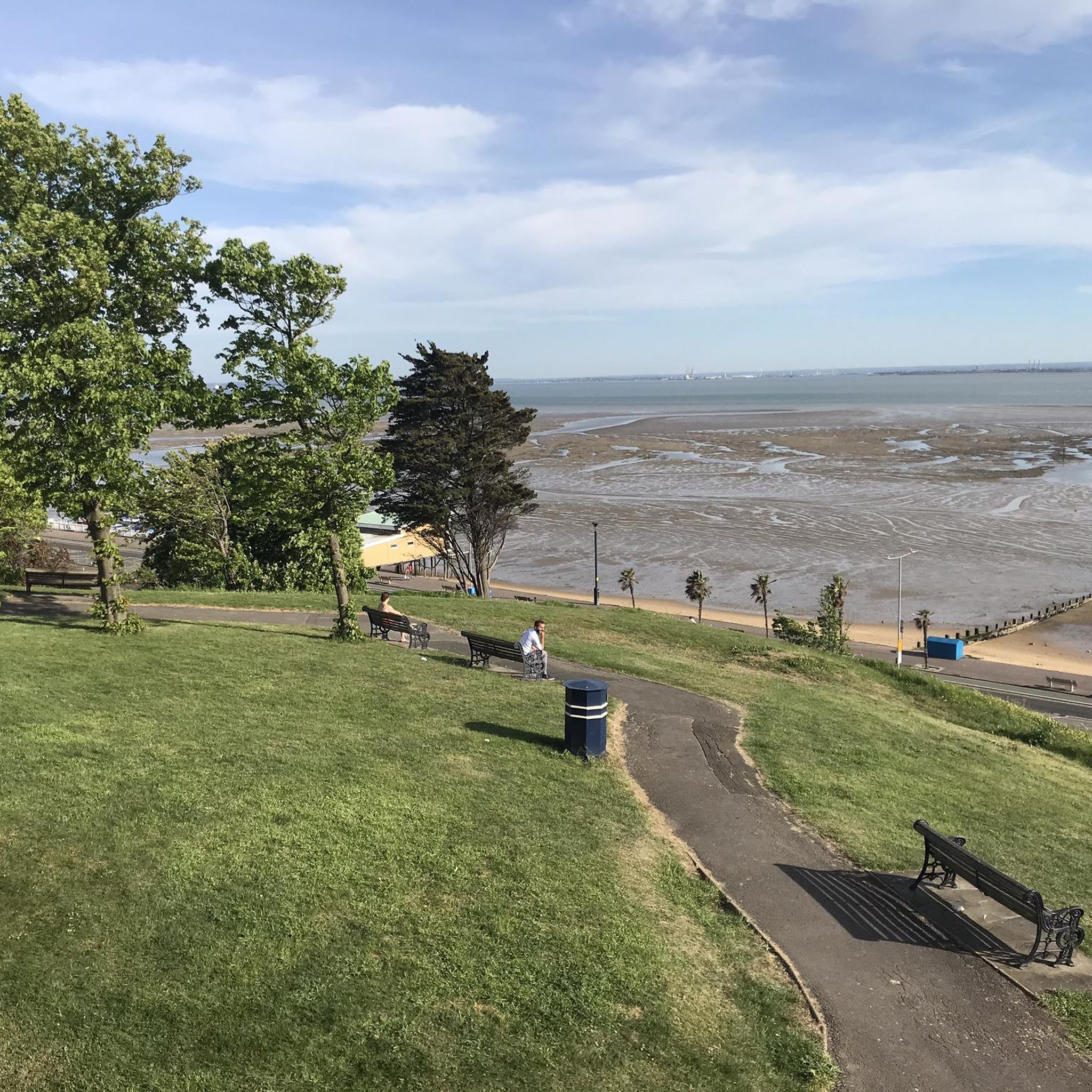
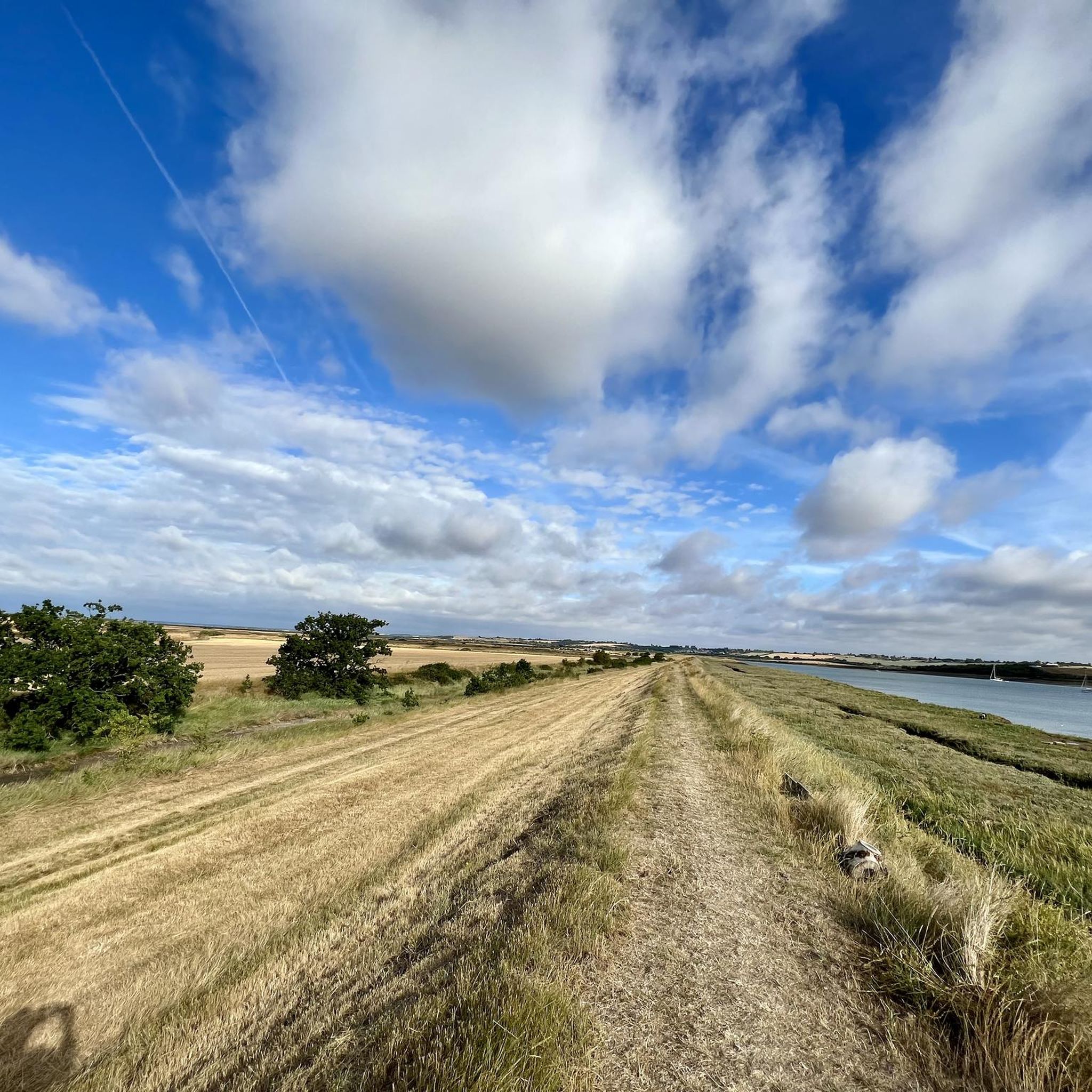
Tips from the Community


This church in Rayleigh was not dedicated to one of the many people who died as martyrs (witnesses of faith) for their Christian beliefs, or who we venerate as blessed or saints because of their exemplary way of life. Rather, this parish has chosen God himself - in the "Holy Trinity" - as its patron saint. According to Christian teaching, we believe in ONE God who exists in THREE persons - God the Father, God the Son (Jesus Christ) and the Holy Spirit. The following description can be found on the EKD (Evangelical Church of Germany) website: "The word tries to express the seemingly impossible, namely that God is three and one at the same time. To understand this, it helps to consider how people have experienced God throughout history: as a creator who loves his world and people like a father loves his children. As a God who became human himself in Jesus Christ, his son, and shared human life. And finally as God who is still present and alive among people in the Holy Spirit.”
0
0

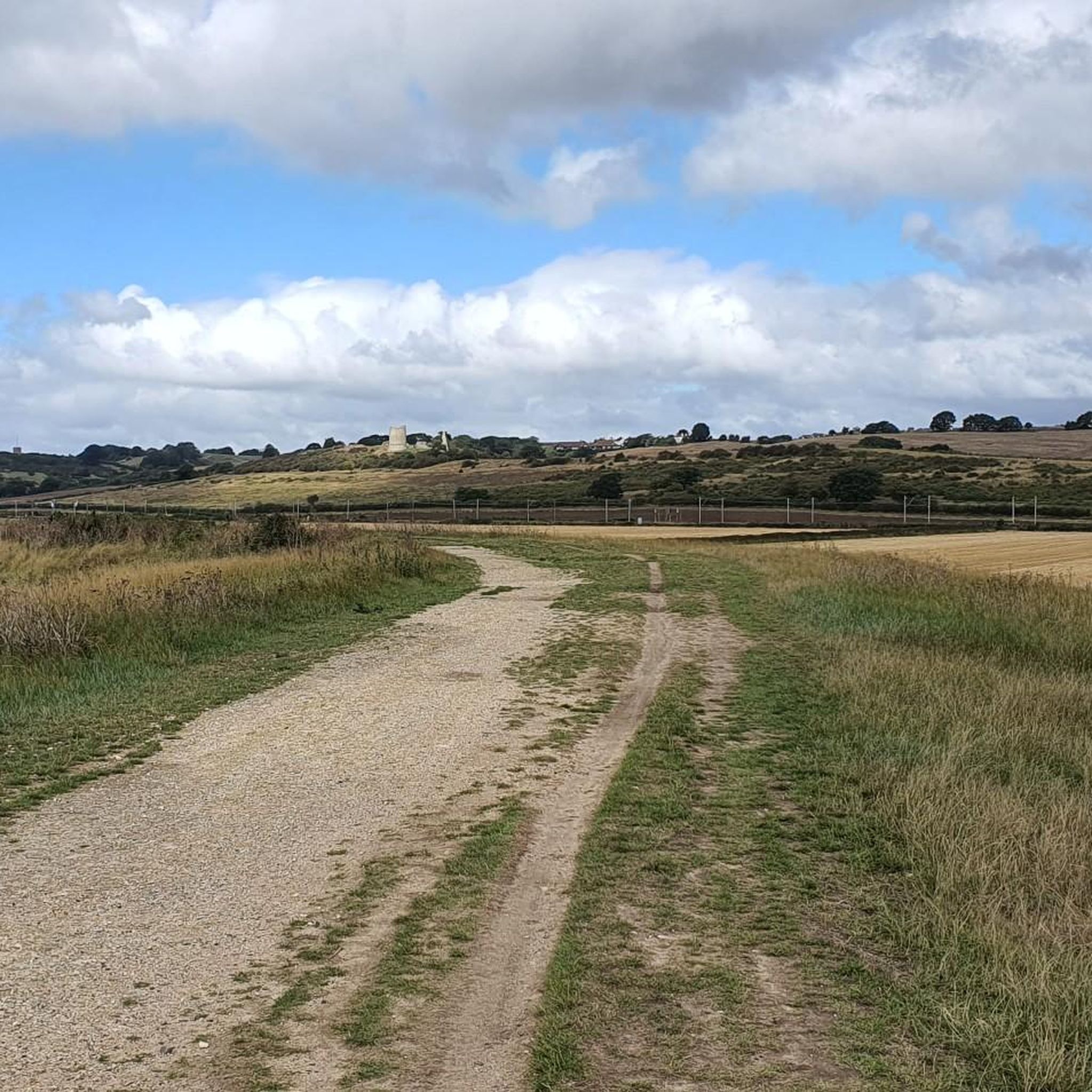
A majestic medieval ruin perched atop a hill with sweeping views of the Essex countryside and the Thames Estuary. Built in the 13th century under the reign of King Henry VIII and played a vital role in defending against potential invasion from the sea. It was strategically positioned to guard the Thames estuary. Excellent views across the countryside.
1
0

You can visit Hadleigh Castle for free and admire the ruins that have succumbed to the soft London clay on which it was built. The castle was first built in the 13th-century, with extensive renovation and expansion in the 14th-century by King Edward III. It's now owned by English Heritage and you can visit their website here https://www.english-heritage.org.uk/visit/places/hadleigh-castle/
1
1


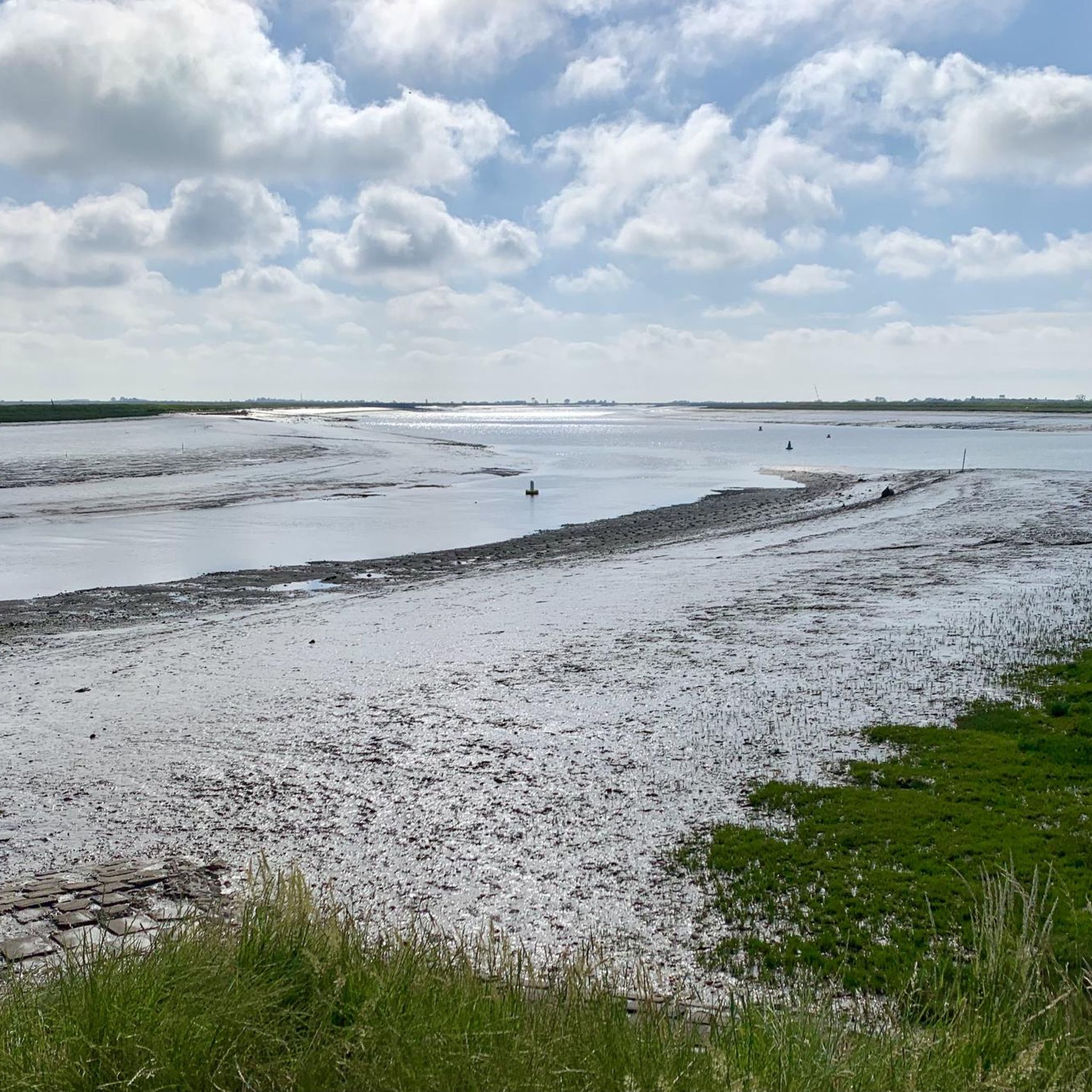
The Crowstone’s copper plate – now turned green – records that it was erected in 1836 and marked the seaward limit of the River Thames as then controlled by the City of London, and that it replaced a stone of 1755, both standing together until the more aged of the pair was presented by the Port of London Authority to Southend Corporation in 1950 for preservation in Priory Park Until 1350, the English Crown held the right to fish the rivers of England and charged duties on those people it licensed to fish. In 1197 King Richard I, in need of money to finance his involvement in the Third Crusade, sold the rights over the lower reaches of the River Thames to the City of London. Marker stones were erected to indicate the limit of the City's rights.
1
0
Gunners Park and Shoebury Ranges is a 25 hectare nature reserve in Shoeburyness in Essex. It is managed by the Essex Wildlife Trust. Part of Gunners Park is Shoeburyness Old Ranges Local Nature Reserve, which is itself part of the Foulness Site of Special Scientific
0
0
Frequently Asked Questions
What historical landmarks can I explore around Canewdon?
Canewdon is rich in history. You can visit the prominent 14th-century St. Nicholas Church, known for its impressive 15th-century tower and local folklore. Another significant historical site is Hadleigh Castle, a majestic medieval ruin offering sweeping views of the Essex countryside and the Thames Estuary. The village also has connections to King Canute and Roman artifacts have been discovered in the area.
Are there any natural reserves or scenic viewpoints near Canewdon?
Yes, the area boasts several natural features and viewpoints. Hadleigh Castle provides excellent 180-degree views of the Thames Estuary. For nature enthusiasts, Wallasea Island is a significant wildlife wetland sanctuary, and Lion Creek and Lower Raypits Nature Reserve are ideal for birdwatching, especially during winter months. You can also explore Lake at Gunners Park, a 25-hectare nature reserve managed by the Essex Wildlife Trust.
What outdoor activities, like hiking or cycling, are available in the Canewdon area?
The Canewdon area offers various outdoor activities. For hiking, you can find routes like the 'HMS Beagle Wreck Site – The Plough & Sail, Paglesham loop' or explore the 'Lower Raypits Nature Reserve – Lion Creek Nature Reserve loop'. For more options, check out the hiking guide for Canewdon. Cyclists can also find routes, including longer, more challenging ones like the 'Hoe Mill Lock – Danbury Camp Iron Age Hillfort loop'. Discover more cycling routes in the cycling guide for Canewdon.
Are there family-friendly attractions or activities in Canewdon?
Many attractions around Canewdon are suitable for families. Exploring the ruins of Hadleigh Castle can be an engaging historical outing. Nature reserves like Lake at Gunners Park offer opportunities for wildlife spotting and gentle walks. Traditional pubs like The Plough & Sail, Paglesham are also noted as family-friendly, providing a welcoming atmosphere.
Where can I find traditional pubs or places to eat near Canewdon?
Canewdon and its surroundings feature traditional pubs with rich histories. The Plough & Sail, Paglesham, located a few hundred yards from the River Crouch, is a historic pub dating back over 300 years, known for its real log fires, fine ales, and home-cooked food. Within Canewdon village, The Anchor pub also offers a traditional community gathering place.
What is the significance of Canewdon's elevated position?
Canewdon is situated on one of Essex's highest hills, approximately 30 meters above sea level. This elevated position provides strategic views across the surrounding landscape and the Crouch estuary. Historically, the tower of St. Nicholas Church served as a navigation point for ships and an observation post during wartime, highlighting the village's commanding vantage point.
Can I learn about local folklore or unique stories in Canewdon?
Yes, Canewdon is steeped in local legends and folklore. The village is famously associated with tales of witchcraft and ghosts, with a popular belief that as long as the church tower stands, there will always be six witches in the village. This rich oral tradition adds a unique, intriguing layer to the area's history.
What kind of wildlife can I expect to see in the nature reserves near Canewdon?
Nature reserves like Lion Creek and Lower Raypits are excellent for wildlife observation. During winter months, you can spot hundreds of wildfowl and waders. The area also supports diverse invertebrate populations, including the rare shrill carder bee, and is home to water voles. Saltmarsh plants like sea lavender and golden samphire add to the natural beauty.
What are some easy walking options around Canewdon?
For easier walks, you can explore routes such as the 'Parlour Café – Burnham-on-Crouch Waterfront loop' or the 'Magnolia Nature Reserve loop'. These routes typically have an 'easy' difficulty grade. You can find more details and options in the easy hikes guide for Canewdon.
What makes The Crowstone a notable attraction?
The Crowstone is a significant man-made monument marking the seaward limit of the River Thames as controlled by the City of London. Erected in 1836, it replaced an earlier stone from 1755. When the tide is low, you can follow a path to this historical marker, which tells a story of ancient rights and trade along the river.
Is there a good spot for birdwatching near Canewdon?
Absolutely. Lion Creek and Lower Raypits Nature Reserve are highly recommended for birdwatching. These remote and wild reserves are particularly good during the winter months when hundreds of wildfowl and waders can be observed. Wallasea Island, a significant wildlife wetland sanctuary, is also an excellent destination for bird enthusiasts.
What is the history behind The Plough & Sail pub?
The Plough & Sail, Paglesham has a history spanning over 300 years. It was once a notorious hub for smugglers transporting goods like tea, gin, and tobacco from Dunkirk, taking advantage of the area's creeks and mudflats. Today, it continues to be a cherished meeting place for the local community and visitors.
What is Holy Trinity Church, Rayleigh, and its significance?
Holy Trinity Church, Rayleigh is a Church of England parish church with a history dating back to Saxon times, featuring a Norman chancel. Its 15th-century bell tower incorporates stone from the disused Rayleigh Castle, and it boasts an impressive Tudor brick porch. The church is dedicated to the 'Holy Trinity', representing the Christian belief in one God in three persons.
Most popular attractions around Canewdon

Get inspired with the komoot mobile app


Explore more
Still not found the Highlight you’re looking for? See guides of the top attractions in other regions:
