The best walks and hikes around Foulness
4.6
(93)
1,180
hikers
78
hikes
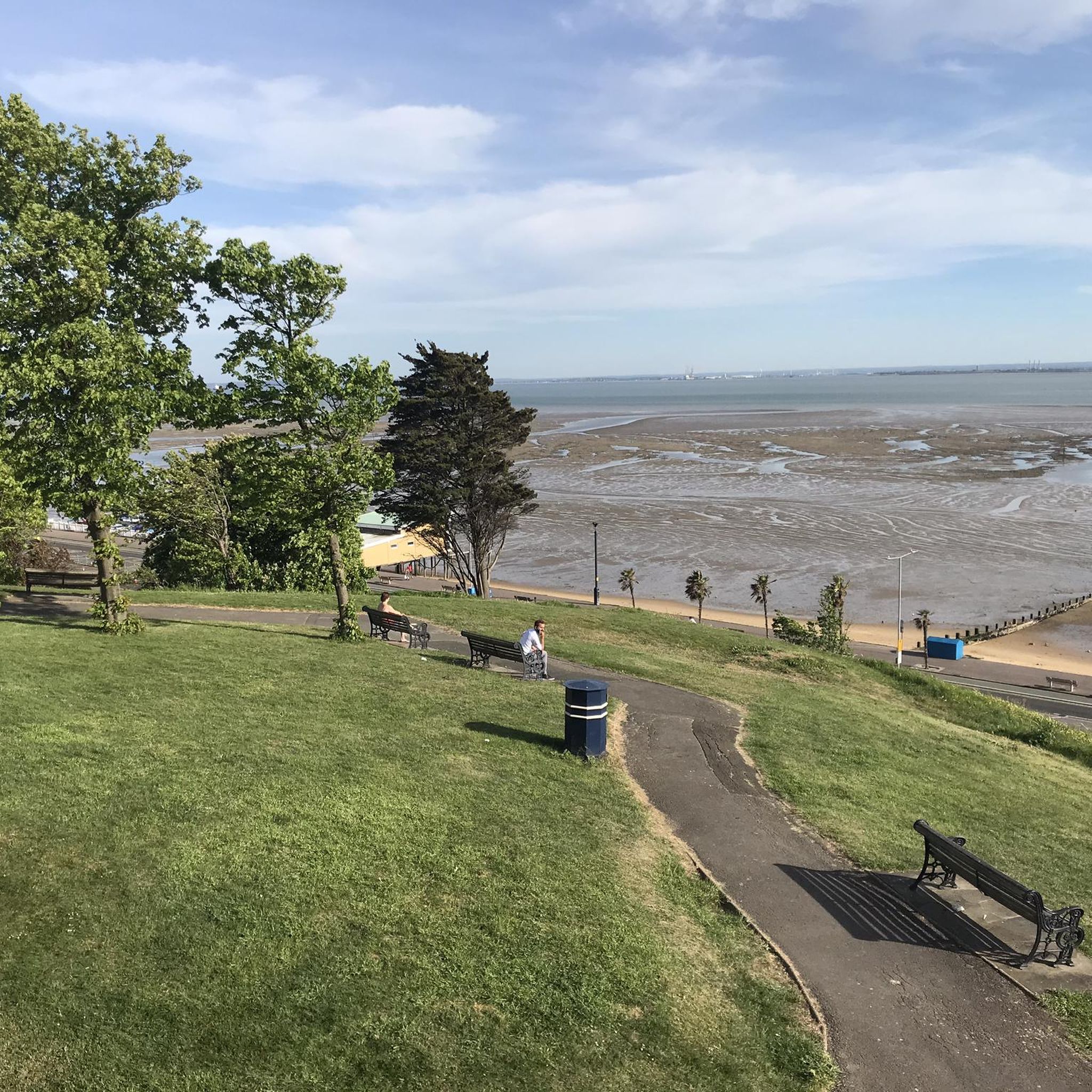
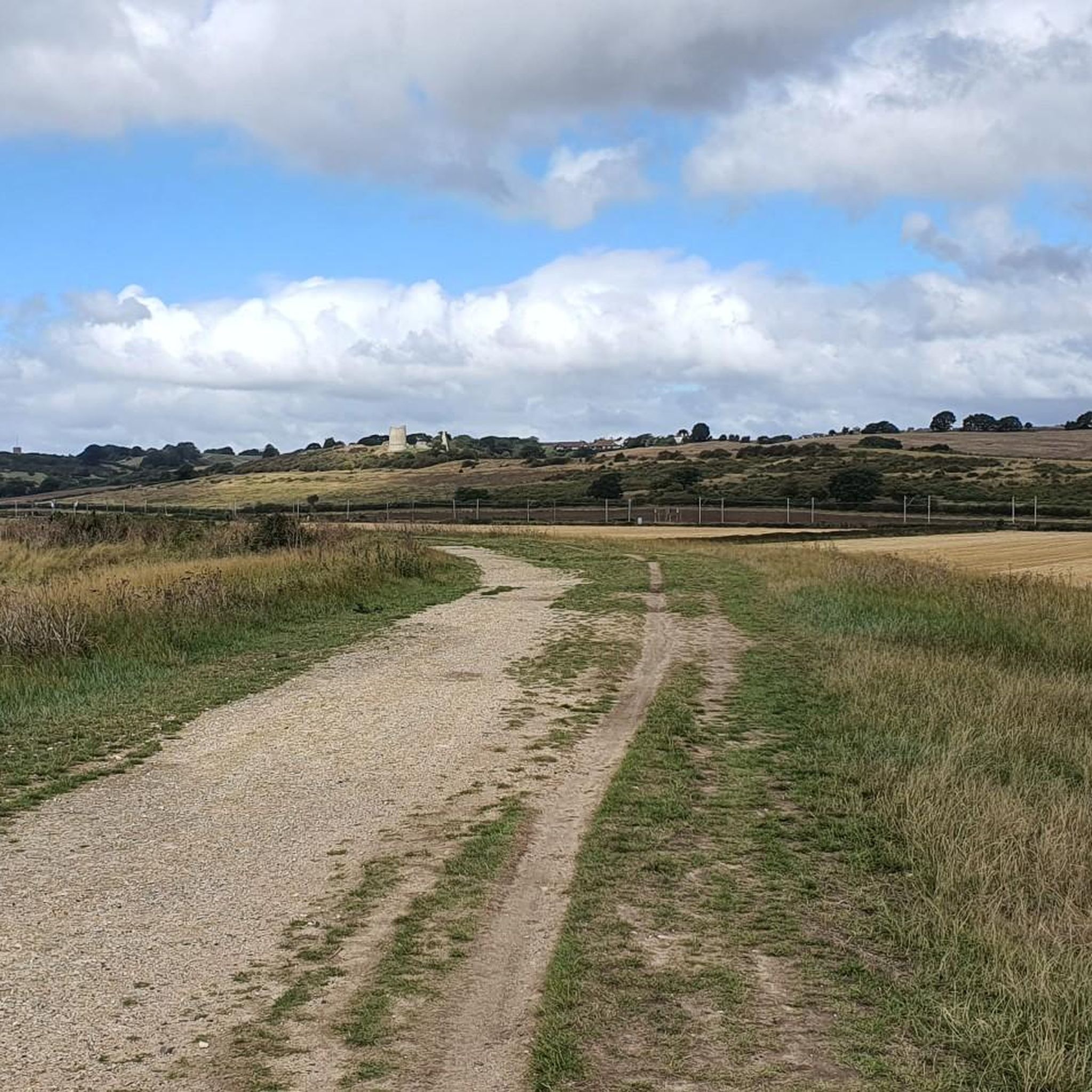
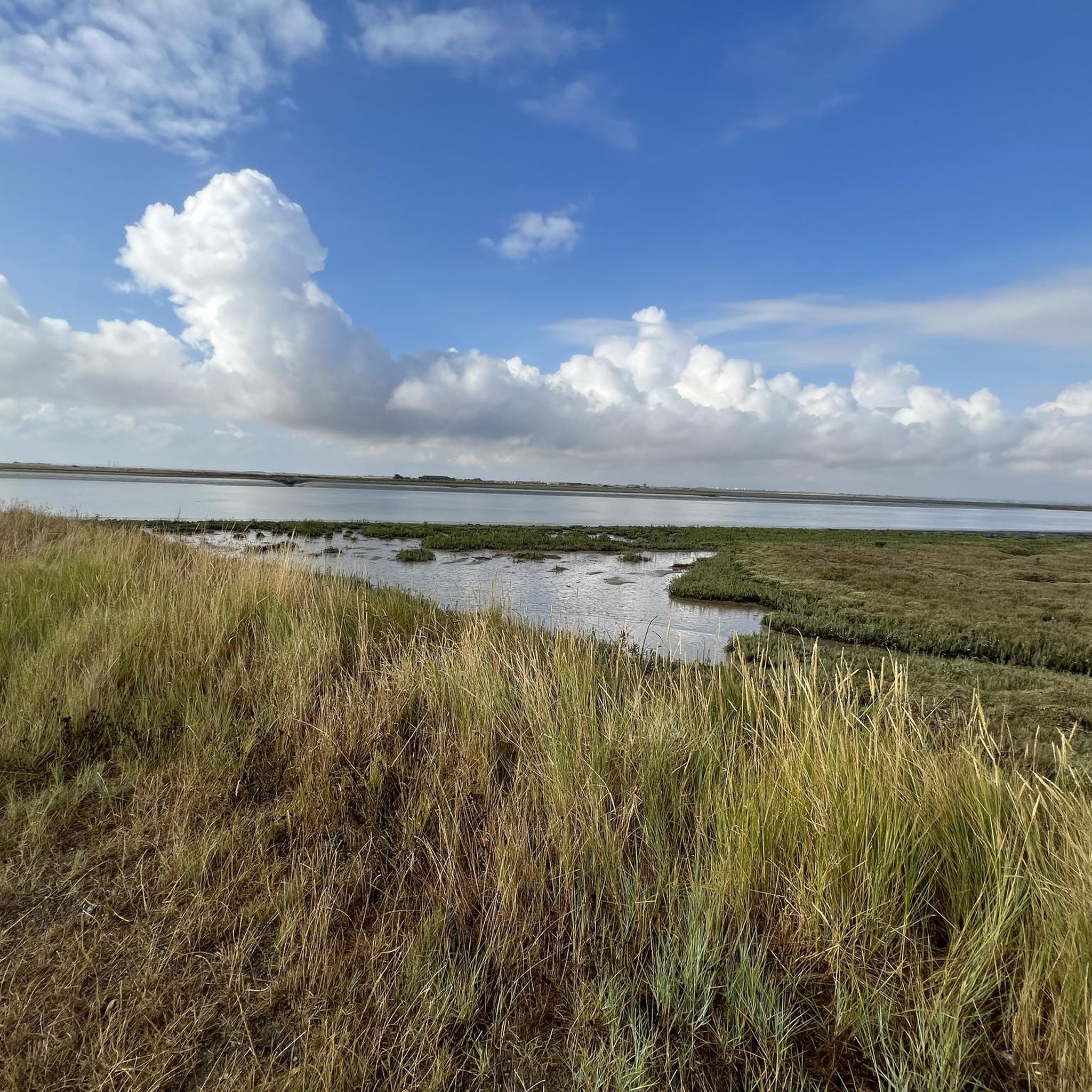
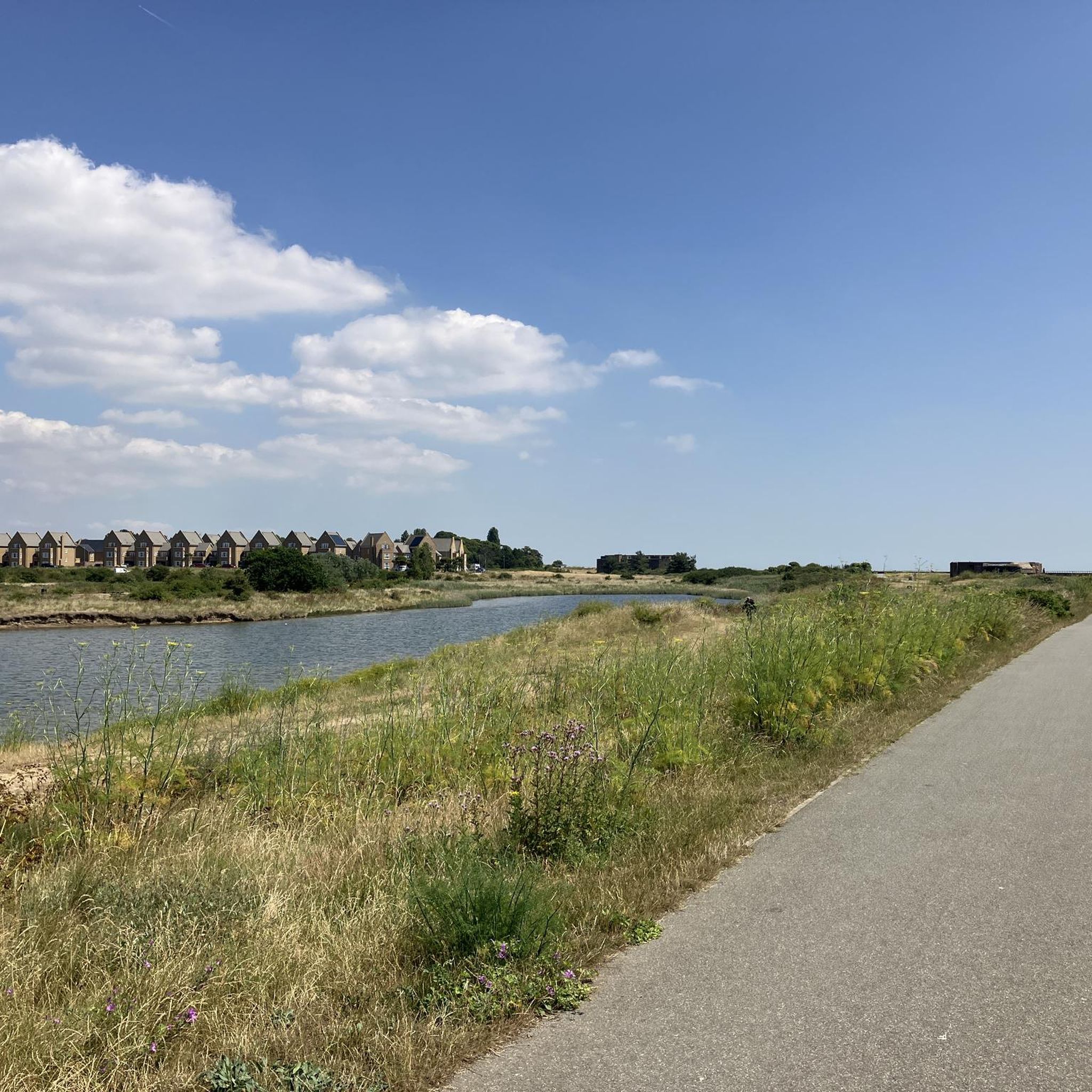
Hiking around Foulness features a unique landscape characterized by flat, coastal marshland and low-lying terrain. The island's highest point is less than five meters above sea level, offering expansive, open views across mudflats, sand flats, and salt marshes. This environment supports significant natural habitats for diverse bird species, making it an internationally important site for wildlife. The area also presents a distinctive juxtaposition of natural beauty with military infrastructure, including watchtowers and compounds.
Best hiking trails around Foulness
- The most popular hiking route is Maldon Causeway loop from Glebe Close, a 3.2 miles (5.1 km) trail that takes about 1 hour 20 minutes to complete, offering views of the coastal area.
- Another top favourite among local hikers is The Plough & Sail, Paglesham – HMS Beagle Wreck Site loop from Paglesham, an easy 1.9 miles (3.0 km) path. This route explores the Paglesham area, including historical maritime sites.
- Local hikers also love the Maldon Causeway loop from Great Wakering, a 4.5 miles (7.3 km) trail leading through coastal landscapes, often completed in about 1 hour 50 minutes.
- Hiking around Foulness is defined by its flat coastal marsh, extensive mudflats, and the presence of military structures. The network offers options for easy to moderate ability levels, with some more challenging routes available.
- The routes in Foulness are highly rated by the komoot community with an average score of 4.6 stars from over 90 reviews. More than 1000 hikers have used komoot to explore Foulness's varied terrain.
Last updated: May 9, 2026
5.0
(1)
18
hikers
5.08km
01:18
10m
10m
Easy hike. Great for any fitness level. Easily-accessible paths. Suitable for all skill levels.
5.0
(2)
15
hikers
Easy hike. Great for any fitness level. Easily-accessible paths. Suitable for all skill levels.

Sign up for free
14
hikers
7.27km
01:51
20m
20m
Easy hike. Great for any fitness level. Easily-accessible paths. Suitable for all skill levels.
4.6
(5)
9
hikers
Moderate hike. Good fitness required. Easily-accessible paths. Suitable for all skill levels.
5.0
(3)
8
hikers
11.3km
02:52
10m
10m
Moderate hike. Good fitness required. Easily-accessible paths. Suitable for all skill levels.
Get access to more routes and recommendations from other explorers.
Sign up for free
Already have an account?
Our route recommendations are based on thousands of hikes, rides, and runs completed by other people on komoot.
Start today with a free account
Your next adventure awaits.
Login or Signup
Tips from the Community

This gate was open an you are allowed you to cross into the MOD ranges as long as there are no red flags.
0
0

The salt marsh at Paglesham Pool preserves traces of past oyster cultivation, evident in rows and rectangular pool-shaped depressions. Further downstream, attention is drawn to a substantial box-shaped structure - the rusted metal core of a shipwrecked wooden vessel. A handful of derelict boats rest near the oyster beds, and just beyond, concealed beneath the marshland, lies the remains of the HMS Beagle.
1
0

No sign of the Beagle but a beautiful, very 'Essexy' spot.
0
0

This small, ruined dock amid abandoned osyster beds is the last post of the H.M.S. Beagle; Charles Darwin's expedition ship that took him around the world. The vessel spent its final years moored here, acting as a deterrent for smugglers.
0
0

I like to walk down onto the causeway here at low water and have a little explore round the rocks there. I've spotted different species of crabs, worms, crustaceans, shrimps and a few fish....
0
0

Only accessible at times dictated by MOD. Stairs are actually a slipway.
0
0

Just a few hundred yards away from the River Rouch you’ll find the Plough and Sail owned by the Oliver Family. Still run as a traditional pub with real log fires, fine ales, home cooked food and a very warm welcome. The Plough and Sail has history dating back over 300 years. It is said that Paglesham was known to be the smuggling capital of the district where many locals were ship owners using the port to transport goods such as tea, gin and tobacco from Dunkirk, providing a healthy profit. The coast between Southend and Rochford was ideal smuggling country, with its creeks and rivulets turning to mud flats at low tide. Over 30 oyster smacks were based in Paghesham and the Plough and Sail became a meeting place for the hardworking crews. Today, The Plough and Sail still provides a meeting place for the local community and those visiting to enjoy the natural beauty of the Essex countryside.
0
0
Frequently Asked Questions
What are the public access restrictions for hiking on Foulness Island?
Public access to Foulness Island is severely restricted due to its use as a military testing site. It is typically only open to the general public on the first Sunday of each month from April to October, primarily for visits to the Heritage Centre. Visitors usually need to register in advance and are often limited to specific areas, such as the road leading to the Heritage Centre and designated public footpaths, which are only accessible when the firing range is not active. Always check official sources before planning your visit.
What kind of terrain can I expect on Foulness Island's hiking trails?
Foulness Island is characterized by its flat, coastal marsh landscape, with its highest point less than five meters above sea level. You can expect extensive, open views across mudflats, sand flats, and salt marshes. The terrain is generally easy, though some routes may involve walking along sea walls or across exposed areas.
Are there any challenging or unique hiking experiences on Foulness Island?
Yes, Foulness Island is home to The Broomway, an ancient, 9.7-kilometer-long tidal path across the Maplin Sands. It offers a truly unique wilderness experience but is extremely dangerous due to fast-moving tides and largely featureless terrain. It requires expert local guidance, strong navigation skills, and precise awareness of tide times. This path is not recommended for casual hikers.
What kind of wildlife can I expect to see while hiking around Foulness?
Foulness Island and the adjoining Maplin Sands are an internationally important site for migrating and breeding birds. Its mudflats, sand flats, and salt marshes provide habitat for a diverse range of species, including pied avocets (hosting the second largest colony in the UK), curlew, dunlin, shelduck, and hen harriers in winter. It's a designated Site of Special Scientific Interest (SSSI) and a Special Protection Area for Birds.
Are there any family-friendly hiking options near Foulness Island?
While direct access to Foulness Island is limited, there are easier walks in the surrounding area suitable for families. For example, the The Plough & Sail, Paglesham – HMS Beagle Wreck Site loop from Paglesham is an easy 3.0 km (1.9 miles) path that explores historical maritime sites and is generally flat and accessible.
What are some interesting landmarks or attractions to see near Foulness Island?
Near Foulness, you can explore several interesting spots. The The Plough & Sail, Paglesham is a notable pub. You might also visit the Lake at Gunners Park or the East Beach, Shoeburyness. On Foulness Island itself, the Heritage Centre in Churchend offers insights into the island's unique history, but remember its limited public access.
Are there any circular hiking routes available around Foulness?
Yes, there are several circular routes in the vicinity of Foulness. A popular option is the Maldon Causeway loop from Glebe Close, which is 5.1 km (3.2 miles) long and offers coastal views. Another is the Maldon Causeway loop from Great Wakering, a 7.3 km (4.5 miles) trail through coastal landscapes.
What is the general difficulty level of hiking trails around Foulness?
The hiking trails around Foulness are predominantly easy to moderate, reflecting the flat, low-lying coastal terrain. Out of 79 available tours, 44 are rated easy and 34 are moderate, with only one considered difficult. This makes the area suitable for a wide range of hikers, though the unique challenges of The Broomway should be noted separately.
What do other hikers say about their experience in Foulness?
The hiking routes around Foulness are highly rated by the komoot community, with an average score of 4.6 stars from over 90 reviews. Hikers often praise the unique, expansive coastal views, the sense of wilderness, and the abundant birdlife. The distinctive juxtaposition of natural beauty with military structures also adds a surreal element to the experience.
Is there public transport available to reach hiking areas near Foulness Island?
Public transport options directly to Foulness Island are very limited due to its restricted access. For areas surrounding Foulness, it's advisable to check local bus services to nearby towns like Great Wakering or Paglesham, from where some of the accessible trails begin. However, a car is generally recommended for more flexibility in accessing trailheads.
Are there any pubs or cafes near the hiking trails around Foulness?
Yes, you can find places to refresh near some of the hiking routes. For instance, The Plough & Sail, Paglesham is a well-known pub in the area, and the Fox & Hounds Pub is another option. These can be good starting or ending points for your walks.
Can I bring my dog on the hiking trails around Foulness?
While specific regulations for Foulness Island itself are strict due to its military and wildlife importance, many public footpaths in the surrounding coastal areas are generally dog-friendly. However, always keep dogs on a lead, especially in areas with livestock or sensitive bird habitats, and be mindful of local signage. Due to the nature of the island, it's best to confirm specific access rules for dogs on public access days.
Most popular routes around Foulness
Most popular attractions around Foulness

Get inspired with the komoot mobile app


Explore more
Browse the best Hikes in other regions.
