Attractions and Places To See around Matching - Top 20
Best attractions and places to see around Matching include ancient forests, serene lakes, and historic religious sites. The region offers diverse landscapes, from the rolling hills of Essex to well-preserved medieval woodlands. Visitors can explore natural monuments and historical buildings, providing insights into the area's heritage and natural beauty. This area features 20 hidden gems waiting to be explored.
Best attractions and places to see around Matching
- The most popular attractions is Rolling Hills of Essex, a cycle way…
Last updated: April 23, 2026
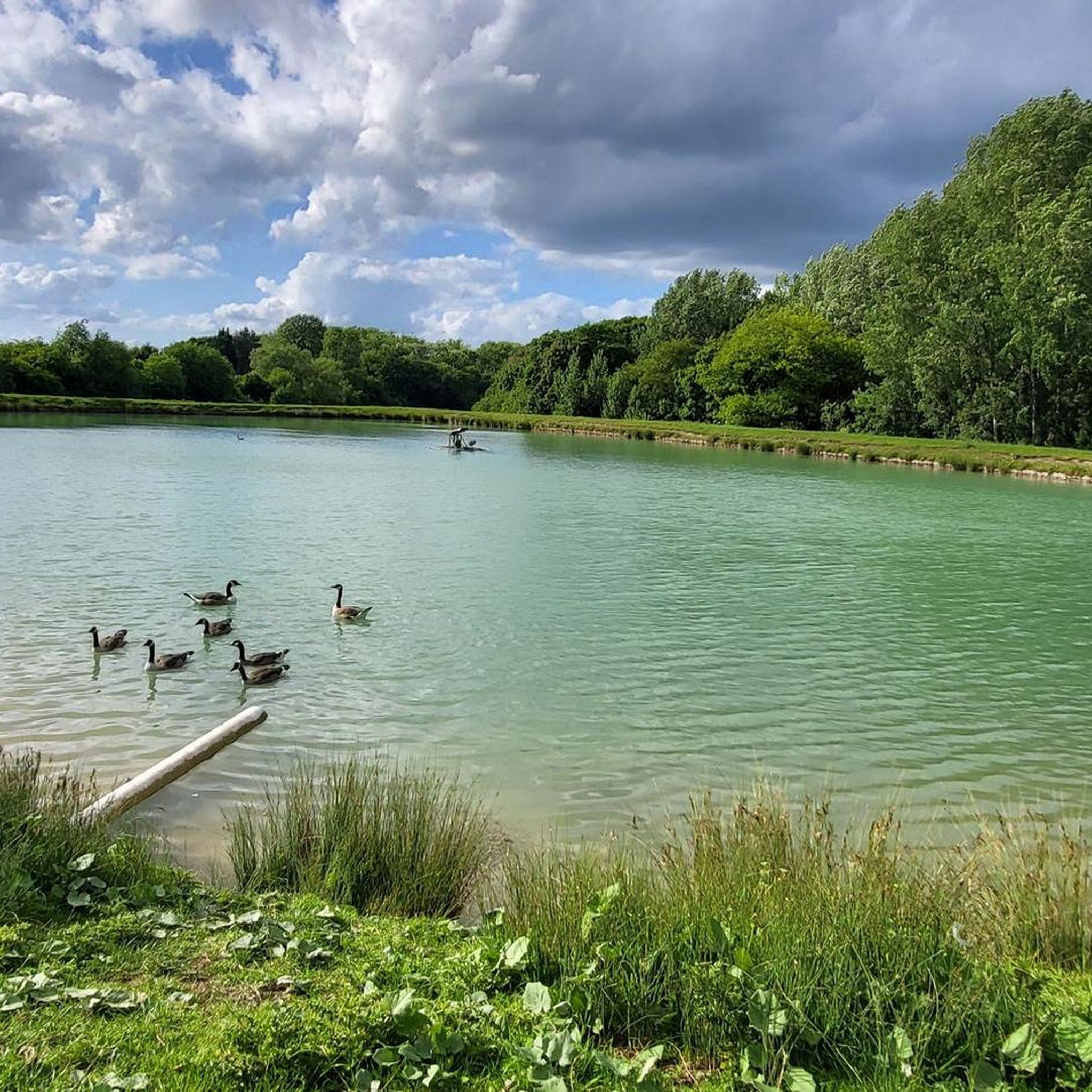
Hatfield Forest Lake
Highlight • Lake
Tip by

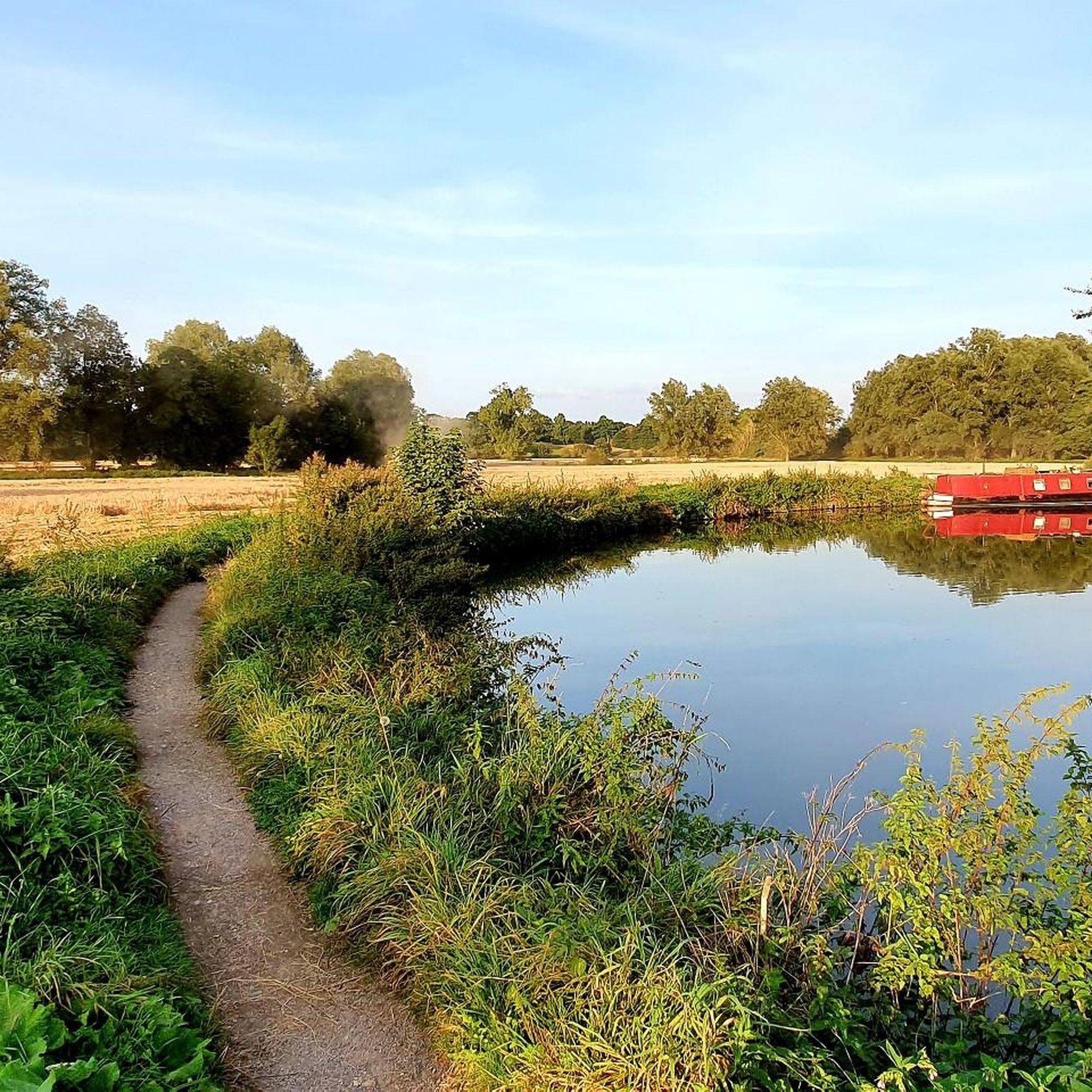
Rolling Hills of Essex
Highlight (Segment) • Cycleway
Tip by

Sign up now to discover places like this
Get recommendations on the best single tracks, peaks, & plenty of other exciting outdoor places.
Sign up for free
The Snug at High Easter
Highlight • Cafe
Tip by

St Andrew's Church and Crusader's Grave, Greensted
Highlight • Religious Site
Tip by

St John the Evangelist Church, Bush End
Highlight • Religious Site
In 1850’s there was a move by the gentry to construct
Churches to provide a Christian faith for the less
fortunate.
On Friday …
Tip by

Sign up for free to discover even more attractions around Matching.
Sign up for free
Already have an account?
Start today with a free account
Your next adventure awaits.
Login or Signup
Tips from the Community

Brilliant cafe in High Easter - great place for a cafe stop on a ride through Essex. Well worth checking out
0
0


Hatfield Forest is an ancient royal hunting forest, and considered to be one of the best-preserved medieval forests in the world. In the past, deer were kept in the forest for hunting. Today you'll find deer aplenty still, though no longer pursued for the same reason. The forest boasts ancient trees, over 3,500 species of fungi, rare insects and a diverse array of birdlife. There's also a beautiful lake, café and river that meanders through.
1
0

Unfussy little local cafe with a nice garden area with picnic tables as well as indoor seating.
0
0

Hatfield Forest is a 403.2 hectare biological Site of Special Scientific Interest in Essex, three miles east of Bishop's Stortford. It is also a National Nature Reserve and a Nature Conservation Review site. It is owned and managed by the National Trust. A medieval warren in the forest is a Scheduled Monument. Hatfield is the only remaining intact Royal Hunting Forest and dates from the time of the Norman kings. Other parts of the once extensive Forest of Essex include Epping Forest to the southwest, Hainault Forest to the south and Writtle Forest to the east. Hatfield Forest was established as a Royal hunting forest in the late eleventh century, following the introduction of fallow deer and Forest Laws were imposed on areas by the king. Deer hunting and chasing was a popular sport for Norman kings and lords and the word ‘forest’ strictly means place of deer rather than of trees. In the case of Hatfield the area under Forest Law consisted of woodlands with plains.
1
1
St John The Evangelist Church, Bush End In 1850’s there was a move by the gentry to construct Churches to provide a Christian faith for the less fortunate. On Friday 5th August 1859 the consecration of this neat little structure, situated in the ancient forest of Hatfield, and on what was formerly considered the most wild and destitute part of the parish. Two notable men lay at the heart of the Church. These being: John Archer Houblon Rev. Thomas Francis Hall The early years……. The church was built in the Gothic style favoured at that time The foundation stone was laid on 8th July 1856 and can be seen on the outside of the south-east end of the church, it reads: “To the glory of the eternal Trinity. This dedication stone of the church of St John the Evangelist was laid July 8 1856 by Sarah daughter of the late Stanes Chamberlyne Esq. formerly of the Ryes in this parish”. The connection with Hatfield Forest The names of the Houblon family and the Rev T Hall occur many times in the history of the church. The Houblon family owned Hallingbury Park that once stood adjacent to the forest. It was used as a hunting forest and they enjoyed country pursuits by the lake. Indeed the famous landscape gardener Capability Brown redesigned the lake and surrounding parkland. The stained glass windows of the apse of St Peter was presented by Georgina Anne Archer Houblon in 1857. The centre window is that of the patronal dedication - St John the Evangelist. This was given in memory of Robert Impey first born child of Thomas Hall MA Vicar of the parish and Mary Phillippa his wife. The right hand window was presented by Joseph Clarke Esq. the Diocesan architect in 1844. There are also two in Hatfield Heath church in memory of Mr Hall’s infant daughter Mary jane who died from scarlet fever in 1844. Mr Hall himself died in 1858 one year before the consecration of the two churches that he brought into being. Indeed it was said that he died in consequence from anxiety, of frequent disappointment and of over exertion in his endeavors to get the churches built! Mr Houblon indeed was to say at the consecration “….had he lived to see these churches consecrated he was sure it would have been one of the happiest days of his life.” The Parish of Bush End…. The power of faith…. In 1864 Bush End became a separate parish but was resided by the vicar of Hatfield Broad oak as was Hatfield Heath. In 1929 the living became vacant and since that date has been linked with that of Broad Oak. Indeed the name Broad Oak is linked to that of the famous Doodle Oak tree that stood in the Hatfield Forest parkland. The church has an early english inscription of the ten commandments written in red and black. It is worthy of record that whereas the neighbourhood used formerly to be the most notorious for thieves, poachers and deer stealers, not one of the reverend’s gentlemen’s flock has been before the magistrate since the vicar was resident within them! Dedication of organ as a war memorial at Bush End….. Within the church there once was a church organ donated by the Rev. F W Galpin as a memorial to those who fell in the great war 1914-1919 within the parish. The only evidence today is the brass plaque that would have been located on the organ. It’s cost was £200 but sadly this memorial was either sold or donated to another church.
0
0

A great spot to stop. Plenty of space, with decent coffee and bacon sandwich. Been happy the three visit I've made so far.
0
0
Frequently Asked Questions
What natural features can I explore around Matching?
The Matching area offers beautiful natural landscapes. A prominent feature is Hatfield Forest Lake, located within an ancient royal hunting forest, known for its diverse wildlife and ancient trees. You can also enjoy the scenic Rolling Hills of Essex, which provide expansive views over the countryside.
Are there historical or cultural sites to visit near Matching?
Yes, the region is rich in history. You can visit St Andrew's Church and Crusader's Grave, Greensted, which is believed to be the oldest wooden church in the world, with parts dating back to 845 AD. Another historical religious building is St John the Evangelist Church, Bush End, consecrated in 1859 and set in the ancient Hatfield Forest.
What kind of outdoor activities can I do around Matching?
Matching offers a variety of outdoor activities, particularly cycling and running. You can explore numerous road cycling routes, such as the 'Fyfield Village – St. Mary's Church, Matching loop' or the 'Scenic Country Road in Essex – Flowing Country Lanes loop'. For more leisurely cycling, there are touring routes like the 'Parndon Mill and Lock – River Stort Towpath loop'. Runners can enjoy trails like the 'Matching Church – Rolling Stretch loop'. For detailed routes, check out the Road Cycling Routes around Matching, Cycling around Matching, and Running Trails around Matching guides.
Are there family-friendly attractions in the Matching area?
Absolutely. Hatfield Forest Lake is a great family destination, offering ancient woodlands, wildlife spotting, and a café. The historic St Andrew's Church and Crusader's Grave, Greensted is also suitable for families interested in history. Additionally, The Snug at High Easter is a family-friendly café perfect for a break.
What is the best time of year to visit Matching for outdoor activities?
While specific seasonal events are not detailed, the region's natural beauty, particularly its forests and rolling hills, suggests that spring and autumn would be ideal for walking and cycling, with pleasant temperatures and vibrant foliage. Summer offers longer daylight hours for exploration, while winter walks can be serene, especially in areas like Hatfield Forest.
Are there any cafes or pubs near the attractions in Matching?
Yes, you can find places to refresh. The Snug at High Easter is a highly-rated café known for being cycling-friendly and offering a good selection of food and drinks. Hatfield Forest also has a café near its lake.
Are there dog-friendly walks or places around Matching?
While specific dog-friendly establishments aren't listed, natural areas like Hatfield Forest are generally welcoming to dogs on leads. Many of the walking and cycling routes around Matching, especially those through green fields and country lanes, are suitable for walks with your dog. Always check local signage for specific restrictions.
Are there any wheelchair-accessible trails near Matching?
The provided data does not specifically highlight wheelchair-accessible trails. For detailed information on accessibility, it is recommended to check the official websites of individual attractions or local council resources before your visit.
What do visitors particularly enjoy about the attractions near Matching?
Visitors appreciate the diverse landscapes and historical significance. The Rolling Hills of Essex are loved for their smooth, easy-to-pedal roads and beautiful countryside views. Hatfield Forest Lake is valued for its ancient forest, rich biodiversity, and well-preserved medieval character. The unique history of St Andrew's Church, Greensted, as potentially the oldest wooden church, also draws significant interest.
Are there specific hiking or cycling routes recommended around Matching?
Yes, komoot offers several recommended routes. For road cycling, consider the 'High Easter Cricket Field – The Snug at High Easter loop' (44.3 km, moderate). For touring cyclists, the 'Pole Lane – Matching Green Common loop' (68.7 km, moderate) is popular. Runners can enjoy the 'Matching Church – Rolling Stretch loop' (10.1 km, moderate). You can find more options in the Road Cycling Routes around Matching, Cycling around Matching, and Running Trails around Matching guides.
Where can I find scenic viewpoints around Matching?
The Rolling Hills of Essex offer excellent viewpoints, providing expansive vistas over the green fields and the distant countryside, including Britain's oldest Church. These areas are particularly popular with cyclists for their picturesque scenery.
Most popular attractions around Matching

Get inspired with the komoot mobile app


Explore more
Still not found the Highlight you’re looking for? See guides of the top attractions in other regions:
