Littleton And Harestock
Littleton And Harestock
The best cycling routes around Littleton And Harestock
4.5
(258)
4,124
riders
287
rides
Touring cycling around Littleton And Harestock features a landscape characterized by gently rolling hills, open rural lanes, and occasional wooded sections. The area, situated near Winchester, offers varied terrain suitable for cycling, from flatter paths along river valleys to more elevated routes providing expansive views. This region provides a network of routes that traverse agricultural land and connect small villages.
Best touring cycling routes around Littleton And Harestock
- The most popular touring cycling route is Cheesefoot Head – Westgate, Winchester…
Last updated: July 15, 2026
37
riders
48.4km
03:36
460m
460m
Hard bike ride. Very good fitness required. You may need to push your bike for some segments of this route.
14
riders
12.2km
01:00
120m
120m
Easy bike ride. Great for any fitness level. Mostly paved surfaces. Suitable for all skill levels.

Sign up for free
7
riders
Easy bike ride. Great for any fitness level. Mostly paved surfaces. Suitable for all skill levels.
6
riders
Easy bike ride. Great for any fitness level. Mostly paved surfaces. Suitable for all skill levels.
6
riders
14.1km
01:03
130m
130m
Hard bike ride. Great for any fitness level. You may need to push your bike for some segments of this route.
Get access to more routes and recommendations from other explorers.
Sign up for free
Already have an account?
Our route recommendations are based on thousands of hikes, rides, and runs completed by other people on komoot.
Start today with a free account
Your next adventure awaits.
Login or Signup
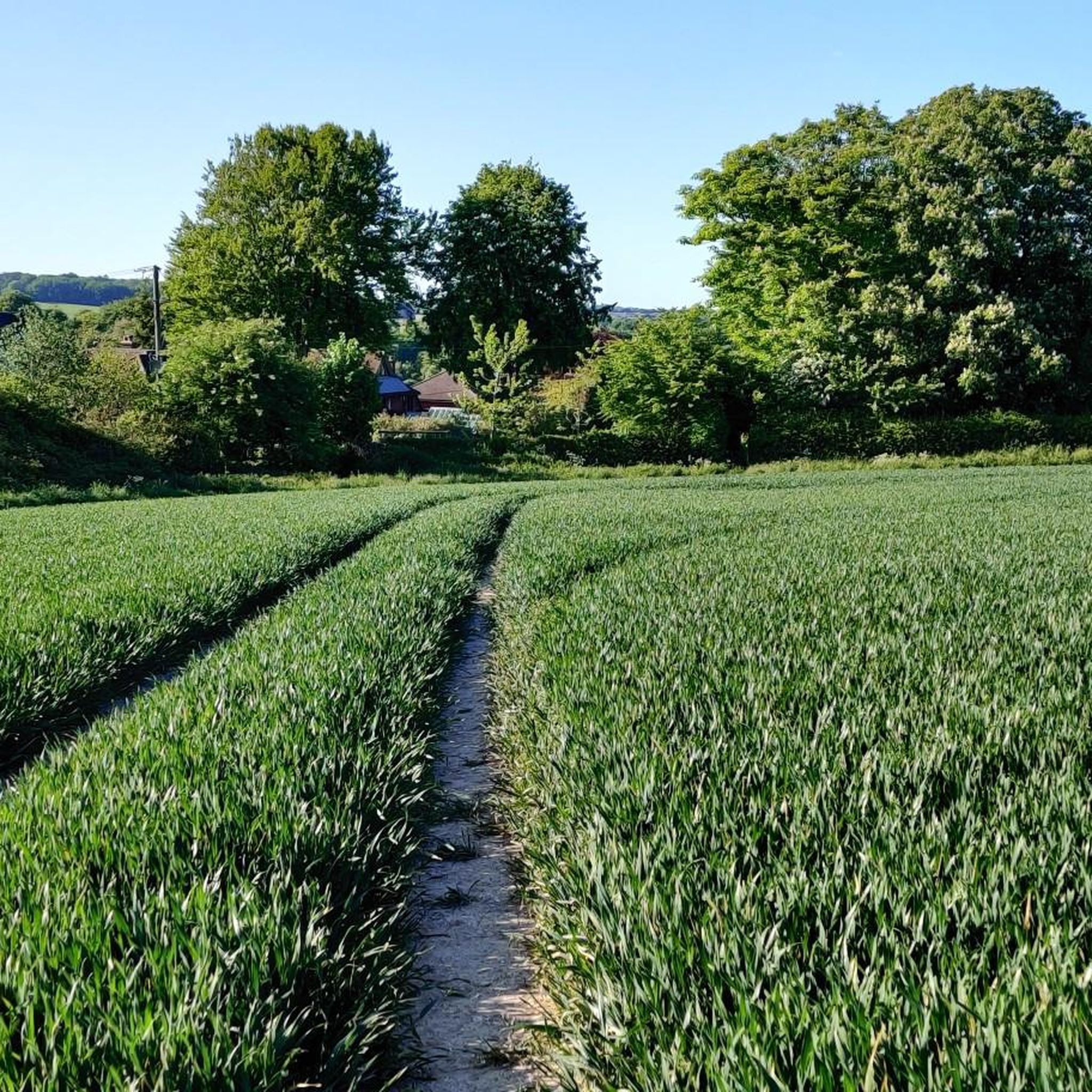

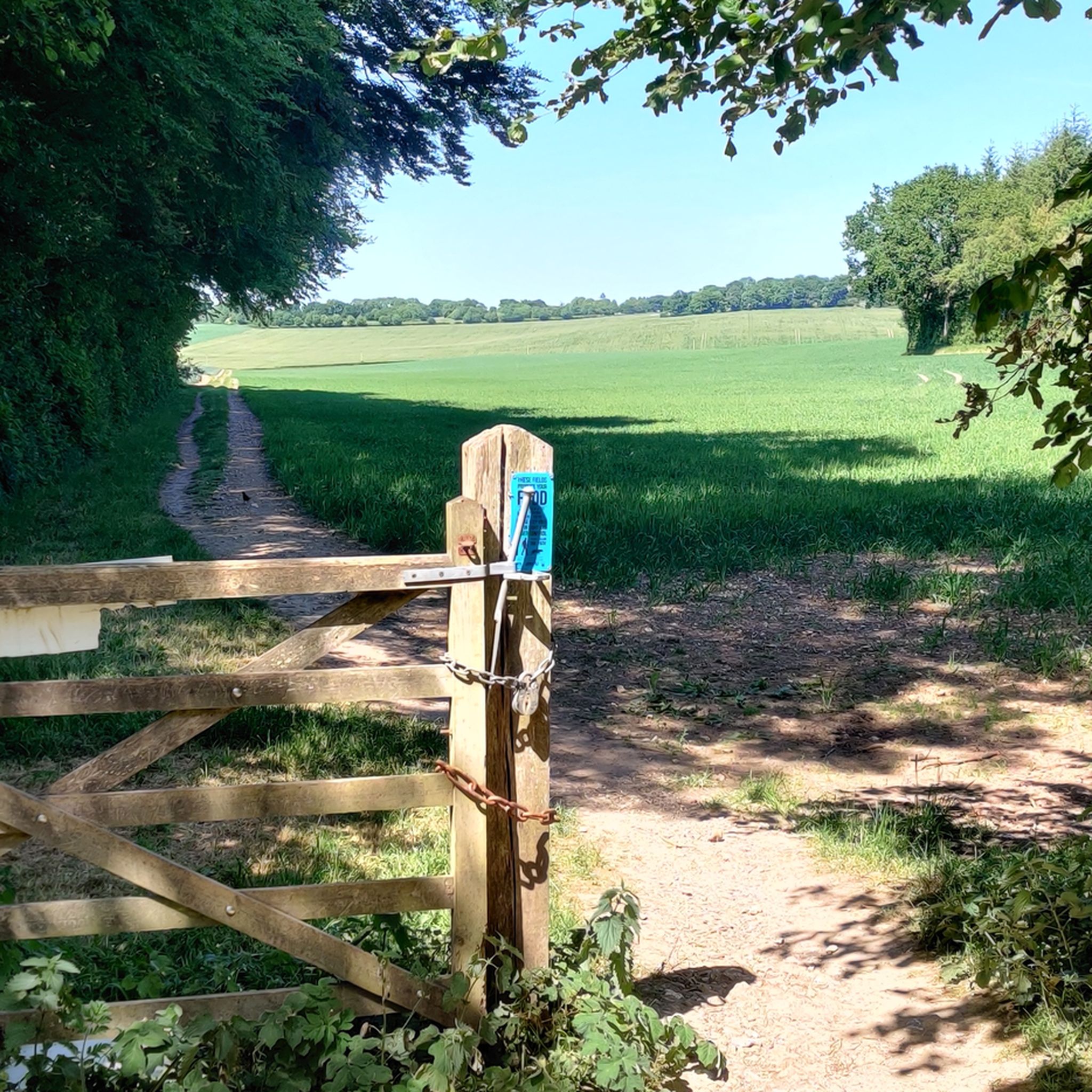
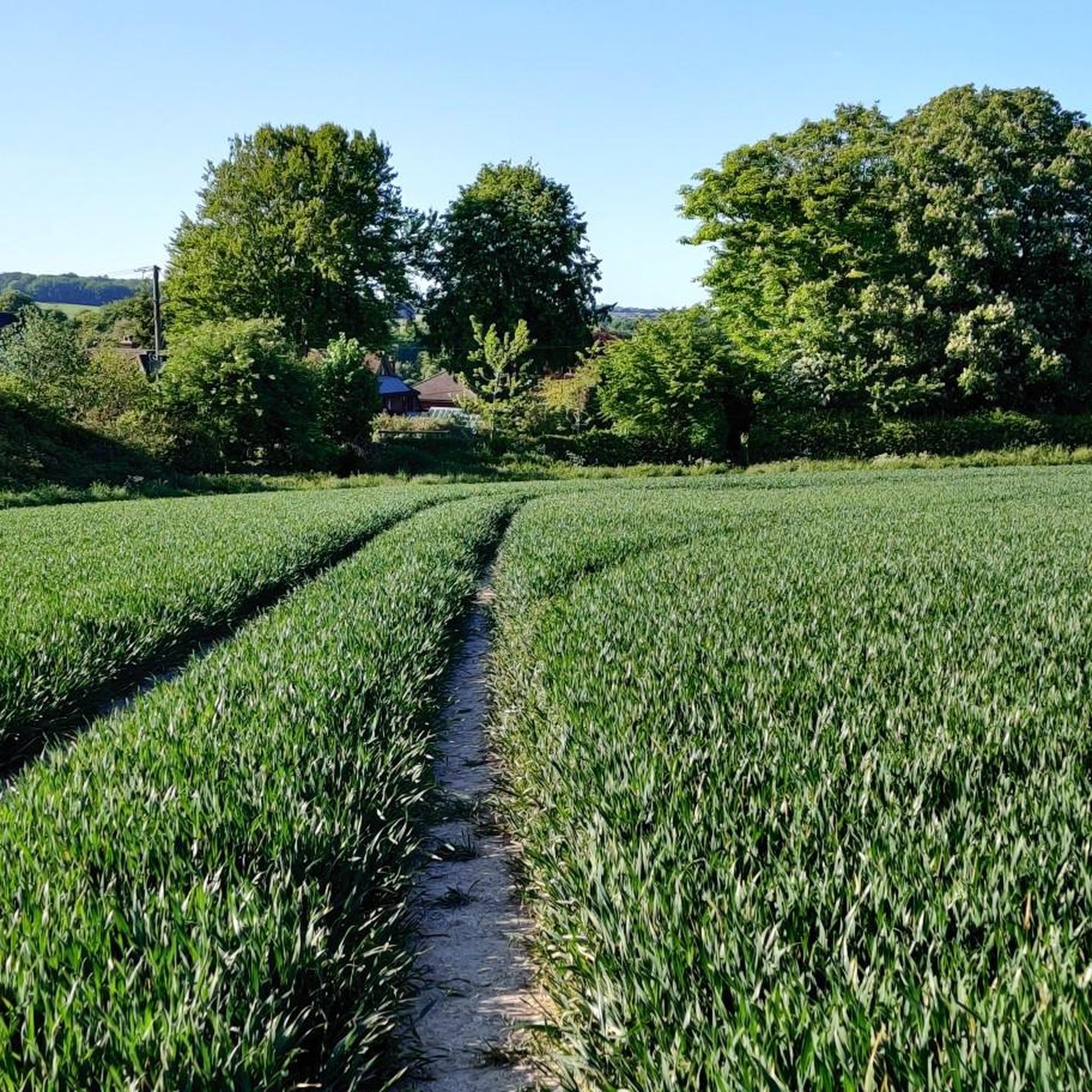
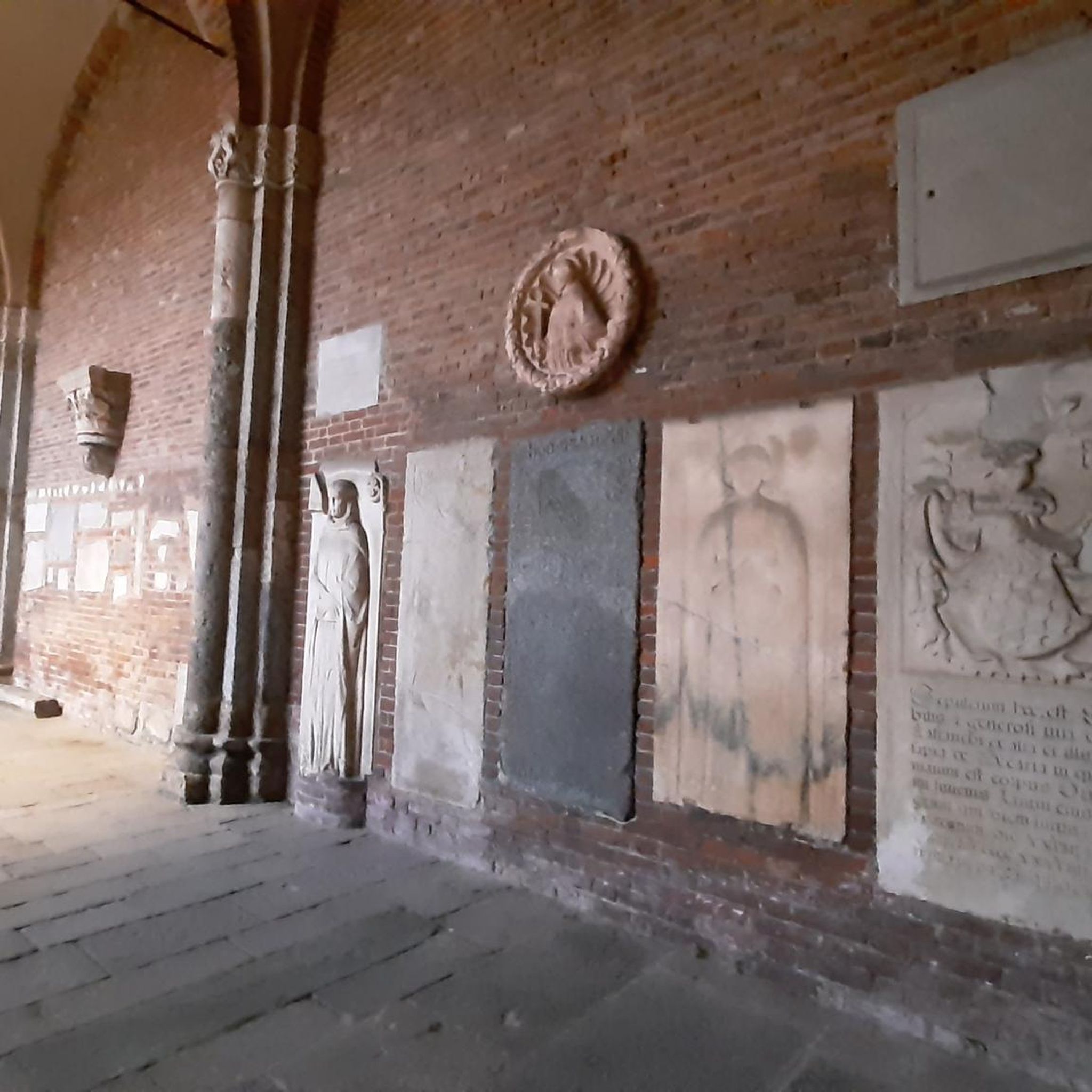
Tips from the Community

Historic waterbeds for growing watercress, on a very quiet road. There's a ford just along with a perfect cycle crossing
0
0

St Catherine's Hill is a prominent chalk downland hill on the outskirts of Winchester, notable for its layered historical and ecological importance. Now a biological Site of Special Scientific Interest (SSSI) managed as a nature reserve, its summit is ringed by the impressive earthworks of a univallate Iron Age hillfort dating back over 2,000 years. The top is marked by a distinctive copse of beech trees, known as 'The Clump', which contains the scant ruins of the 12th-century St Catherine's Chapel, while the hillside features a turf-cut labyrinth known as the Miz-Maze; the entire site provides spectacular views over the city, the Itchen Valley, and supports a rich variety of wildflowers and butterflies, including the protected Chalkhill Blue.
1
0
The remains of the Roman city walls in Winchester, anciently known as Venta Belgarum, are primarily buried, as the medieval city was built directly upon and adapted the original defensive circuit; however, the single most visible fragment of the original Roman stone wall, built in the third century AD, can be found encased in a small grotto on The Weirs, near the River Itchen and the Bishop on the Bridge pub. While much of the stone was dismantled over time, especially in the 18th century to accommodate traffic, the subsequent Anglo-Saxon and medieval city walls largely followed the original Roman line, meaning the general boundary of the Roman town still influences the layout of Winchester today, with the remaining medieval gates, Kingsgate and Westgate, standing in the tradition of their Roman predecessors.
1
0
The striking bronze statue of King Alfred the Great is one of Winchester's most recognizable landmarks, dominating The Broadway at the eastern end of the High Street near the River Itchen. Sculpted by Sir Hamo Thornycroft, the colossal, 15-foot-tall figure was erected in 1901 to commemorate the millennium of the king's death—a pivotal figure who made Winchester his capital and is credited with being "The Founder of the Kingdom and Nation," as inscribed on its granite base. Depicting a heroic, bearded Alfred in a regal stance with a downward-pointing sword hilt forming a cross, the statue celebrates his dual role as a military champion against the Vikings and an early Christian leader, all while standing proudly in the city he helped define.
1
0
The Sword: Alfred is shown grasping a large, cross-hilted sword with the point facing downwards. This posture is symbolic, representing not just his prowess as a warrior who defended his kingdom against the Vikings, but also his role as a Christian leader, with the hilt forming the shape of a cross. The Pedestal: The statue rests on a large pedestal of Cornish granite, which is inscribed with just one word: AELFRED. Historical Portrayal: Thornycroft's depiction is a romanticized, heroic one—showing Alfred with a long, flowing beard—even though contemporary coins suggest the King was clean-shaven. The monument represents the Victorian-era idea of Alfred as a perfect warrior, statesman, and philosopher king.
0
0
The statue depicts Alfred the Great (847–899 AD), who was the King of the West Saxons and is traditionally regarded as the first King of the Anglo-Saxons and the founder of the Kingdom of England. Winchester was his capital. Sculptor: Sir Hamo Thornycroft, a highly-regarded Royal Academician. Completion: It was completed in 1901, although it was commissioned to mark the millennium of King Alfred's death (which was in 899 AD). Size: The bronze statue is monumental, standing at 15 feet (4.57 m) high and weighing about five tons. The total height with its granite pedestal is around 40 feet. Location: It stands prominently at the eastern end of The Broadway, near the junction with Bridge Street and Eastgate Street, with the High Street extending behind it toward the city centre.
0
0
The Roman walls at "The Weirs" in Winchester are a rare and important visible fragment of the city's ancient defenses. Location: The visible fragment of the Roman wall is located in the area known as The Weirs, specifically near the River Itchen and close to the Bishop on the Bridge pub. Appearance: It is typically housed within a small, often gated or railed grotto-like enclosure, standing below the current ground level (demonstrating how much the ground has risen over the centuries). Significance: It is believed to be the only remaining visible section of the original Roman city wall of Venta Belgarum.
0
0

More information about King Alfred: https://www.cityofwinchester.co.uk/history/html/king_alfred.html
0
0
Frequently Asked Questions
How many touring cycling routes are available in Littleton And Harestock?
There are over 290 touring cycling routes recorded in the Littleton And Harestock area on komoot, offering a wide variety of options for different skill levels and preferences.
Are there easy touring cycling routes suitable for beginners in Littleton And Harestock?
Yes, Littleton And Harestock offers a good selection of easy routes. For example, the Bike Path Along the Canal – St Catherine's Hill loop from Winchester is an easy 8.9-mile route that follows a canal path, offering a gentle ride suitable for those new to touring cycling.
Can I find longer touring cycling routes for more experienced riders?
Absolutely. The region includes more challenging routes with significant elevation gain. While the Cheesefoot Head – Westgate, Winchester loop from Littleton and Harestock is a popular difficult option at nearly 30 miles, you can also explore the Worthy Down – Flowerdown Disk Barrow loop from Peter Symonds College for another challenging ride of about 8.7 miles.
Are there circular touring cycling routes in the Littleton And Harestock area?
Many of the touring cycling routes in Littleton And Harestock are designed as loops, allowing you to start and finish at the same point. Examples include the easy Worthy Down loop from Peter Symonds College and the scenic Bluebells in the Forest – Field Path Near the Woods loop from University of Winchester.
What kind of scenery can I expect on touring cycling routes around Littleton And Harestock?
The routes in Littleton And Harestock traverse a landscape of gently rolling hills, open rural lanes, and occasional wooded sections. You'll cycle through agricultural land, connect small villages, and find routes along river valleys. Some elevated routes, like those near Cheesefoot Head, offer expansive panoramic views.
Are there any notable landmarks or points of interest along the touring cycling routes?
Yes, several routes pass by interesting landmarks. You might encounter St Catherine's Hill, which offers historical significance and great views. Other points of interest include Farley Mount Monument and sections along the River Itchen.
Are the touring cycling routes in Littleton And Harestock suitable for families?
Yes, there are 55 easy routes in the area, many of which are suitable for families. These routes often feature flatter paths and quieter rural lanes, providing a safe and enjoyable experience for all ages. The Bike Path Along the Canal – St Catherine's Hill loop from Winchester is a good example of a family-friendly option.
Can I bring my dog on touring cycling routes in Harestock?
While many routes in the area are on public rights of way, it's essential to check local regulations for specific paths, especially those passing through farmland or nature reserves. Always keep dogs on a lead, particularly near livestock, and ensure they are comfortable with cycling speeds and distances.
What do other touring cyclists say about the routes in Littleton And Harestock?
The touring cycling routes in Littleton And Harestock are highly rated by the komoot community, with an average score of 4.5 stars from nearly 200 reviews. Cyclists often praise the quiet rural roads, varied scenery, and the options available for different skill levels.
Is parking available near the bike trails in Littleton and Harestock?
Parking is generally available in and around Littleton and Harestock, particularly in village centers or designated car parks. For routes starting from specific locations like Peter Symonds College or the University of Winchester, nearby parking facilities are usually accessible. Always check local signage for parking restrictions and fees.
Are there touring cycling routes accessible by public transport in Harestock?
Given the proximity to Winchester, many routes are accessible via public transport connections to the city. You can often start routes from locations near bus stops or the train station in Winchester, such as the Bike Path Along the Canal – St Catherine's Hill loop from Winchester, making it convenient to reach the starting point without a car.
What is the best time of year for touring cycling in Littleton And Harestock?
Spring and summer generally offer the most pleasant conditions for touring cycling in Littleton And Harestock, with warmer weather and longer daylight hours. Autumn can also be beautiful with changing foliage. While winter cycling is possible, be prepared for colder temperatures, potentially muddy sections, and shorter daylight.
Most popular routes around Littleton And Harestock
Most popular attractions around Littleton And Harestock

Get inspired with the komoot mobile app


Explore more
Browse the best Cycling routes in other regions.
