Attractions and Places To See around Little Canfield - Top 20
Best attractions and places to see around Little Canfield, a village in Essex, England, offer a combination of historical sites and natural landscapes. The area features ancient churches, historic timber-framed buildings, and remnants of medieval structures. Visitors can explore natural features such as a preserved royal hunting forest and a linear country park. The region provides opportunities to experience its rich history and serene natural surroundings.
Best attractions and places to see around Little Canfield
- The most popular attractions is…
Last updated: July 6, 2026
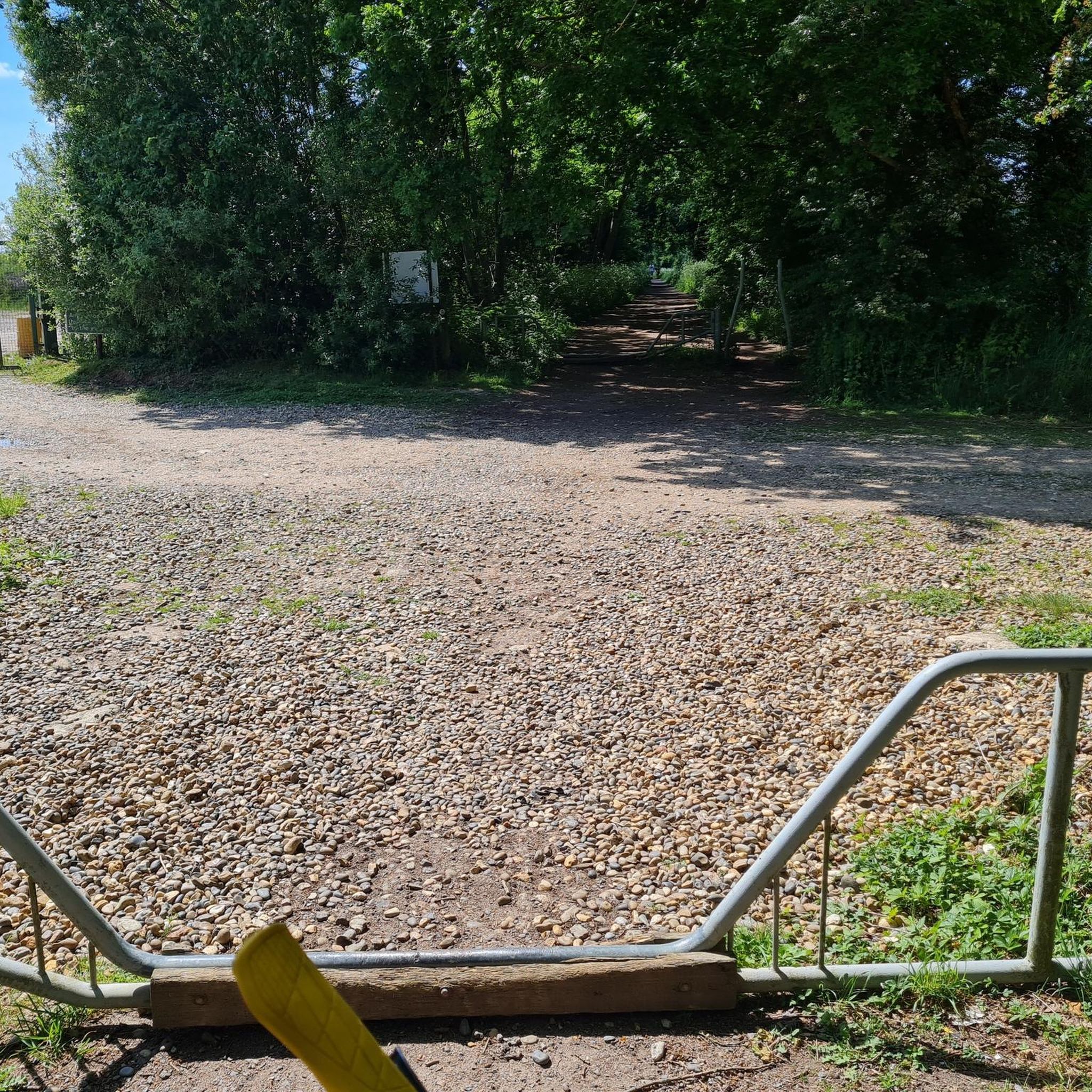
Hatfield Forest Lake
Highlight • Lake
Tip by

The Snug at High Easter
Highlight • Cafe
Tip by

Sign up now to discover places like this
Get recommendations on the best single tracks, peaks, & plenty of other exciting outdoor places.
Sign up for free
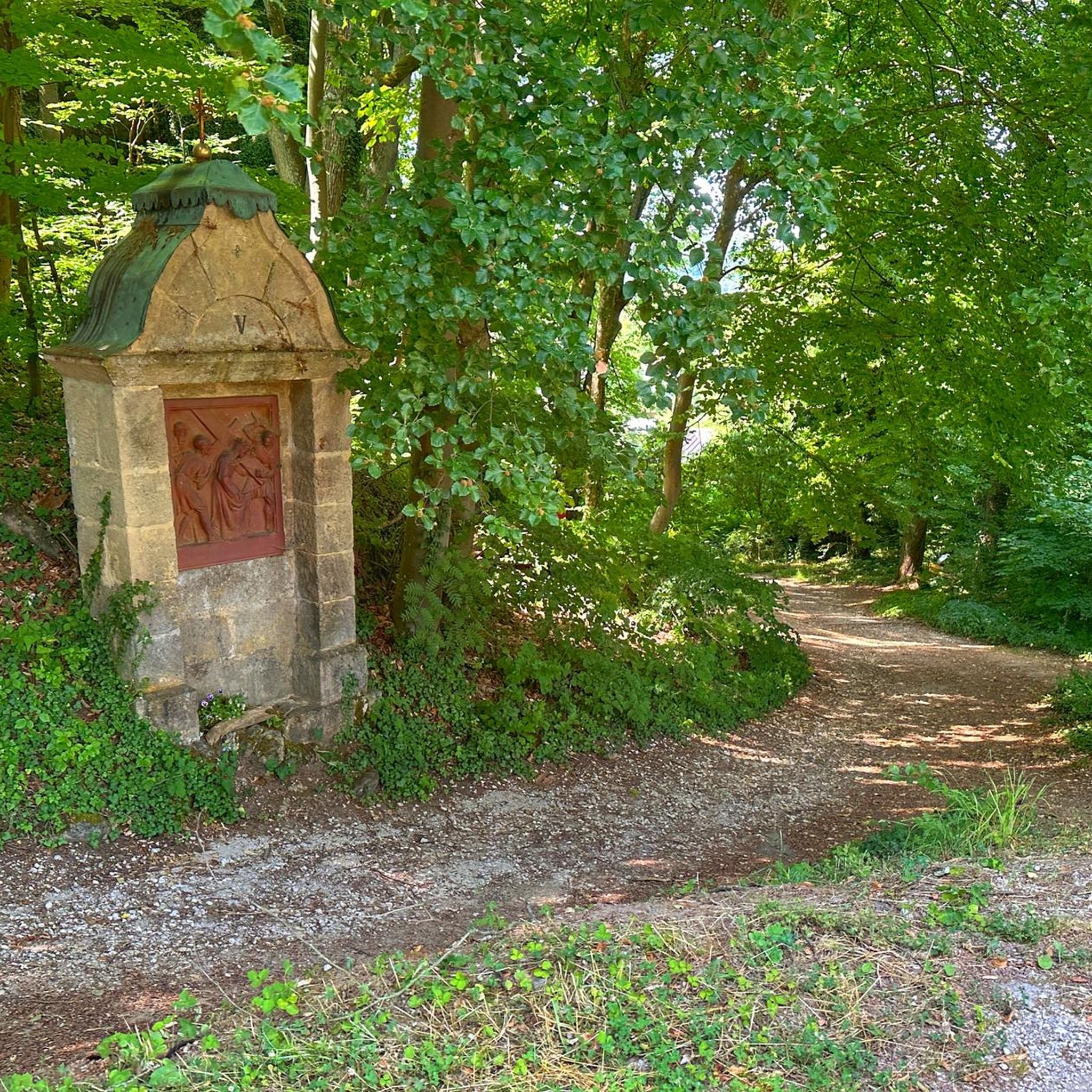
St John the Evangelist Church, Bush End
Highlight • Religious Site
In 1850’s there was a move by the gentry to construct
Churches to provide a Christian faith for the less
fortunate.
On Friday …
Tip by

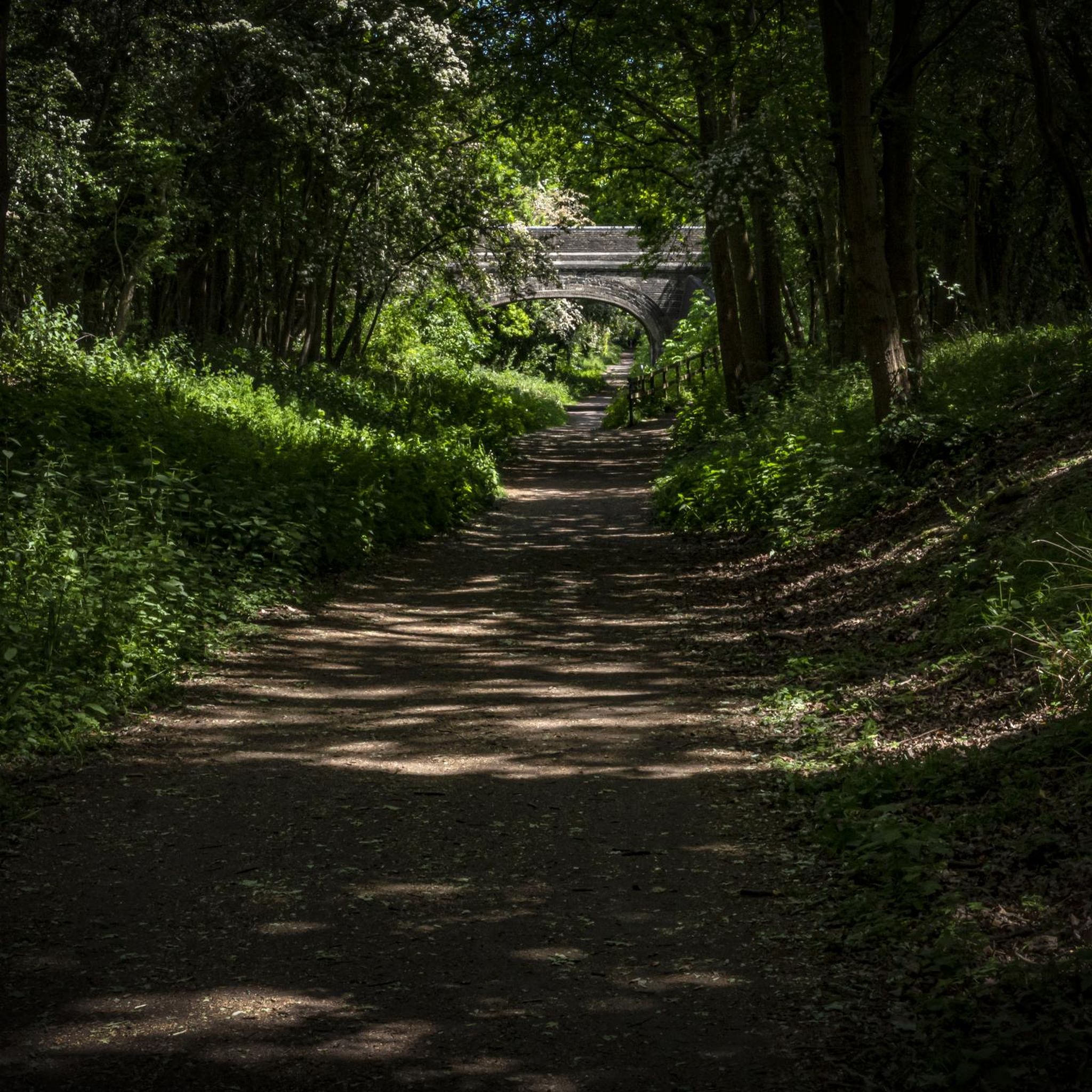
Scenic Country Lane
Highlight (Segment) • Cycleway
Tip by

Parish Church of the Holy Trinity, Takeley
Highlight • Historical Site
Tip by
Sign up for free to discover even more attractions around Little Canfield.
Sign up for free
Already have an account?
Start today with a free account
Your next adventure awaits.
Login or Signup
Tips from the Community

It is a small church with a small cemetery. It is a bit hidden away among the trees.
2
0

Brilliant cafe in High Easter - great place for a cafe stop on a ride through Essex. Well worth checking out
0
0


Scenic route but narrow with frequent piles of loose stones in the middle of the road so watch your line especially in the corners.
0
0

Hatfield Forest is an ancient royal hunting forest, and considered to be one of the best-preserved medieval forests in the world. In the past, deer were kept in the forest for hunting. Today you'll find deer aplenty still, though no longer pursued for the same reason. The forest boasts ancient trees, over 3,500 species of fungi, rare insects and a diverse array of birdlife. There's also a beautiful lake, café and river that meanders through.
1
0

If heading northbound, watch out for the hill you hit at Pinchpools Farm. An absolute gut-buster to get up. Obviously fly down as fast as you dare southbound. The wind can be a killer up on the northerly plain.
1
0

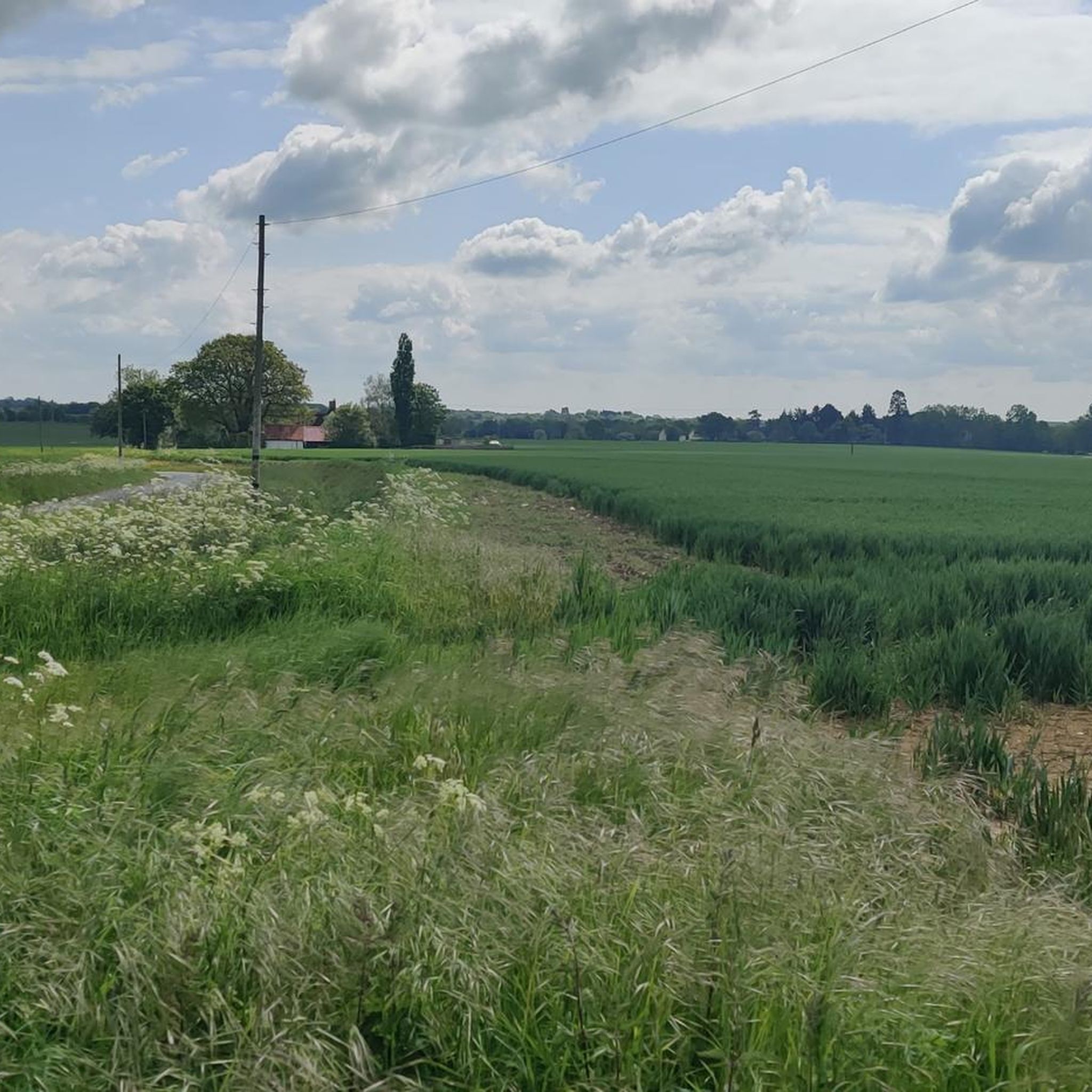
Stunning section of connected lanes where you'll hardy see a car. Lots of opportunities for great photos.
2
0
Frequently Asked Questions
What natural attractions can I explore near Little Canfield?
Little Canfield offers several natural attractions. The most prominent is Hatfield Forest Lake, located within Hatfield Forest, a well-preserved medieval royal hunting forest known for its ancient trees, diverse wildlife, and a picturesque lake. Additionally, The Flitch Way, a linear country park built on a former railway line, provides a popular route for walking, cycling, and horse riding, contributing to the area's biodiversity. The village is also nourished by the upper stretches of the River Roding.
Are there any historical sites or landmarks to visit in Little Canfield?
Yes, Little Canfield is rich in history. You can visit All Saints Church, a Grade II listed building with Norman architectural elements and 14th-century features. Other notable historical sites include Little Canfield Hall, a 16th-century timber-framed hall, and the remnants of Canfield Moat, a medieval site. Nearby, in Bush End, is St John the Evangelist Church, and in Great Canfield, you can explore the earthworks of Canfield Castle, a Norman motte and bailey fortification. The Parish Church of St Mary the Virgin also offers a glimpse into the area's past with its 12th-century origins and 15th-century additions.
What walking and cycling opportunities are available around Little Canfield?
The area around Little Canfield is excellent for outdoor activities. The Flitch Way, a linear country park, is ideal for walking, cycling, and horse riding. You can also find a Scenic Country Lane, a section of connected lanes with minimal traffic, perfect for cycling and photography. For more structured routes, komoot offers several guides, including Cycling around Little Canfield and Gravel biking around Little Canfield, featuring routes like the 'Flitch Way — East section' and 'Flooded Road – Hellman's Cross Stocks loop'.
Are there family-friendly activities or places to visit in Little Canfield?
Absolutely. Hatfield Forest Lake and the surrounding Hatfield Forest are great for families, offering space to explore, observe wildlife, and enjoy nature. The Flitch Way is also suitable for family walks and bike rides. For a break, The Snug at High Easter is a friendly, cycling-friendly café with seating and a selection of food and drinks, welcoming visitors of all ages.
Where can I find a good cafe or pub near Little Canfield attractions?
For a friendly stop, consider The Snug at High Easter, a café known for its welcoming atmosphere and good selection of food and drinks, especially popular with cyclists. The Lion and Lamb Public House in Little Canfield itself is a historic, Grade II listed timber-framed building that has served as a local hospitality fixture since the 17th century.
What is the best time of year to visit Hatfield Forest?
Hatfield Forest is an ecological haven that can be enjoyed year-round. However, for observing the diverse bird population and over 3,500 species of fungi, autumn can be particularly rewarding. Spring brings new growth and vibrant flora, while summer is ideal for enjoying the lake and longer walks. The forest's ancient trees and varied landscape offer beauty in every season.
Are there any easy walking routes suitable for beginners or those seeking a relaxed stroll?
Yes, The Flitch Way, a linear country park, offers relatively flat and easy paths suitable for relaxed strolls. Many of the cycling routes listed in the Cycling around Little Canfield guide are also rated as 'easy' and can be adapted for walking, such as the 'Flooded Road – Hellman's Cross Stocks loop' or the 'Flood-Prone Road loop from Great Dunmow'.
Can I find mountain biking trails near Little Canfield?
Yes, there are mountain biking opportunities nearby. Komoot offers a dedicated guide for MTB Trails around Little Canfield. You can find routes like the 'Great Dunmow trails loop' and 'Great Dunmow to Little Dunmow loop', with options ranging from easy to moderate difficulty.
What is the significance of the timber-framed buildings in Little Canfield?
Little Canfield is notable for its collection of historic timber-framed buildings, which are a significant part of its heritage. Examples include Little Canfield Hall, a striking 16th-century structure with a late 14th-century aisled barn, and The Lion and Lamb Public House, parts of which date back to the 17th century. Other Grade II listed properties like Blatches and Hall Cottage also showcase this traditional architecture, many predating the 16th century, reflecting the village's long history.
Are there any ancient Roman connections in the Little Canfield area?
Yes, the area has ancient Roman connections. The path of Stane Street, an ancient Roman road, runs through the parish. While now largely aligned with the B1256, its presence indicates a history of human activity in the region dating back to pre-medieval times.
Where can I learn more about the local parish history of Little Canfield?
For more detailed information about the local parish history, including its listed buildings and heritage, you can visit the Little Canfield Parish Council website. They provide insights into the village's cultural and historical richness. You can find more information at littlecanfield-pc.gov.uk.
What do visitors enjoy most about the attractions around Little Canfield?
Visitors particularly enjoy the natural beauty and tranquility of places like Hatfield Forest Lake, appreciating its ancient trees, diverse wildlife, and picturesque setting. The Scenic Country Lane is praised for its quiet, connected stretches, offering great opportunities for photography and peaceful cycling. The friendly atmosphere and good selection of food and drinks at places like The Snug at High Easter are also highly valued by visitors, especially cyclists.
Most popular routes around Little Canfield

Get inspired with the komoot mobile app


Explore more
Still not found the Highlight you’re looking for? See guides of the top attractions in other regions:
