Top 20 Natural Monuments around Budleigh Salterton
Best natural monuments around Budleigh Salterton are found within the East Devon Area of Outstanding Natural Beauty and the Jurassic Coast World Heritage Site. This region features striking red cliffs, pebble beaches, and significant estuaries. The landscape offers insights into Earth's geological past, with Triassic-aged sedimentary rocks and unique fossil discoveries. It also provides diverse habitats for wildlife, including numerous bird species and wild beavers.
Best natural monuments around Budleigh Salterton
- The most popular natural monuments is Otter Estuary Nature…
Last updated: September 29, 2026
Otter Estuary Nature Reserve
Highlight (Segment) • Natural Monument
Tip by

Orcombe Point and the Geoneedle
Highlight • Viewpoint
Tip by

Sign up now to discover places like this
Get recommendations on the best single tracks, peaks, & plenty of other exciting outdoor places.
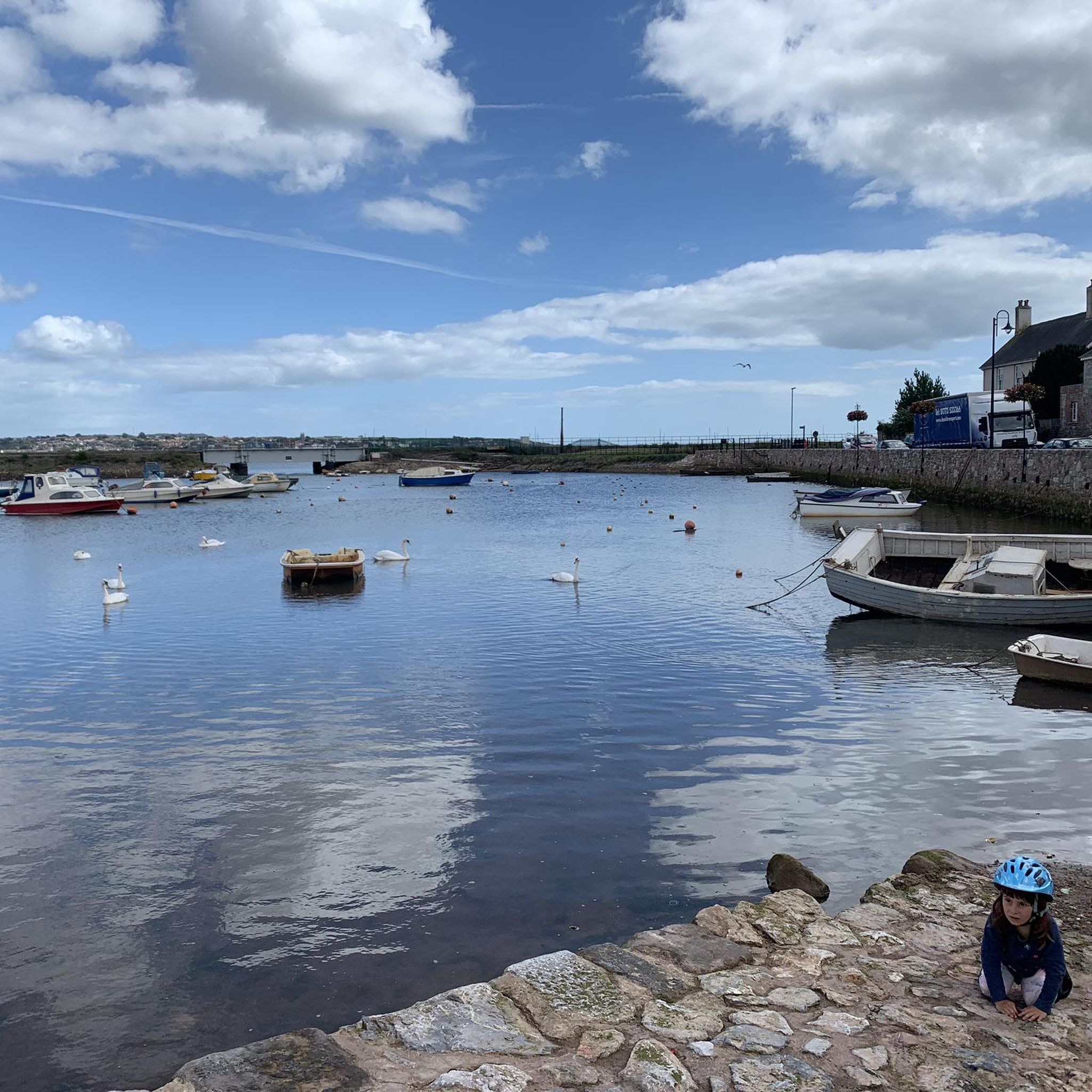
Cockwood Harbour
Highlight • Viewpoint
Tip by

Ladram Bay Sea Stacks
Highlight • Viewpoint
Tip by
Woodbury Castle — Iron Age hillfort
Highlight • Forest
Tip by
Sign up for free to discover even more natural monuments around Budleigh Salterton.
Already have an account?
Start today with a free account
Your next adventure awaits.
Popular around Budleigh Salterton
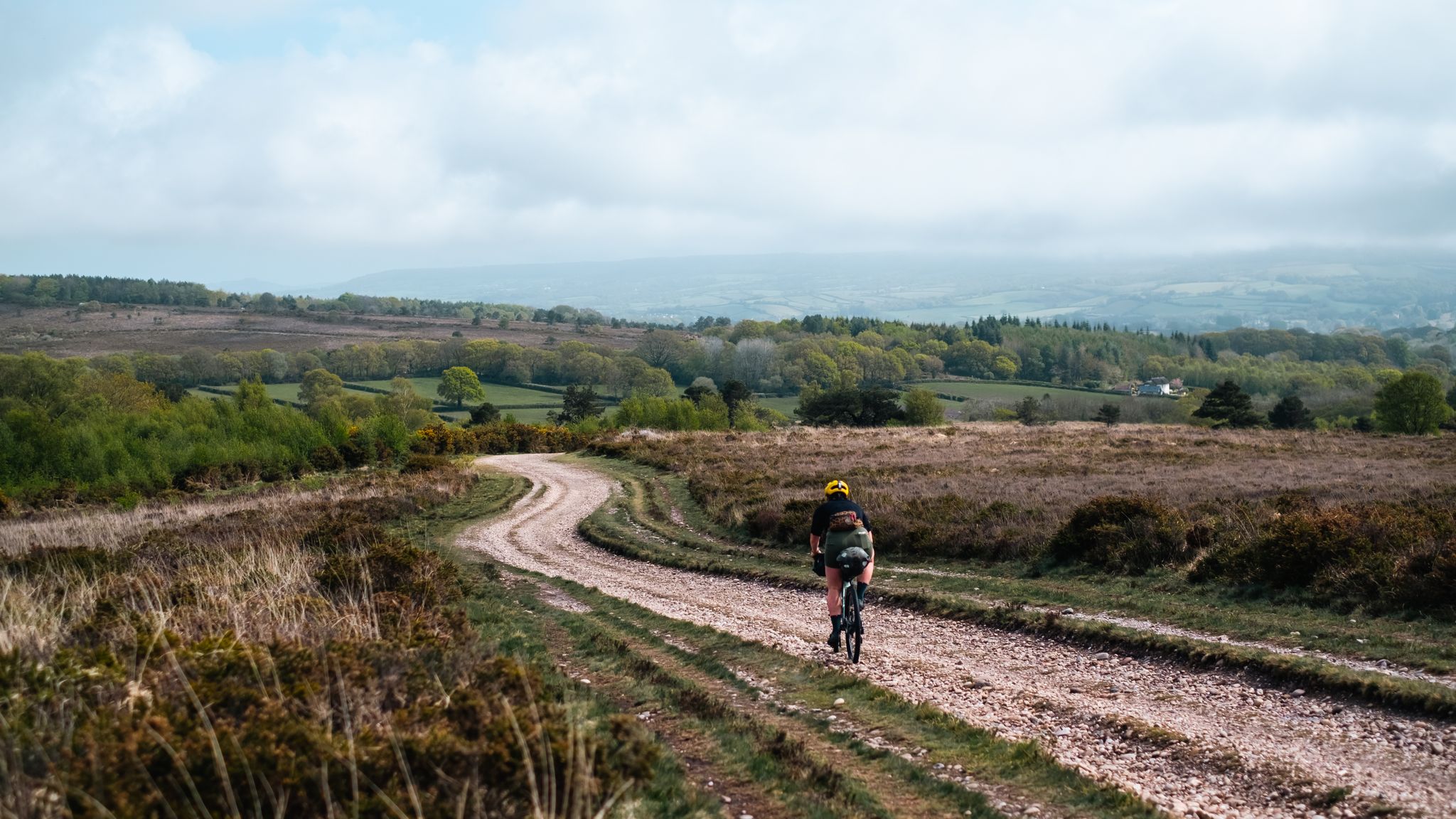
East Devon Trail — wildlife spotting from coast to country
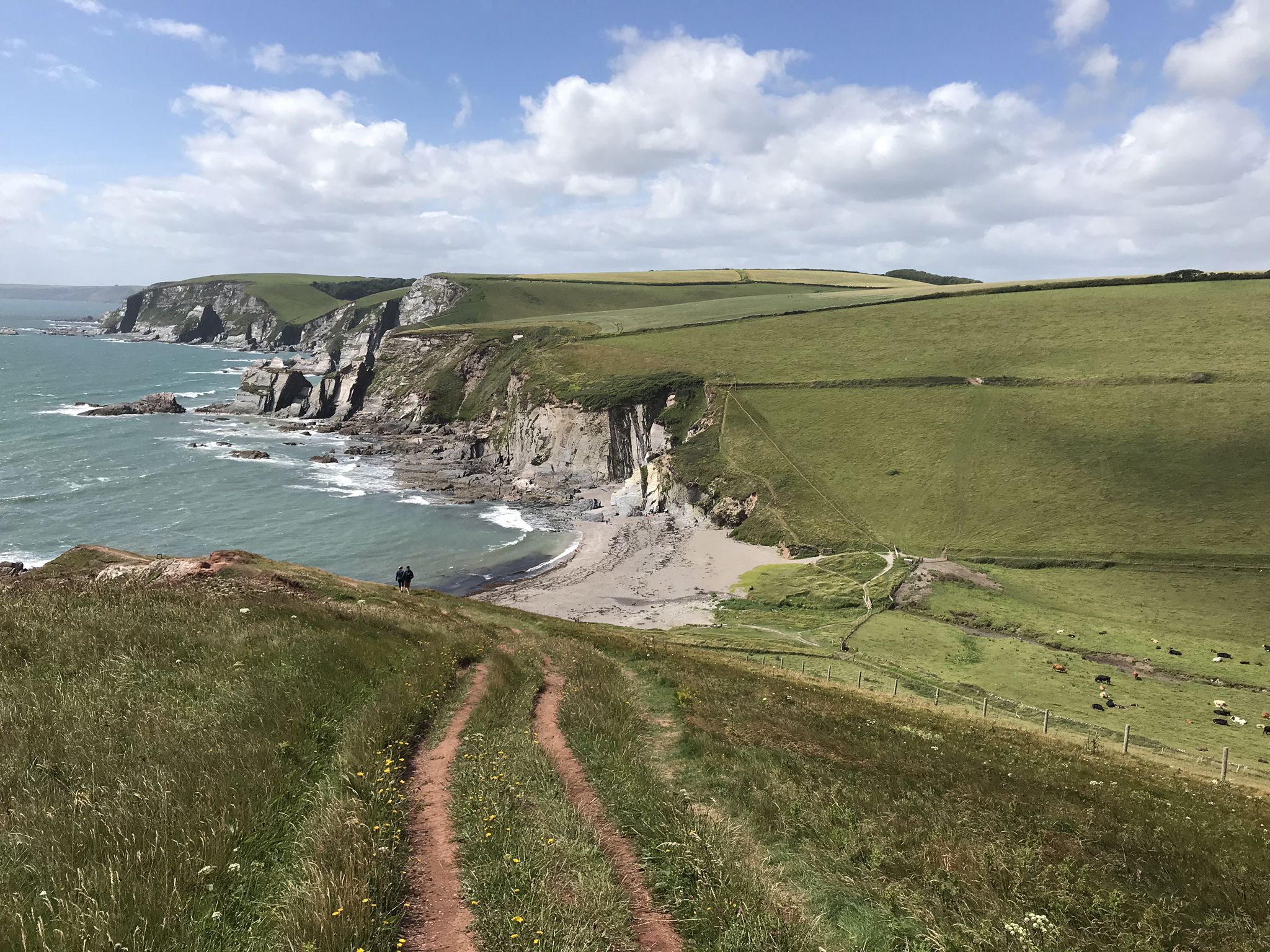
E9 Plymouth to Dover — An epic exploration of England's south coast
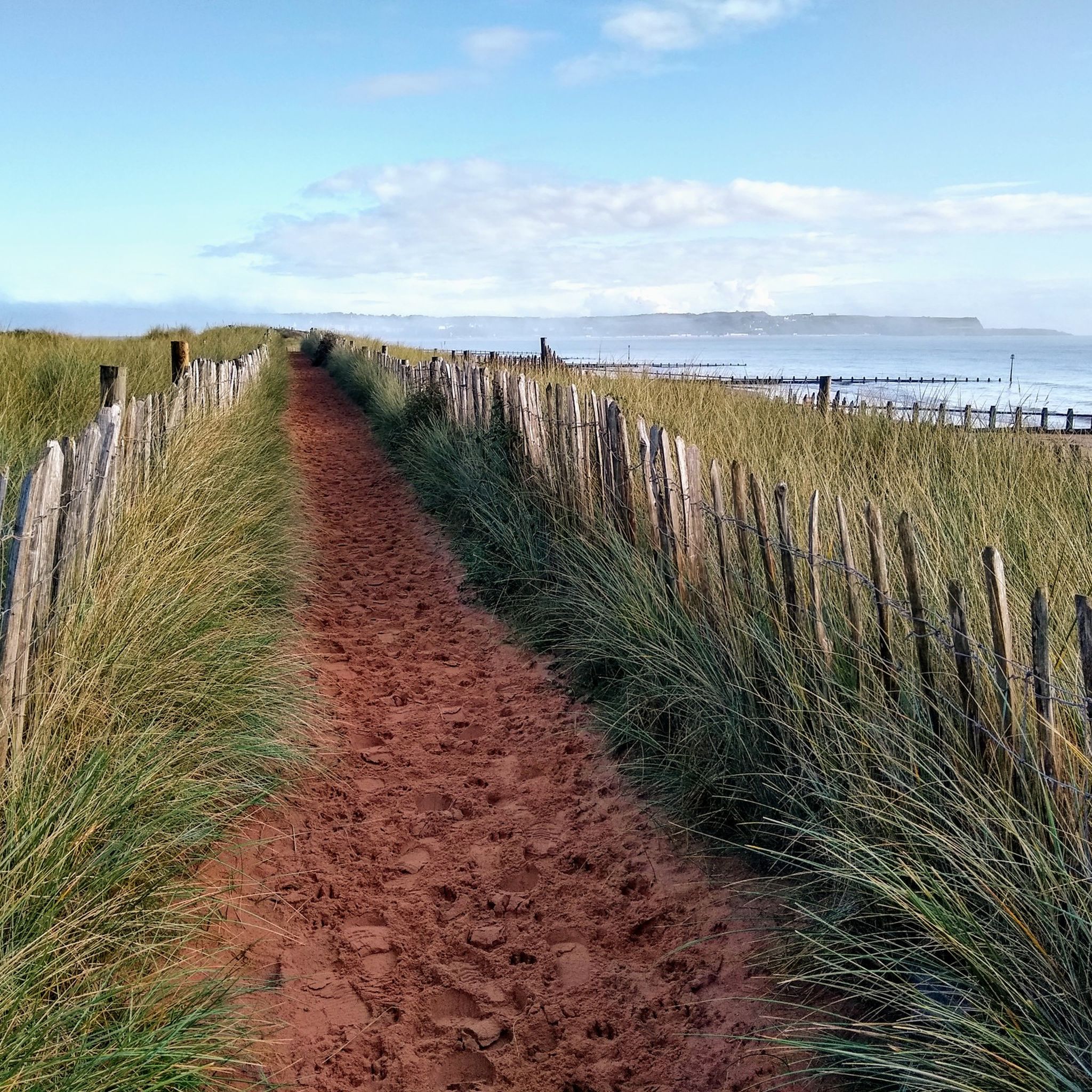
Hiking around Budleigh Salterton
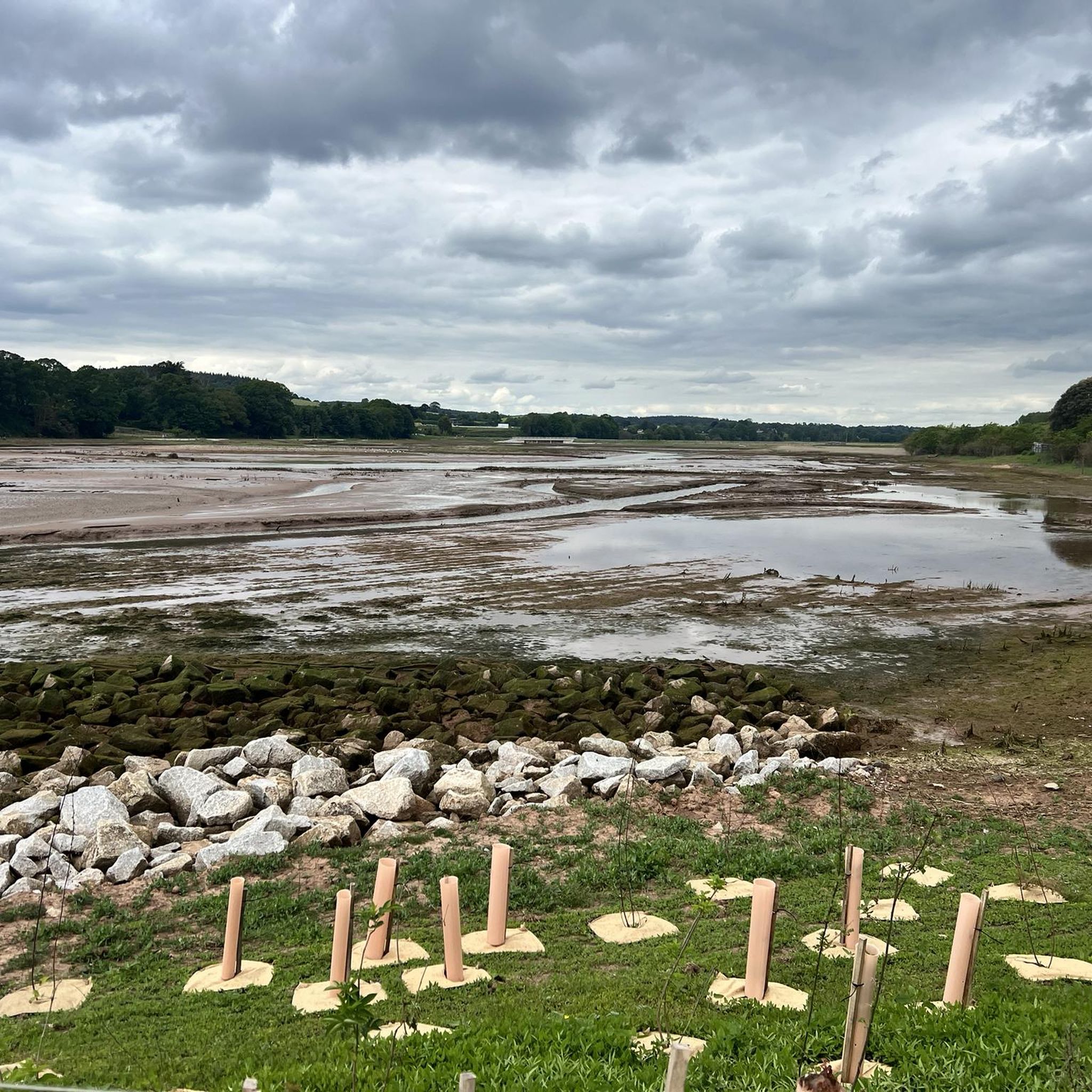
Road Cycling Routes around Budleigh Salterton
Running Trails around Budleigh Salterton
Cycling around Budleigh Salterton
MTB Trails around Budleigh Salterton
Gravel biking around Budleigh Salterton


Tips from the Community

Beautiful walk and perfect opportunity to see wildlife
0
0

If you plan ahead, or if you are lucky, you can walk along the beach around Orcombe point when it is low tide. And from down here you are given a different perspective of the red cliffs of the jurrasic coast. The red sandstone cliif tower above you and boulders lay strewn across the beach from landslides in decades gone by. Continue walking the beach, being wedged between the sea and cliffs, but with plenty of space not to scare you, until you reach the slope up to Sandy bay park. Lots of refreshments await you, and the firework sound of gun fire, on a day when the troops test their rifles.
2
0

check the tide. If it's low you can walk back along the. beach. Nice cliffs with plenty of caves and boulders to explore and scramble over.
2
0

Devon, England that marks the start of the Jurassic Coast World Heritage Site. The Geoneedle represents the rock types found along the Jurassic Coast. It was commissioned from artist Michael Fairfax and unveiled by the Prince of Wales in 2002.
2
0
Ladram Bay is a secluded bay with a pebble beach. Among the most impressive sights along the Jurassic Coast are the sea stacks at Ladram Bay. The sandstones contain many vertical fractures and joints that were formed deep in the Earth's crust during past mountain building periods. The sea picked out these planes of weakness to form caves and natural arches that have since collapsed to produce sea stacks. The “Otter Sandstone” that forms the cliffs and sea stacks were deposited in a hot dry climates in the Triassic Period, about 220 million years ago. The stacks are composed of the same rock, which is relatively soft, but they have a harder band of sandstone at their base which prevents their rapid erosion by the sea. The striking red colour of the rock is caused by iron oxide, which indicate that the layers were formed in a desert. The presence of ripple marks and channels in the sandstones, together with the remains of the long-extinct plants, insects, fish, amphibians and reptiles, show that the desert was crossed by fertile river valleys.
1
0
Orcombe Point is a coastal feature near Exmouth, The two beaches are part of a long strip of sand and are connected to each other below Orcombe Point at low tide. Sited high upon the hill, Orcombe Point is marked by the "Geoneedle", which was unveiled by Prince Charles, in 2002. The Geoneedle is constructed from a variety of different stones, representing both the major building stones to be found on the Jurassic Coast and the sequence of rocks that form this part of the coastline.
2
0
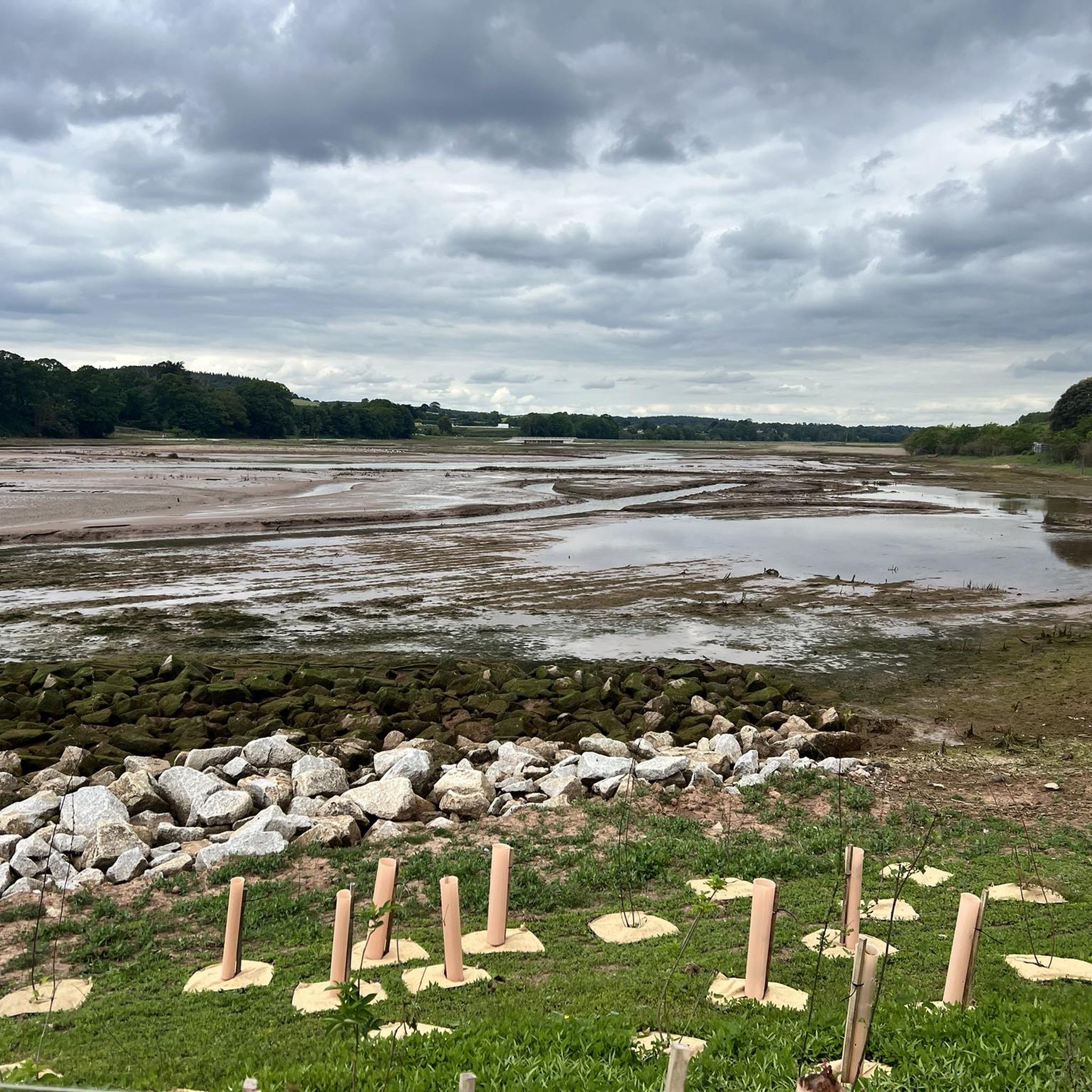
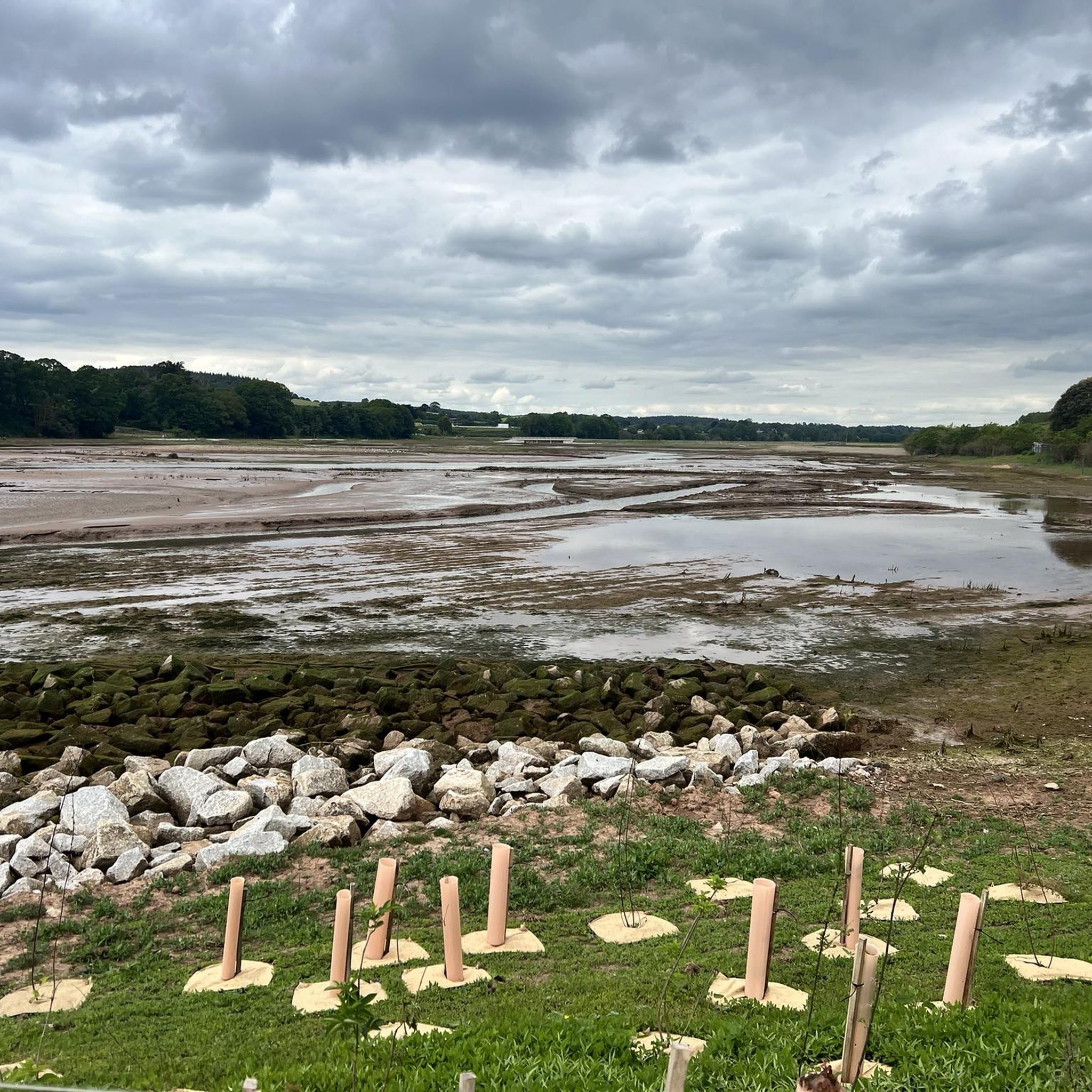
With over 120 species of bird recorded on the site, the River Otter Estuary Nature Reserve is the perfect place for bird watching. The estuary covers around 33 hectares and is a designated site of Special Scientific Interest. The Otter Estuary has an intertidal habitat of mudflats and saltmarshes, making it an ideal home for a number of fish, birds and other marine life. If you have a keen eye, you can often spot things such as mud shrimps and a host of wading birds like the Ringed Plover, Curlew, Black tailed Godwit, Dunlin, Common Sandpiper, Redshank and Brent Goose. Occasionally, you’ll find rarer birds including avocet and glossy ibis. Whatever time of year you visit, you’ll spot something new depending on the birds migratory habits, so every trip is a unique experience. As well as birds, the estuary is a great place for spotting otters and is home to England’s first population of native wild beavers. Around ten years ago, beavers reappeared on the River Otter and now there is a happy and healthy colony of beavers living at the estuary. While visiting, be sure to follow these guidelines: Be considerate of other users, make way when paths are narrow and be quiet and respectful when exploring Take all your litter with you Do not approach any wildlife Keep dogs under control, especially around other people and wildlife Always bag and bin dog waste Cycling is not permitted Watersports are only for the beach, not the estuary to protect wildlife, so please launch any boards or paddles from the beach. Only use the designated areas for BBQs and picnics
2
0

Orcombe Point is the western end of the Jurassic Coast. It's marked by the Geoneedle, a limestone obelisk that represents the different layers of limestone that form the world heritage coastline. There is an explanation of the different layers and the fossil record that you are likely to encounter on the way east. Running along the south-west coast path here is great, the trail is easy to follow and undulating. The hills are sometimes steep but never too long. It does get slippery when wet!
0
0
Frequently Asked Questions
What unique geological features can I explore around Budleigh Salterton?
Budleigh Salterton is renowned for its striking red cliffs and pebble beaches, which are part of the Jurassic Coast World Heritage Site. You can explore the Budleigh Salterton Beach, where the cliffs are composed of Triassic-aged sedimentary rocks, approximately 250 million years old. Further east, the dramatic sea stacks at Ladram Bay, formed from Otter Sandstone, offer another impressive geological sight. The area also features Orcombe Point and the Geoneedle, marking the westernmost point of the Jurassic Coast, with its imposing red walls and a monument built from local geological stones.
Where can I go for birdwatching and wildlife spotting?
The Otter Estuary Nature Reserve is a nationally important site for biodiversity and an excellent spot for birdwatching. It supports over 120 species of birds, including various gulls, kingfishers, egrets, and waders like curlews and black-tailed godwits. Rarer birds like avocets can also be seen. The estuary is also home to England's first wild population of beavers, alongside otters, offering unique wildlife spotting opportunities.
Are there family-friendly natural attractions in the area?
Yes, several natural monuments are suitable for families. Budleigh Salterton Beach is a peaceful pebble beach perfect for paddling and exploring. The Otter Estuary Nature Reserve offers accessible footpaths and viewing hides for nature walks and birdwatching. Additionally, the secluded pebble beach and rock pools at Ladram Bay are ideal for family exploration.
What outdoor activities can I do near these natural monuments?
The area around Budleigh Salterton offers various outdoor activities. You can enjoy walking along the South West Coast Path, which provides incredible cliff-top views of the coastline, including the cliffs at Budleigh Salterton and Ladram Bay. For cycling, the cycling routes around Budleigh Salterton include options like the Budleigh-Exmouth Cycleway. There are also gravel biking routes and road cycling routes available.
When is the best time to visit the natural monuments in Budleigh Salterton?
The natural monuments around Budleigh Salterton can be enjoyed year-round. For birdwatching at the Otter Estuary Nature Reserve, winter is particularly good for spotting wildfowl and waders. The warmer months are ideal for exploring the beaches and coastal paths. Always check local weather conditions before your visit.
Are there accessible trails for wheelchairs or strollers?
Yes, the River Otter Estuary Nature Reserve features an accessible path suitable for wheelchairs and strollers, allowing visitors to enjoy nature walks and birdwatching along the river.
Can I find fossils or learn about paleontology in the area?
Yes, the cliffs at Budleigh Salterton Beach contain unique fossils, such as ancient reptile footprints, dinosaur bones, and fossilized wood. The Otter Sandstone Formation, visible at Ladram Bay, is also one of the world's most important sources of Triassic reptile remains, offering insights into prehistoric life.
What are the parking and public transport options for visiting these sites?
Parking is generally available in Budleigh Salterton town for accessing the beach and nearby coastal paths. For specific natural monuments, it's advisable to check local signage. Public transport, including bus links, connects Budleigh Salterton with nearby towns like Exmouth and Sidmouth, which can provide access to various points along the coast and to the cliffs.
Are the natural sites around Budleigh Salterton dog-friendly?
Many of the natural sites and coastal paths around Budleigh Salterton are dog-friendly, but it's always recommended to keep dogs on a lead, especially in nature reserves or areas with livestock and ground-nesting birds. Specific restrictions may apply to certain beach sections during peak seasons, so check local signage.
Where can I find cafes or facilities near the natural attractions?
Along the flat beachside road at Budleigh Salterton Beach, you'll find plenty of cafes, pubs, restaurants, and public toilets. The village of Cockwood, near Cockwood Harbour, also boasts idyllic pubs where you can relax and enjoy the views.
What makes the red cliffs of Budleigh Salterton so distinctive?
The red cliffs of Budleigh Salterton are distinctive due to their composition of Triassic-aged sedimentary rocks, primarily sandstone and conglomerate, dating back approximately 250 million years. Their vivid red color comes from iron-rich minerals that have oxidized over time, creating a striking visual contrast with the sea and sky.
What is the significance of Orcombe Point?
Orcombe Point and the Geoneedle marks the most westerly point of the Jurassic Coast World Heritage Site. It features imposing red-colored steep walls and the 'Geoneedle' monument, which is constructed from various stones representing the major building stones and the sequence of rocks found along this part of the coastline, offering a tangible connection to the region's deep geological history.
Most popular routes around Budleigh Salterton
Most popular attractions around Budleigh Salterton

Get inspired with the komoot mobile app


Explore more
Extend your search for the best caves by checking out these guides of the top ones around Budleigh Salterton:
