The best cycling routes around Feniton
4.6
(12)
136
riders
25
rides
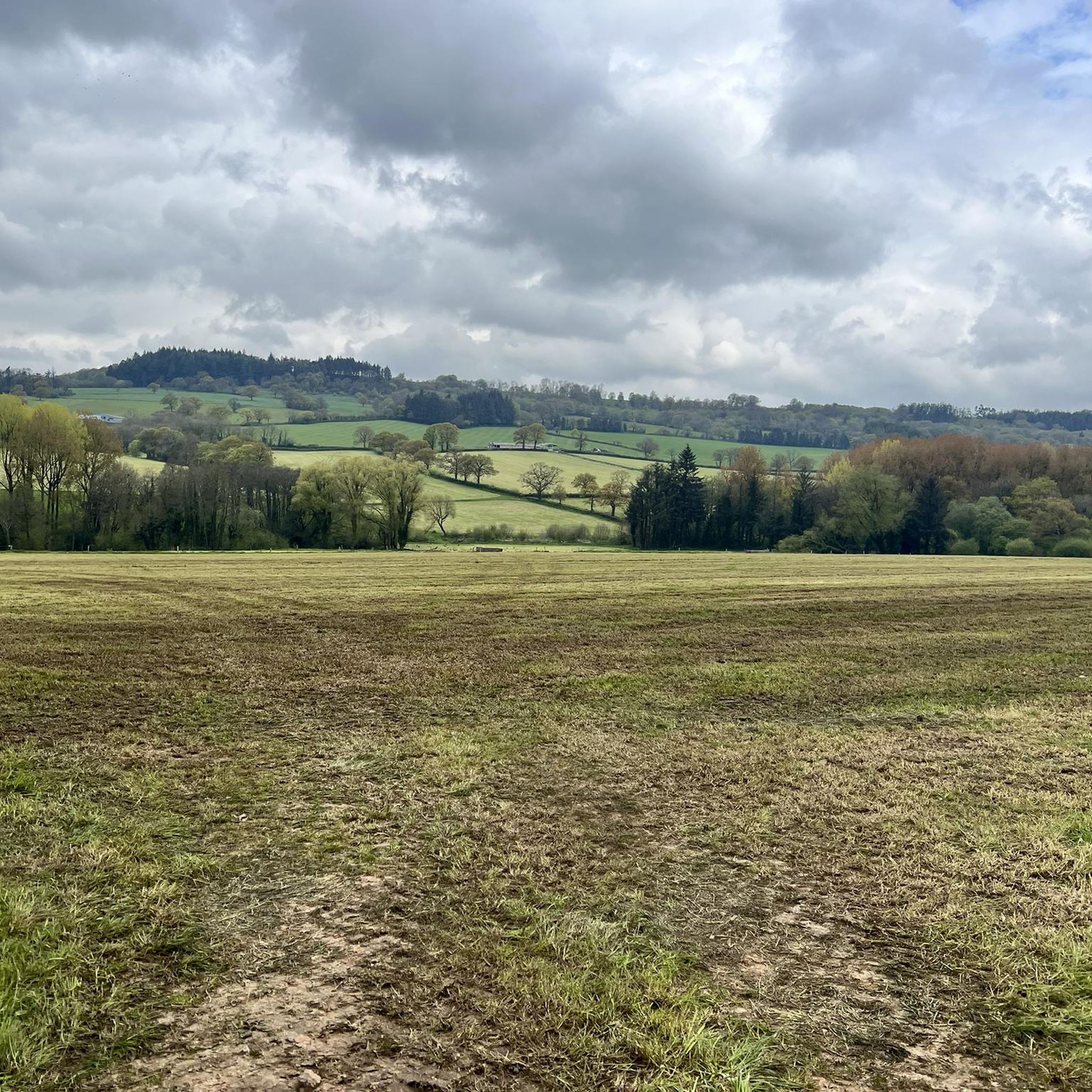
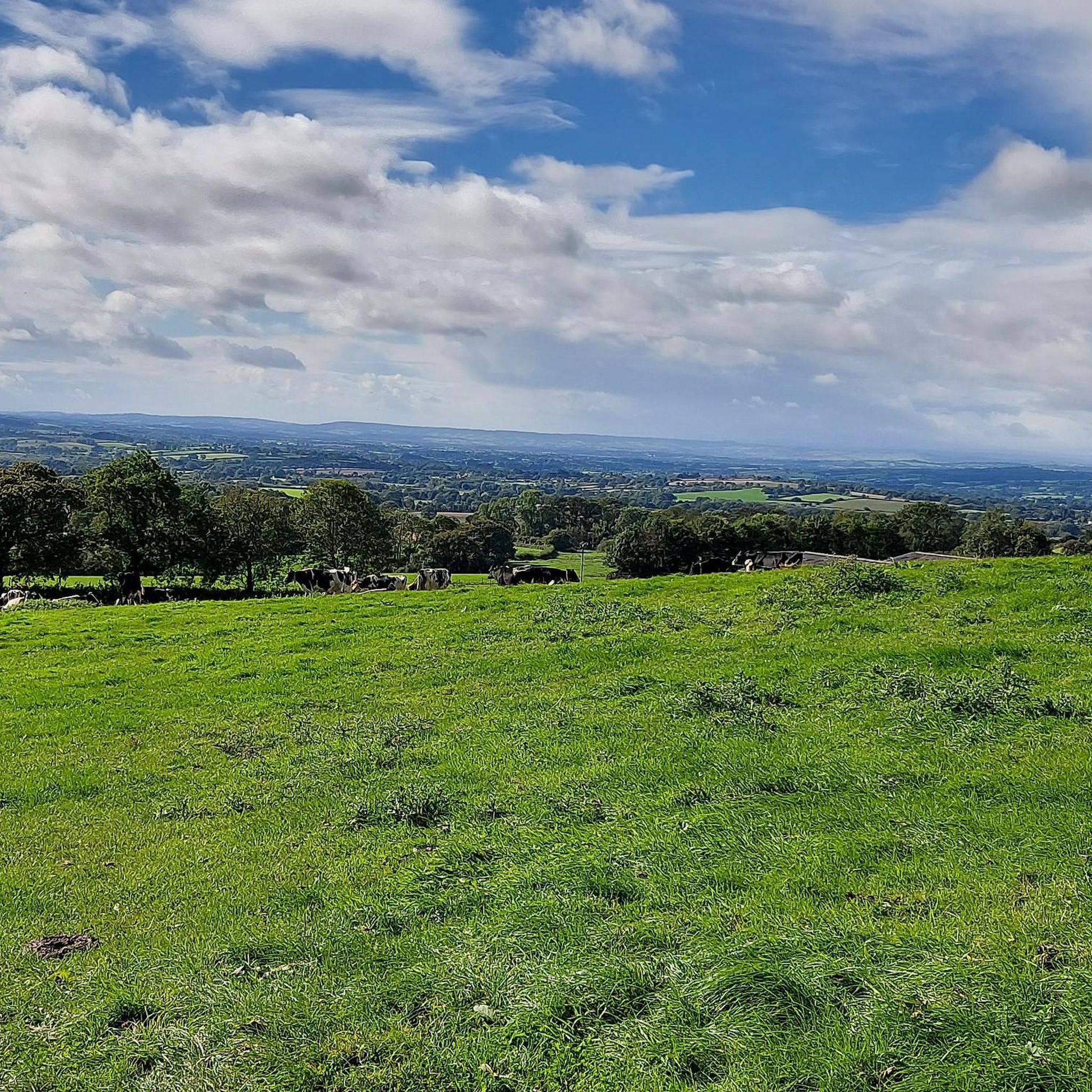
Touring cycling routes around Feniton traverse the diverse landscapes of the Devon countryside, offering a mix of terrain for various skill levels. The area features routes along the River Otter, providing mostly paved surfaces and waterside scenery. Feniton is situated within or provides easy access to the East Devon National Landscape, characterized by rolling hills and wooded areas. Routes can include both paved and unpaved sections, catering to different cycling preferences.
Best touring cycling routes around Feniton
- The most popular…
Last updated: September 30, 2026
5.0
(3)
29
riders
40.2km
02:25
290m
290m
Moderate bike ride. Good fitness required. Mostly paved surfaces. Suitable for all skill levels.
4.5
(4)
19
riders
39.0km
02:23
320m
320m
Moderate bike ride. Good fitness required. Mostly paved surfaces. Suitable for all skill levels.

4.0
(1)
7
riders
Moderate bike ride. Good fitness required. Mostly paved surfaces. Suitable for all skill levels.
11
riders
Moderate bike ride. Good fitness required. Mostly paved surfaces. Suitable for all skill levels.
7
riders
38.5km
02:37
510m
510m
Hard bike ride. Very good fitness required. Mostly paved surfaces. Suitable for all skill levels.
Get access to more routes and recommendations from other explorers.
Already have an account?
Our route recommendations are based on thousands of hikes, rides, and runs completed by other people on komoot.
Start today with a free account
Your next adventure awaits.


Tips from the Community

The cycle path is really good and leads through an idyllic landscape.
0
0

As long as you don't mind getting your feet wet its not too bad. Had been raining all night when I got there. Can imagine its a bit different in winter.
0
0
Rises away from the coast with a series of gentle uphills through beautiful countryside.
0
0

This lovely bike path is now even better having been re-surfaced in many places - but not quite all!
0
0

Harnessing the power of moving water to drive a mill wheel is an ancient invention of human ingenuity, whose origins can be traced back to ancient times. Thanks to such a design, a watercourse – natural or artificial – made it possible to simply replace human or animal muscle power with the power of natural elements, for example, to grind grain into corn or press oil from fruit. There are essentially two drive variants for watermills: * Either the flowing water simply hits the blades of the water wheel from below to set it in motion; or * the water is guided above the wheel – usually through a so-called "mill channel" – and falls onto the blades. This design utilizes natural gravity to achieve greater efficiency.
2
0

Went through today absolutely fine just take it easy on the slopes not to much power or you will get wheel spin 😂😂
0
0

this road becomes flooded would avoid when on yellow 🟡 weather warning cause you might need a boat, but otherwise it's very pretty and worth a visit great pubs for food nearby and air BnB places
3
0
Using the power of moving water to drive a mill wheel is an ancient invention of the human spirit of discovery, the origins of which can be traced back to times long past. Thanks to such a construction, human or animal muscle power could be replaced by the power of the natural elements through a watercourse - natural or artificial - in order to grind grain into corn or press oil from fruit, for example. There are essentially two different ways of driving watermills: * Either the flowing water simply hits the blades of the water wheel from below to set it in motion; or * the water is guided above the wheel - usually through a so-called "mill channel" - and falls onto the blades; this type of construction is more efficient due to natural gravity.
5
1
Frequently Asked Questions
How many touring cycling routes are available around Feniton?
There are over 25 touring cycling routes around Feniton, offering a diverse range of experiences. These routes are highly rated by the komoot community, with an average score of 4.7 stars.
What kind of terrain can I expect on touring cycling routes in Feniton?
The routes around Feniton offer varied terrain, from mostly paved sections along the River Otter to routes with significant climbs and unpaved sections within the East Devon National Landscape. You'll encounter rolling hills, wooded areas, and scenic countryside, catering to different cycling preferences.
Are there easy touring cycling routes suitable for beginners or casual riders?
Yes, Feniton offers several easy touring cycling routes. For example, the area features routes along the River Otter that are generally flatter and mostly paved, making them accessible for various fitness levels. There are 3 routes specifically categorized as easy.
Are there more challenging touring cycling routes around Feniton?
Absolutely. For those seeking a more rigorous challenge, Feniton has 12 routes categorized as difficult. These routes often feature significant elevation gains and may include unpaved sections, providing a taste of gravel riding for equipped cyclists. An example is the River Sid Ford – Byes Toll House, Sidmouth loop from Feniton, which includes over 500 meters of elevation gain.
What natural features or landmarks can I see along the touring cycling routes?
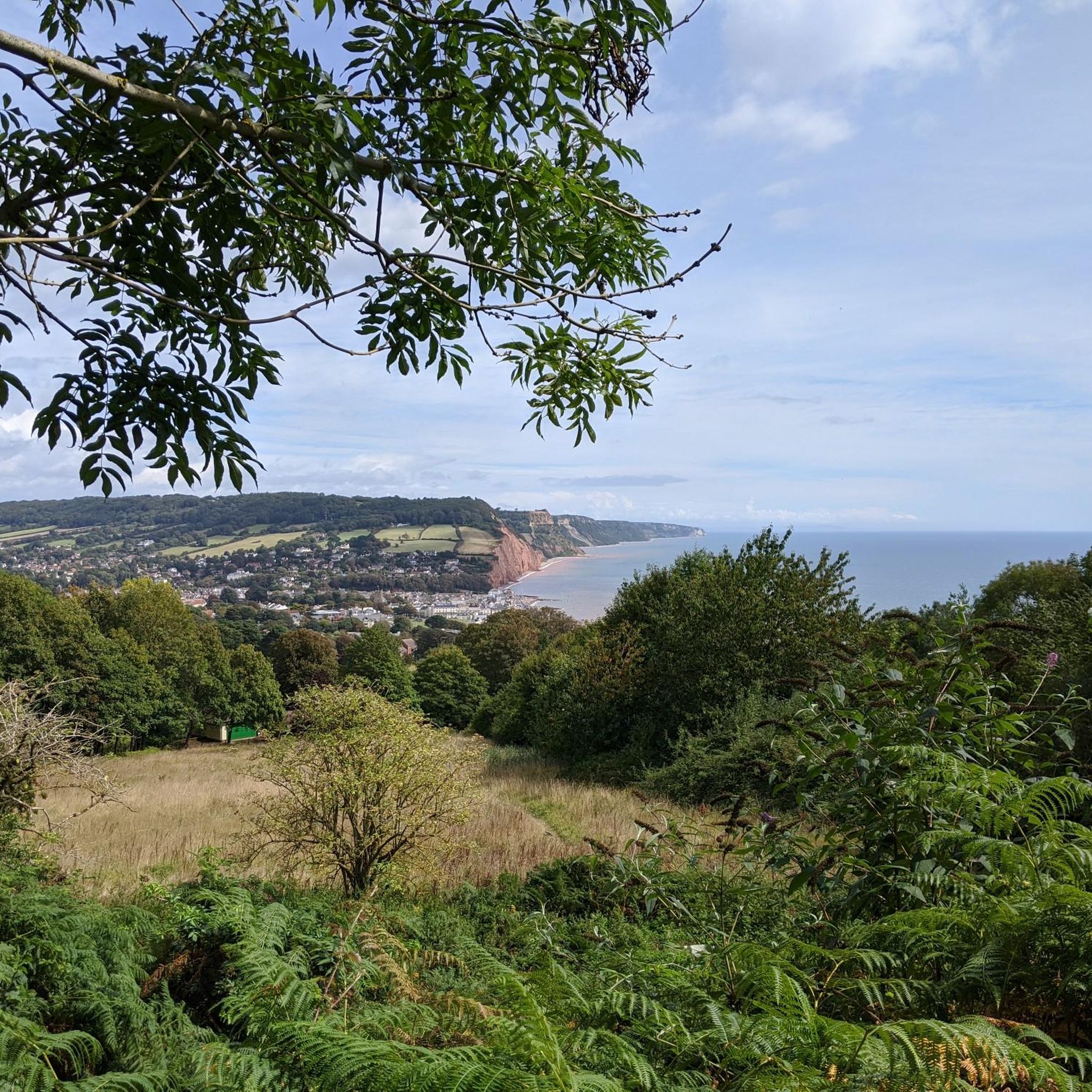
Many routes explore the scenic River Otter valley, offering waterside views. As you venture further, you can discover the beautiful East Devon National Landscape with its rolling hills and wooded areas. Notable highlights include Harpford Woods, The Byes Riverside Walk, and Redbridge Over the River Otter. Some routes also lead towards coastal areas like Budleigh Salterton Beach or Salcombe Hill Cliff.
Are there any circular touring cycling routes in Feniton?
Yes, many of the touring cycling routes around Feniton are designed as loops, allowing you to start and finish in the same location. Examples include the popular River Otter Bike Path – Budleigh Salterton Beach loop from Feniton and the River Otter at Ottery St Mary – Talaton Pub loop from Feniton.
Are there family-friendly touring cycling routes in Feniton?
While specific 'family-friendly' designations aren't always explicit, the easier, mostly paved routes along the River Otter are generally suitable for families. These offer a more relaxed cycling experience away from heavy traffic, allowing for enjoyable rides with children.
Can I bring my dog on touring cycling routes in Feniton?
Many public paths and bridleways in the Devon countryside are dog-friendly, provided dogs are kept under control, especially around livestock. It's always best to check local signage and respect private land. Routes that stick to quieter roads or dedicated paths are generally more suitable for cycling with a dog.
Where can I park my car when cycling in Feniton?
Feniton village itself offers parking options. For specific routes, it's advisable to check the starting point for available parking facilities. Many routes begin from accessible points within or near the village, making it convenient to park and start your ride.
Is Feniton accessible by public transport for cyclists?
Feniton has a train station, which can be a convenient option for cyclists looking to access the area. It's recommended to check the specific train operator's policy regarding bicycles, as space can be limited, especially during peak times. Local bus services may also connect to nearby towns, but bike carriage can vary.
Are there places to stop for refreshments along the touring cycling routes?
Yes, several routes pass through or near villages and towns like Ottery St Mary, which offer opportunities for refreshment. The River Otter at Ottery St Mary – Talaton Pub loop from Feniton, for instance, passes through Talaton, suggesting pub stops. The broader Devon countryside is known for its local amenities, including cafes and pubs, catering to cyclists.
What do other touring cyclists say about the routes in Feniton?
The touring cycling routes in Feniton are highly regarded by the komoot community, boasting an impressive average rating of 4.7 out of 5 stars from over 10 reviews. More than 150 touring cyclists have already explored the varied terrain using komoot, often praising the scenic beauty of the River Otter valley and the diverse landscapes of the East Devon National Landscape.
Most popular attractions around Feniton

Get inspired with the komoot mobile app


Explore more
Browse the best Cycling routes in other regions.
