The best walks and hikes around Pillerton Hersey
4.5
(541)
3,873
hikers
202
hikes
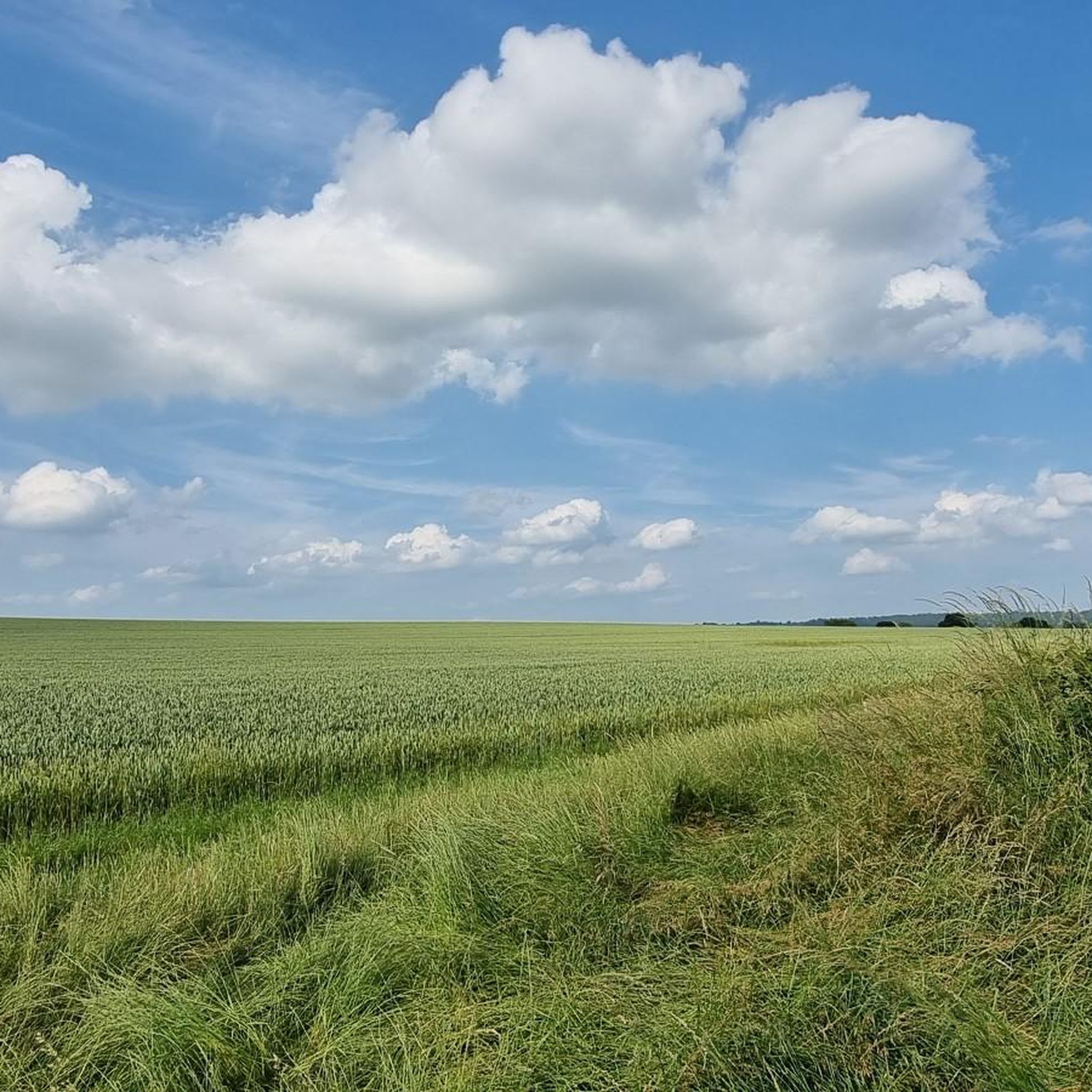
Hiking around Pillerton Hersey explores the rolling countryside of South Warwickshire. The landscape features gentle hills, historic parklands, and meandering waterways like the River Dene and Compton Pools. A network of public footpaths and bridleways crosses open pastures and woodlands such as Stokeyleys Coppice, offering varied terrain. The area is characterized by its rural environment and minor valleys.
Best hiking trails around Pillerton Hersey
- The most popular hiking route is Compton Pools – Stone Bridge at Compton Verney loop from…
Last updated: September 28, 2026
4.7
(13)
69
hikers
6.75km
01:47
70m
70m
Easy hike. Great for any fitness level. Easily-accessible paths. Suitable for all skill levels.
12
hikers
3.35km
00:54
40m
40m
Easy hike. Great for any fitness level. Easily-accessible paths. Suitable for all skill levels.

5.0
(1)
24
hikers
7.66km
01:57
20m
20m
Easy hike. Great for any fitness level. Easily-accessible paths. Suitable for all skill levels.
4.3
(4)
11
hikers
11.7km
03:06
120m
120m
Moderate hike. Good fitness required. Easily-accessible paths. Suitable for all skill levels.
7
hikers
6.90km
01:51
80m
80m
Easy hike. Great for any fitness level. Easily-accessible paths. Suitable for all skill levels.
Get access to more routes and recommendations from other explorers.
Already have an account?
Our route recommendations are based on thousands of hikes, rides, and runs completed by other people on komoot.
Start today with a free account
Your next adventure awaits.
Tips from the Community

There are great views of 'Compton Pools' from many vantage points along this route. The pools are really lakes as they were turned into a single expanse of water by Lancelot Capability Brown circa 1769. The hills, the house and the bridges provide a beautiful backdrop to the lakes.
1
0
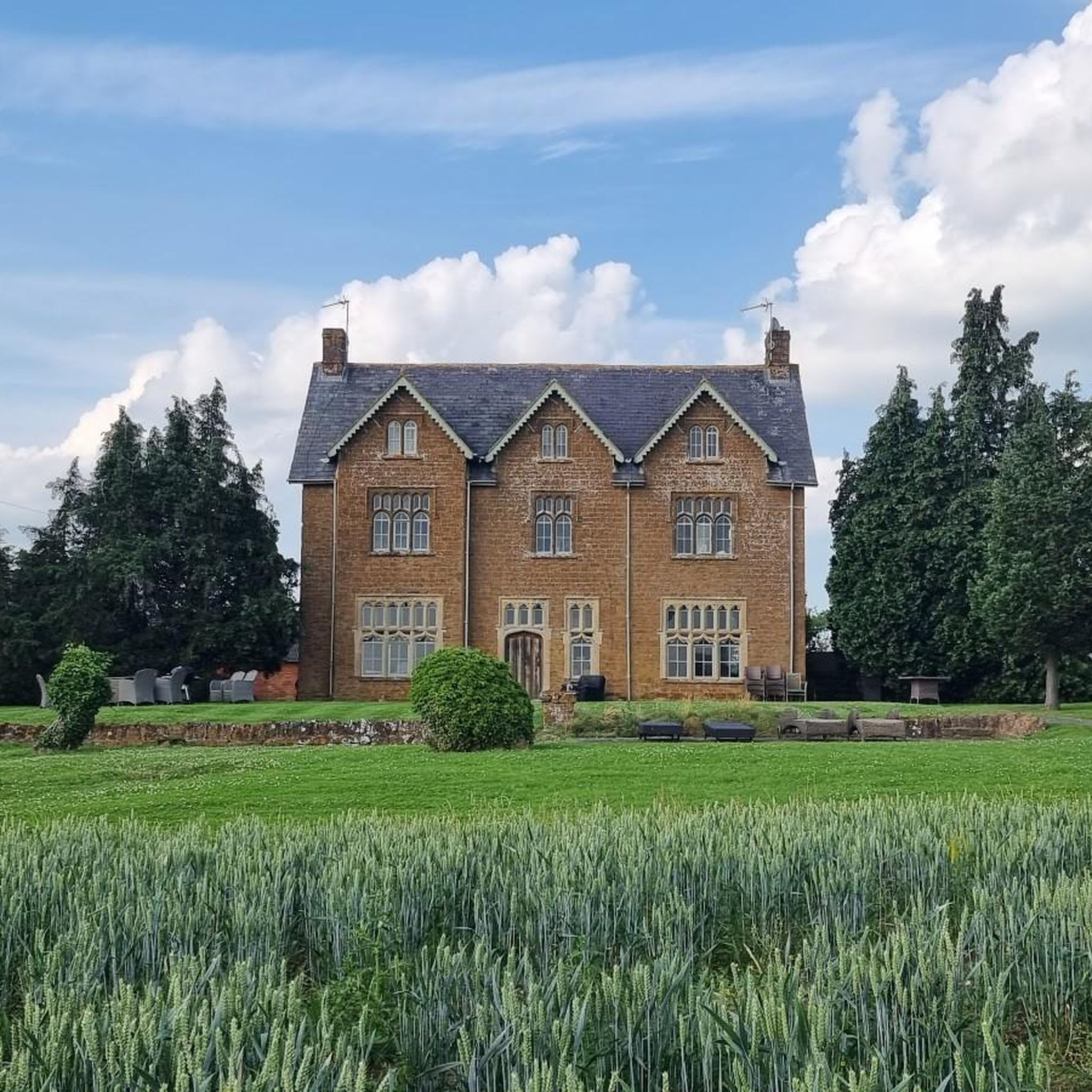
"Combroke Village is also known as Combrook and, less frequently, as Combrooke. Its history is closely linked with that of the nearby Compton Verney estate, for which it once served as the estate village, providing living accommodation for a number of the servants. The village dates from at least the time of Henry I, circa 1086, when a small medieval church was built in the village. There is, however, no separate reference to it in the Domesday book. By 1279, following a stocktaking by Edward I known as the Hundred Rolls, Combrook was identified as located in the Kineton hundred. It remained part of the Kineton parish until 1858, when it was separated from Kineton and united with the ecclesiastical parish of Compton Verney. A number of the buildings in the village have a similar style, most easily seen in the church. The original church was modified in Tudor times, with the chancel being rebuilt again in 1831. The present building was erected in 1866, to a design by John Gibson, paid for by the Dowager Lady Margaret Willoughby de Brook of Compton Verney, keeping the existing chancel. John Gibson went on to design the Victorian neo-Elizabethan estate houses and the horse drinking troughs in the village in the same style as that of the church. A number of the other houses in the village are thatched, with clear signs of original thatched roofs visible on several other dwellings. Until the sale of the Compton Verney estate in 1929, Combrook was a "closed" village, entirely owned by the Lord of the Manor, who could determine who lived there, and Combrook today is still considered to be one of the best-preserved estate villages in the country. The largest house in Combrook once served as the school, and there has been a school on the site since at least 1641. The building which now serves as the village hall was built as the village school in 1855, and seems to have served as a design template for John Gibson's style for the church and estate houses. The village school was closed in 1966." Source: Wikipedia https://en.wikipedia.org/wiki/Combrook
1
0
"The church of St Mary & St Margaret at Combrook is an entirely 19th century creation but one of considerable charm and eccentricity. Most of it dates from 1866 to the design of John Gibson, though the chancel remains from a simpler structure of 1831. The church is unusual in both it's shape and detailing, from the wide but low-pitched facade to the multi-gabled aisle walls. The west door and bell turret above are adorned with somewhat over-large demi-figures of angels. The stonework attractively blends white stone with rich golden-brown ironstone details. The interior is dark and largely brick-lined with some small stained glass windows by Willement, Powells and Burlison & Grylls." Source: https://warwickshirechurches.weebly.com/combrook---ss-mary--margaret.html
1
0

Great, just great. Awesome food, dedicated off road bike parking, e-bike charging.
0
0
Great food and dedicated spaces for bike off the Main Street. Also has charger for e-bikes.
0
0

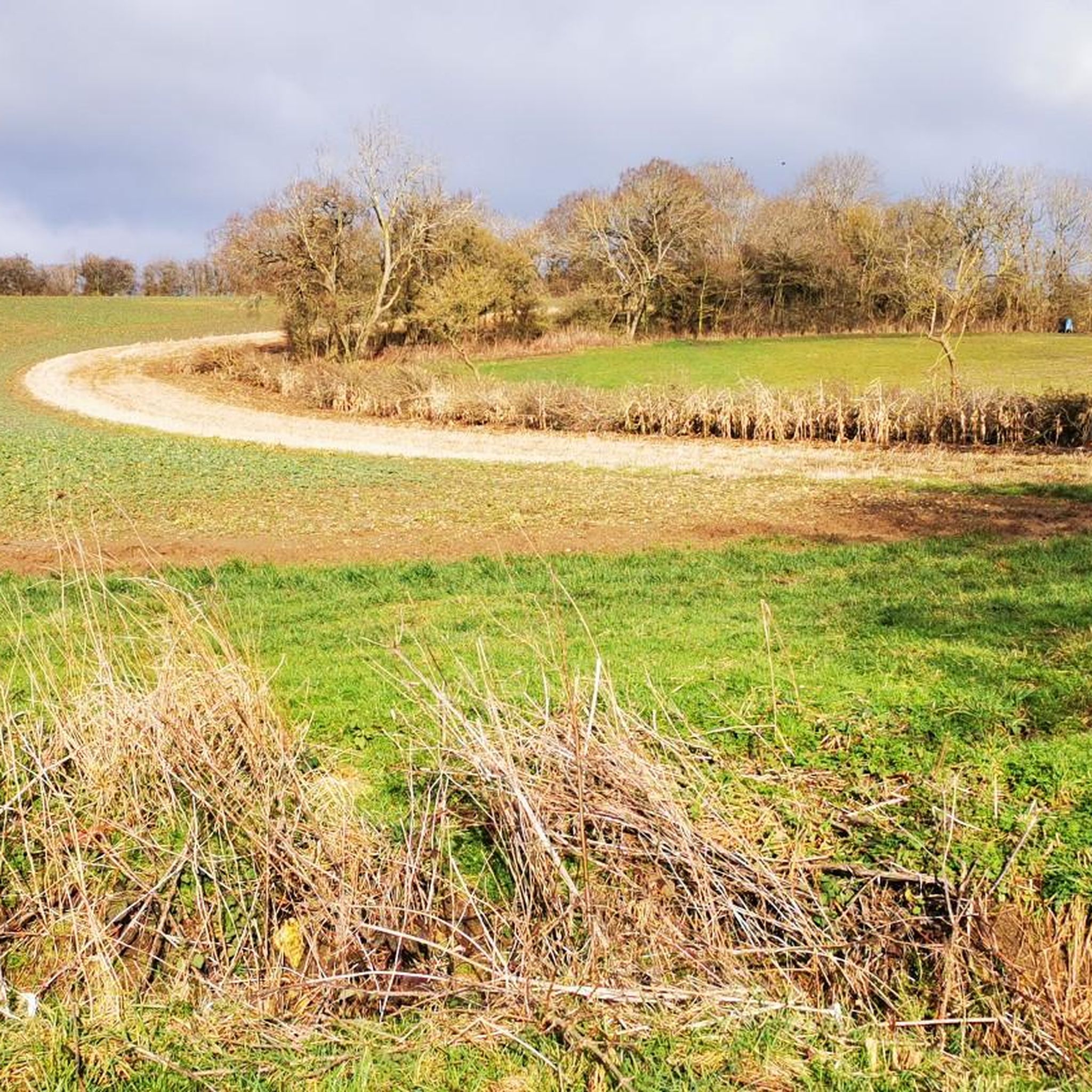
There is a nice climb up to this point on Blue Lane, from either side, where you can get the best views of the surrounding landscape. I would recommend cycling from the Loxley side as it is steep at first, levelling out as you go through the village, then rising gently up Long Hill till you get to the final kick-up at the end.
1
0

Runway: 850 grass Just E of Combrook village which is E of the B4455 and S of the B4086. About 1nm WNW of Kineton, and roughly 3nm SE of WELLESBOURNE MOUNTFORD airfield
0
0
Lobbington Meadow is an unimproved species-rich hay meadow which faces north east on the banks of the River Dene and exhibits ridge and furrow topography. The meadow overlies Lias clays and shales which have given rise to a calcareous soil. This is reflected in the herb-rich vegetation which is the lady’s bedstraw Galium verum variant of the crested dog’s-tail Cynosurus cristatus-common knapweed Centaurea nigra grassland. This grassland type was once widespread and common in some parts of Britain, particularly the Midlands, but due to agricultural improvement it has declined severely during the twentieth century. In several counties in the East Midlands it has almost disappeared and in Warwickshire very few sites are known. The meadow has an exceptionally herb-rich tight sward and the density of herbs is very striking. Among the wide range of grass species present, characteristically none appear dominant. The most abundant species are crested dog’s-tail, red fescue Festuca rubra, common bent Agrostis capillaris and sweet vernal grass Anthoxanthum odoratum. Yellow oat-grass Trisetum flavescens, quaking grass Briza media and meadow barley Hordeum secalinum are also frequent. Herbs characteristic of this type of grassland and found in abundance in this meadow include common knapweed and lady’s bedstraw and locally abundant, spiny restharrow Ononis spinosa, salad burnet Sanguisorba minor and pepper saxifrage Silaum silaus. Cowslips Primula veris are frequent and dwarf thistle Cirsium acaulon, is occasional. County rarities present m the meadow include dropwort Filipendula vulgaris and green-winged orchid Orchis morio. 4.68 ha Site of Special Scientific Interest (SSSI)
0
0
Frequently Asked Questions
Are there many circular walks starting near Pillerton Hersey?
Yes, the area is well-suited for circular hikes, allowing you to start and end in the same place without retracing your steps. Many routes explore the surrounding fields and quiet country lanes. A good example is the Green Farm Airstrip (Disused) – Butlers Marston Round Hill loop from Combrook, which offers a varied experience through the local landscape.
What are the trails like? Is it hilly?
The landscape around Pillerton Hersey is characterized by classic English countryside with gentle, rolling hills rather than steep mountains. Hikes often involve gradual ascents that open up to rewarding panoramic views over South Warwickshire. You'll encounter a mix of field paths, quiet lanes, and tracks across open pastures.
Are the walking routes suitable for dogs?
Many of the footpaths are dog-friendly, traversing open countryside perfect for walking with a four-legged friend. However, routes often cross agricultural land with livestock, so it's essential to keep your dog on a lead where required. Parks like the highly-regarded Burton Dassett Hills Country Park are also popular for dog walking.
Can I find any easy, family-friendly walks?
Definitely. There are numerous shorter, flatter walks suitable for families. For a very accessible option, consider the Compton Pools loop from Combrook. At just over two miles, it's a manageable stroll that still provides the beautiful scenery of the Compton Verney estate.
Where can I park to start a walk?
Parking is typically found in the villages that serve as trailheads, such as Pillerton Hersey, Combrook, or Ettington. Some routes may start near a pub with a car park for patrons. For walks in country parks like Burton Dassett Hills, there are usually dedicated pay-and-display car parks available.
Are there any walks that include a good pub?
While there are no pubs directly in Pillerton Hersey, several nearby villages on the walking network have them. You can easily plan a route that starts or finishes in a village like Ettington or Middle Tysoe to incorporate a pub stop. For example, some trails pass near The Peacock Pub in Middle Tysoe.
What are some notable landmarks or scenic spots I might see?
The area is rich with scenic and historic points. Many walks offer views of the 18th-century mansion and 'Capability' Brown parkland at Compton Verney. You can also walk a section of the ancient Roman Fosse Way. For dramatic, sweeping views, the ironstone hills of Burton Dassett Hills Country Park are a major local highlight.
How many hiking trails are there around Pillerton Hersey?
There is a wide selection of routes to choose from, with over 200 trails mapped around Pillerton Hersey. The majority are rated as easy or moderate, making the area accessible for most fitness levels, though a few challenging options exist for those seeking a longer trek.
What do other hikers say about the routes in this area?
The trails around Pillerton Hersey are highly rated by the komoot community. Hikers often praise the quintessential English rural scenery, the peaceful atmosphere of the trails, and the beautiful parkland surrounding Compton Verney.
Are there any trails that go through woodlands?
Yes, several routes incorporate sections of woodland. For a hike that specifically features this type of scenery, try the Stokeyleys Coppice – Boundary Covert loop from Ettington CP. This trail balances open field paths with pleasant walks through local coppices.
Can I get to the trailheads using public transport?
Pillerton Hersey is a small rural village, so public transport options are limited. Bus services connect to larger nearby towns like Stratford-upon-Avon and Banbury, but they may be infrequent. Starting a walk from a larger village on a bus route, such as Ettington, is often the most practical approach if you are not driving.
Most popular attractions around Pillerton Hersey

Get inspired with the komoot mobile app


Explore more
Browse the best Hikes in other regions.
