Attractions and Places To See around Chardstock - Top 20
Best attractions and places to see around Chardstock, a village on Devon's eastern border, offer a mix of historical sites, natural beauty, and cultural points of interest. Situated within the Blackdown Hills Area of Outstanding Natural Beauty, the area features rolling farmland, woodlands, and rivers like the Kit and Axe. Notable landmarks include St Andrew's Church and the historic Chardstock Court. The region provides diverse opportunities for exploration, from ancient forts to tranquil nature reserves.
Best attractions and places to see around Chardstock
- The most popular attractions is Pilsdon Pen Summit and Trig Point, a natural monument that offers extensive views over the Dorset countryside. This site also features an Iron Age fort, with archaeological findings dating back 10,000 years.
- Another must-see spot is Castle Neroche Iron Age Hill Fort, a historical site with earthworks larger than most Norman castles. Managed by Forestry England, it provides a fascinating place to explore ancient fortifications amidst a forested landscape.
- Visitors also love Donyatt Halt, a disused train station along an old railway line now converted into a cycle path. It serves as a convenient pit stop with benches and features a statue of a girl waiting for a train.
- Chardstock is known for historical sites, natural features, and walking trails. The area offers a variety of attractions to see and explore, from ancient hill forts to tranquil nature reserves and scenic paths.
- The attractions around Chardstock are appreciated by the komoot community, with 44 upvotes and 16 photos shared by visitors.
Last updated: July 7, 2026
Pilsdon Pen Summit and Trig Point
Highlight • Natural Monument
Tip by

Castle Neroche Iron Age Hill Fort
Highlight • Castle
Now it's a really fascinating place; the old earth works are covered in trees with amazing views between the trunks. Managed by Forestry England.
Tip by

Sign up now to discover places like this
Get recommendations on the best single tracks, peaks, & plenty of other exciting outdoor places.
Sign up for free
Donyatt Halt
Highlight • Structure
Tip by

Black Ven Cliffs and Fossil Beach
Highlight (Segment) • Natural Monument
Black Ven has the largest mudslides in Europe,[3] and this constantly brings new material (such as fossils) to the base of the cliff and beach. The reason for this is the types of stone found through the cliff. There is porous limestone, which lets the water on rough days flow through it, below which you will find clay, which lets water in, but not out. When the clay becomes saturated, it becomes very slippery and the limestone above can slide off in large chunks. Black Ven for this reason is a famous fossil hunting location, although the mudslides can be surprisingly damaging to the fossils, especially to soft parts such as scales. The Black Ven has a layer called Blue Lias where famous fossilised fish are known to be found. The geological dating of the rocks of the whole of the area (Lyme Bay) is Jurassic. The Black Ven and the Spittles contain rocks from the lower (early) Jurassic. Ammonites, Belemnites, and the occasional Devil's toenail are common finds in this area
Tip by

Forde Abbey and Gardens
Highlight • Monument
The gardens at Forde Abbey are spectacular and include lawns, water features and an arboretum. It also has the highest powered fountain in the country, which comes on intermittently and might surprise you if you’re walking by.
There’s a cafe, shop and plant nursery here making it easy to while away your time. There is a charge to enter which is not insignificant.
Tip by

Sign up for free to discover even more attractions around Chardstock.
Sign up for free
Already have an account?
Start today with a free account
Your next adventure awaits.
Login or Signup
Tips from the Community

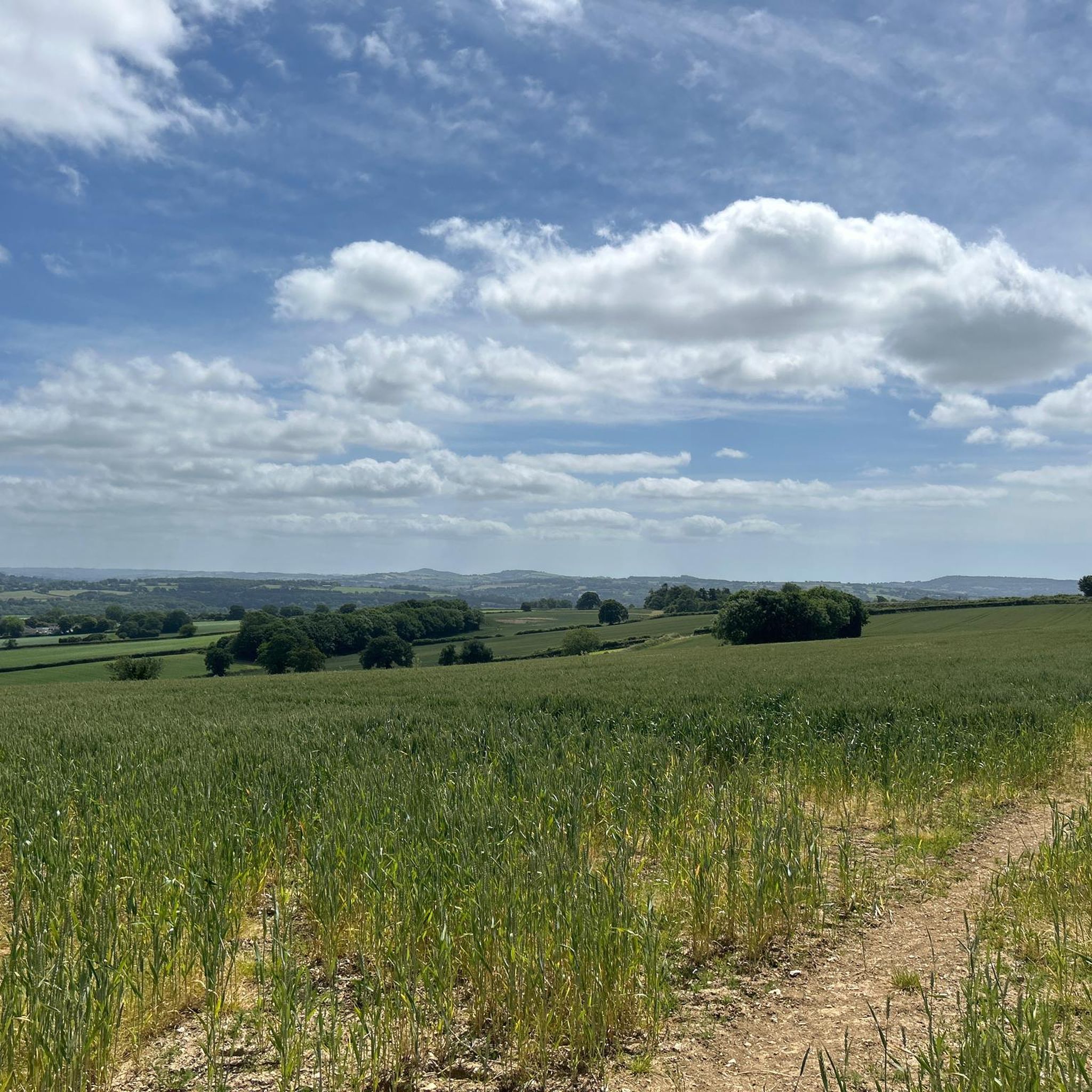
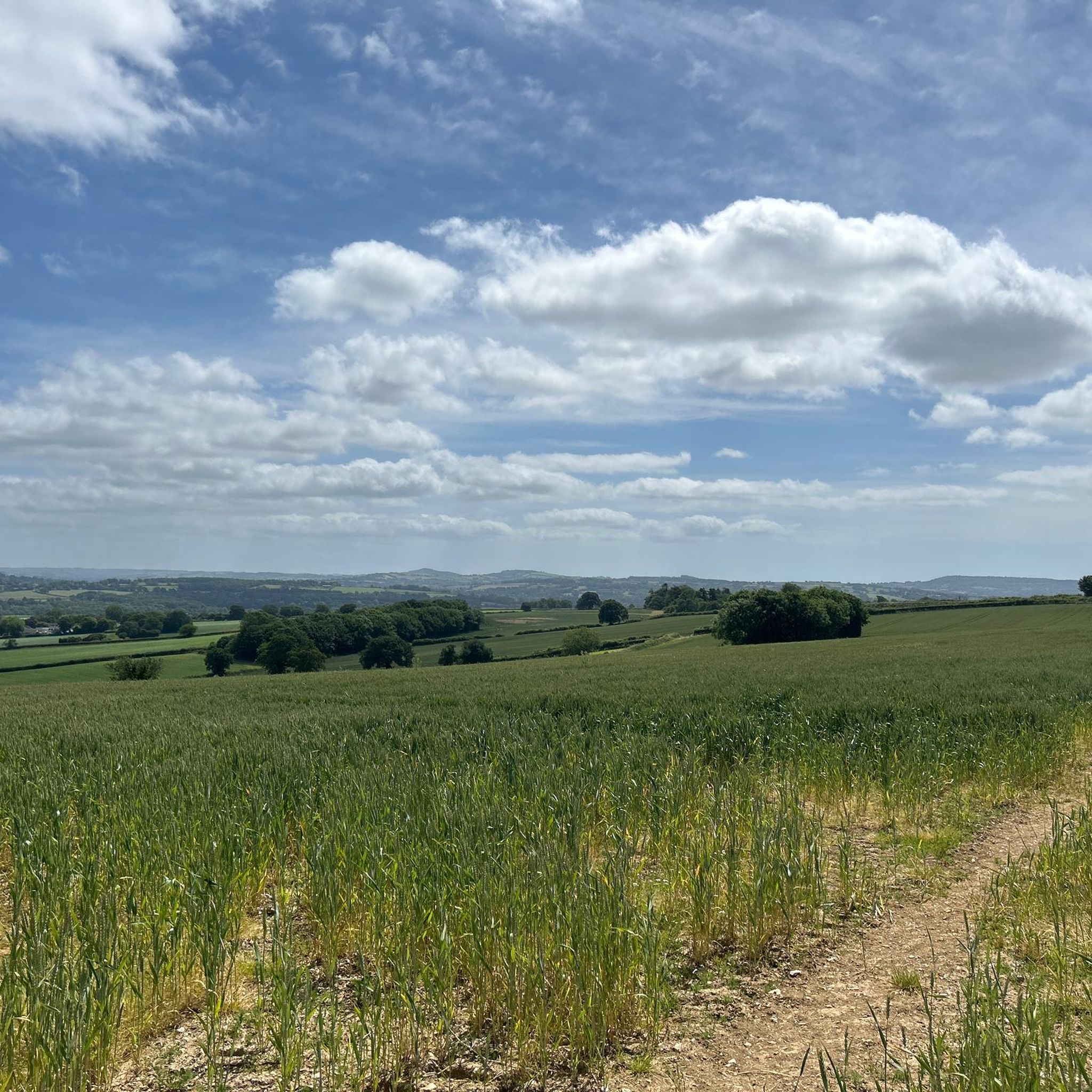
From the trig point at Pilsdon Pen summit, you get spectacular, wide-open views across Dorset. Looking south, the eye sweeps over the lush farmlands and rolling hills of the Marshwood Vale, extending all the way down to Bridport and the dramatic cliffs of the Jurassic Coast.
0
0

Donyatt Halt Records for Donyatt Halt state: "This halt, opened on May 5th, 1928, has a single platform edged with wooden sleepers, and a small wooden shelter. A pathway leads up from the platform to the road, which crosses the line by an overbridge at the Ilminster end of the platform. An ornate oil lamp stands at the top of the path and there are various posts with brackets for hanging oil lamps in winter." It would be the guard's duty to light and extinguish these lamps. Five trains a day operated in each direction taking about 45 minutes for the 15 - mile journey from Taunton to Chard, having made stops at Thornfalcon, Hatch, Ilton, Ilminster and Donyatt. Donyatt.com
0
0
The Black Ven has been historically renowned for paleontology. Mary Anning found an ichthyosaurus in The Spittles, and James Harrison found the first fossil remains of a Scelidosaurus while quarrying Black Ven in 1858. In 2001, the Black Ven and the whole of Lyme Bay became part of the Jurassic Coast World Heritage Site. Black Ven has the largest mudslides in Europe,[3] and this constantly brings new material (such as fossils) to the base of the cliff and beach. The reason for this is the types of stone found through the cliff. There is porous limestone, which lets the water on rough days flow through it, below which you will find clay, which lets water in, but not out. When the clay becomes saturated, it becomes very slippery and the limestone above can slide off in large chunks. Black Ven for this reason is a famous fossil hunting location, although the mudslides can be surprisingly damaging to the fossils, especially to soft parts such as scales. The Black Ven has a layer called Blue Lias where famous fossilised fish are known to be found. The geological dating of the rocks of the whole of the area (Lyme Bay) is Jurassic. The Black Ven and the Spittles contain rocks from the lower (early) Jurassic. Ammonites, Belemnites, and the occasional Devil's toenail are common finds in this area
0
1
Norman castle The earthworks at the site are larger than would normally be found in a castle from the Norman period, raising speculation that it reused previously developed features. The castle was probably built by Robert, Count of Mortain in the 11th century. Archaeological evidence suggests it was built in several stages. During the first a rampart enclosing 7.5 acres (3.0 ha) was built. Soon after the Norman Conquest a smaller inner ringwork was constructed. The site was later converted into a motte and bailey, with a corner of the 20 feet (6.1 m) high motte serving as a barbican. By the early 12th century the castle was no longer in regular use. However, its use was resumed during The Anarchy, a period of civil war and unsettled government during a succession dispute between the supporters of King Stephen (1135–1154) and those of his cousin, the Empress Matilda. Continued use in the later 12th century may have been by administrators of the surrounding royal forest as a base for operations against poachers.
2
1
Castle Neroche is a Norman motte-and-bailey castle on the site of an earlier hill fort in the parish of Curland, near Staple Fitzpaine, Somerset, England. It is a Scheduled Ancient Monument. The origin of the term Neroche is believed to be a contraction of the Old English words nierra and rechich or rachich for Rache, a type of hunting-dog used in Britain in the Middle Ages, giving a meaning of the camp where hunting dogs were kept. This also gives the site its alternative name of Castle Rache. Iron Age The reason for the construction of Iron Age hill forts has been a subject of debate. It has been argued that they could have been military sites constructed in response to invasion from continental Europe, sites built by invaders, or a military reaction to social tensions caused by an increasing population and consequent pressure on agriculture. The dominant view since the 1960s has been that the increasing use of iron led to social changes in Britain. Deposits of iron ore were separated from the sources of tin and copper necessary to make bronze, and as a result trading patterns shifted and the old elites lost their economic and social status. Archaeologist Barry Cunliffe believes that population increase played a role and has stated "[the forts] provided defensive possibilities for the community at those times when the stress [of an increasing population] burst out into open warfare. But I wouldn't see them as having been built because there was a state of war. They would be functional as defensive strongholds when there were tensions and undoubtedly some of them were attacked and destroyed, but this was not the only, or even the most significant, factor in their construction.
2
0

The summit of this hill represents the second highest point in Dorset, and from here, you'll have breathtaking panoramic views. At the top, there was an Iron Age hillfort, which was excavated in the mid-20th century.
0
0

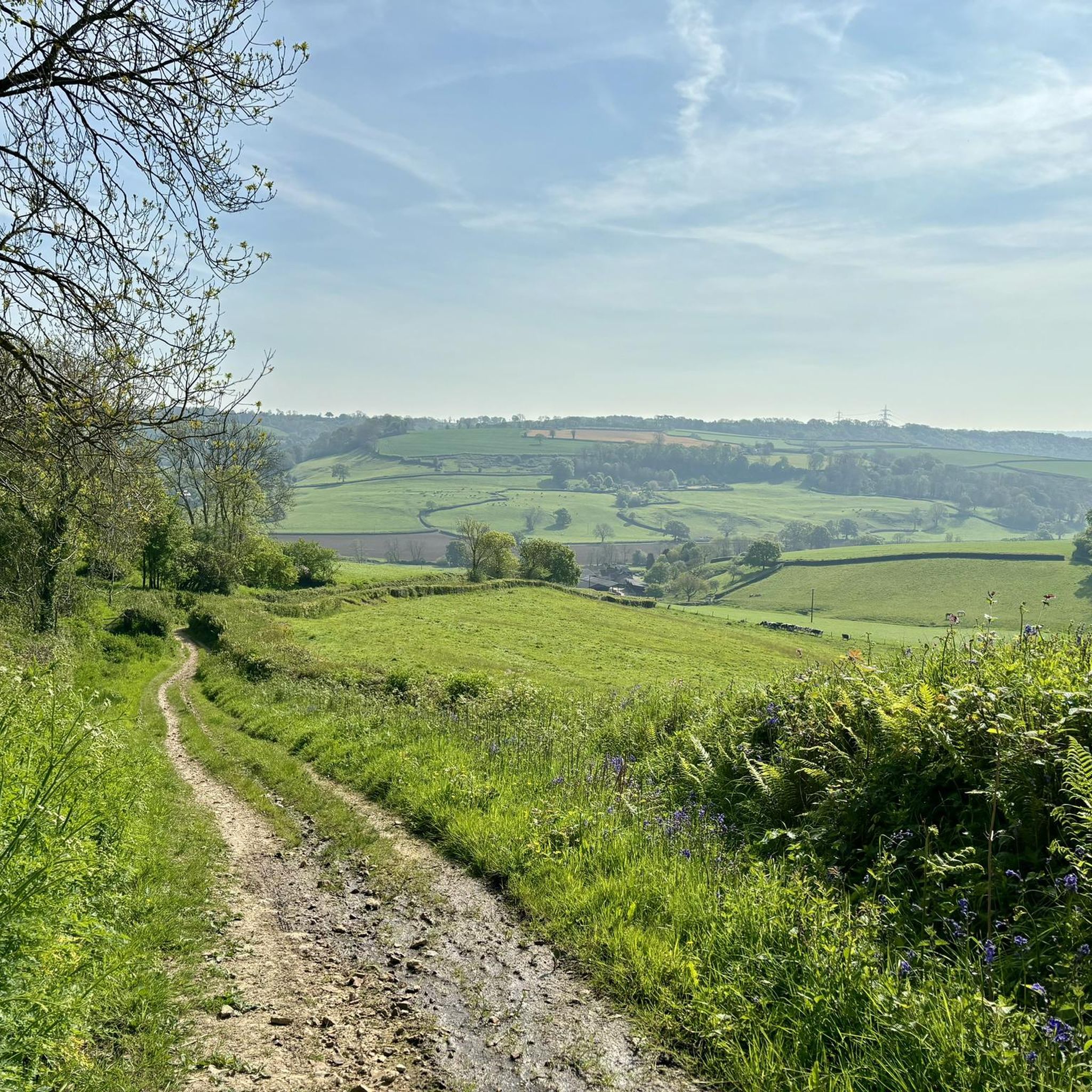
Castle Neroche was a motte-and-bailey castle on the site of an earlier hill fort. Evidence suggests that it was an Iron Age hill fort before the Norman castle was built as the earth works are larger than most Norman castles. Now it's a really fascinating place; the old earth works are covered in trees with amazing views between the trunks. Managed by Forestry England.
3
0

Nice statue of a girl waiting for the train that will never come along the well maintained gravel track but some sharp changes in direction make the run from ilminster to chard confusing if you expect to be on the old railway tracks
2
0
Frequently Asked Questions
What natural features can I explore around Chardstock?
Chardstock is nestled within the Blackdown Hills Area of Outstanding Natural Beauty (AONB), offering rolling farmland, steep valleys, and woodlands. The River Kit runs through the village, and the River Axe forms part of the parish boundary, designated as a Site of Special Scientific Interest. You can also visit Black Ven Cliffs and Fossil Beach, known for paleontology, or the tranquil Chard Reservoir Local Nature Reserve for birdwatching and walks.
Are there good hiking or walking trails in the Chardstock area?
Yes, the Blackdown Hills National Landscape provides numerous hiking and walking routes for various fitness levels. Popular routes include the Membury & Dalwood loop via Beckford Bridge and the Chard to Wambrook loop. For more options, explore the Hiking around Chardstock guide.
What historical sites are there to visit near Chardstock?
The area is rich in history. You can visit the 13th-century St Andrew's Church and the historic Chardstock Court in the village. Nearby, explore the Iron Age hillforts of Pilsdon Pen Summit and Trig Point and Castle Neroche Iron Age Hill Fort. Further afield, discover the stunning Forde Abbey House and Gardens, Blackbury Camp, or Muchelney Abbey.
Are there any easy walking trails suitable for all abilities?
Yes, there are several easy walking trails. For example, the Yarty Farm – Beckford Bridge loop from Membury is an easy 5 km walk. The Chard Reservoir – Chard Reservoir Nature Reserve loop from Chard is another easy option. You can find more easy routes in the Easy hikes around Chardstock guide.
What family-friendly activities are available around Chardstock?
Families can enjoy exploring the tranquil Chard Reservoir Local Nature Reserve, which is great for wildlife spotting. Forde Abbey and Gardens offers expansive grounds and a giant fountain to discover. The Donyatt Halt, a disused train station on a cycle path, is a fun pit stop with a unique statue. The nearby Lyme Regis and Charmouth Beaches are also popular for beach activities and fossil hunting.
Can I go cycling near Chardstock?
Absolutely! The old Chard to Ilminster railway line has been converted into a cycle path, passing through Donyatt Halt, which makes for a pleasant ride. For more dedicated routes, you can explore the Road Cycling Routes around Chardstock guide, which includes moderate loops like the Pilsdon Pen – Descent Into the Woods loop.
What kind of wildlife can I expect to see in the Chardstock area?
The area, especially within the Blackdown Hills AONB and around the River Axe, is rich in wildlife. You might spot otters, bats, and a variety of bird species, as the semi-natural habitats are important for bird nesting. Chard Reservoir Local Nature Reserve is particularly good for birdwatching, with herons and kingfishers often seen.
Are there any unique cultural points of interest in Chardstock itself?
Beyond the historic church and court, Chardstock is home to the Kenneth Butler Evans Art Collection, housed at the residence of his widow, sculptor Ann Ford. Kenneth Butler Evans was a cousin of the poet William Butler Yeats, making this a unique local cultural highlight.
What do visitors enjoy most about the attractions around Chardstock?
Visitors particularly appreciate the extensive views from natural monuments like Pilsdon Pen Summit and Trig Point, which offers breathtaking panoramic vistas over the Dorset countryside. The historical significance of sites like Castle Neroche Iron Age Hill Fort, with its ancient earthworks, also captivates many. The tranquil and well-maintained cycle paths, such as the one passing Donyatt Halt, are also highly rated for pleasant pit stops.
Are there museums or heritage centers nearby?
Yes, a short drive from Chardstock, you can visit the Chard Museum to delve into the town's industrial and cultural past, including the work of aviation pioneer John Stringfellow. The Axminster Heritage Centre also offers insights into local heritage.
Can I find coastal attractions or beaches near Chardstock?
Yes, the popular coastal destinations of Lyme Regis and Charmouth Beaches are within easy reach. These areas, including Black Ven Cliffs and Fossil Beach, are renowned for fossil hunting and offer opportunities for traditional beach activities.
Most popular attractions around Chardstock

Get inspired with the komoot mobile app


Explore more
Still not found the Highlight you’re looking for? See guides of the top attractions in other regions:
