Attractions and Places To See around Fincham - Top 20
Attractions and places to see around Fincham, a village in Norfolk, England, are rooted in its Anglo-Saxon and Roman past. The area is characterized by its agricultural landscape and linear settlement pattern, with the village situated near the southern end of Norfolk's Western Escarpment. This elevated land provides a unique geological setting, while the village itself is largely low-lying, with St. Martin's Church holding an elevated position. Fincham's historical significance is underscored by its location along the Roman Fen Causeway, with numerous Roman artifacts discovered in the parish.
Best attractions and places to see around Fincham
- The most popular attractions is Ten Mile Bank, a river and cycle way. This section follows the River Ouse and is known for its flat terrain and minimal traffic.
- Another must-see spot is Narborough Bone Mill, a man-made monument and historical site. The mill features a rusted waterwheel and stone grinding wheels, serving as a reminder of Norfolk's industrial past along the River Nar.
- Visitors also love Shouldham Warren, a viewpoint and forest. This area, once a rabbit warren, offers expansive views over the Nar Valley and the shade of pine forests, providing an interesting hike where the fens and brecks meet.
- Fincham is known for its historical sites, natural viewpoints, and river trails. The area offers a variety of attractions to explore, from ancient Roman heritage to picturesque natural landscapes.
- The attractions around Fincham are appreciated by the komoot community, with more than 10 upvotes and 8 photos shared by visitors.
Last updated: July 7, 2026
Narborough Bone Mill
Highlight • Monument
Hunched upon the northern bank of the River Nar, the now rusted waterwheel, canalised banks and stone grinding wheels of Narborough's Bone Mill serve as a picturesque reminder that Norfolk's past is more industrial than the pretty burbling river might otherwise suggest.
Situated equidistant between the villages of Marham and Narborough, this section of the Nar Valley Way makes for a pleasant out and back stroll that can be tackled from either village.
In the winter months, the bench facing the old waterwheel is a well-sheltered spot for a hot drink from a thermos, while in the summer months, it's a perfect table for two where the evening sunshine might be enjoyed with a little bit of cheese and a glass of wine.
If your adventures take you this way in the autumn months, be sure to bring a bag with you as the bramble bushes lining the route will be positively collapsing under the weight of those tasty berries!
Tip by

Downham Market Clock Tower
Highlight • Historical Site
Tip by

Sign up now to discover places like this
Get recommendations on the best single tracks, peaks, & plenty of other exciting outdoor places.
Sign up for free
Ten Mile Bank
Highlight (Segment) • River
Tip by

Shouldham Warren
Highlight • Viewpoint
Tip by

Denver Sluice
Highlight • Structure
Tip by

Sign up for free to discover even more attractions around Fincham.
Sign up for free
Already have an account?
Start today with a free account
Your next adventure awaits.
Login or Signup
Tips from the Community


Interesting history at the locks/weirs but a fairly dull path. Little traffic to bother you.
0
0

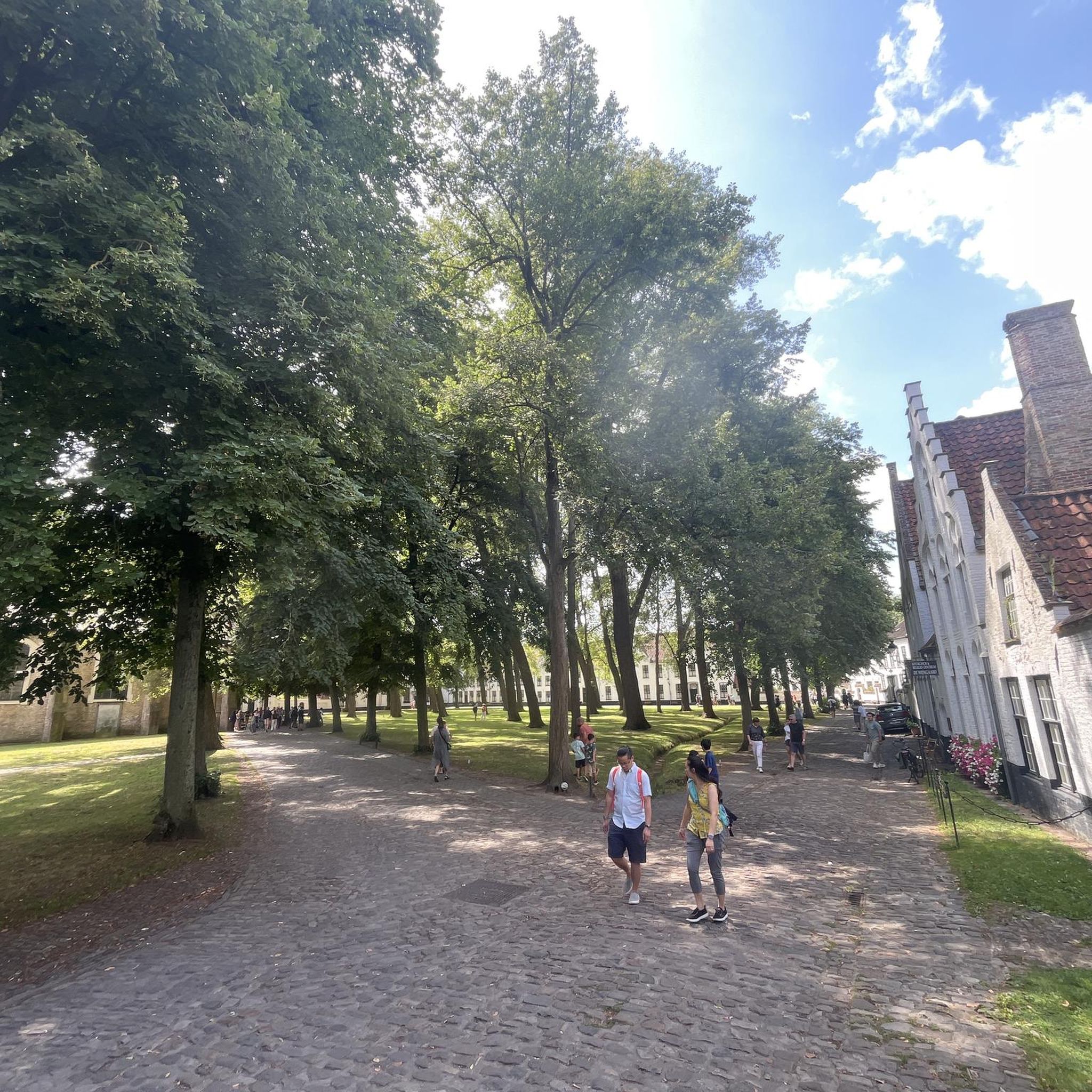
Very pretty market square and great place for a cafe stop
0
0

Just enjoy the ride 🚵♂️;barely no cars, if you lucky you might see/join other cyclists on your way - I did briefly - met a couple on their way from Northampton to Wells-next-the-Sea - what a ride. 🚲🖐
0
0

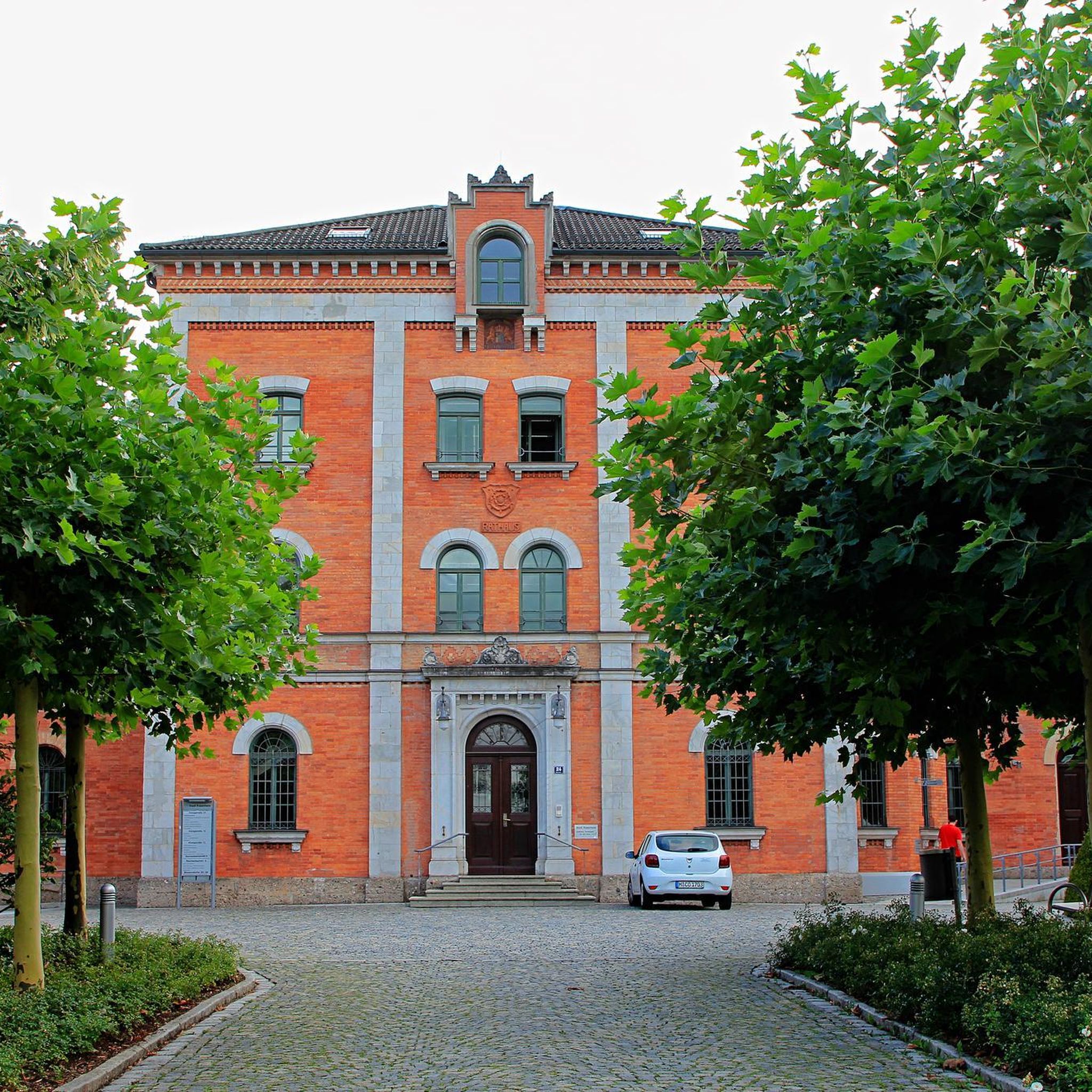
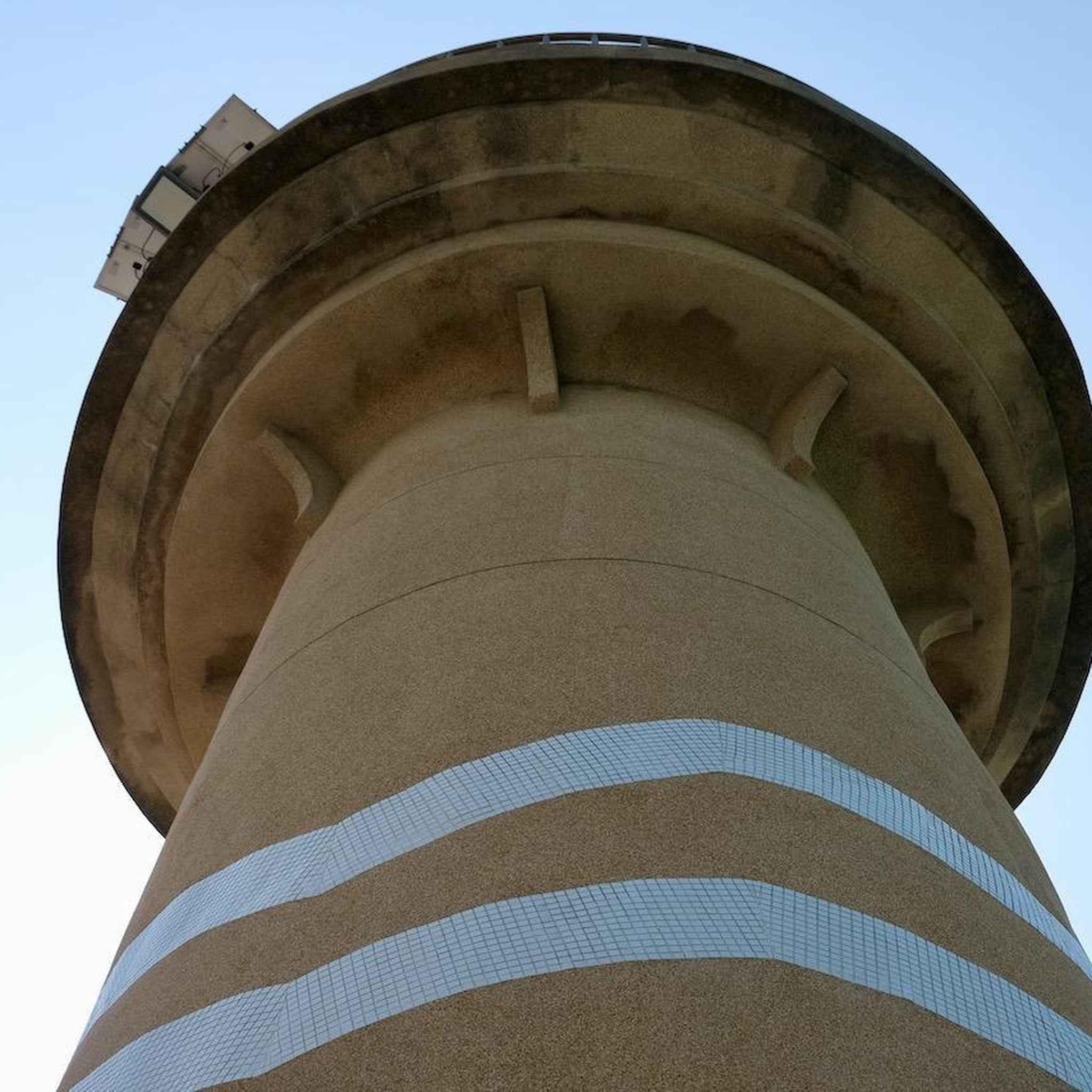
Downham Market is one of Norfolk’s oldest market towns. It lies on the banks of the River Great Ouse, and dates back to Saxon times. The market place is known for its unusual and iconic black and white clock.
1
0

Before the forest you see today, Shouldham Warren was farmed as a rabbit warren, dating from at least the 17th century. The rabbits were bred for both their meat and fur. The landscape here makes for an interesting hike as it's where the fens and the brecks meet. Enjoy expansive views over the Nar Valley and the shade of the pine forests. Colours here are particularly good in the autumn.
0
0

The small mill is used for other nature projects. Birdhouses, nesting boxes and flower meadows are laid out.
0
0
Frequently Asked Questions
What historical sites can I explore in Fincham?
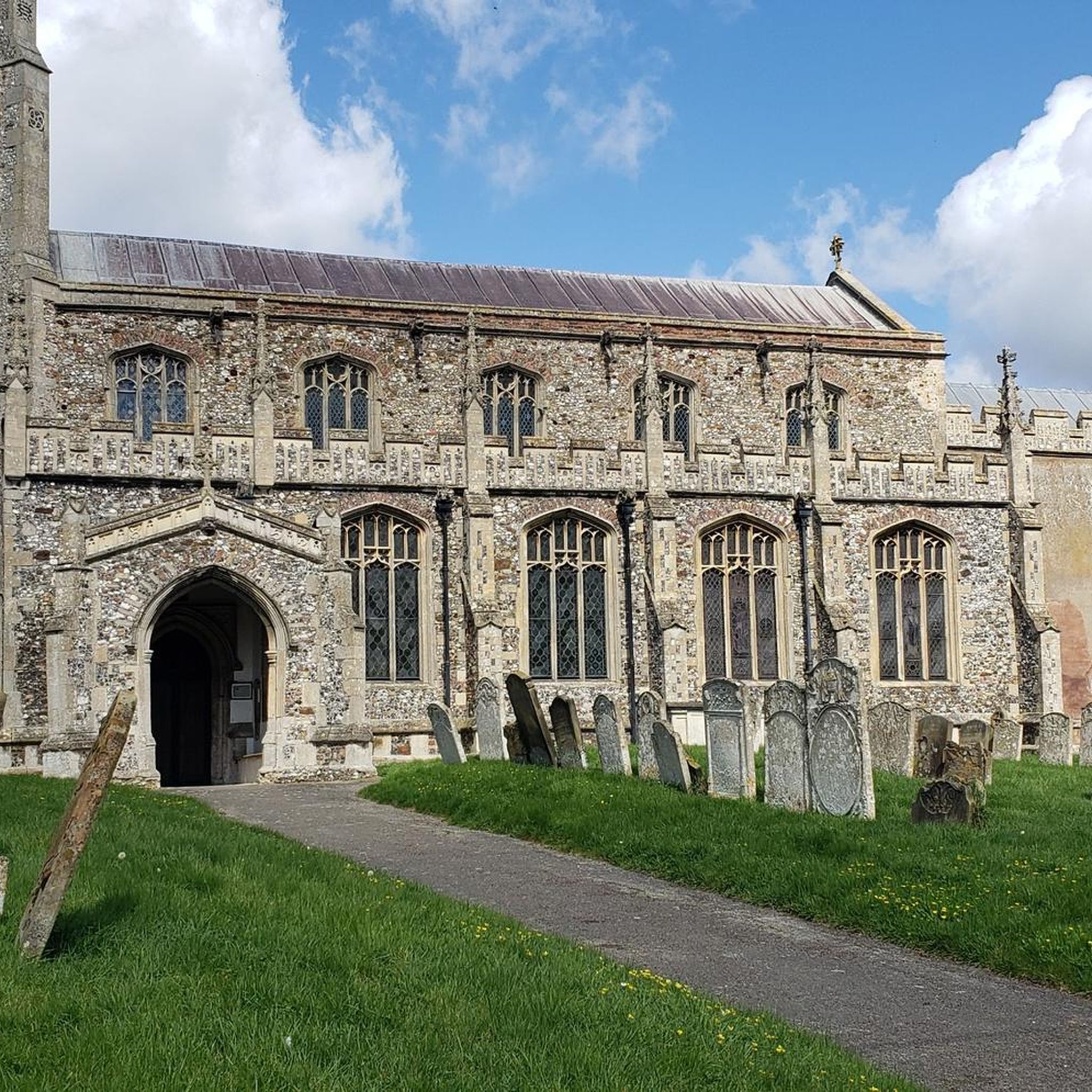
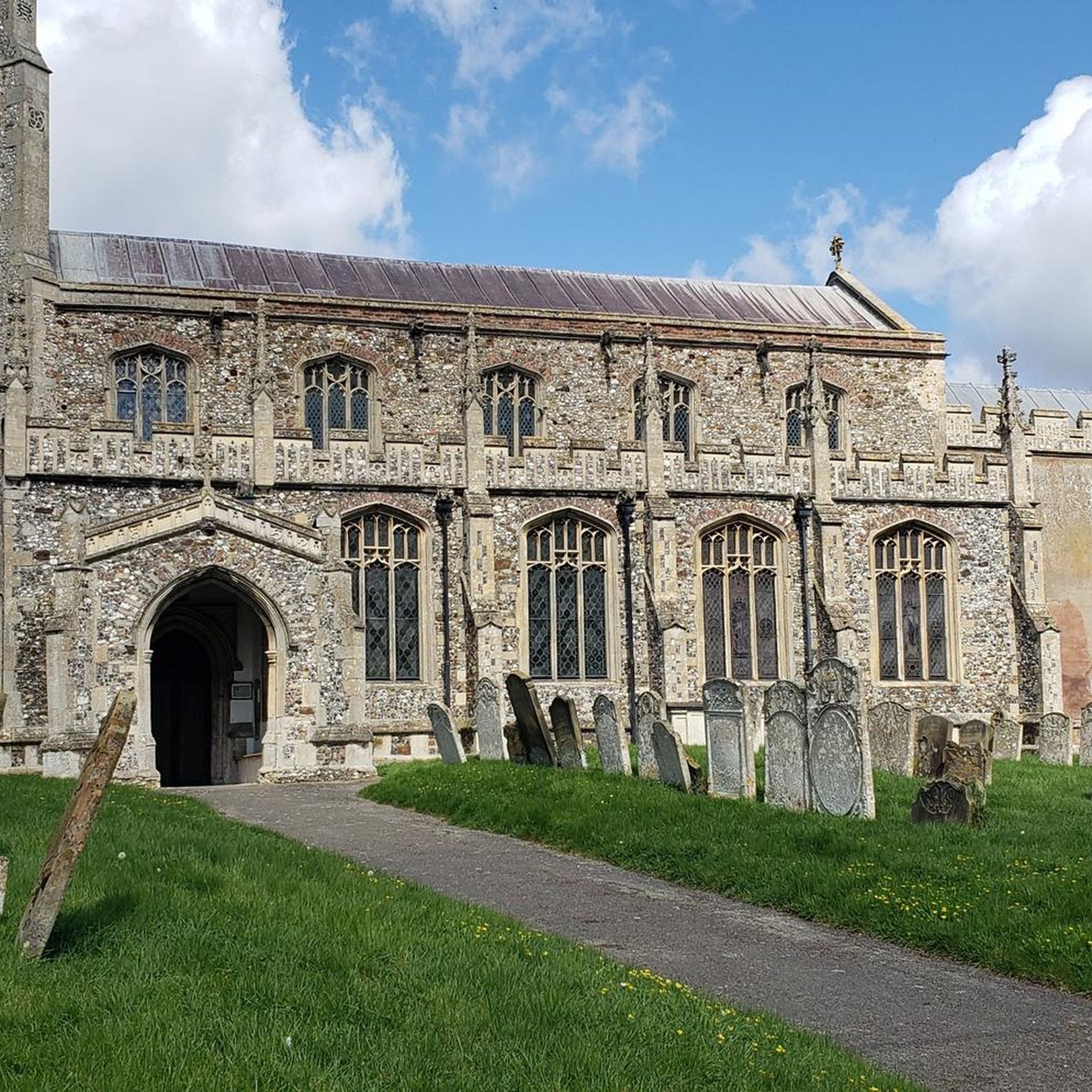
Fincham is rich in history. You can visit St. Martin's Church, a Grade I listed building known for its unique font and elevated position. Other notable historical structures include Fincham Hall, a manor house dating from the Fifteenth and Sixteenth Centuries, and Talbot Hall from the eighteenth century. The village also has significant Roman heritage, being situated along the Roman Fen Causeway, with archaeological finds and foundations of Roman buildings discovered in the area. Further afield, consider visiting Narborough Bone Mill, a reminder of Norfolk's industrial past.
Are there any notable natural features or viewpoints around Fincham?
Yes, Fincham is situated near the southern end of Norfolk's Western Escarpment, an elevated area overlying chalk and flint bedrock, offering a unique geological setting. While the village itself is largely low-lying, St. Martin's Church holds a prominent elevated position. You can also find several village ponds. For expansive views, Shouldham Warren offers vistas over the Nar Valley and the shade of pine forests, where the fens and brecks meet.
What outdoor activities, like hiking or cycling, are available near Fincham's attractions?
The area around Fincham offers various outdoor activities. For cycling, you can explore routes like the one passing Ten Mile Bank, which follows the River Ouse and is known for its flat terrain. There are numerous cycling routes, including easy to moderate options, around Fincham. For hiking, you'll find easy trails such as those around Shouldham Warren. You can find detailed routes for cycling and hiking on the respective guide pages: Cycling around Fincham and Easy hikes around Fincham.
Are there family-friendly attractions or activities in Fincham?
Yes, several attractions and activities around Fincham are suitable for families. Shouldham Warren, with its forests and views, is considered family-friendly and offers interesting hikes. The Narborough Bone Mill area is also family-friendly, offering pleasant strolls along the River Nar. The Fincham Memorial Hall near the Village Green hosts monthly car boot sales and the annual Village Fete, which can be fun family outings.
What is the best time of year to visit Fincham's attractions?
The autumn months are particularly recommended for visiting areas like Shouldham Warren, as the colours of the pine forests are especially vibrant. For walks along the River Nar near Narborough Bone Mill, summer evenings are perfect for enjoying the sunshine, while winter offers a sheltered spot for a hot drink. Generally, spring and summer provide pleasant weather for exploring the village's historical sites and natural landscapes.
What is the significance of Fincham's Roman heritage?
Fincham's Roman heritage is quite significant, as the village is located along the ancient Roman Fen Causeway. This historical connection is evidenced by numerous archaeological finds in the parish, including silver coin hoards, a figure of a hare and hound, and a bust of Jupiter. Foundations of a Roman building have also been discovered and excavated. The A1122 road running through Fincham is still identified as a Roman road on Ordnance Survey maps, highlighting its enduring historical importance.
Are there any easy walks or trails suitable for beginners around Fincham?
Yes, there are several easy walks suitable for beginners. The area around Shouldham Warren offers multiple easy loops, ranging from 3.8 km to 6 km, providing gentle forest and valley views. Another easy option is the Nar River Bridge loop from Marham, which is about 6.7 km. These trails are generally well-suited for those looking for a less strenuous outdoor experience. You can find more details on the Easy hikes around Fincham guide page.
What kind of historical architecture can I see in Fincham?
Fincham showcases a range of historical architecture. St. Martin's Church features a Fifteenth-Century exterior and a renowned font. Fincham Hall is a historic manor house from the Fifteenth and Sixteenth Centuries, including an earlier octagonal brick tower. Talbot Hall dates back to the eighteenth century. Additionally, The Swan public house has been a fixture on its current site since the late-Eighteenth Century, offering a glimpse into traditional village life and architecture.
Where can I find refreshments or places to eat near Fincham's attractions?
Fincham's sole remaining public house, The Swan, has been operating as a freehouse on its current site since the late-Eighteenth Century, making it a good option for refreshments. For those exploring further afield, Downham Market Clock Tower is located in Downham Market, a town known for its many places to eat and drink, including cafes and pubs.
What do visitors particularly enjoy about the attractions near Fincham?
Visitors appreciate the blend of history and nature. The tranquil setting of Narborough Bone Mill is enjoyed for its picturesque reminder of Norfolk's industrial past and as a spot for quiet reflection. The flat terrain and minimal traffic along Ten Mile Bank are popular with cyclists. Shouldham Warren is loved for its expansive views over the Nar Valley and the unique landscape where fens and brecks meet, offering interesting hikes.
Are there any unique or lesser-known places to discover in Fincham?
Beyond the main landmarks, Fincham's historical significance as a Roman settlement means that exploring the local area might reveal hidden archaeological insights. The village itself, with its linear settlement pattern and agricultural nature, offers a glimpse into traditional Norfolk life. The unique structure of the font at St. Martin's Church, renowned throughout Norfolk, could be considered a unique detail to discover.
Is public transport or parking available for Fincham's attractions?
While specific details on public transport to individual attractions within Fincham are limited, the village is accessible. For parking, many attractions in rural areas like Fincham typically have limited on-site parking or rely on roadside parking. For larger towns nearby, such as Downham Market, parking facilities are generally available. It's advisable to check local signage for parking restrictions when visiting specific sites.

Get inspired with the komoot mobile app


Explore more
Still not found the Highlight you’re looking for? See guides of the top attractions in other regions:
