The best cycling routes around Bishops Itchington
4.6
(46)
570
riders
14
rides
Touring cycling routes around Bishops Itchington offer a diverse landscape for outdoor enthusiasts. The region features a mix of paved and unpaved routes, providing access to scenic countryside and local attractions. Key features include the Grand Union Canal, which offers generally flat cycling opportunities along its towpath, and the Lias Line greenway, part of the National Cycle Network. Natural reserves like Bishops Hill and Leam Valley add to the area's appeal, showcasing local wildlife and varied terrain.
Best touring cycling…
Last updated: July 5, 2026
5.0
(3)
6
riders
Easy bike ride. Great for any fitness level. Mostly paved surfaces. Suitable for all skill levels.
6
riders
20.6km
01:16
170m
170m
Moderate bike ride. Good fitness required. Mostly paved surfaces. Suitable for all skill levels.

Sign up for free
7
riders
Moderate bike ride. Good fitness required. Mostly paved surfaces. Suitable for all skill levels.
6
riders
Moderate bike ride. Good fitness required. Mostly paved surfaces. Suitable for all skill levels.
3
riders
38.1km
02:21
230m
230m
Moderate bike ride. Good fitness required. Mostly paved surfaces. Suitable for all skill levels.
Get access to more routes and recommendations from other explorers.
Sign up for free
Already have an account?
Our route recommendations are based on thousands of hikes, rides, and runs completed by other people on komoot.
Start today with a free account
Your next adventure awaits.
Login or Signup
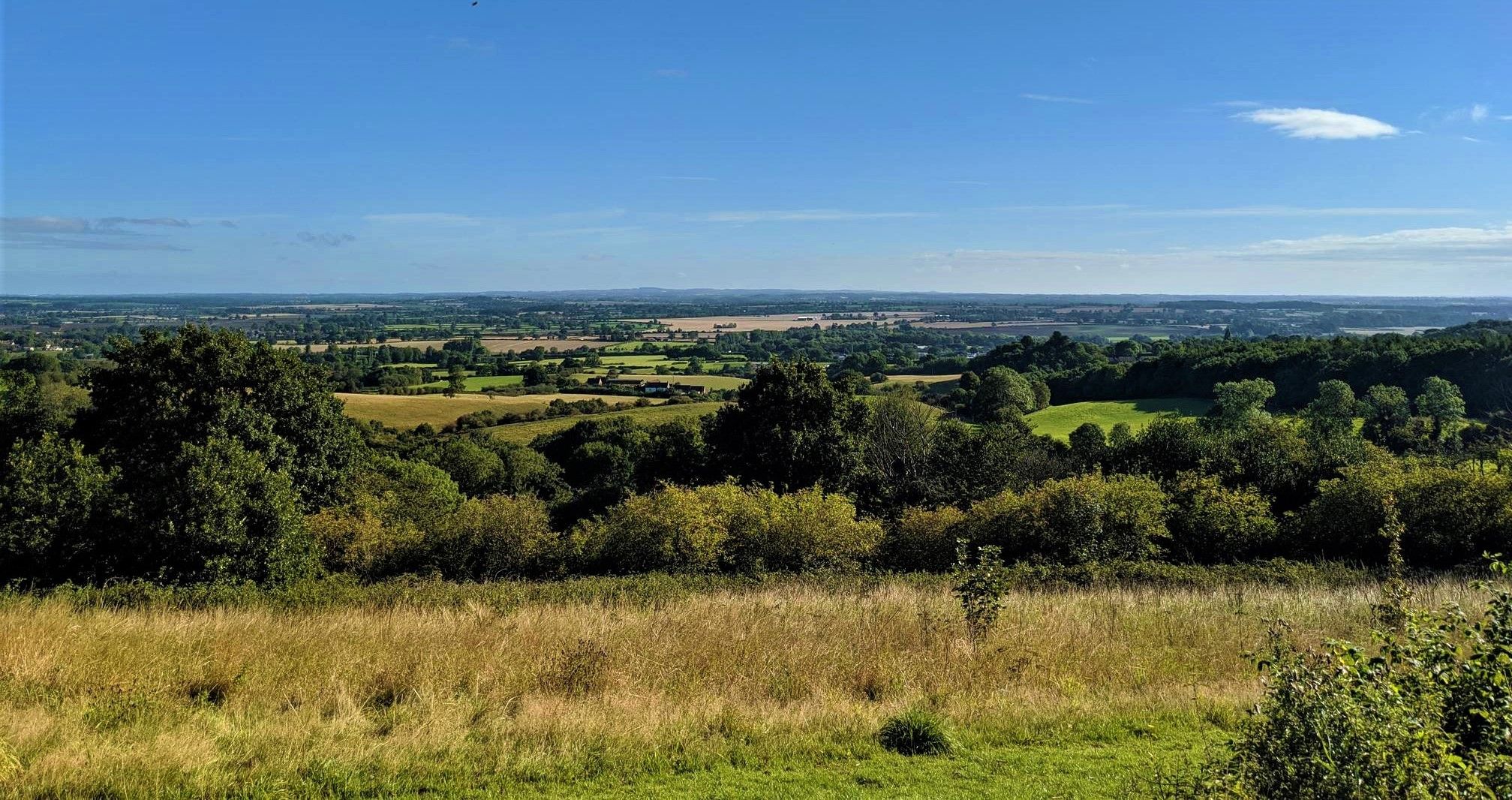
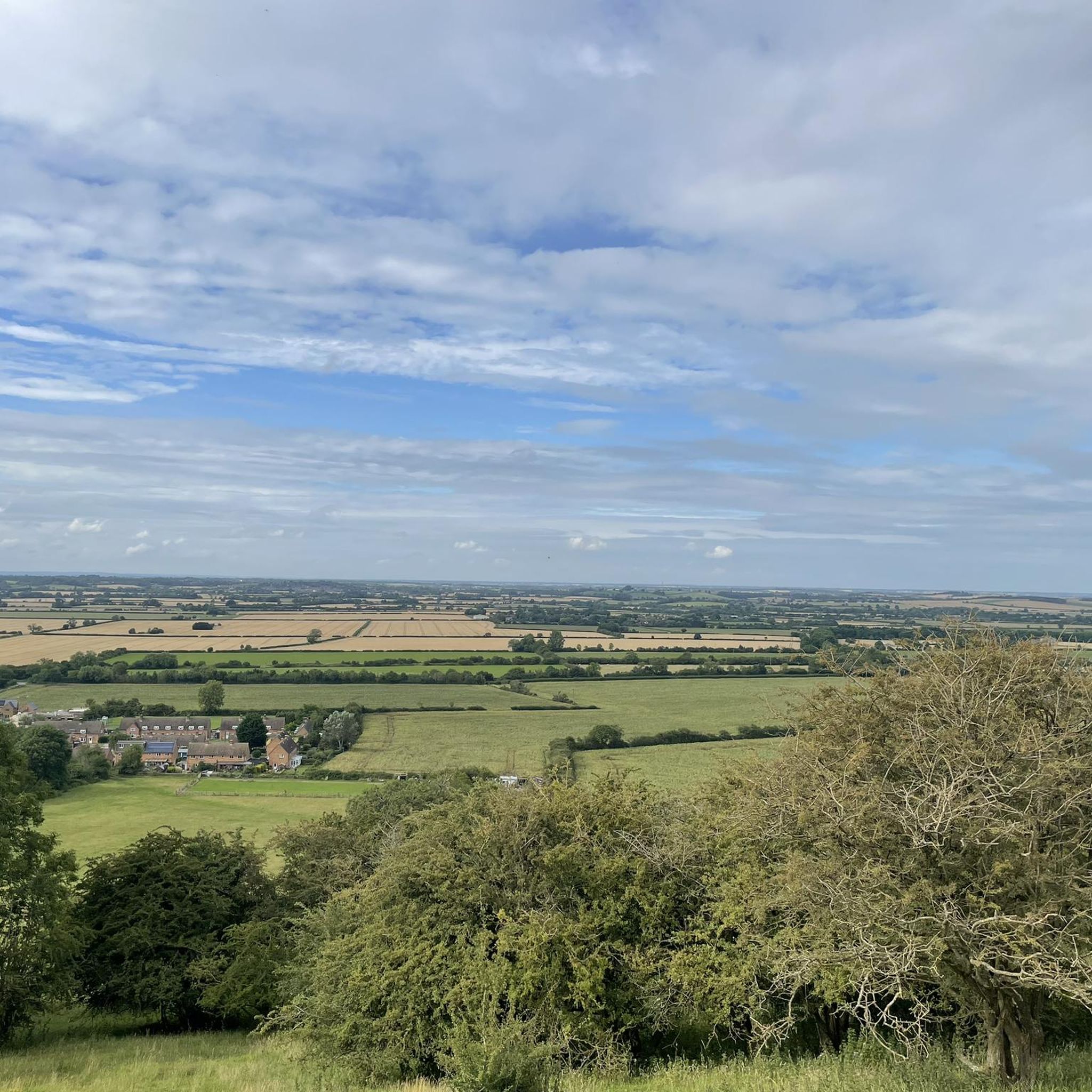
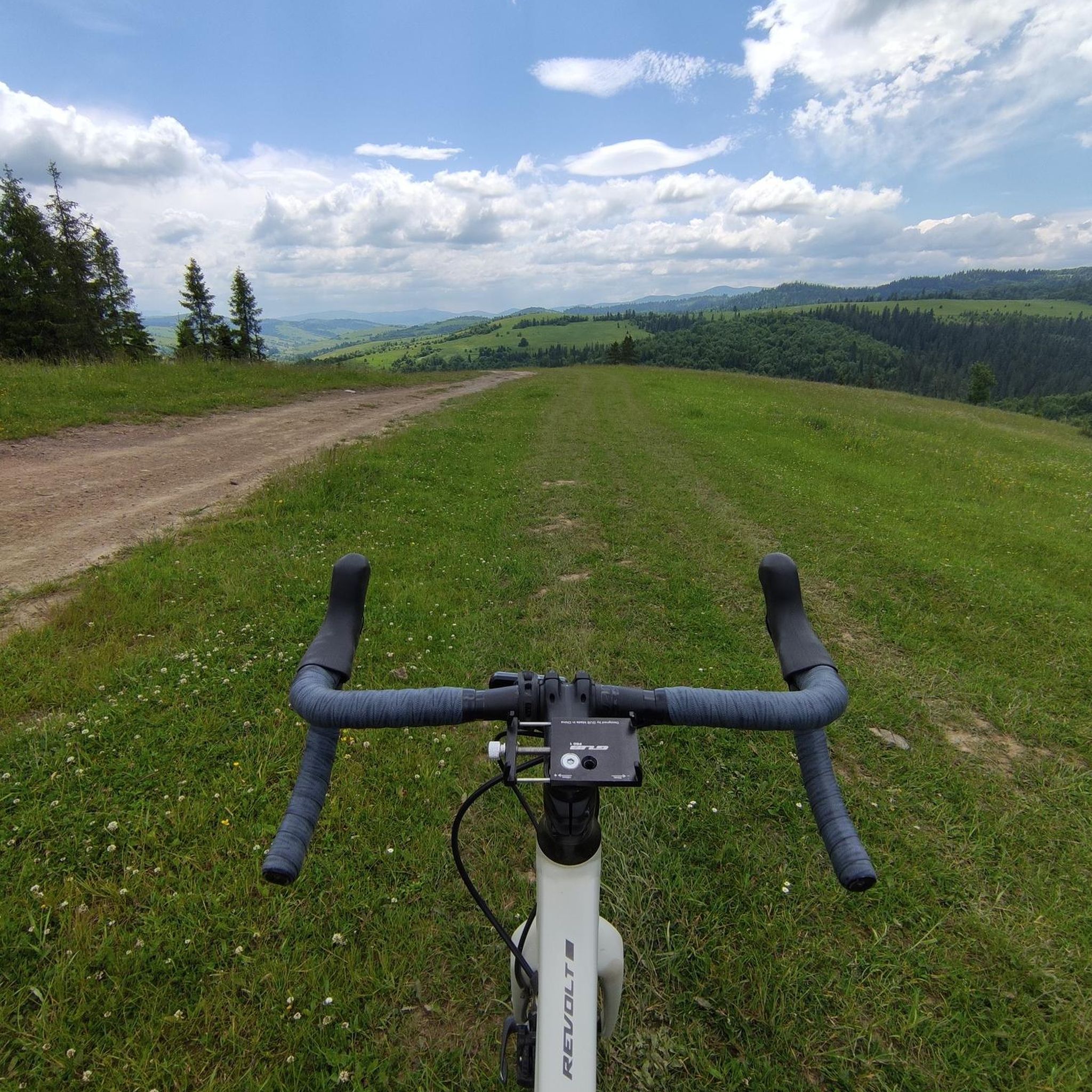
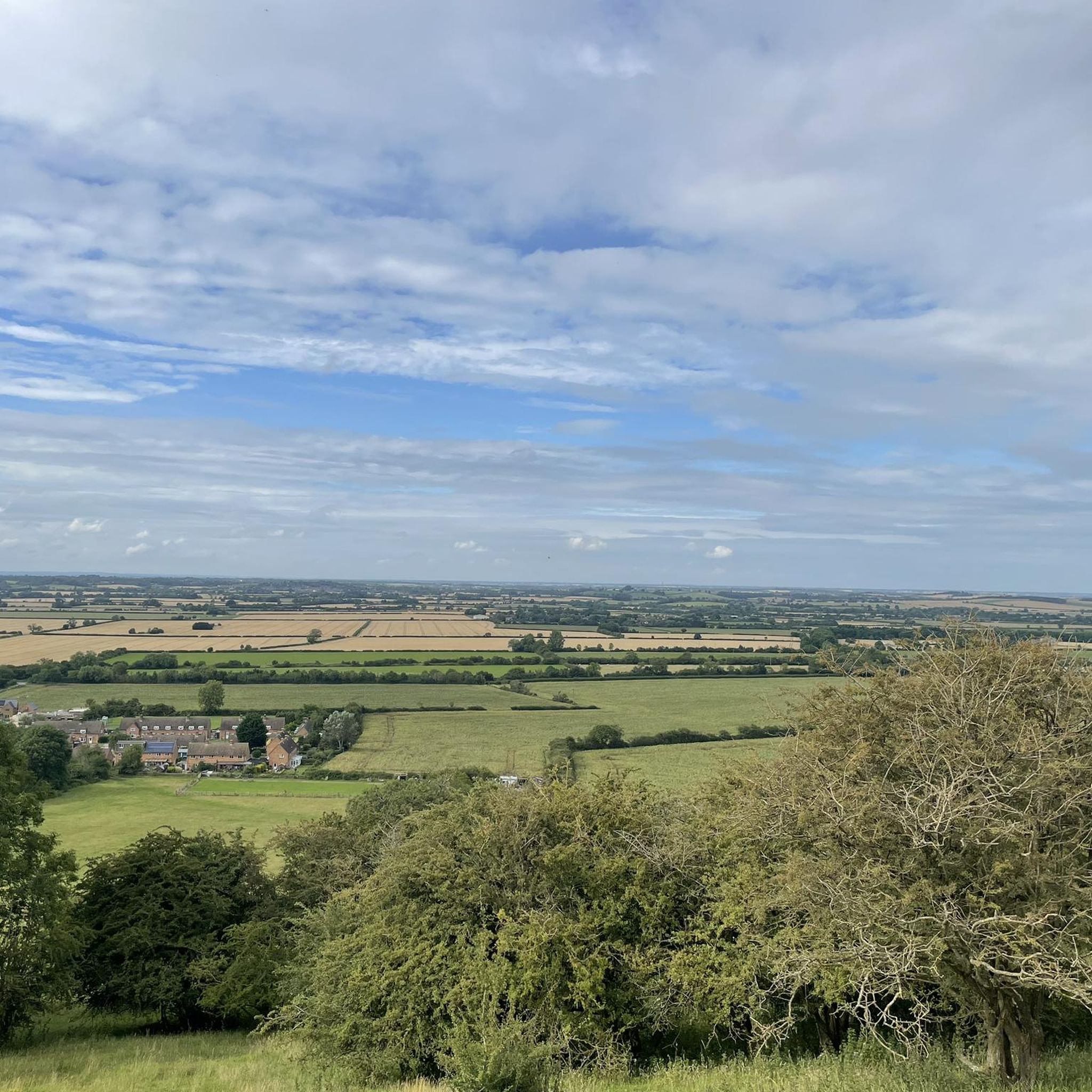
Other adventures around Bishops Itchington

Tips from the Community

Chesteron Windmill was built in 1632 and is one of the oldest surviving windmills in England. It was originally used for grinding corn and has a rich history ties to the agricultural practices of the region.
1
0

The Tudor House has been closed for a few years, now. There are a couple of pubs/bars nearby, The Castle Pub next to the Tudor is vibrant, the Old Post Office is quirky and traditional and the Four Penny nearby has rooms and great food.
0
0


Cycling paradise as the gates keep most cars out - allowing you to ride freely. A greta pace for beginners to build up confidence.
0
0

West Gate is a grade I listed stone archway that dates back to the 12th Century. Located at the junction of the High Street and Bowling Green Street in Warwick town centre, the structure was one of three gates through Warwick’s medieval town wall and supports St James Chapel which forms part of the Lord Leycester Hospital. The A429 High Street passes to the south of the structure but the pedestrian footway passes through the archway. The archway is constructed from a type of sandstone that is susceptible to a form of erosion called contour scaling. This results in a hardened crust breaking away from the face of the stone revealing a softer granular layer beneath. Much of West Gate’s masonry is heavily eroded, particularly on the outside elevation that faces the High Street and the vaulted section of the archway, beneath the chapel’s bell tower.
0
0

A there and back again street down to one of the best (free) views of Warwick Castle. It's lined with historic timber-framed buildings but the real draw for road cyclists is the cobbles!
0
0
A there and back again historic street lined with old buildings, down to the best (free) view of Warwick Castle, made all the more exciting by the addition of COBBLES!
0
0
The parish church of ST. LAWRENCE consists of a chancel, nave, north porch, and west tower. Both nave and chancel date from about the middle of the 12th century, but the south wall of the chancel has been considerably repaired several times, and the east wall was entirely rebuilt in the 17th or 18th century. The nave retains its original doorways, one north window, and the chancel arch, but the south wall has been largely restored in later periods. The clearstory was added early in the 16th century. The west tower and the north porch were early-15th-century additions. Dated restorations are 1865 (chancel), 1877–8, and 1908. The chancel (about 25 ft. by 17½ ft.) has a modern east window of 14th-century character of three lights and tracery. In the north wall are two windows of the 12th century, widened in the 16th or 17th century. The ancient splays are of ashlar, the round heads, also splayed inside, have cheveron moulds which appear to be later restorations. At the west end of the wall is a 14th-century low-side window with a trefoiled head; the jambs are deeply splayed externally and the internal splays are unequal, the western being the wider. It has an iron grille and hooks outside for a former shutter. The south wall has features of various periods. Opposite the Norman north-west window is the bottom quoin of the west splay of a contemporary window. Of the two windows the eastern, probably early-16th-century, is of three cinquefoiled ogee-headed lights and vertical tracery in an elliptical head with an external hood-mould and human-head stops. The jambs are of two hollowed orders and the masonry partly yellow and partly grey. The western, probably late-15th-century, is a much smaller and lower window, of three trefoiled ogee-headed lights and vertical tracery, including a transom to the middle light, in a four-centred head with an external hood-mould, all of grey-white stone not coursing with the walling. The priest's doorway between them is probably 14th-century: it has hollowchamfered jambs and an acutely pointed head and segmental rear-arch. Near the east end is reset an early14th-century piscina with a trefoiled pointed head and square basin in a projecting sill. The wall is recessed below the south-east window for a sedile, partly restored. The east wall is of coursed yellow rough ashlar of the 17th or 18th century with the diagonal buttresses at the angles. In the gable head is a narrow loop-light. The north wall has a low chamfered plinth and is of 12thcentury yellow-brown rubble, roughly squared and coursed. In the middle is a shallow buttress or 16-in. pilaster of ashlar that stops about 5 ft. below the eaves and probably marks the original wall-height, the masonry above it being of the 14th or 15th century and having a hollow-chamfered eaves-course. The south wall is mostly of yellow ashlar like the east wall, but older: the east jamb stones of the south-east window course with the walling, but west of the window the masonry is rougher 14th- or 15th-century work. The original wall seems to have been pressed outwards by the roof and was refaced vertically about the time the windows were inserted. The masonry below the south-west window is of the original rubble, but above, west of the window, the wall face is stepped and curved back to agree with the plumb vertical wall east of it. On a stone east of the doorway is a scratched circular sundial. Inside the north wall below the windows is an original chamfered string-course: a scrap of the south string remains by the fragment of the original window, with another piece reset above it. The modern high-pitched roof is of trussed rafter type with a panelled soffit. The chancel arch has 12th-century responds of two square orders on the west face, the outer with nookshafts, the inner with larger half-round attached shafts: the capital of the north nook-shaft is carved with zigzag ornament below a grooved and hollow-chamfered abacus enriched with hatch ornament; and that of the south nook-shaft with enriched scallops, below a moulded abacus. The capitals of the inner shafts have been cut back, the southern retaining the slightest nail-head ornament. The large window east of it is a traces of original scallop-work. The bases are moulded. Most of the pointed head is a 13th-century reconstruction of two chamfered orders with small voussoirs, but the lowest 7 to 10 voussoirs of the outer order above the responds are the 12th-century square stones with the original chamfered hood-mould. The nave (about 42½ ft. by 21½ ft.) has two north windows. That in the middle of the wall is a 12thcentury round-headed light with a chamfered hoodmould inside: the external hood-mould is a make-up of contemporary cheveron ornament, from this window or another, with a roll-mould and an outer edging of 14th-century insertion of three trefoiled ogee-headed lights and net tracery in a two-centred head of yellow masonry. It is like the chancel east window, which was evidently a copy of it. The wall is recessed inside below the sill and fitted with a stone seat: against the east splay is a reset piscina with a round basin and drain. The north doorway has a round head of three plain square orders. The outer two orders of the jambs have nook-shafts with carved capitals, the eastern with upright foliage and the western with human faces spouting foliage from the mouths; the abaci are grooved and hollow-chamfered. The bases are worn away. The inner order is chamfered. The chamfered external hood-mould had heads, now defaced, carved on the lower ends. The round rear-arch is of square section, the double-chamfered string-course that passes along this wall being lifted over it to form a hood. The wall at the doorway is a foot thicker than the 2 ft. 11 in. main wall and there are three steps down from the porch to the nave floor. There is only one lower window in the south wall, at the east end, and that is modern. It is of two cinquefoiled pointed lights and a quatrefoiled spandrel in a two-centred head. The south doorway is original but the round head has been rebuilt. It is of three orders, the innermost plain, the middle with cheveron ornament on both face and soffit: the outer order is zigzagged on the soffit, each voussoir forming one cheveron, but the face is carved with shallow circular flowers. The jointing east of this order shows that there was originally a hood-mould: evidently the head had lost its semicircular form, which was restored at the sacrifice of the hood-mould. The two nook-shafts in each jamb have carved capitals, the outer two with masks and foliage, the inner with foliage only: the bases are perished. The rear-arch, of square section, is depressed to a three-centred arch and the string-course is lifted over it as a stilted hood-mould. Above the doorway outside is reset a length of a 12thcentury corbel-table—a range of 8 small arches of peculiar form and 7 corbels carved as human faces, except one which is a grotesque mask. The walls are of 12th-century yellow ashlar with some later repair and low chamfered plinths. The north wall, east of the porch, has a double-chamfered string-course, cut by the 14th-century window, and is divided into two bays by an original shallow buttress, and there is another at the east angle. There is a length of straight joint near the west end marking the rebuilding of the west wall in the 15th century with the northwest diagonal buttress. The south wall has been much repaired and the original string-course survives only at the east end, where there is also an original shallow buttress with a later buttress against it. Three other buttresses divide the wall into four bays and are probably of the date of the clearstory as they rise above its string-course. They and the lower south-west diagonal buttress have moulded plinths like that of the tower. The masonry in the easternmost bay is mostly modern with the window; that in the second bay is coeval with the buttresses, destroying the 12th-century window that doubtless existed here opposite the other. Near the west end is a vertical seam and near it below the clearstory string-course a reset 12th-century stone with cheveron ornament. On the easternmost buttress is scratched a circular sundial. The clearstory has three north windows, each of two plain ogee-headed lights under a square main head, probably of the 16th century. The wall face sets back above a double weather-course and is of small irregularly squared yellow rubble. On the south side are four similar windows, but with trefoiled heads and all restored except the jambs. The wall is of regular coursed yellow rubble and also sets back. The embattled parapets are modern. The low-pitched roof is divided into four bays by moulded main beams. Each bay is panelled with moulded ribs. Some part of it may be 16th-century but it has been renovated. It is covered with red tiles. The 15th-century north porch has an entrance with jambs and pointed head of two moulded orders (rebated later for a door), with an external hood-mould. The wall has diagonal buttresses and a low-pitched gable with an ancient string-course and coping and three weatherworn pinnacles. The sides have narrow lights, and in the parapets are gargoyles. The masonry is ashlar of brown and red stones and the plinths are like that of the tower. The west tower (about 10 ft. square inside) is of three stages with plain string-courses. The walls are of coursed yellow ashlar. The plinth has a moulded and splayed top member and chamfered lower. The parapet is embattled, with returned copings to the merlons, and has crocketed pinnacles at the angles: in the stringcourse are carved faces and gargoyles. At the angles are diagonal buttresses rising to the parapet. The two-centred archway from the nave is of three hollow-chamfered orders, the outer two continuous, the innermost with a late-15th-century moulded capital. These stop on acutely splayed bases about 5 ft. high, which are probably earlier forms of the responds. The head and upper stones of the responds are of whitish stone, perhaps an old restoration or heightening, the lower stones being brown. In the south-west angle is a stair-vice entered by a doorway in the splay, the threshold of which is 7 ft. above the floor; it has chamfered jambs and a segmental-pointed head. At the third stage the wall is thickened out as wide pilasters to take the stair and it is lighted by west loops. The west window is of three cinquefoiled lights and vertical tracery in a pointed head with a hood-mould. It has been restored two or three times but some of the yellow jamb-stones are original, the rest being of greywhite stone. In the second stage is a south rectangular light. The south window of the bell-chamber is of two cinquefoiled pointed lights and a quatrefoil in a twocentred head. The other three are of two cinquefoiled acutely pointed lights under a two-centred head, the line of the mullion being continued up to the apex. All have hood-moulds. The 12th-century font is of unusual design. It is a stone bowl of flower-pot shape with the sides carved in low relief in 16 bays formed by pilasters and interlacing round arches. In two of the bays are figures of Adam and Eve, the other 14 contain conventional trees, flowers, &c. Now refixed in the tower archway are remains of the 15th-century chancel screen, including the segmentalheaded doorway with carved cusp-points, over which are two traceried bays: there are also two open traceried side bays with restored foils to the trefoiled heads: the lower part has four closed bays (two to the door) with traceried heads below the middle rail, which is enriched with a series of quatrefoil circular panels. The door itself has double trefoil-headed bays with rosette cusppoints. At the west end of the nave are six 15th-century oak benches with square-headed free standards with trefoiled panels, foliated spandrels, and moulded top-rails. The wall-standards are plain. There are floor slabs, of 1710 to Margaretta Perletta, infant daughter of Thomas and Perletta Bewchamp, 1714 to Thomas Pippin, 1715 to the Rev. Nicholas Meese, Rector, and others with defaced or hidden inscriptions. Of the five bells two are by William Bagley, 1701, and the others of 1878 by John Taylor. (fn. 102) There is also a small sanctus bell without marks. The communion plate includes a 17th-century chalice. The registers date from 1568. In the churchyard near the north doorway is the base of a medieval cross.
0
0
Frequently Asked Questions
How many touring cycling routes are available around Bishops Itchington?
There are over 15 touring cycling routes around Bishops Itchington, offering a diverse range of experiences for cyclists. These routes vary in length and difficulty, from easy rides to more challenging excursions.
Are there easy touring cycling routes suitable for beginners or families?
Yes, Bishops Itchington offers 5 easy touring cycling routes perfect for beginners or families. Many routes utilize the generally flat towpaths of the Grand Union Canal or sections of the Lias Line greenway, providing a gentle cycling experience. For example, the Bike loop from Upper Lighthorne is an easy option.
Can I find circular touring cycling routes in the area?
Yes, many of the touring cycling routes around Bishops Itchington are designed as loops, allowing you to start and finish in the same location. This makes planning your ride convenient, whether you're looking for a short spin or a longer adventure.
What kind of scenery and natural attractions can I expect on these cycling routes?
The routes offer a mix of scenic countryside, canal views, and natural reserves. You can cycle alongside the Grand Union Canal, explore areas like the Bishops Hill Nature Reserve with its fantastic views, or the Leam Valley Local Nature Reserve, known for its wildlife. Highlights such as Long Itchington Pond and Bishops Bowl Lakes are also accessible.
Are there any historical landmarks or points of interest along the touring cycling routes?
Absolutely. Several routes pass by or lead to significant landmarks. For instance, the Leamington Windmill Loop offers views of the historic Chesterton Windmill. Another route, The Rose and Crown – Warwick Castle loop, takes you towards the iconic Warwick Castle. You might also encounter sites like the Battle of Edgehill Site.
What is the best time of year for touring cycling around Bishops Itchington?
The region is enjoyable for touring cycling throughout much of the year. Spring and summer offer vibrant wildflowers and pleasant weather for exploring nature reserves like Draycote Meadows. Autumn provides beautiful foliage, while milder winter days can still be suitable, though some unpaved towpath sections might be muddier.
Are there places to stop for refreshments or food along the routes?
Yes, the area has options for refreshment stops. The Grand Union Canal towpath often has pubs and cafes in nearby villages. One route, The Café – Bakery Café loop, is specifically designed to include a stop at a local cafe.
What do other touring cyclists enjoy most about cycling in Bishops Itchington?
The touring cycling routes around Bishops Itchington are highly rated by the komoot community, with an average score of 4.6 stars from over 40 reviews. Cyclists often praise the varied terrain, the peaceful canal towpaths, and the opportunity to explore local attractions and natural beauty.
What is the typical duration for a touring cycling route in this area?
Route durations vary depending on the distance and your pace. Many routes are designed for a half-day outing, with moderate rides like the Bike loop from Bishops Itchington taking around 1 hour 15 minutes. Longer routes, such as the Warwick Castle loop, can take approximately 2 hours 30 minutes.
Are there opportunities to see wildlife while cycling?
Yes, the natural reserves and canal paths provide excellent opportunities for wildlife spotting. The Bishops Hill Nature Reserve is known for diverse flora and rare butterflies, while the Leam Valley Local Nature Reserve is home to kingfishers and otters. Draycote Water reservoir is also a popular spot for birdwatching.
Most popular routes around Bishops Itchington
Most popular attractions around Bishops Itchington

Get inspired with the komoot mobile app


Explore more
Browse the best Cycling routes in other regions.
